What Texas Dog Owners Need To Know About Extreme Heat And Hot Pavement
Texas summers ask a lot of our dogs, and most of us learn that the hard way after one sticky afternoon walk. The good news is that keeping a dog comfortable through months of heat comes down to a handful of habits, not complicated science.
Timing, surfaces, water, and shade do most of the work. Here is a practical rundown of what local owners should know, so you can enjoy the season together with confidence instead of guesswork.
1. Walk Early, Walk Late, Skip The Middle
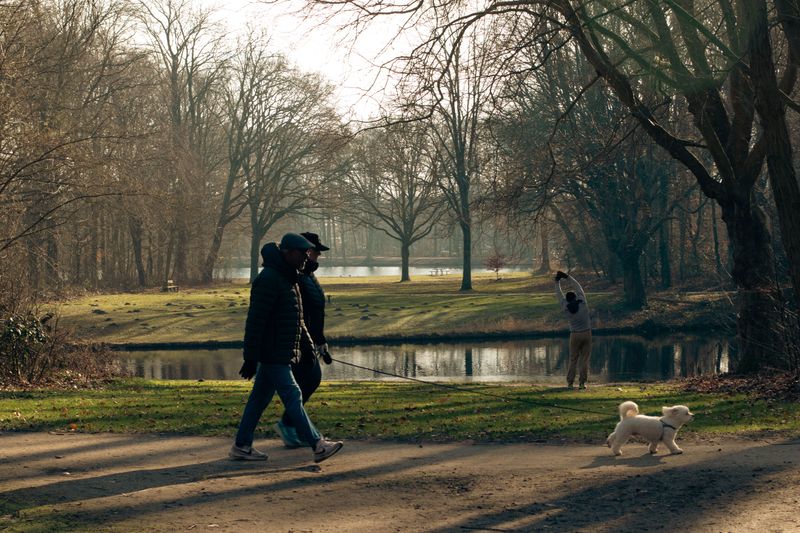
Sunrise walks have a quiet magic in Texas, and they are also the coolest part of the day. Pavement cools all night, so mornings before 8 AM are usually the safest window.
Evening outings after 7 PM work too, though surfaces may still hold warmth from the afternoon sun.
Midday and mid-afternoon are the times to skip. Shifting your routine by an hour or two makes a real difference for your dog.
2. The Seven-Second Hand Test
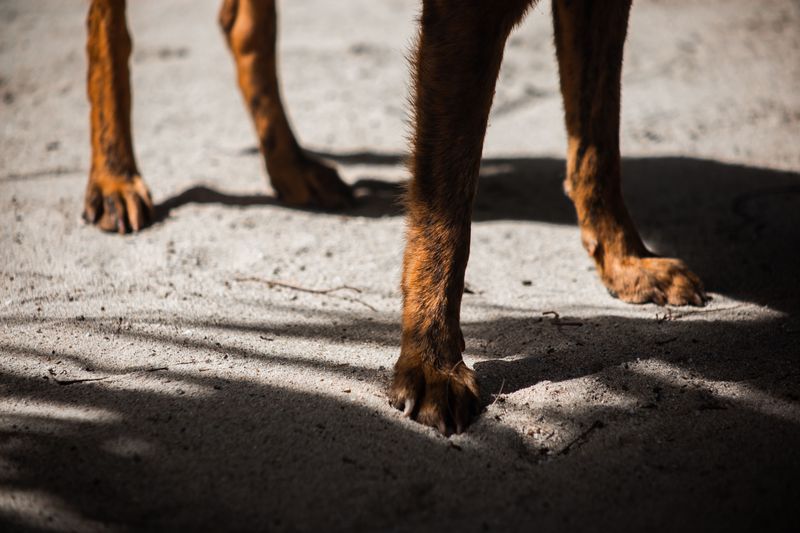
Before you clip on the leash, kneel down and press the back of your hand flat against the pavement. Hold it there for seven seconds.
If you want to pull away before time is up, the surface is too warm for paws. Some trainers suggest a ten-second version for extra caution.
Takes almost no time, costs nothing, and it beats guessing from the front door every single time.
3. Air Temperature Tells Only Half The Story
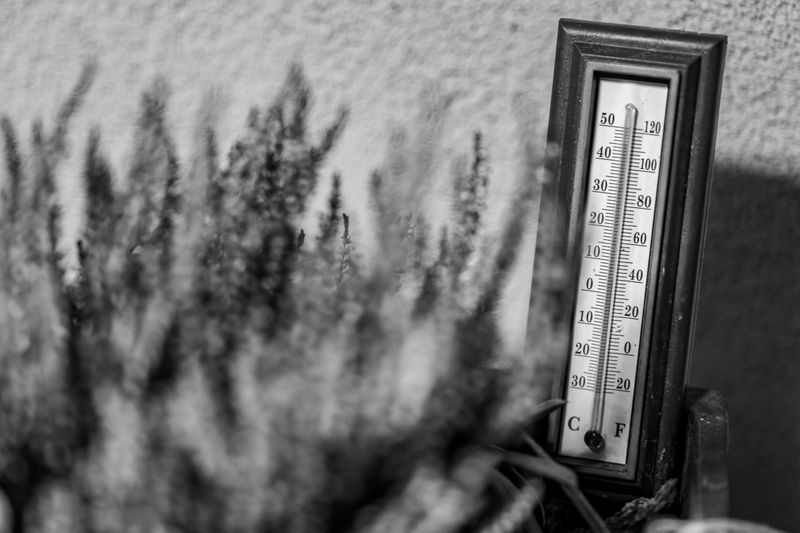
Here is the part that surprises people: asphalt soaks up sunlight and holds it far better than air does.
At an air reading near 87 degrees, dark asphalt in full sun can climb past 140 degrees. Even a pleasant 77 degree afternoon can push pavement toward 125 degrees.
Skin contact at that level becomes risky within about a minute. Surfaces also stay warm well after sunset, so check anyway.
4. Steer Toward Grass And Dirt Paths
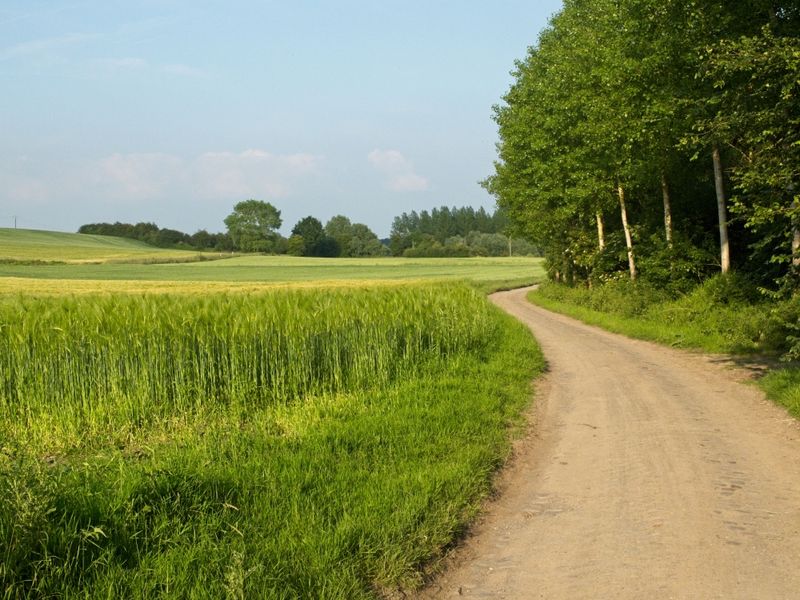
Grass, packed dirt, and shaded trails run noticeably cooler than dark concrete or blacktop.
Plan routes through neighborhood parks, greenbelts, or the shady side of the street where the trees do the heavy lifting.
Even crossing a parking lot on the grassy edge helps. Many Texas owners keep a summer route and a winter route, and the summer one simply follows the shade wherever it goes.
5. Booties For The Stretches You Cannot Avoid
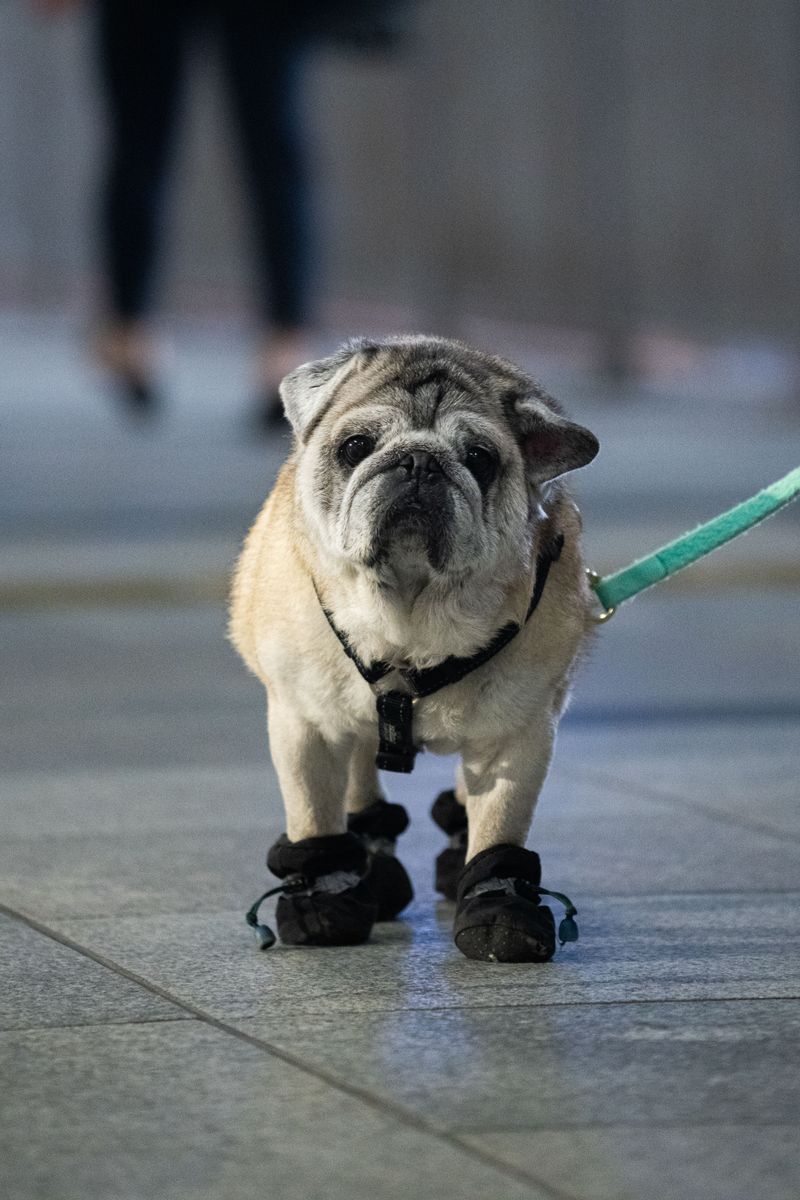
Sometimes there is no grass detour, like crossing a wide lot to reach the vet clinic door.
Protective booties give paw pads a buffer on those unavoidable stretches. The trick is practice: let your dog wear them indoors first, with treats, until the funny high-step walk fades.
Check the fit so nothing rubs. A dog who trusts the gear will actually use it when the day gets warm.
6. Paw Pads Are Tougher, Not Invincible
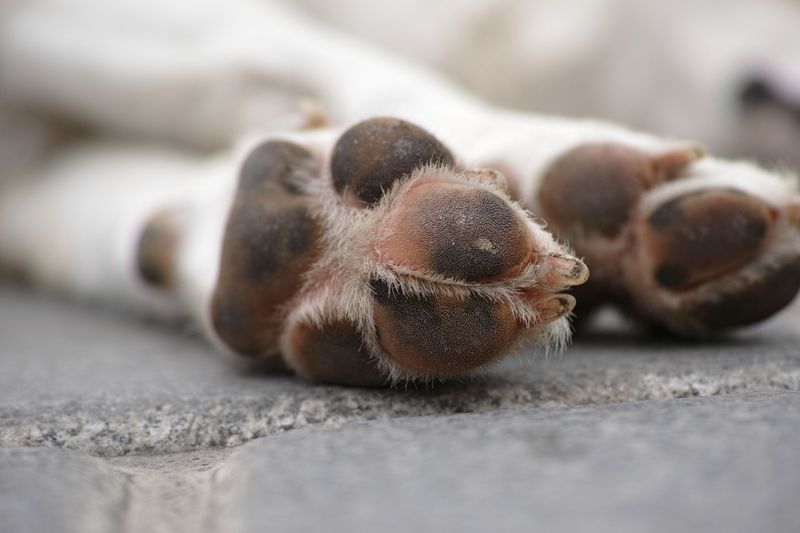
Thick, leathery pads fool a lot of us into thinking they can handle anything.
Pads are still skin. Prolonged contact with a scorching surface can leave them red, tender, blistered, peeling, or cracked, sometimes within minutes.
Get in the habit of checking pads after summer outings. Limping, licking, or hesitation at the door are worth a look, and a vet visit if anything appears damaged.
7. Trim The Distance When A Heat Wave Settles In
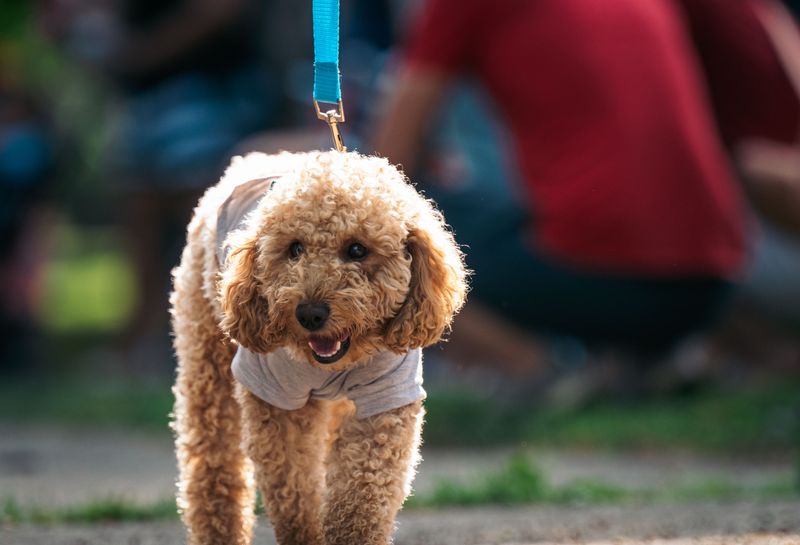
A three-mile loop in July is a different animal than the same loop in March.
During stretches of extreme heat, cut walks short. Two brief outings often serve your dog better than one long trek.
Watch the pace as well, since sniffing strolls generate less body heat than brisk marches. Your dog will still get the mental stimulation, which is honestly most of what they came outside for.
8. Water, Then More Water
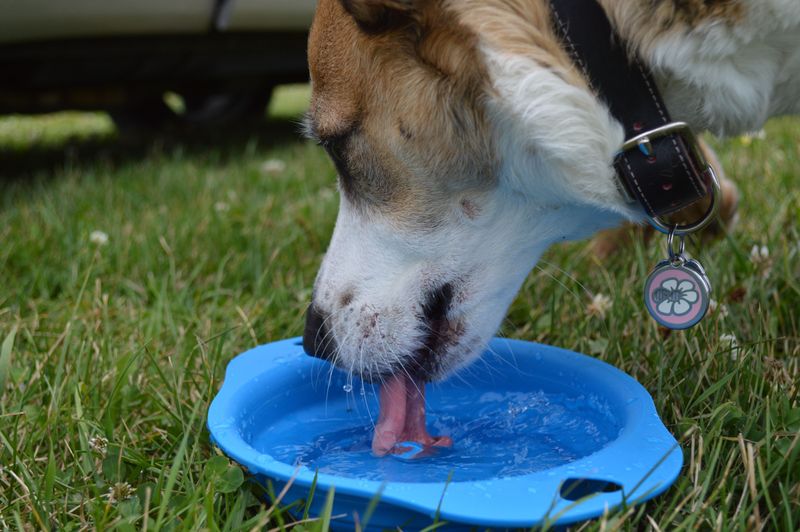
Hydration is the quiet hero of every Texas summer.
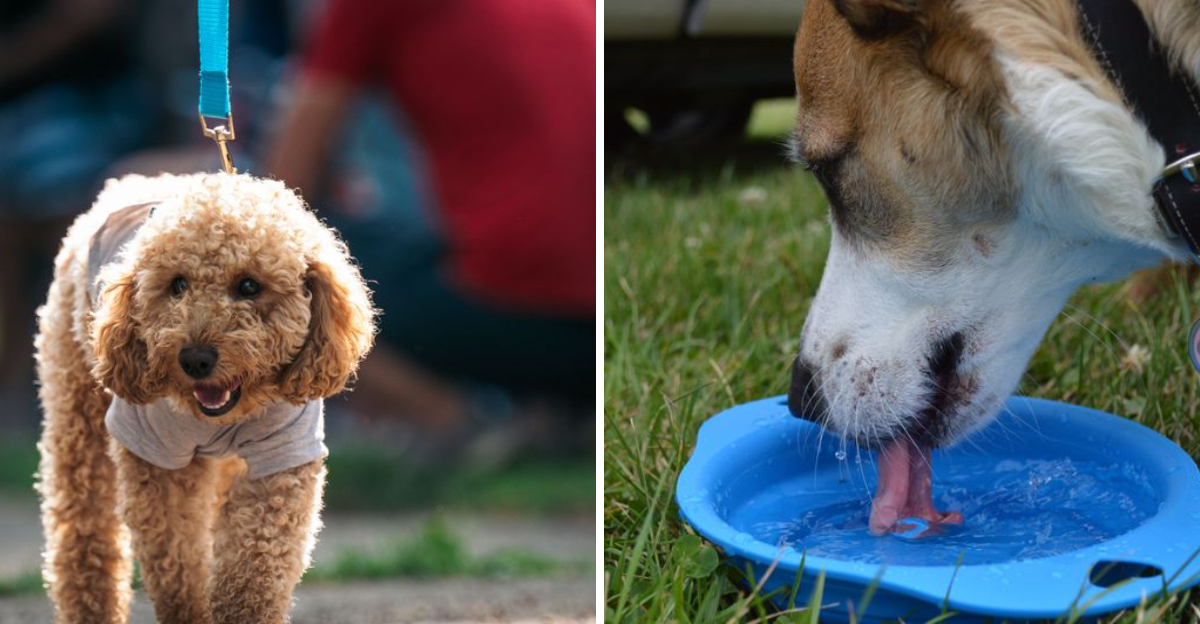
Keep clean, cool water available at home and refresh bowls often, since standing water warms fast outdoors. On walks, pack a bottle and a collapsible bowl.
Offering a few sips every ten to fifteen minutes keeps things steady. Some dogs ignore water when excited, so pausing in the shade and setting the bowl down usually does the trick.
9. Shade That Actually Stays Shady

Texas law requires that dogs kept outdoors have constant access to shade, and that word constant matters.
Morning shade under a tree can vanish by two o’clock as the sun swings west. Walk your yard at different hours and see where shadows actually land.
Shade sails, covered patios, and open-sided structures with airflow all help. A doghouse baking in full sun does not count as relief.
10. Parked Cars Are Off Limits, Always
Not even for a quick errand, and not with the windows cracked.
Interior temperatures can climb more than twenty degrees in ten minutes. Under Texas Penal Code section 42.092, leaving an animal in those conditions can be treated as cruelty, with possible fines or jail time.
Certain cities add their own ordinances, so check locally. The simple fix: leave your dog home where the air conditioning is.
11. Truck Beds Are Not A Ride On Hot Days
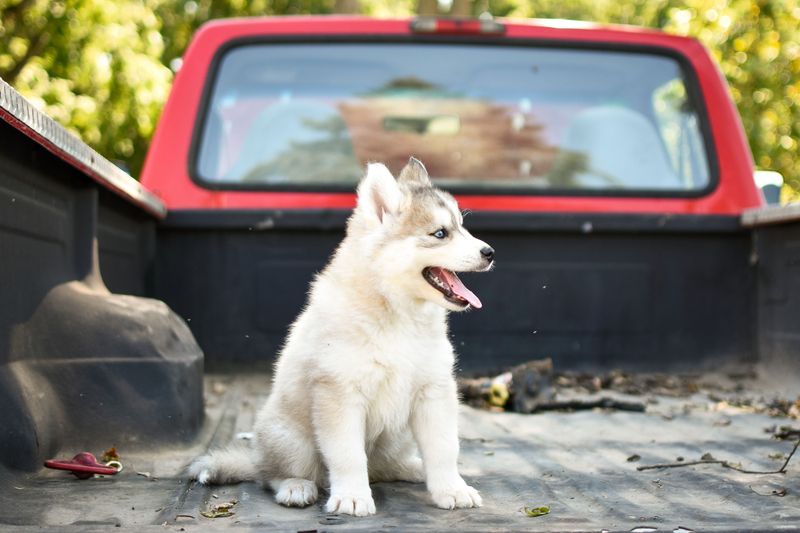
Metal and bedliner surfaces heat up much like pavement, and there is rarely shade back there.
Confining a dog in a pickup bed during extreme heat can fall under Texas cruelty and cruel confinement statutes.
Beyond the legal side, an exposed bed offers no escape from the sun or hot flooring. Secure your dog in the cab instead, harnessed or crated, where the air stays cool.
12. Catch Overheating While It Is Still Early

Panting is normal. Panting that will not settle down is your cue.
Watch for heavy drooling, sudden thirst, sluggishness, wobbly legs, or a racing heartbeat. Bright red gums, confusion, an upset stomach, or loose stool also signal trouble.
Move indoors or into deep shade right away, offer water, and let your dog rest. Acting at the first hint is far easier than managing things later.
13. When It Becomes A Vet Emergency
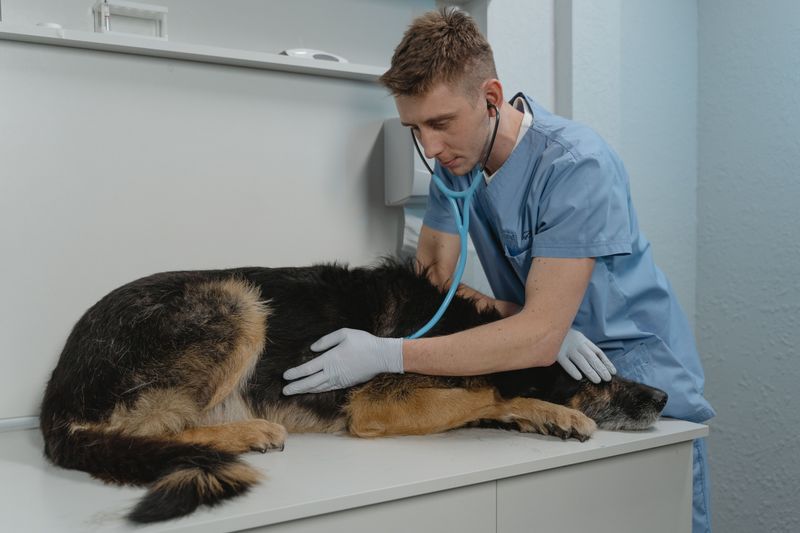
Some signs cannot wait: collapse, seizures, extreme weakness, unresponsiveness, or noisy, labored breathing.
Emergency veterinarians follow a simple rule, cool first and transport second. Begin cooling immediately, then head to the nearest clinic while someone calls ahead.
Save an emergency vet number in your phone now, before you need it. Knowing exactly where to go removes a lot of stress from an already tense moment.
14. Cool Water Beats Ice Water

Reach for cool tap water, not ice or an ice bath.
Wet the neck, belly, and inner thighs where blood vessels sit close to the surface. Damp towels on the head, chest, feet, and abdomen help, and a fan blowing across wet fur speeds evaporation.
Aim to bring things down gradually, around 103 degrees. Skip immersion for an unconscious dog or one with health conditions.
15. Puppies And Gray Muzzles Need Closer Watching
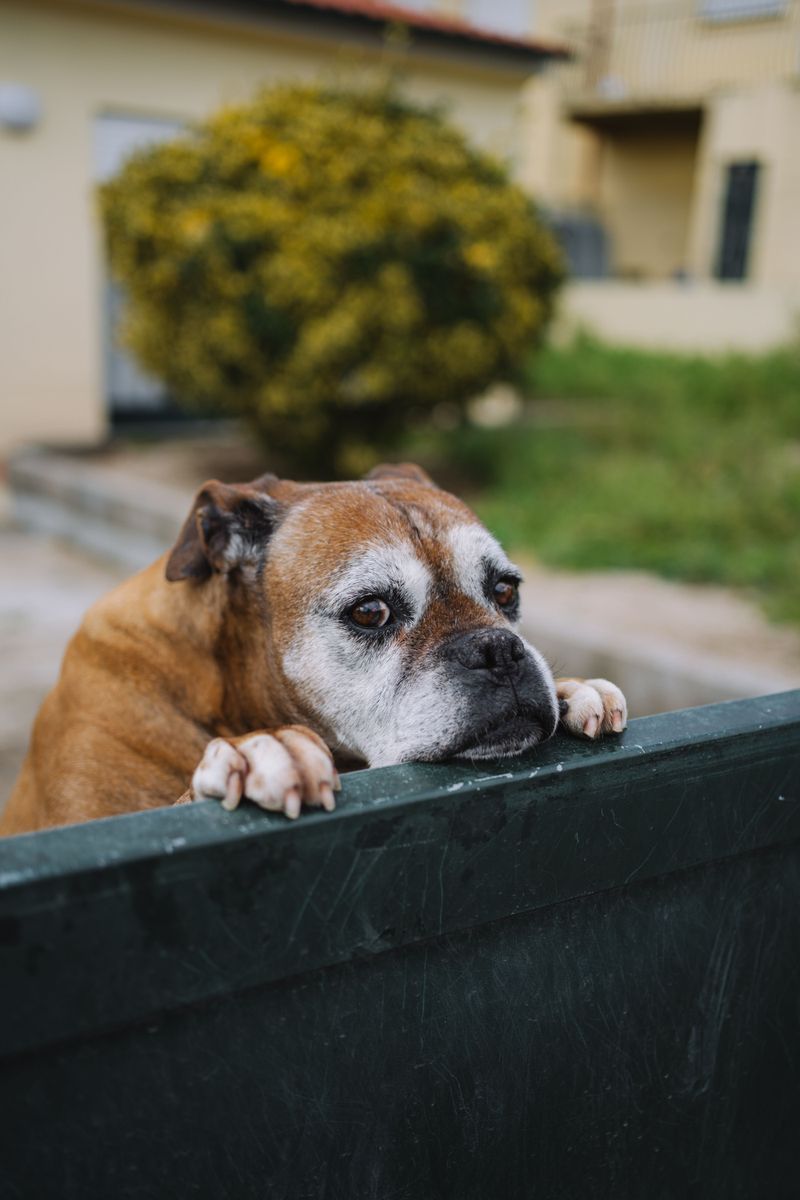
Both ends of the age spectrum handle heat less efficiently.
Puppies get swept up in excitement and forget to stop, while older dogs tire sooner and may have stiff joints or heart concerns.
Keep outings brief for both, offer water often, and choose shaded, soft footing. Indoor play covers plenty of their energy needs.
A cool tile floor and a fan can be the highlight of a senior dog’s afternoon.
16. Health Conditions Change The Math
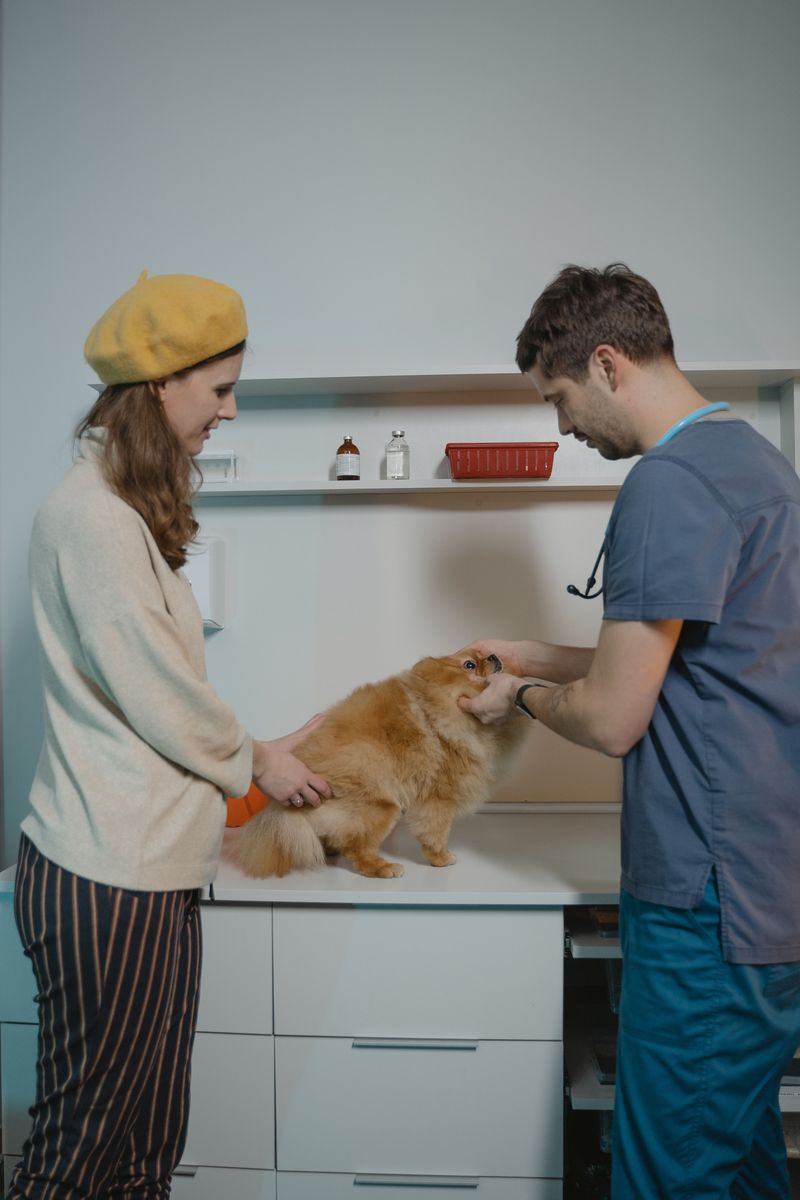
A dog with heart disease, breathing problems, or a prior heat episode carries extra risk in summer.
Overweight dogs, dogs recovering from illness, and those recently sedated also need a gentler approach.
Ask your veterinarian what activity level suits your dog through the hot months. Medications sometimes affect heat tolerance too.
A quick conversation at the next appointment gives you a plan tailored to your specific dog.
17. Flat-Faced Breeds Play By Different Rules
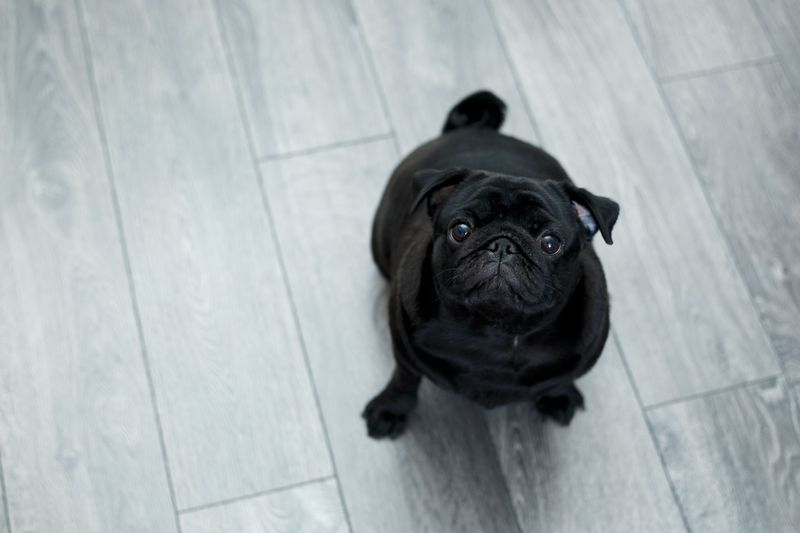
Bulldogs, pugs, Boston terriers, and other short-nosed breeds cool themselves less effectively.
Panting is a dog’s built-in air conditioner, and shortened airways make that system work harder for less payoff.
Keep outings very brief on hot days, favor early mornings, and let air conditioning handle the rest. Cooling mats and indoor games fill the gap nicely.
Owners of these breeds learn quickly that shorter is smarter all summer long.
18. Think Twice Before The Summer Buzz Cut
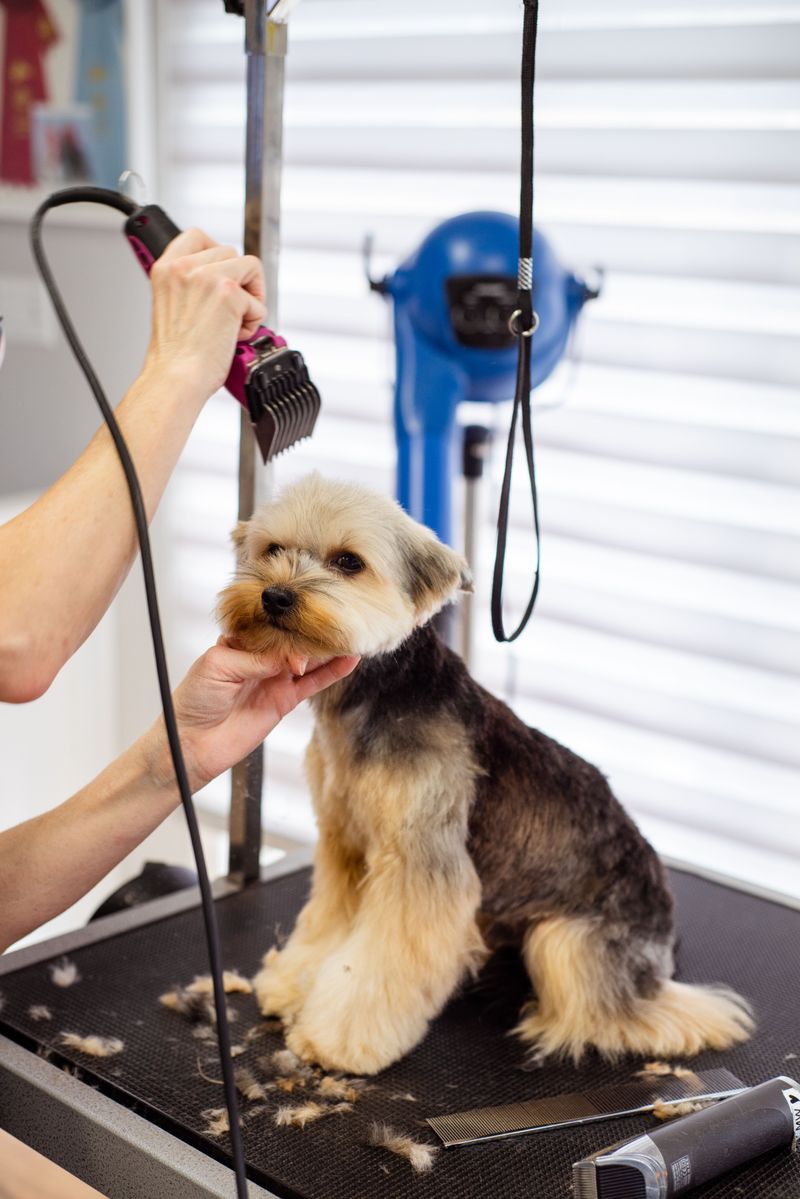
Fur seems like a winter coat, yet it works both directions.
A dog’s coat insulates against heat and shields skin from sun. Shaving a double-coated breed such as a husky or golden retriever can interfere with that natural regulation and expose skin to burning.
Regular brushing to clear loose undercoat helps far more. Ask your groomer what suits your dog’s coat type before booking anything drastic.
19. Bring The Workout Indoors
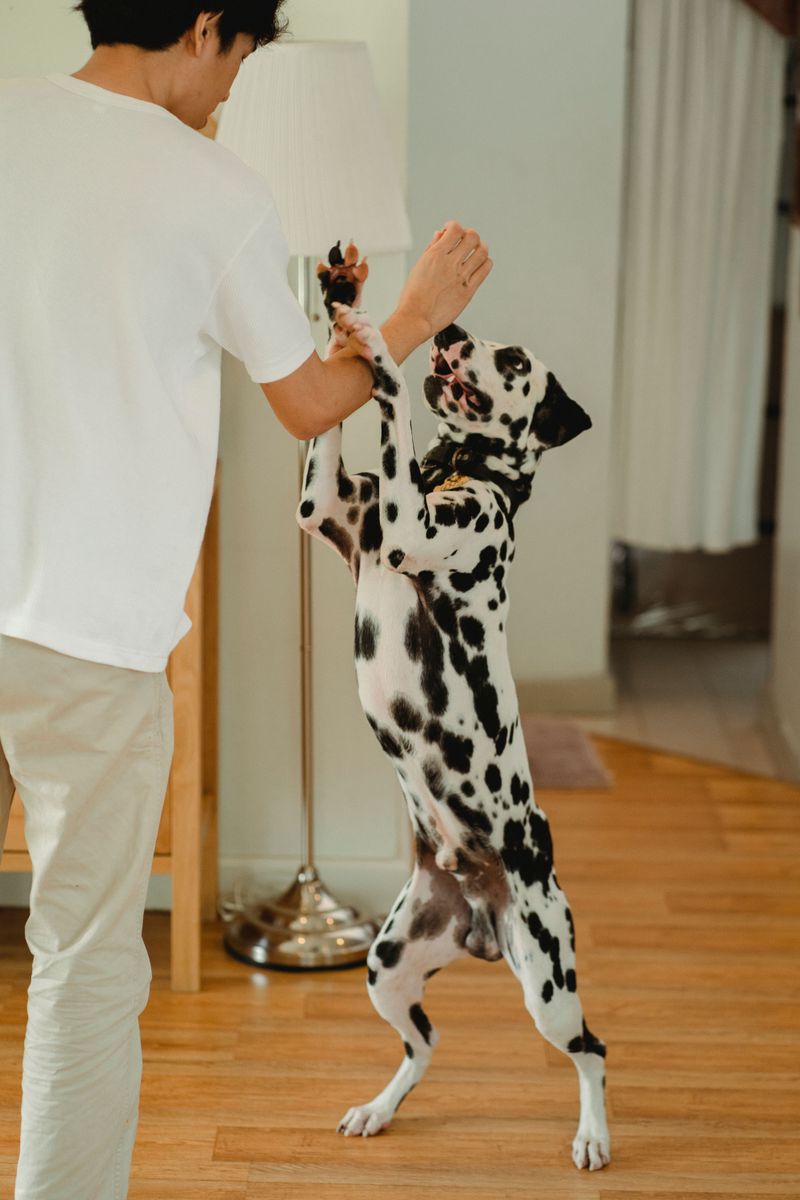
Rainy day tricks work just as well on hundred degree days.
Hallway fetch, stair sprints, tug, and short training sessions burn energy without a single step on hot ground. Puzzle feeders and snuffle mats tire dogs mentally, which counts for a lot.
Ten minutes of nose work can settle a restless dog better than a long walk. Rotate the games so novelty keeps the interest alive.
20. Read The Whole Picture, Not Just The Forecast

The thermometer is one clue among many.
Humidity matters enormously, because damp air makes panting far less effective. Add in direct sun, surface temperature, available shade, and your dog’s breed, age, weight, and fitness.
A young lab on shaded grass at 90 degrees is in a different situation than a senior pug on asphalt.
Weigh those factors together, and you will make good calls all summer.