What To Do If An Alligator Is Near Your Dog In Louisiana
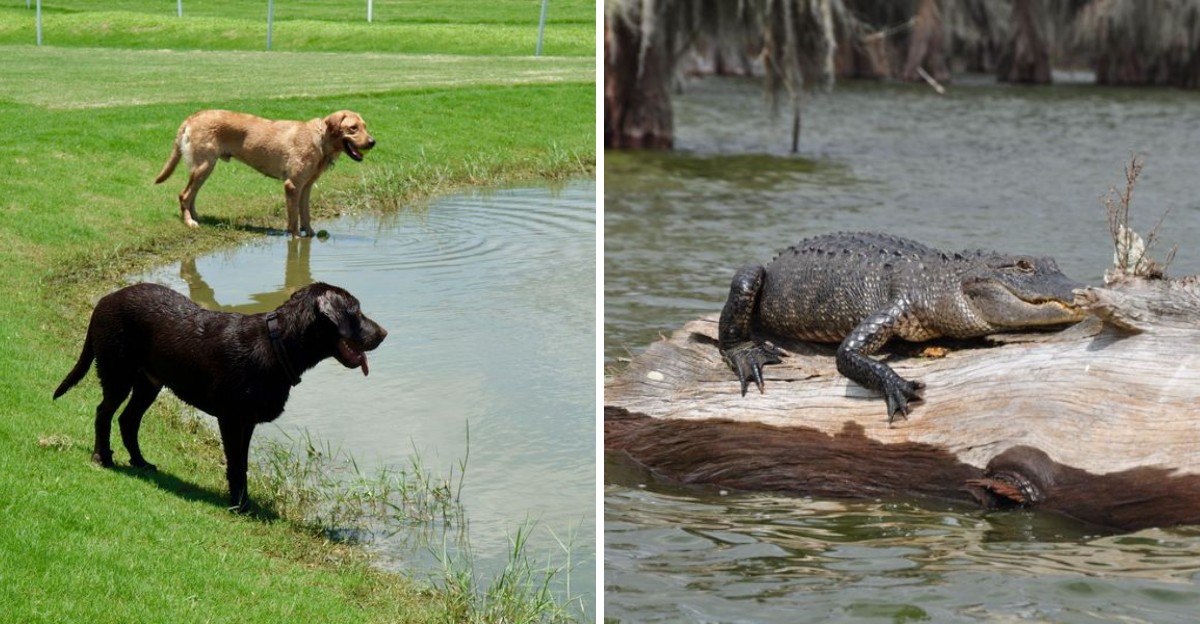
If you walk your dog anywhere near Louisiana water, you already know alligators are part of the scenery. Most encounters end quietly, especially when you know how to read the situation and respond with a steady head.
The goal is not fear, it is preparation. A few simple habits keep your pup at a comfortable distance and let you enjoy your walks.
Here is what every local dog owner should have tucked in the back of their mind.
Keep Your Dog Far From the Water’s Edge
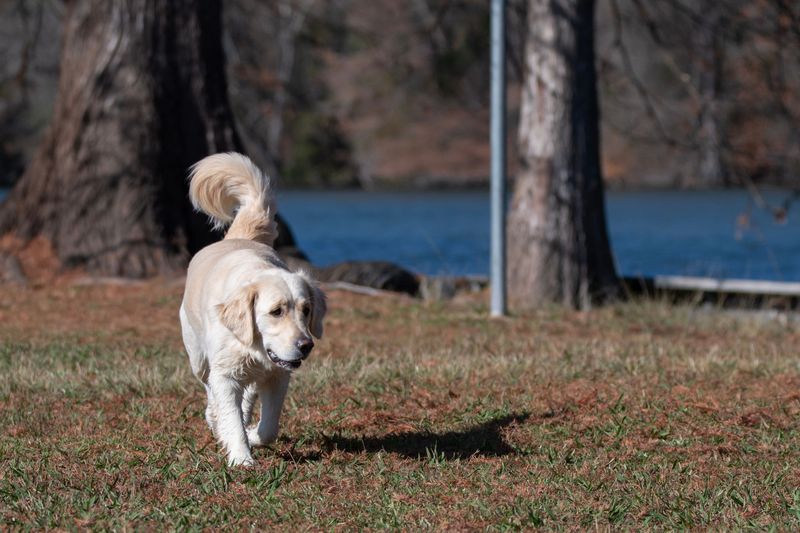
Shorelines are where nearly every close call begins. Alligators rest in shallow water just off the bank, often barely visible above the surface.
Wildlife officials recommend keeping a safe distance from alligators and remaining aware whenever you are near water. Give the animal plenty of room and keep your dog well away from the shoreline.
Walk the high ground instead of the muddy rim. Your dog loses nothing, and you gain a wide margin of safety on every outing.
Get Your Dog Back on a Short Leash
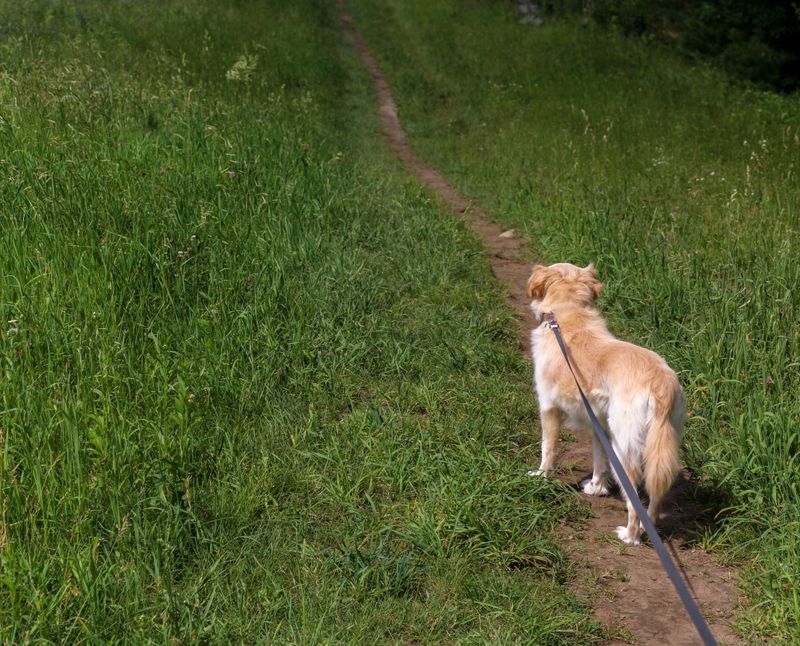
A long retractable line gives your dog thirty feet of freedom you cannot control. Near water, that freedom works against you.
Switch to a standard leash of about six feet and keep it in hand, not looped loosely on a wrist.
Shorter leads let you redirect instantly, before your dog notices something in the reeds. Many Louisiana parks and levee trails also require leashes, so check posted rules where you walk.
Never Let Your Dog Approach an Alligator
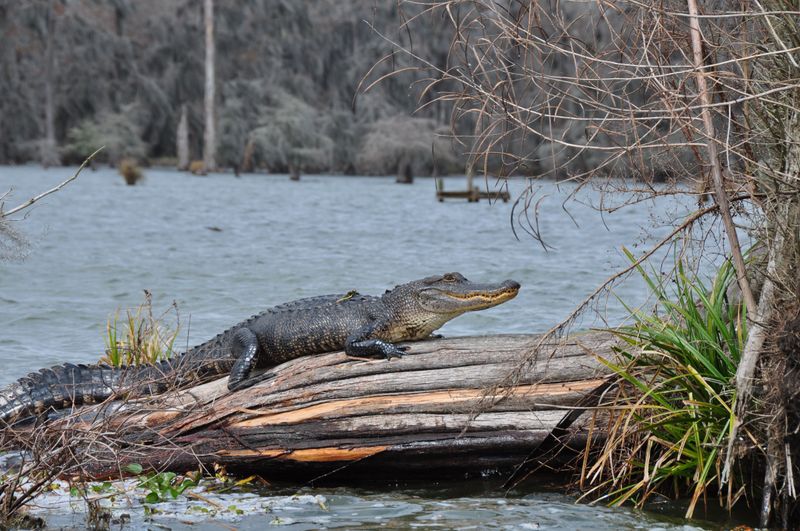
Curiosity is charming right up until it points toward a bayou bank. Dogs investigate with their noses, and an alligator reads that approach as an intrusion.
Do not allow sniffing, barking, or a quick peek at the shoreline. Call your dog in and shorten the leash immediately.
Splashing, movement, and high-pitched barking all draw attention. Removing your dog from the picture is the fastest way to end the encounter peacefully.
Move Away Slowly and Calmly
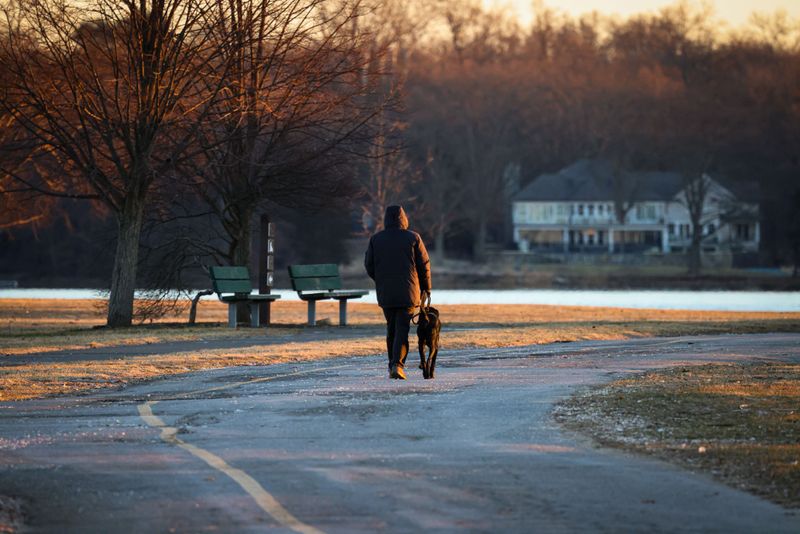
Steady beats sudden every single time. When you spot an alligator, stop, take a breath, and gather your leash.
Then back away at a walking pace, keeping your dog beside your leg rather than trailing behind you.
Alligators are usually content to stay put if nothing crowds them. Quiet, unhurried movement signals that you are leaving, and most animals simply watch you go without shifting an inch.
Avoid Turning a Close Encounter Into a Chase
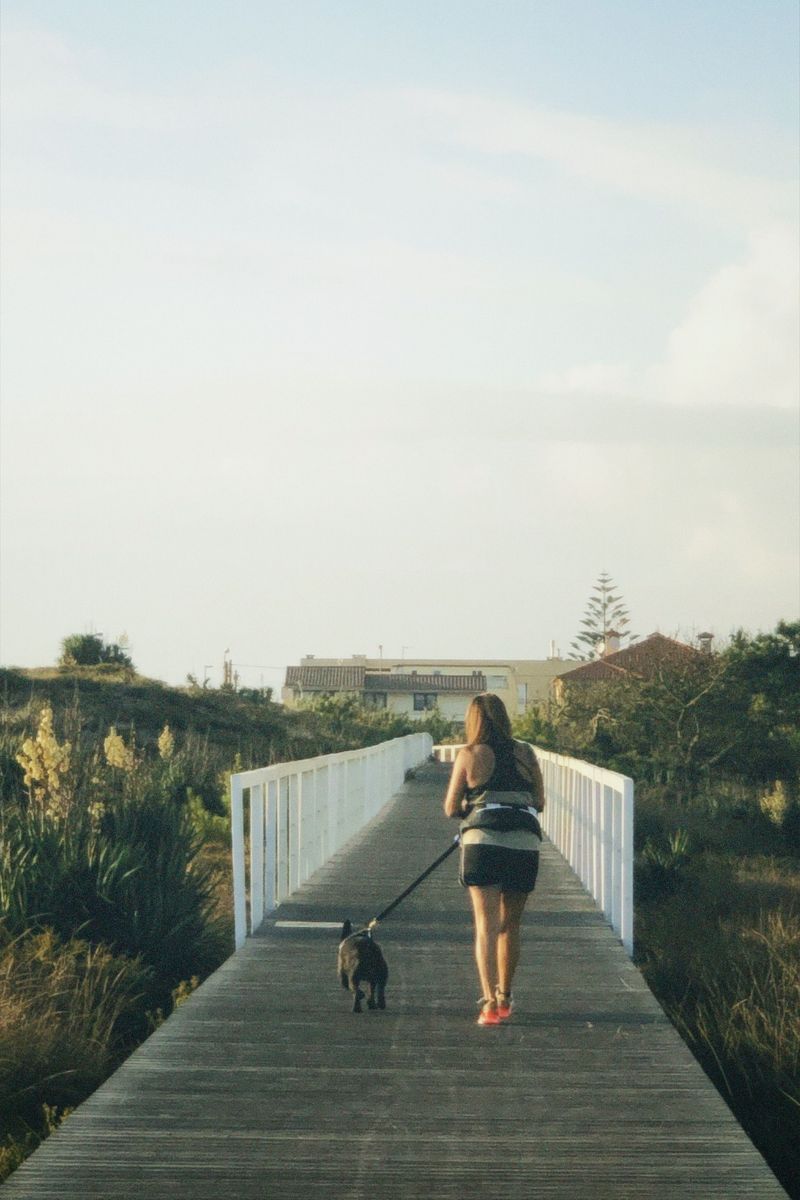
Here is where people get it backward. Running, shouting, or letting your dog lunge adds energy to a scene that needs less of it.
Skip the loud noises and the phone photos. Just leave.
If your dog pulls hard, turn your body and walk in the opposite direction so the leash guides them along. Dogs follow momentum.
Give them somewhere else to go and the tension drops within seconds.
Do Not Assume a Small Alligator Is Harmless
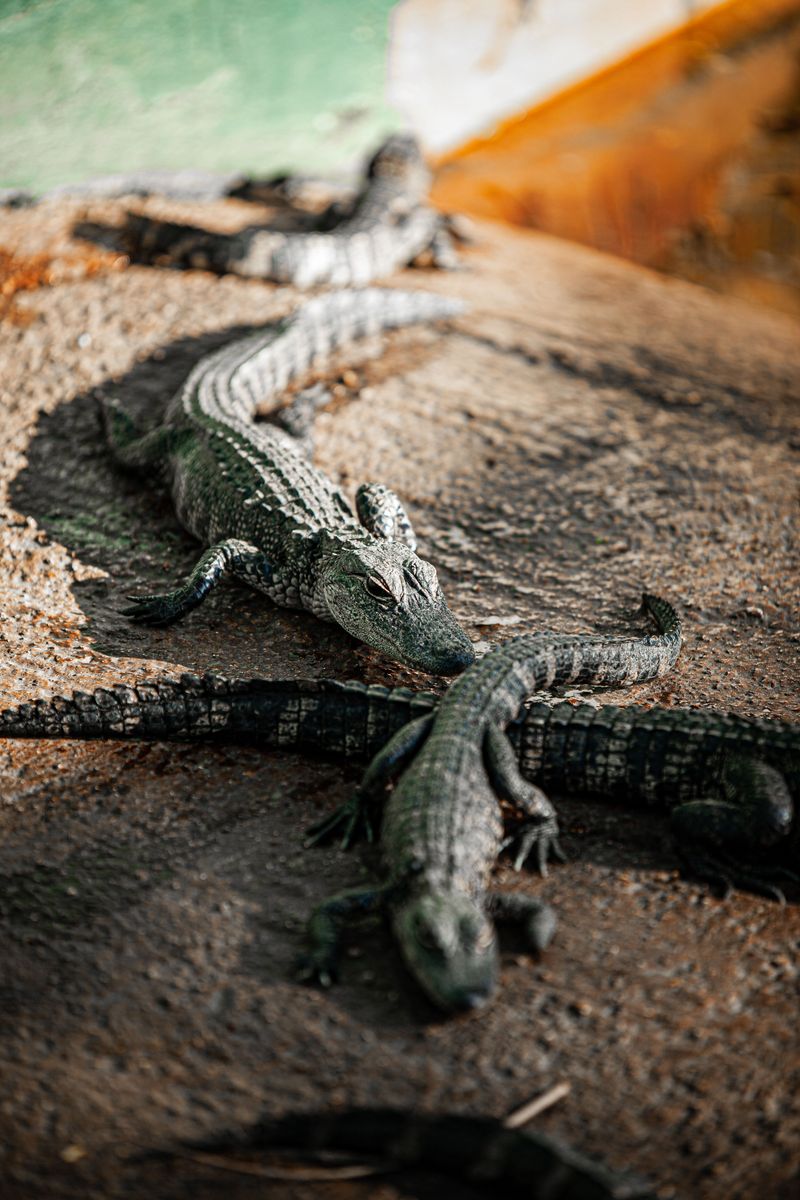
Size is a poor measure of risk. A three-foot alligator still has a strong bite and quick reflexes, and a curious dog can be injured in a moment.
There is a second issue too. Where juveniles gather, a protective adult female is often nearby watching.
Treat every alligator the same, regardless of length. Same rule, same distance, same calm exit.
It keeps decision-making simple when you are surprised.
Stay Alert Around Louisiana’s Waterways
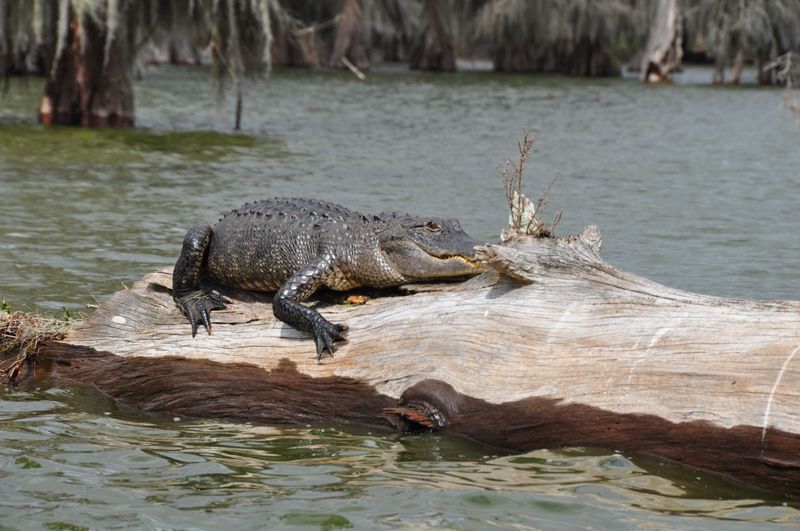
Louisiana has bayous, canals, retention ponds, ditches, and marsh edges nearly everywhere. Alligators use all of them, including water close to neighborhoods.
Activity tends to rise in warmer months, and animals move around more during spring courtship and nesting season.
Scan the bank before your dog reaches it. Look for still shapes, ripples, or a line of bumps just above the surface.
One glance often tells you everything.
Be Especially Careful Near Quiet Shorelines

Do not assume that busy boat launches or noisy parks are free of alligators. Stay alert anywhere you are near water, including quiet or developed shorelines.
Calm, shaded banks with thick reeds make excellent resting areas, and those are exactly the places dogs love to explore.
Dawn and dusk deserve extra caution, since visibility drops and animals become more active. If a shoreline feels quiet and secluded, keep your dog centered on the trail and moving.
Avoid an Alligator’s Path
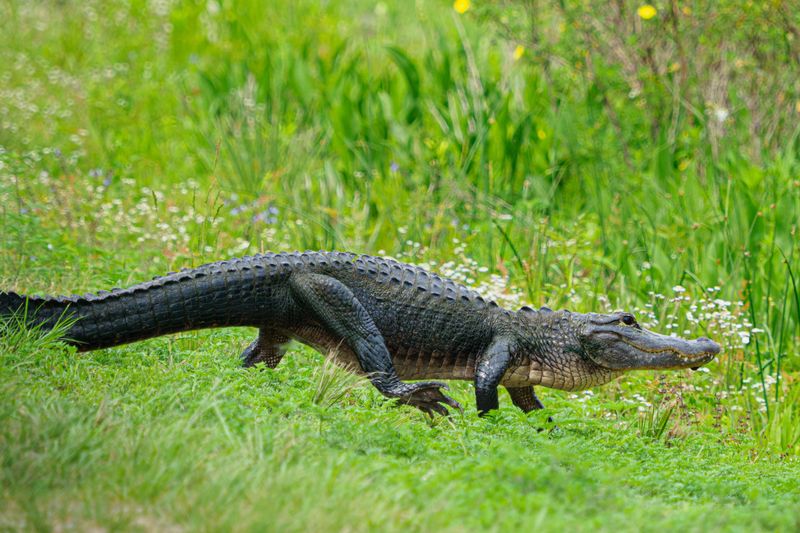
Alligators travel overland between ponds, canals, and marshes, especially in spring. Sometimes that route crosses a sidewalk or park lawn.
Never position yourself or your dog between the animal and the water. Blocking the exit is what creates problems.
Instead, give it a wide berth and let it continue. Step well off to the side, wait, or take a different route entirely.
Patience solves this one.
Keep Your Dog Out of the Water
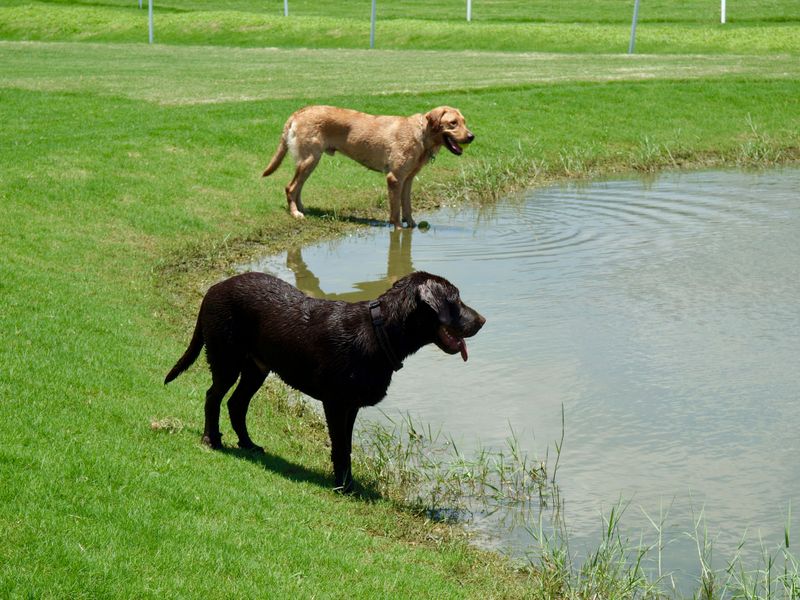
Swimming dogs make a lot of splash, and splashing carries a long way underwater. It reads like something worth investigating.
Skip the bayou dip, no matter how hot the afternoon is. That includes canals, drainage ponds, and marsh channels.
Bring a collapsible bowl and fresh water instead, or find a fenced dog pool or sprinkler setup. Your retriever will forgive you, especially with a good chew afterward.
Do Not Feed an Alligator
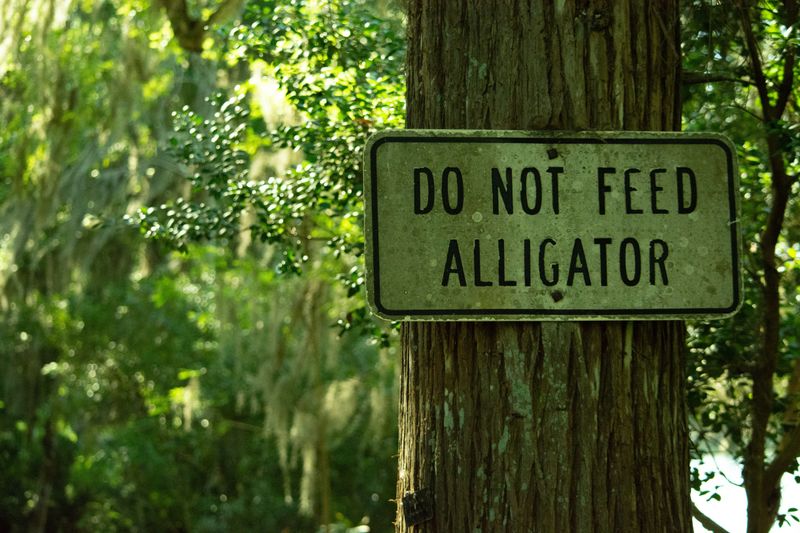
Intentionally feeding wild alligators is strongly discouraged in Louisiana. Fed alligators can become accustomed to people and associate them with food.
That includes tossing scraps, leftover bait, or fish cleanings near a bank. Even once is enough to change behavior.
Also keep pet food indoors and secure your trash. A neighbor’s habit can create a bold animal that later shows up during your evening dog walk.
Never Try to Touch or Move the Animal
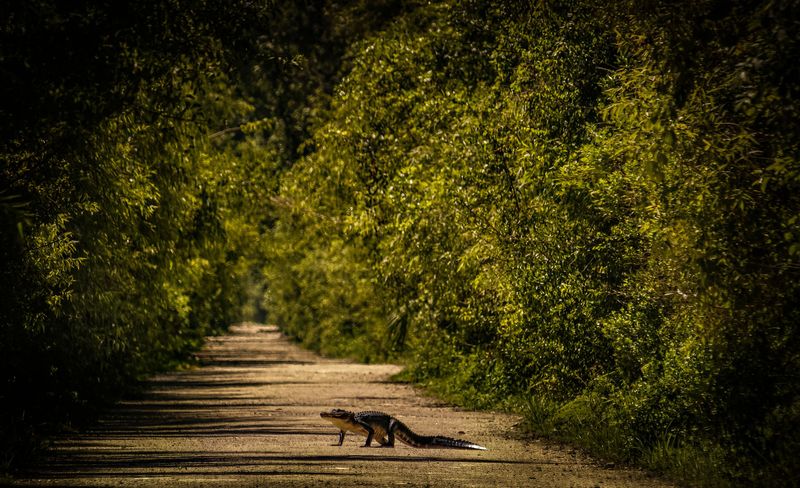
Every year someone decides to shoo an alligator off a path. It rarely goes as planned.
The public should never handle, harass, capture, or attempt to move an alligator. Louisiana has a nuisance-alligator program in which licensed nuisance alligator hunters handle approved removals through the Louisiana Department of Wildlife and Fisheries.
Your job is smaller and safer: leash your dog, step back, and let professionals decide. Call the authorities rather than reaching for a stick or a rope.
Watch for More Than One Alligator
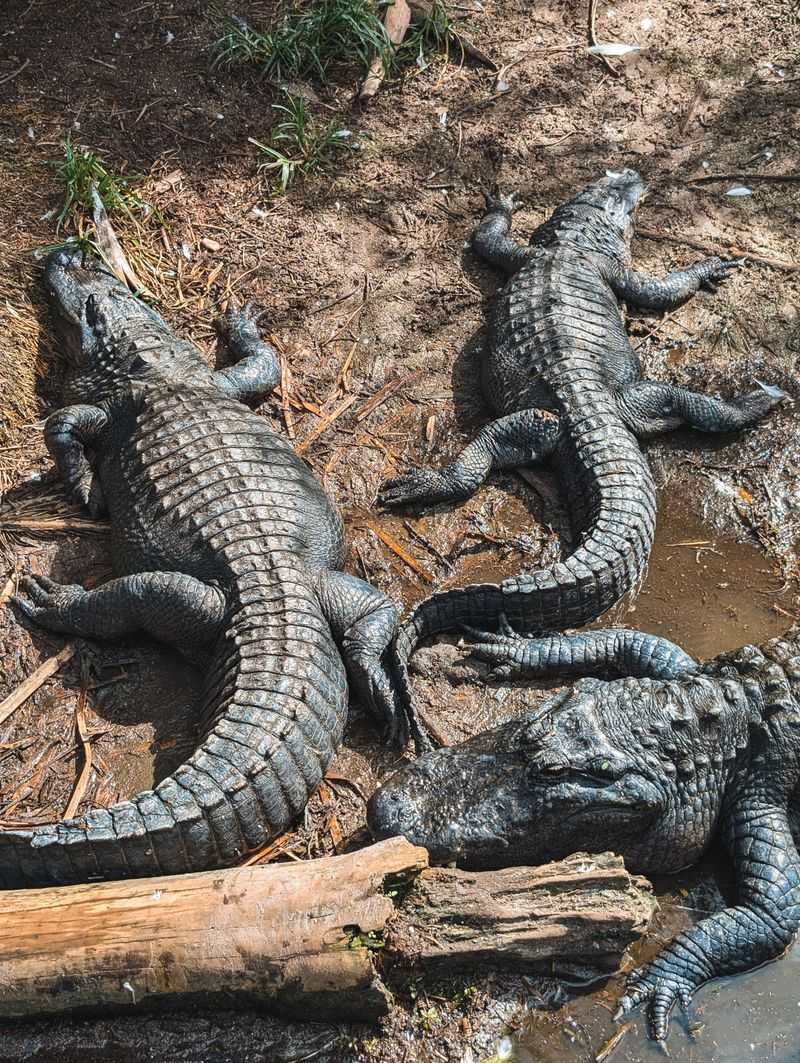
Spotting one animal does not mean you have found them all. Banks and warm shallows often host several, sitting quietly out of sight.
After you see one, assume others are close and widen your route rather than easing past.
Scan ahead and behind before relaxing your grip on the leash. Nesting areas draw multiple animals too, so any spot with heavy vegetation deserves a respectful detour.
Report an Alligator That Poses a Risk
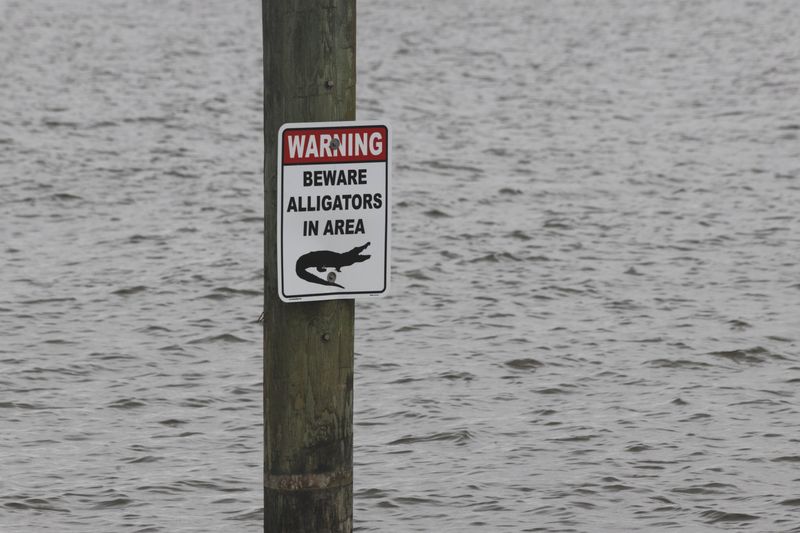
Some sightings are normal. An alligator lingering in a yard, on a road, or by a playground is a different matter.
The Louisiana Department of Wildlife and Fisheries runs a nuisance alligator program. To report a nuisance alligator, contact an LDWF office or use the department’s listed after-hours and weekend reporting number.
Save those numbers in your phone now. Give a clear location and approximate size, then keep your dog indoors until someone responds.
What to Do If Your Dog Is Bitten
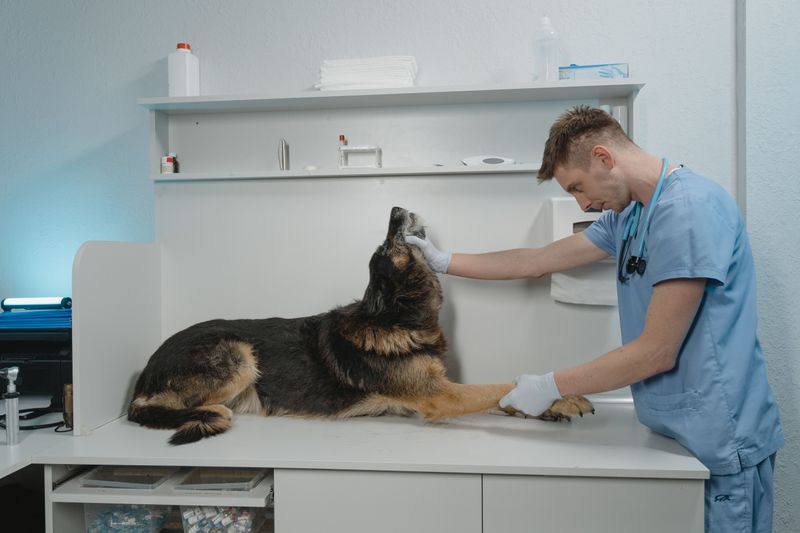
Should the worst happen, move your dog away from the water first, then focus on care.
Apply gentle pressure to any bleeding with a clean cloth and keep your dog warm and still.
Head to a veterinarian right away, even for small punctures. Bite wounds carry bacteria and often need cleaning, antibiotics, and pain management.
Call ahead so the clinic is ready when you arrive.
Keep Emergency Veterinary Information Handy
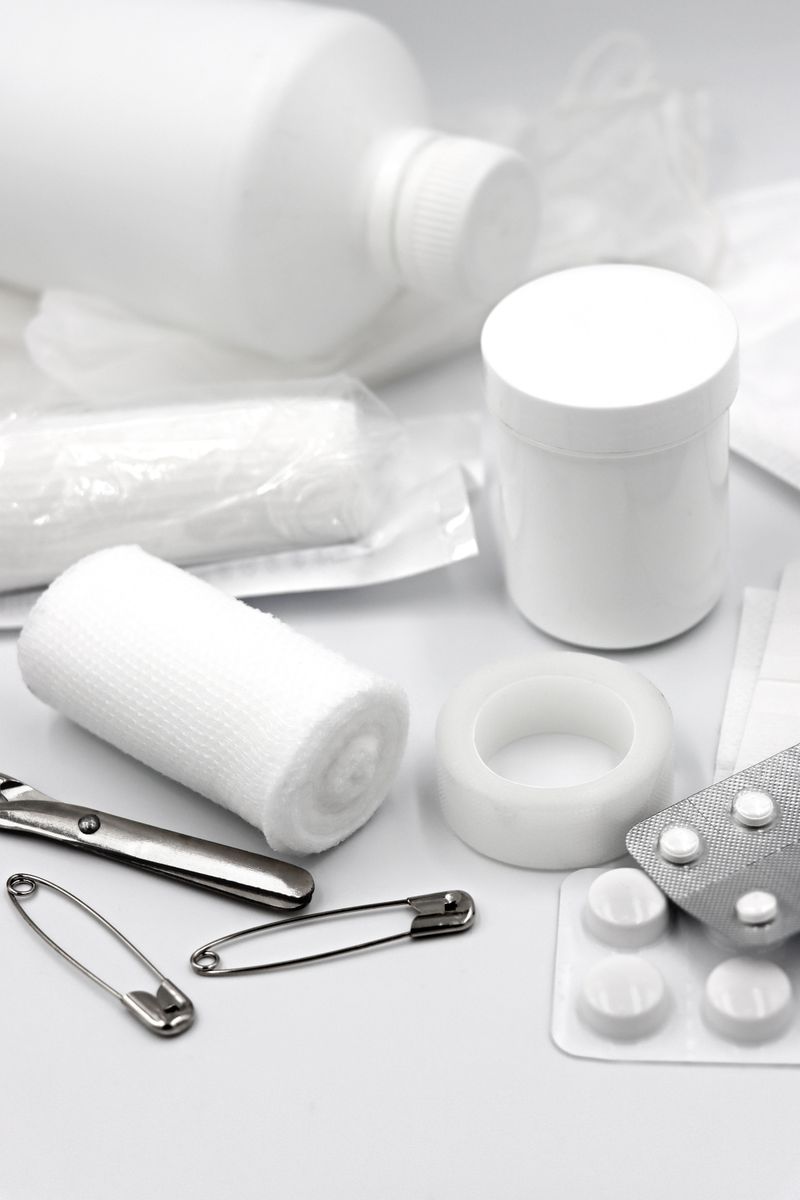
Preparation takes about ten minutes and pays off forever. Save your regular vet plus the nearest 24-hour emergency clinic in your contacts.
Add the wildlife agency number and your parish animal control line while you are there.
Write the same details on a card in your leash bag, since phones die. A small first aid kit with gauze and vet wrap rounds out a very practical setup.