Illinois Dog Owners Should Treat A Municipal Move As A Paperwork Reset

Moving across town in Illinois can feel simple until you realize your dog’s paperwork stayed behind. Licenses, permits, and registration records are usually tied to a specific city or county, not to you personally.
The good news is that catching up takes an afternoon, not a headache, once you know what to check. Here is a friendly walkthrough of the records worth sorting out after a local move, so your dog stays protected and properly registered.
Start With A Simple Question: Does This Town License Dogs?

Most Illinois communities run their own dog licensing program, separate from county rabies registration. Chicago, for example, requires a city license for dogs four months and older.
Skokie, Centralia, Jerseyville, and Prospect Heights have similar rules.
Your first stop should be the village or city clerk’s office website. A quick phone call works too.
Rules genuinely differ from town to town, so confirm locally rather than assuming.
Old Tags Do Not Follow You To A New Address

A license issued by your previous village belongs to that village. Nothing transfers automatically when you cross a municipal border, even a few blocks away.
Think of it like a library card. Useful where you got it, meaningless one town over.
Plan on registering fresh with your new local authority, and keep the old paperwork handy as proof of prior compliance.
Refresh Every Contact Detail On File

Outdated phone numbers help nobody when a dog turns up two streets away. Local records only work if the details are current.
Update your name, address, phone, and email with the licensing department. Decatur specifically asks residents to call in changes.
Chicago’s registration emblem number is used to reunite lost pets with owners, which only works when your contact information is accurate.
Deadlines Are Shorter Than Most People Expect

Ten days. That is all Prospect Heights gives new residents to license each animal after moving in.
Peoria County ties its ten day window to the vaccination date instead.
Decatur suggests registering right when your dog gets vaccinated, since late fees can apply after thirty days.
Because timelines vary so widely, ask your new clerk exactly when your clock started ticking.
Rabies Certificate: The Document You Will Need Every Time
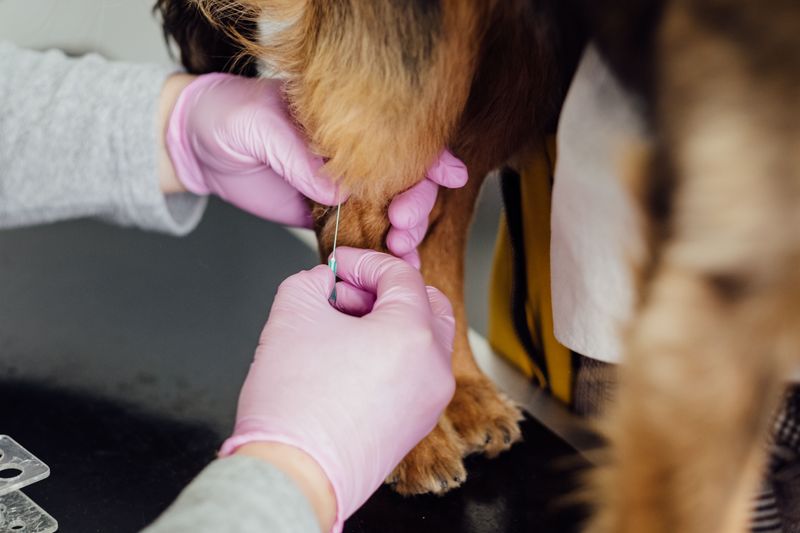
Nearly every Illinois registration desk asks for the same thing first: proof of current rabies vaccination signed by a licensed veterinarian.
Keep a paper copy in a folder and a photo on your phone. Both save time.
If yours has gone missing during the move, your veterinary clinic can reissue it quickly. Requesting a duplicate before you visit the clerk avoids a second trip.
That Metal Rabies Tag Still Counts Statewide

Here is a reassuring piece of Illinois law. A valid rabies tag and certificate must be honored until expiration by all counties in the state.
Protection applies when ownership changes, when a dog is traveling, and when an owner establishes residence in a different county.
So keep the tag on the collar. You are not starting your rabies schedule over just because you moved.
Loop In County Animal Control When Rules Require It

State rabies protection is one thing. Local recordkeeping is another.
Many county ordinances expect you to update your address with animal control. Lake County Animal Care and Control, for instance, handles rabies tags and pet registration together.
Notification requirements are not identical everywhere, so ask directly. Owners of dogs carrying a formal designation almost always must report a residence change promptly.
Crossing A County Line Changes More Than Your Mailing Address
Pet registration in Illinois is usually handled at the county level, often by animal control or the health department.
Move from Cook to Lake, or DuPage to Kane, and you will likely register again with the new county office.
Your rabies certificate still travels with you. The registration record does not.
Sorting both at once keeps everything aligned.
Renewal Dates Rarely Match From Town To Town
Skokie tags currently expire July 31, with a shift to a January through December cycle planned for 2027. Evanston registrations are due by December 31.
Chicago Heights licenses run from purchase date to December 31, while Romeoville uses a July 1 expiration.
Write your new date on the calendar the day you register. Future you will appreciate it.
Annual Tag Or Multi-Year? Ask Before You Pay
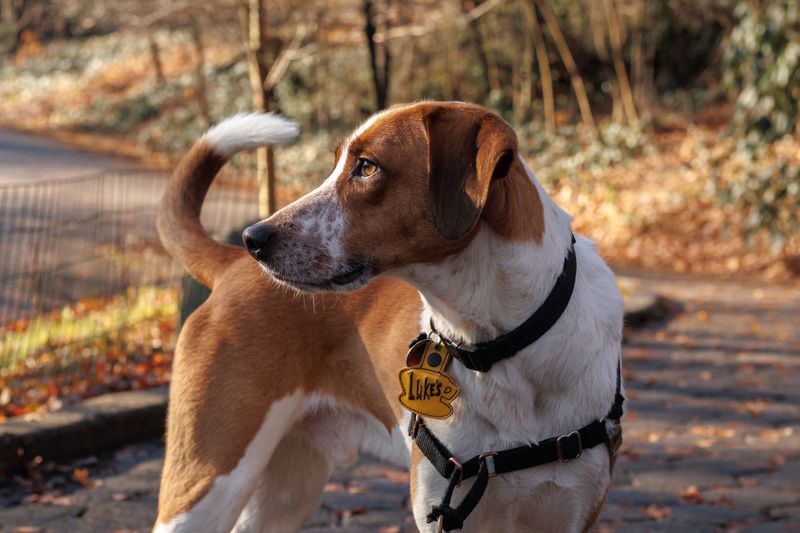
Illinois communities generally offer annual licenses or multi-year options tied to the rabies vaccination period.
Chicago issues one year and three year registration emblems. Peoria County also sells one year and three year tags.
Lifetime tags are not a common practice statewide, so treat any promise of one with a follow-up question. Choosing a longer term often saves both money and repeat paperwork.
Spay Or Neuter Records Can Lower Your Fee

Bring the sterilization paperwork. Many Illinois towns charge noticeably less for altered pets.
Skokie illustrates the gap well: ten dollars for a spayed or neutered pet license, twenty five dollars otherwise.
Your veterinarian can print a confirmation letter if the original certificate vanished in a moving box. It is a small errand that pays for itself at the counter.
Household Pet Limits Are Set Locally, Not By The State

Illinois sets no statewide cap on dogs per home. Towns and counties fill that gap themselves, usually landing between two and four.
Lake County permits four dogs and four cats over six months old. Aurora allows four companion animals total.
Chicago Heights allows two dogs in houses, one in apartments. Skokie permits three and two respectively.
Landlords may set stricter limits, so check your lease too.
Leash Rules Deserve A Second Read
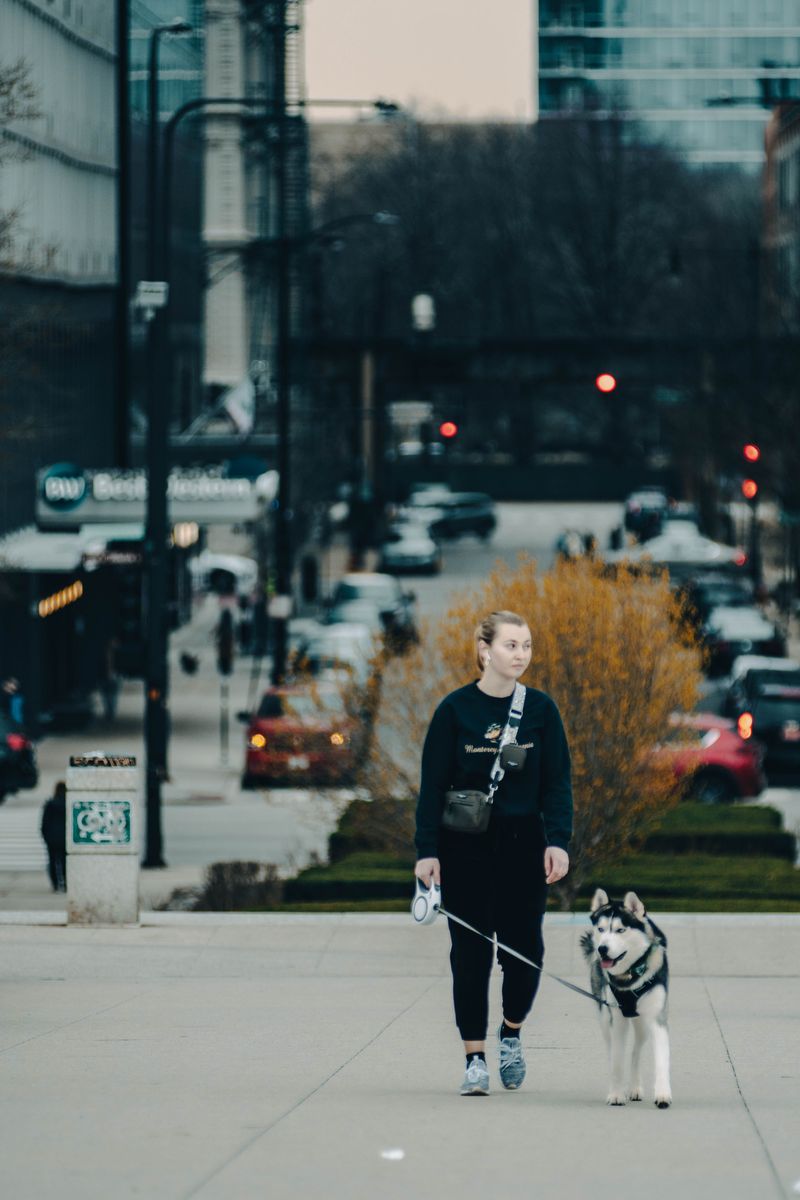
Illinois requires dogs to be restrained when off the owner’s property, and towns layer their own details on top.
Chicago calls for a leash no longer than six feet, or secure containment such as a crate or vehicle. Park District properties enforce leashing except in permitted dog friendly areas.
Lake County likewise requires leash control off your property. Violations can carry meaningful fines.
Some Towns Want That Tag Visible On Walks

Wearing the license is not optional everywhere. Skokie asks that licensed pets wear their tags whenever off the owner’s property.
Lake County requires dogs and cats over four months to wear a county rabies tag outside the home. Chicago’s city sticker attaches directly to the rabies tag.
Jingling tags also give neighbors a fast way to help if your dog wanders.
Dog Park Permits Are Residency-Based, So Reapply
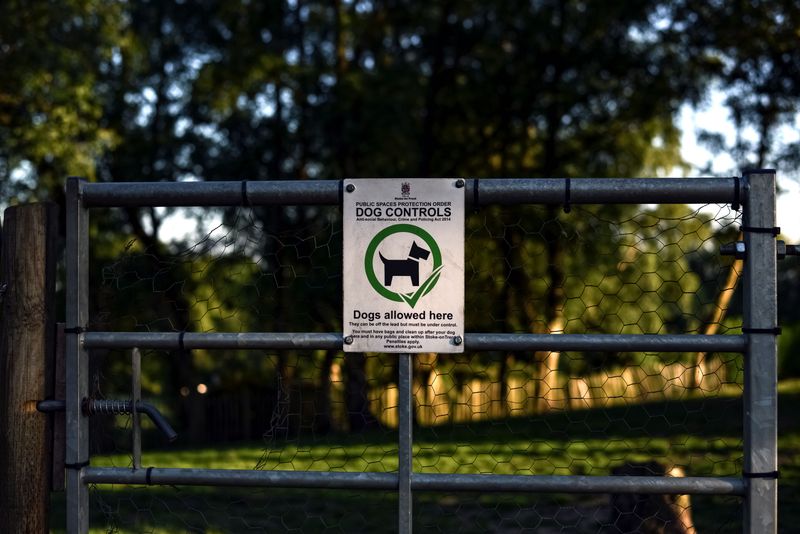
That hard-won dog park pass usually expires with your old address. Chicago Park District Dog Friendly Area permits run January through December and expect a current city license or rabies proof.
Urbana Park District requires annual membership plus county registration. Oak Lawn Park District asks for an updated registration form at renewal.
Applying early means fewer missed play mornings during the transition.
Expect Vaccination Paperwork Again For Park Access
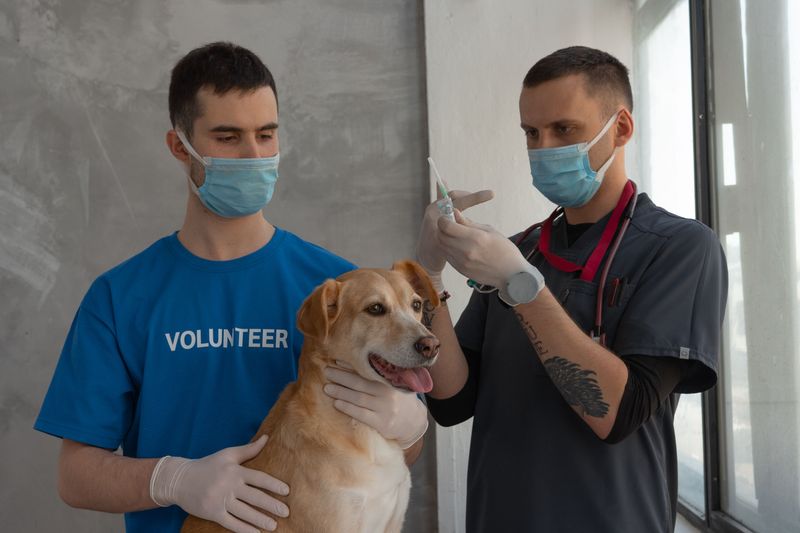
Park districts often ask for more than rabies alone. Chicago dog friendly areas require proof of rabies, distemper, hepatitis, parainfluenza, and parvovirus, plus a fecal test for parasites.
Oak Lawn adds leptospirosis and bordetella along with stool sample results. Urbana asks for current distemper and rabies.
Request one complete vaccination summary from your veterinarian and reuse it across every application.
The Microchip Is Only As Good As Its Registry Entry

A chip under the skin does not know you moved. The registry database is what shelters actually call.
Log in to your chip company’s website and update address, phone, and email the same week you unpack. Add a second contact if the system allows.
No Illinois law requires this step, but few habits reunite lost dogs faster.
Rebuild Your Vet And Emergency Contact List

Tell your previous clinic where records should be sent, then establish care with a nearby veterinarian before you need one.
Note the closest emergency animal hospital and its hours. Save both numbers in your phone.
Refresh any lost pet service profiles too, and give a trusted neighbor your details. Small preparations make stressful moments far more manageable.
Noise And Waste Ordinances Vary Block By Block
New neighbors, new expectations. Illinois towns commonly define nuisance barking by duration and time of day.
Oakbrook Terrace, for example, addresses prolonged noise between 10 p.m. and 7 a.m. lasting over fifteen minutes.
First violations may bring a warning, with fines possible afterward.
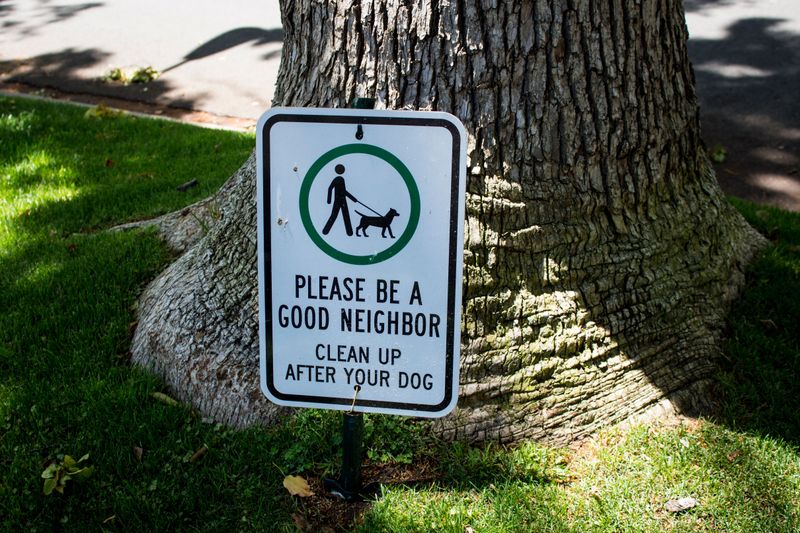
Waste rules are simpler: pick up every time. Lake County reminds owners to clean up and manage barking.
Special Designations Require A Direct Conversation

If a previous authority applied a dangerous or vicious designation to your dog, contact the new animal control office right away.
Illinois classifications carry specific conditions that differ by county and city. Requirements may include secure confinement, muzzling in public, posted warning signs, and liability insurance.
Reporting a change of residence is typically mandatory. Handling it early keeps everything straightforward and compliant.
Sort the paperwork once, then simply enjoy your new neighborhood together.