Why Cold Water, Tides, And Driftwood Change Dog Beach Safety On Washington’s Coast
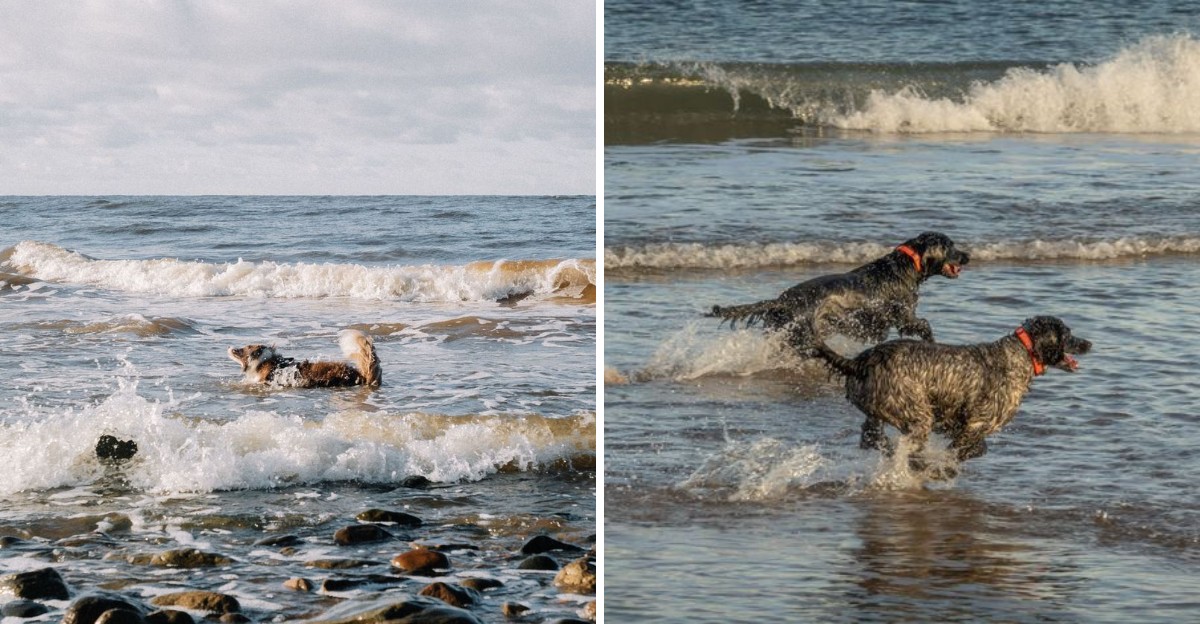
Washington’s coast is one of the best places to walk a dog, with wide sand, salty wind, and room to run. It also plays by its own rules, since the water stays cold year round and the tide can rewrite the beach in an hour.
Driftwood adds another layer, beautiful to look at and tricky to move around. Here is what local owners quietly learn to watch, so your beach days stay easy, calm, and fun.
1. Cold Pacific Water Can Be Dangerous Quickly
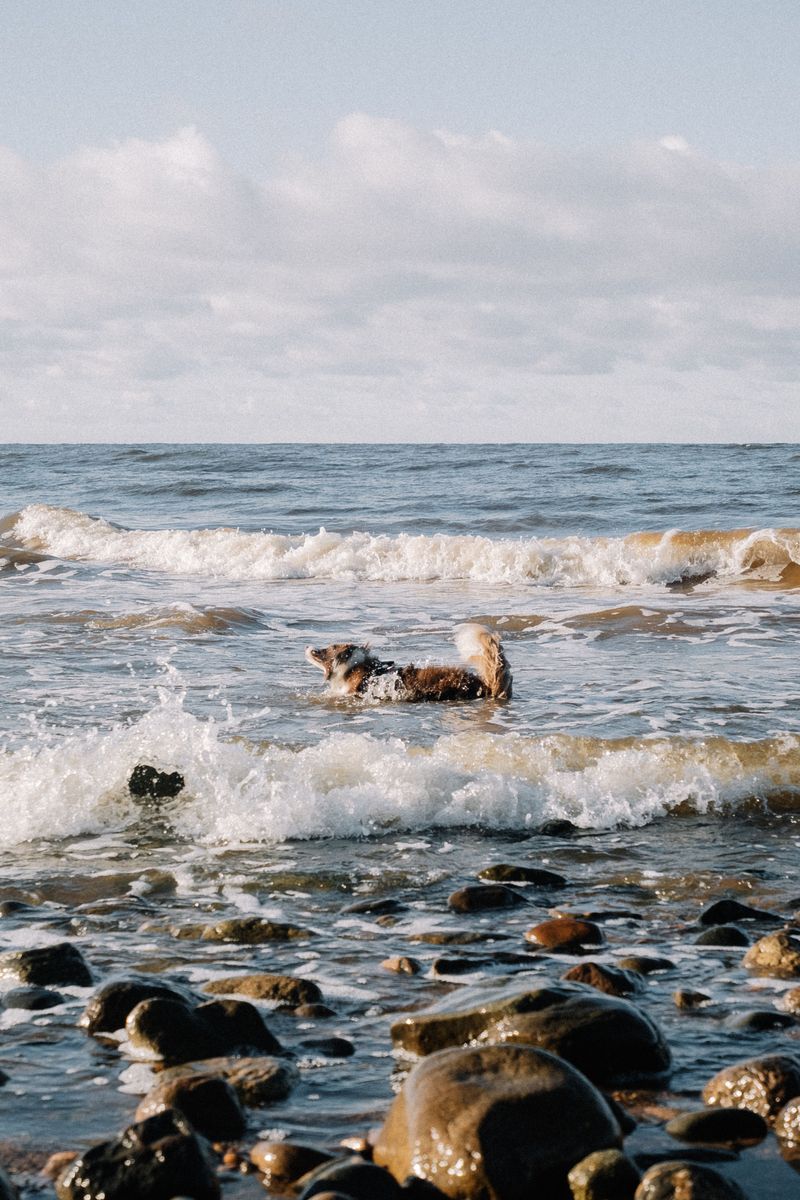
Even in midsummer, ocean temperatures along Washington’s coast can remain in the low fifties. That chill pulls heat from a dog quickly, especially small or thin-coated breeds.
Shivering, slowing down, or a stiff walk are early signals. Call your dog in before those signs appear, not after.
Short swims work better than long ones here. Fresh water rivers meeting the surf can feel colder still.
Dry towels in the car make the ride home much more comfortable.
2. Strong Tides Can Change The Shoreline
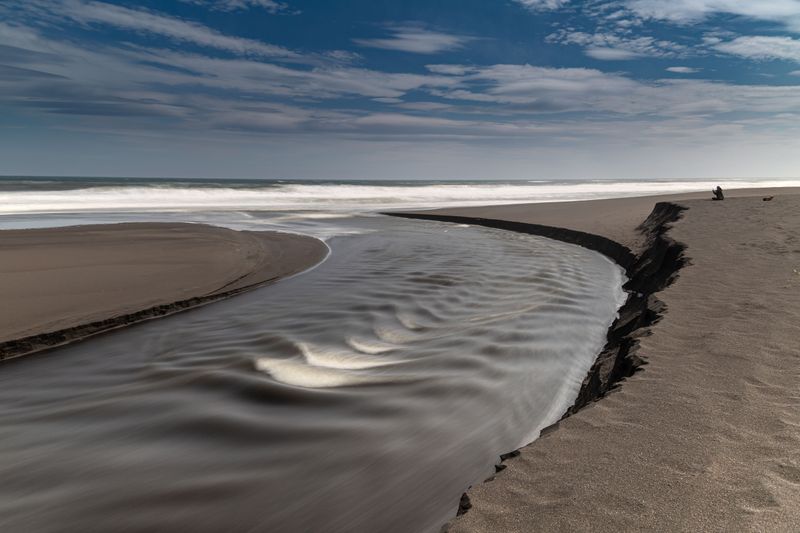
Washington’s outer coast can see substantial changes in the exposed shoreline between low and high tide. Sand bars that felt solid at low tide may be underwater by high tide.
Check a tide chart before you go, and note the turn time. Apps and printed tables both work well.
Local ranger stations often post daily tide times.
Plan your walk so you are heading back as water rises. Narrow points and coves fill in first, so cross those early.
3. Watch Dogs Near Incoming Waves
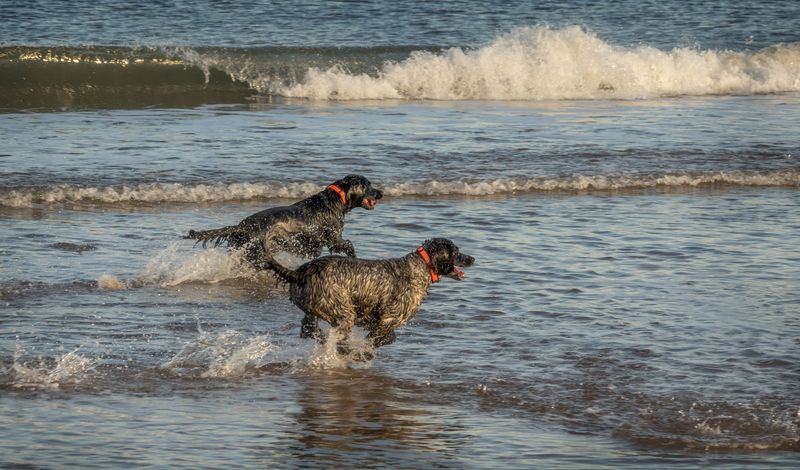
Pacific surf arrives in sets, and one wave often runs farther than the rest. Dogs chasing sticks rarely look behind them.
Stand where you can see the water line, not with your back to it. Keep fetch throws parallel to shore instead of out to sea.
Sneaker waves are common on this coastline, especially in winter months. A quick recall cue saves trouble here.
Practice it on quiet days so it holds when the beach gets loud.
4. Rip Currents Are A Serious Concern
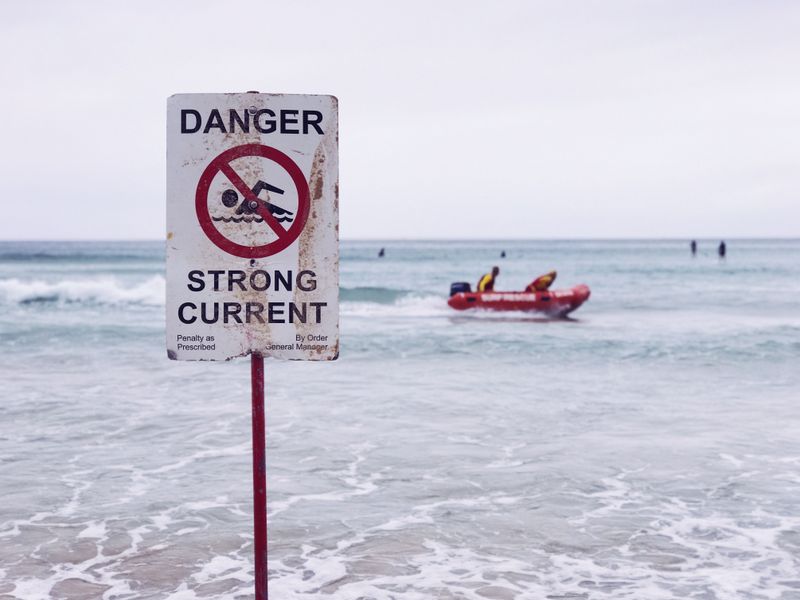
Rip currents pull water back out through gaps in sand bars and rocks. Look for a stretch of choppy, foamy, or oddly calm water heading seaward.
Keep dogs out of those channels entirely. Even strong swimmers tire against a steady pull.
If your dog is caught in moving water, avoid entering the water after them. Call your dog from shore and seek help from lifeguards or park staff when available.
If your dog cannot return safely, contact emergency or park personnel rather than relying on the current to carry them back.
5. Driftwood Can Hide Unstable Spots
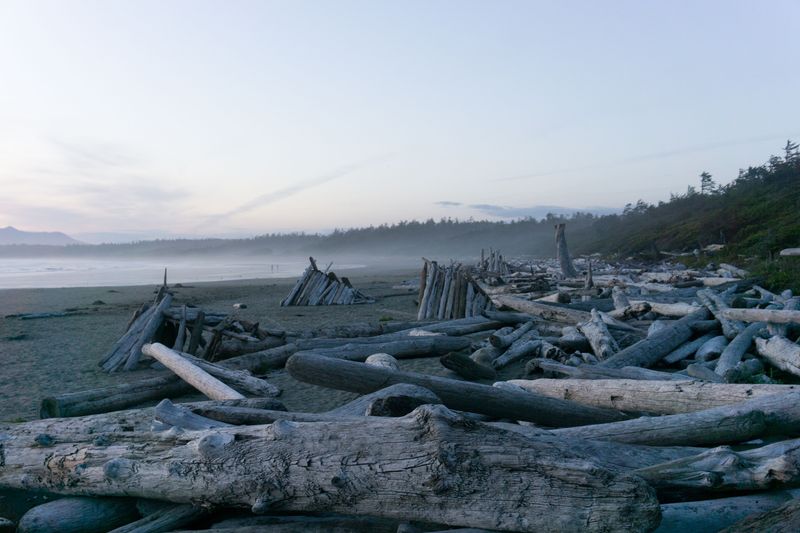
Storm-tossed logs stack into piles that look like solid ground from a distance. Underneath, there are gaps, soft sand, and shifting timber.
A dog bounding across a jumble can slip a leg between logs. Walk around the pile rather than over it.
Rain also hides holes under a smooth looking surface.
Beaches near river mouths collect especially deep tangles after storms. Choose open sand for off leash play whenever you can.
6. Never Let Dogs Play Under Driftwood
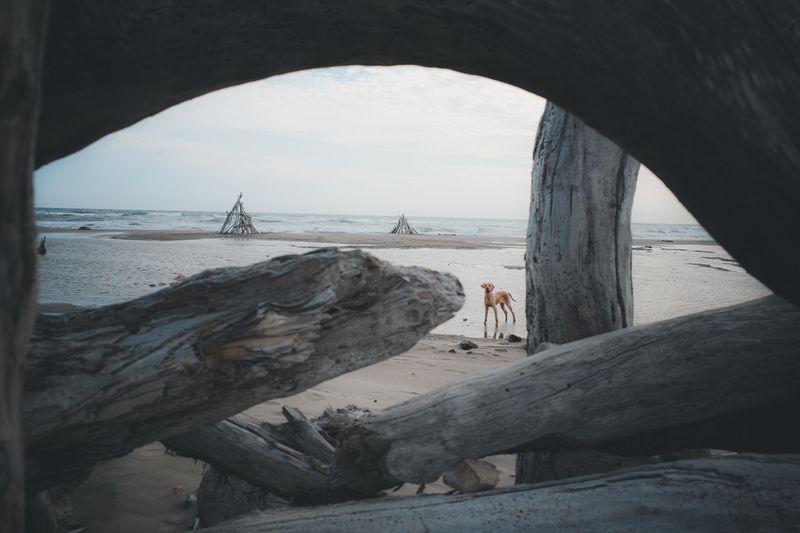
Tunnels between logs look like an adventure to a curious retriever. Those spaces can shift when weight moves or sand gives way.
Discourage crawling, digging, or chasing critters beneath big timber. Redirect with a toy and move a few steps down the beach.
Washington beaches can have very large drift logs. Kids may follow a dog into the same gaps, so set the rule for everyone.
A short leash keeps things simple.
7. Wet Logs Can Be Slippery
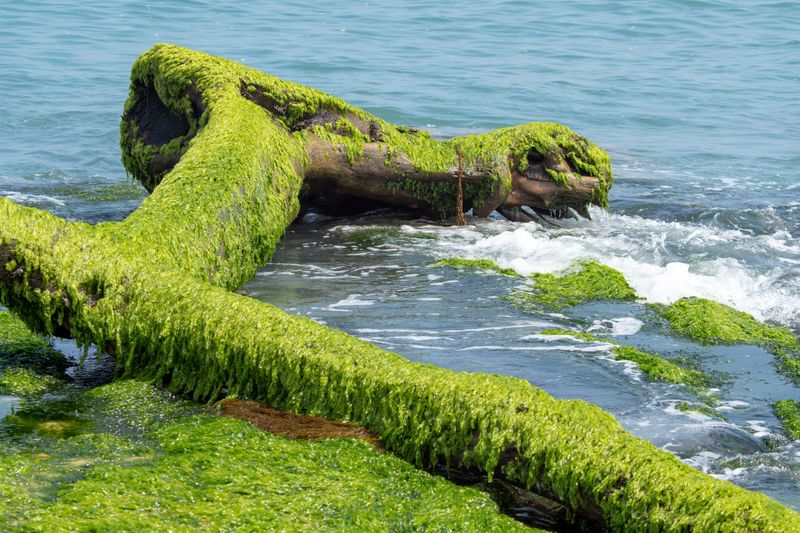
Salt spray, algae, and constant drizzle leave driftwood slick as glass. Paws that grip dry sand can slide right off a rounded log.
Older dogs and heavy breeds feel it most, since a twist can strain a joint. Green algae on shaded logs stays wet even in dry weather.
Guide your dog around obstacles instead of letting them hop across. Nail trims and trimmed paw fur improve traction on any surface.
8. Large Waves Can Move Heavy Logs
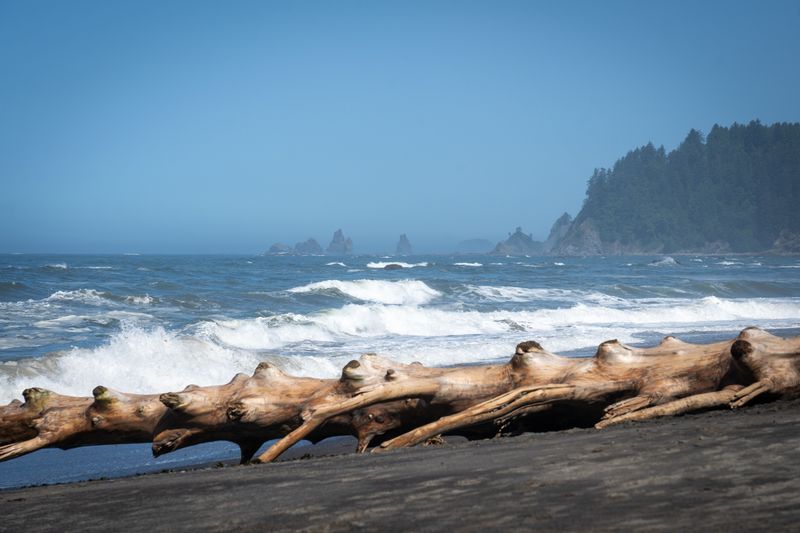
Here is a fact many visitors miss: incoming surf can lift logs that weigh hundreds of pounds. State park signs along the coast warn about exactly that.
Keep dogs off logs sitting in the wash zone or at the water line. Even a small wave can roll one sideways.
Winter swells make this especially true.
Pick a rest spot well above the highest wet sand. Dry seaweed lines show where water recently reached.
9. Tide Pools Need Extra Attention
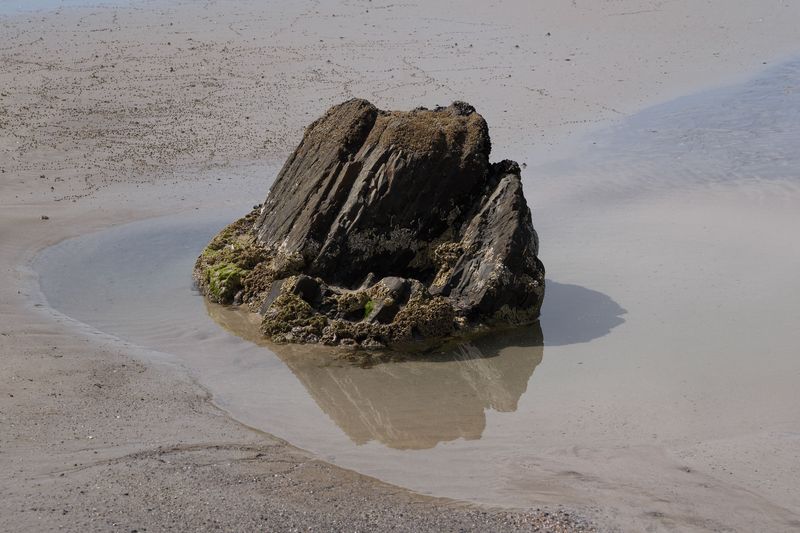
Rocky pockets at Olympic National Park hold anemones, crabs, and barnacles worth admiring. They also hold sharp edges and slick footing for paws.
Leashes are required in most national park areas, and many beaches there are closed to pets entirely. Confirm current rules before you drive out.
Where dogs are allowed, keep them out of pools. Tide pool life is fragile too.
Barnacle scrapes end an outing early.
10. Rocks Become Harder To Navigate When Wet
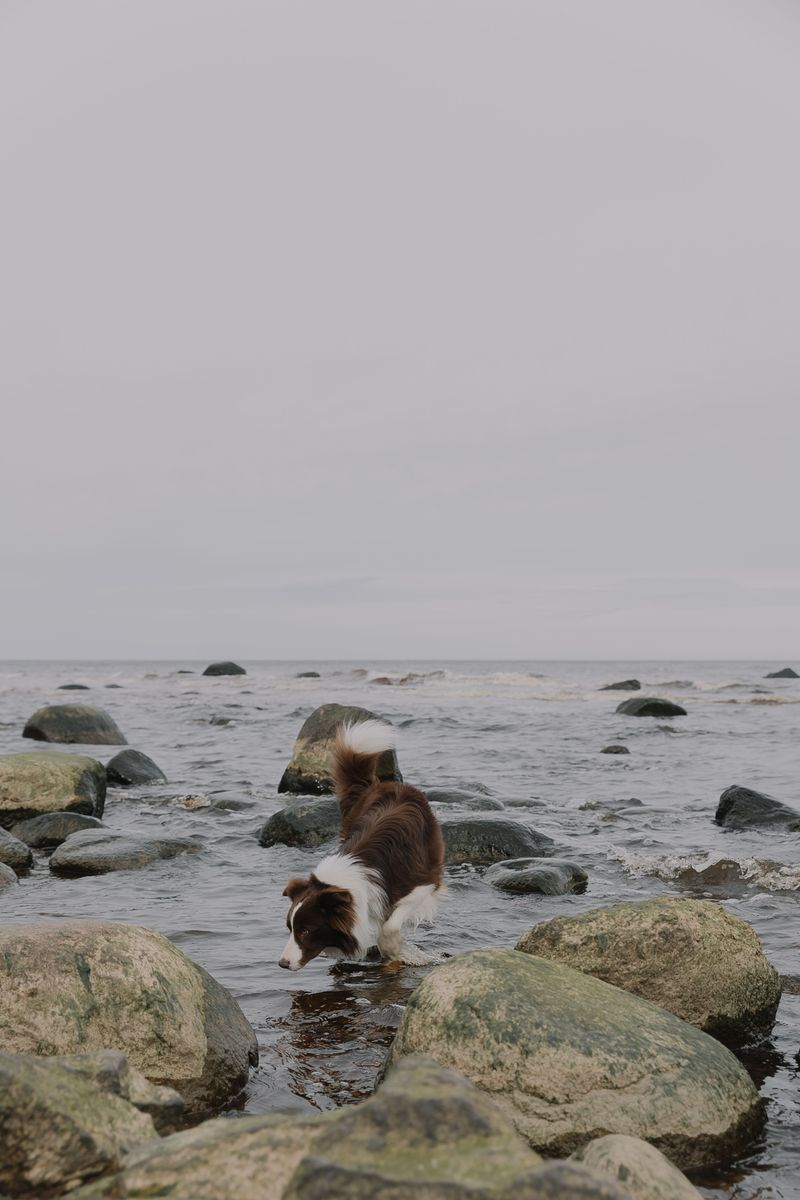
Headlands and cobble stretches turn into a puzzle once the tide soaks them. Wet stones roll underfoot, and seaweed adds a slippery layer on top.
Slow the pace and let your dog choose footing. Pulling on a leash across cobble throws off their balance.
Booties help some dogs, though many need practice at home first. Rialto and Ruby Beach are classic cobble examples.
When rocks look dark and glazed, sand is smarter.
11. Cold Water Can Mask Early Trouble
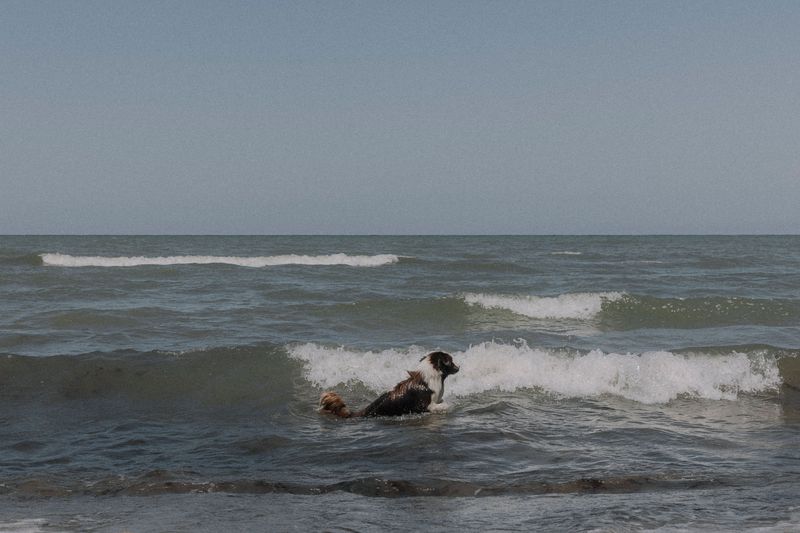
Chilled muscles and adrenaline can hide soreness, cuts, or fatigue. A dog may keep fetching while their body is already asking for a break.
Set time limits instead of waiting for your dog to quit. Ten or fifteen minutes of swimming is plenty for most.
Swallowing salt water also upsets many stomachs.
Watch for wobbly hind legs, pale gums, or heavy shivering. Warm the dog gradually and call your veterinarian if anything seems off.
12. Rinse Off Salt And Sand
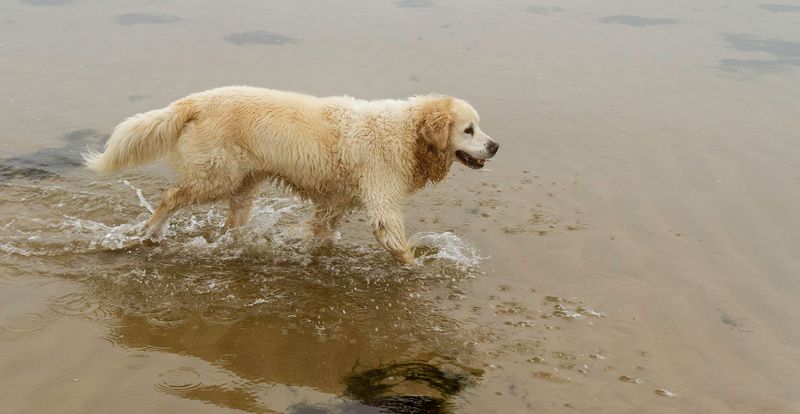
Dried salt itches, and sand works its way into every fold and pad. A freshwater rinse at the car keeps skin comfortable.
Many Washington beach access points have hose stations or spigots, though not all. Packing a jug of water solves the problem.
Rinsing also cuts down on that lingering beach smell.
Pay attention to armpits, groin, and between the toes. Damp fur under a thick coat stays cold for hours.
13. Check Paws After Walking The Shore
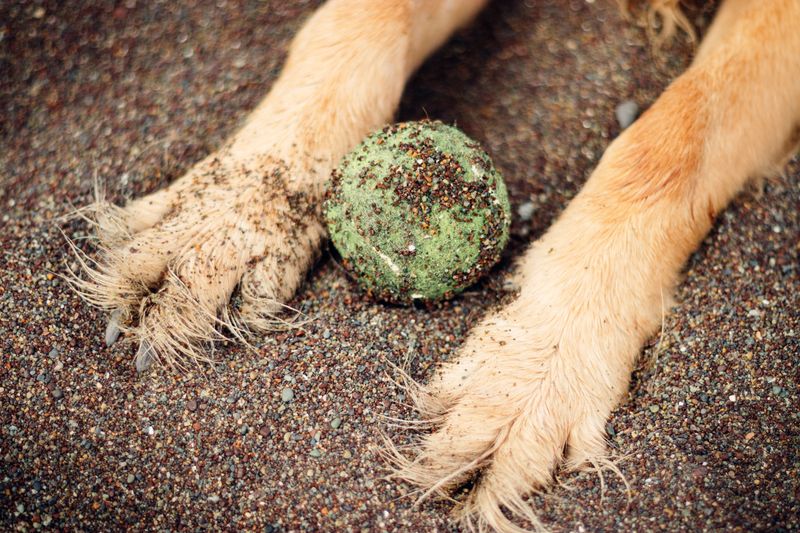
Beach debris ranges from broken shells to bits of hardware washed in with the tide. Pads can pick up small cuts without any limping at first.
Spread the toes and look between them under good light. Sand grit hides there and rubs raw over time.
Keep a small first aid kit in the car.
Clean minor scrapes with fresh water and watch them for a day. Deeper injuries deserve a veterinary look.
14. Keep A Leash Handy When Conditions Shift
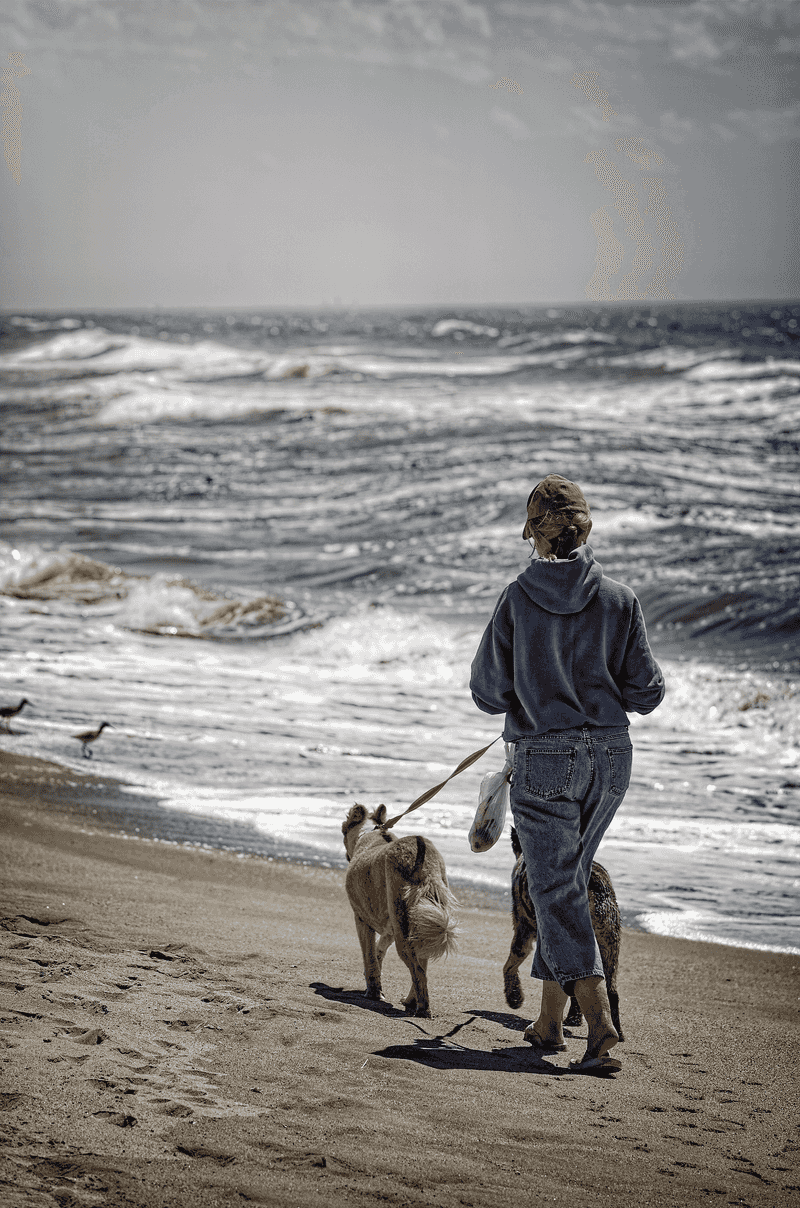
Rules vary along the coast, so a leash belongs in your pocket regardless. Many state parks require dogs to be leashed at six feet or shorter.
Some city beaches allow off leash hours, while others do not. Check the managing agency, since counties and towns set their own rules.
Beyond the law, clipping on early helps during rising water, fog, or crowds. A long line offers freedom with control.
15. Give Dogs A Warm Break After Swimming
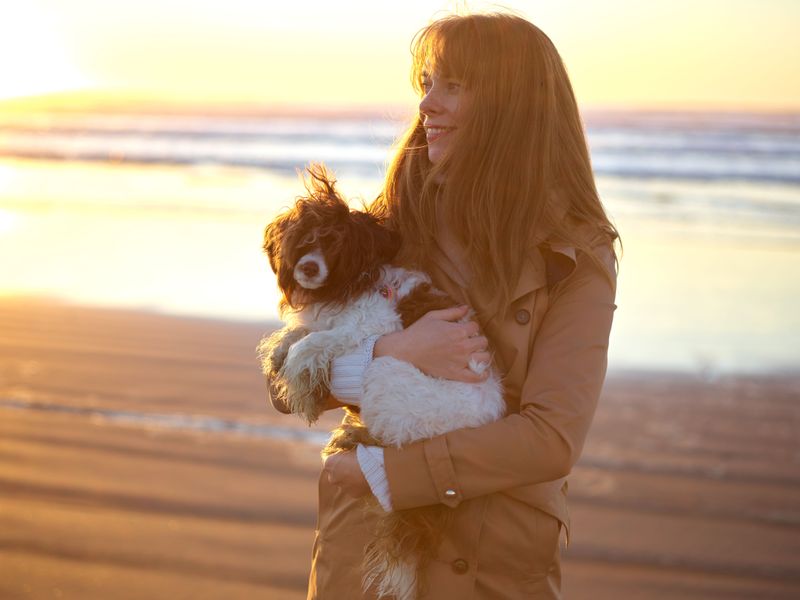
Think of it like halftime. After a swim, guide your dog to a sheltered spot behind the dunes and out of the wind.
A dry towel, a fleece coat, or a blanket in the car speeds rewarming. Offer fresh water so they skip drinking from the surf.
Short breaks between swims work better than one long session. Puppies and seniors need breaks sooner.
Coastal wind chills wet fur fast.
16. Watch The Weather Alongside The Tide
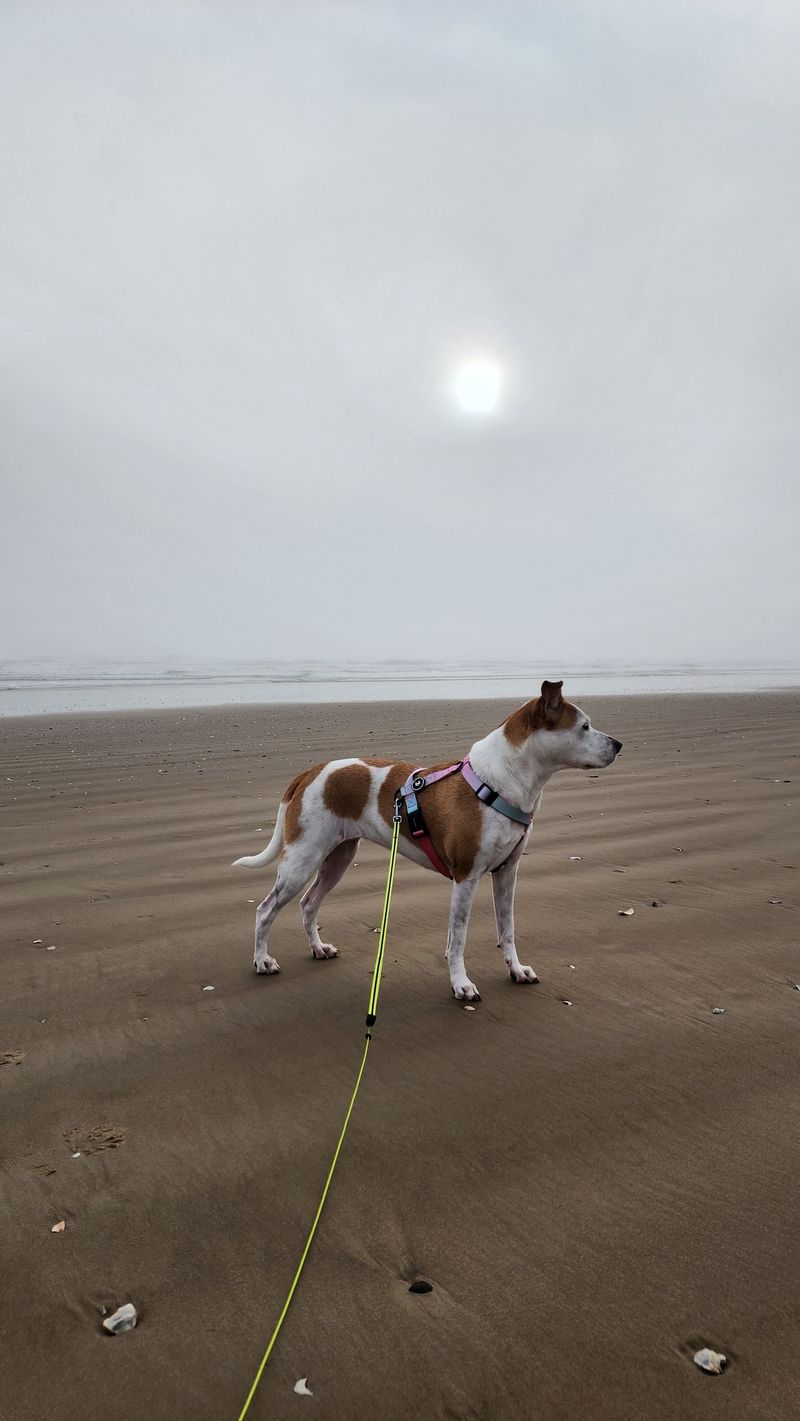
Wind, swell, and tide work together on this coastline. A moderate tide with a big westerly swell reaches much higher than the chart suggests.
Marine forecasts from the National Weather Service list swell height and wind. Coastal beach hazard statements appear during high surf.
Fog rolls in quickly and can hide a running dog within seconds. Bright collars, bells, and a solid recall all help on gray days.
17. Choose A Safer Route Back From The Beach
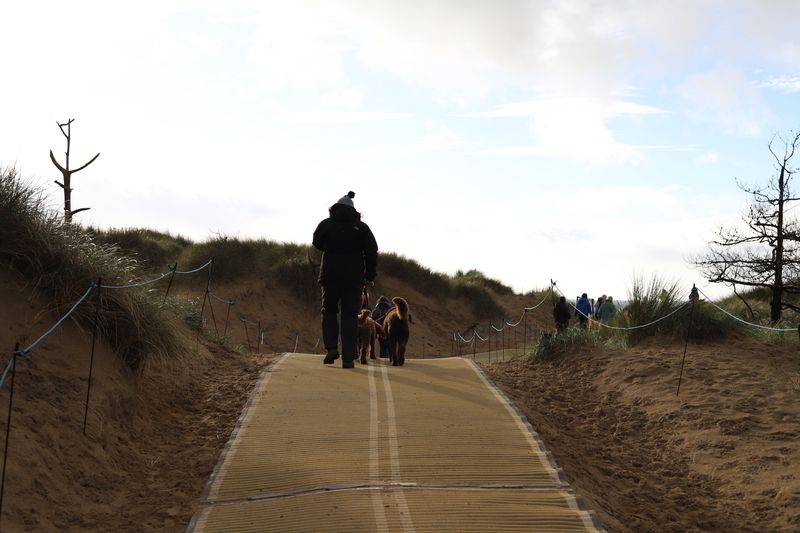
Getting out matters as much as getting in. Beach approaches through soft dunes, stairs, or creek crossings change with the tide and rain.
Note your entry trail with a landmark, since driftwood piles all start to look alike. Headlands along the Olympic coast require timed crossings.
Leave before the tide closes a narrow point. If a creek runs high, find a calmer crossing upstream.
Steady planning turns a wild shoreline into a happy outing.