18 Texas Ranch Jobs To Finish Before Bringing Home A Puppy
A puppy on a Texas ranch is one of life’s better joys. Wide open land, plenty of smells, and a young dog eager to explore all of it.
That same open land holds a few things worth handling before those small paws arrive. Think of the following list as a friendly walk-through from someone who knows both dogs and ranch work.
Finish these jobs first, and homecoming day becomes calm, easy, and genuinely fun for everyone.
1. Walk The Entire Perimeter Fence And Repair Weak Spots
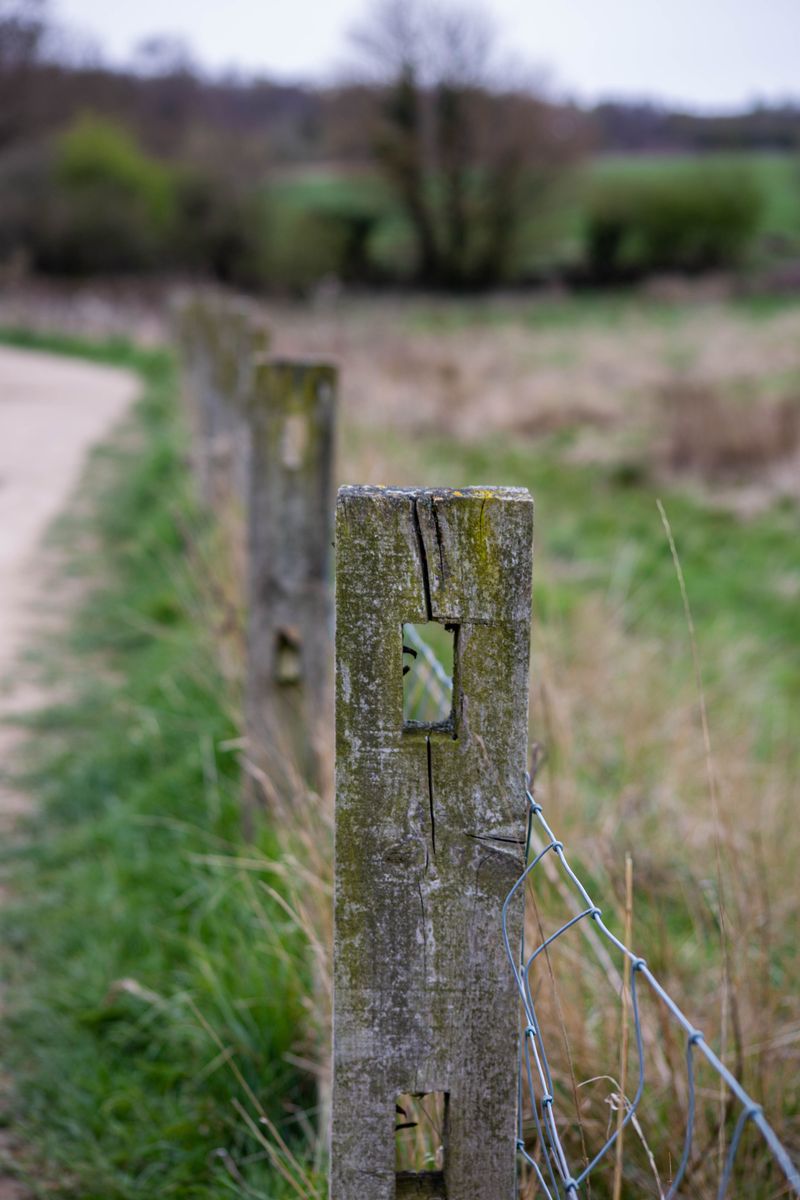
Grab a bucket of clips and set aside an afternoon for the fence line. Puppies squeeze through gaps that grown dogs never notice.
Look low, where soil has washed out and wire has sagged. Country roads carry fast traffic, and a wandering pup may drift onto a neighbor’s pasture.
Patch every sagging panel, washout, and loose post now. Solid boundaries are the base every other safety step rests on.
2. Puppy-Proof Every Gate
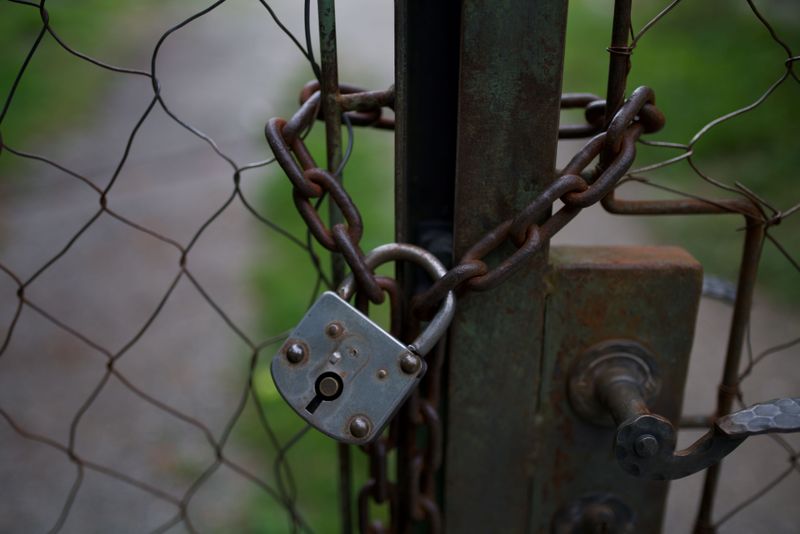
Gates fail far more often than fences do. A latch that swings loose, a chain left dangling, a gap under the bottom rail: all of it reads as an invitation to a curious pup.
Add mesh along the lower section where openings are widest. Self-closing latches help when hands are full.
Farm dogs can learn to respect gates, though training takes weeks. Hardware protects them meanwhile.
3. Build A Secure Puppy Yard Or Exercise Pen
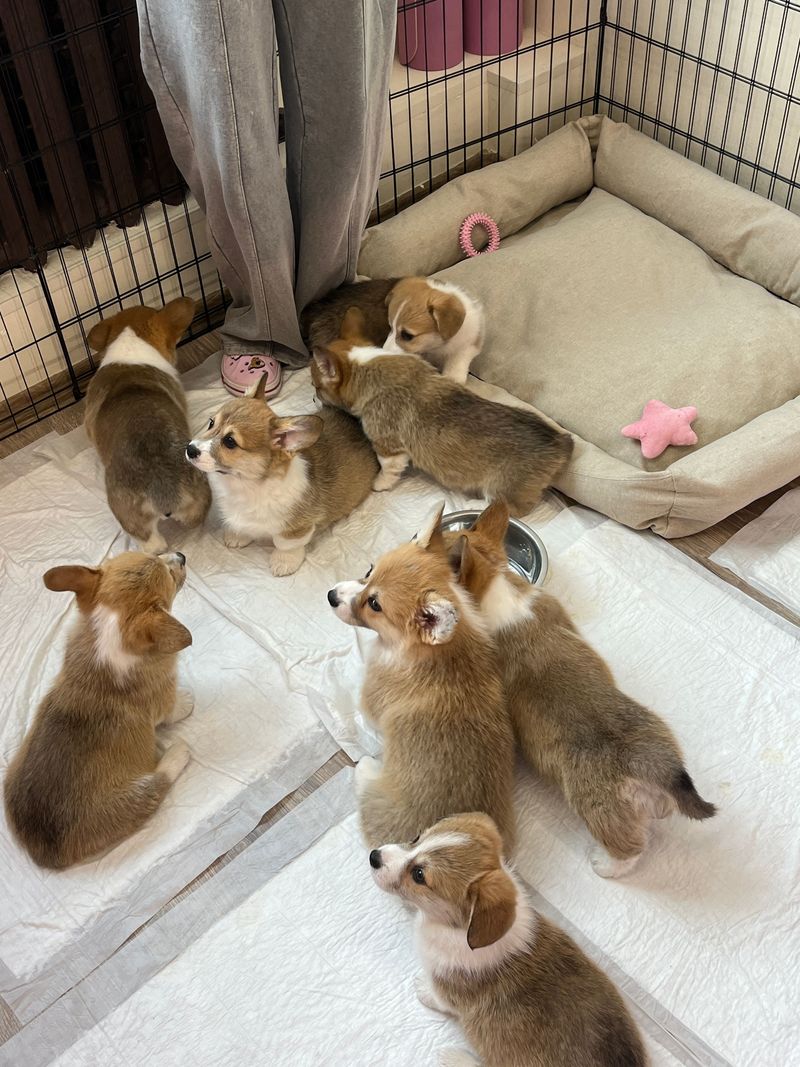
Every young dog needs one spot where nothing can go sideways. A dedicated pen gives you that.
Build it close to the house so you can glance out and check. A partial roof handles both sun and sudden storms.
Portable panels work well if you want to move the pen with the shade. Small, boring, and safe beats wide open every single time during those first months.
4. Pick Up Loose Wire, Nails, Metal Scraps, And Broken Equipment
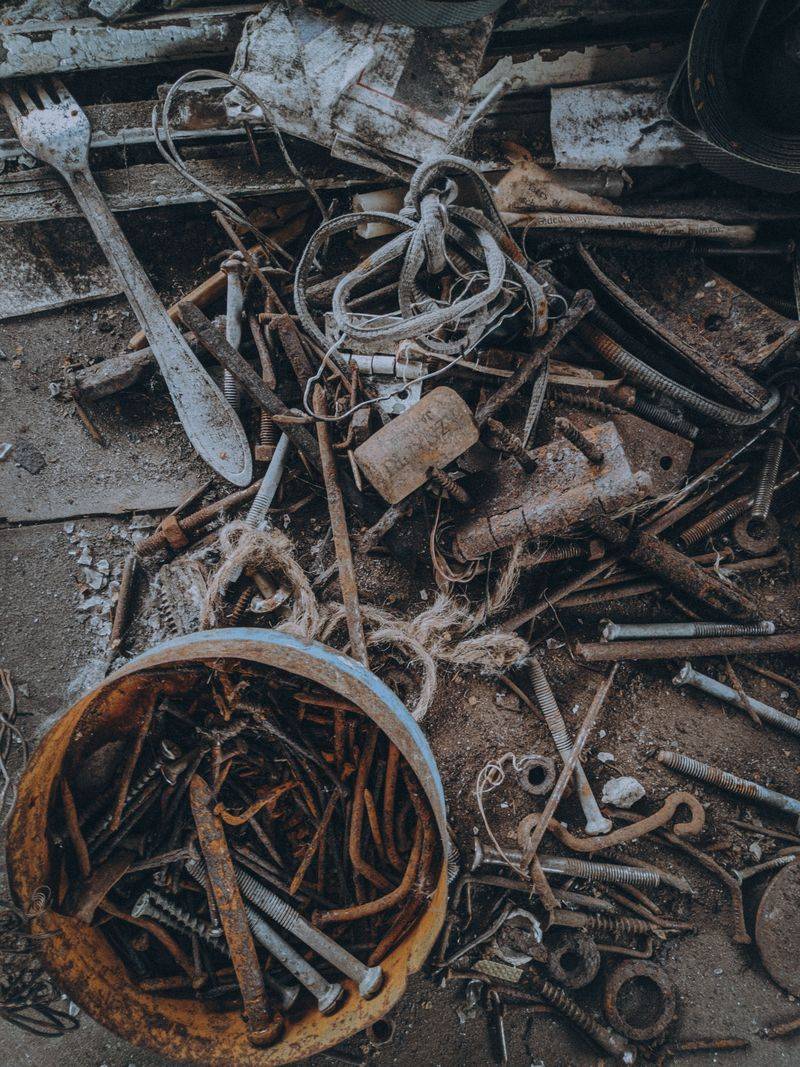
Ranches collect metal the way pockets collect lint. Old wire ends, bent nails, snapped implement parts.
Puppies mouth everything, so sharp scrap becomes a real hazard for paws and stomachs alike.
Do a slow sweep of the yard, barn lot, and paths with a bucket in hand. A magnet on a rope speeds up the job nicely.
Ten minutes of pickup saves an unplanned vet trip later.
5. Mow Tall Grass Around The House, Kennel, And Main Walking Routes
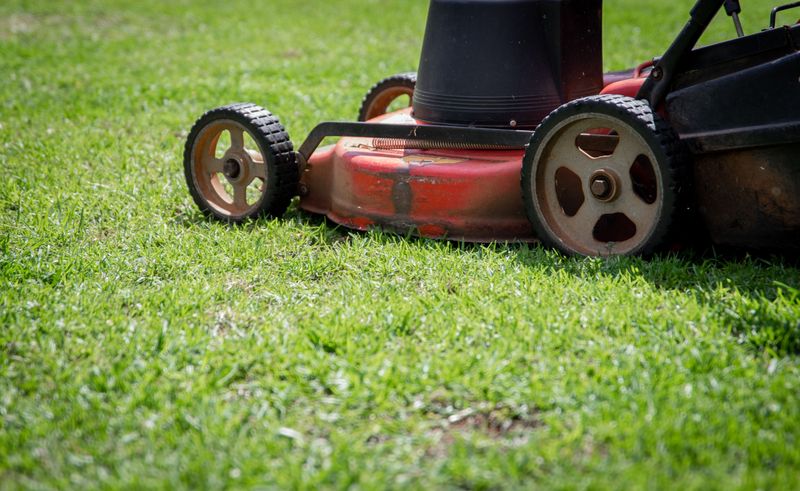
Short grass does more than look tidy. Ticks wait on tall stems, and they carry illnesses that dogs can catch.
Mow the house yard, the kennel area, and the paths you walk most often.
Clear sightlines also let you spot holes, wasps, and other ground-level surprises before a puppy blunders into them. Keep a mowed buffer between trimmed zones and heavy brush for extra breathing room.
6. Move Brush, Lumber, Rock, And Wood Piles Away From Puppy Areas
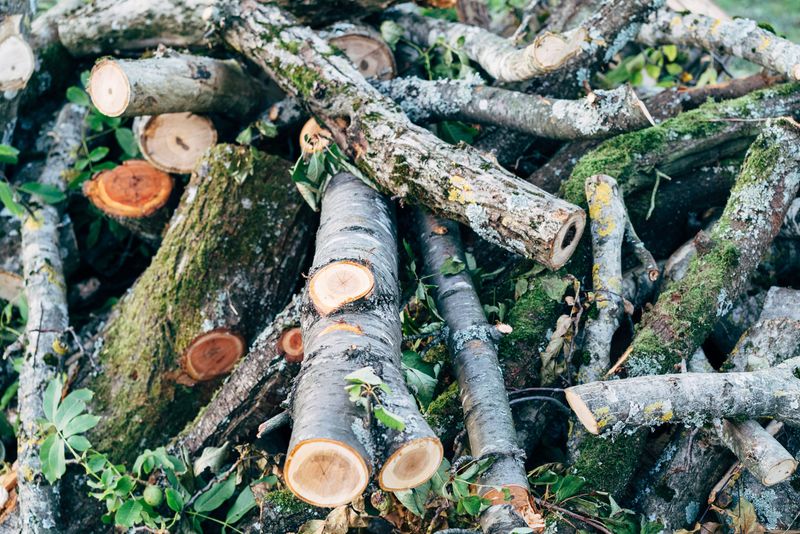
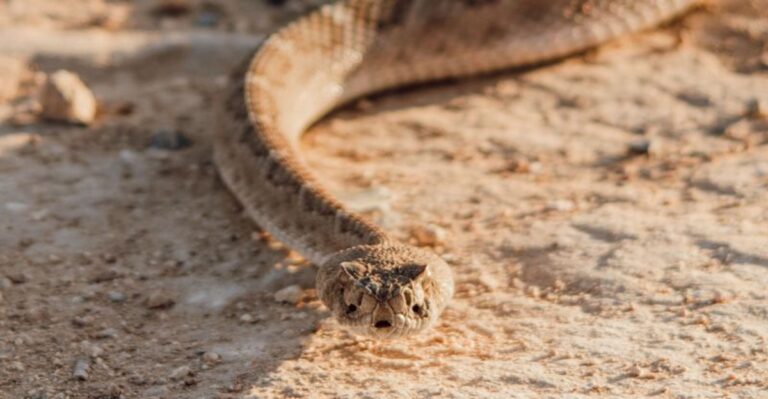
Woodpiles are apartment complexes for the neighbors you would rather your puppy never meet. Snakes, scorpions, and rodents all favor those dark gaps.
Shift stacks well away from the house, kennel, and play yard.
Raise firewood off the ground on a rack so nothing settles underneath. Burn or haul off old brush before spring warms up.
Distance is the simplest protection you can give a nose that investigates everything.
7. Clean And Organize Barns And Storage Sheds
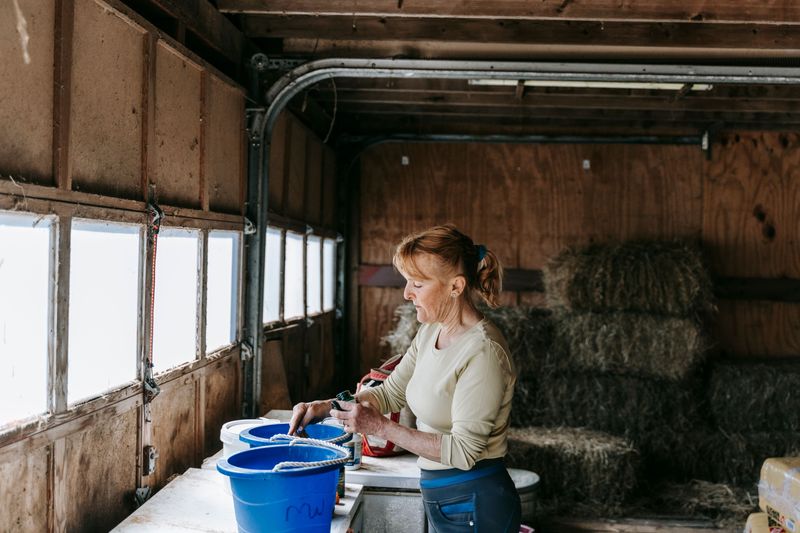
Barns hold decades of stuff, and puppies find the worst of it first. A weekend of sorting changes that.
Hang tools on walls, lift bins onto shelves, and sweep the floors clean.
Check for tight spaces where a small dog might get wedged behind stacked panels or under a workbench. Label containers while you are at it.
Future you will appreciate knowing exactly what sits in every bucket.
8. Lock Up Pesticides, Herbicides, And Fertilizers
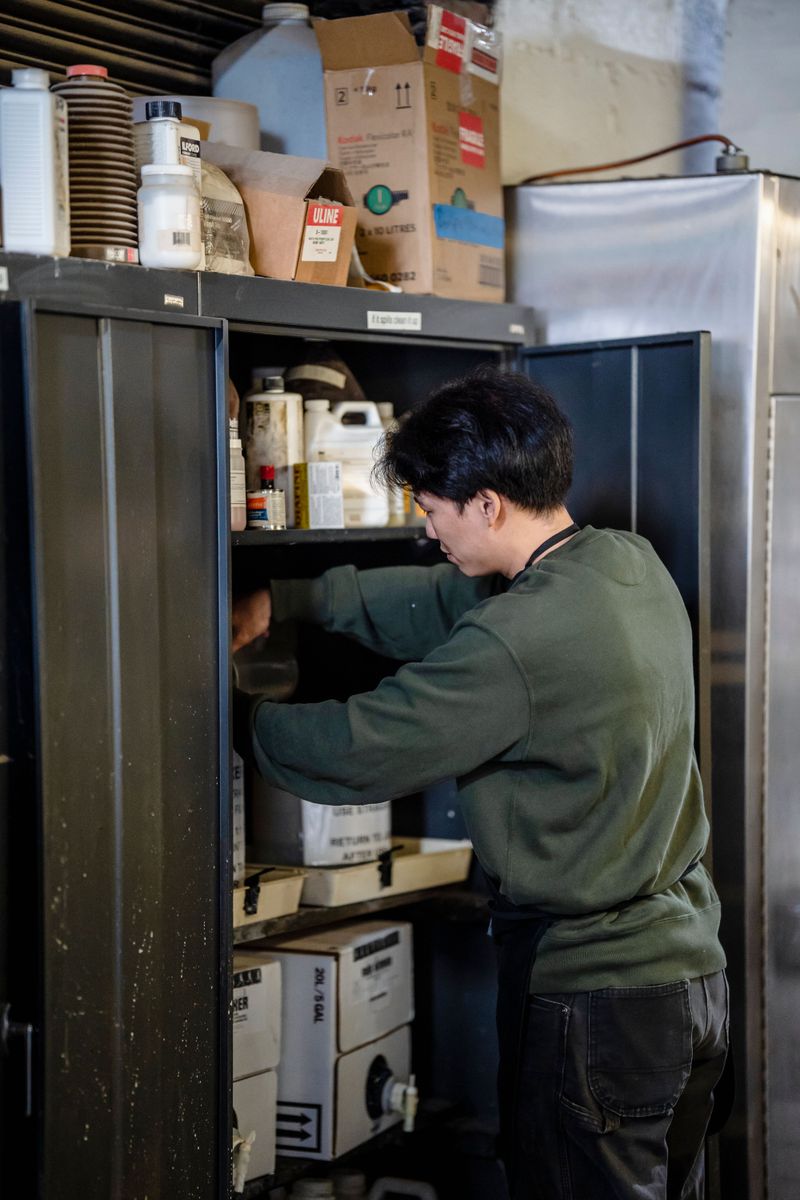
Ag chemicals belong behind a lock, not on an open shelf. Dogs can be harmed by swallowing them, breathing fumes, or absorbing residue through skin and paws.
Store products in original labeled containers inside a closed cabinet.
Keep pups off treated pasture until the label’s re-entry time has passed. Some fertilizers made with biosolids may contain PFAS compounds.
When unsure about a product, call your veterinarian or extension office.
9. Secure Antifreeze, Fuel, And Other Shop Fluids
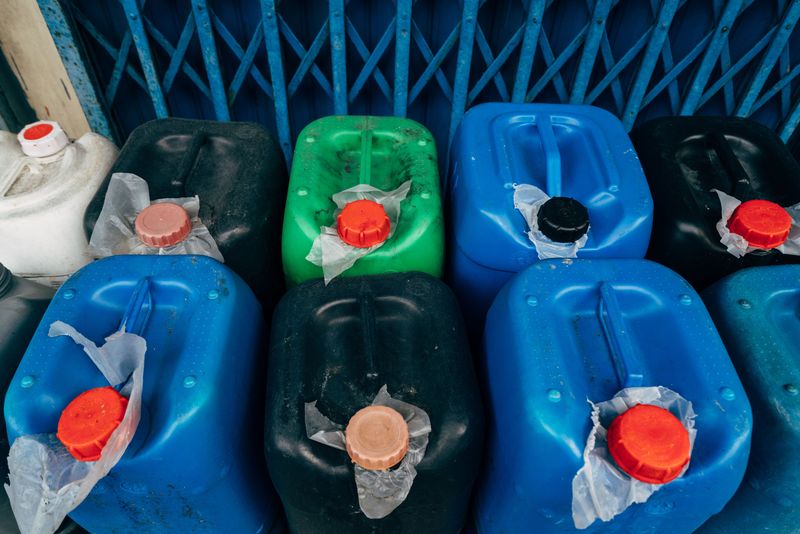
Antifreeze tastes sweet, and that is exactly the problem. Very small amounts can cause serious internal harm to dogs.
Cap every jug tightly, wipe up spills right away, and store containers in a latched cabinet.
Fuel, brake fluid, and used motor oil deserve the same treatment. Slide a drip pan under parked equipment too.
Shop floors gather puddles that a thirsty puppy might sample without hesitation.
10. Put Livestock Feed And Feed Additives Behind Closed Doors
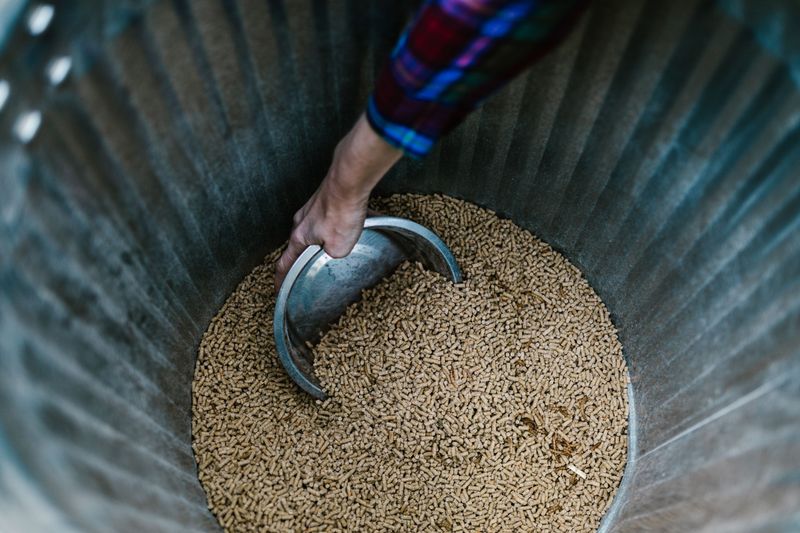
A stolen mouthful of sweet feed is tempting for any pup. Large amounts bring stomach trouble, and medicated feeds bring bigger concerns.
Additives like ractopamine can affect a dog’s heart rhythm. Horse dewormers containing ivermectin are risky too, especially for certain herding breeds.
Store sacks in sealed metal barrels inside a latched feed room. If your puppy raids the feed, call your veterinarian promptly.
11. Recheck Rodent-Control Stations And Pest Products
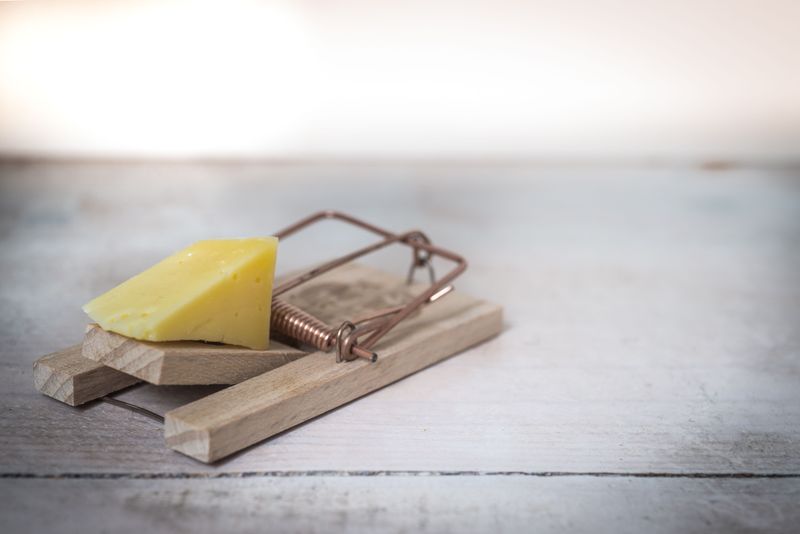
Rodenticides are designed to smell appealing, and dogs agree. That combination makes bait placement a serious detail.
Walk the barn and shop, then map every station you find. Older ranches often have forgotten ones tucked behind equipment.
Use tamper-resistant boxes anchored where no puppy can reach. Snap traps in closed rooms and barn cats offer alternatives.
Save the product label so a vet knows exactly what was used.
12. Create A Reliable Shaded Cooling Area
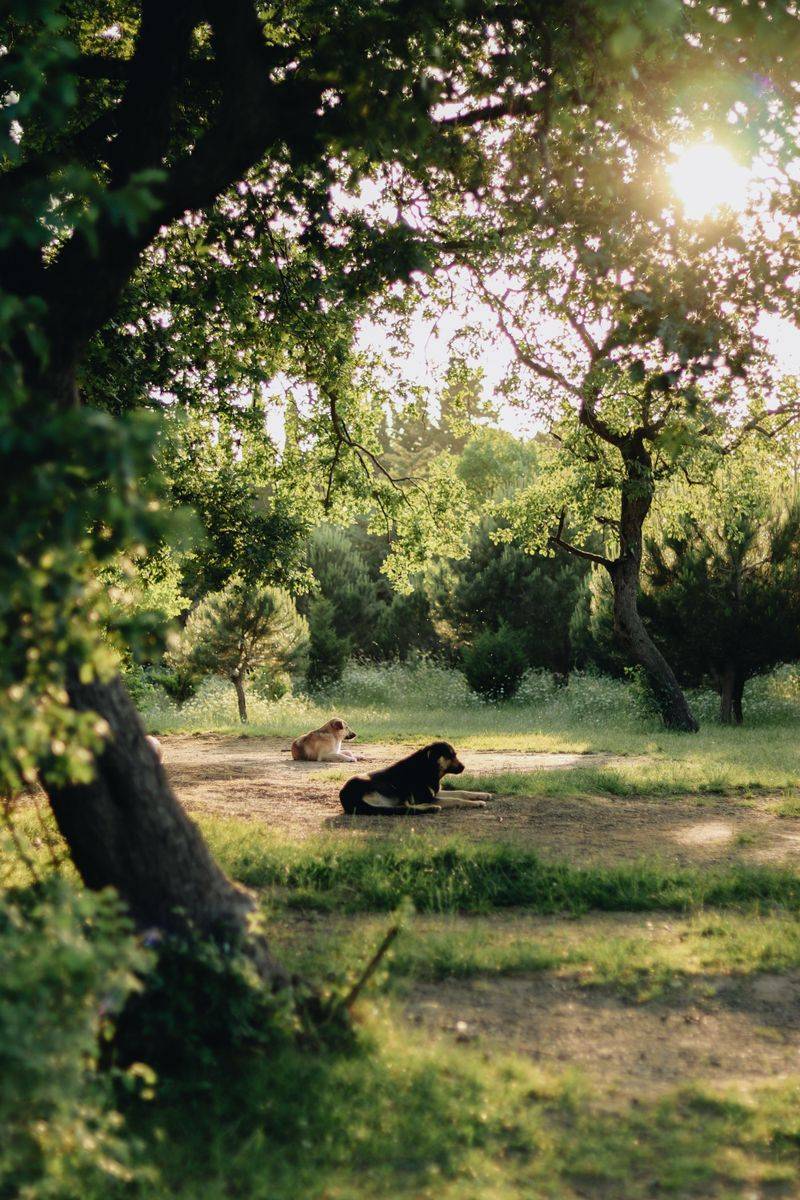
Texas summers do not negotiate. Shade is not a luxury for an outdoor pup, it is the difference between comfort and overheating.
Live oaks and mesquites give good natural cover. Awnings, pergolas, cantilever umbrellas, and roofed pens work well too.
An elevated cot with a canopy adds airflow underneath, which cools better than lying on hot ground. Check that shade holds through the afternoon, not just morning.
13. Set Up A Dedicated Fresh-Water Station
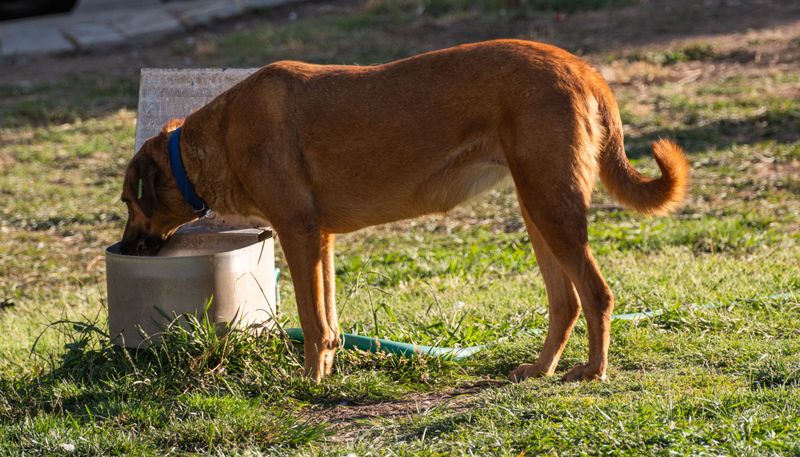
Dehydration builds fast in warm weather, especially for a small body running on excitement. One dependable water spot solves it.
Place bowls in shade where the puppy already spends time. Heavy stainless steel resists tipping and cleans easily.
Scrub and refill daily, since algae and grime build quickly in heat. An automatic waterer on a hose line helps during long workdays.
Keep a backup bowl at the barn.
14. Restrict Unsupervised Access To Ponds And Stagnant Water
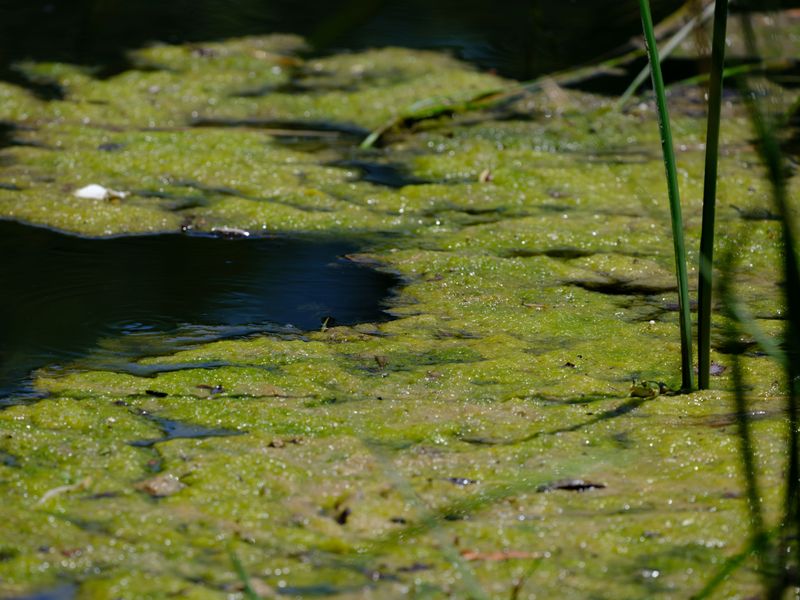
Stock tanks look inviting, and that is the catch. Blue-green algae appears in Texas ponds and lakes during warm months, and contact can make dogs quite ill.
Standing puddles may also carry leptospirosis bacteria spread through wildlife urine.
Fence off pond access or keep visits leashed and supervised. Ask your veterinarian about the leptospirosis vaccine.
Watch for vomiting, weakness, or breathing trouble after any swim.
15. Prepare A Controlled Area For First Livestock Introductions
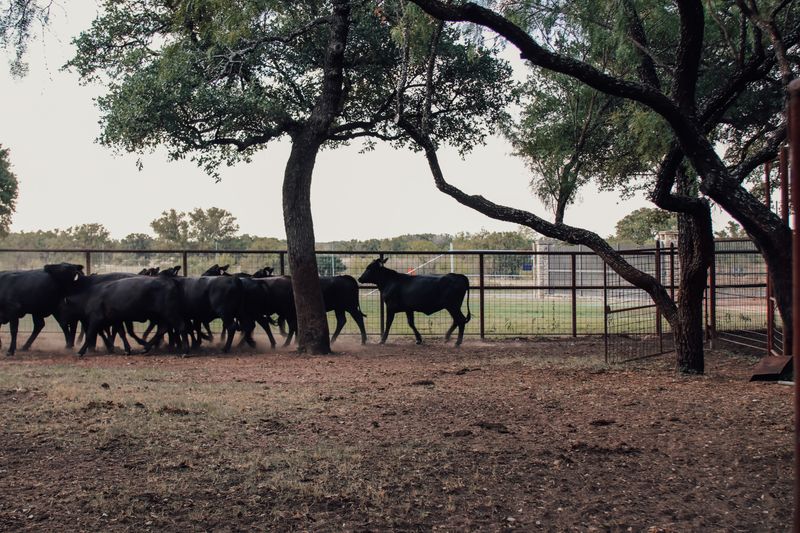
First meetings with cattle, goats, or horses go best with steel between them. Build or designate a sturdy fence line for that purpose.
Livestock need room to walk away, and your puppy needs room to simply watch.
Reward calm observation with treats and quiet praise. Chasing and barking earn a walk away instead.
Until a dog is genuinely trained for stock work, keep the leash attached every time.
16. Plan Safe Introductions To Resident Ranch Dogs
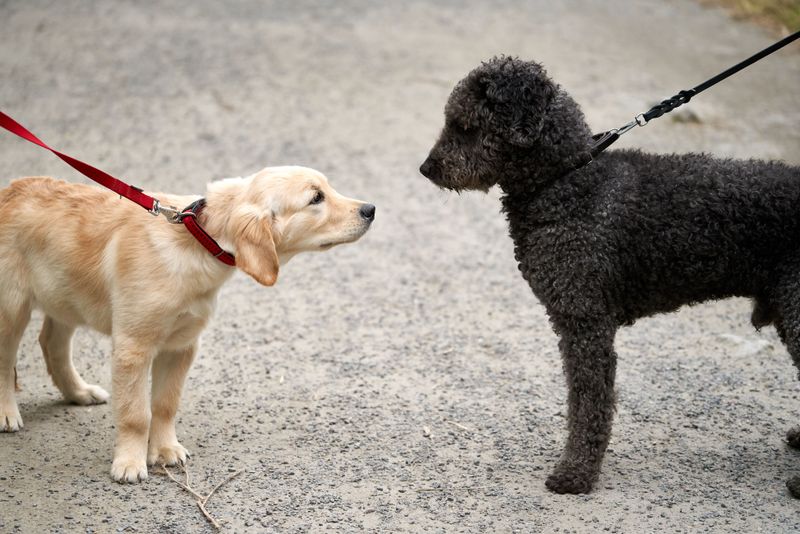
Resident dogs have opinions about newcomers. Neutral ground softens those opinions considerably.
Meet somewhere off the ranch, both dogs leashed loosely, one handler each. Start with parallel walking at a comfortable distance, then allow short sniffing greetings if body language stays relaxed.
At home, separate food bowls, beds, and toys prevent squabbles over resources. Supervise closely for several weeks.
Patience during introductions pays off for years afterward.
17. Create A No-Puppy Zone Around Tractors, Trailers, And Moving Vehicles
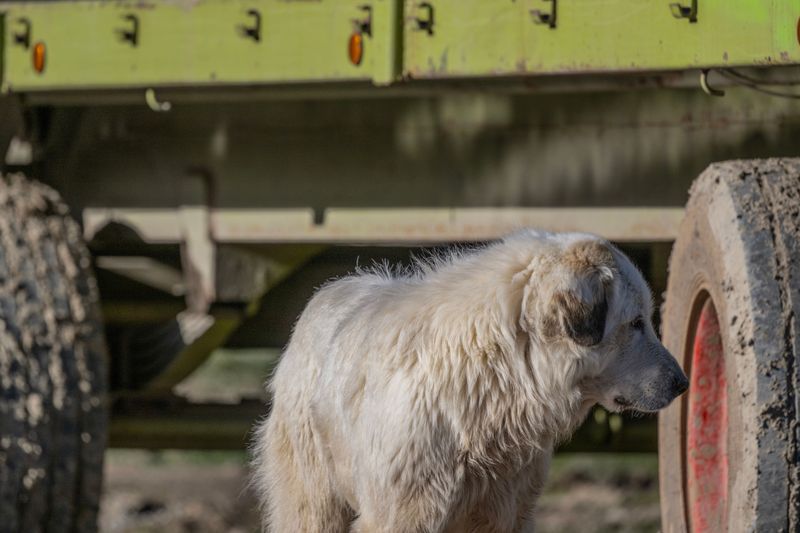
Machinery and young dogs make a poor mix. Puppies chase movement and nap in shady spots under equipment.
Make a walk-around check part of every startup, every time. Look under axles and behind tires before the key turns.
Shut off the engine and PTO before stepping down. On hay days or hauling days, the puppy stays indoors or penned.
No exceptions makes the rule easy.
18. Finish The Ranch Emergency Setup Before The Puppy Arrives

Preparation feels unnecessary right up until the moment it is not. Build a pet first aid kit and stow it where everyone can find it.
Post phone numbers for your regular clinic and the closest after-hours option on the fridge.
Many rural Texas clinics treat both large and small animals, and some run mobile calls. Call ahead about appointments.
Confirm vaccinations match regional risks with your veterinarian.