What Dog Owners Should Know Before Hiking The New Jersey Pine Barrens
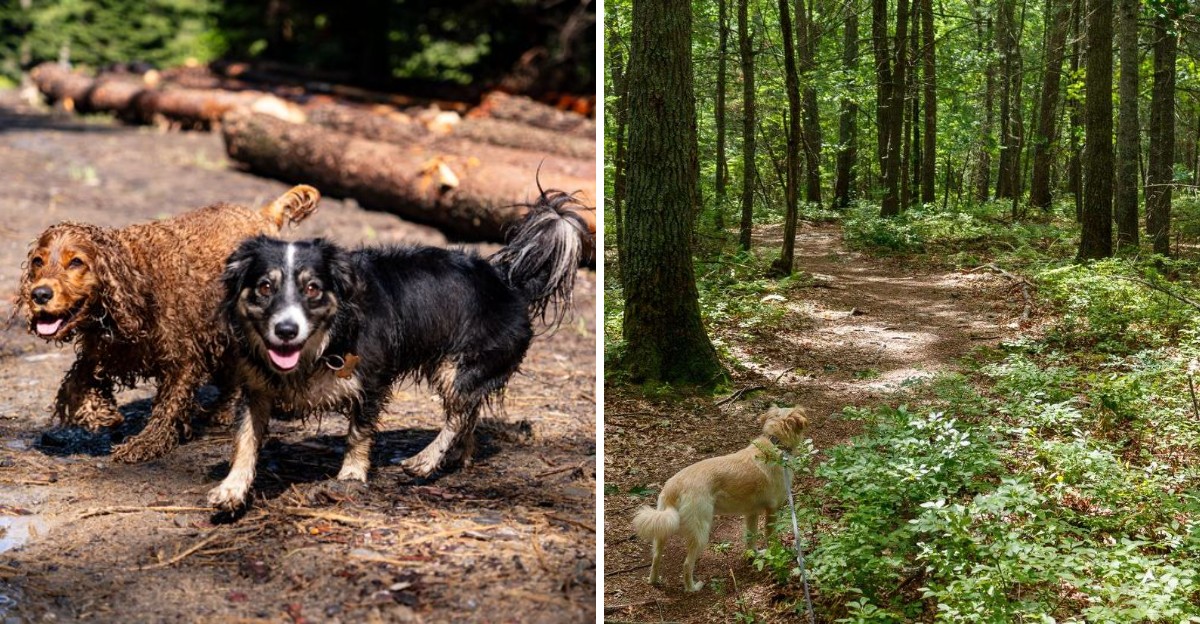
The Pine Barrens hold a special kind of quiet, with sandy paths, tea-colored streams, and miles of pine and oak. Bringing your dog along makes it even better, as long as you know how this landscape works.
It looks flat and easy, but heat, ticks, loose sand, and thin cell service all deserve some planning. Here is what local dog owners tend to learn the hard way, shared ahead of time so your day stays calm, comfortable, and fun for both of you.
1. Check Trail Rules Before You Go
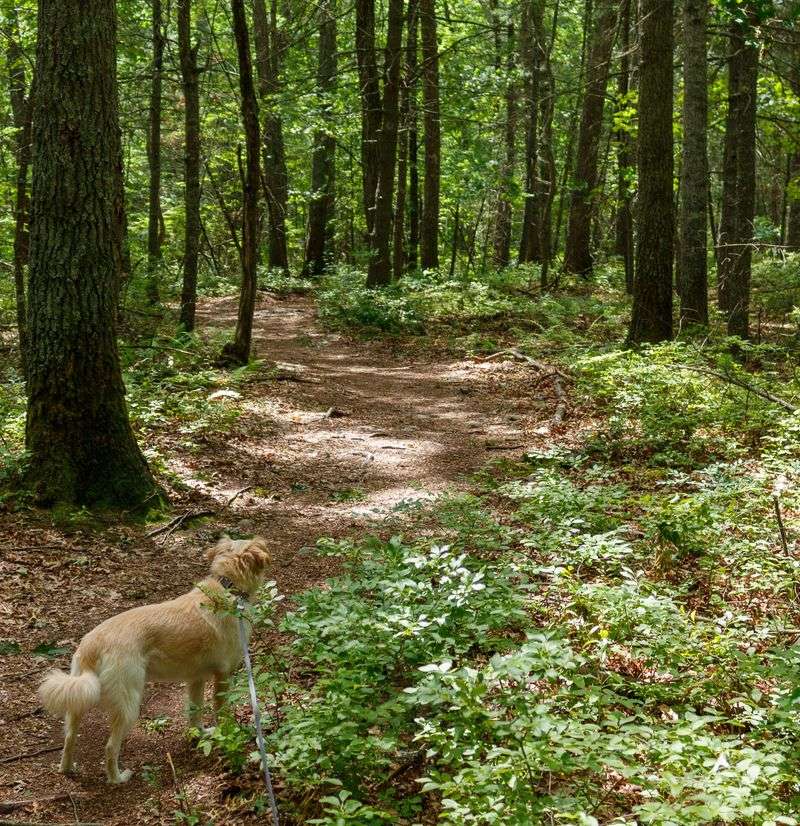
Every park in the Pinelands sets its own details, so a quick check saves confusion later. Wharton, Brendan T.
Byrne, and Bass River State Forests allow leashed dogs on trails, subject to park-specific rules.
Swimming areas, park buildings, and some campsites have pet restrictions. Pet-friendly campsites may charge a fee and require written proof of current rabies vaccination.
Confirm current rules on the park website or by calling the office first.
2. Keep Your Dog Leashed Around Wildlife
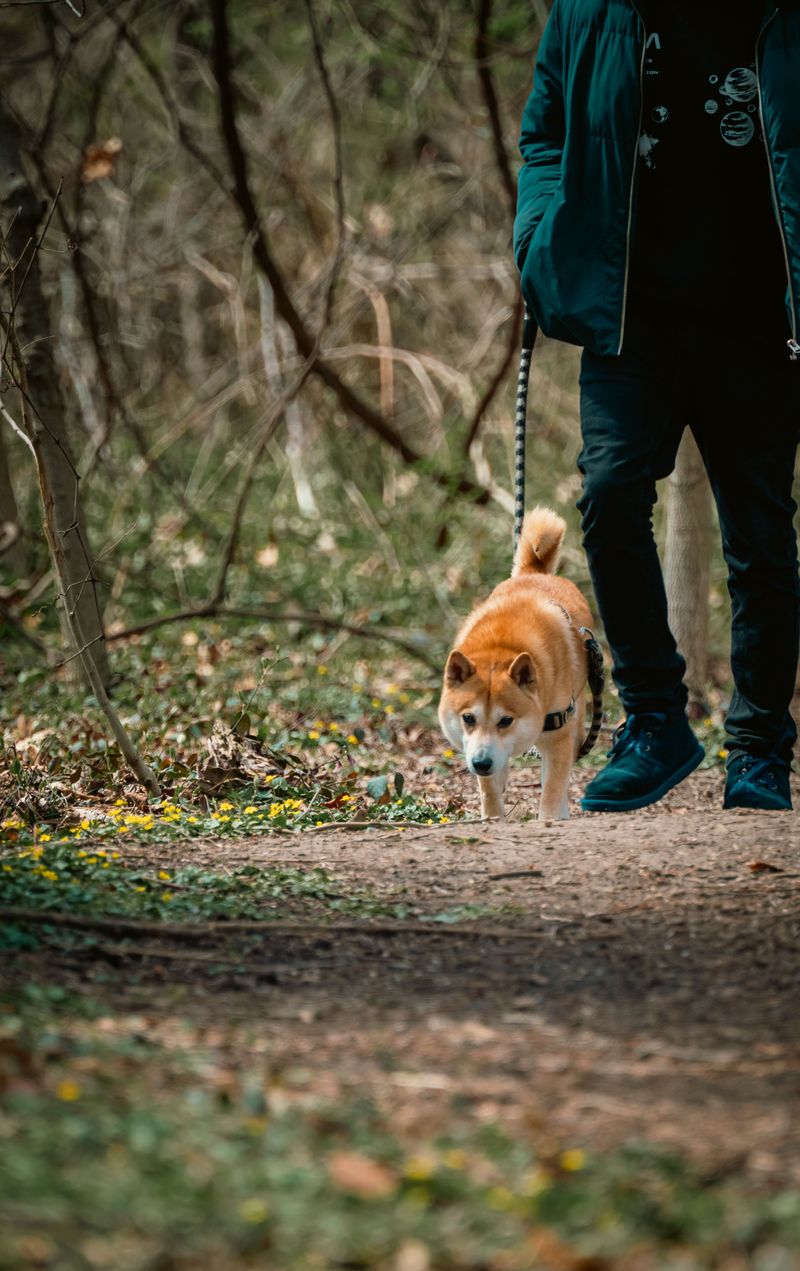
New Jersey state parks require a leash no longer than six feet, with your dog under immediate control. That rule protects animals as much as it protects people.
Even a playful pup can scare nesting birds or push deer off their feeding grounds. Chasing also puts a dog at risk of getting turned around in thick brush.
A short leash keeps everyone where they belong.
3. Watch for Sandy, Uneven Trails
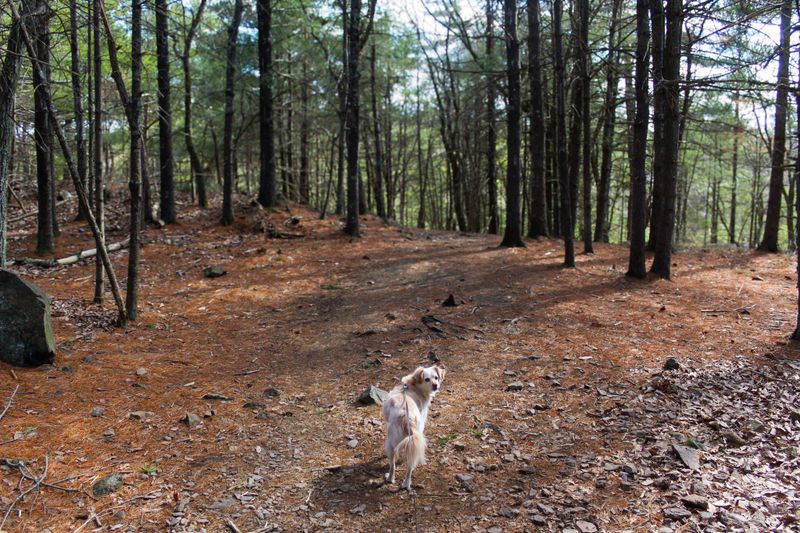
Flat does not always mean easy here. Pine Barrens trails run through deep, loose sand that shifts under every step.
That soft footing tires legs faster than packed dirt, especially on longer loops. Ruts, exposed roots, and old sand road washouts add uneven spots worth watching.
Plan a shorter distance than you would on a firm trail. Your dog will thank you on the walk back to the car.
4. Bring Plenty of Water
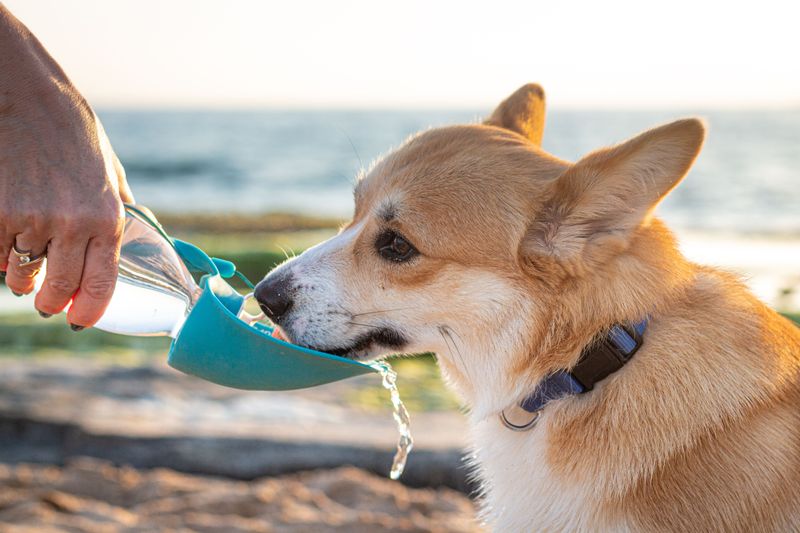
Pack more water than you think you need, plus a collapsible bowl. There are no fountains once you are out on the trail.
Skip the idea of letting your dog drink from streams or ponds. Pine Barrens water is naturally acidic and iron-rich, and it can carry bacteria.
Offer small drinks often instead of one big gulp at the end. Steady sipping keeps energy levels even.
5. Protect Your Dog From Summer Heat
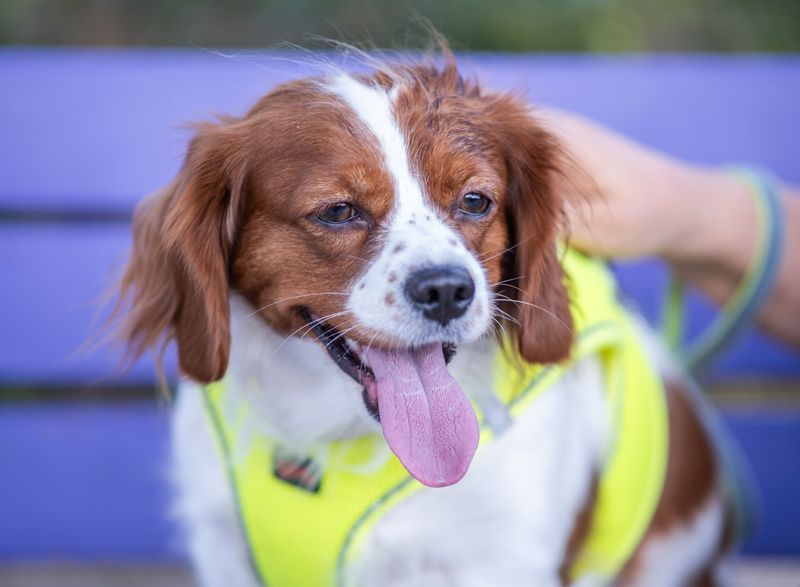
July afternoons in the pines get hot, and shade comes and goes. Open stretches of sand reflect heat right back at your dog.
Early mornings and late evenings are far kinder for summer outings. Cooling vests or damp bandanas help on warm days.
Heavy panting, drooling, sluggishness, or wobbly steps mean stop, find shade, and offer water. Short breaks in cool spots prevent bigger problems.
6. Check Your Dog for Ticks

Ticks live throughout the Pinelands, and they climb aboard quietly. Make a post-hike check part of your routine, right at the car or at home.
Run your fingers through the ears, armpits, groin, and between the toes. Those warm, hidden spots are their favorites.
Ask your veterinarian which prevention method suits your dog, whether topical, oral, or a collar. Removing ticks quickly lowers disease risk.
7. Be Alert for Snakes

Snakes enjoy sunny trail edges, especially on cool mornings. Most species in the Pine Barrens are harmless, though timber rattlesnakes are venomous and occur in parts of the region.
Curious noses cause most trouble, so a short leash matters here.
Spot one? Stop, shorten the leash, and walk a wide arc around it.
Snakes generally avoid people and pets. If your dog has contact with a venomous snake, contact your veterinarian promptly.
8. Know What Poison Ivy Looks Like
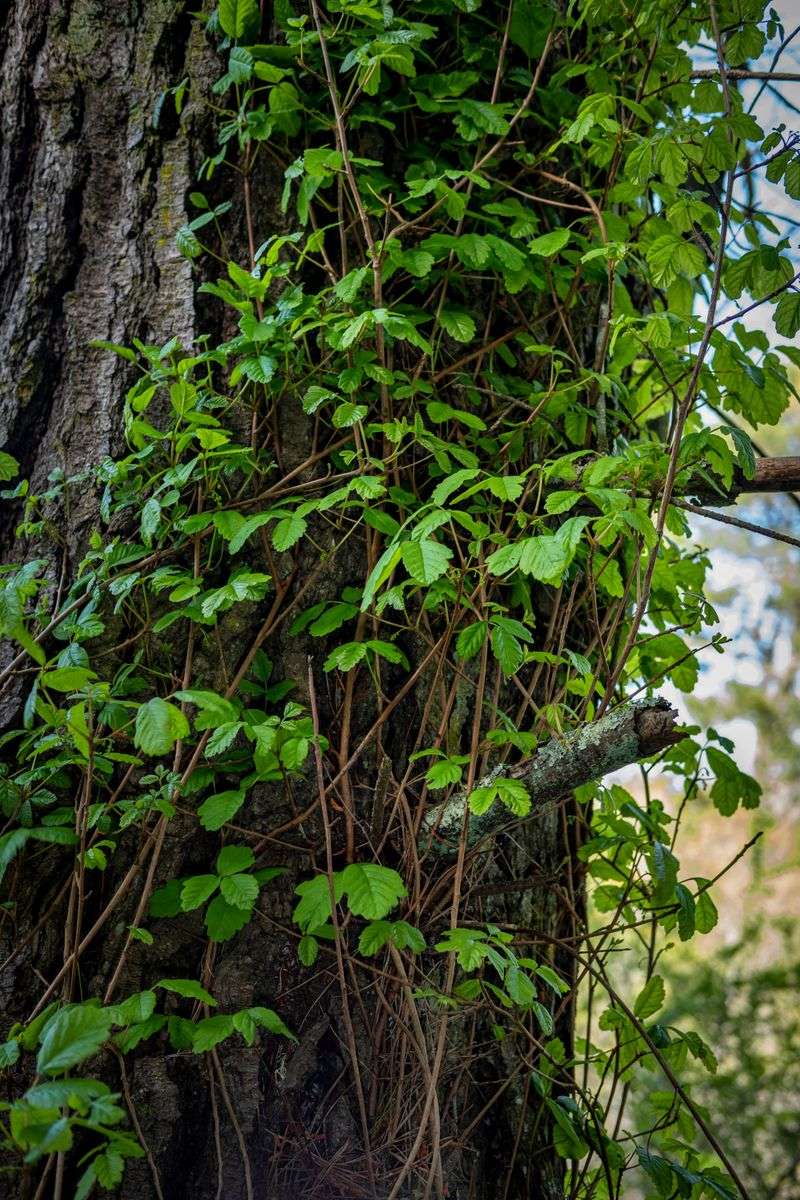
Leaves of three, let it be. The old rhyme still works along shady trail edges in the Pinelands.
Dogs rarely react much thanks to their coats, but the oil sticks to fur and transfers to your hands. Thin-haired bellies can get irritated too.
Steer your dog around leafy patches and vines climbing tree trunks. Wear gloves and use a dog-safe shampoo if contact happens.
9. Expect Limited Cell Service
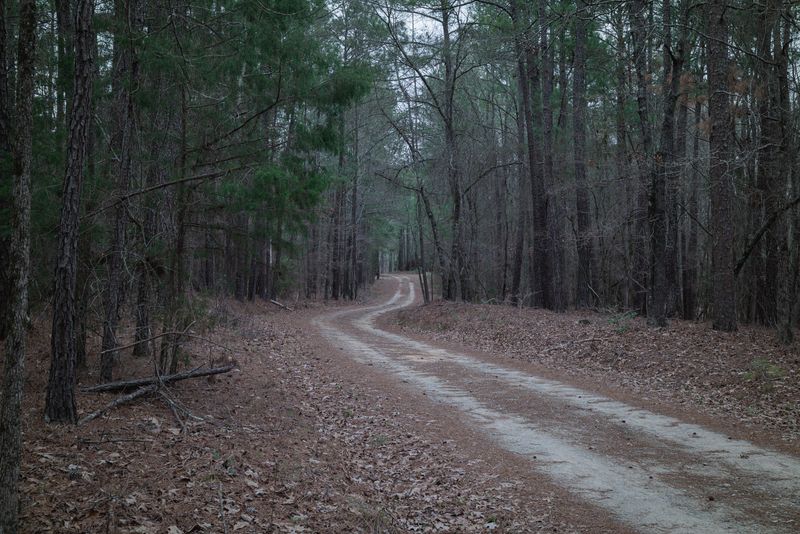
Signal bars fade fast once you leave the main roads. Large stretches of the Pinelands sit far from towers.
Treat your phone as a backup, not a lifeline. Tell someone your route and your expected return time before leaving home.
Carry a charged battery pack, since searching for service drains a phone quickly. A little preparation covers the gap when connection disappears.
10. Use an Offline Trail Map
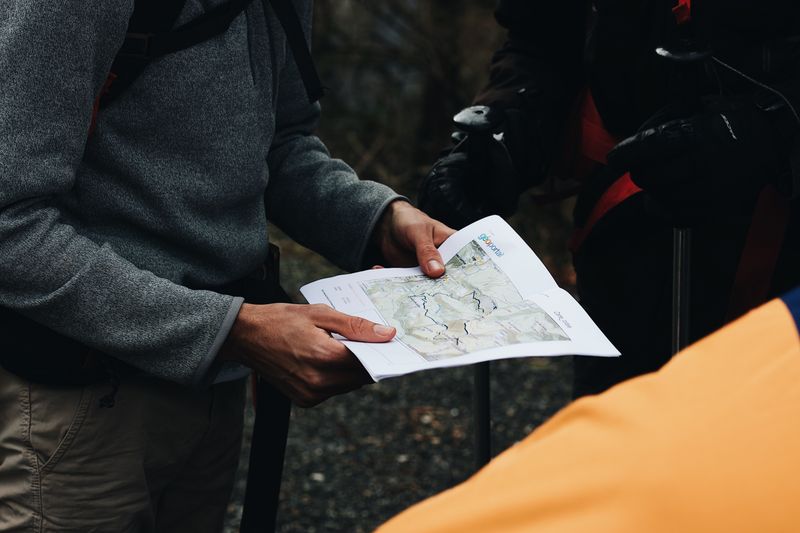
Paper maps never lose signal. Download an offline map before you leave the driveway, and tuck a printed copy in your pack too.
The Batona Trail alone stretches across several state forests, and sandy side roads branch off constantly.
Markers thin out in spots, so knowing your junctions helps. Snap a photo of the trailhead map board as an easy backup reference.
11. Watch Your Dog Around Streams and Wet Areas
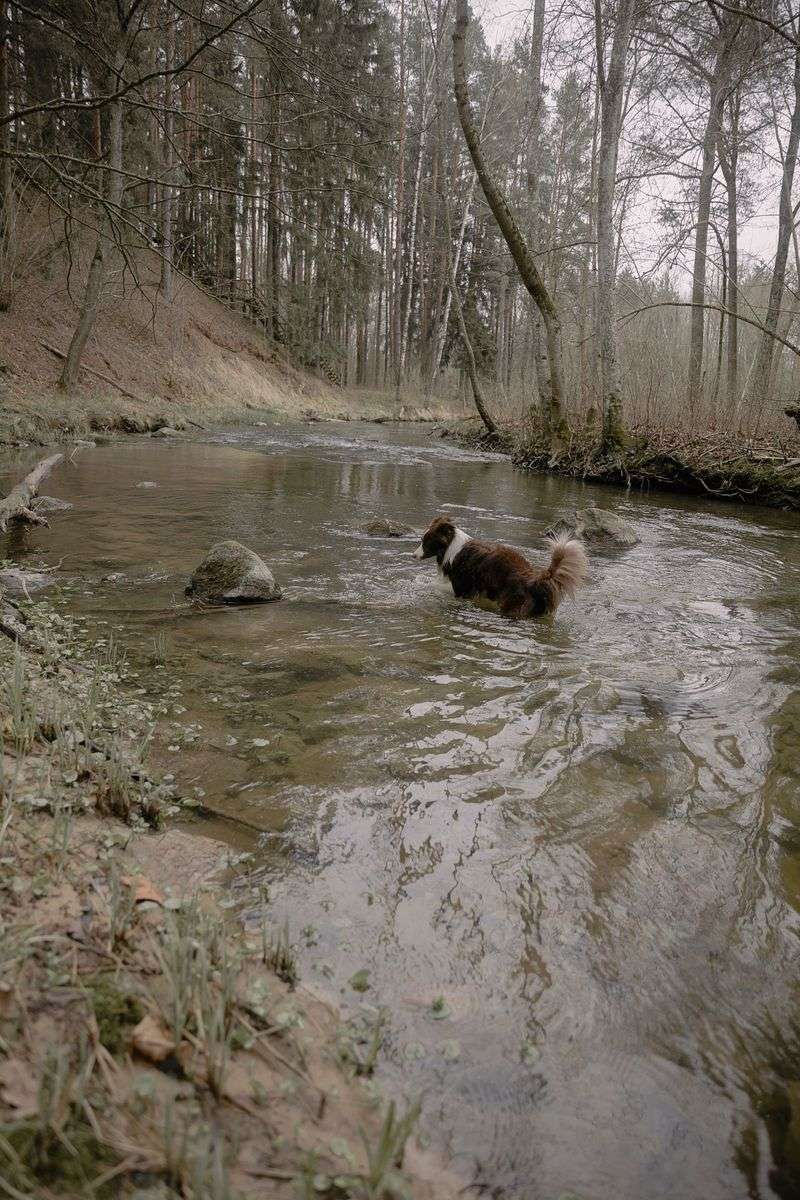
Those tea-colored cedar streams look inviting on a warm day. The water is naturally acidic and heavy with iron, and slow pools can hold bacteria or parasites.
Footing near bogs hides soft mud, sunken branches, and sudden drop-offs.
Let your dog wade briefly if you must, but keep drinking off the menu. Bring your own water for refills and rinse muddy legs afterward.
12. Pack a Basic Dog First-Aid Kit

A small pouch handles most trail hiccups. Stock antiseptic wipes, gauze, adhesive tape, blunt-tipped scissors, and fine tweezers for ticks.
Add paw balm, a spare leash, and any medication your dog takes daily.
Only give pain relief your veterinarian has approved, since human tablets can harm dogs. Save your vet clinic number and the nearest emergency hospital in your phone before heading out.
13. Protect Your Dog’s Paws
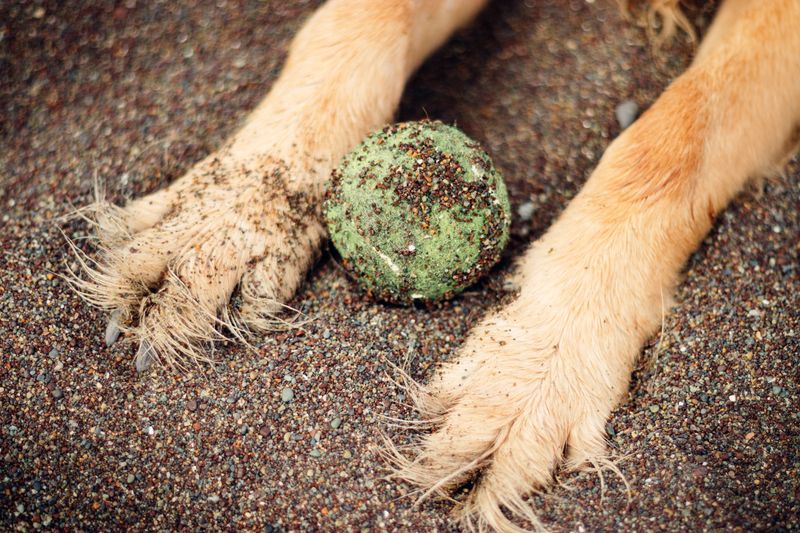
Paw pads take a beating out here. Hot midday sand can burn them, while pine needles, briars, and grit cause small cuts.
Press the back of your hand to the sand for a few seconds. Too warm for you means too warm for paws.
Booties help sensitive dogs and longer routes. Check between the toes during breaks and again once you get home.
14. Keep Your Dog Away From Unknown Plants
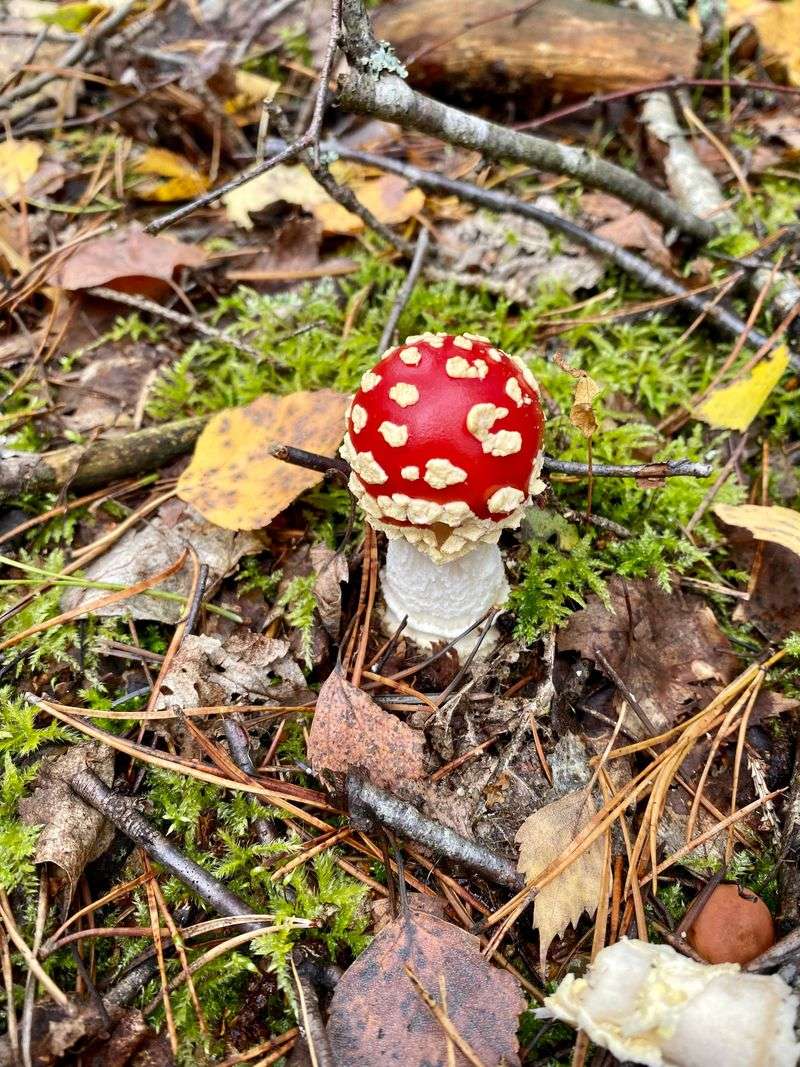
Curious dogs sample things, and the Pinelands grow plenty worth skipping. Mushrooms pop up after rain, and unfamiliar berries dot the understory.
Some plants upset a dog’s stomach, and identifying mushrooms in the field is nearly impossible.
A simple leave it cue does real work on the trail. Offer a treat instead and keep moving.
Contact your veterinarian if your dog swallows something unknown.
15. Give Other Hikers Plenty of Space
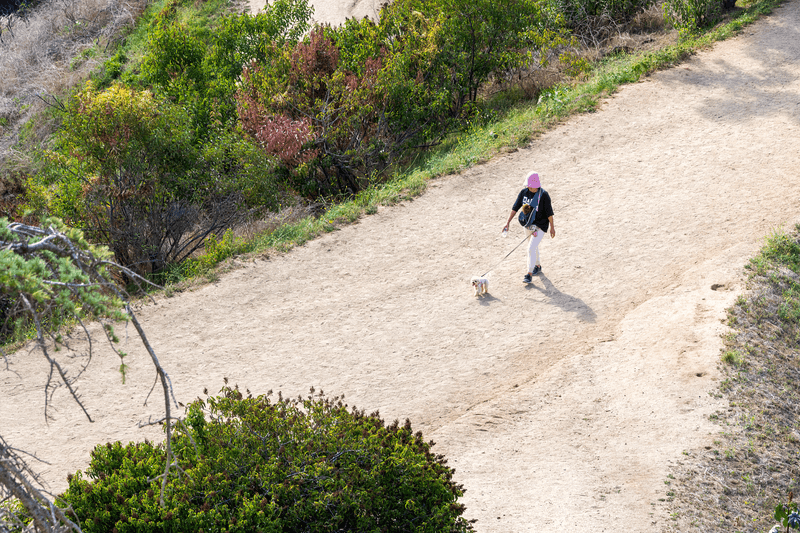
Not everyone loves dogs, and that is perfectly fine. Allergies, past experiences, or plain nerves all exist on shared trails.
Step to the side, shorten the leash, and let others pass comfortably.
A quick hello and a settled dog make the moment easy for everyone. Bag waste and carry it out too, since some trailheads have cans and many do not.
16. Be Careful Around Horses and Other Trail Users
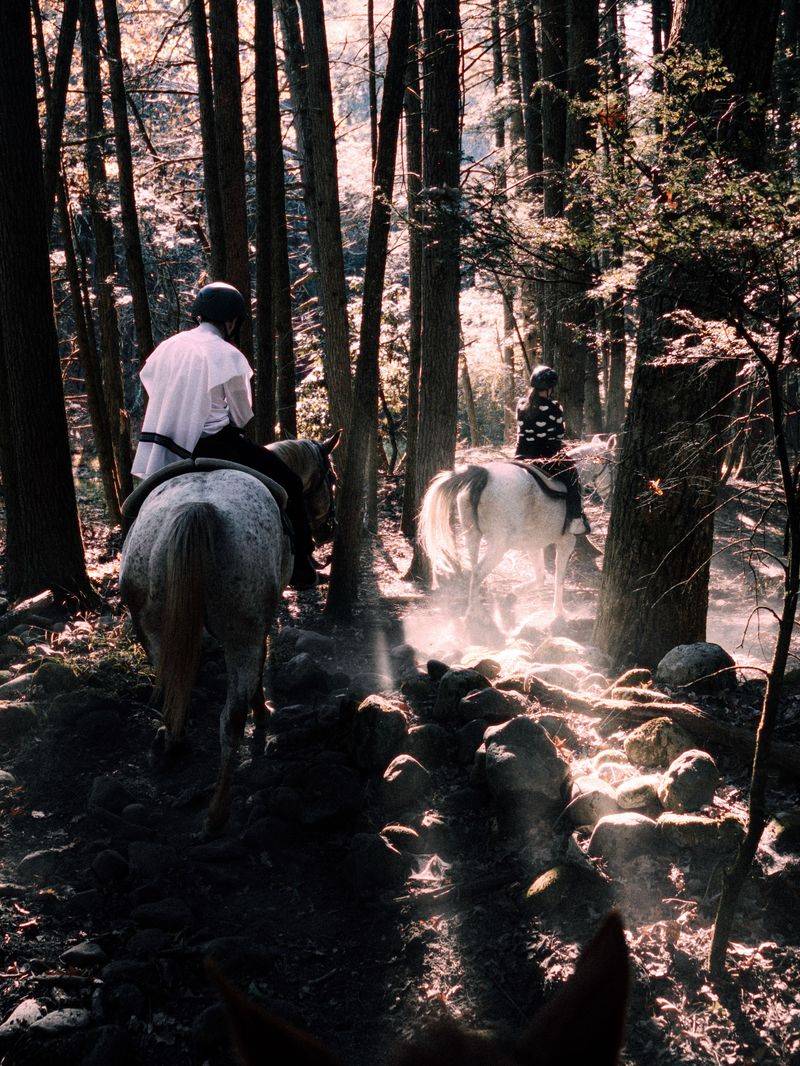
Many Pinelands routes serve hikers, cyclists, equestrians, and vehicles on designated sand roads. Horses always get the right of way.
Move to the downhill or open side, sit your dog, and speak calmly so riders know where you are.
Sudden barking can startle a horse. Listen for approaching bikes as well, and keep your leash short so nobody darts into their path.
17. Plan for a Muddy Return Trip
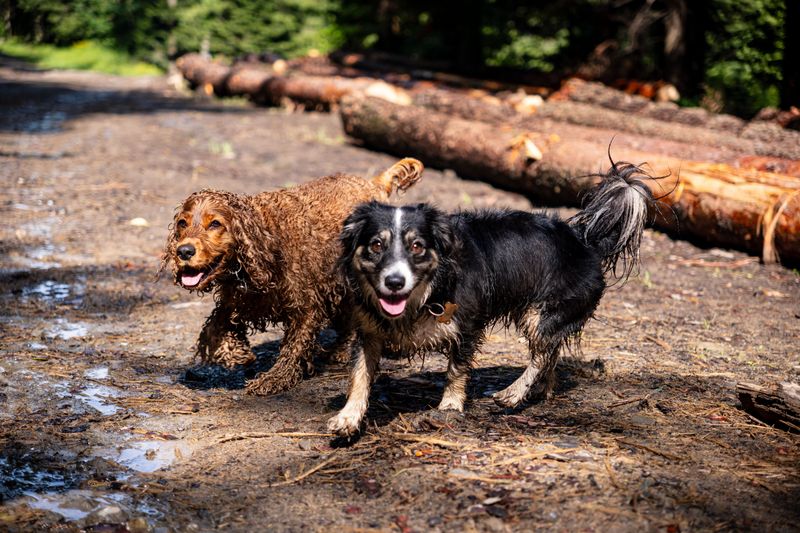
Sand rules most of the Pinelands, though low spots near bogs turn soupy after rain. Expect a dog wearing half the trail home.
Old towels and a blanket for the back seat solve it instantly.
Wet wipes, a brush, and a jug of water handle the worst before you drive. Rinse legs and paws later to spot any hidden scrapes.