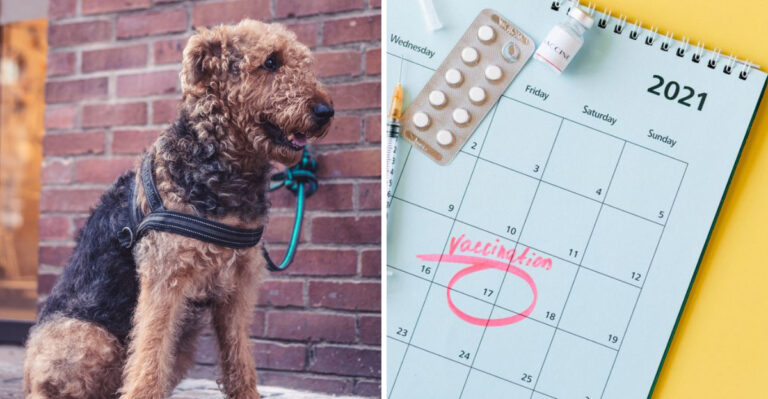
Snowbird Dog Owners In Florida Need A Two-State Paperwork System
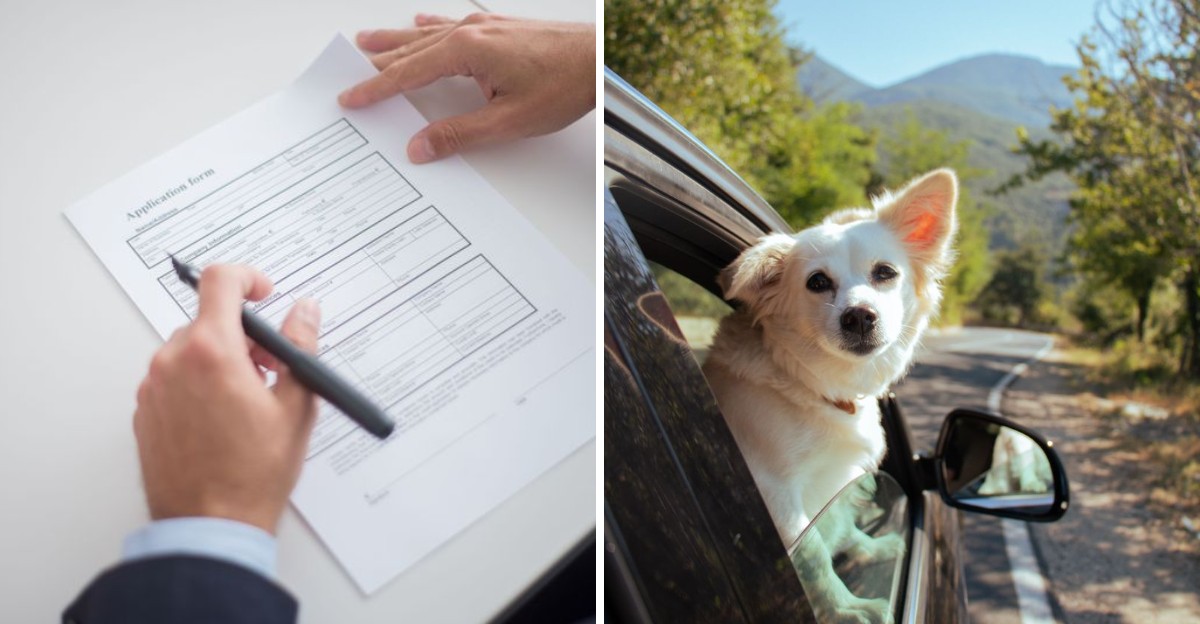
Splitting the year between a northern home and Florida sunshine is a wonderful way to live, especially with a dog riding along. The tricky part is paperwork, because two states mean two sets of rules, records, and renewal dates.
A little organizing now saves you scrambling later at a vet clinic, a rental office, or a boarding kennel. Here is a friendly, practical guide to building a paperwork system that travels as easily as your dog does.
1. Start With Florida’s Rules

Florida keeps things fairly simple, but the rules come from two levels. Rabies vaccination is required statewide for dogs four months and older.
Licensing, though, is handled by individual counties, so fees and forms differ depending on where you park for the winter.
Many counties charge less for spayed or neutered dogs. Call your county animal services office once, write down what they tell you, and keep that note filed.
2. Keep Your Dog’s Rabies Certificate Current

If one piece of paper matters most, it is the rabies certificate. Florida law, found in Section 828.30, requires the vaccine for dogs, cats, and ferrets four months or older.
Your veterinarian issues the official certificate at the time of vaccination.
Beyond the legal side, groomers, boarding facilities, daycares, and many landlords ask to see it. Keep the original safe and a copy in your bag.
3. Check Florida’s Rabies Requirements
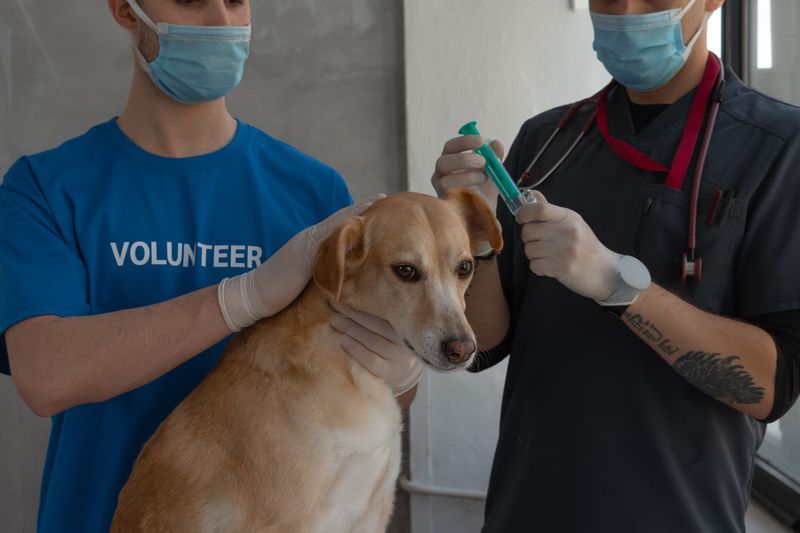
Wildlife is part of Florida’s charm, and also part of the reason rabies rules exist. Raccoons, bats, and foxes are known carriers across the state.
Staying current protects your dog, your neighbors, and local animals too.
Certificates should follow the standard form recommended by the National Association of State Public Health Veterinarians, or an accepted local version. Ask your vet to confirm the form meets that standard.
4. Know the Rules for Your Other State

Your northern state has its own entry expectations, and they may not match Florida’s.
Requirements vary widely, so guessing is never a great plan.
The most reliable sources are the state veterinarian’s office or the Department of Agriculture where you are headed. The USDA APHIS interstate pet travel page links to each state’s rules in one place.
One phone call in autumn can prevent a headache at the halfway point.
5. A Health Certificate May Be Needed for Travel
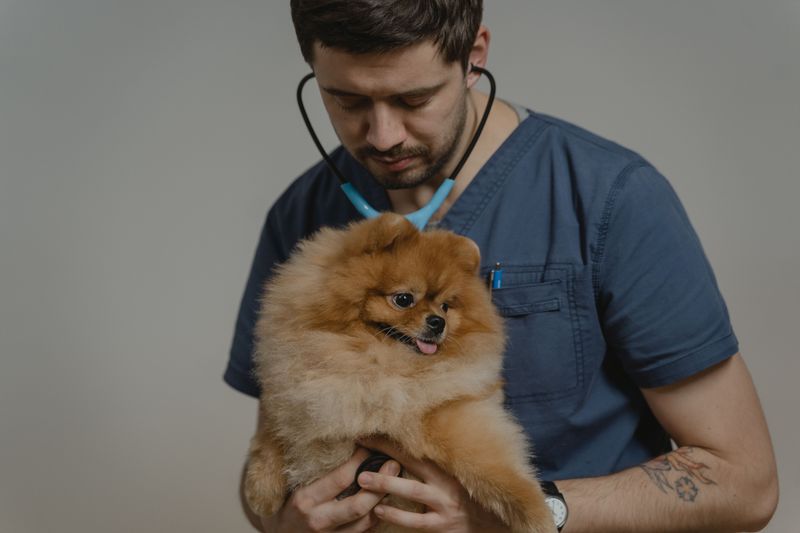
Crossing state lines can require a Certificate of Veterinary Inspection, commonly called a health certificate.
A licensed veterinarian may issue it, and USDA accreditation is not automatically required for every interstate pet movement. For entry into Florida, an Official Certificate of Veterinary Inspection is generally valid for 30 days, but Florida provides an exception for privately owned pets traveling with their owners, along with certain other exceptions.
The document confirms your dog was examined and meets the applicable entry requirements. Flying can add separate airline requirements, so check directly with the carrier before traveling.
6. Keep Microchip Information Updated
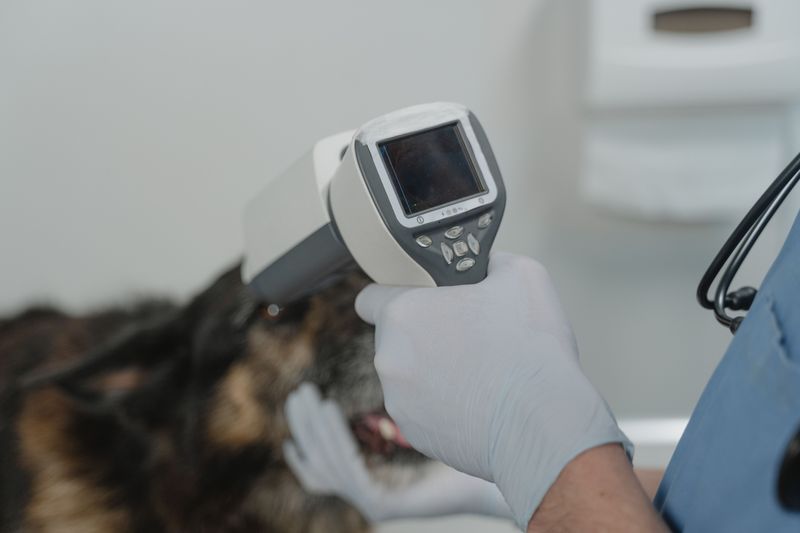
A rice-sized chip has reunited countless families, but only when the details behind it are right.
Florida storms, open gates, and unfamiliar neighborhoods all raise the odds of a dog wandering off.
Microchipping is strongly recommended, though not usually required for interstate travel.
The chip itself never expires. The registry information does go stale, so treat updating it as part of your seasonal routine, not an afterthought.
7. Carry Proof of Ownership

No single document proves a dog belongs to you. Ownership is usually shown through a stack of consistent records instead.
Adoption or purchase papers, microchip registration, vet records in your name, county licenses, and pet insurance all help.
Dated photos of you together add weight too.
Keep these together rather than scattered across two houses. If a question ever arises, having everything in one spot makes the answer easy.
8. Make a Two-State Veterinary Folder

Picture one folder that answers every question a vet or kennel might ask.
Inside, tuck the microchip number and implant date, all vaccination records, recent lab results, and both clinics’ contact details.
Add your dog’s birthdate, sex, spay or neuter status, weight, breed, and measurements.
Owners who keep a physical folder plus a digital backup rarely get caught short. Label it clearly and store it with your travel gear.
9. Save Digital Copies of Key Records
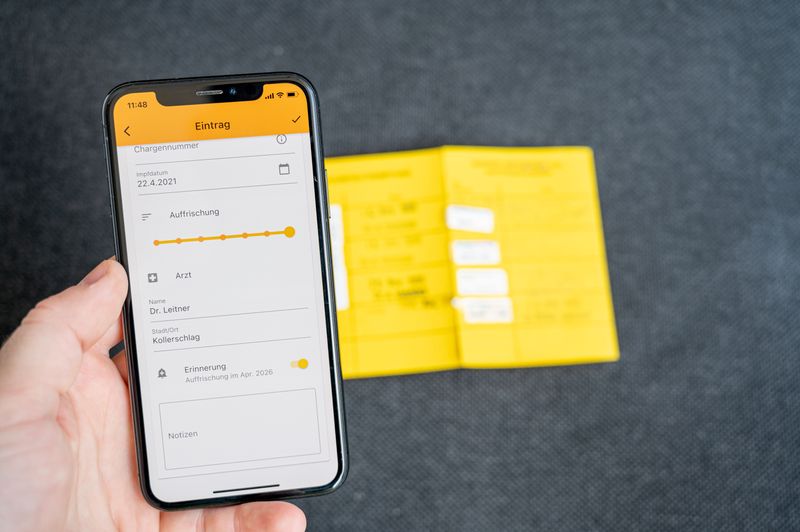
Paper can get soaked, misplaced, or left behind in the other house. Digital copies solve all three problems.
Snap clear photos or scans of vaccination certificates, lab results, and prescription lists.
Store them in a cloud service such as Google Drive or Dropbox, or in a pet records app with offline access.
An emergency vet who can see allergies and medications instantly can help your dog faster.
10. Update Your Address With the Microchip Registry

Twice a year, your mailing address changes. Your dog’s chip registration should follow along.
Log in when you arrive in Florida, then again when you head north for the summer.
Most registries allow quick online edits, and many send reminder emails.
An old phone number is the most common reason a found dog waits longer than needed. Verify the whole record at least once every year.
11. Keep Your Veterinarian’s Contact Information Handy
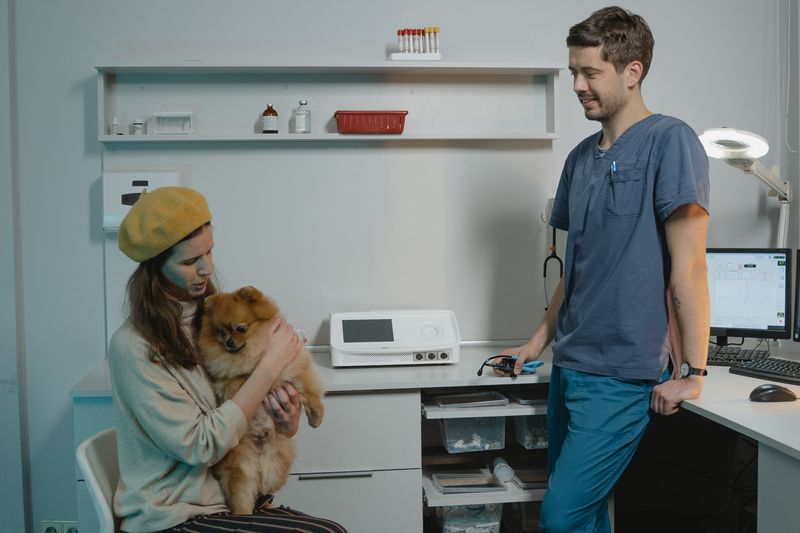
Emergencies rarely happen during office hours. That is why two lists beat one.
Save your primary vet’s number, including any after-hours line, for both states.
Then locate the nearest 24-hour emergency hospital near each home and store the address in your phone.
Poison hotlines belong on that list too, such as the ASPCA Animal Poison Control Center at 1-888-426-4435 or the Pet Poison Helpline.
12. Ask About County-Level Requirements
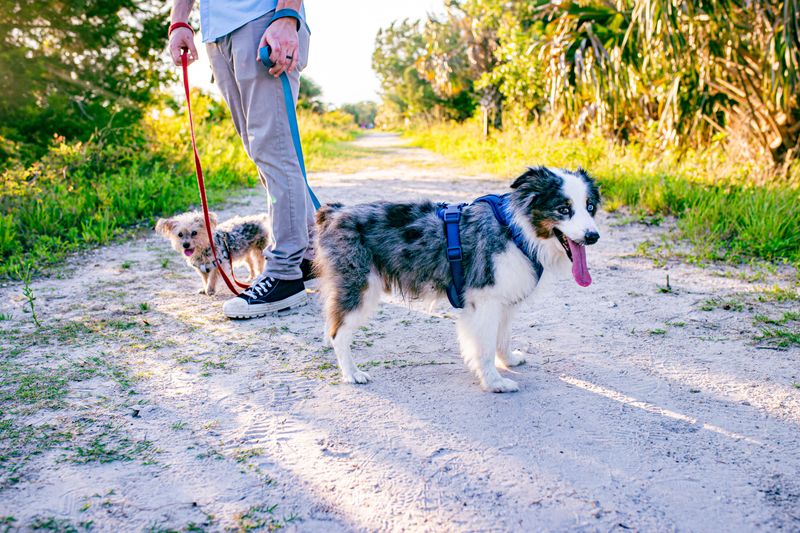
Florida sets the statewide baseline, but counties fill in plenty of details.
Licensing fees, renewal timing, leash rules, and beach access can all differ between neighboring areas.
Before you settle into a seasonal rental, ring the local animal services or county clerk’s office.
Ask specifically about licensing, leash ordinances, and any breed or number limits. Snowbirds who move between Florida communities should repeat that call each time.
13. Plan Ahead Before Crossing State Lines
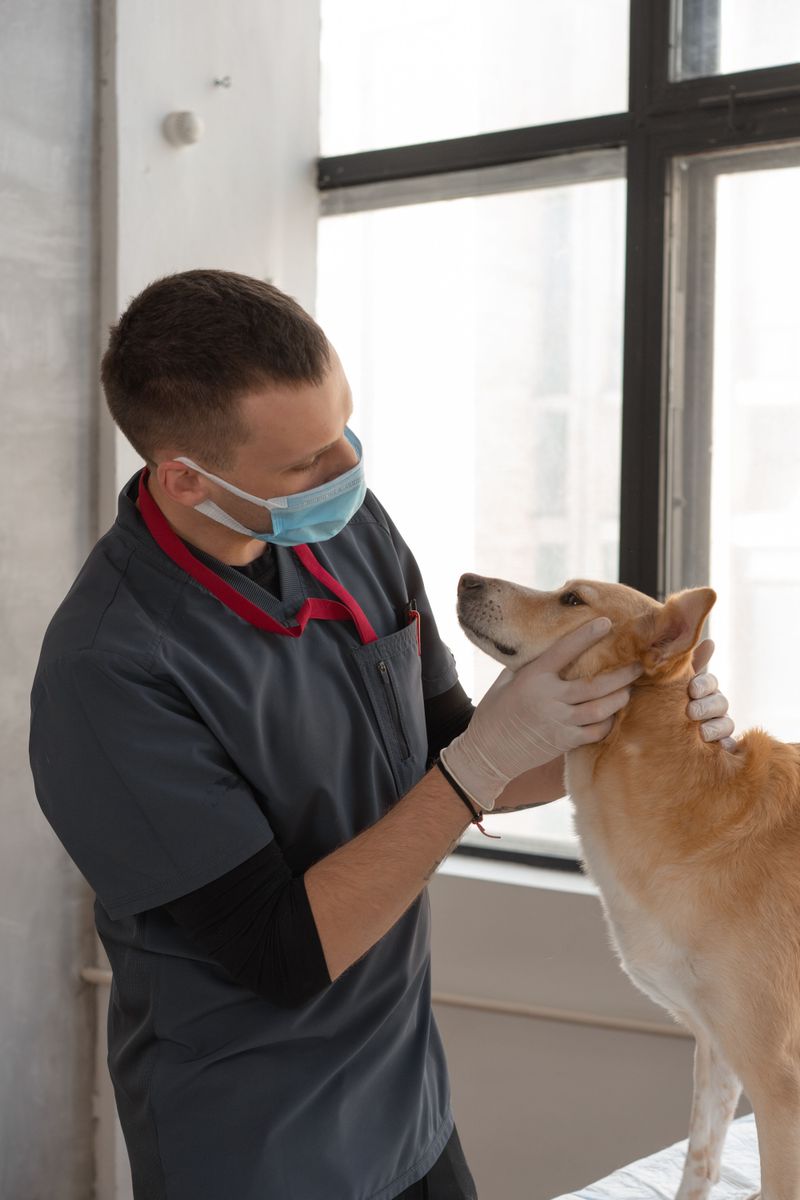
Good trips begin months before the car is loaded.
Book a full wellness exam with your veterinarian at least thirty days ahead of departure.
Use that visit to confirm rabies and other core vaccines are current, and to renew any prescriptions.
Mention your route, lodging plans, and travel length so your vet can flag concerns. Early appointments also leave room if a booster is needed.
14. Watch Vaccination Expiration Dates

Expiration dates have a way of sneaking up during a busy season.
Rabies deserves the closest watch, since some Florida county licenses expire alongside it.
Write every due date on a calendar, or set phone reminders a month in advance.
Lapsed records can delay boarding, grooming, or a license renewal at the worst moment. Staying ahead keeps your dog protected and your paperwork accepted everywhere.
15. Keep Travel Documents With Your Dog’s Essentials

Documents do little good sitting in a drawer back home.
Build one travel kit and keep papers inside a waterproof sleeve or zip folder.
Include vaccination proof, the health certificate, microchip paperwork, and a recent photo of your dog.
Pack the practical items beside them: leash, collar with ID tags, crate, food, water, medications, and a pet first-aid kit. Everything lives together, so nothing gets forgotten.
16. Check Requirements Before Every Seasonal Move
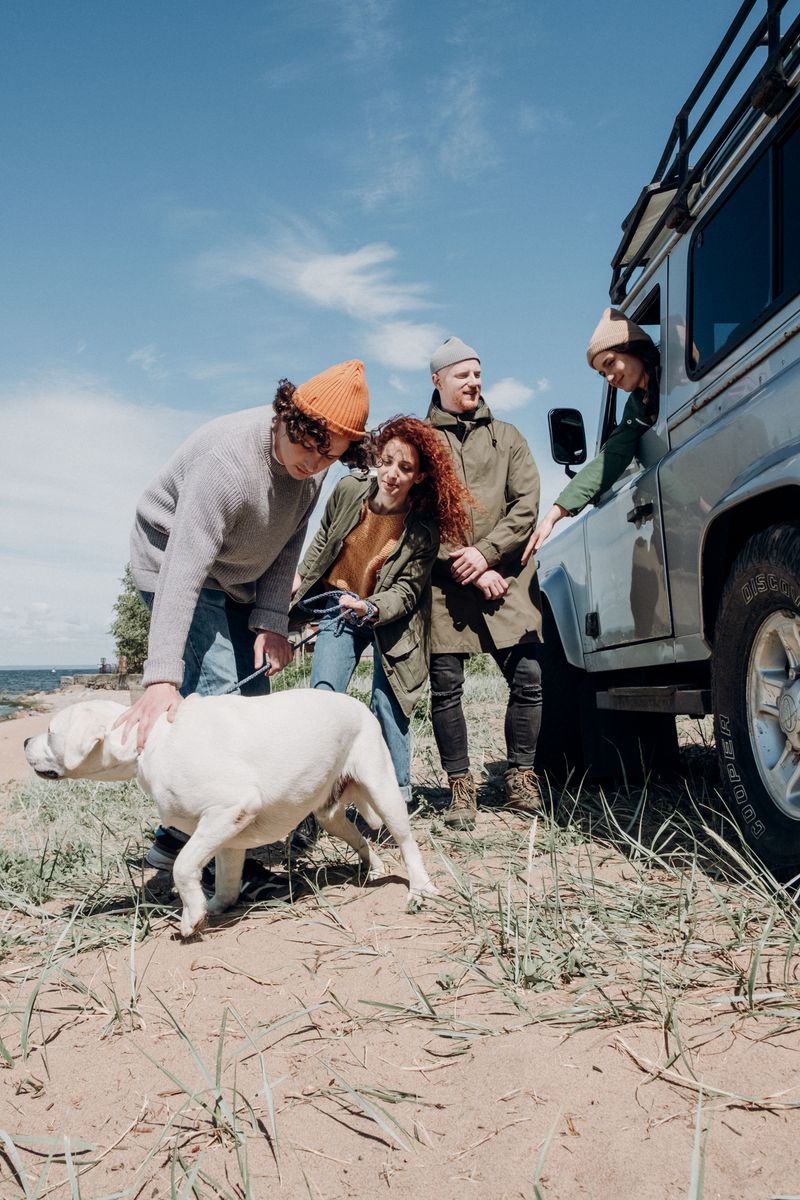
Rules shift quietly from year to year, and last season’s notes may already be outdated.
Before each move, re-read the current requirements for both states.
Pay attention to how long a health certificate stays valid, since a quick return trip might require a second vet visit.
A ten-minute review beats a roadside surprise. Print the updated rules and slide them into your folder.
17. Make a Return-to-Florida Checklist

Repeating the same steps each autumn gets much easier with a written list.
Start by confirming the rabies vaccination is current and properly documented.
If your trip requires an Official Certificate of Veterinary Inspection, confirm that it is issued within the applicable time period before entry. Florida generally requires the certificate to be issued within 30 days, but privately owned pets traveling with their owners may qualify for an exception.
Then verify the microchip registry shows your Florida address, and check county licensing for your seasonal address. Laminate the list and reuse it yearly.
18. Keep Records Even When No One Asks for Them

Plenty of seasons pass without anyone requesting a single document. File everything anyway.
A steady, well-organized history of vaccines, exams, and ownership papers becomes valuable the moment something unexpected comes up.
New vets read it faster, kennels approve you sooner, and insurance claims go smoother.
Think of it as quiet preparation that costs almost nothing. Your future self, standing at a counter somewhere, will be grateful.