Why Minnesota Dog Owners Need To Check Local Tethering And Outdoor-Shelter Rules
If your dog spends time outside in Minnesota, the rules that apply to you may not be the same ones your friend follows two towns over. State law sets the baseline for shelter and care, but many cities and counties add stricter standards of their own.
That patchwork catches plenty of good owners by surprise. Here is a friendly walk through what to look for, what generally applies, and where to confirm the details close to home.
1. Minnesota Cities May Have Their Own Tethering Rules

Two neighbors can follow completely different tethering rules if a city line runs between them. Minnesota has statewide animal care statutes, but municipalities layer their own ordinances on top.
Minneapolis and St. Paul, for example, handle tethering quite differently from each other and from smaller rural counties.
So the safest assumption is simple: your city may regulate this more tightly than the state does. Look up your own municipality rather than relying on general advice.
2. Check Your City Or County Ordinances

Most Minnesota cities post their municipal code online, and animal chapters are usually easy to search by keyword.
Try terms like tether, restraint, shelter, and animals. If the site is hard to navigate, a quick call works too.
City clerks, county offices, law enforcement, and animal control officers can all point you to the right section. Ten minutes of reading now saves confusion later, and you will know exactly where you stand.
3. Understand When Tethering Is Restricted
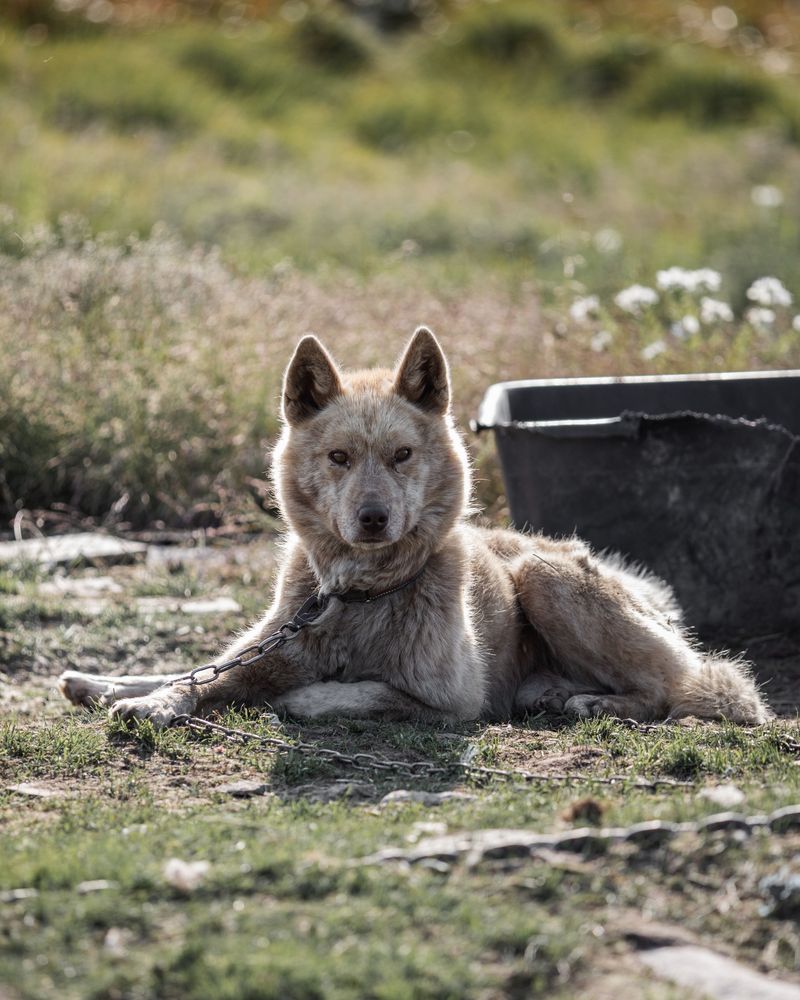
Timing matters as much as equipment. Some ordinances restrict tethering during certain hours, certain weather, or beyond set daily limits.
St. Paul, for instance, limits stationary tethering to two consecutive hours, with rest periods in between and a cap on daily sessions.
Proposed statewide language has floated a nine hour daily ceiling with exceptions for brief tasks. Because proposals and local rules shift, confirm current wording with your city before relying on any number.
4. Know How Long A Dog Can Stay Tethered
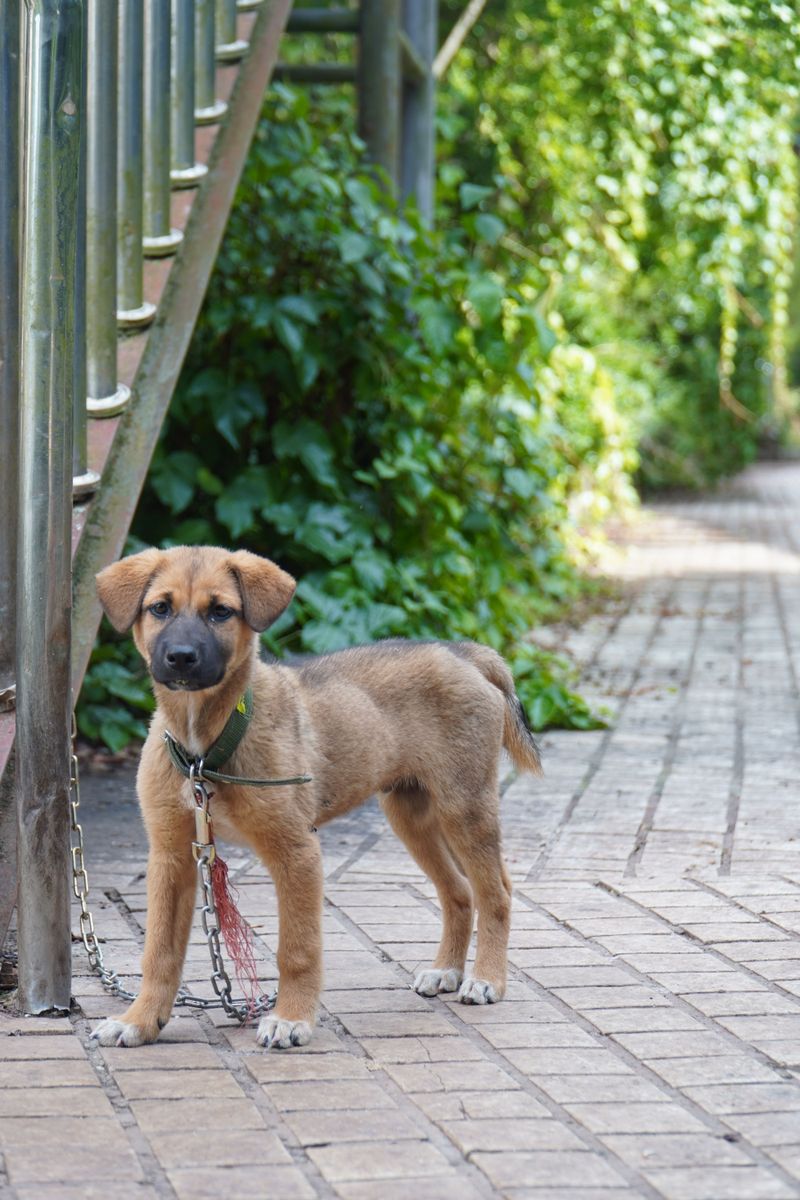
Duration limits are one of the biggest differences between Minnesota communities. St. Paul caps consecutive stationary tethering at two hours.
Minneapolis takes another approach entirely, prohibiting tethering without on site supervision.
Weather adds another layer. Common guidance discourages leaving dogs outside longer than thirty minutes above ninety degrees or below freezing, and during issued weather advisories.
Across the board, tethering is meant to be short term, never the everyday way a dog is contained.
5. Check What Counts As An Acceptable Tether

Equipment details are written right into many ordinances. A compliant tether typically attaches to a properly fitted collar or harness, not a choke, prong, or pinch style collar.
Swivel hardware is usually required to reduce tangling.
Length and weight rules vary. St. Paul requires at least three times the animal’s length and a ten pound weight limit, while Minneapolis caps tether weight lower.
Each dog needs its own separate line.
6. Outdoor Shelter Must Protect Against Minnesota Weather
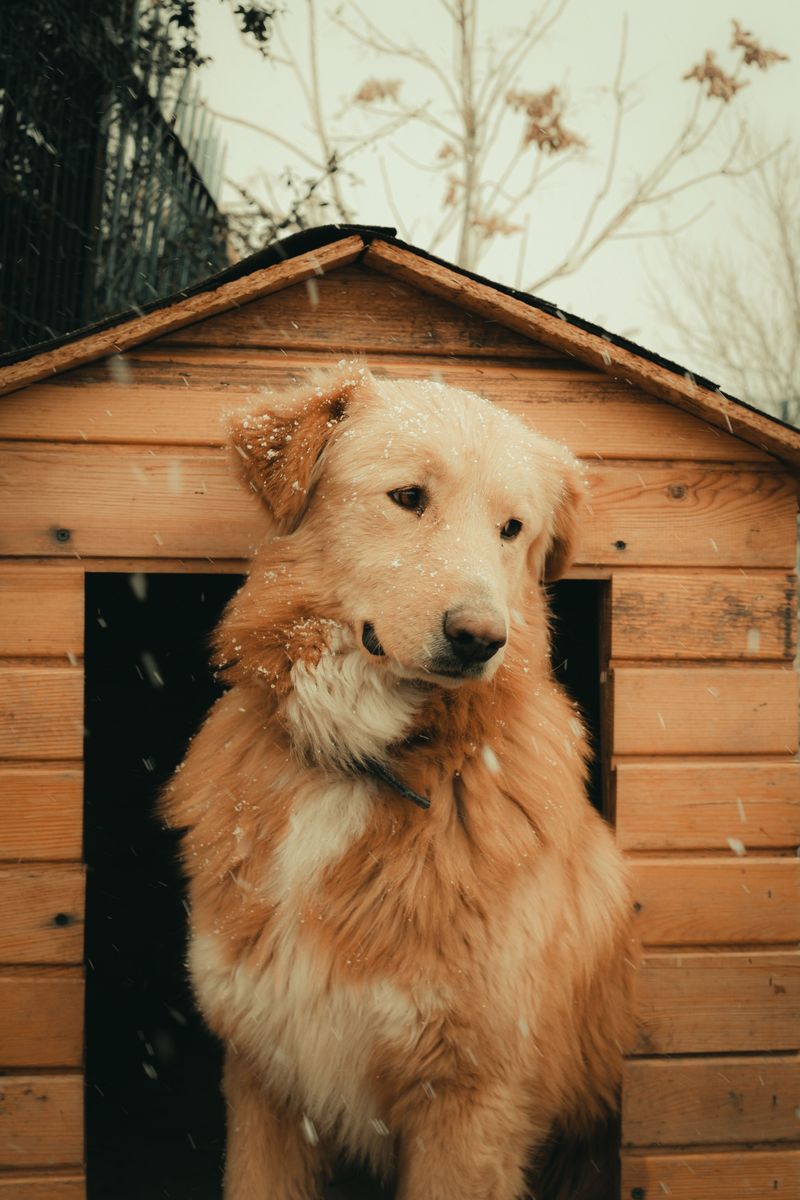
Minnesota statute 343.40 spells out the basics for outdoor shelter, and the standards are practical rather than fancy.
Shelter must be moisture proof, wind proof, and built from durable materials. The floor needs to be solid and moistureproof, or raised at least two inches off the ground.
Between November 1 and March 31, the shelter must have a windbreak at the entrance. Bedding is also required and may consist of hay, straw, cedar shavings, blankets, or an equivalent material.
7. Shelter Requirements May Vary Locally
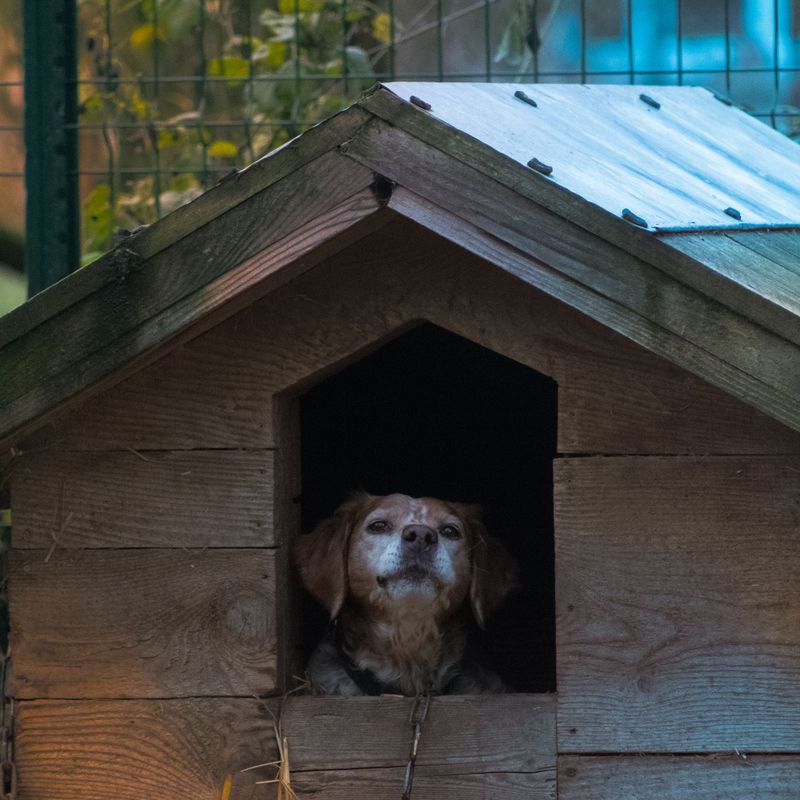
State law is the floor, not the ceiling. Cities and counties can add their own shelter standards on top of it.
Local codes sometimes address insulation, construction materials, placement on the property, or how shelters must be maintained.
Rural counties and larger cities often word things differently. A short conversation with your city clerk or animal control officer clears up which extra provisions apply where you live.
8. Make Sure The Shelter Is Properly Sized
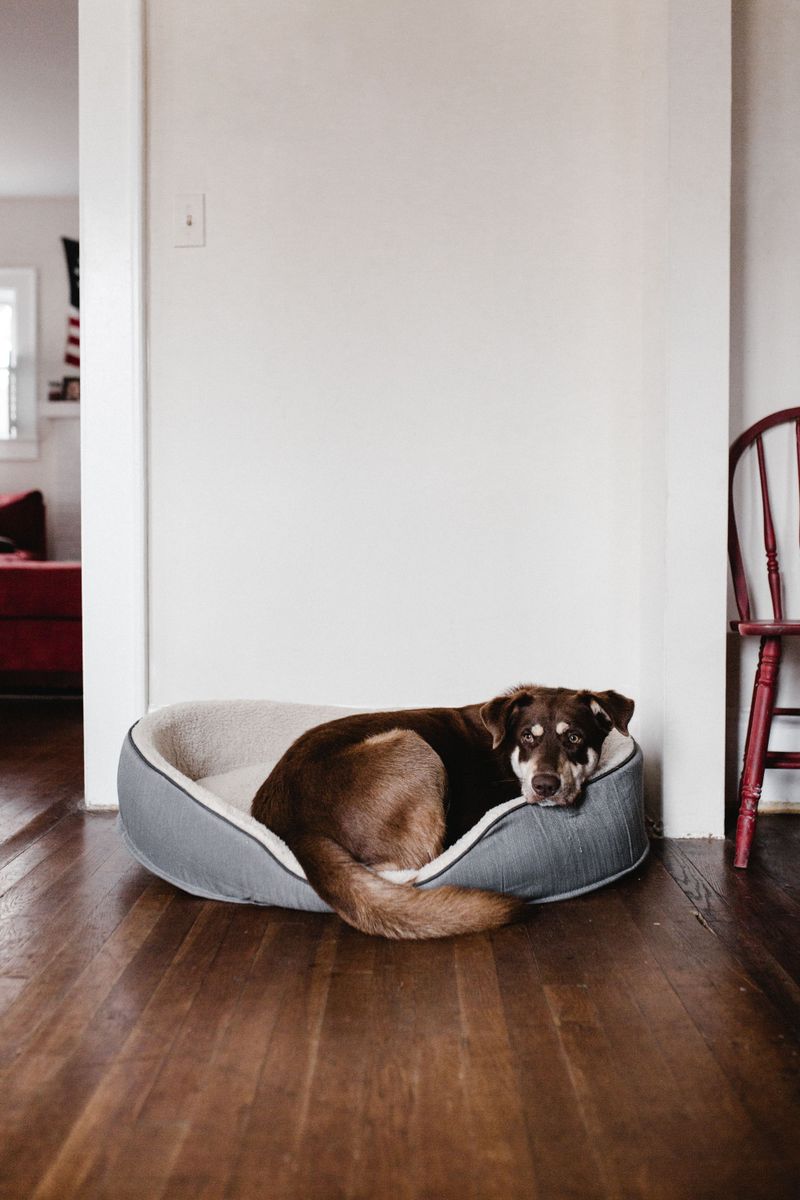
Bigger is not better here, which surprises many first time owners. A dog house should let your dog stand fully, turn around, and stretch out comfortably.
It should also stay small enough that body heat actually warms the space.
Oversized store bought models often fail that second test. An unheated garage is usually far too large to hold warmth, and a vehicle does not count as permanent shelter.
9. Keep Outdoor Shelter Dry And In Good Condition
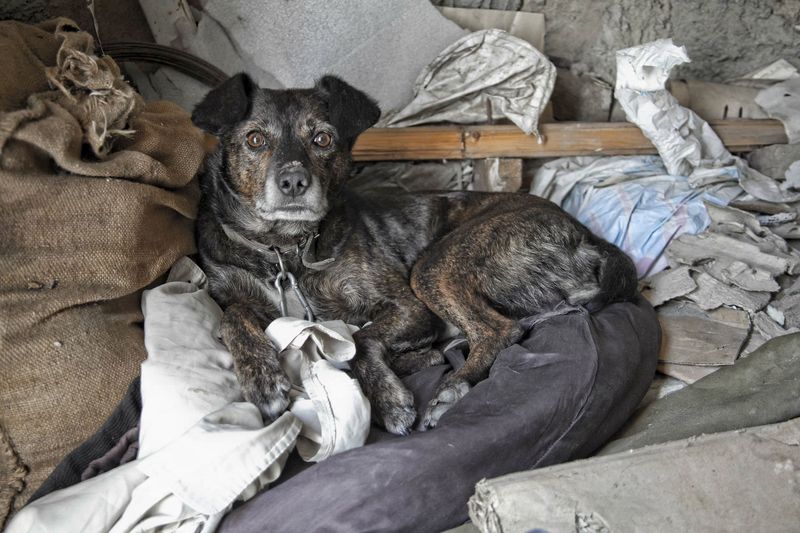
Upkeep counts as much as construction. A shelter only stays moisture proof and wind proof if you actually maintain it.
Check for loose boards, cracked seams, leaks near the roof, and worn door flaps a few times each season.
Bedding needs attention too. Damp bedding loses its insulating value quickly, so swap it out regularly and keep the interior dry.
Small repairs beat big replacements every time.
10. Minnesota Winters Make Shelter Especially Important
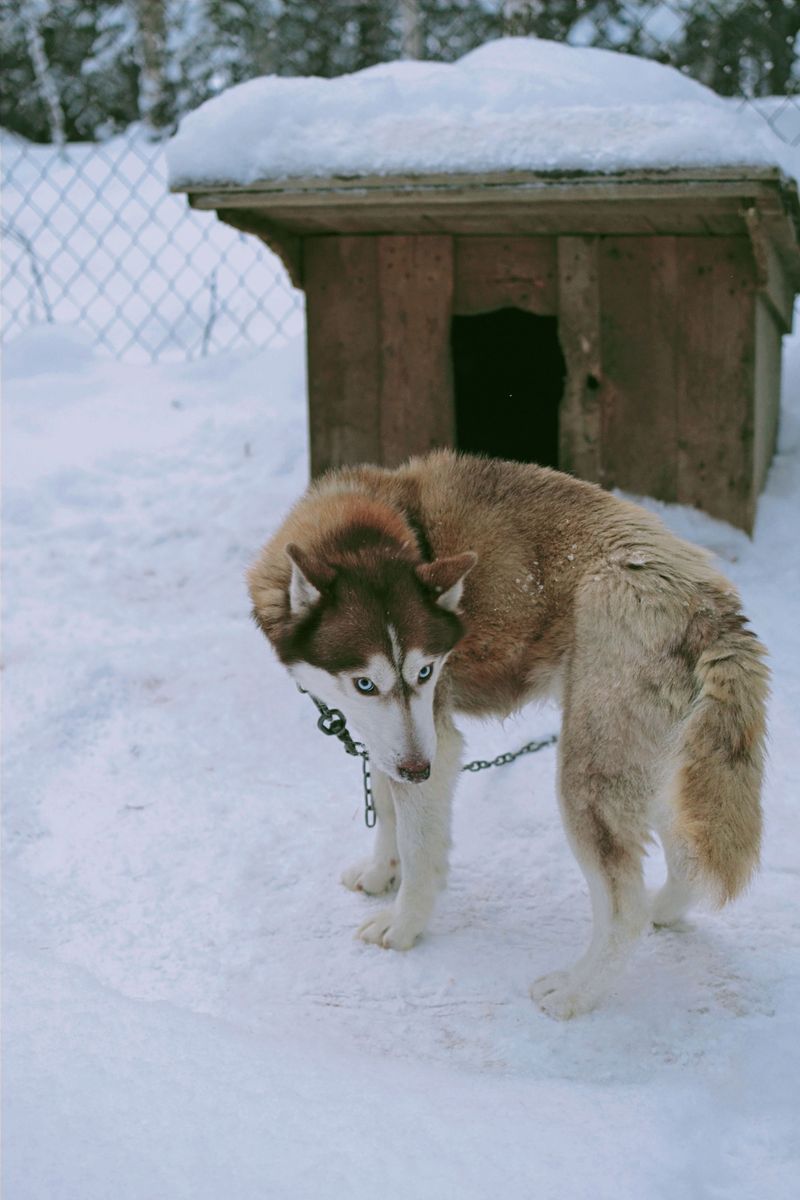
From November 1 through March 31, Minnesota rules get more specific about cold weather protection.
Entrances need a windbreak, such as a flexible door flap, an offset opening, or a self closing design.
Bedding during those months should be non absorbent material like straw, cedar shavings, or wood chips. Straw is generally preferred over hay or blankets, which hold moisture.
Some dogs, including small, short haired, very young, or senior ones, simply are not suited to outdoor living here.
11. Heat And Humidity Matter Too

Summer humidity in Minnesota deserves the same respect as January cold. Outdoor shelter must offer real shade from direct sun.
Rain proof ventilation openings are allowed in hot weather so air can move through.
Guidance discourages leaving a dog outside longer than thirty minutes when temperatures climb above ninety degrees. Placing the shelter on the sheltered southeast side of a house or garage helps with sun, wind, and driving rain.
12. Fresh Water Should Always Be Available
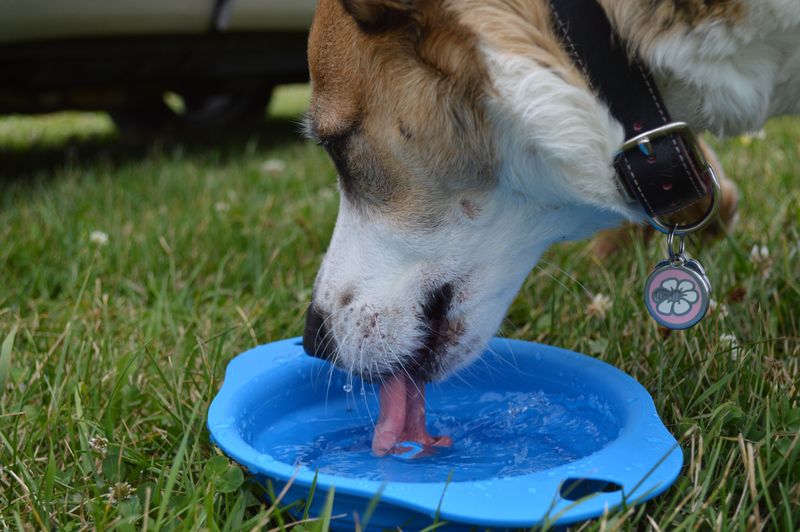
Water is the requirement almost nobody debates, and it applies in every season.
Any dog kept outdoors or tethered needs clean, drinkable water available consistently, not just at mealtimes.
Winter adds a wrinkle, since bowls freeze fast. Heated bowls, insulated buckets, or frequent refills all solve the problem.
Check the bowl morning and evening, and rinse it often. Dirty water gets ignored, and an ignored bowl helps nobody.
13. Tethering Does Not Replace Supervision
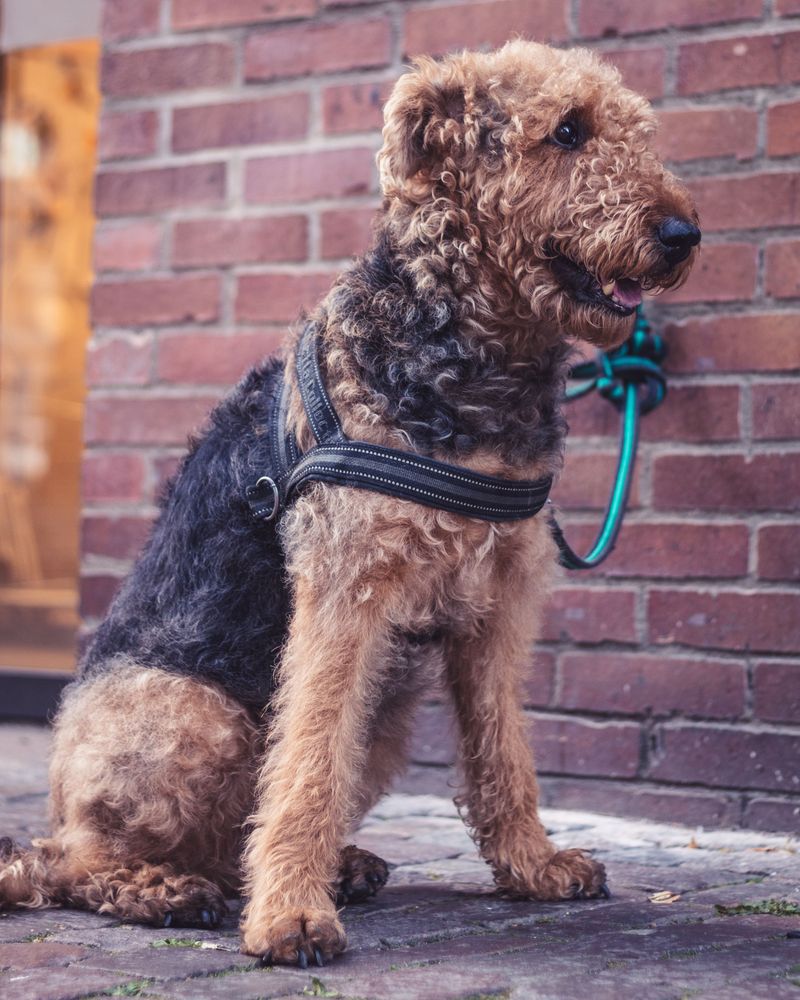
Here is a rule with real teeth: Minneapolis requires on-site supervision when an animal is tethered.
Even where supervision is not spelled out, tethering is designed as a temporary restraint.
Being nearby lets you catch a tangled line, an overheated dog, or a curious visitor at the fence.
Think of the tether as a short-term tool while you are outside, not a stand-in for your attention.
14. Watch For Tethering Hazards Around The Yard
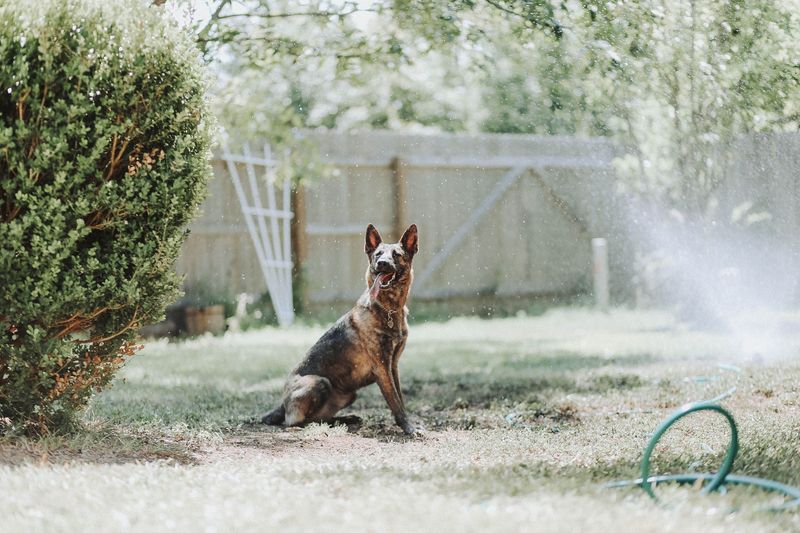
Walk the tether’s full circle before you clip your dog in. Ordinances often require placement that prevents entanglement with objects, fences, or other animals.
The line should not let your dog reach sidewalks, roads, or a neighbor’s property.
Keep the area clean and free of waste, which many codes address directly.
Deck stairs, garden stakes, and low branches are the usual troublemakers, so clear them out first.
15. Check Whether Your Property Creates Extra Concerns
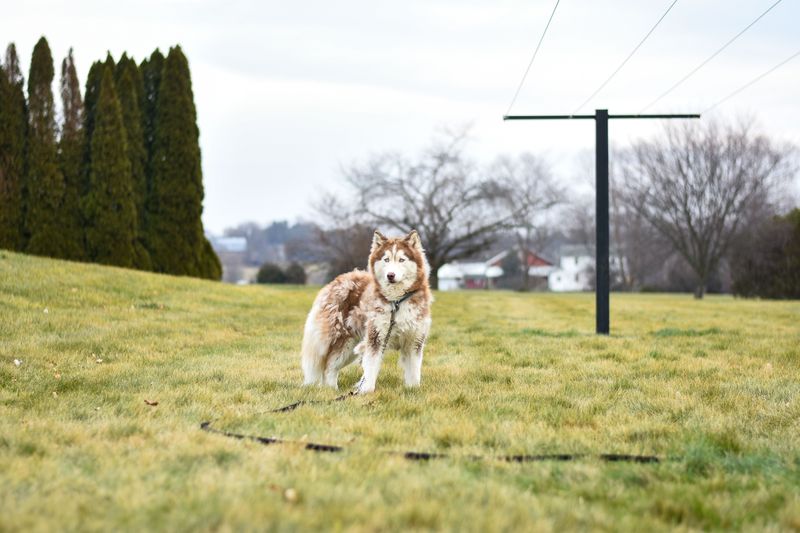
Every yard has its own quirks. Garages bring exhaust fumes and leaking engine fluids, both of which are hazardous to pets.
Electronic fences are not accepted as legal restraint in St. Paul, so containment plans need rethinking there.
Without a physical fence, a tie out or cable run may be permitted, though length and placement limits still apply.
Look at your specific property, then match it against local wording.
16. Animal-Control Officials May Enforce Outdoor-Dog Rules
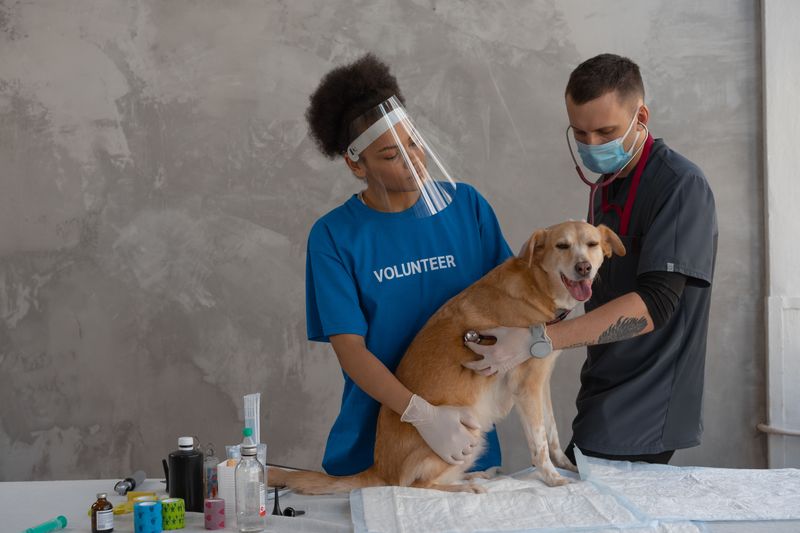
Enforcement in Minnesota falls to animal control officers, humane agents, and law enforcement agencies.
Those officials handle both state animal welfare statutes and local ordinances, which is why answers can differ by jurisdiction.
Most interactions start as education rather than punishment. Officers routinely explain requirements and give owners a chance to correct setups.
Treating them as a resource works well. Calling ahead with a question is entirely normal and often welcomed.
17. Complaints Can Trigger A Closer Look
A neighbor’s phone call is the most common reason an officer stops by. Concerned residents can request a wellness check through city police or a county sheriff.
If an officer finds problems, responses range from a warning to formal action, with penalties possible under state law.
Veterinarians in Minnesota are also mandated reporters for suspected neglect.
Keeping your setup clearly compliant makes any visit short and uneventful.
18. Recheck The Rules Before Changing Your Setup
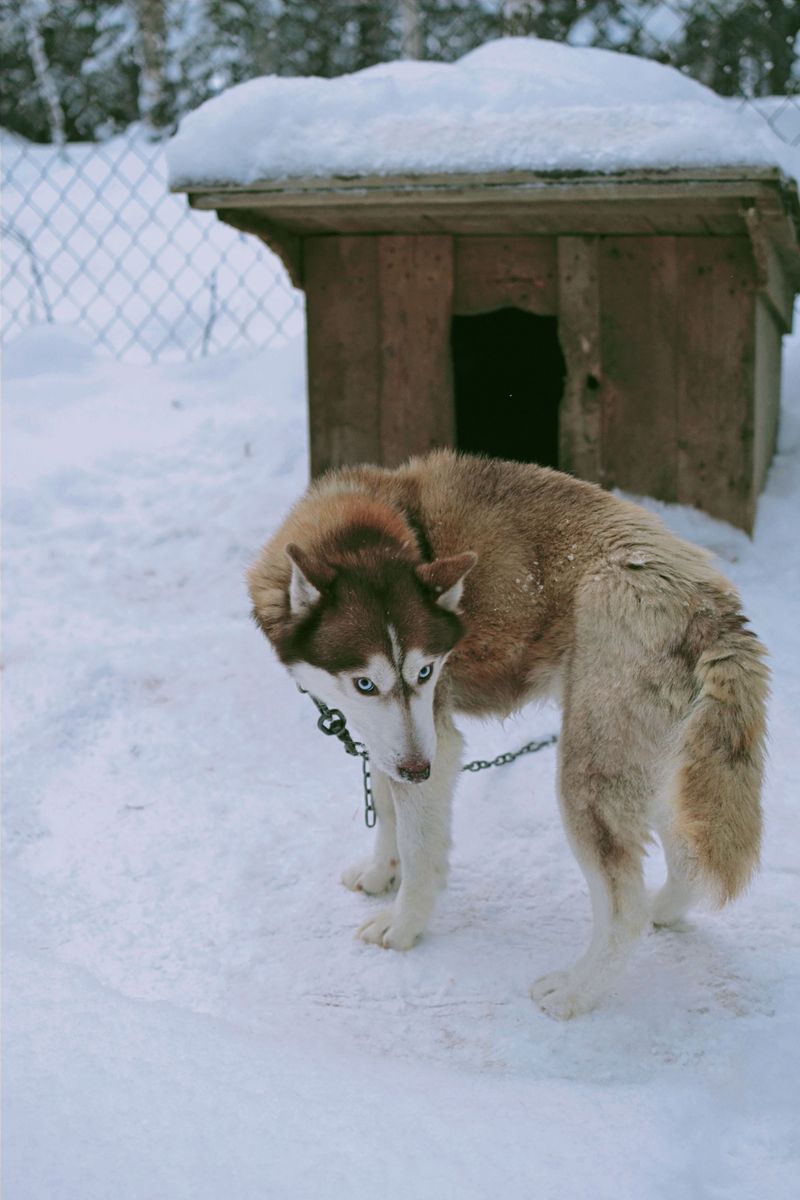
Rules do not stay frozen. Ordinances get amended, and statewide proposals occasionally change the landscape.
Before installing a new run, building a shelter, or moving your dog’s outdoor area, pull up the current code again.
A quick verification call to animal control covers anything ambiguous, and your veterinarian can advise on whether outdoor time suits your particular dog.
Staying curious about the rules is the easiest habit a responsible owner can keep.