15 Massachusetts High-Tide And Salt-Marsh Hazards Dog Owners Should Recognize
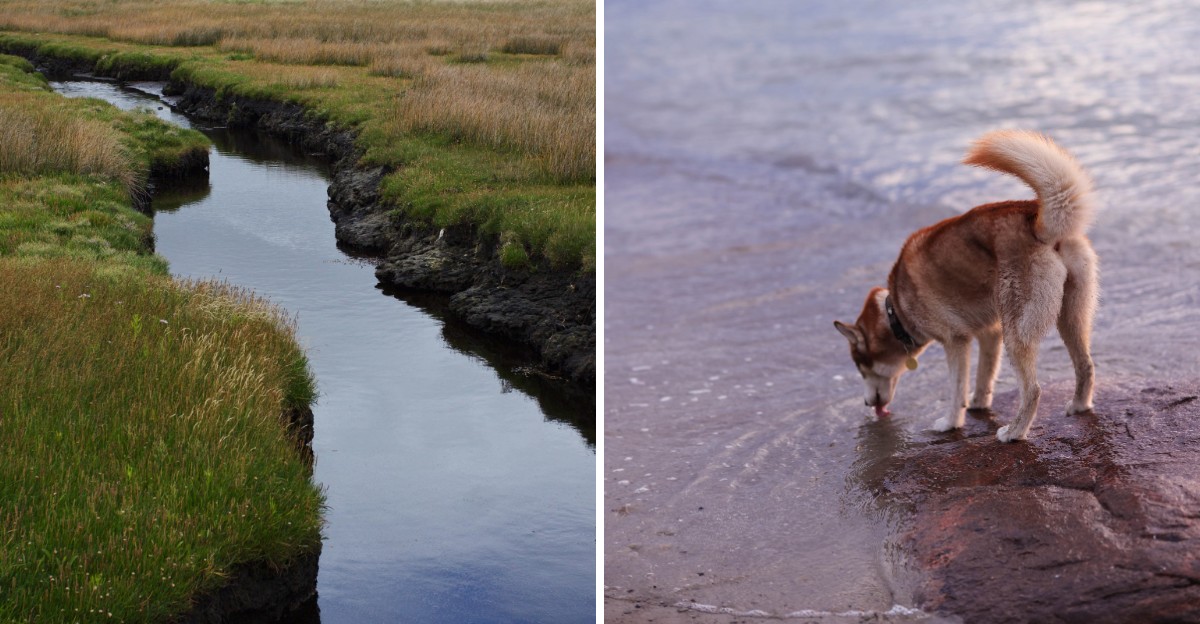
Massachusetts marshes are beautiful places to walk a dog, with tall grass, winding creeks, and shorebirds everywhere. They also change fast, because the tide reshapes the ground twice a day.
Most owners who walk these trails learn the rhythms quickly, and a little knowledge goes a long way. Here is a friendly rundown of the coastal features worth recognizing, plus simple habits that keep outings calm, comfortable, and easy for both of you.
1. High Tide Can Cover More Ground Than Expected
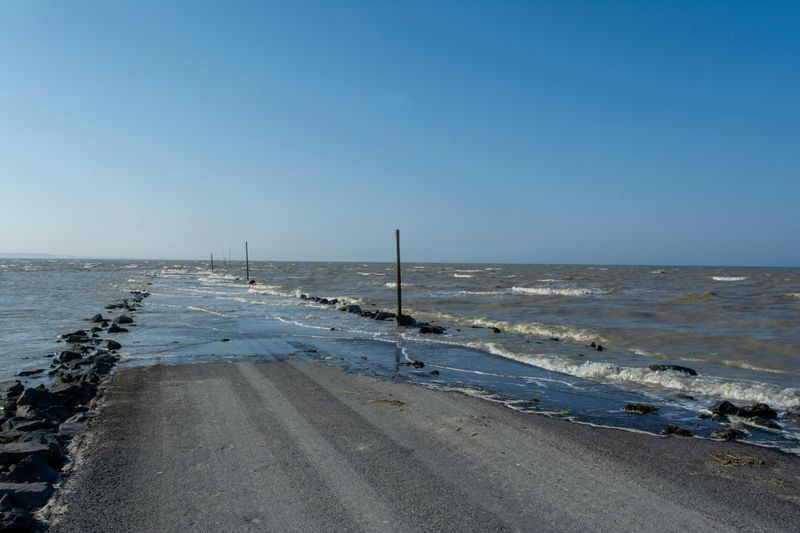
Ask any regular marsh walker and they will mention the same surprise. A path that looked wide and dry at noon can be under water by late afternoon.
Spring tides, storms, and onshore winds push water farther inland than the usual line. Check a tide chart before you go, and note the time of the next high tide.
Turning back early is never wasted effort. Your dog will happily walk the same trail twice.
2. Mudflats Can Trap Curious Dogs
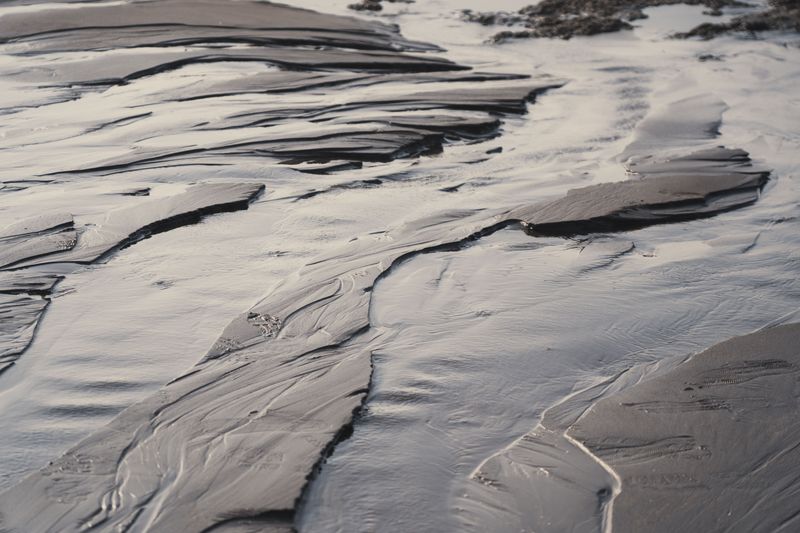
Low tide reveals wide, shining mudflats that look like an invitation to explore. The surface is soft, and paws sink deeper with each step.
A dog pushing forward can get stuck well away from firm ground, which makes retrieval slow and stressful.
Keep walks on marked trails and firm sand instead. If your pup already loves mud, a leash on flat edges saves you a messy rescue and a very long bath.
3. Marsh Creeks Can Become Fast Channels
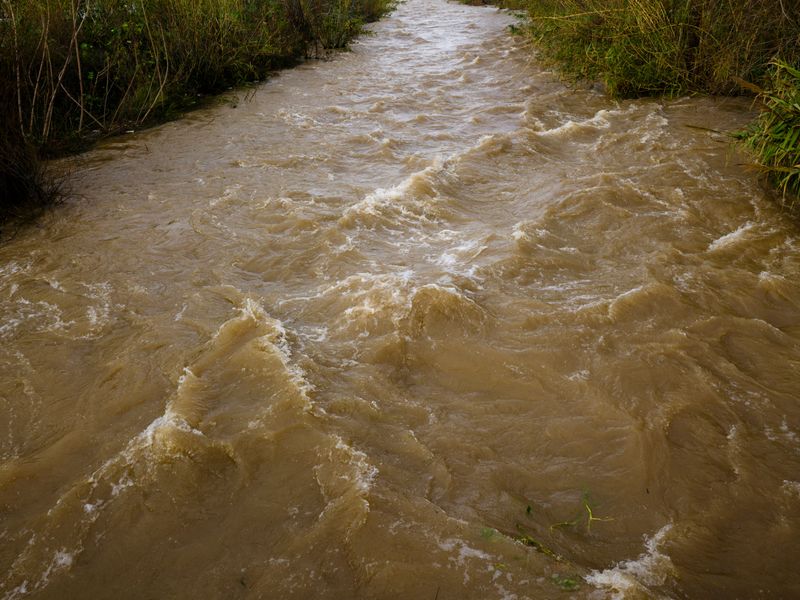
Those narrow ditches winding through the grass are not still ponds. Water moves through them with the changing tide, and some channels can become difficult for a dog to cross safely.
A channel that a dog crossed earlier may be deeper or moving more quickly later. Strong swimmers can still struggle against moving water and steep, slick banks.
Walk parallel to creeks rather than across them when possible. Use marked crossings or footbridges where they are provided.
4. Salt Marsh Grass Can Hide Drop-Offs
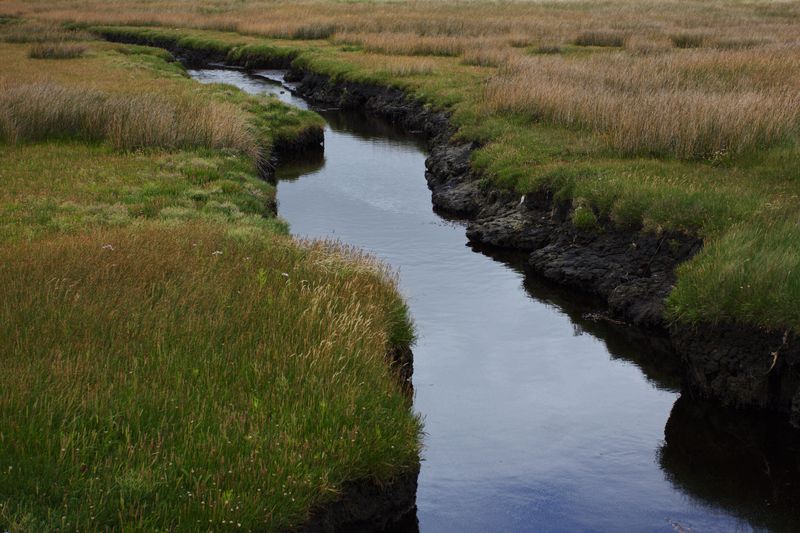
Cordgrass grows thick enough to look like solid lawn from a distance. Underneath, the ground may end abruptly at a channel edge.
Dogs following a scent trail rarely slow down for surprises like that, and an unexpected step down can mean a sprain or a soaking.
Stay on the visible path where the grass is worn low. When the vegetation gets taller than your dog, that is your cue to turn around.
5. Oyster Shells Can Cut Paw Pads
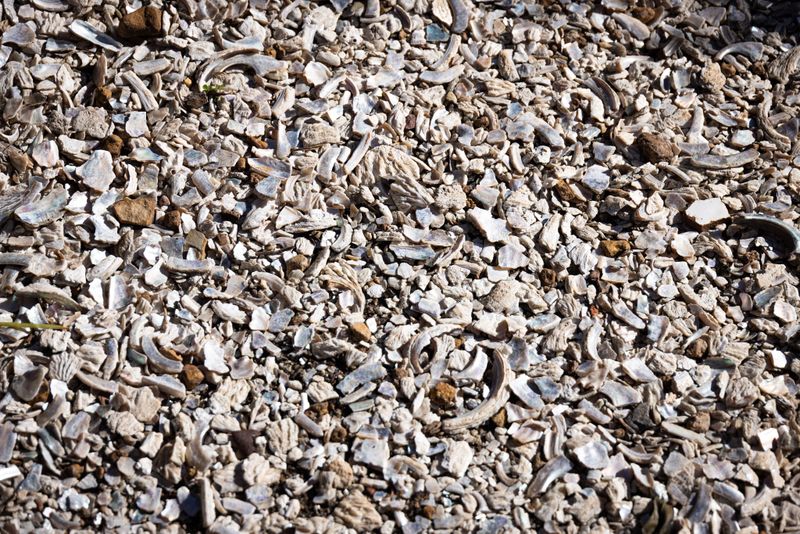
Shell beds along Massachusetts estuaries are sharper than they look. Broken oyster edges act like small blades on soft paw pads.
Dogs often do not react right away, so you may only notice a cut once you see marks on the ground.
Check all four feet after coastal walks, especially between the toes. Rinse with clean water, and call your veterinarian for anything deep, bleeding steadily, or clearly uncomfortable.
6. Barnacles Create Rough Shorelines
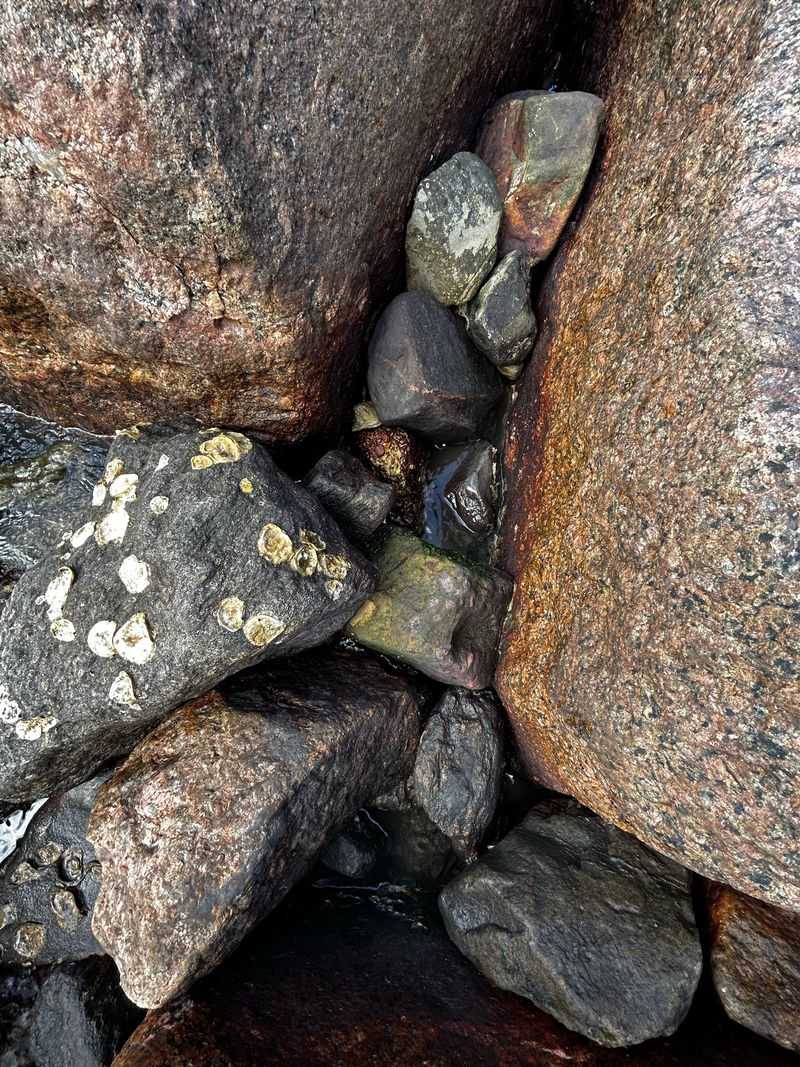
Rocks, pilings, and old jetty stones wear a crust of barnacles along much of the North Shore and South Coast. The texture is rough enough to scrape skin quickly.
Dogs scrambling up a barnacled rock can pick up abrasions on legs, chest, and pads.
Guide your dog around those surfaces rather than over them. Smooth sand and boardwalks make better routes, and booties help dogs who insist on climbing everything.
7. Brackish Water Is Not Drinking Water
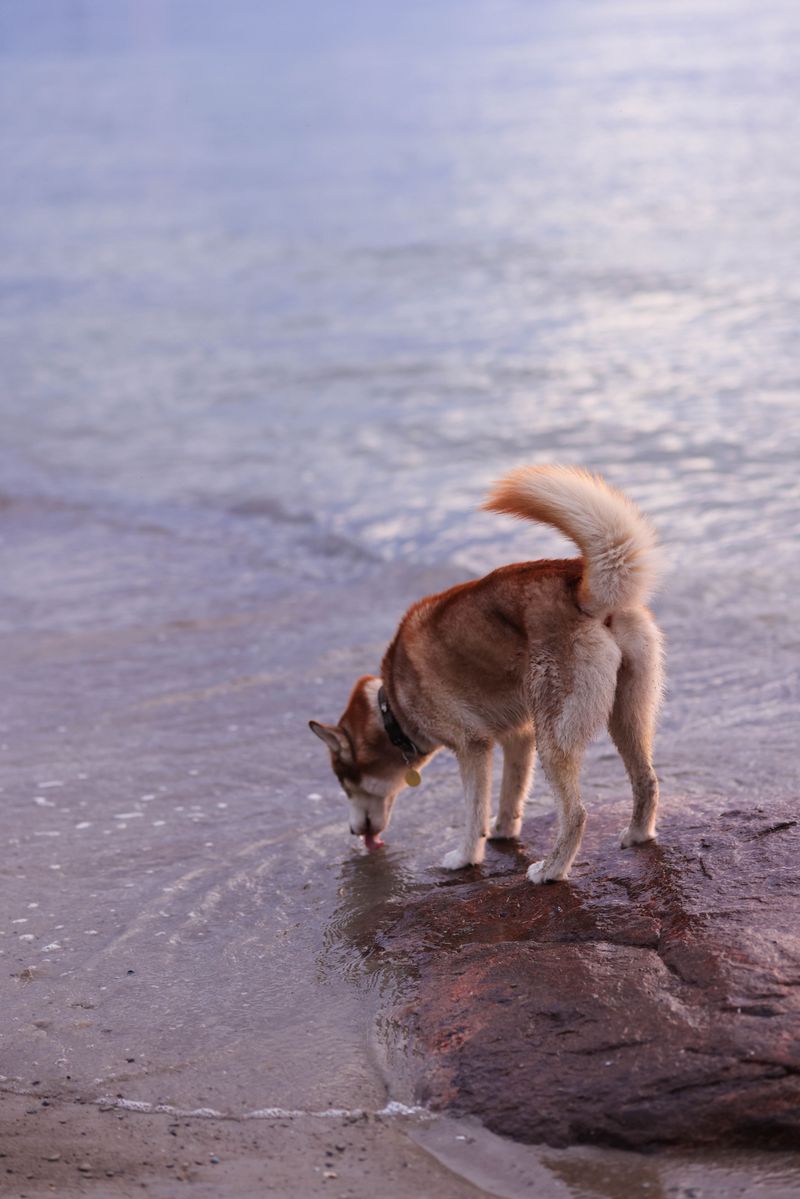
Thirsty dogs may gulp water from marshes, but the water can contain salt and other contaminants and is not a good substitute for fresh drinking water. Drinking too much salt water can cause gastrointestinal problems and, in larger amounts, more serious illness.
Vomiting, diarrhea, wobbliness, or unusual tiredness after drinking seawater or marsh water warrant a call to your veterinarian.
Prevention is simple: carry fresh water and a collapsible bowl, and offer it regularly during the outing. Keeping fresh water available can also make your dog less interested in drinking from the marsh.
8. Dead Fish And Other Wildlife Can Be Tempting
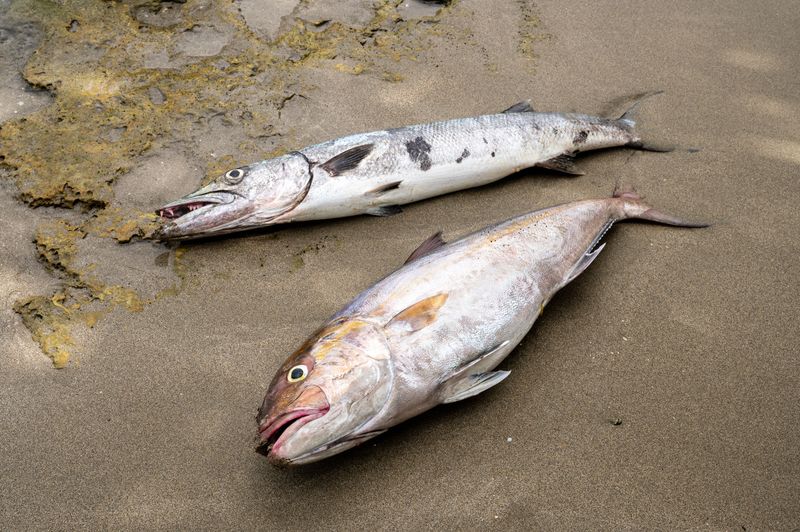
The tide line is a buffet of smells: stranded fish, crab parts, tangled seaweed. To a dog, that is treasure worth rolling in or swallowing.
Spoiled seafood can cause stomach upset, and bones or hooks bring their own trouble.
Practice a solid leave it command on quiet days, then use it when it counts. Keeping your dog on the upwind side of the wrack line helps more than you would think.
9. Marsh Banks Can Collapse Underfoot
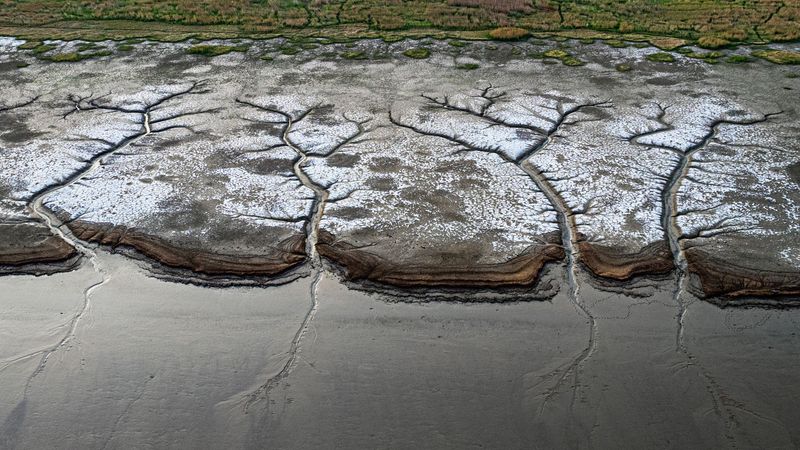
Peat banks along tidal creeks are built from centuries of root and mud layers. Erosion hollows them out from below, leaving overhangs that look solid.
Weight on that lip can send a chunk sliding toward the water without warning.
Give creek edges a few feet of space, especially after heavy rain or a storm tide. If the ground sounds hollow or feels springy, back up and find another line.
10. Slippery Rocks Become Riskier With Tidal Water

Granite ledges look sturdy, and in Massachusetts they are everywhere. Add a film of algae and receding seawater, and traction disappears fast.
Dogs who leap between rocks may land badly, and owners following behind face the same slick footing.
Choose low-tide routes on sand or boardwalk where possible. Short leashes give better control near ledges, and slowing your pace usually solves the problem entirely.
11. Marsh Pools May Look Like Easy Crossings
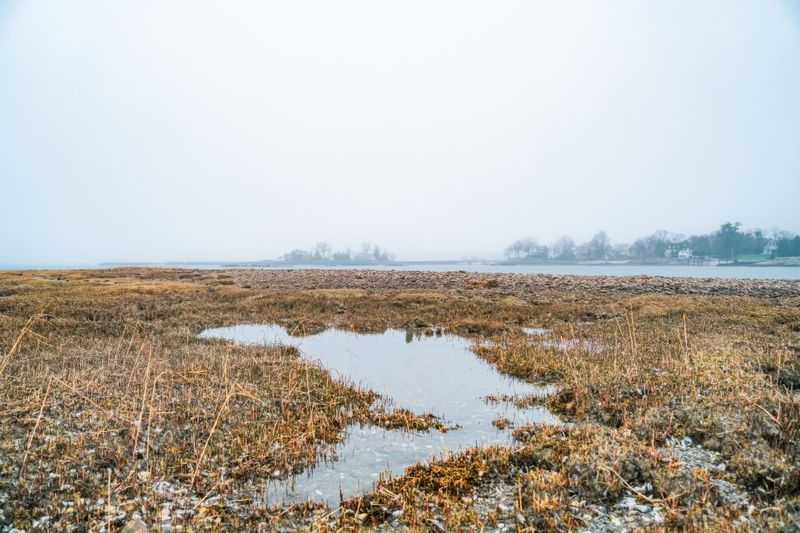
Shallow pannes dot the marsh surface and mirror the sky beautifully. Depth is hard to judge, because dark mud hides how far the bottom drops.
Some pools hold soft sediment that grips paws, while others connect to channels that drain quickly.
Walk around rather than through. If your dog wades in anyway, call them back before they reach the middle, and rinse off the mud at home.
12. Mosquitoes Can Be Heavy Around Marshes

Summer evenings near standing marsh water can bring heavy mosquito activity. Mosquitoes can transmit heartworm to dogs, making year-round prevention an important part of routine pet care.
Massachusetts monitors mosquito-borne illnesses each season, and public health officials may issue advisories when activity or disease risk rises.
Avoid peak mosquito activity when practical, especially around dusk and dawn. Keep your dog current on veterinarian-approved heartworm prevention, and never apply human insect repellent to a pet unless the product is specifically labeled for animals.
13. Ticks Can Hide Along Marsh Trails

The brushy upland border where marsh meets woods is prime tick habitat. Massachusetts has plenty of them, and they stay active in mild winter stretches too.
Deer ticks are tiny, so a quick glance is rarely enough.
Run your fingers through the coat after every walk, checking ears, armpits, and the base of the tail. Ask your veterinarian about year-round prevention, and keep a tick remover in your pocket.
14. Heat Can Build Quickly On Exposed Marsh Paths

Marshes offer almost no shade, and boardwalks soak up sun all afternoon. Dark decking and sand can get hot enough to bother paw pads.
Heavy panting, drooling, or a dog lagging behind means it is time to stop and cool down.
Press the back of your hand to the surface for seven seconds before setting out. Early mornings, shaded breaks, and plenty of water make summer walks much easier.
15. Leashes Help Prevent Tidal Emergencies
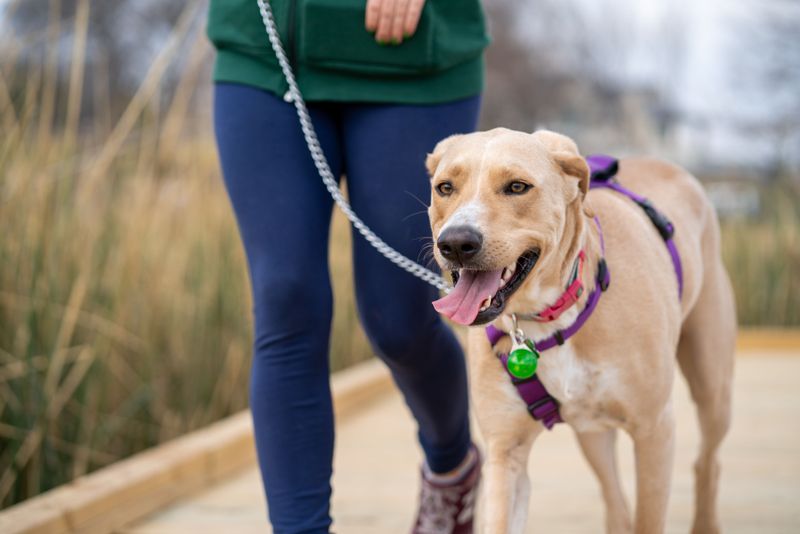
Most coastal reservations and refuges in Massachusetts post leash rules, and requirements vary by town and season. Nesting shorebird areas often have stricter limits from spring through summer.
Beyond the rules, a leash keeps your dog out of creeks, mud, and shell beds before trouble starts.
Check the posted signs or the managing agency’s website before you visit. A six-foot leash gives freedom without losing control.