15 Entryway And Grooming Systems Georgia Dog Owners Use Against Pollen, Mud, And Red Clay
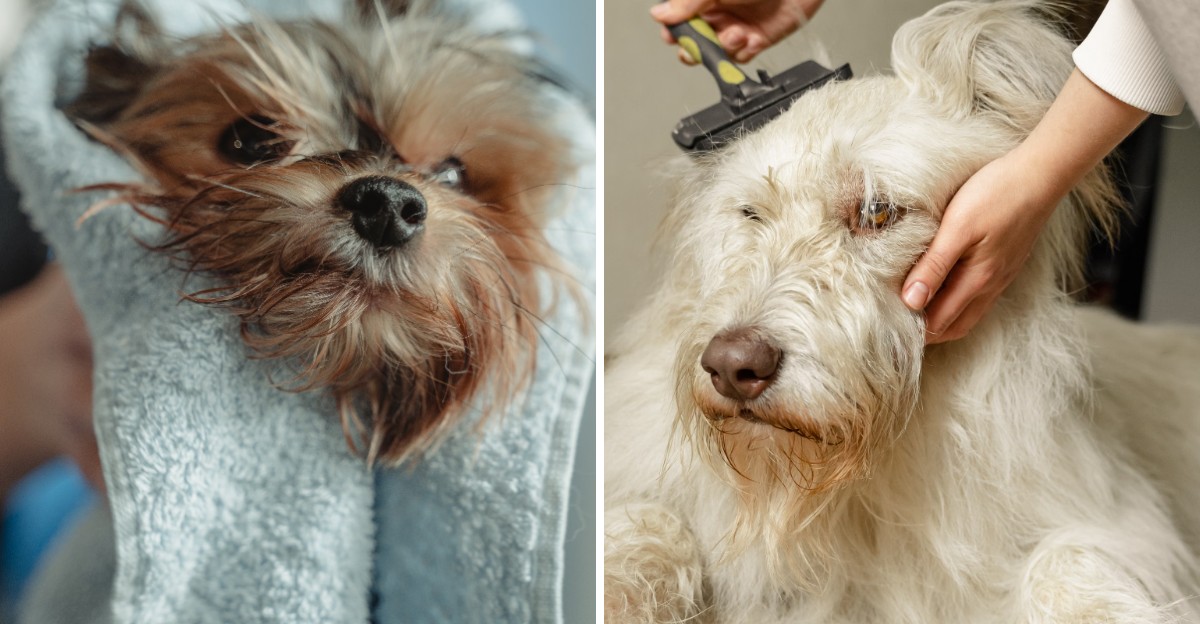
Georgia walks can end with yellow pollen on your dog’s coat and red clay between their toes. A few simple changes near the door can make cleanup easier without turning every outing into bath time.
Whether you have a covered porch or a small hallway, you can build a routine that fits your space. Start with gentle cleaning, steady footing, and supplies you can reach while keeping your dog comfortable.
1. A Covered Entryway Station Keeps Pollen and Red Clay Outside
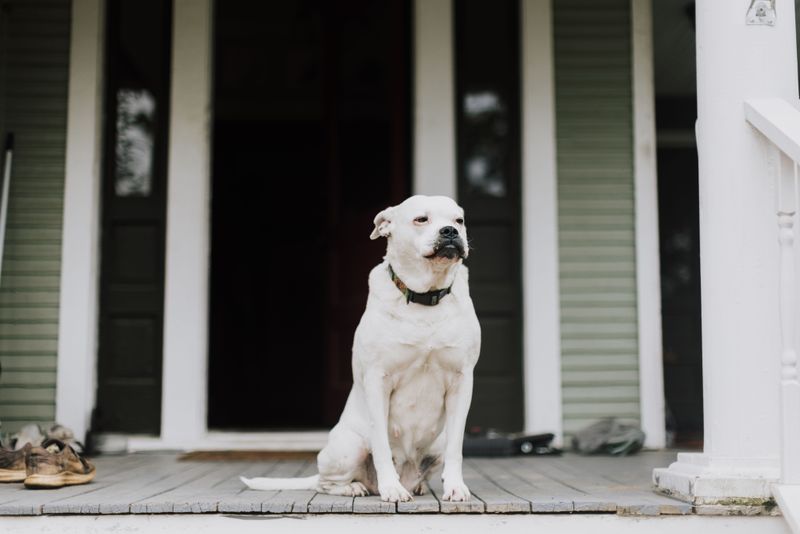
A sheltered doorstep gives you breathing room when your dog returns wearing half the yard. Choose a spot protected from rain, with enough space for turning comfortably.
Keep a washable mat, clean towels, and fresh water nearby. Store supplies in a closed container so pollen cannot settle directly onto them.
Practice brief stops here during dry weather, rewarding calm standing. Shelter limits direct rain, but regular sweeping still matters during Georgia’s busy spring pollen season too.
2. A Two-Mat System Catches Mud Before It Reaches the Floors
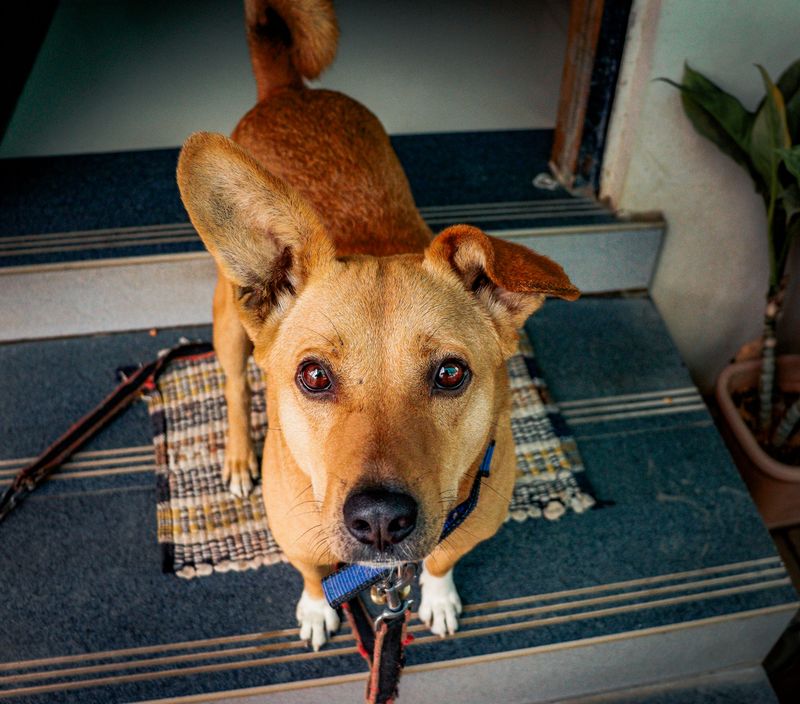
Think of your doorway as two small cleanup stops rather than one muddy landing. Place a textured outdoor mat before the threshold and an absorbent mat inside.
Choose surfaces that feel comfortable under paws and stay firmly in place. Avoid loose loops that might catch nails or tempt chewing.
Shake out trapped grit often, then wash mats according to their labels. Replace either mat when worn backing allows sliding across your floors during excited homecoming moments.
3. A Paw-Washing Station Makes Red Clay Easier to Manage
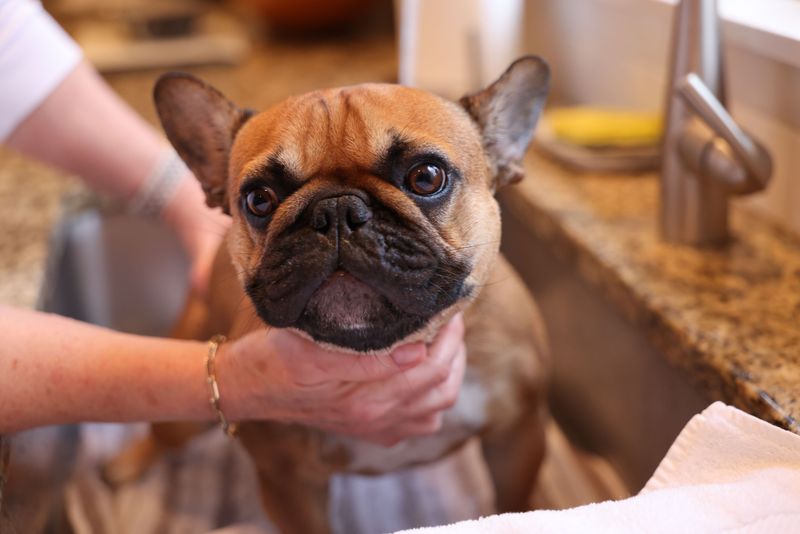
Sticky red clay often needs water, not harder rubbing. Set a shallow basin or suitable paw washer on stable ground near your entrance.
Use lukewarm water and gently loosen dirt around each paw. Skip household cleaners, and introduce any washing tool slowly with treats and short sessions.
Finish by drying carefully between the toes without digging into sensitive skin. Empty and rinse the container after each use, rather than washing several paws in increasingly muddy water.
4. A Low Shower Sprayer Helps Clean Muddy Legs and Bellies
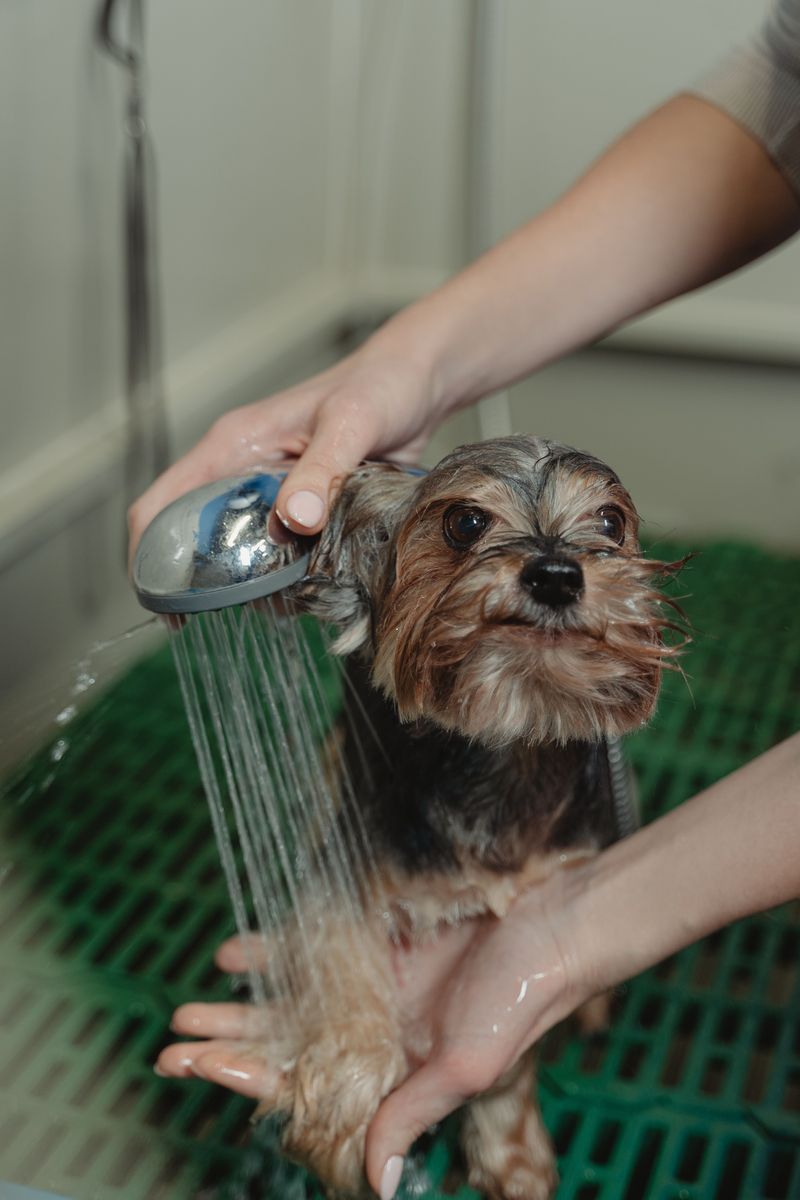
Belly splashes can sneak past even the best doormat. A handheld sprayer in a low wash area helps rinse those spots without lifting large dogs.
Check water temperature with your hand before starting, and keep pressure gentle. Aim below the neck, avoiding direct spray into eyes, ears, and nose.
Add secure footing and keep every supply within reach. Dogs who resist stepping inside may need gradual training, while mobility concerns deserve guidance from your veterinarian first.
5. A Dedicated Towel Rack Keeps Grooming Supplies Within Reach
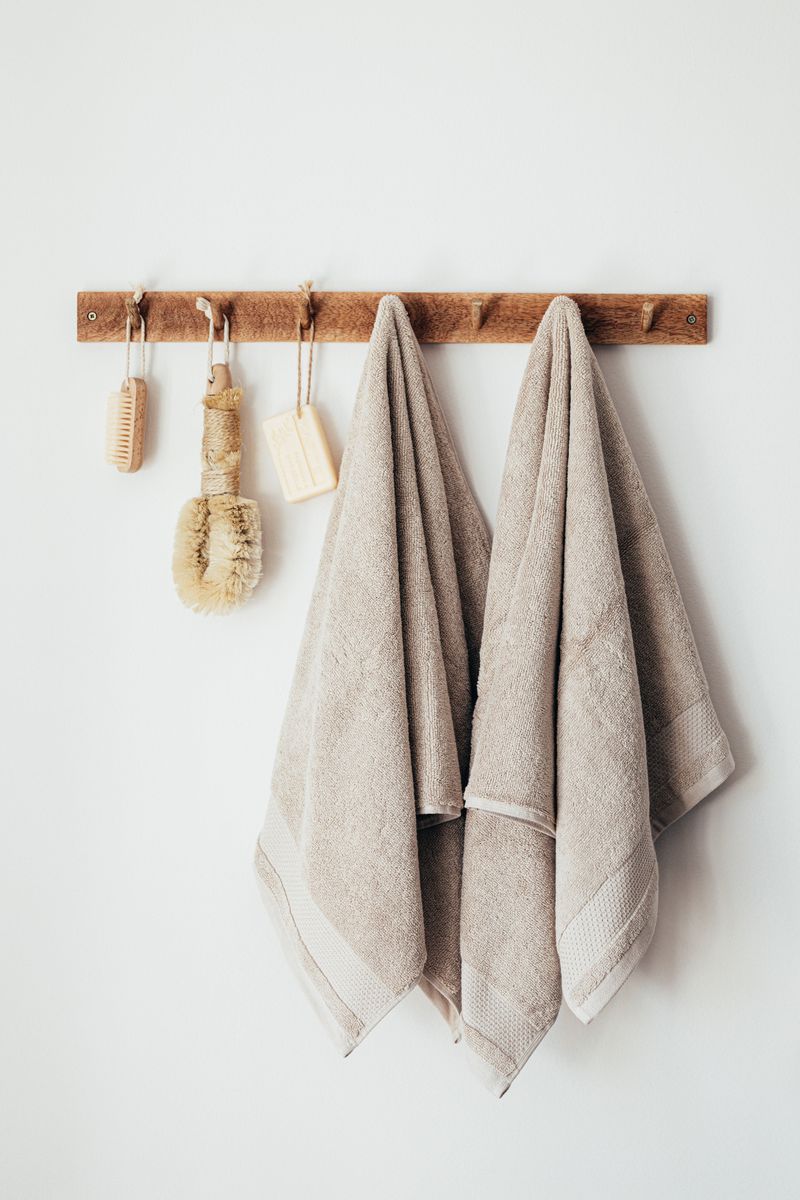
Searching for a towel while your dog drips across the hallway is nobody’s favorite chore. Mount hooks or a rack beside your cleanup spot.
Keep several soft towels available, with separate spaces for clean and used ones. Hang damp towels fully open instead of leaving them bundled inside baskets.
Wash muddy towels promptly using suitable detergent and follow fabric care instructions. Keep the rack beyond chewing reach, especially if your puppy enjoys pulling dangling fabric loose.
6. A Coat-Wiping Routine Helps Remove Spring Pollen
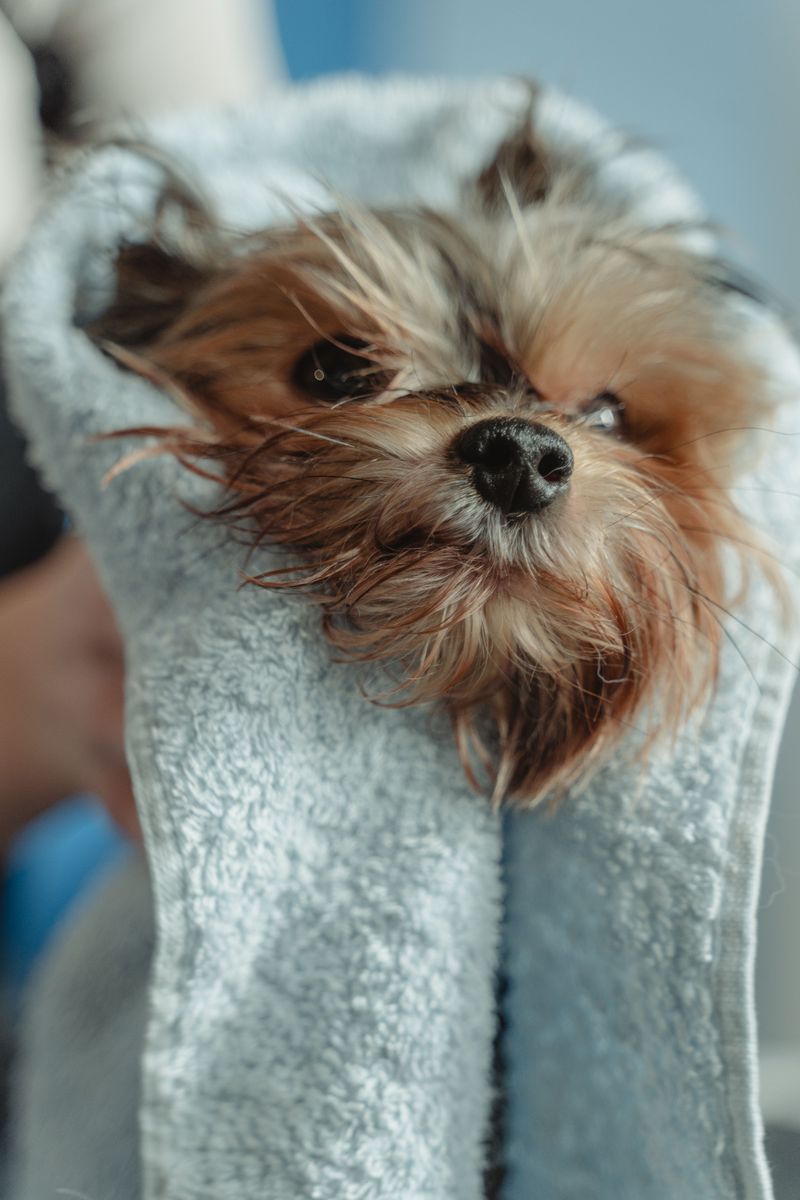
Yellow dust can ride indoors on fur even after a dry walk. Gently wipe your dog’s coat with a clean, slightly damp cloth before settling inside.
Focus on exposed areas, including legs, chest, and the outer coat. Use another clean cloth when the first becomes visibly dirty.
Avoid scented household wipes and products not labeled for dogs. Wiping may reduce carried pollen, but persistent itching, licking, or redness needs veterinary advice rather than increasingly frequent scrubbing.
7. A Gentle Brushing Station Reduces Pollen Around the House
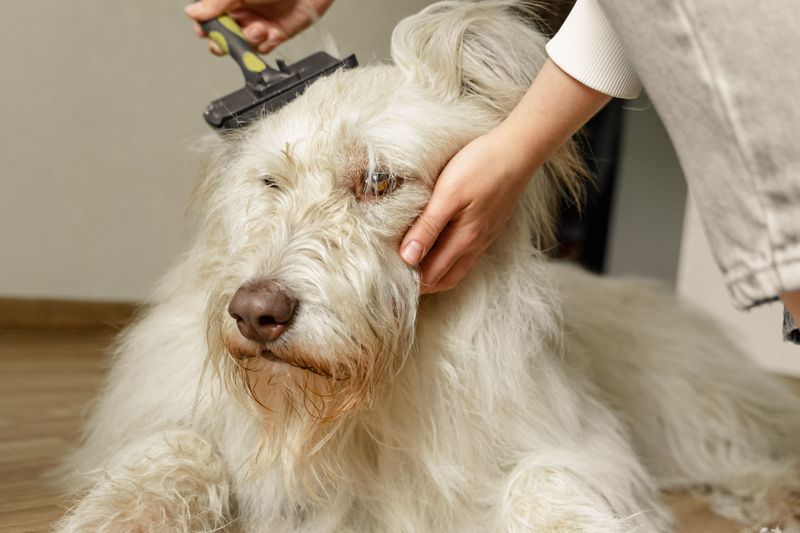
A brush by the door makes quick coat checks easier to remember. Pick a tool suited to your dog’s coat, asking a groomer when unsure.
Work gently through small sections without pulling at tangles or brushing irritated skin. Keep sessions short enough that your dog stays relaxed.
Remove collected hair from the brush and clean tools as directed. Brushing can lift loose debris, but choose a sheltered spot away from blowing pollen and dusty outdoor furniture.
8. A Raised Grooming Table Makes Routine Cleaning Easier
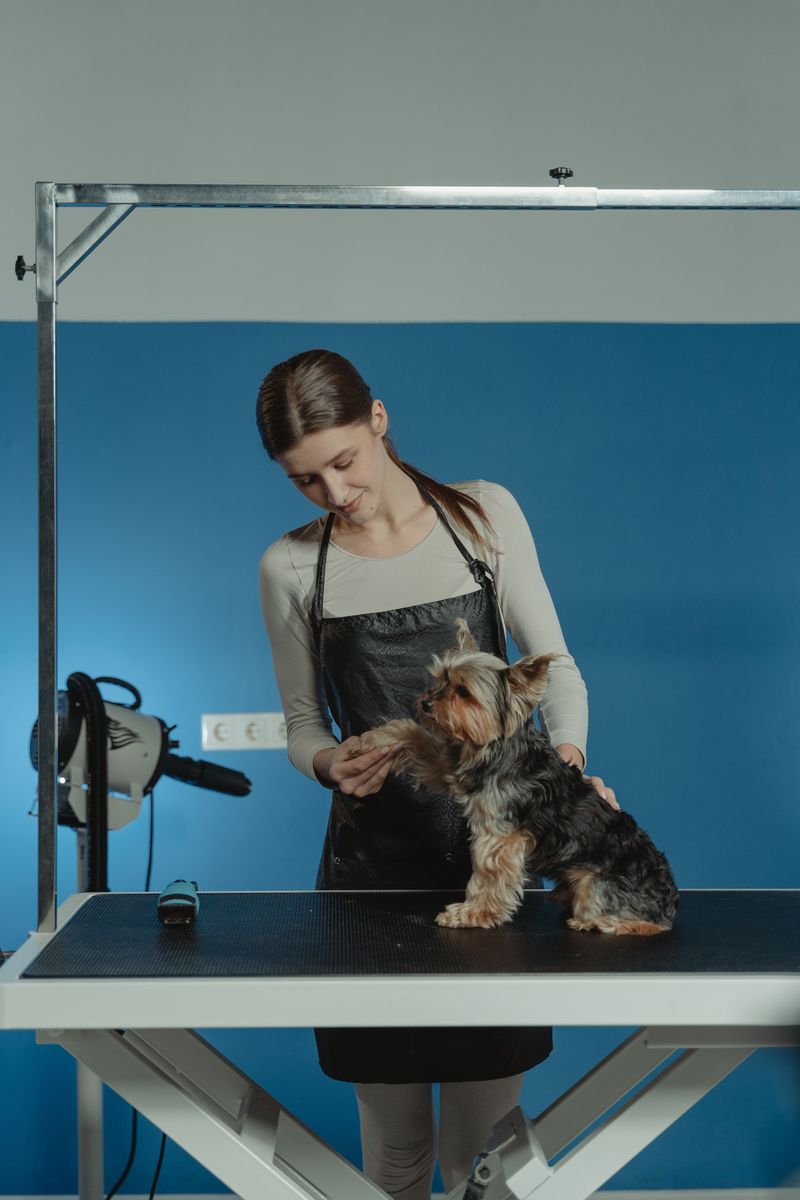
Your back deserves consideration during regular grooming, especially with smaller dogs. A sturdy raised surface can improve access when your dog tolerates standing there.
Choose equipment rated for your dog’s weight, with secure footing and stable construction. Never leave a dog unattended or rely on a restraint alone.
Prevent jumping by arranging safe access and helping your dog down. For nervous dogs or painful joints, floor grooming may be the more comfortable choice for routine cleaning.
9. A Muddy-Dog Basket Keeps Dirty Gear Separate
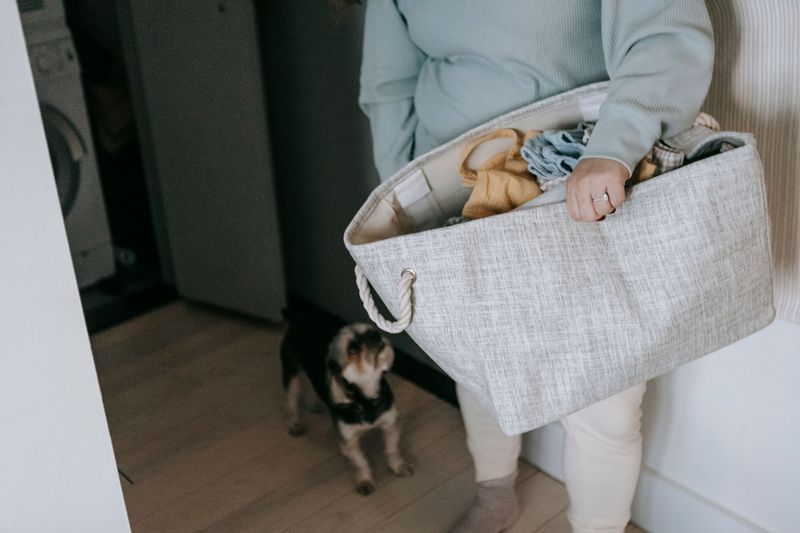
One muddy harness can leave surprising marks across otherwise clean supplies. Give used gear its own washable basket near the entrance, separate from fresh towels.
Choose a container you can wipe or rinse easily after unloading. Avoid leaving wet fabric packed tightly together, where moisture lingers.
Move washable items into the laundry according to their care labels. Clean the basket itself regularly, and keep chewing dogs away from straps, buckles, and any damaged fabric pieces inside.
10. A Boot and Leash Storage Area Prevents Dirt From Spreading
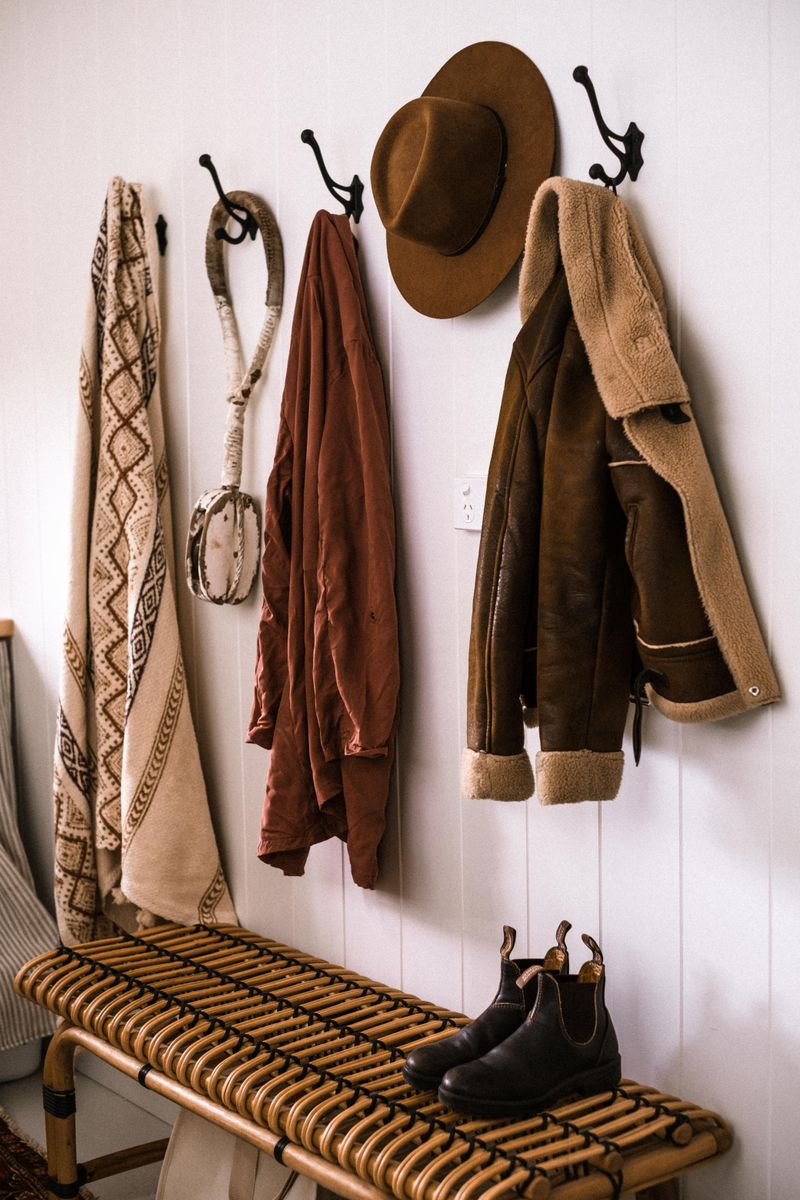
Your shoes may track in as much clay as your dog’s paws. Pair a boot tray with reachable leash hooks to create one organized landing zone.
Keep walking gear away from clean coats and food storage. Position hooks so dangling loops cannot catch passing pets or curious children.
Wipe dirt from leash handles and inspect clips before putting gear away. Let wet items dry with airflow, and empty collected water from the boot tray as needed.
11. A Waterproof Floor Runner Protects High-Traffic Areas
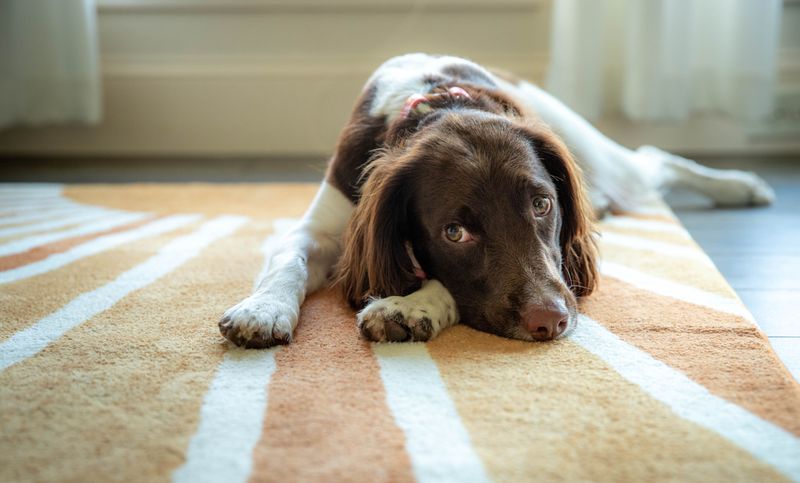
Some dogs head straight from the door toward their favorite resting place. Cover that busy route with a washable runner designed to resist moisture.
Check whether the backing suits your flooring, since some materials can affect finishes. Secure edges and avoid bunching that could trip people or pets.
Lift the runner regularly to check underneath for trapped dampness or grit. Waterproof backing protects only where it covers, so wipe nearby splashes before they spread across floors.
12. A Paw-Inspection Spot Helps Catch Irritation Early
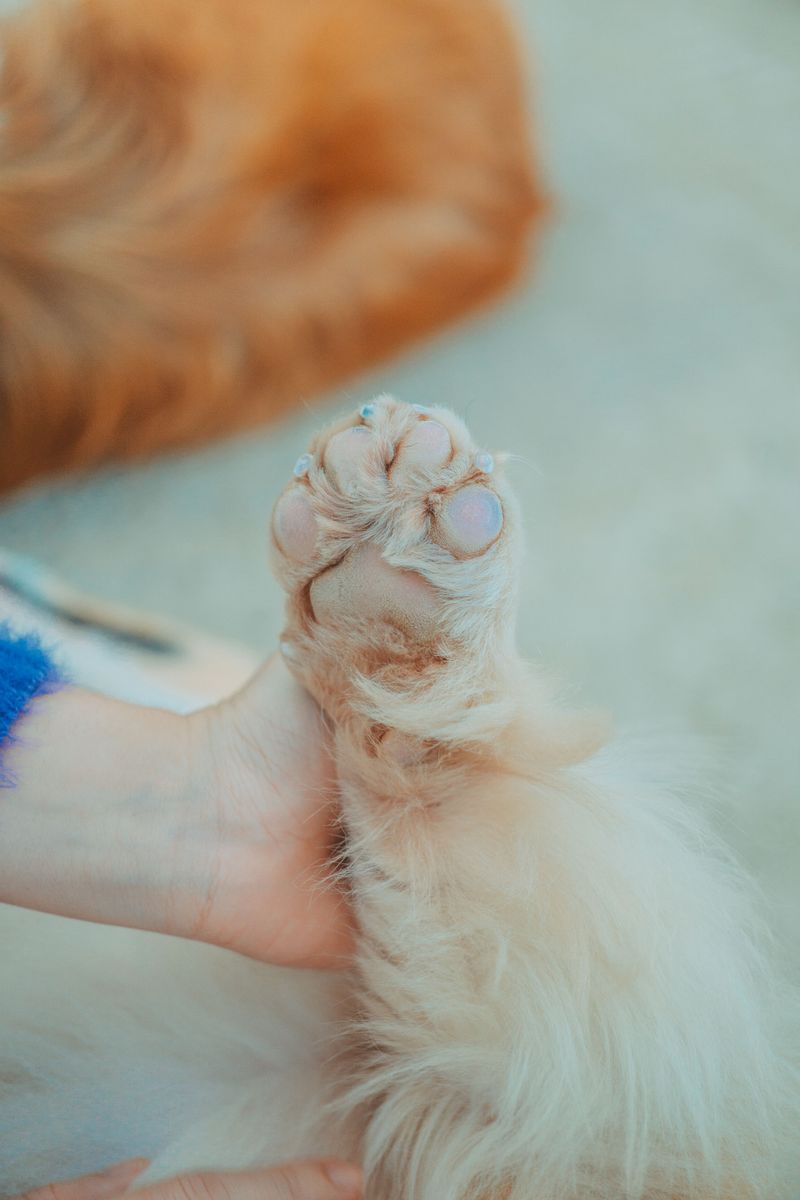
A quiet pause after cleanup helps you notice what mud might hide. Use good lighting and a comfortable mat while gently examining each willing paw.
Look between toes and around nails for trapped grit, redness, or small changes. Never force handling or dig out anything embedded in skin.
Reward cooperation, then contact your veterinarian about limping, swelling, persistent licking, or discomfort. Regular checks help establish what looks normal for your dog without turning inspection into treatment.
13. A Separate Rainy-Day Cleanup Kit Speeds Up Wet-Weather Returns
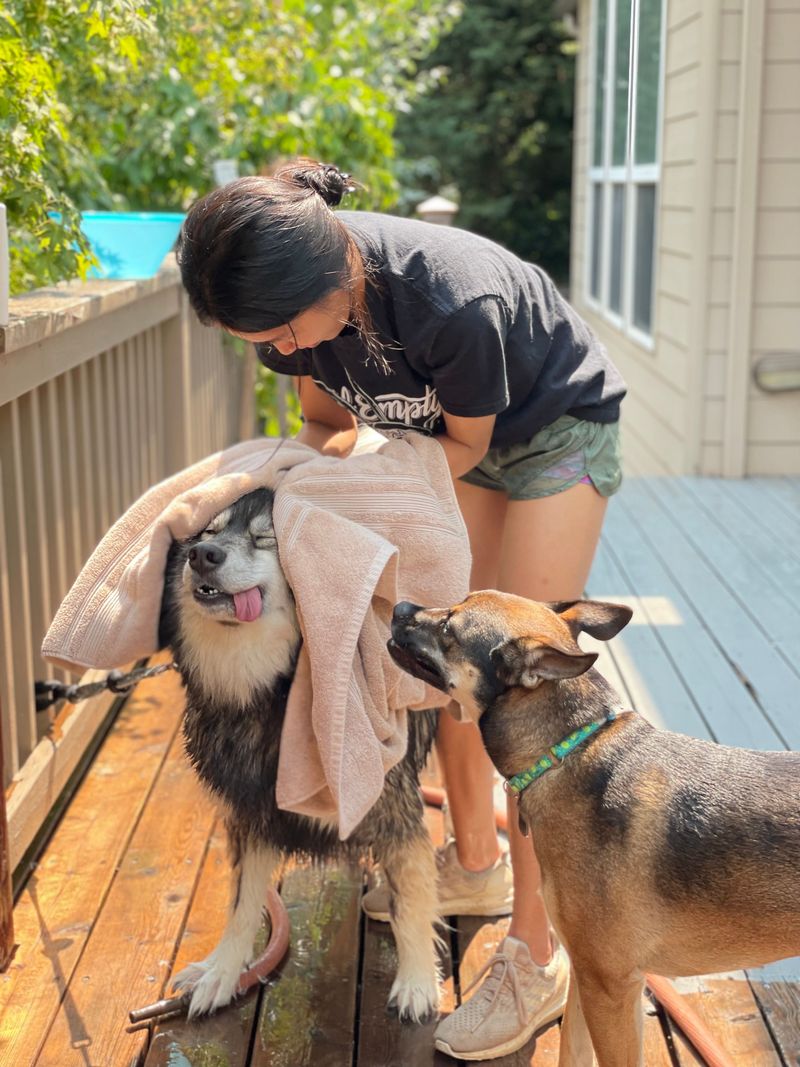
Rainy afternoons move faster when your supplies already travel together. Pack a portable caddy with towels, a soft cloth, waste bags, and a spare leash.
Add a suitable rinse container if your usual washing area sits elsewhere. Keep the kit accessible without blocking doors or household walking routes.
Restock after each use rather than discovering empty supplies during the next shower. Return only dry equipment to storage, and keep cleaning products separate from anything your dog touches.
14. A Washable Dog Bed Keeps Outdoor Dirt From Building Up
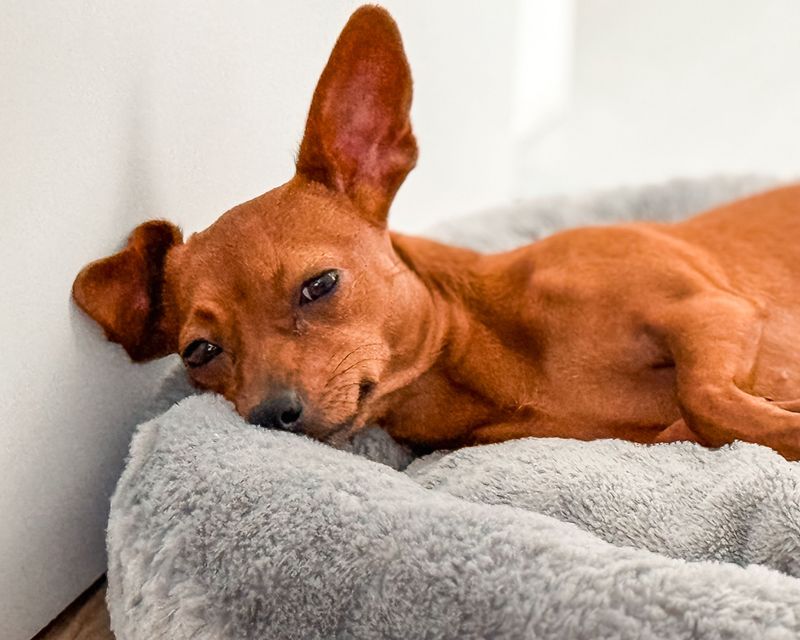
Even careful cleanup leaves a little outdoor dust behind. Place an easily washable bed beyond the cleaning area so your dog has a comfortable destination.
Choose removable covers and check whether the inner cushion can also be washed. Follow care instructions and dry every layer completely before reassembling.
A washable throw can simplify smaller cleanups between full washes. Keep spare bedding available, especially during wet weeks, so your dog always has somewhere clean and dry to settle.
15. A Weekly Deep-Cleaning Routine Keeps the Entryway Fresh
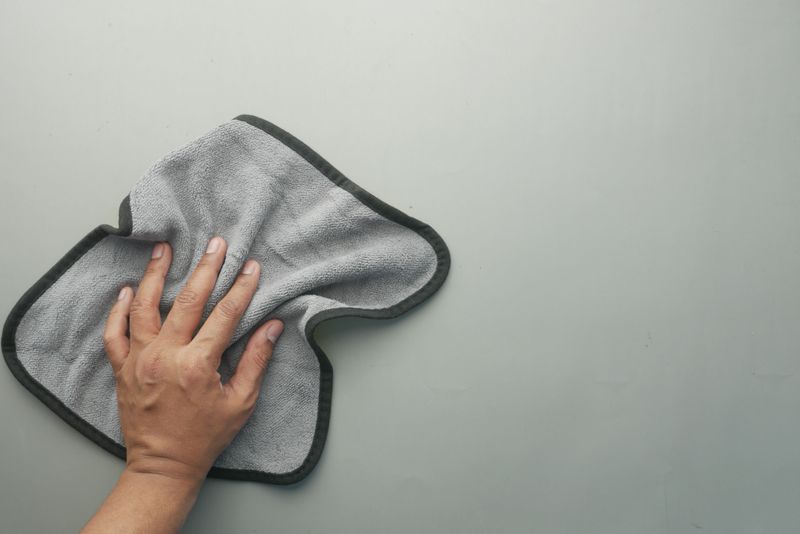
Small daily habits work best with a regular reset. Once a week, shake mats outdoors, vacuum loose debris, and wash suitable fabrics following their labels.
Clean hard surfaces with products appropriate for your flooring and household pets. Follow label directions, keep dogs away during cleaning, and never mix products.
Check that surfaces are dry before reopening the area. A simple routine beats a complicated setup: catch the dirt, clean gently, and welcome your dog home comfortably.