18 Ways A Rescue Dog’s Routine Changes Between Rural North Carolina And Charlotte Or Raleigh
Moving a rescue dog between a quiet North Carolina county and a busy city like Charlotte or Raleigh changes almost every part of the day. Walks look different.
Bathroom breaks follow a clock. Noises, neighbors, and even the bugs in the grass shift.
None of it is cause for worry, but knowing what to expect makes the adjustment smoother for both of you. Here is a friendly, practical look at what really changes, and how to help your dog settle in with confidence.
1. Structured Leash Walks Become the City Standard
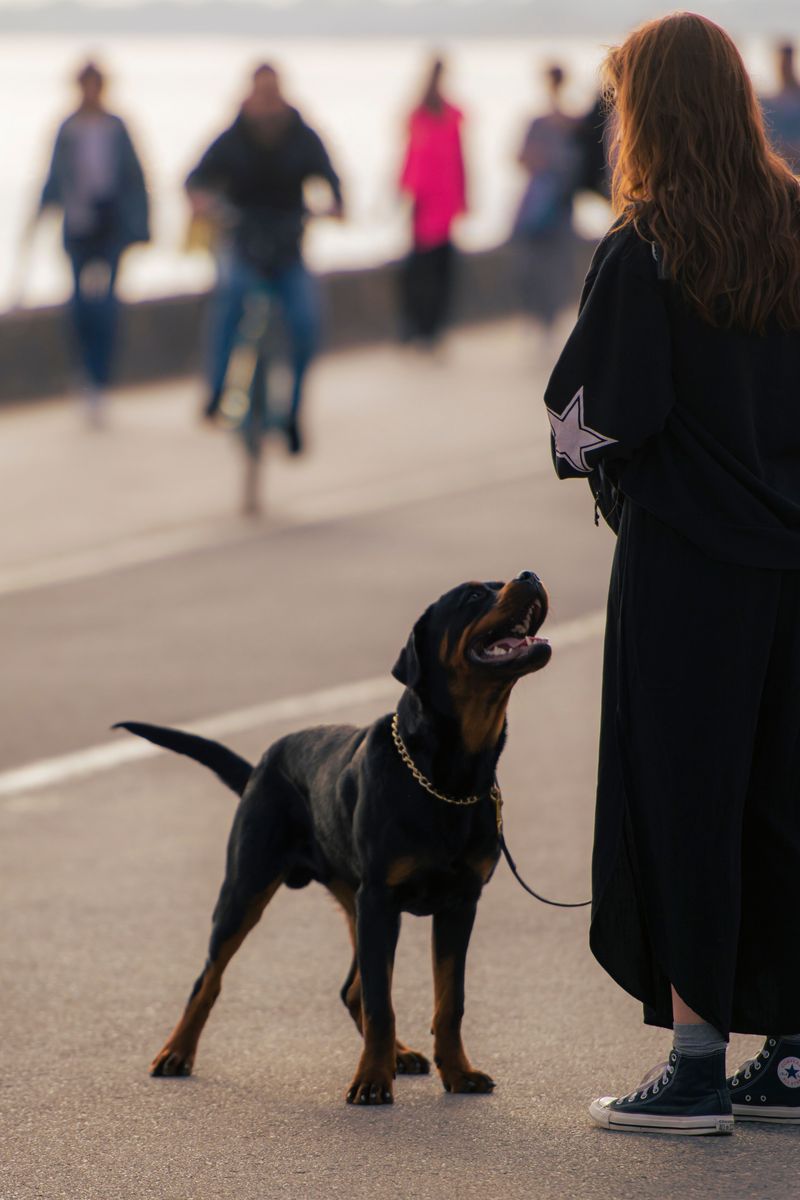
City sidewalks come with rules. Charlotte and Raleigh ordinances generally require dogs to be leashed in public spaces, including streets, sidewalks, and most parks.
That means walks turn into focused, side-by-side outings instead of loose wandering. Repeat leash violations can bring fines, so check your local ordinance for current amounts.
Practice loose-leash walking in a quiet spot first. A front-clip harness helps gentle pullers stay comfortable while they learn the new rhythm.
2. Yard and Private-Land Freedom Out in the County
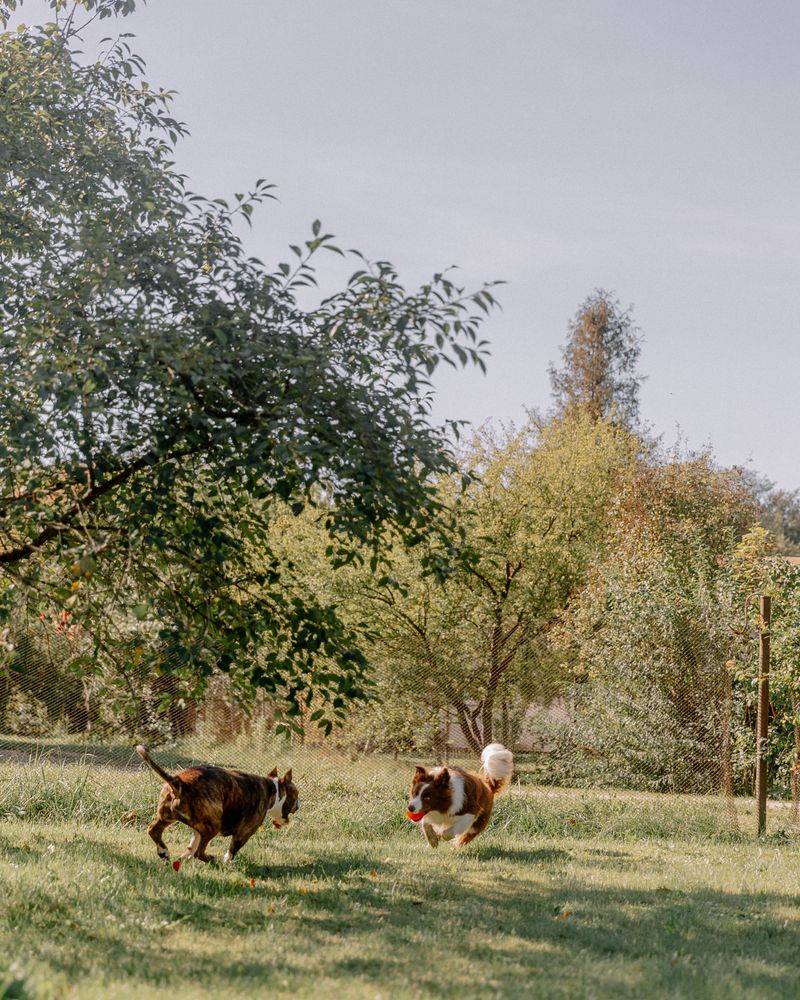
Out in rural counties, many dogs spend hours on their own land. Local rules often allow a dog to be off leash on the owner’s property when a capable person keeps control.
Freedom like that is wonderful, but fencing still matters. Secure fencing or a kennel run keeps exploring safe.
Rules vary county by county, so confirm the details with your county animal services office before relying on them.
3. Apartment Living Puts Bathroom Breaks on a Clock
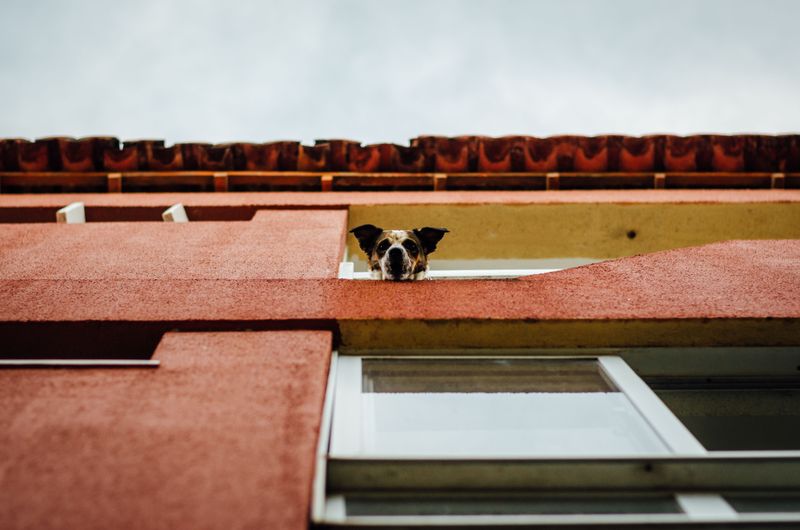
No back door means no quick trips outside. In a Charlotte or Raleigh apartment, potty breaks happen on a schedule you set.
Most adult dogs do well with outings every four to six hours, plus one first thing and one before bed. Puppies and seniors need more.
Keep waste bags by the door. Consistent timing prevents indoor accidents and helps a new rescue trust the routine faster.
4. Traffic Sounds Fill the Soundtrack Downtown
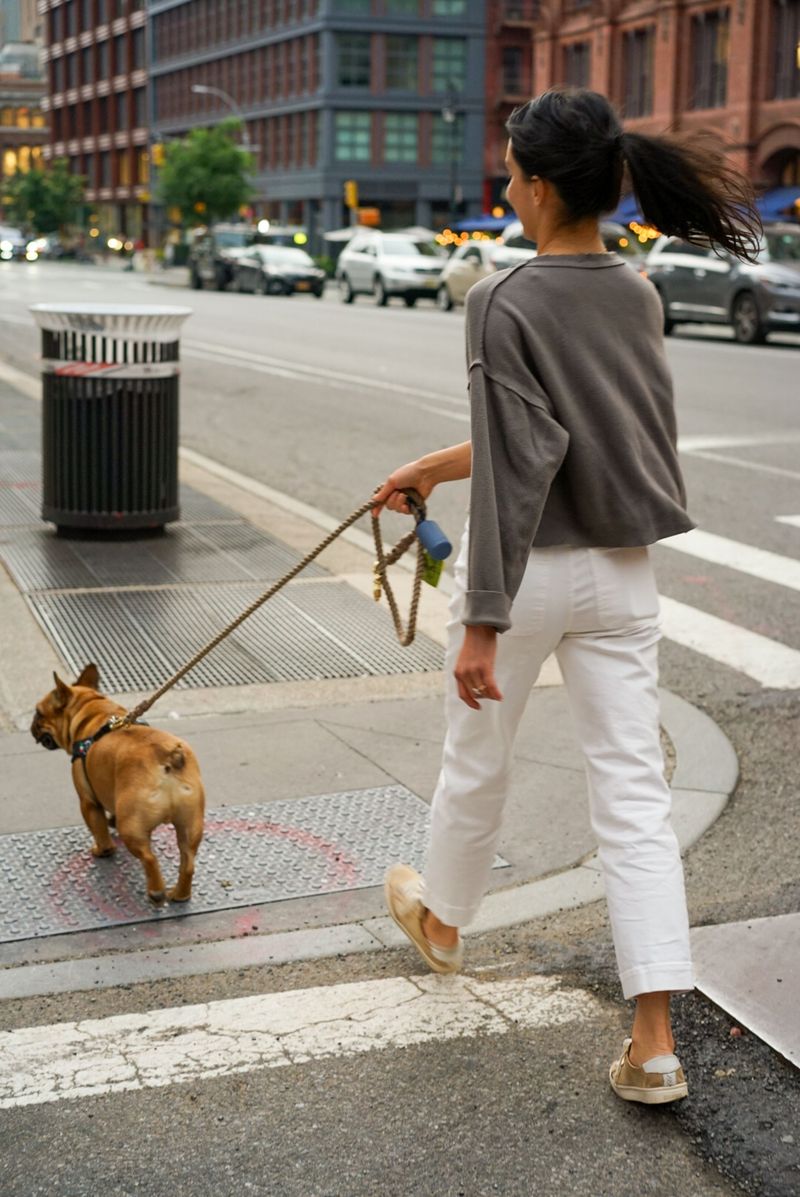
Sirens, buses, garbage trucks, and honking horns replace crickets and wind. For a dog raised on gravel roads, that shift can feel like a lot at first.
Build tolerance slowly. Start on quieter side streets, reward calm behavior, and move closer to busy corners over days or weeks.
Watch for tucked tails or hard pulling. If noise worry lingers, a trainer or your veterinarian can suggest a gentle plan.
5. Meeting Strange Dogs Happens Almost Daily
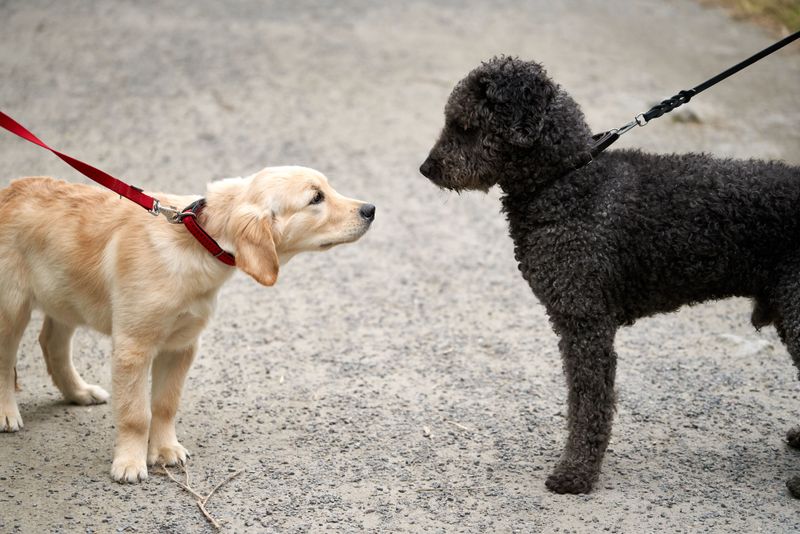
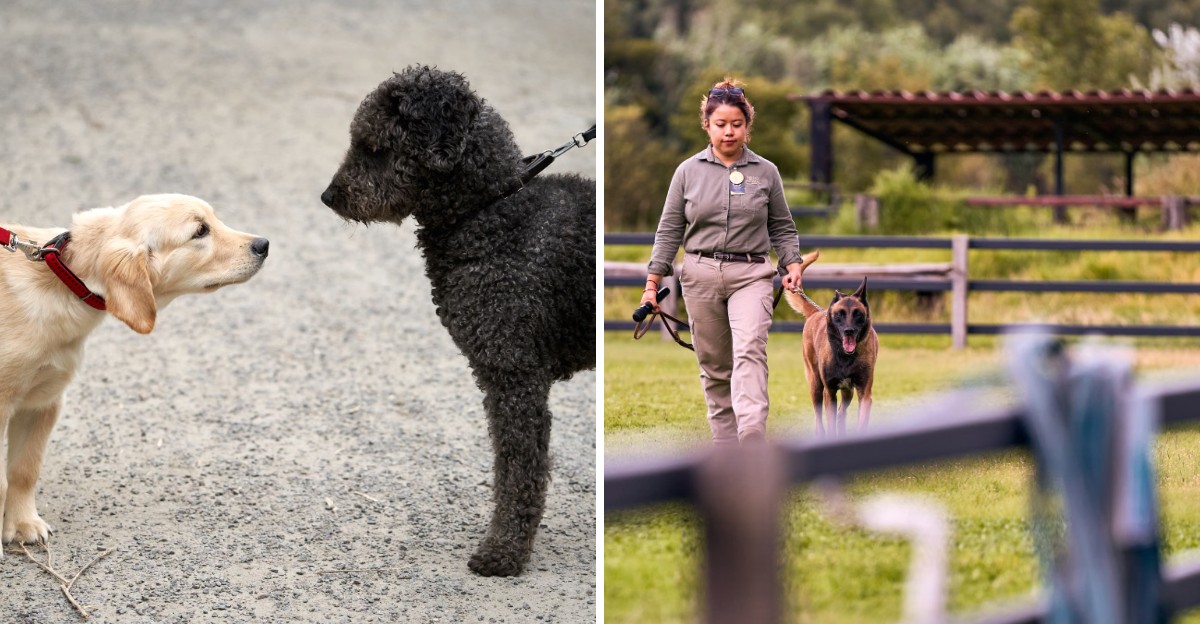
Dog density changes everything. On a single greenway walk, your dog may pass a dozen unfamiliar dogs.
Not every meeting needs to happen. Passing calmly is a skill worth more than nose-to-nose greetings, especially with a newly adopted dog.
Ask before letting leashes tangle. Keep greetings short, three seconds or so, then move along.
Dog parks still require leashes at the entry and exit gates.
6. Strangers Become Part of Every Outing
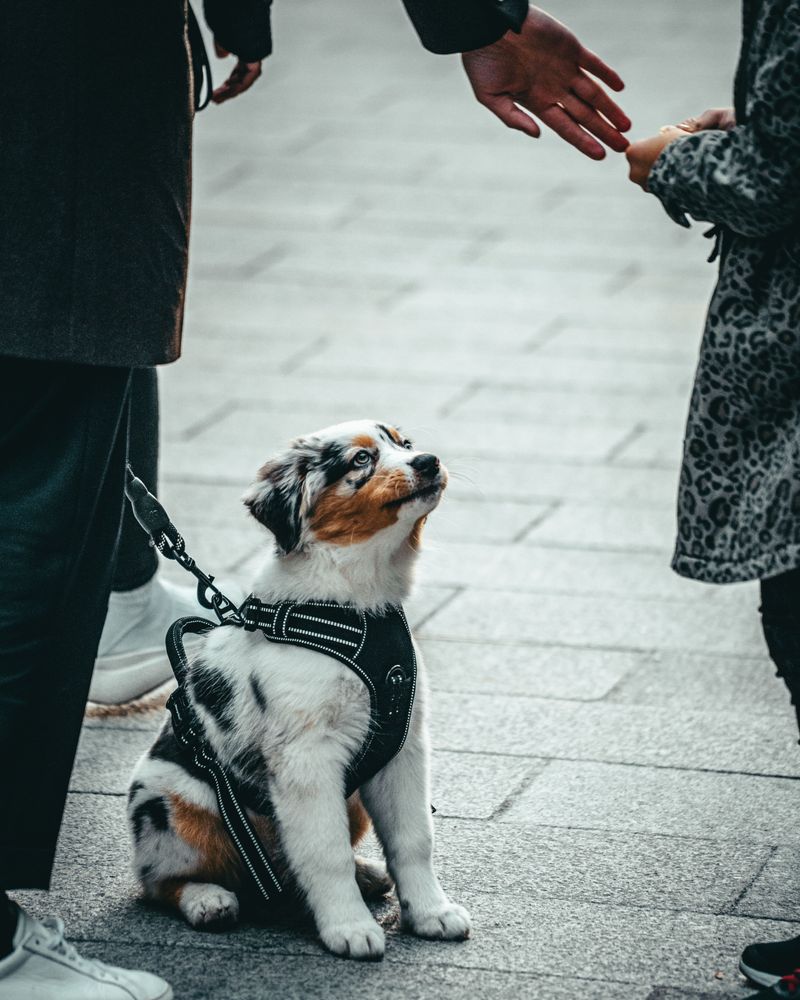
A rural dog might meet three new people in a month. A city dog can meet thirty before lunch.
Some dogs love the attention. Others need space, and that is completely fine.
Teach a simple sit for greetings, and feel free to tell people your dog is still settling in. A bright leash sleeve reading Give Me Space works well for shy pups adjusting to crowds.
7. Sidewalks, Greenways, and Parks Replace Open Fields
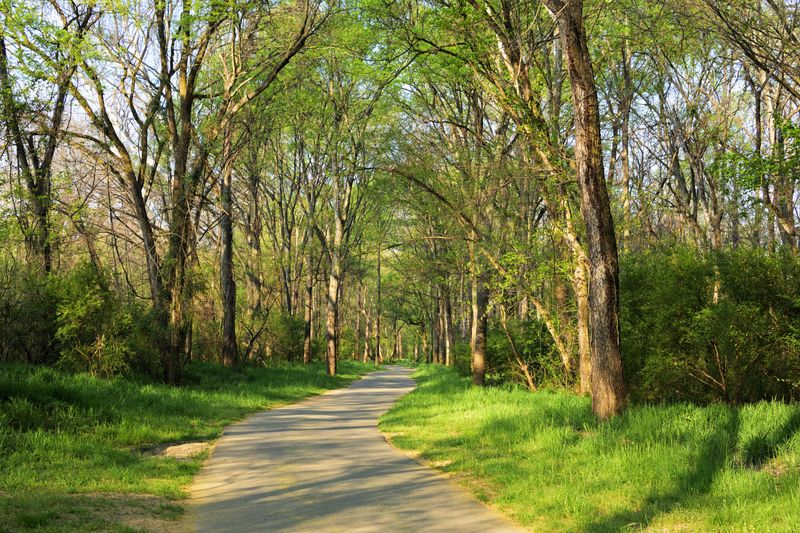
Public paths become the main playground. Raleigh’s greenway network and Charlotte’s park trails give city dogs miles of safe walking.
Each space has posted rules: leash requirements, waste pickup, and sometimes hours of operation.
Paved surfaces heat up fast in a Carolina summer. Test the pavement with your hand, and shift walks to early morning or evening when the sun is strong.
8. Wildlife Encounters Shape Rural Walks
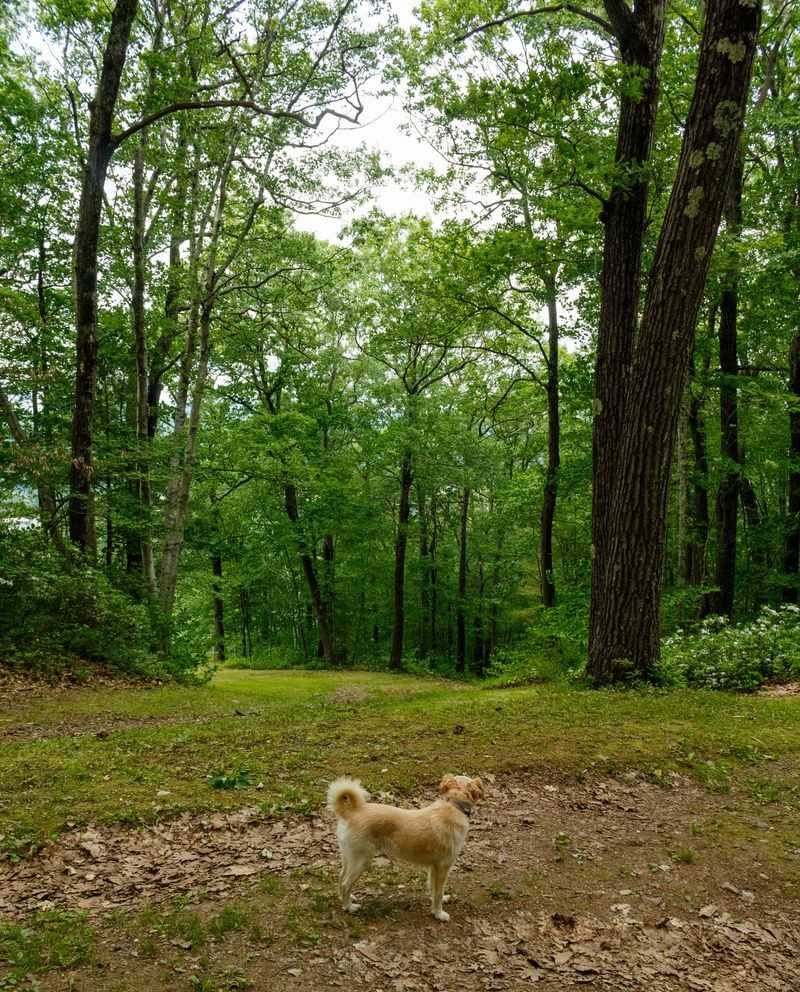
Deer, rabbits, squirrels, and the occasional raccoon show up regularly on country property. For a dog with a strong chase instinct, that is tempting.
Solid recall matters here, plus a leash during dawn and dusk when animals move most.
Keep rabies vaccinations current, which state law requires anyway. If your dog has an odd encounter with a wild animal, contact your veterinarian promptly for guidance.
9. Tick Checks Follow Every Country Adventure
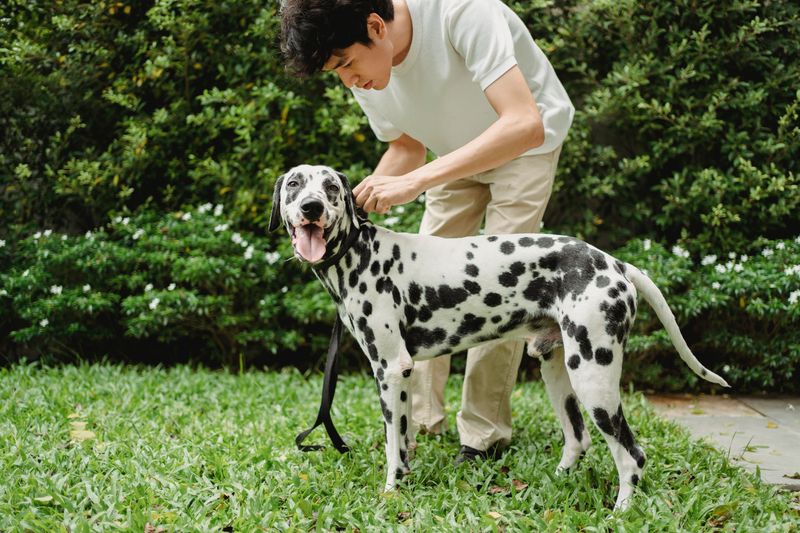
Tall grass and wooded edges in rural North Carolina mean more ticks, especially in warm months.
Run your fingers through the coat after outings. Check ears, armpits, between toes, and under the collar, where ticks like to hide.
Year-round preventive medication from your veterinarian is the strongest protection. City dogs sticking to pavement face less exposure, but greenway walks through brush still warrant a quick check.
10. Recall and Boundary Skills Matter More on Acreage
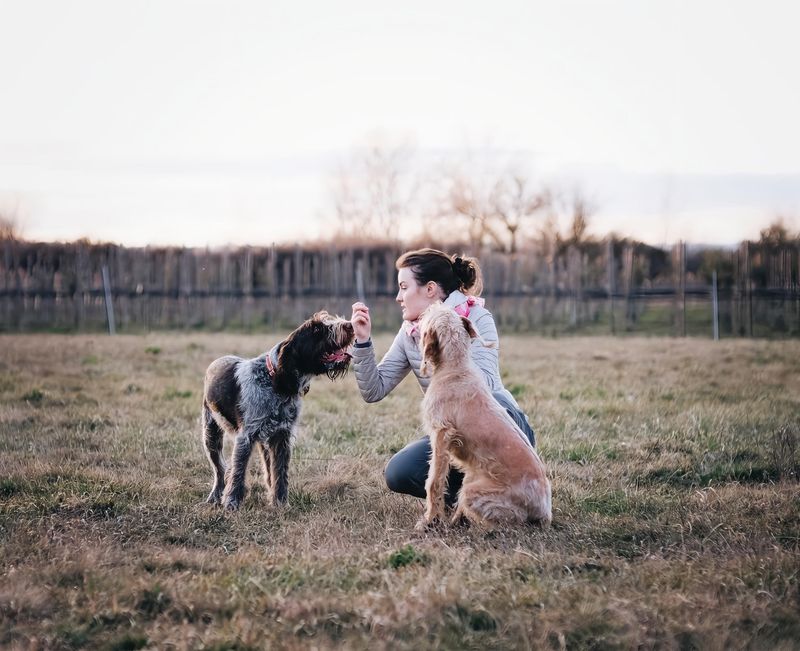
Big properties give dogs room to roam, and roaming dogs can drift toward roads or neighbors.
A reliable come cue is the single best safety tool on open land. Practice on a long line first, and pay generously every single time.
Mark boundaries clearly with fencing where you can. A GPS collar adds peace of mind, though it never replaces trained recall.
11. Elevators and Shared Hallways Need Their Own Lessons
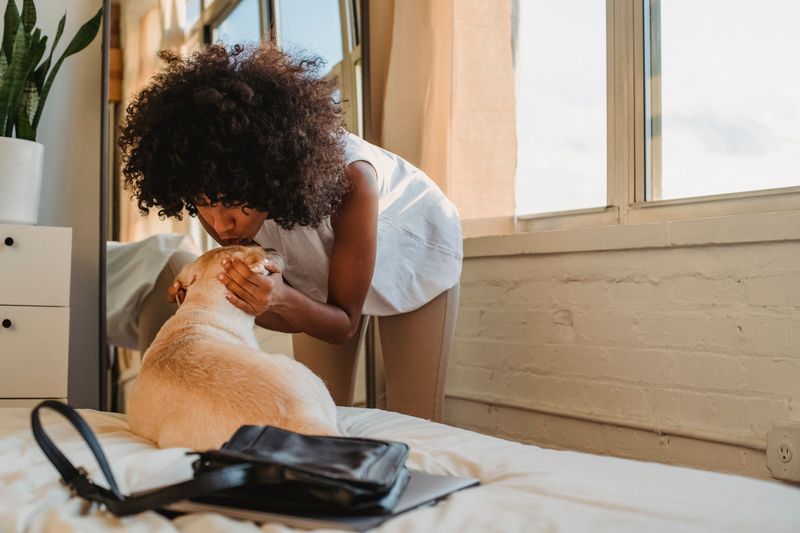
Condo life brings surprises a farmhouse never does: sliding doors, echoing corridors, and neighbors appearing suddenly.
Break it into small steps. Reward calm loading into the elevator, practice short hallway walks, and pause at doorways before pushing through.
Keep a leash short in shared entries so nobody gets tangled. Most dogs master the building routine within a couple of patient weeks.
12. Exercise Gets Split Into Shorter City Sessions
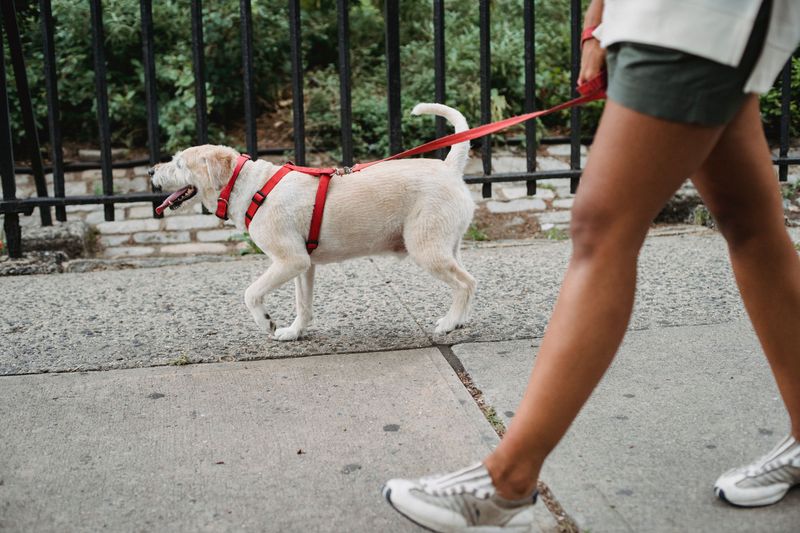
Instead of one long afternoon roaming the back forty, urban dogs usually get three or four shorter outings.
Fifteen to twenty minutes a few times a day adds up nicely, especially with sniffing time built in.
Add indoor enrichment on rainy days: puzzle feeders, snuffle mats, short training games. Mental work tires a dog as effectively as extra distance on the leash.
13. Paw and Coat Inspections Close Out Country Outings
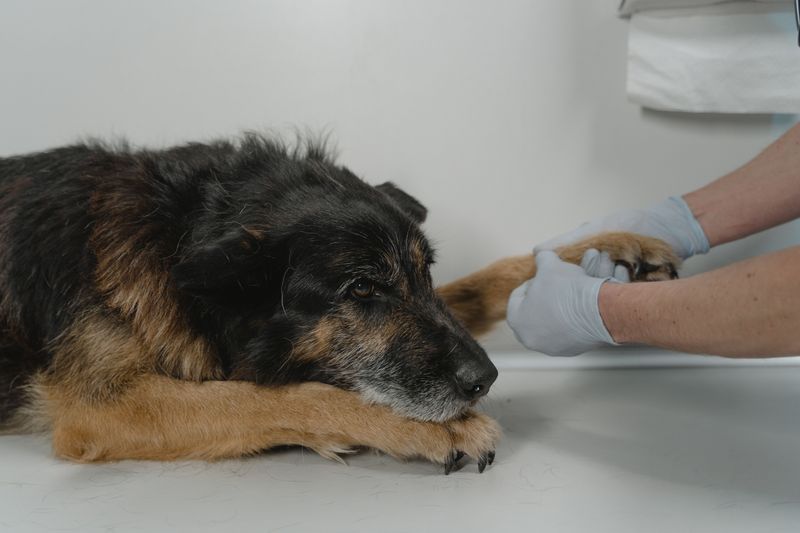
Burrs, sandspurs, red clay mud, and dried grass seeds love a country dog’s coat.
Give each paw a look, spreading the toes to spot anything wedged between pads. Brush out the belly and tail feathering too.
A damp cloth and a slicker brush handle most of it in five minutes. Catching debris early prevents matting and skin irritation later on.
14. Cyclists and Runners Call for Sharper Leash Manners
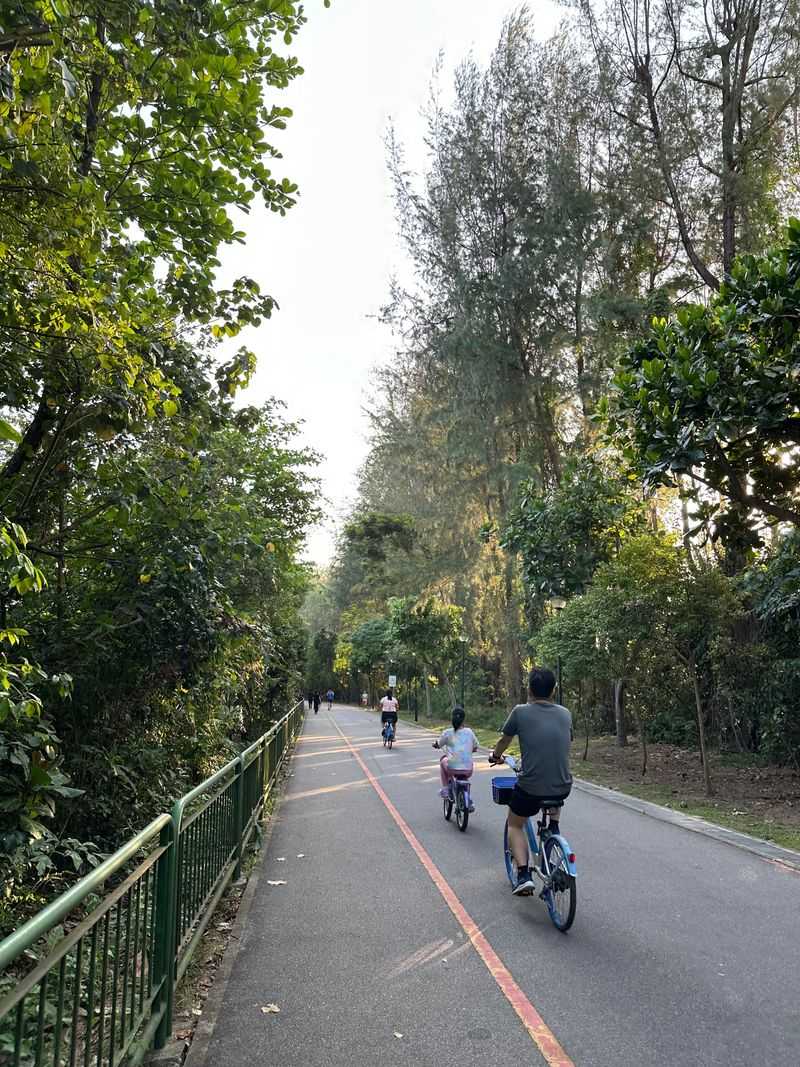
Greenways in both cities stay busy with bikes, joggers, and scooters moving fast.
Fast motion triggers chasing in many dogs. Teach a step-aside cue: move to the grass, ask for a sit, and reward as riders pass.
Keep the leash short but slack near blind curves. Practicing at quieter hours builds the habit before you tackle a weekend crowd.
15. Rural Life Means More Miles in the Car
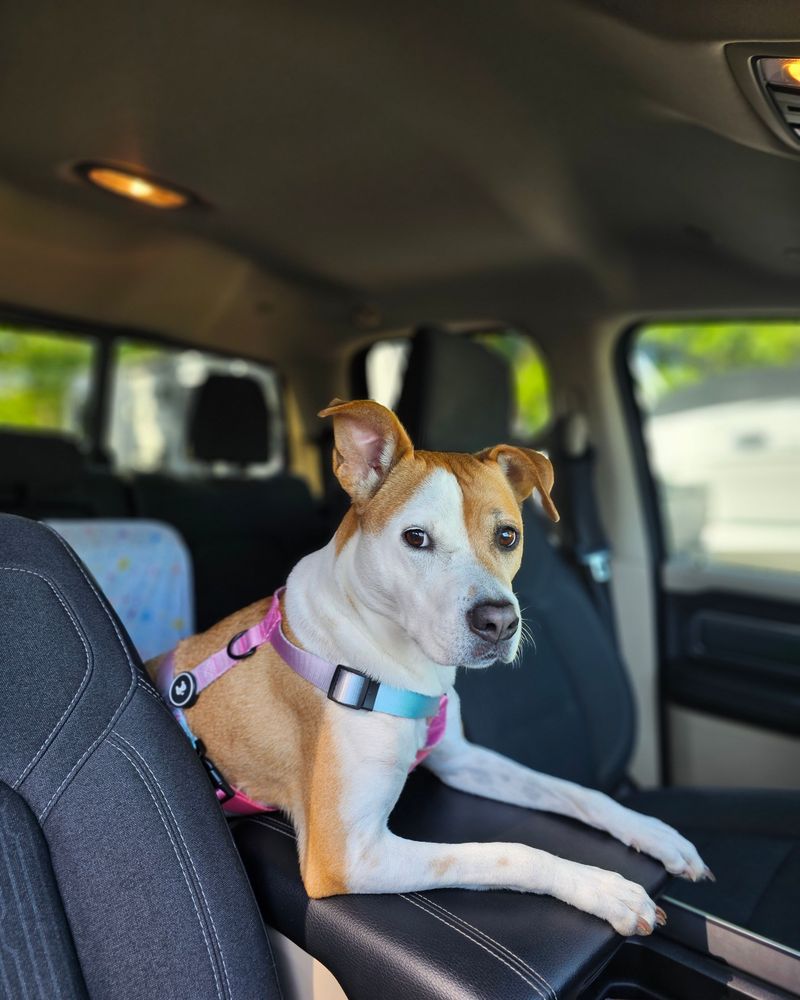
Vets, groomers, training classes, and boarding often sit thirty minutes or more away in rural counties.
That adds up to regular car time, so comfort in the vehicle is a real skill worth building.
Use a secured crate or a harness attached to a seat belt. Bring water on longer drives, and schedule appointments early to dodge midday heat.
16. Livestock Requires Careful Handling in Farm Country
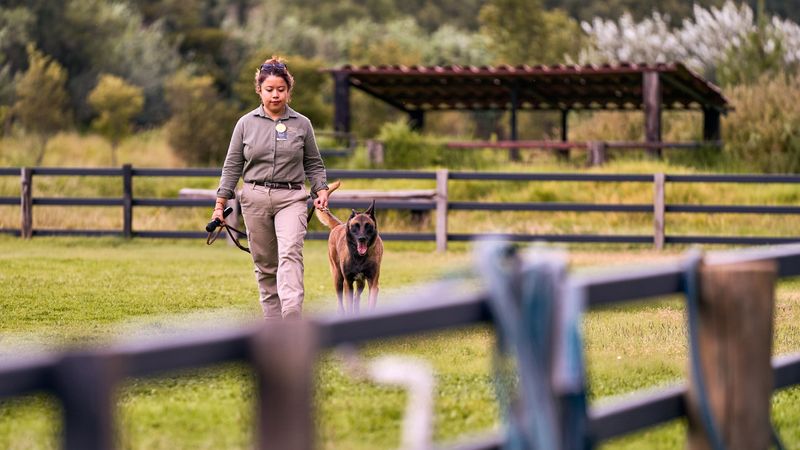
Cattle, horses, goats, and chickens are common neighbors outside the cities. Chasing them causes real trouble, for the animals and for you.
North Carolina law protects livestock owners, and a dog harassing farm animals can create legal liability.
Keep your dog leashed near pastures and coops. Ask a farm owner before walking near their fence line, and confirm local rules with animal control.
17. Socializing Gets Choosier Once Crowds Arrive
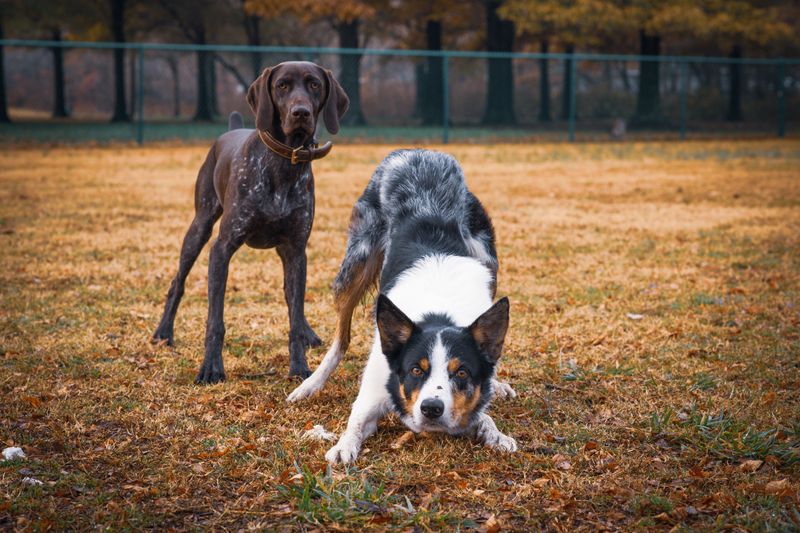
More dogs nearby does not automatically mean more friends. Quality beats quantity, particularly for a rescue still learning your household.
Choose well-managed dog parks during quieter hours, or arrange playdates with one steady, familiar dog.
Leave early if the energy gets rowdy. Plenty of city dogs live happy, social lives while skipping the dog park entirely, and that is a perfectly good choice.
18. Steady Feeding, Sleep, and Potty Times Anchor Both Lifestyles
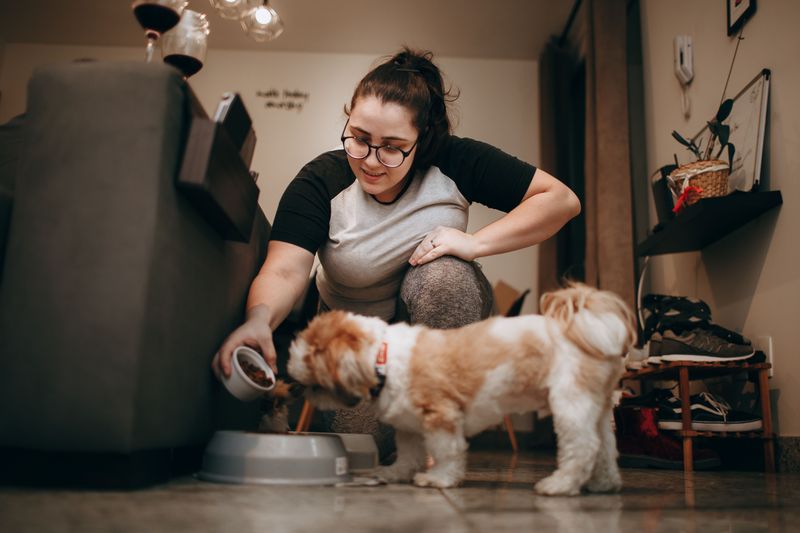
Whatever the zip code, predictability calms a rescue dog faster than anything else.
Feed at the same hours, keep bedtime consistent, and space potty breaks evenly. A dog who knows what comes next worries less.
Give a new arrival a few weeks before judging their personality. With patience and a steady schedule, country roads or city blocks both become home.