Pittsburgh Hills And Philadelphia Rowhouses Create Very Different Puppy Routines In Pennsylvania
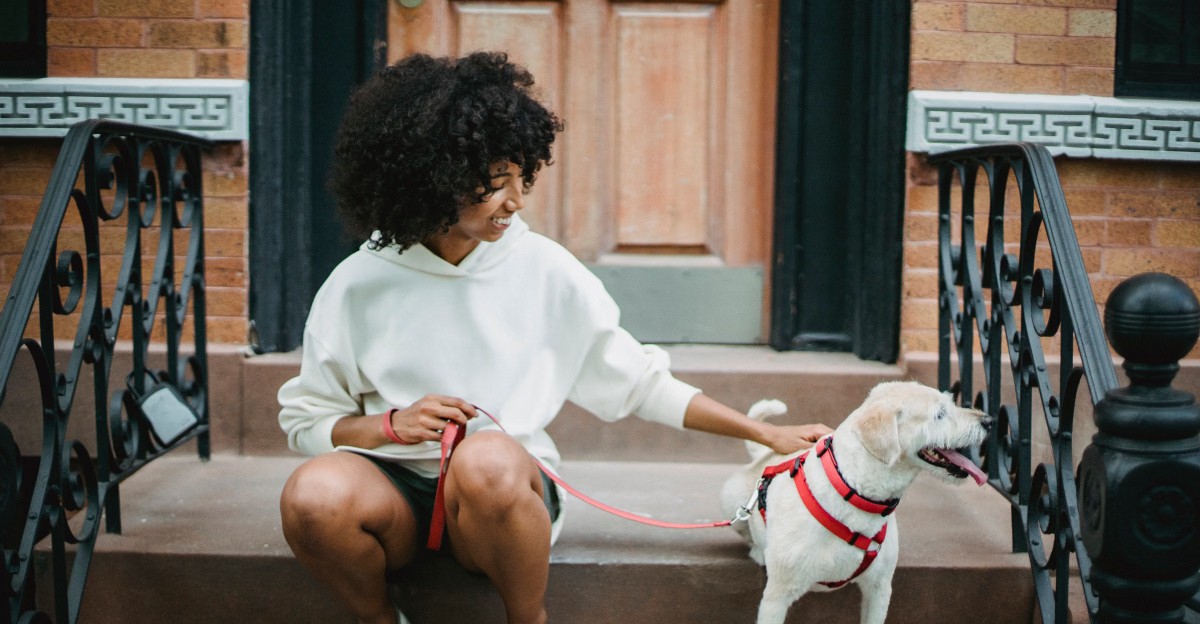
Raising a puppy in Pennsylvania looks different depending on which side of the state you call home. Pittsburgh owners plan around hills, staircases, and sloped driveways.
Philadelphia owners plan around narrow sidewalks, busy stoops, and blocks without yards. Neither setup is better, they simply shape daily habits in their own way.
Knowing what your city asks of a young dog makes potty training, leash work, and socialization feel far less confusing during those first months.
1. Uphill Walks Versus Flat Block Loops
Ask any Pittsburgh owner about their morning walk and elevation comes up fast. Puppies there grow used to climbing and descending, which builds stamina but tires them sooner.
Philadelphia pups usually travel flat, grid-style blocks instead. Their walks cover more ground with less effort.
Both routines work well. Just match distance to your puppy’s age and energy, and watch for signs of fatigue like lagging behind or sitting down mid-walk.
2. Quick Potty Trips Get Shorter On Slopes
A five minute bathroom break can feel much longer when it starts with a climb. Many Pittsburgh owners trim those quick trips down to the nearest level stretch.
That is a sensible choice, not laziness. Young joints and short legs handle grades differently than adult dogs do.
Scout one flat patch close to your door and use it for fast potty runs. Save the longer hill routes for planned outings.
3. Narrow Sidewalks Teach Early Street Manners
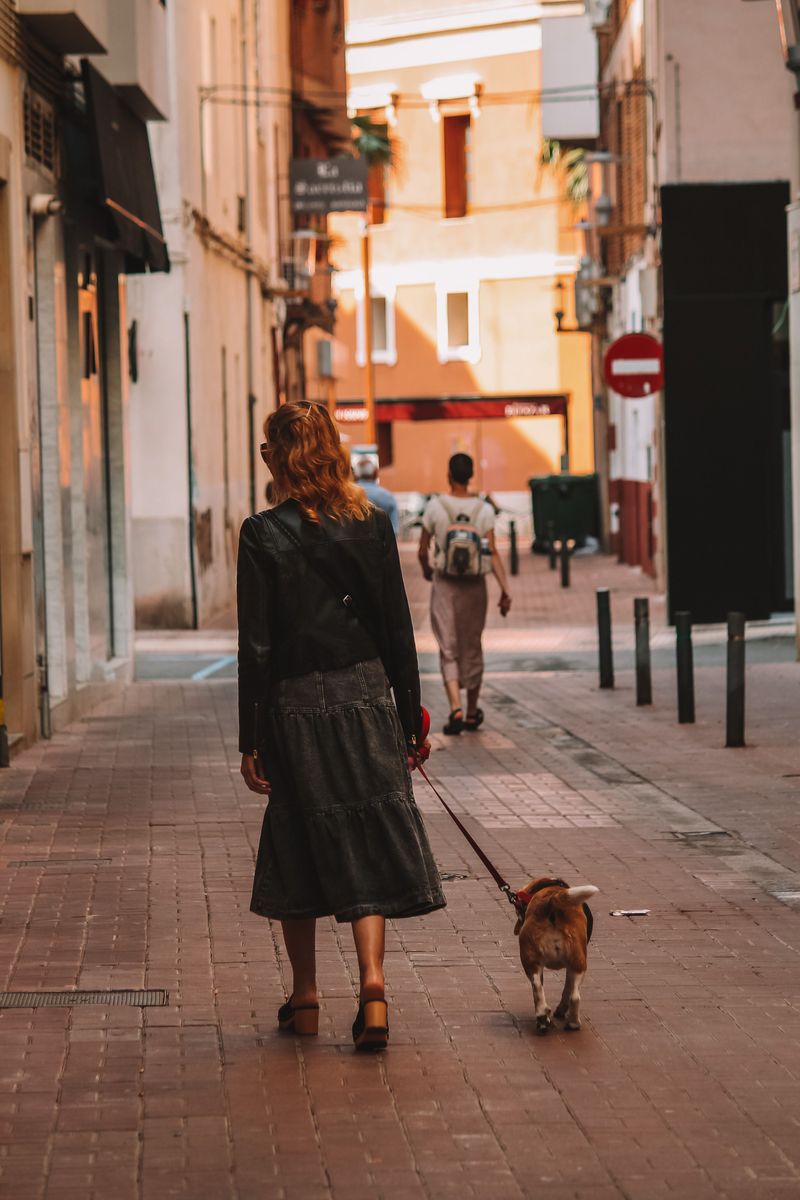
Philadelphia sidewalks can be barely wide enough for two people. Rowhouse puppies figure that out within days.
They learn to tuck in beside their owner, pause for passersby, and keep moving without tangling the leash.
Practice helps: use a short leash, reward your puppy for walking close, and step aside politely when someone approaches. Those small habits turn into excellent city manners by the time your dog is fully grown.
4. Steps, Stairways, And Sloped Driveways
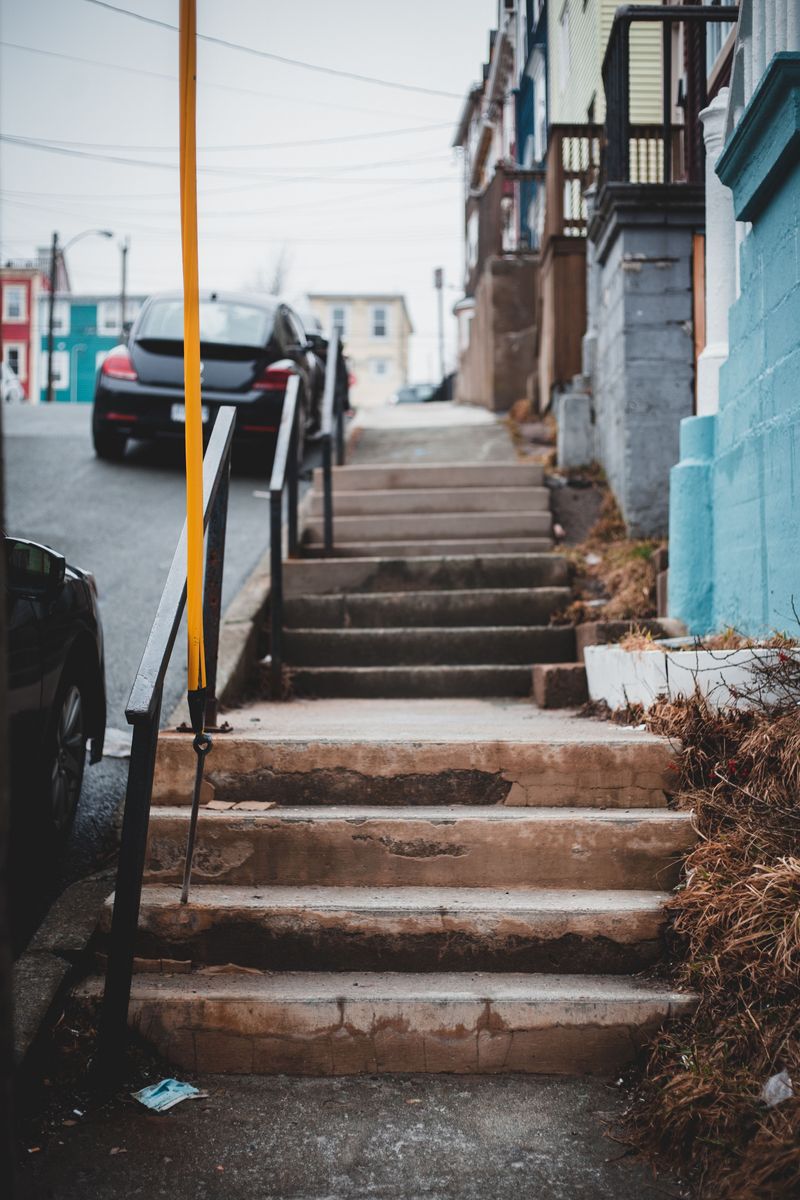
Pittsburgh earned its nickname as a city of stairs honestly. Hundreds of public stairways connect neighborhoods, and many homes sit above sloped driveways.
Puppies raised there meet steps constantly, sometimes before they are fully coordinated.
Start with a few shallow stairs and plenty of encouragement. Carry very young puppies down long flights until their balance improves.
Your veterinarian can advise on how much stair work suits your dog’s age and breed.
5. Few Front Yards In Rowhouse Country
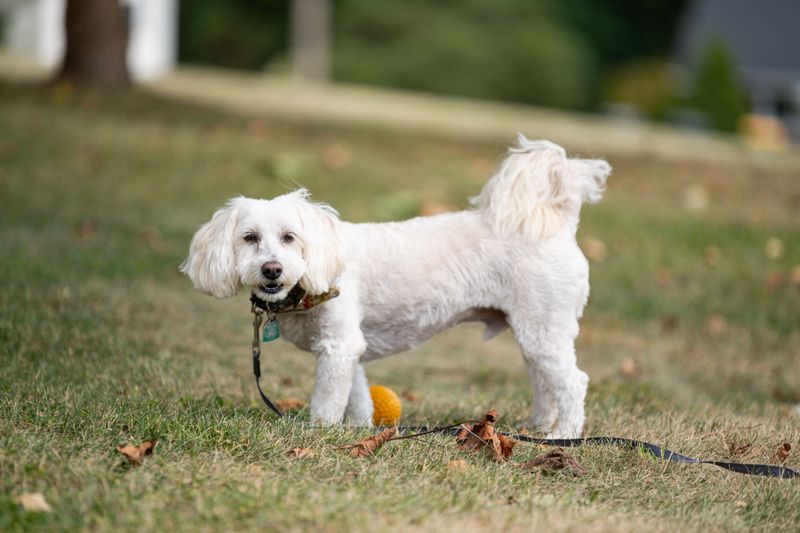
Step out of most Philadelphia rowhouses and you are already on the sidewalk. There is often no grass, no fence, and no quick yard dash.
Potty training becomes a scheduled activity rather than an open door.
Plan trips after meals, naps, and play. Keep treats by the door so rewards happen fast.
Some owners also use indoor grass pads during storms or while a puppy finishes its vaccine series.
6. Backyards Buy Pittsburgh Owners Flexibility
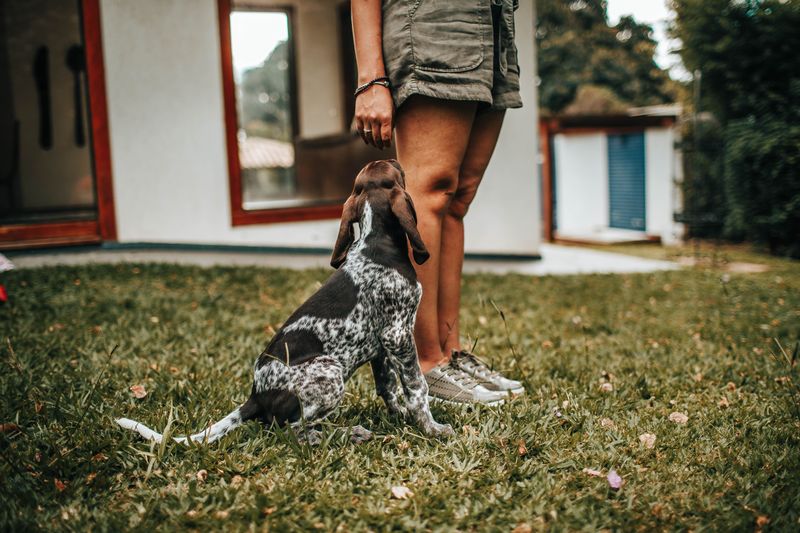
Plenty of Pittsburgh neighborhoods still feature standalone houses with fenced yards. That changes the rhythm of the day entirely.
A puppy can slip outside between walks, which speeds up house training for many families.
Check fencing along sloped ground, since gaps often appear where the land drops. Supervise young puppies outdoors, and remember that yard time does not replace the sights and sounds a walk provides.
7. Clock-Based Bathroom Breaks Keep Rowhouse Life Smooth
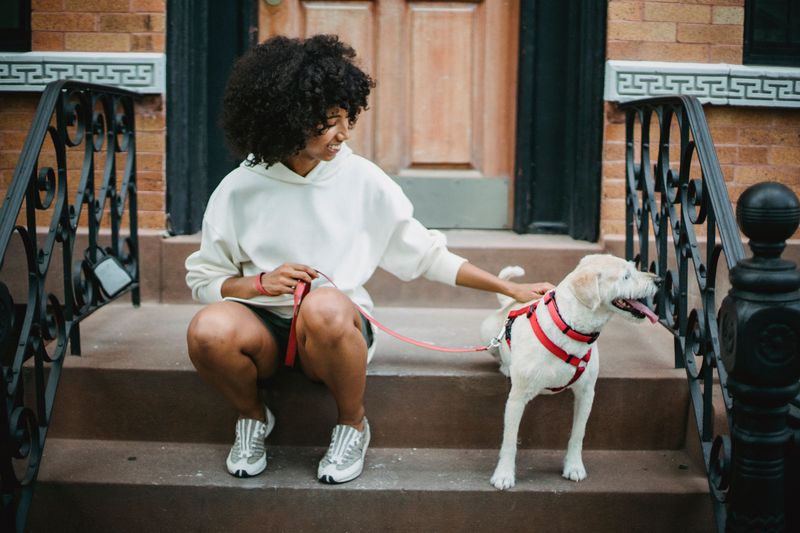
Without a yard, timing becomes your best training tool. Rowhouse owners often run on a set schedule: wake, eat, out, play, out again.
Consistency teaches a puppy to hold on until the leash appears.
Write the schedule on the fridge for everyone in the house. Young puppies generally need frequent trips, and your veterinarian can suggest intervals based on age.
Accidents happen; clean calmly and keep the routine steady.
8. Close-Range Neighbors Build Comfortable Dogs
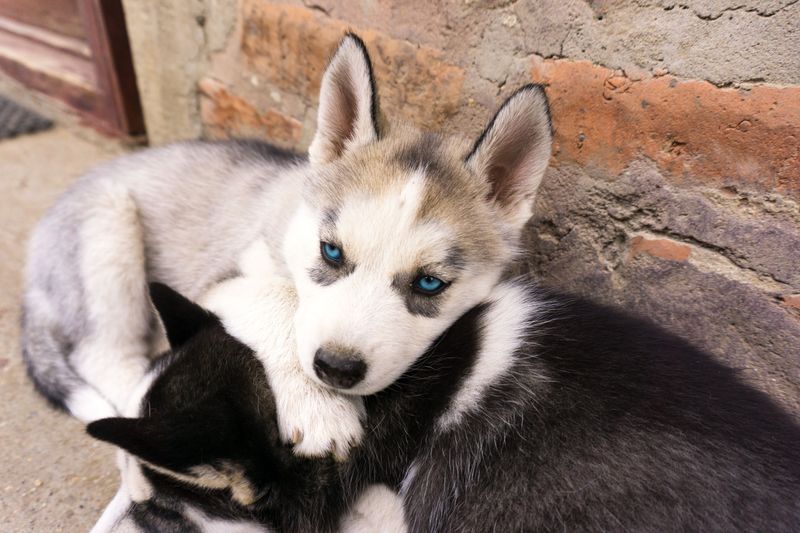
Delivery workers, strollers, cyclists, and neighboring dogs pass within a few feet of Philadelphia stoops all day long.
Puppies exposed to that from the start often grow into unflappable adults.
Keep the encounters positive. Reward calm watching, let your puppy retreat if it feels unsure, and never force a greeting.
Ask people to approach slowly. Good early experiences matter far more than the sheer number of them.
9. Leash Control Matters More On A Grade
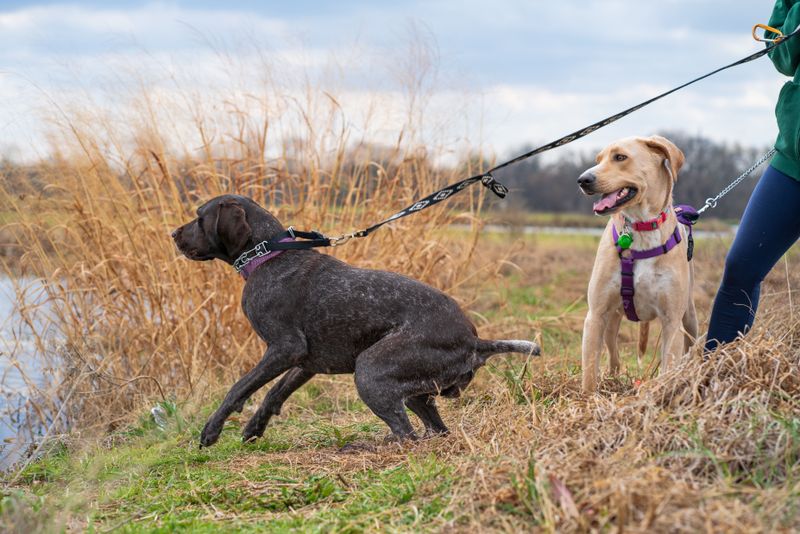
Gravity has opinions about leash training. On a Pittsburgh slope, a puppy that surges forward can pull an owner off balance quickly.
Trainers in the area regularly focus on loose-leash skills for exactly this reason.
Use a properly fitted harness, keep treats handy, and reward every few steps of slack. Practice on gentle grades before tackling the steep blocks.
Short, frequent sessions beat one long frustrating walk.
10. Corner Stops Become Second Nature Downtown
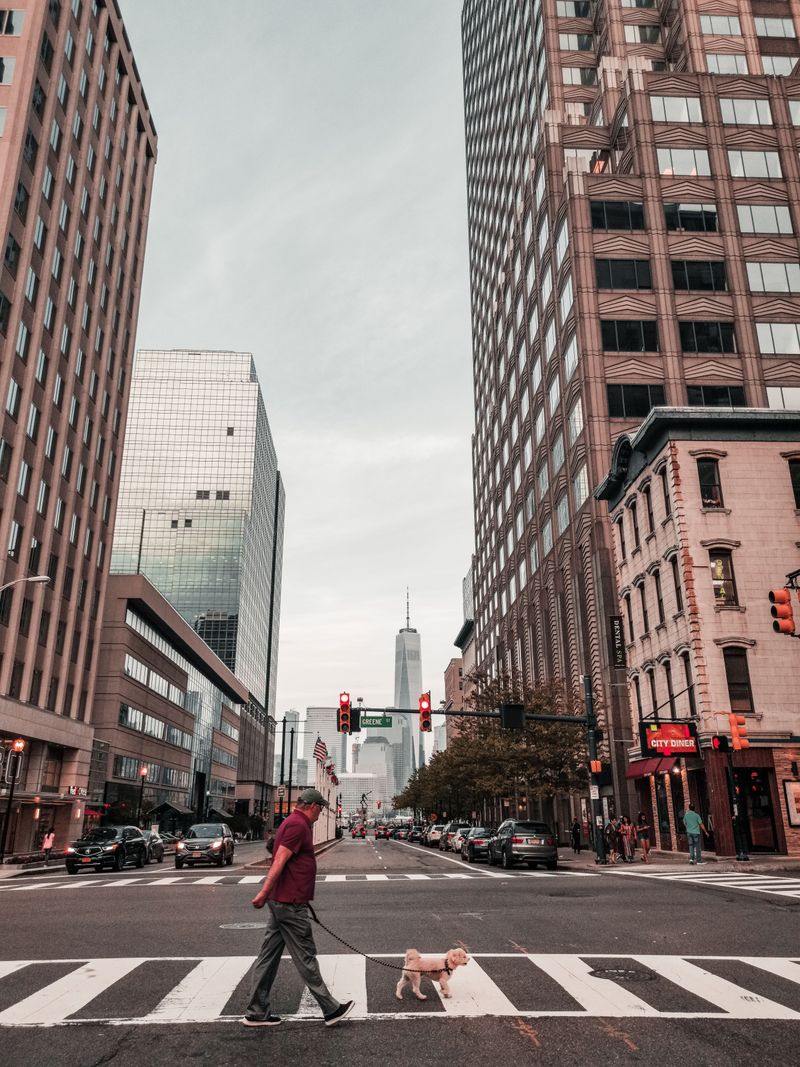
Philadelphia’s tight street grid means a walk crosses intersections constantly. City founders laid out those blocks centuries ago, and puppies still feel the effect.
Repetition turns curb stops into automatic behavior.
Ask for a sit at every corner, even when no cars are coming. That pause builds impulse control and keeps your dog safely away from traffic.
Within weeks, many puppies start stopping before you say a word.
11. Route Planning By Elevation
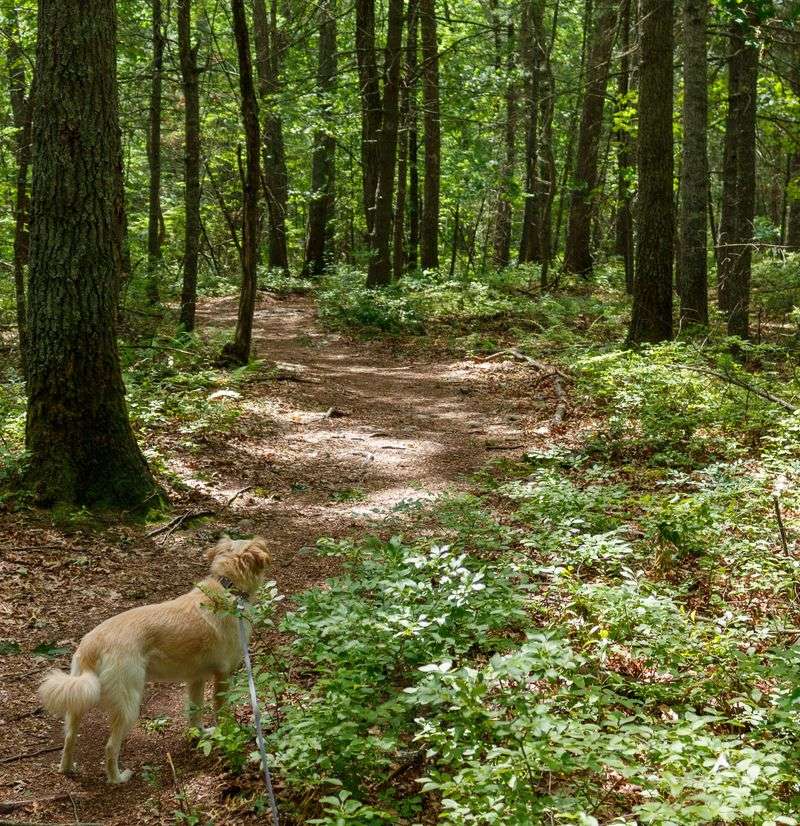
Seasoned Pittsburgh owners think like hikers. They know which streets rise sharply and which loop stays mostly level.
With a very young puppy, the flat route usually wins.
Local parks offer everything from easy paths to rolling trails, so you can increase difficulty gradually. A good rule: your puppy should finish a walk with energy left over.
If it flops down halfway, the route was too ambitious.
12. Pocket Parks Do Heavy Lifting In Philly
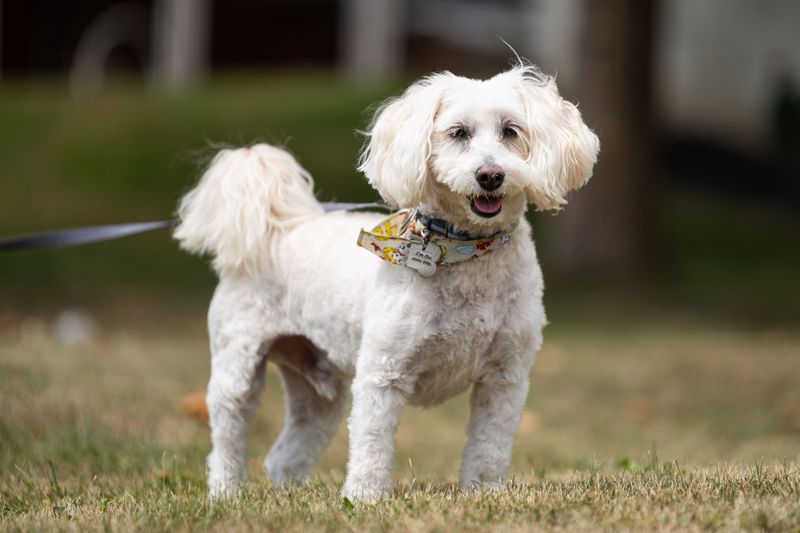
Tiny neighborhood greens scattered between rowhouse blocks become essential real estate for city dogs.
Philadelphia owners lean on these pocket parks and nearby dog runs for quick bursts of exercise.
Visit during quieter hours while your puppy is still learning. Check posted rules, since leash and dog run policies vary by park and by city department.
A few short sessions daily often satisfy a puppy better than one long outing.
13. Staircase Confidence Deserves Real Practice
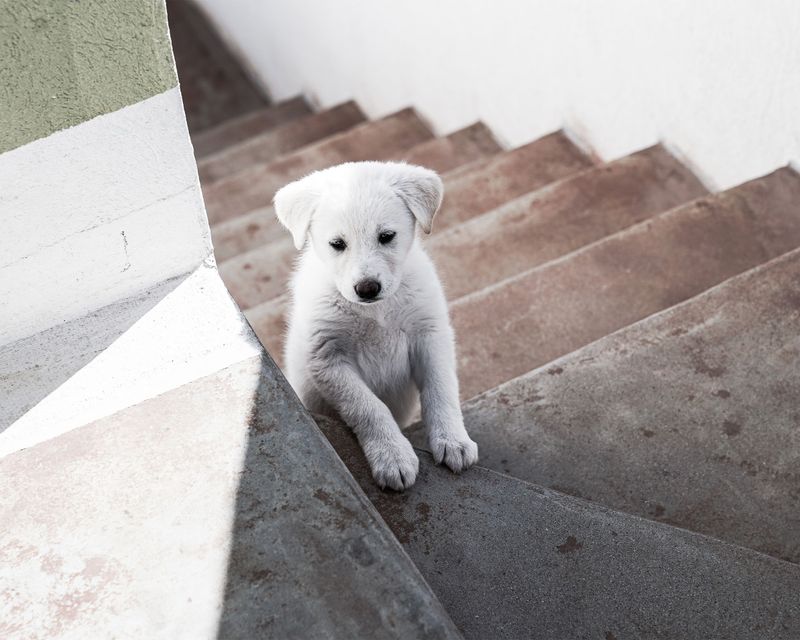
Some puppies freeze at the top of a long outdoor staircase. Totally normal, and totally fixable.
Break it into pieces. Reward two steps, then four, then a short flight, always going at your puppy’s pace.
Wet leaves and ice make stairs slick, so choose dry days for early lessons. If your puppy seems sore afterward, mention it to your veterinarian rather than pushing through another session.
14. Shared Walls Mean A Noisier Soundtrack
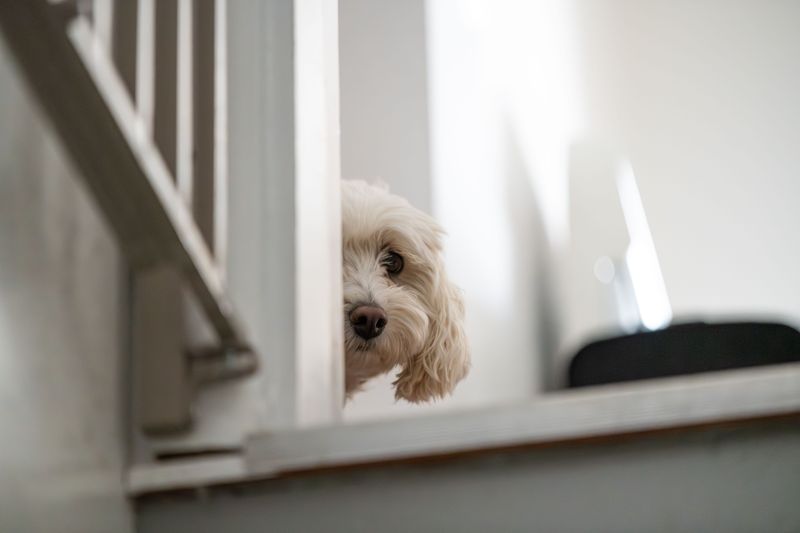
Rowhouses share walls, and puppies hear everything: doors, footsteps, conversations, mail deliveries.
Some pups barely notice. Others bark at every thump until they learn what is worth reacting to.
Play soft background sound, reward quiet moments, and avoid rushing to the door each time your dog alerts. Gradual exposure works better than scolding.
Most rowhouse puppies settle into the noise within a few months.
15. Quiet Streets Are Often One Hill Away
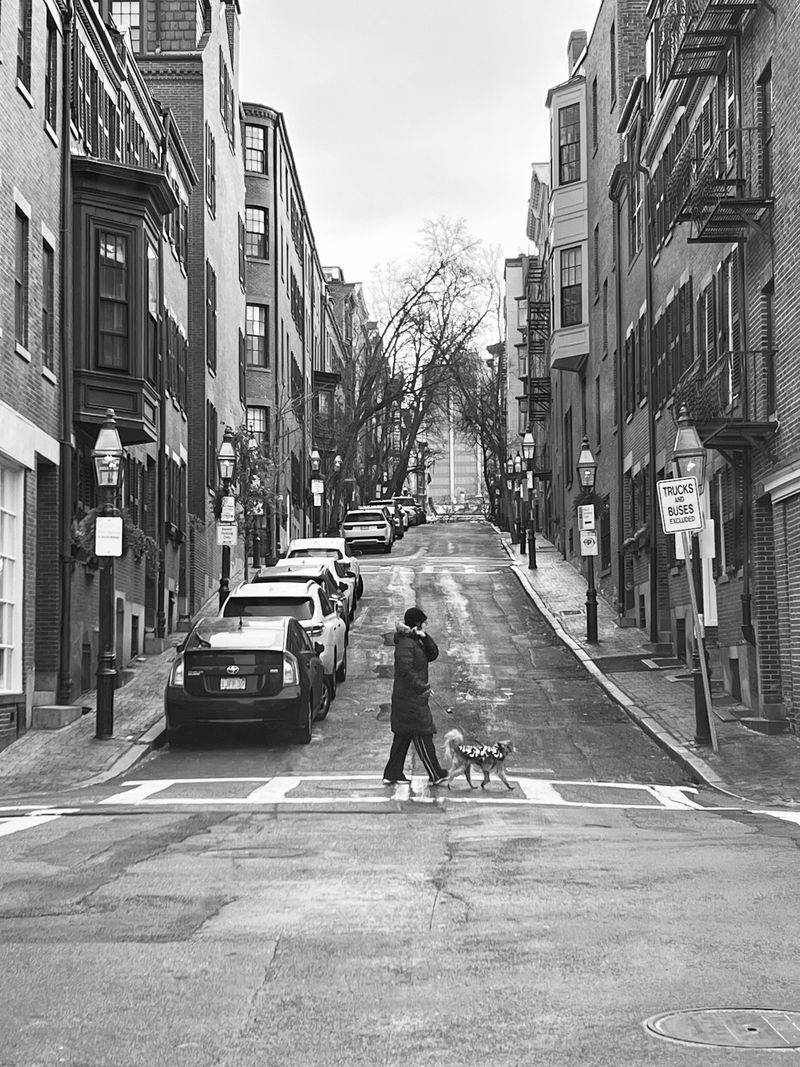
One nice perk of hilly geography: busy commercial strips fade fast as streets climb away from them.
Pittsburgh owners can often reach a calm residential block within a few minutes.
That is useful for nervous puppies who need low-key practice before facing crowds. Start on the quiet stretch, then work toward busier corners as confidence grows.
Letting your dog choose the pace of exposure pays off later.
16. Socialization Arrives At The Front Door
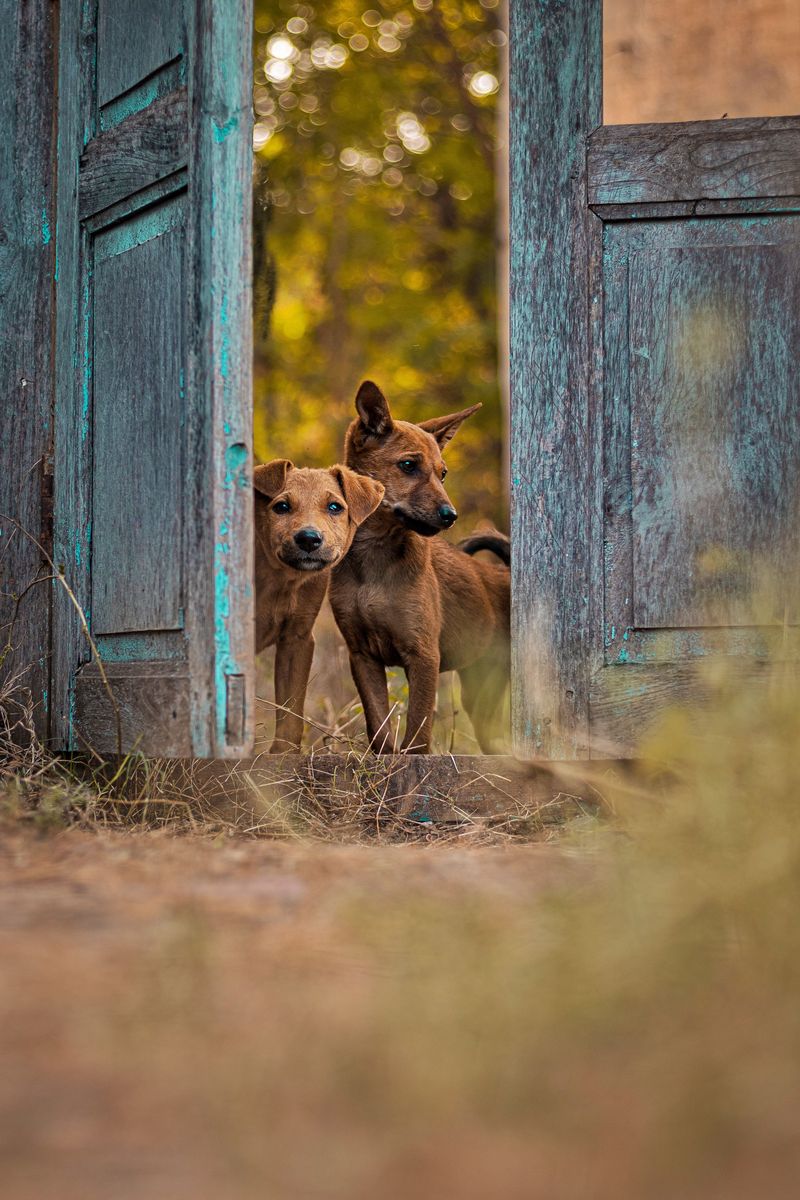
Opening the door in a dense Philadelphia neighborhood is basically a socialization class. Sounds, people, wheels, and other dogs arrive without any planning.
Owners still need to steer the experience thoughtfully.
Watch body language: loose tail, relaxed ears, curious sniffing means your puppy is coping well. Tucked tail or stiff posture means back off and try a calmer spot.
Quality beats quantity every time.
17. Downhill Pulling Is Its Own Challenge
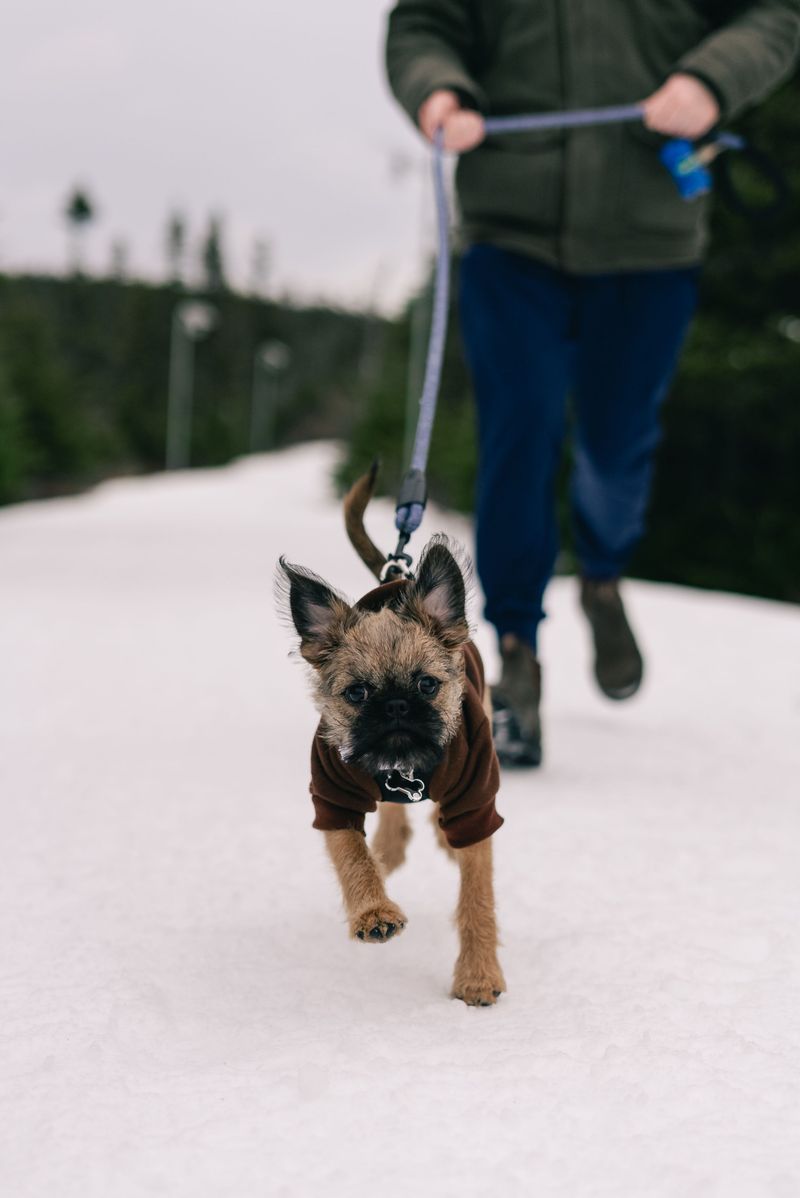
Going down a hill, momentum works against you. A sudden lunge from even a medium puppy can be hard to absorb.
Loose-leash training becomes a safety skill, not just a nicety.
Shorten your leash slightly on descents, keep your arm relaxed, and stop walking whenever tension appears. Front-clip harnesses help some dogs.
Wear shoes with grip, especially on wet pavement or after a snowfall.
18. Two Cities, Two Rhythms
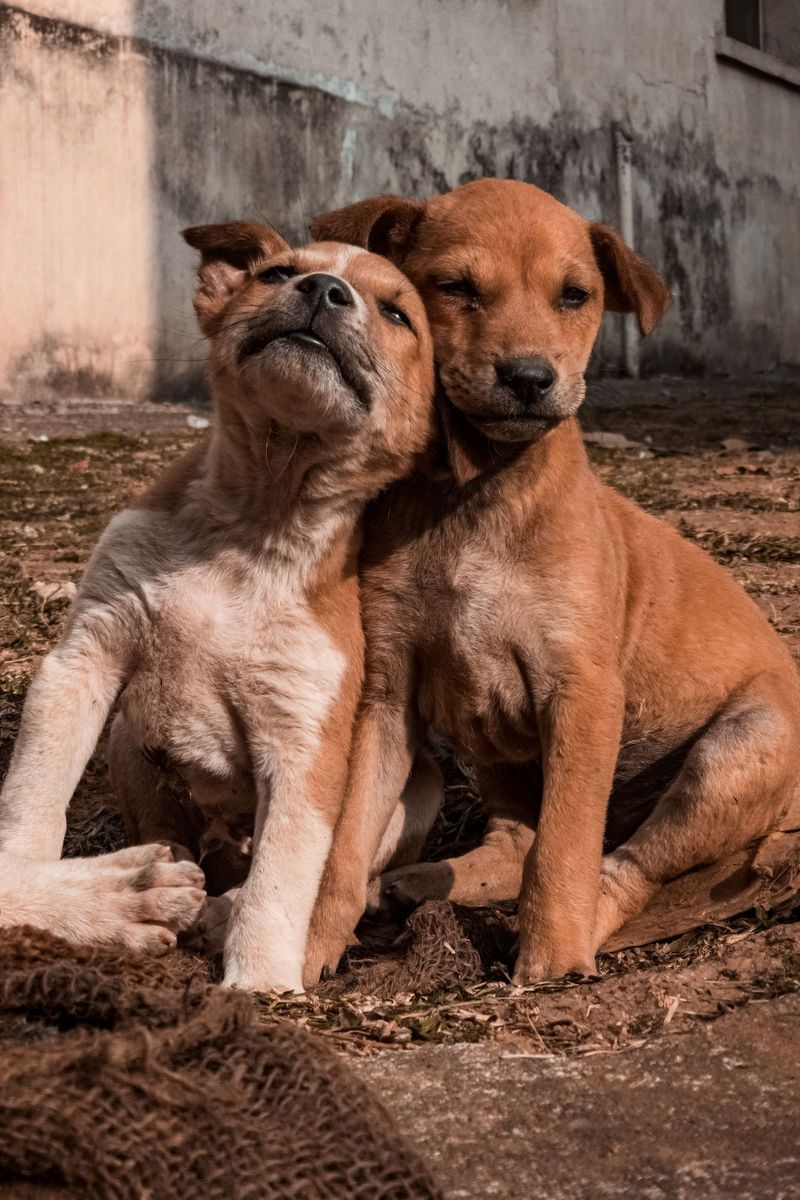
Philadelphia routines tend toward many short outings, driven by the absence of private yards.
Pittsburgh routines vary more widely. A home with a fenced yard, a flight of entry steps, or a steep approach each produces a different daily pattern.
Build the schedule your address actually allows. Puppies thrive on predictability far more than on any particular landscape, and consistency will carry you through the first year.