15 Hunting-Season Precautions For Dogs On New Jersey Public Lands
A familiar trail can feel different during hunting season, especially when your dog wants to explore every new smell. You do not need to give up outdoor walks.
A few checks before you leave, along with simple habits on the trail, can help you choose a safer outing. New Jersey public lands have different rules, so knowing where you are headed makes each walk easier to plan.
1. Check The Hunting Status Before You Go
Your usual walking spot may also allow hunting. Before leaving, check the land manager’s current notices and New Jersey Fish and Wildlife information.
Find out whether hunting is permitted at your destination that day. Public parks, wildlife management areas, and other open lands can follow different rules.
If you cannot confirm the status, choose another place to walk. A quick check gives you a clearer plan before your dog reaches the trailhead.
2. Learn Which Hunting Seasons Overlap Your Walk
Hunting activity does not follow one simple calendar. New Jersey sets seasons by species, hunting method, and sometimes location.
Check the current official season information rather than relying on last year’s dates. A season that affects one area may not apply to another.
Mark dates that overlap your regular walks, then plan a backup route. You can still enjoy time outside while making choices that fit the place and day.
3. Check The Current Hunting Map And Trail Signs
Maps help you understand where a walk might lead. Look for the latest official map of your destination, including boundaries, access points, and marked trails.
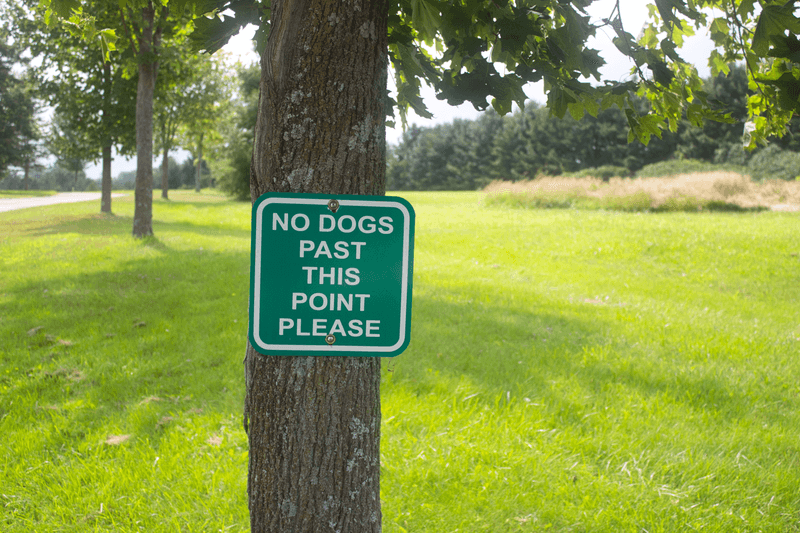
At the entrance, read hunting, wildlife management area, and other posted signs. They may provide information you missed online.
Do not assume a nearby path follows the same rules. If a boundary or sign is unclear, ask the land manager before heading farther with your dog.
4. Keep Your Dog On A Leash
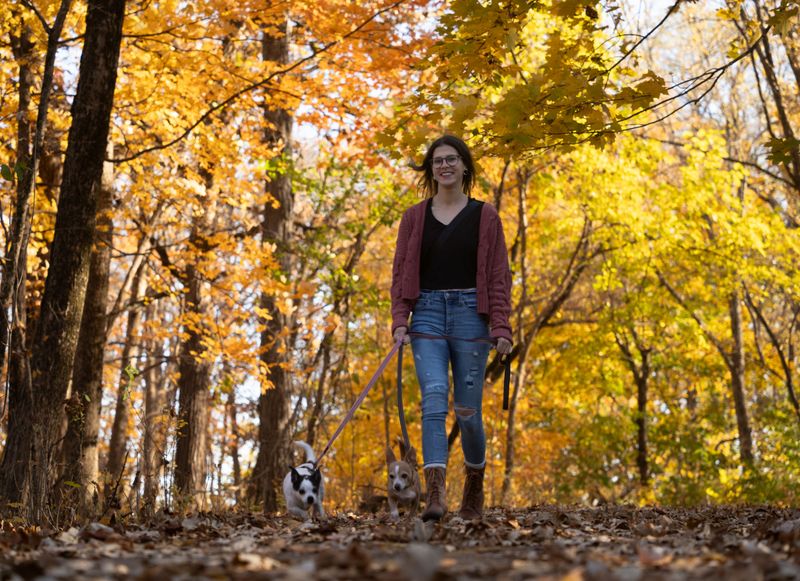
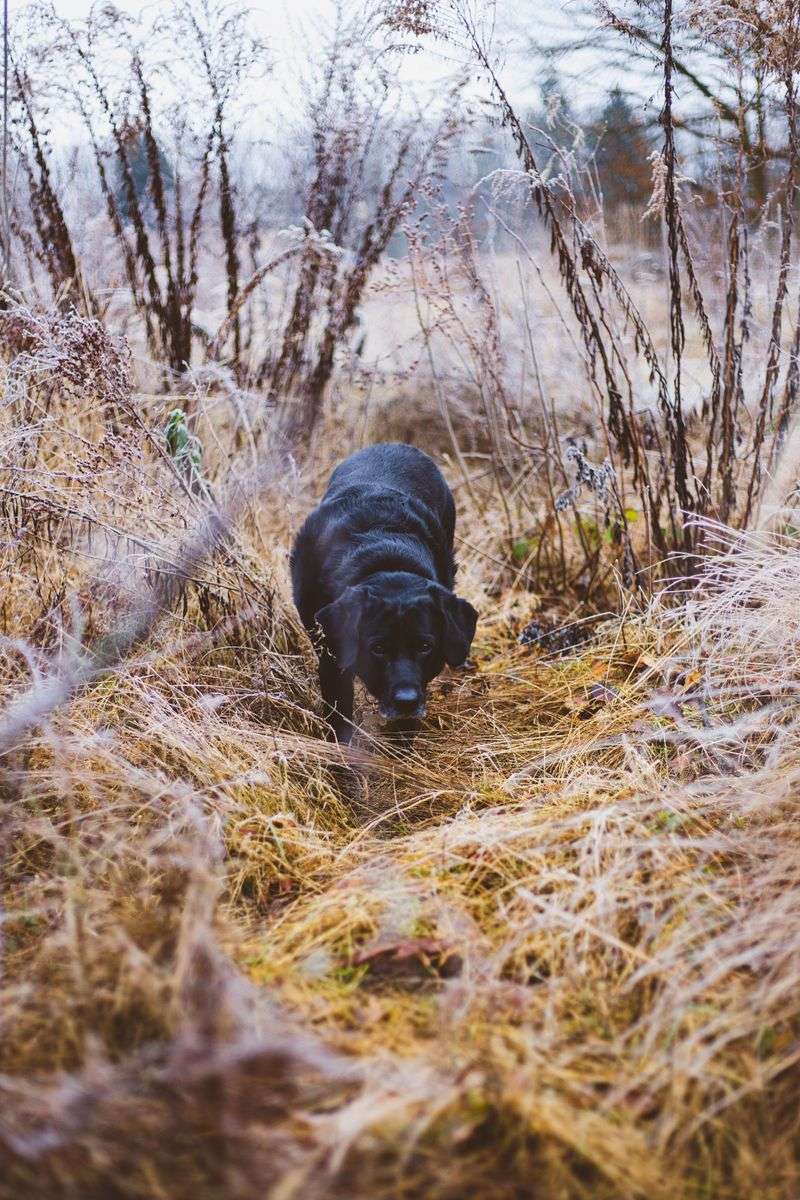
A leash makes surprises easier to handle. Keep your dog close enough to guide around other visitors, wildlife, and tempting side paths.
Check the specific property’s rules, since leash requirements can differ by land manager and location. Even where an off leash dog is allowed, staying connected may be wiser during hunting activity.
Choose a leash you can hold securely. Practice turning around together before you need to leave a busy stretch of trail.
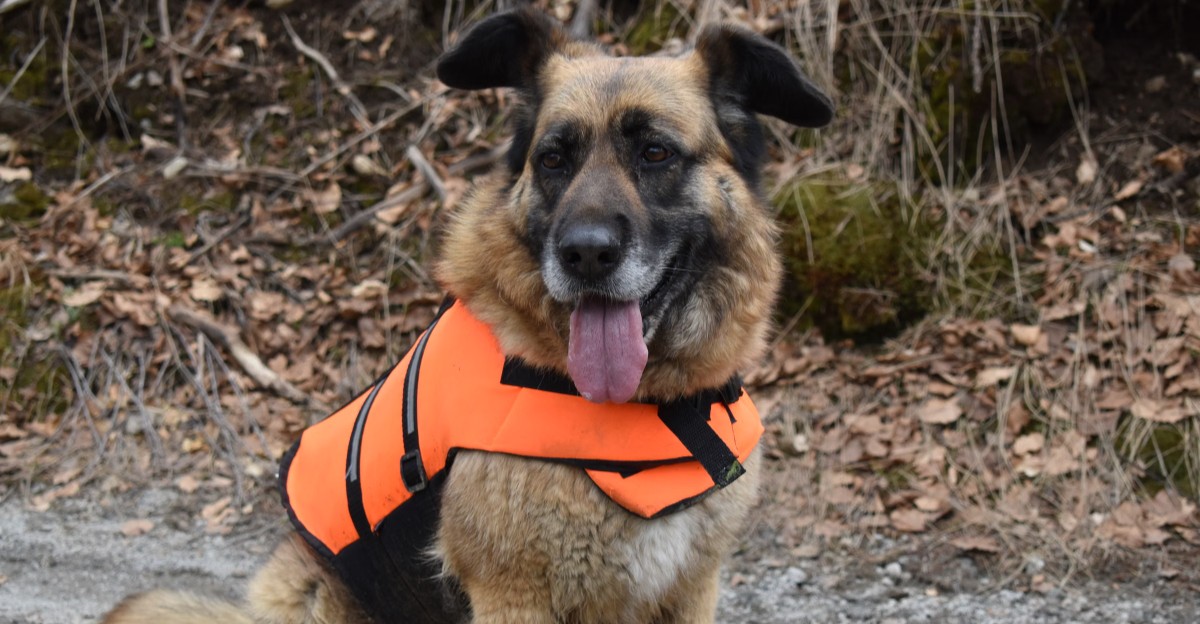
5. Use A Brightly Visible Leash Or Vest
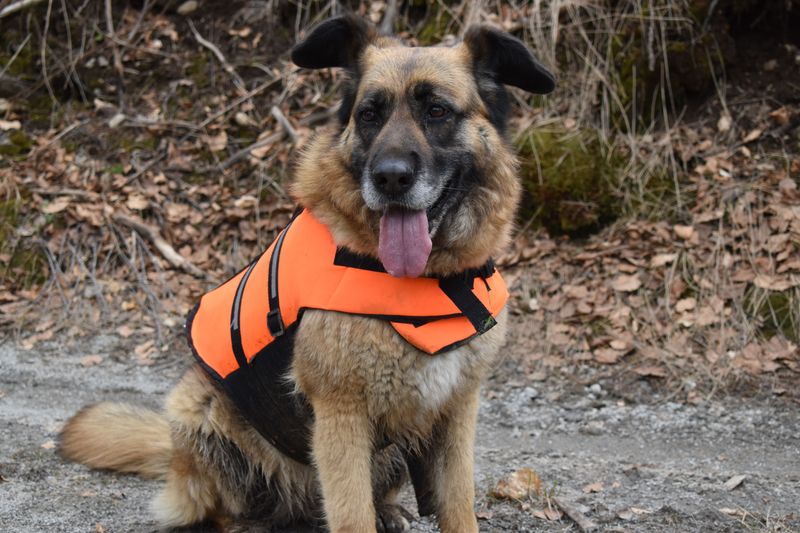
Brown leaves and tall grass can hide a dog’s shape surprisingly well. A bright vest or leash helps other people spot your companion sooner.
Pick gear that fits comfortably and stays visible as your dog moves. Check that the vest does not rub under the legs.
Visibility gear adds a useful layer, but it does not replace a leash or careful route planning. Keep the leash untangled so you can guide your dog smoothly.
6. Wear Hunter Orange When Appropriate
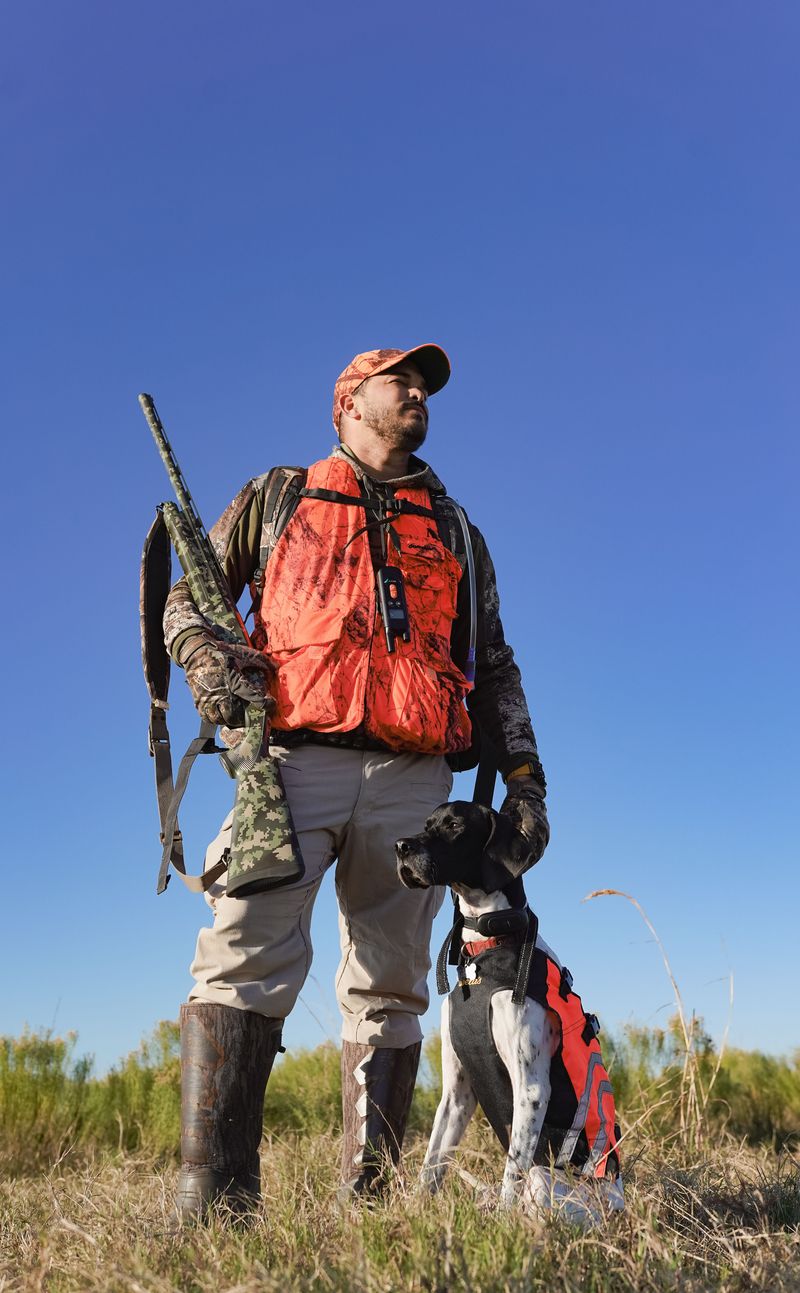
Your own clothing matters, too. Consider a hunter orange hat or outer layer when walking where hunting is allowed.
It can make you more visible, but New Jersey’s hunter-orange requirements generally apply to people engaged in hunting rather than ordinary trail users. Check the current rules for the property and consider wearing bright clothing when walking in areas where hunting is taking place.
Choose clothing suited to the weather and keep bright layers visible, not hidden beneath a pack. If conditions feel uncomfortable, another route is always a reasonable choice.
7. Choose Busy Trails Carefully And Stay On Marked Routes
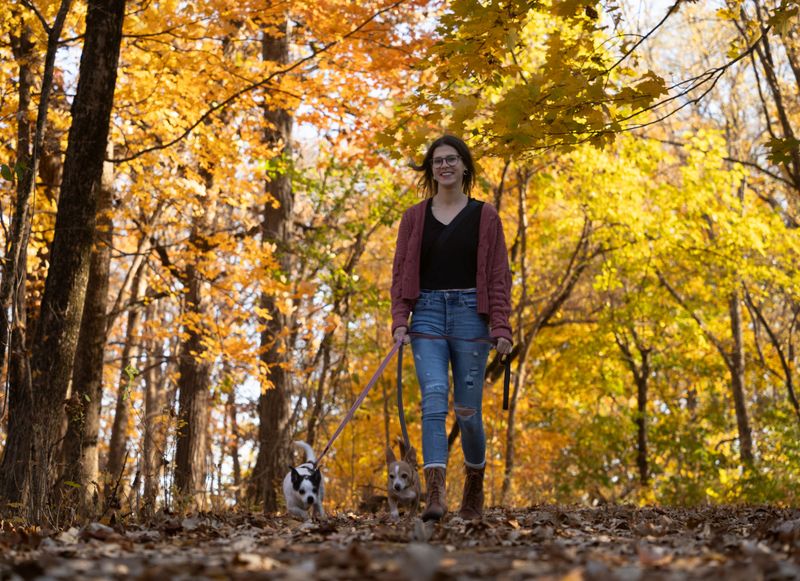
A familiar, well marked trail can be easier to follow than a quiet shortcut. Still, a busy path is not automatically free from hunting activity.
Check the property’s rules and use designated routes where provided. Give other walkers room, and keep your dog from crossing into nearby brush.
If a trail becomes crowded or confusing, turn back rather than cutting across open land. Staying on route makes your movements more predictable for everyone nearby.
8. Keep Your Dog Close Around Dense Cover
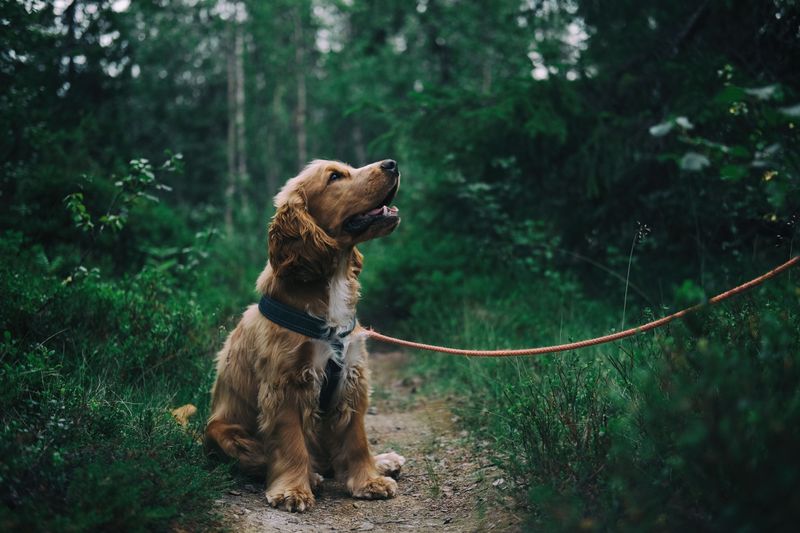
Thick shrubs can turn a simple sniff into an unexpected detour. Shorten your dog’s leash near dense cover, blind corners, and narrow trail edges.
Call your dog’s attention back before moving on. Leave enough space for other visitors to pass without stepping off the route.
Watch where the path leads, not just where your dog points. If the trail disappears into heavy brush, choosing an open, clearly marked route may feel better.
9. Treat Gunshots As A Reason To Change Plans
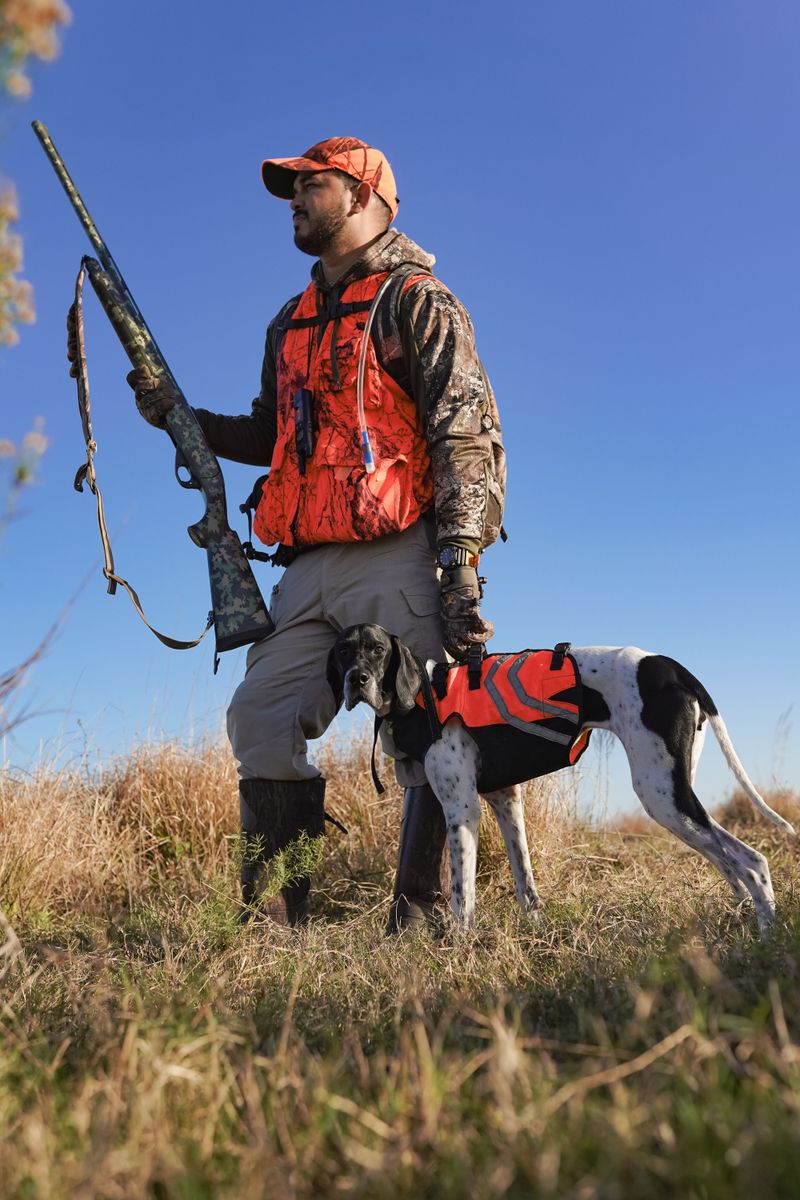
A distant gunshot can tell you that nearby hunting activity is underway, though sound can travel far. Pause, keep your dog beside you, and consider returning by the route you know.
Avoid heading toward the sound to investigate. If your dog becomes uneasy, speak calmly and walk at a steady pace.
You do not need to judge exactly where the sound began. Changing plans is a practical choice when the situation feels unclear.
10. Give Hunters And Hunting Equipment Space
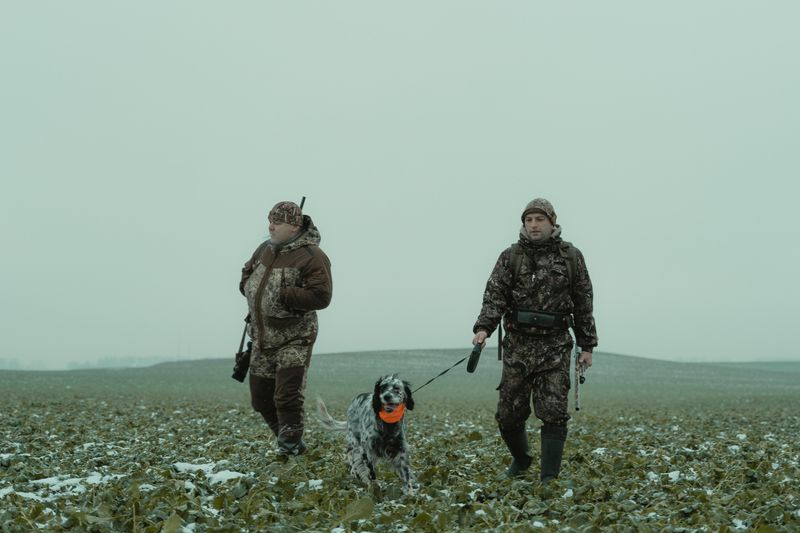
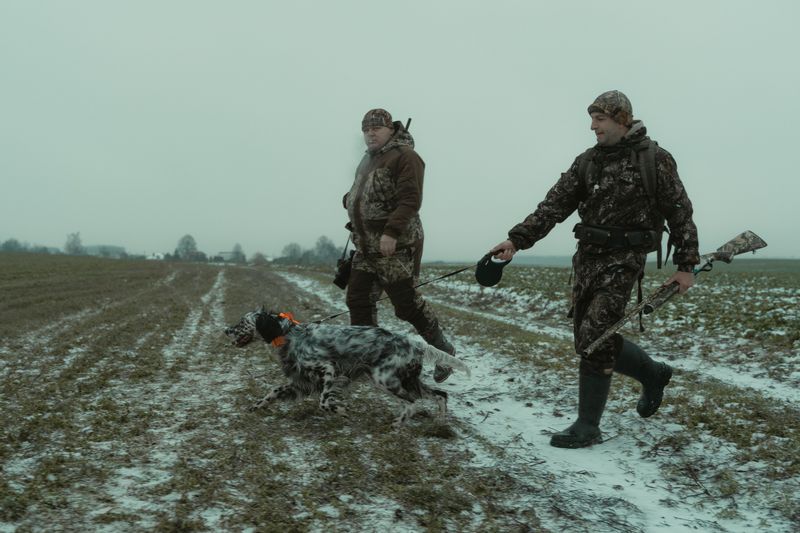
Someone you meet outdoors may be focused on an activity you cannot see. Keep your dog beside you when passing hunters, and allow plenty of room.
Do not approach stands, blinds, decoys, or other equipment. Leave anything you find where it is.
If you need directions, speak from a comfortable distance rather than walking into someone’s setup. A polite turn back often solves the problem without interrupting anyone or pulling your dog off course.
11. Check For Temporary Closures
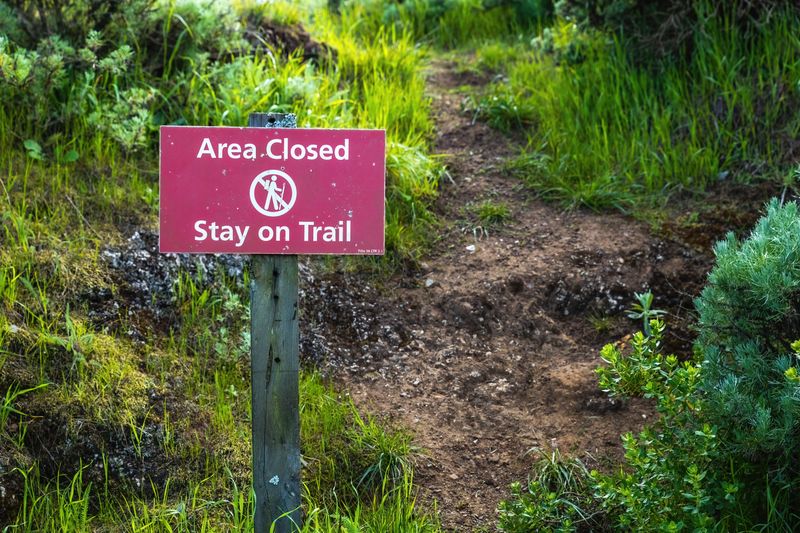
Even a well planned walk can change at the entrance. Land managers may close areas temporarily or change access for management work, weather, or other reasons.
Read current notices online and posted signs when you arrive. Follow barriers, even if the trail beyond them looks quiet.
Keep a second destination in mind so a closure does not end your outing. If a notice lacks clear dates, contact the managing agency before entering.
12. Know The Rules For Dogs On Wildlife Management Areas
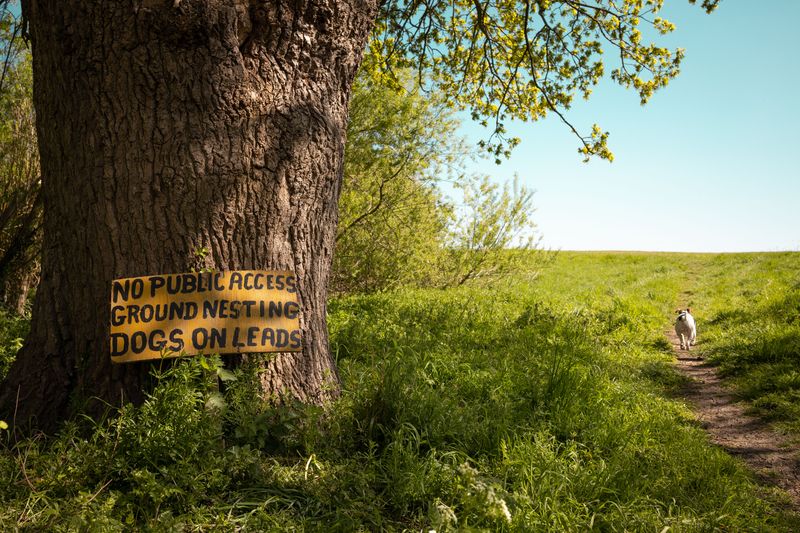
Wildlife management areas, often called WMAs, are managed for wildlife and public use. Their dog rules can depend on the activity, location, and time of year.
Before visiting, read current New Jersey Fish and Wildlife regulations and any posted instructions. Do not assume rules from a town park carry over.
Pay special attention to areas set aside for wildlife or managed activities. When guidance seems unclear, ask the agency before bringing your dog onto the property.
13. Be Careful Around Wildlife
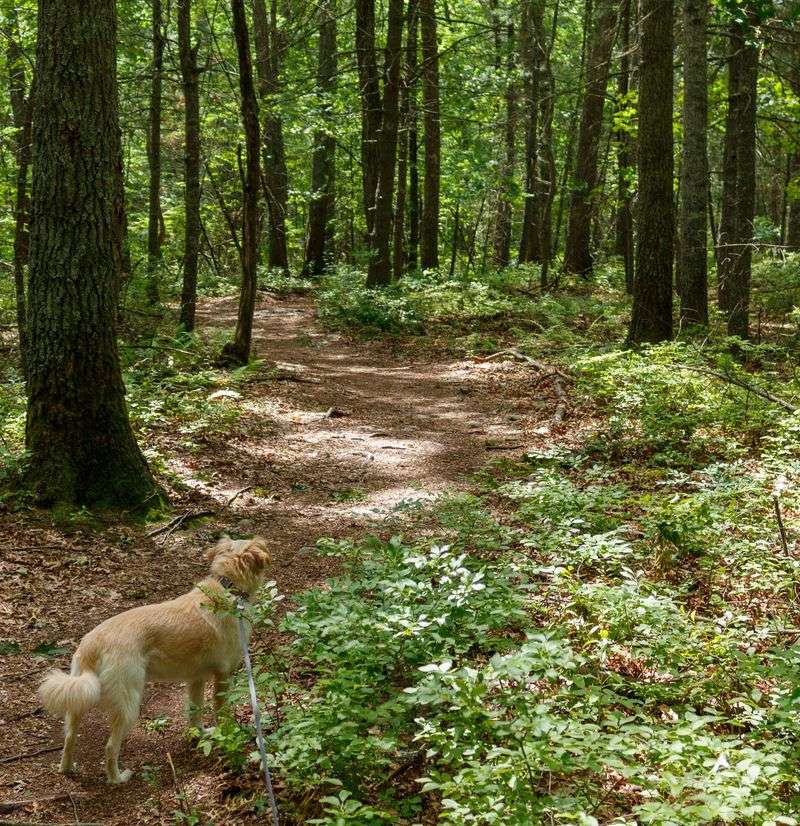
A rustle in the leaves can catch your dog’s attention fast. Keep enough leash control to prevent chasing or close contact with wildlife.
Give animals space, especially when they are feeding or caring for young. Never let your dog investigate an animal that appears unwell.
Wildlife may cross the trail without warning, so scan ahead as you walk. If your dog fixates on an animal, turn away calmly and reward their attention when they follow.
14. Avoid Early-Morning And Late-Day Walks When Possible
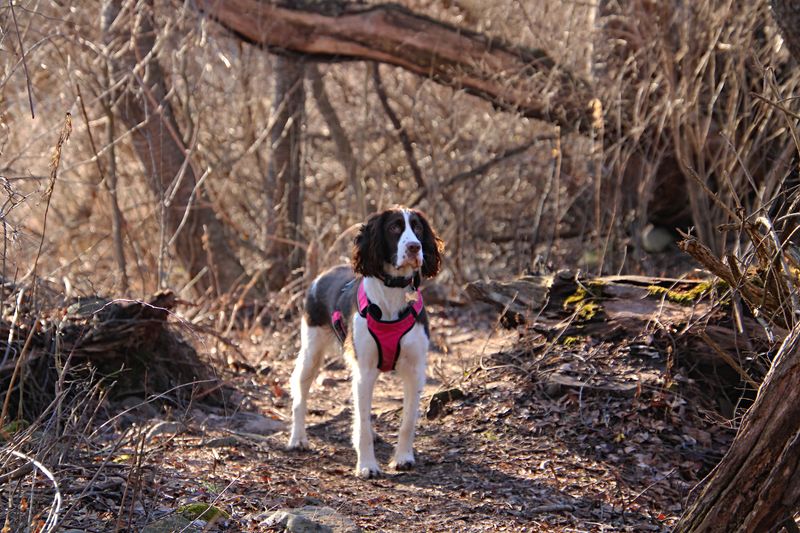
Good daylight makes trail signs, other visitors, and your dog easier to see. When your schedule allows, choose a walk during good daylight and check the current hunting activity for your location.
Do not treat the clock as a guarantee, though. Hunting hours and permitted activities vary by species, method, season, and location, so check the current rules for your destination.
Bring what you need for the weather, and leave enough time to finish before light fades. A shorter, clearer outing can be the more comfortable choice.
15. Carry Identification, A Charged Phone, And Check Again
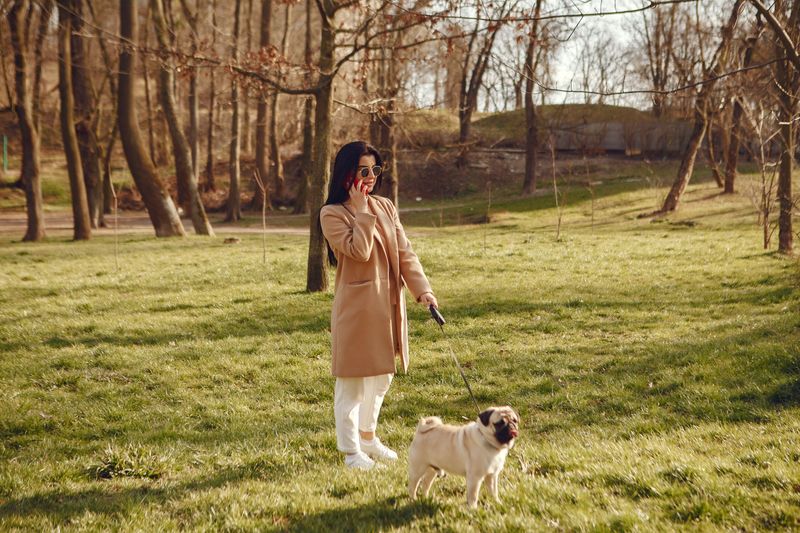
Before every visit, take one last look at current rules and notices. Make sure your dog wears an identification tag with working contact details.
Carry a charged phone, and tell someone where you plan to walk when visiting a less familiar area. Save the land manager’s contact information if service may be limited.
Plans can change between visits, but your routine can stay simple: check, leash up, stay visible, and enjoy the walk together.