15 North Carolina Vet Questions Worth Asking Before Humidity And Storm Season Set In
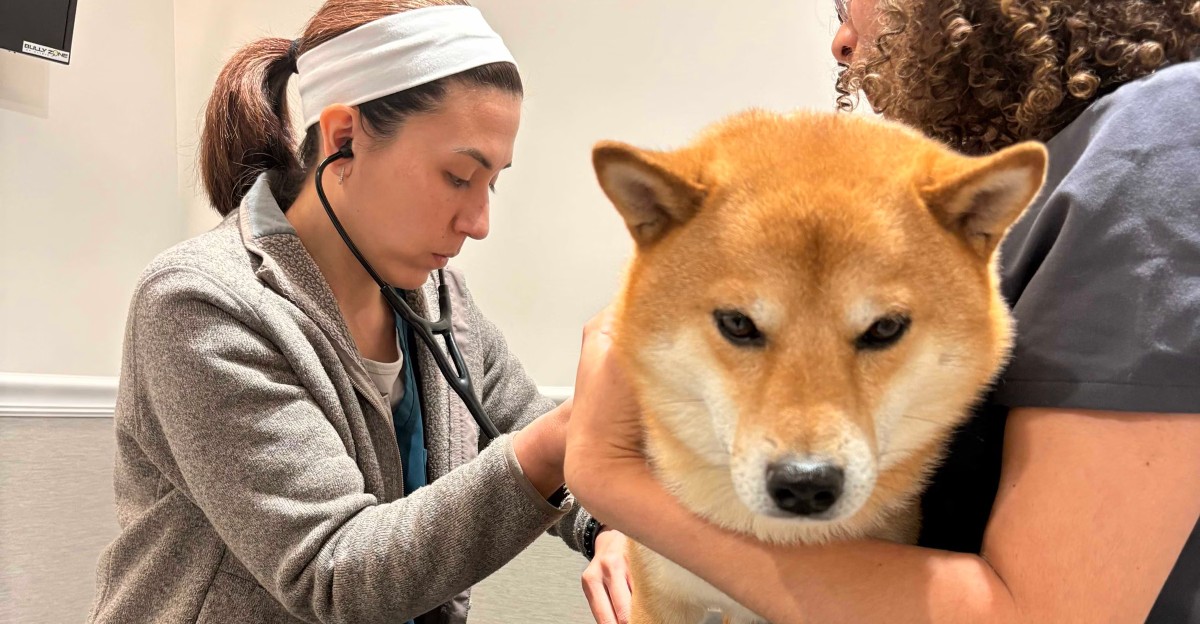
North Carolina summers can turn a quick walk into a sweaty outing, then bring rain before dinner. Your dog may need different care when the air gets sticky and storms become common.
A few questions at your next vet visit can help you plan without worrying over every cloud. You will leave knowing what to watch for, what to keep handy, and when to call for help.
1. How Does Humidity Change My Dog’s Comfort?
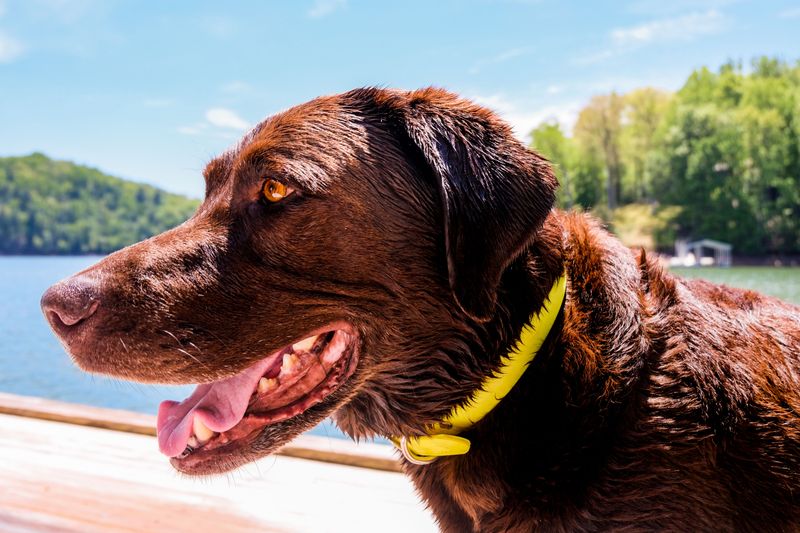
A walk can feel harder when the air is thick, even if the temperature looks reasonable. Dogs cool themselves mainly by panting, and high humidity can make that less effective.
Ask your vet how your dog’s age, weight, coat, and health affect outdoor time.
Plan walks for cooler hours, carry water, and offer shade. Watch how quickly your dog settles afterward.
If recovery seems slower than usual, discuss safer activity limits with your vet before summer arrives.
2. Which Heat Stress Signs Should I Recognize?
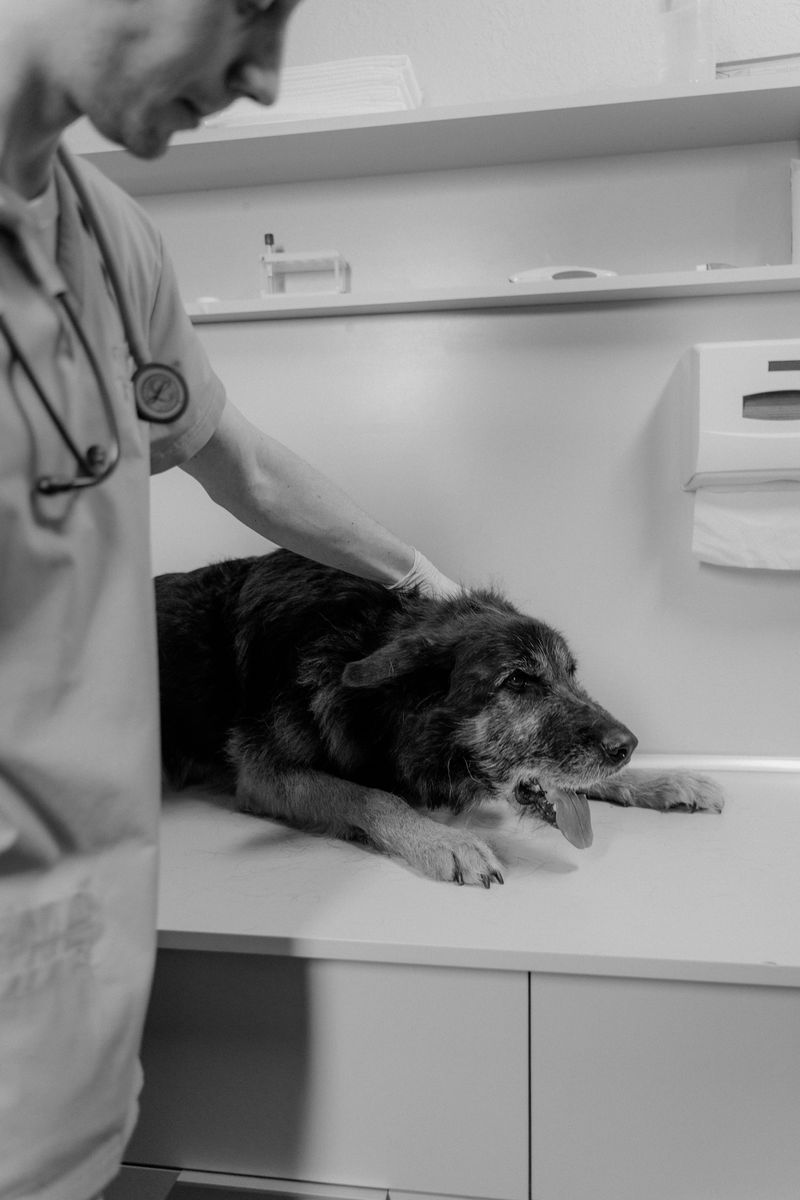
That cheerful afternoon game may need an earlier stopping point in summer. Ask your vet which heat stress signs matter most for your dog.
Heavy panting, unusual drooling, weakness, or trouble walking call for prompt attention.
Move your dog to a cooler place and contact a veterinarian if those signs appear. Ask about safe cooling steps before an emergency happens.
Dogs with short noses, thick coats, or medical conditions may need extra care during humid weather.
3. Which Flea and Tick Protection Fits My Dog?
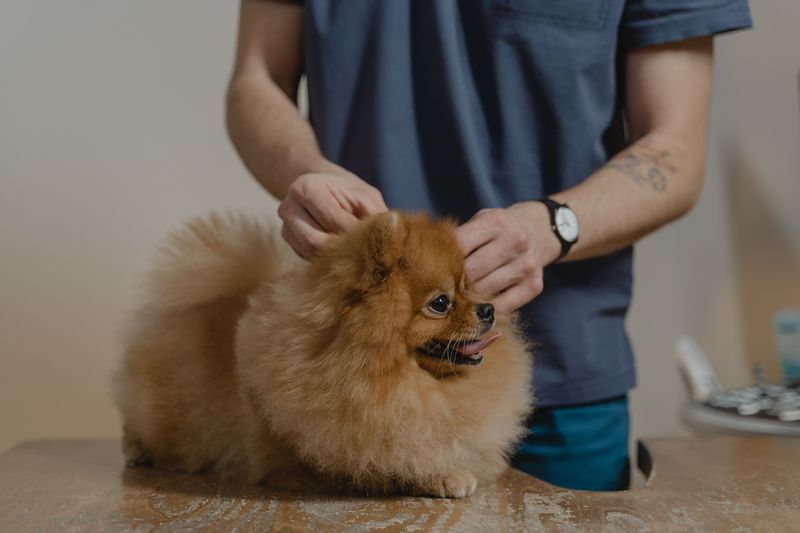
Ticks can hide where your dog loves to sniff, including grass and brush. Ask which flea and tick product fits your dog’s age, weight, health, and daily routine.
Your vet can explain how often to give it and whether protection should continue year round.
Also ask how to check ears, paws, and coat after walks. Never combine products without veterinary advice.
Keep a record of doses so busy storm weeks do not interrupt protection.
4. Is My Dog’s Heartworm Plan on Track?
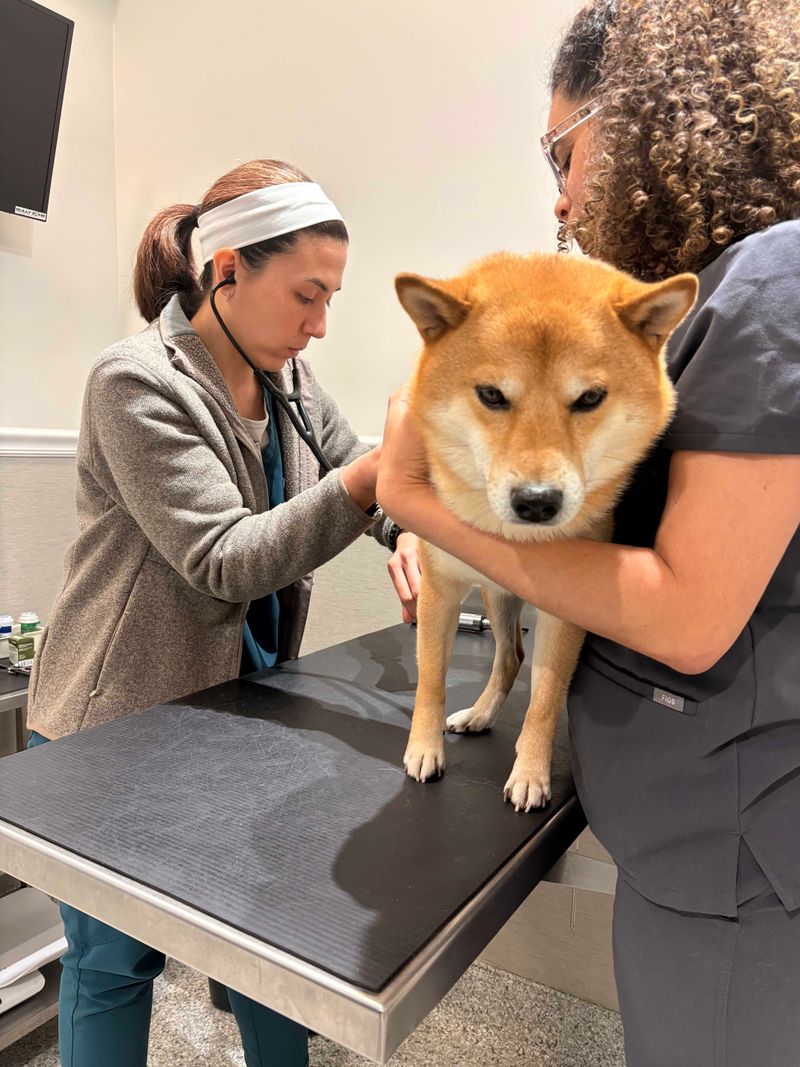
Mosquitoes thrive around warm, wet places, making heartworm prevention a useful topic before storm season. Ask your vet whether your dog needs a heartworm test and which preventive schedule to follow.
Many dogs need protection throughout the year, not just in summer.
If you missed a dose, call before restarting or changing products. Your vet can give advice based on the product and missed time.
Put future doses on a calendar you actually check.
5. What Does Storm Stress Look Like?
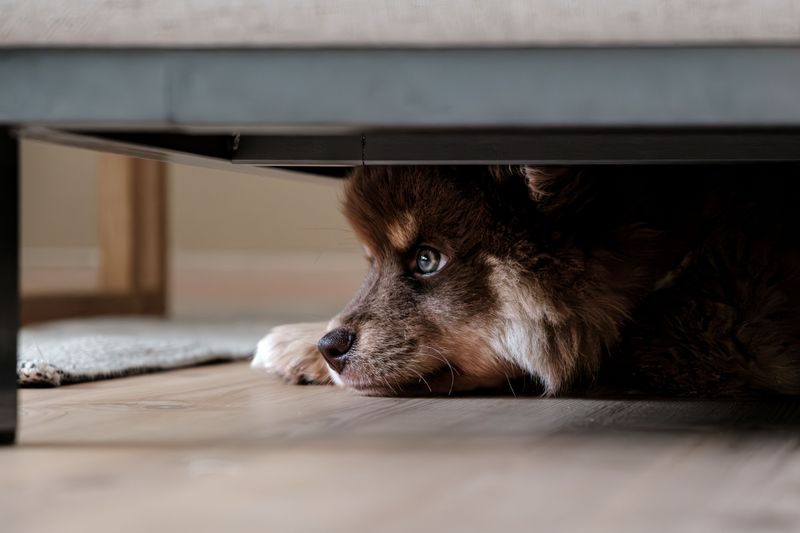
Some dogs nap through thunder, while others notice a storm long before you do. Ask your vet how to recognize stress in your dog.
Pacing, hiding, trembling, drooling, or refusing food may offer clues. Note when the behavior starts and how long it lasts.
Share those details at your visit, along with a short video if safe to record. Your vet can help separate storm fear from other health concerns and suggest a plan that fits.
6. What Can Help My Dog Feel Safer During Thunder?
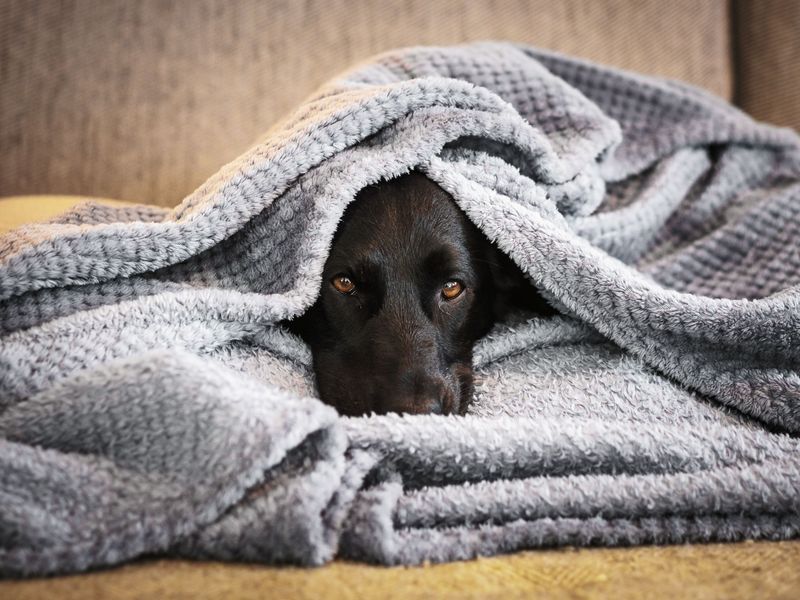
A favorite blanket will not solve every storm, but a familiar space can help. Ask your vet about a quiet room, gentle practice with storm sounds, and other suitable tools.
For stronger fear, your vet may discuss behavior support or prescription medicine.
Make that plan before thunder is overhead. Avoid giving human medicine or pet calming products without checking first.
Practice using the safe space on calm days, so it feels ordinary when the weather changes.
7. What Should I Plan for a Power Outage?
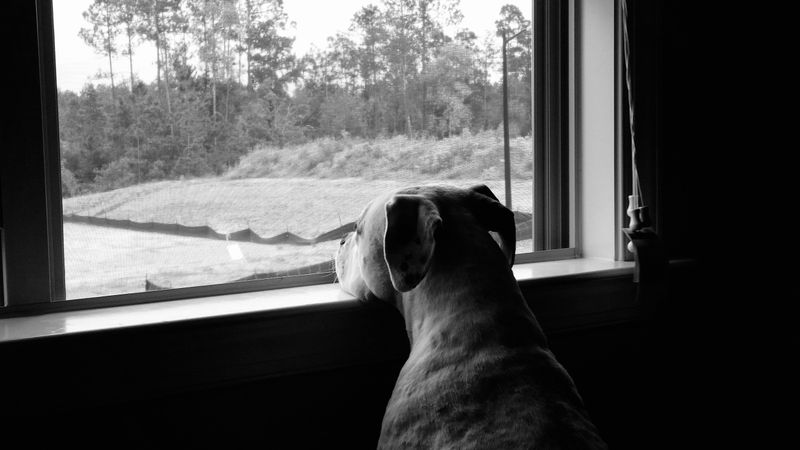
When the lights go out, your dog still needs water, medicine, and a comfortable place to rest. Ask your vet how to store any temperature sensitive medicine during an outage.
Learn how long supplies can safely remain without refrigeration, if that applies.
Keep several days of food, water, and needed medicines ready. Add a leash, waste bags, and copies of key records.
If your home gets too hot, ask where your dog can safely go.
8. How Should I Care for Wet Paws and Skin?
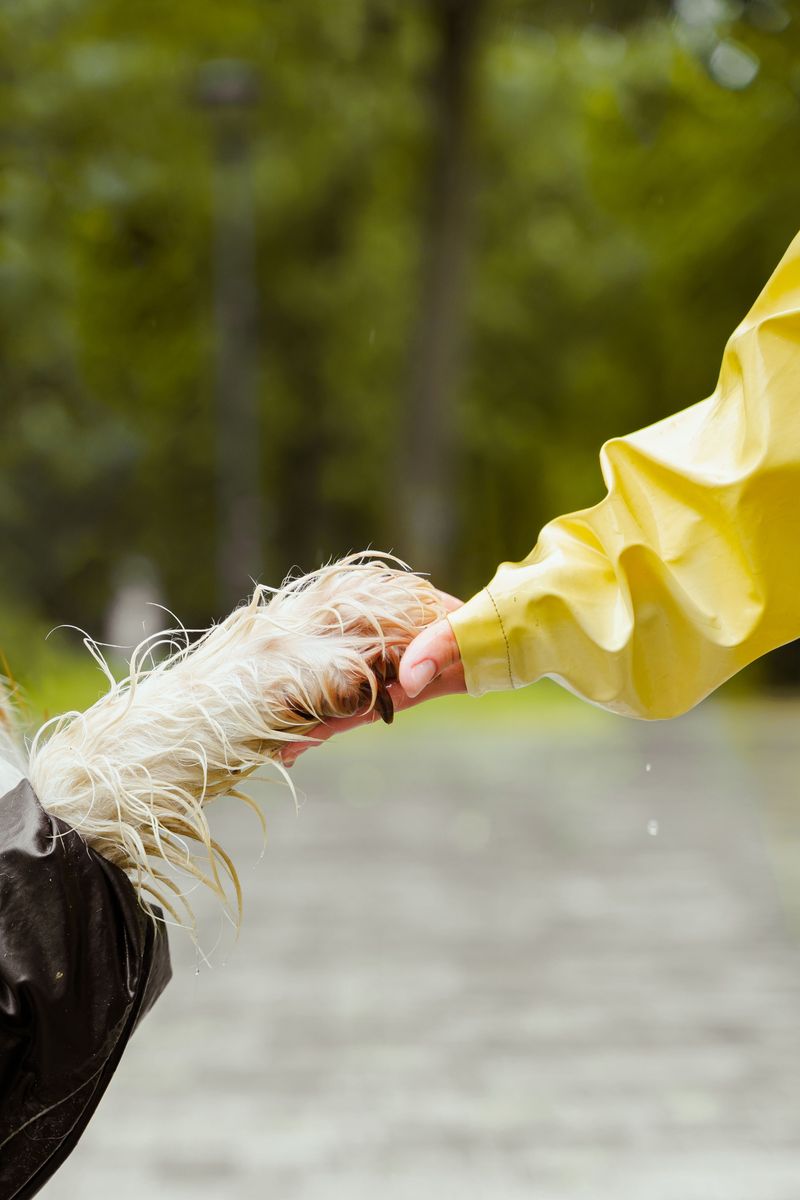
Muddy paws are a normal part of rainy walks, but damp skin can get irritated. Ask your vet how to clean and dry your dog after wet outings.
Check between toes, under collars, and beneath thick fur, where moisture may linger.
A gentle rinse may help remove mud or lawn residue. Dry carefully rather than rubbing sore spots.
If you notice redness, itching, an unusual smell, or repeated licking, ask whether your dog needs an exam.
9. When Do Rainy Day Ears Need a Check?
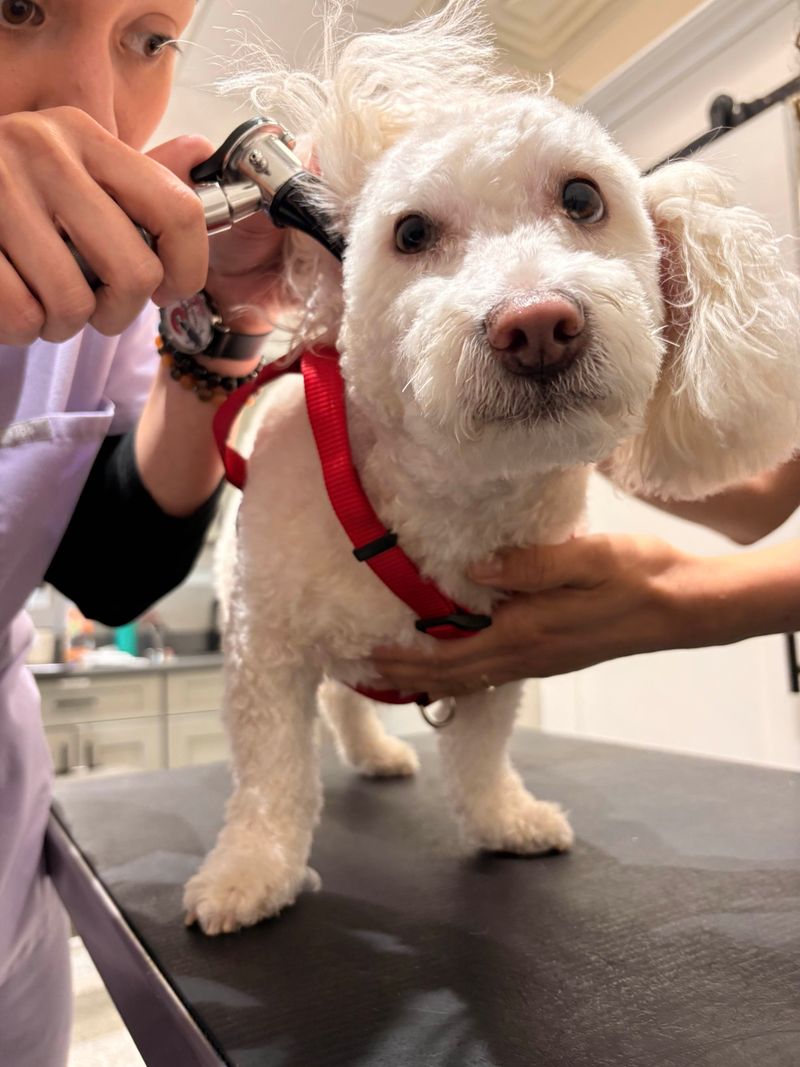
Floppy ears and a rainy romp can leave some dogs with damp ear canals. Ask your vet whether your dog needs any special ear care after swimming or wet walks.
They can show you what healthy ears usually look and smell like.
Watch for head shaking, scratching, redness, or a new odor. Do not put cotton swabs deep into the ear canal.
Use only a cleaner your vet recommends, and ask for an exam if symptoms appear.
10. Which Storm Debris Should My Dog Avoid?
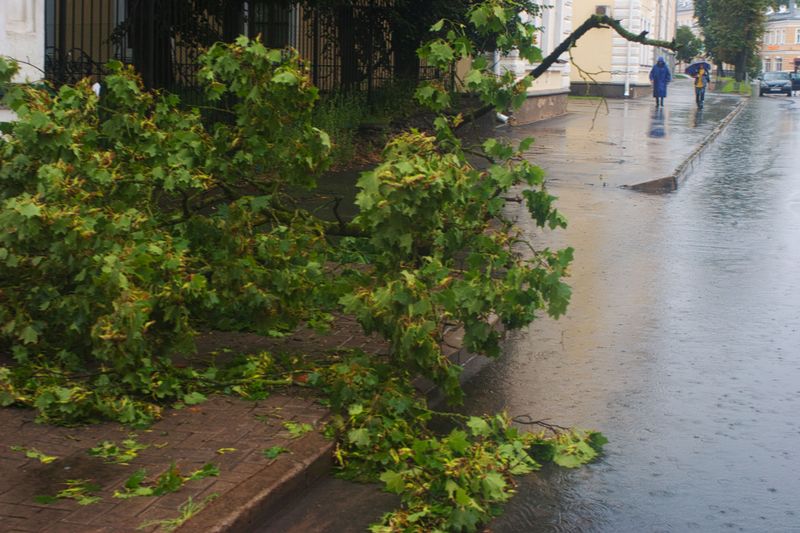
After a storm, familiar sidewalks and yards may look different to a curious nose. Ask your vet what to do if your dog steps on or mouths debris.
Branches, sharp pieces, damaged fencing, and spilled household products all deserve a careful look.
Walk the route yourself before letting your dog explore. Use a leash near cleanup areas, and keep your dog away from downed wires.
Report electrical hazards to the utility company or local authorities.
11. Is Standing Water Safe to Sniff or Drink?
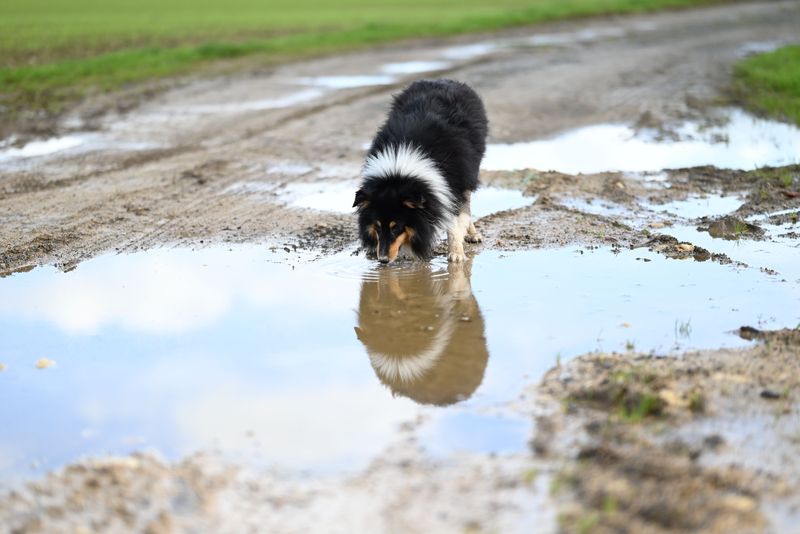
A puddle can look like a handy drink after a warm walk. Ask your vet about local water risks, including germs and possible exposure to leptospirosis.
Risks vary by place and activity, so discuss where your dog walks and plays.
Bring clean drinking water, and steer your dog away from floodwater and unknown puddles. Ask whether leptospirosis vaccination fits your dog’s routine.
If your dog seems unwell after exposure, tell your vet what happened.
12. What If My Dog Swallows Something Outside?
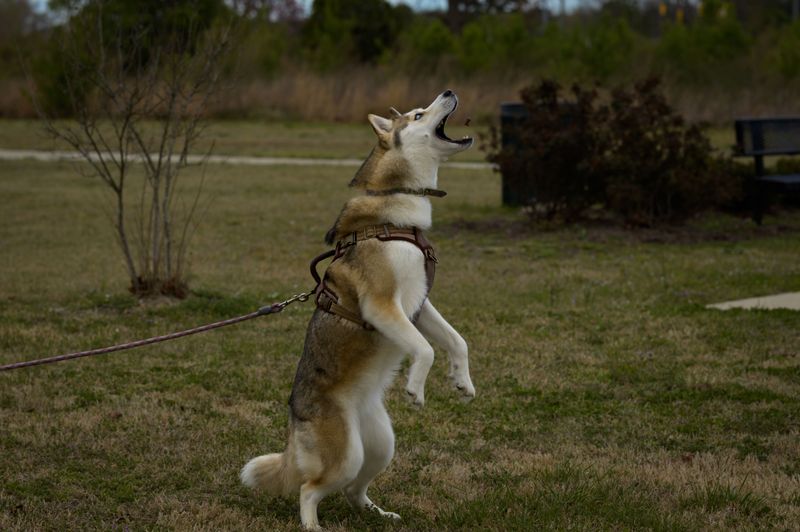
Dogs investigate with their mouths, especially when wind scatters interesting things across the yard. Ask your vet whom to call if your dog eats a plant, mushroom, dropped medicine, or unknown object.
Save packaging or take a clear photo when possible.
Tell the clinic what your dog ate, about how much, and when. Do not make your dog vomit unless a veterinarian directs you.
Prompt advice can help you choose the right next step.
13. Where Can We Go After Hours?
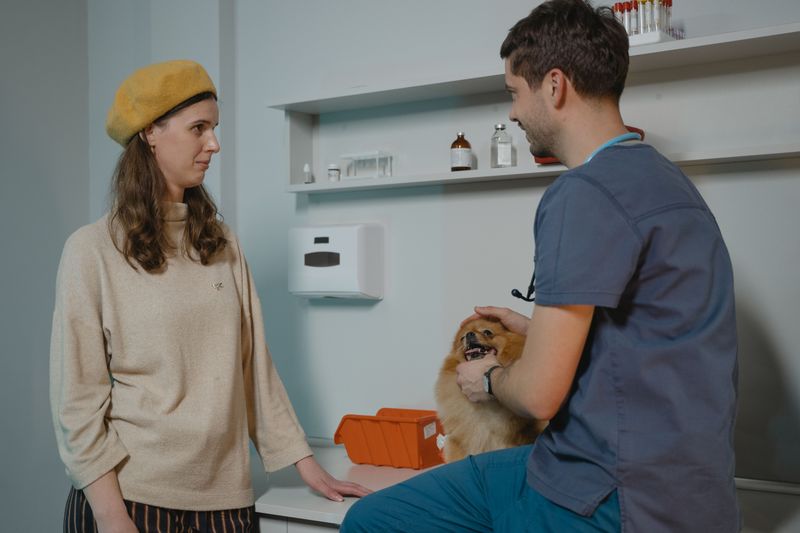
Finding an open clinic is easier before you need one. Ask your regular vet which emergency hospital serves your area after hours.
Confirm its address, phone number, hours, and whether you should call before arriving.
Save the details in your phone and keep a paper copy with your dog’s supplies. Storms can affect roads and clinic operations, so check current conditions before traveling.
If your usual option closes, your vet may know another nearby choice.
14. Are My Dog’s Vaccines and Records Ready?
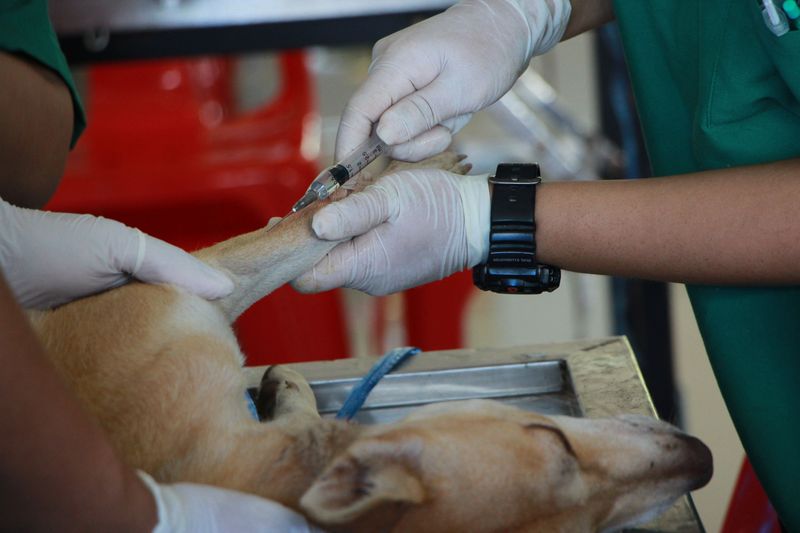
A small folder can save time when travel plans change quickly. Ask your vet to review vaccines, current medicines, allergies, and your dog’s microchip details.
North Carolina requires rabies vaccination for dogs four months of age or older, with specific state rules for boosters.
Ask which other vaccines fit your dog’s activities and any boarding plans. Keep digital and paper copies of records.
Confirm your phone number is current wherever your dog’s microchip is registered.
15. Which Signs Mean I Should Not Wait?
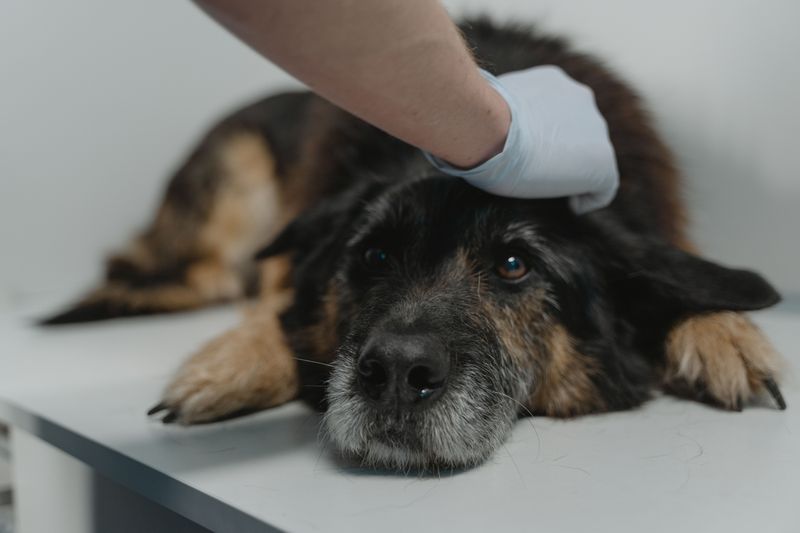
You know your dog’s normal habits better than anyone. Ask your vet which changes require an urgent call, especially during heat or after a storm.
Trouble breathing, collapse, repeated vomiting, or trouble walking should not wait for a routine visit.
Keep the clinic number and an after hours option nearby. When you call, describe the signs and when they began.
A clear plan leaves more room for calm decisions and comfortable days together.