19 Indoor Activities New York Walk-Up Owners Can Do Without Annoying Downstairs Neighbors
Living in a New York walk-up with a dog means sharing floors, ceilings, and a lot of sound. Old buildings often carry footsteps, thumps, and bouncing balls straight to the neighbors below.
The good news is that a tired dog does not need to be a noisy one. Brain games, calm training, and sniffing activities can wear out your pup gently.
Each idea below uses simple tools you may already own. Think of this list as friendly advice from a fellow city dog owner.
Here are quiet ideas that keep tails wagging and neighbors smiling.
1. Stuff a Food Puzzle Toy
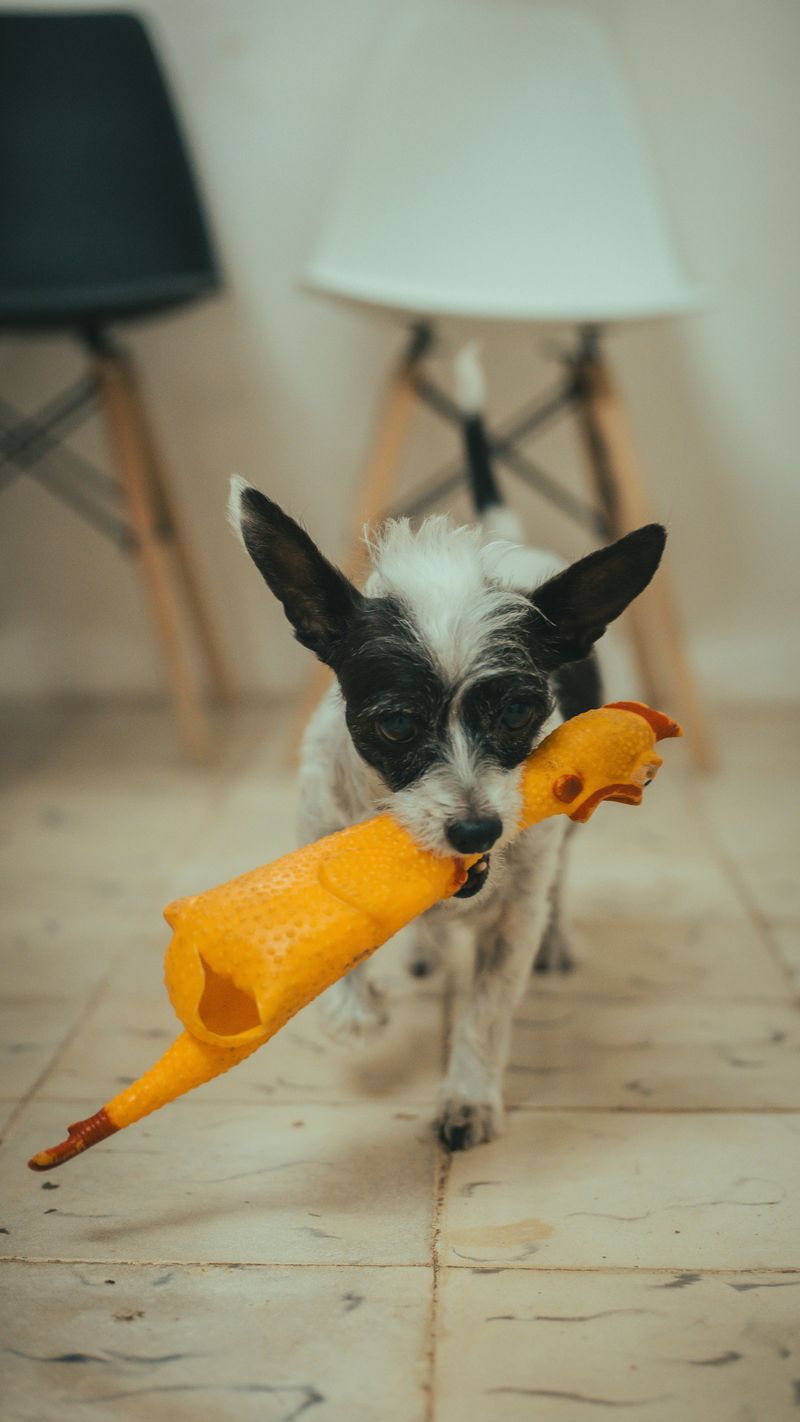
Picture a rainy Tuesday when the park feels miles away. A stuffed rubber toy can turn that gloomy afternoon into a calm, busy one.
Rubber is soft on hardwood, so it rarely makes a thud downstairs.
Fill the toy with kibble, a bit of plain canned pumpkin, or wet dog food. Start loose and easy, then pack it tighter as your dog gets skilled.
Place a towel or rug underneath to muffle any rolling. Choose a size your dog cannot swallow.
2. Use a Lick Mat
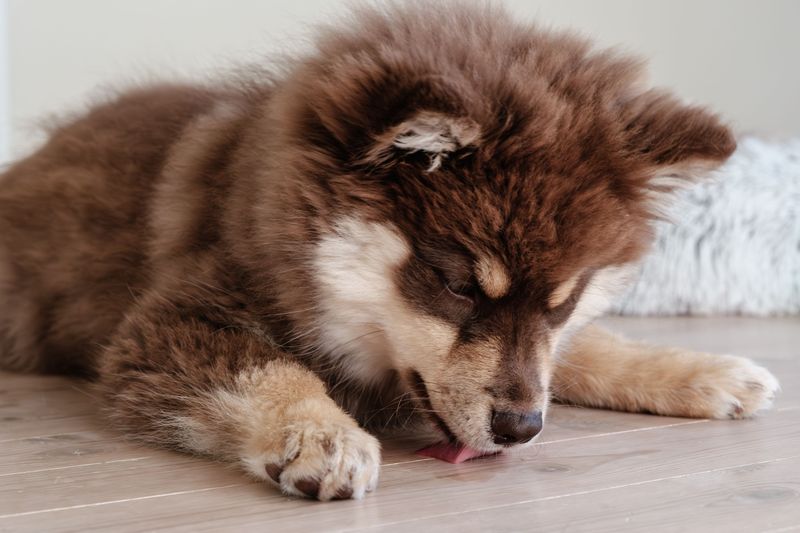
Licking is one of the most soothing things a dog can do. Repetitive licking helps many dogs relax, which is why lick mats have become so popular with apartment owners.
Spread a thin layer of plain yogurt, mashed banana, or wet food across the textured surface. For a longer session, freeze the mat overnight.
Always skip anything with xylitol, grapes, or onions. Supervise your dog, and pick up the mat once it is licked clean to prevent chewing.
3. Hide Treats for a One-Room Scent Search
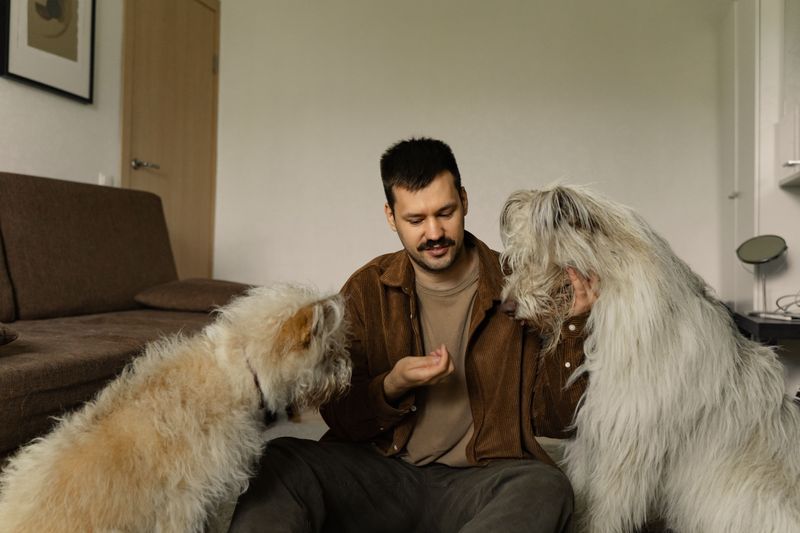
Your dog’s nose is a powerful tool, and sniffing can be surprisingly tiring. Many trainers say a good sniff session rivals a walk for mental exercise.
Keep the game to one room so your dog stays focused and calm. Ask for a sit, then hide small treats in easy, low spots while your pup watches.
Once your dog catches on, try trickier places like behind a chair leg. Soft rugs help cushion any eager paws.
Keep treat pieces tiny to protect their waistline.
4. Play the Find It Game
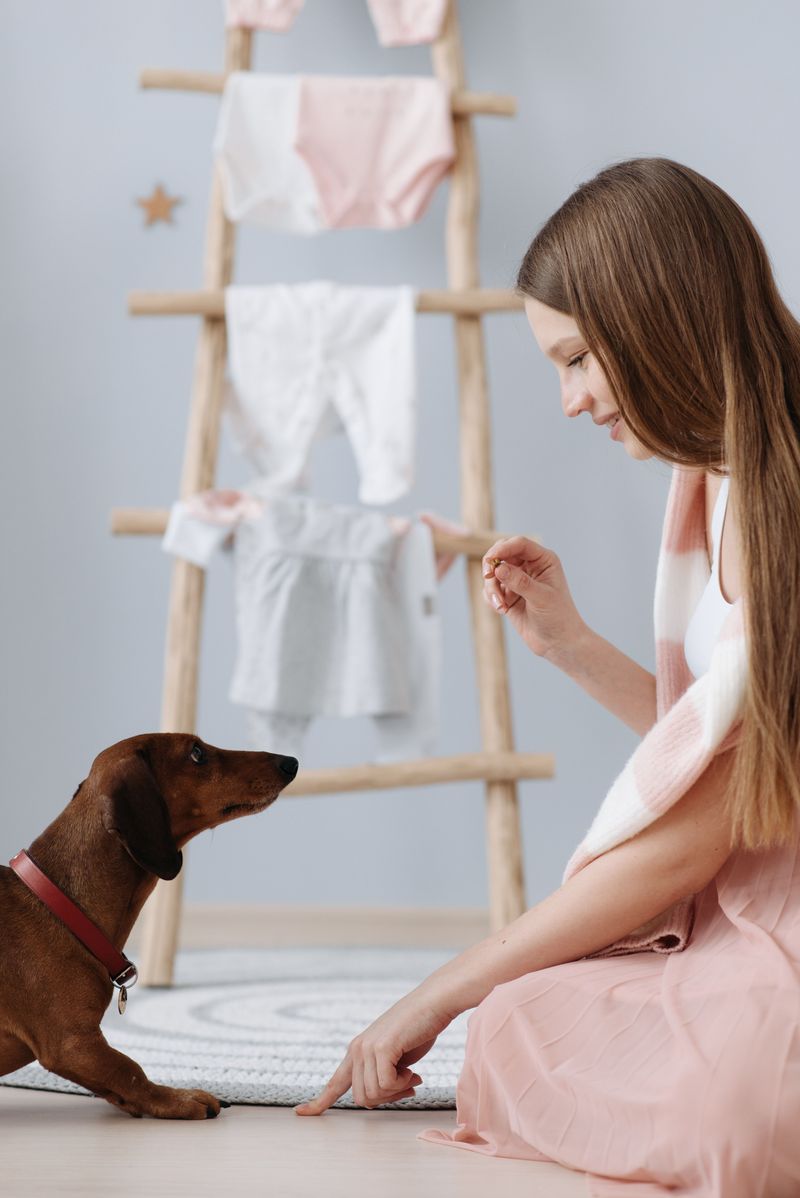
Here is a cue that pays off far beyond rainy days. Find It teaches your dog to switch into sniffing mode on request.
Start by tossing a treat in plain view while saying the words cheerfully. Toss it gently along a rug, not a bare floor, so there is no scrambling.
After a few rounds, place treats behind a door or under a pillow.
On walks, the same cue can redirect attention away from distractions. That makes it a skill worth polishing indoors.
5. Teach Hand Targeting
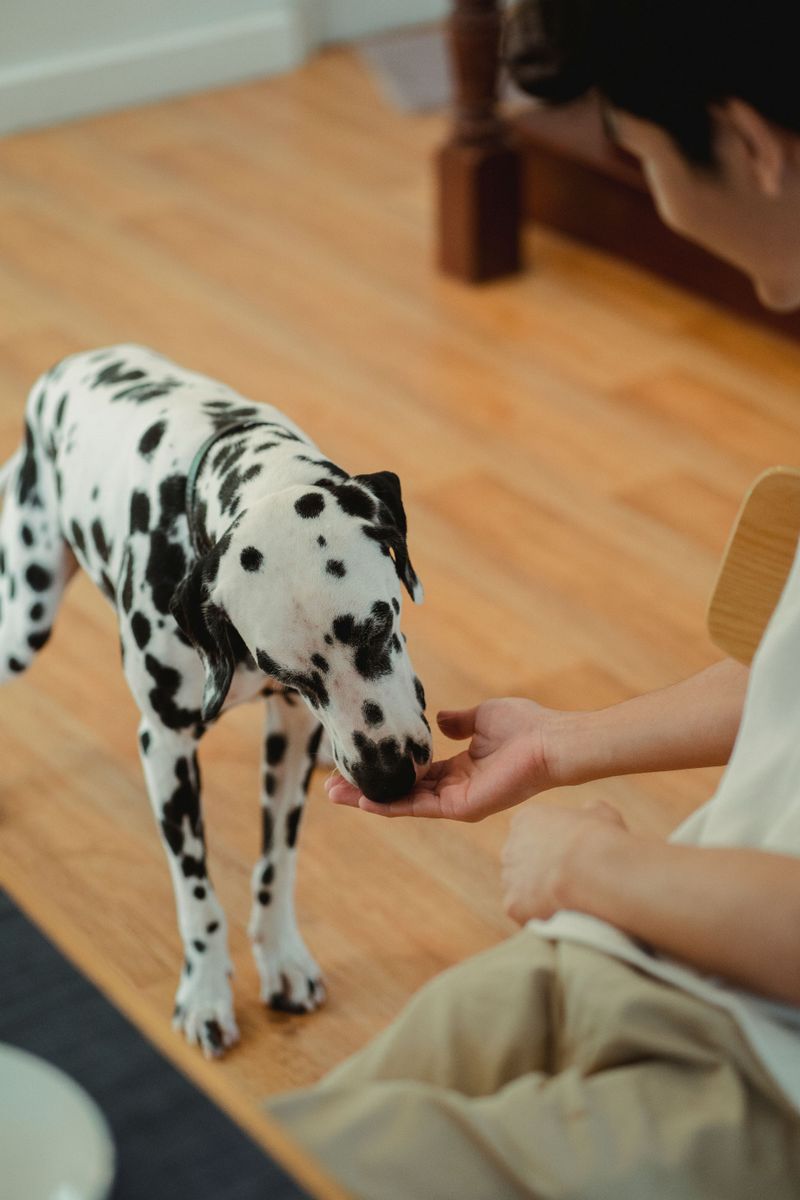
Can a simple boop really be useful? Hand targeting, where your dog touches its nose to your palm, turns out to be surprisingly handy.
Hold your open hand a few inches from your dog’s face. The moment that nose bumps your palm, say yes and reward.
Repeat in short bursts, then slowly move your hand farther away.
Soon you can use it to guide your dog off the couch or away from the door. No shouting, no leash tugging, and no noise.
6. Practice Sit, Down, Stay, and Place
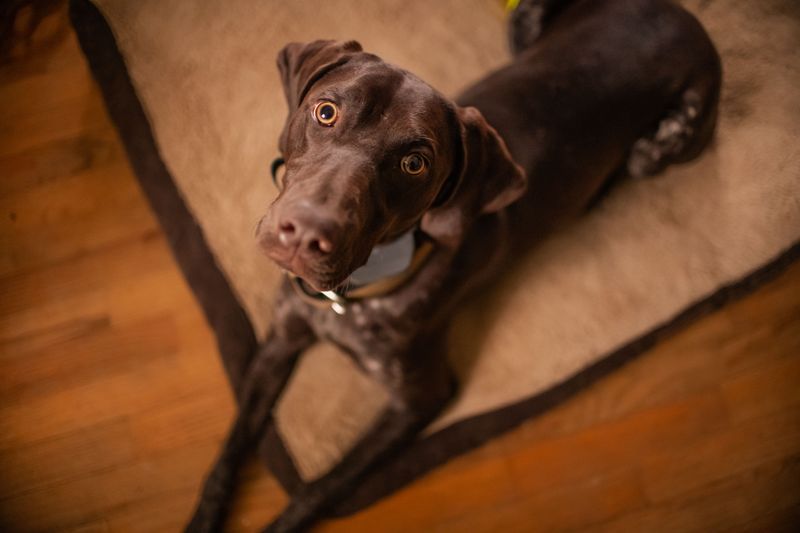
Classic cues never go out of style, especially in a small apartment. Sit, down, stay, and place build self-control, which helps dogs stay calm indoors.
Place means going to a bed or mat and staying there until released. Work in a quiet room with few distractions, and reward generously.
Use kind, reward-based methods.
Add a second or two of waiting before each treat. Over time, your dog learns that stillness brings good things.
A calm dog makes for quiet floorboards.
7. Teach Quiet Tricks Like Paw, Chin Rest, or Nose Touch
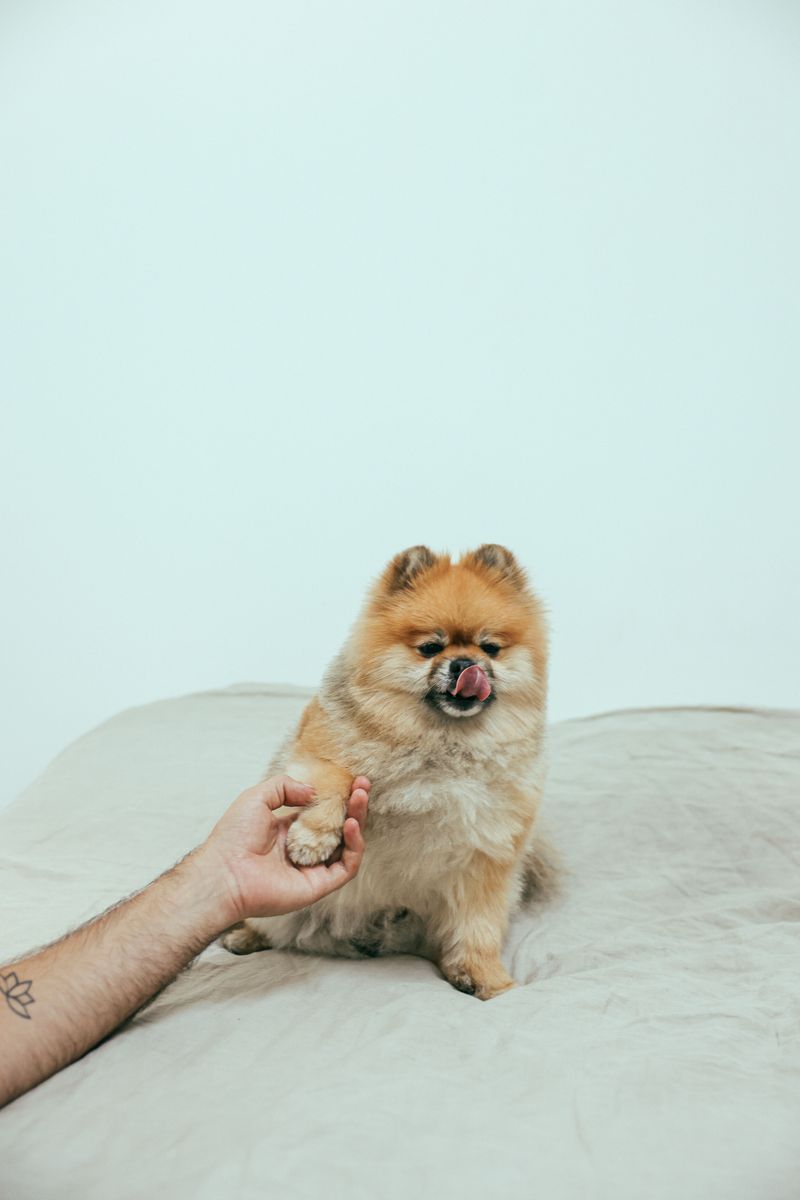
Not every trick needs spins and jumps. Some of the most charming ones happen almost in slow motion.
Paw is easy to start. Hold a treat in a closed fist, and reward any paw lift.
For a chin rest, reward your dog for laying its chin in your palm.
Nose touch builds on hand targeting, so you may already have it. Chin rests are wonderful for calming an excited dog.
They also encourage stillness before grooming or vet visits.
8. Build Name Recognition and Short-Distance Recall
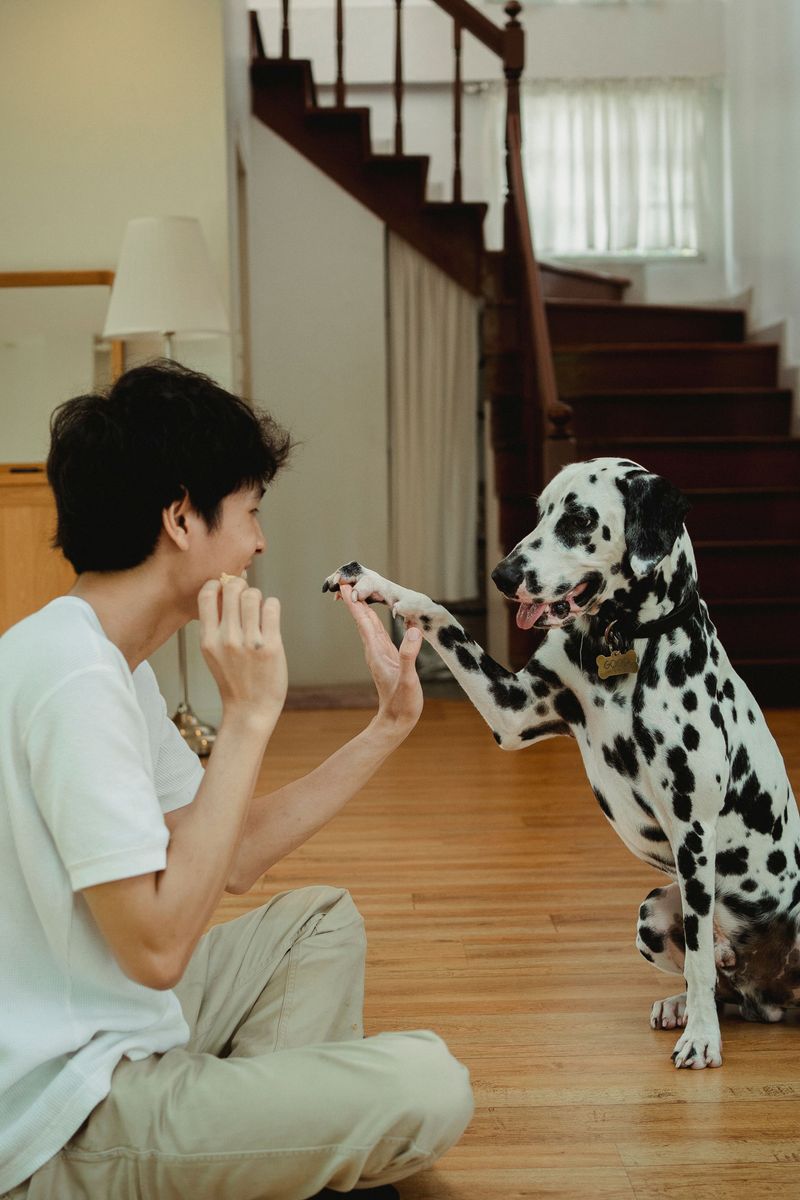
A dog who turns at the sound of its name is a safer dog. Stairwells, lobbies, and busy sidewalks all call for quick attention.
Begin in a small, quiet room. Say your dog’s name once, and reward the instant those eyes meet yours.
Keep practice upbeat and never use the name for scolding.
For recall, back up a few steps and say come in a happy voice. Reward warmly when your dog arrives.
Add distance and mild distractions only after success feels easy.
9. Play a Gentle Shell Game with Cups
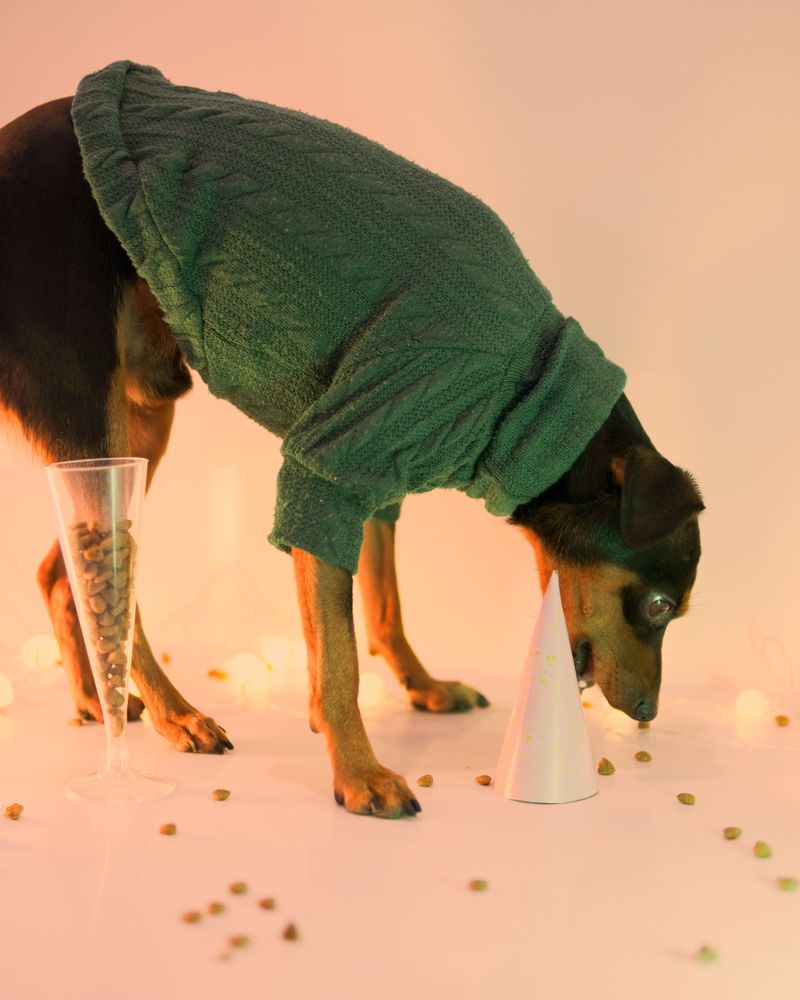
Street performers are not the only ones who love a good cup trick. Dogs can play too, and their noses give them an unfair advantage.
Start with one plastic or paper cup and a smelly treat. Let your dog watch you hide it, then encourage a nudge.
Add a second and third cup once your pup understands.
Slide the cups slowly on a rug or towel to keep things quiet. Skip glass or ceramic, which can tip and clatter.
10. Use a Snuffle Mat
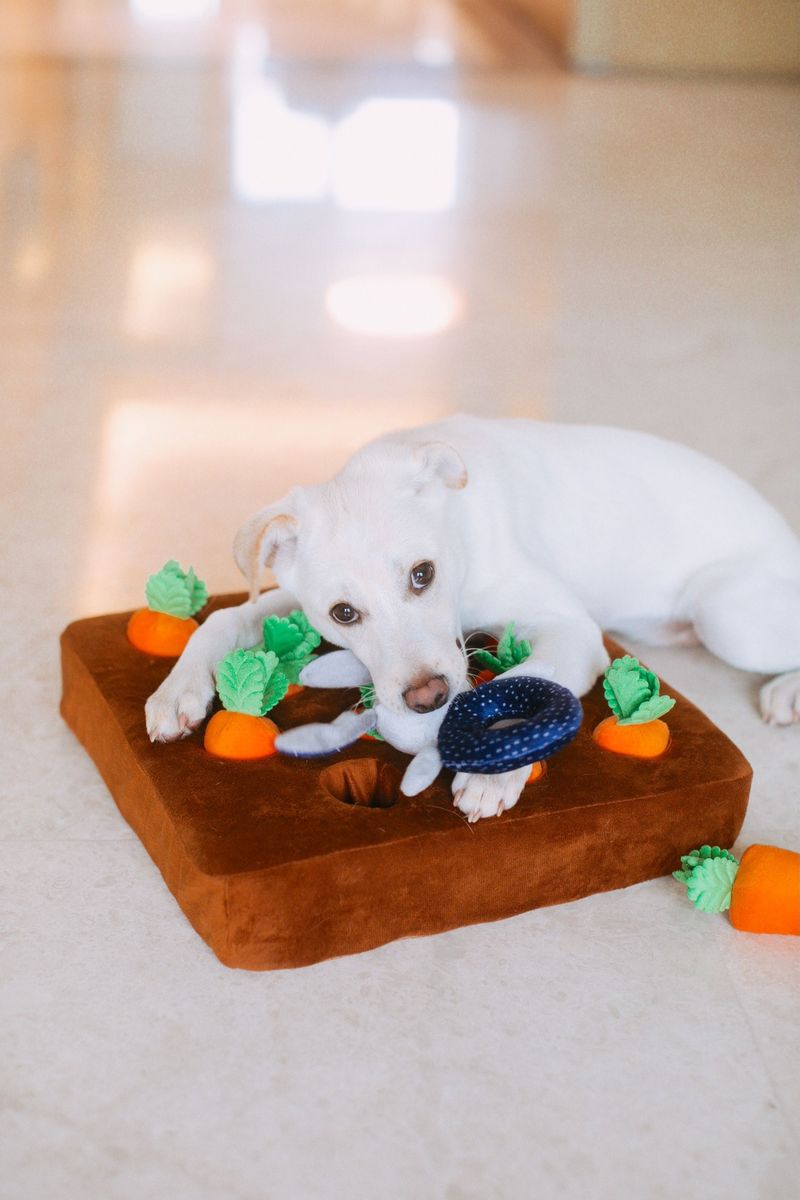
Think of a snuffle mat as a tiny grassy field for your living room. Its fleece strips hide kibble, and your dog forages to find every piece.
Because the mat is fabric, the whole activity is nearly silent. It also slows down speedy eaters, turning a two-minute meal into a longer, calmer project.
Scatter part of breakfast into the strips and let your dog go to work. Supervise dogs who might chew fabric, and wash the mat regularly.
11. Teach Toy Names
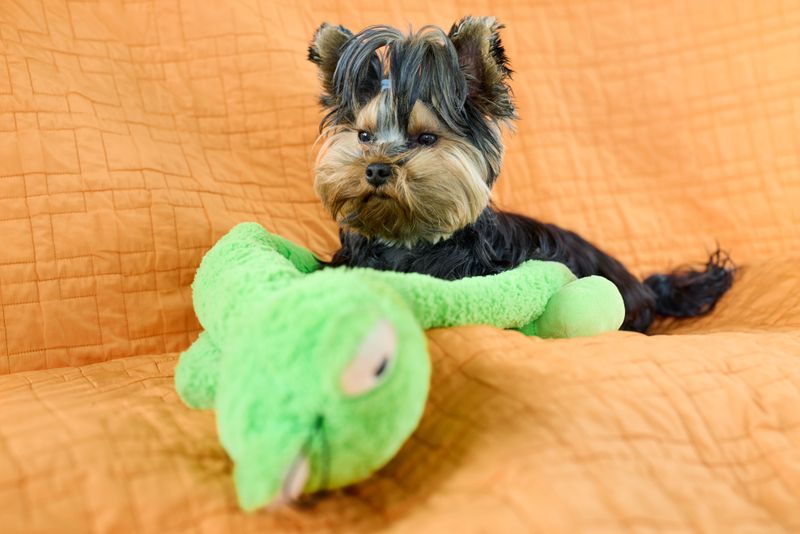
Some dogs have learned the names of dozens of toys. Researchers have studied these word-savvy pups, and the results are pretty impressive.
Your dog does not need to be a genius to enjoy this game. Pick one soft toy, name it clearly during play, and reward when your dog picks it up.
Once that sticks, add a second toy and ask for one by name.
Plush toys work best here. They land softly and keep the game neighbor-friendly.
Keep sessions short and celebrate every correct pick.
12. Train a Toy Cleanup Routine
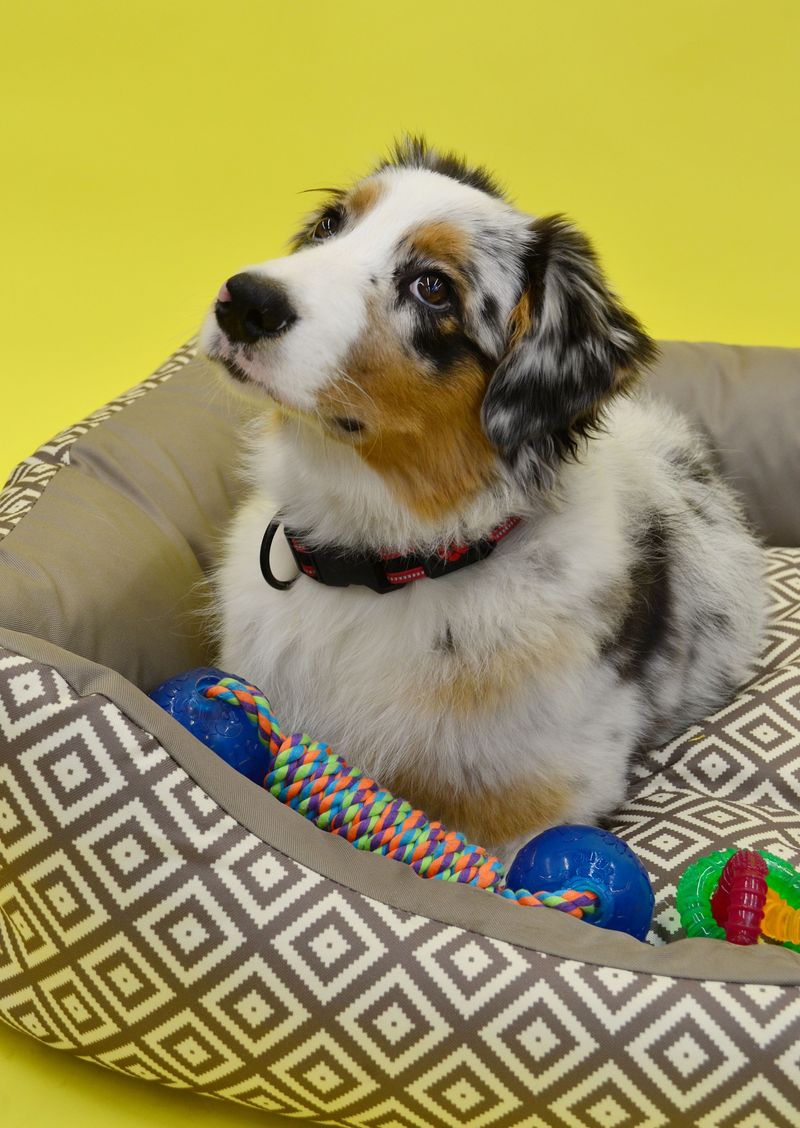
Imagine coming home to a tidy floor because your dog cleaned up. It sounds like a dream, but many dogs can learn it.
Trainers often teach this through shaping, which means rewarding small steps. First, reward your dog for picking up a toy.
Next, reward holding it near the basket, then dropping it inside.
Use a low, soft-sided fabric basket to reduce noise. Plush toys drop quietly, and the whole routine builds focus and body awareness.
Patience matters, so expect progress over several days.
13. Try Slow Treat-Following Exercises
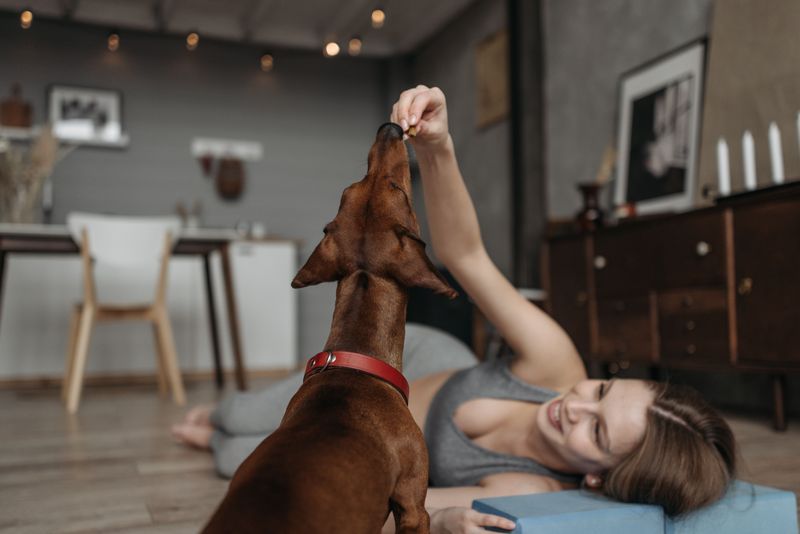
Slow and steady really does win here. Treat-following, sometimes called luring, uses a treat to guide your dog through gentle movements.
Hold a treat at your dog’s nose and move it slowly in a small circle. Your dog follows with its body, learning balance and focus.
You can also guide a slow spin, a backward step, or a bow.
Very little space is needed, so even a narrow hallway works. Keep movements calm to avoid excited hopping.
Fade the lure over time.
14. Practice Settle-on-a-Mat Training
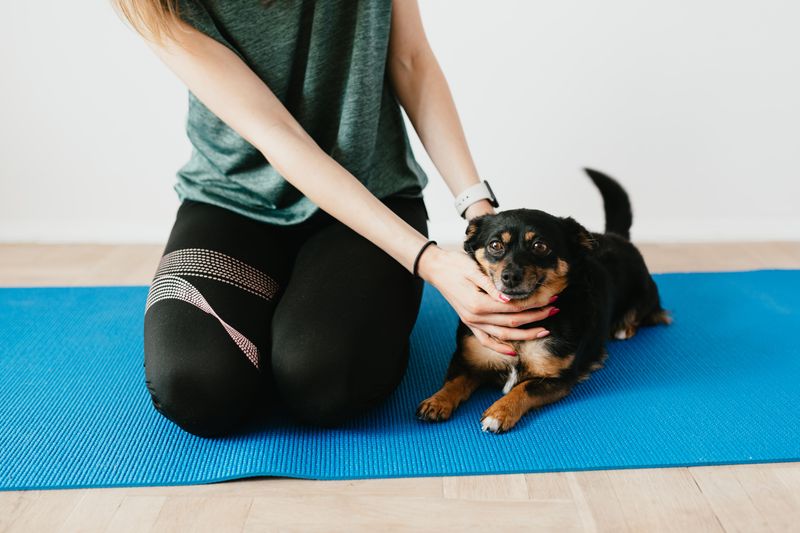
When the buzzer rings or dinner is cooking, a settled dog is a gift. Mat training teaches your pup that one special spot means relax.
Lay down a mat in a quiet corner. Reward any interest at first, like a sniff or a paw on the mat.
Then reward lying down, and gradually wait longer before each treat.
Calm, low praise works better than excited cheering. The mat is portable too, which helps during visits or trips.
15. Offer a Safe Long-Lasting Chew
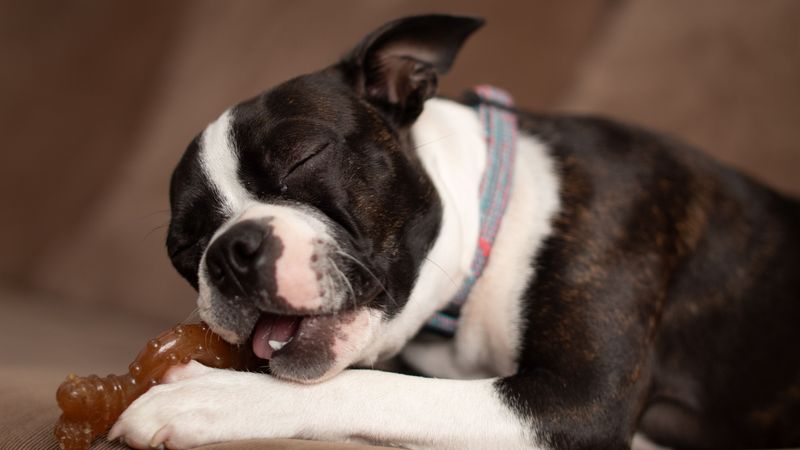
Chewing is natural, and a good chew can keep a restless dog content for a while. The key word is safe.
A common rule from veterinary dentists: if you cannot dent it with a fingernail, it may be too hard. Very hard items like antlers or bones can crack teeth.
Softer options, such as bully sticks or rubber chew toys, are often better choices.
Pick a size your dog cannot swallow whole. Always supervise, and ask your vet about chews for your dog.
16. Try Cardboard-Box Treat Searches
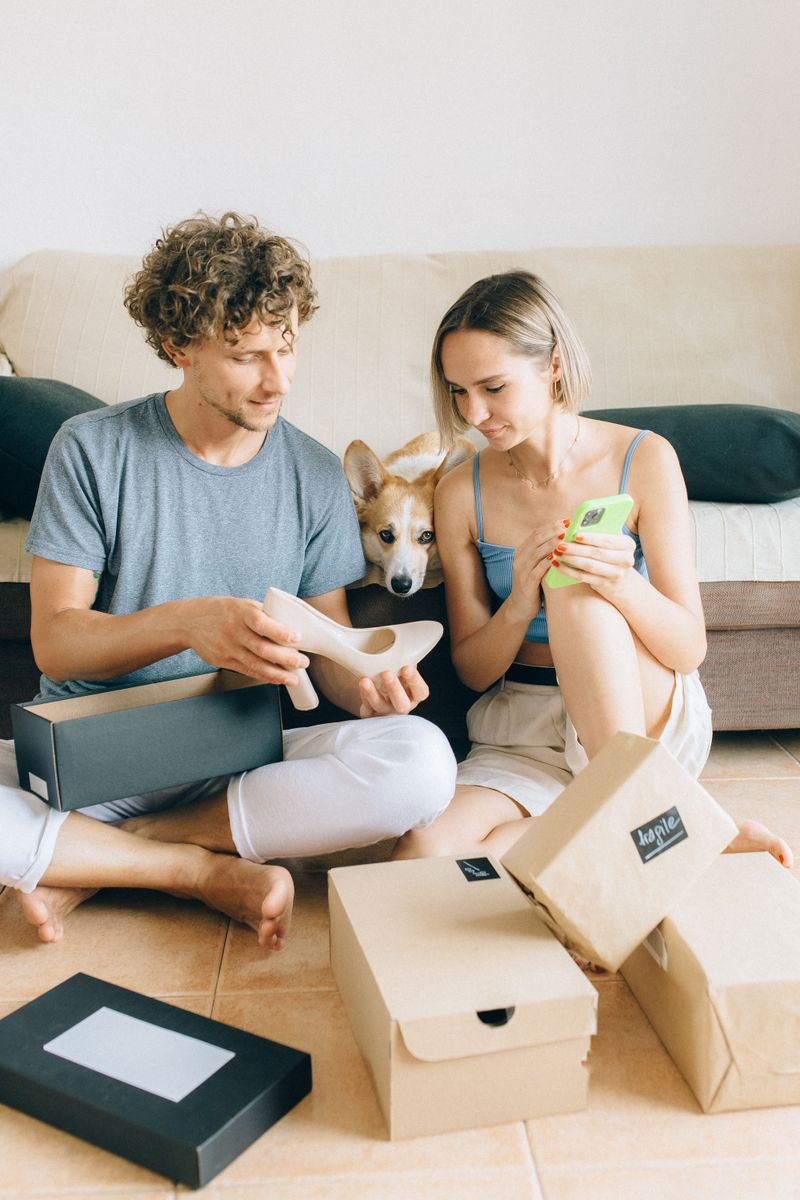
Every New Yorker has a stack of delivery boxes somewhere. Those boxes can become a free and surprisingly fun sniffing game.
Remove tape, staples, and plastic first. Drop a treat into an open box, and let your dog nose around inside.
For more challenge, fold the flaps loosely or nest a small box inside a bigger one.
Cardboard is soft and quiet on the floor. Some shredding is normal, but step in if your dog starts swallowing pieces.
17. Practice Cooperative Grooming and Handling
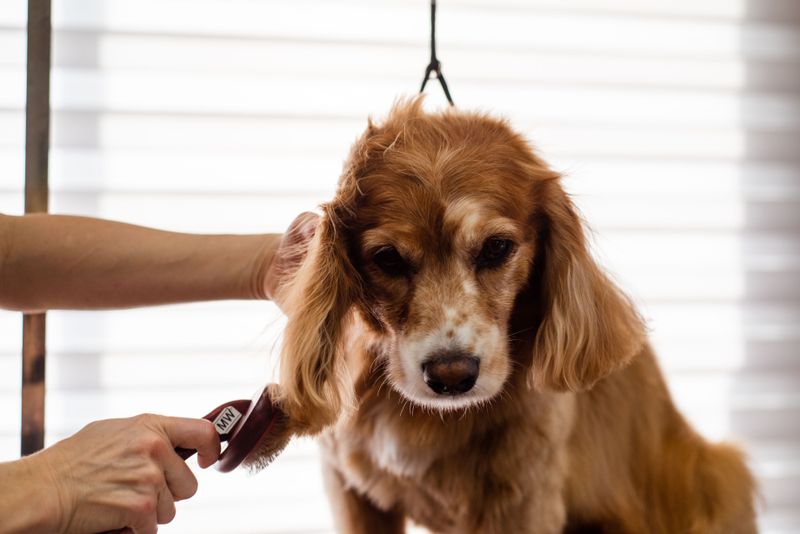
Nail trims and ear checks go smoother when your dog feels like a partner. Cooperative care builds that trust one small step at a time.
Touch a paw briefly, then reward. Offer a lick mat during brushing so handling feels pleasant.
Many trainers use the chin rest as a signal that the dog is ready.
If your dog lifts its head away, pause and try again later. That choice builds confidence, and it keeps sessions calm and quiet.
18. Set Up a Quiet Indoor Scent Trail
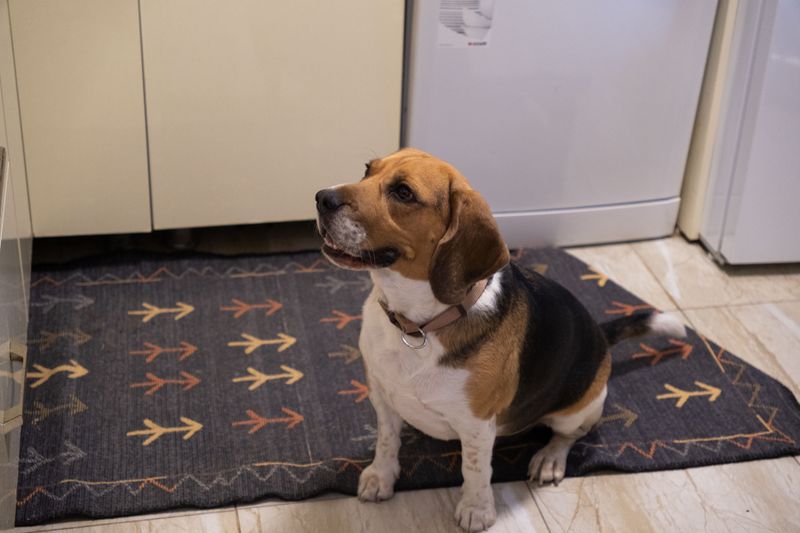
Ready to level up from Find It? A scent trail asks your dog to follow a path of tiny rewards from one spot to the next.
Place small treats a few feet apart, leading from the hallway to the living room. Put a bigger reward at the end, like a stuffed toy.
Start with short, straight trails, then add turns as skills grow. Run the trail across rugs when possible.
Tracking this way is calming, focused work that tires the mind.
19. Fit Short Training Sessions into Your Day
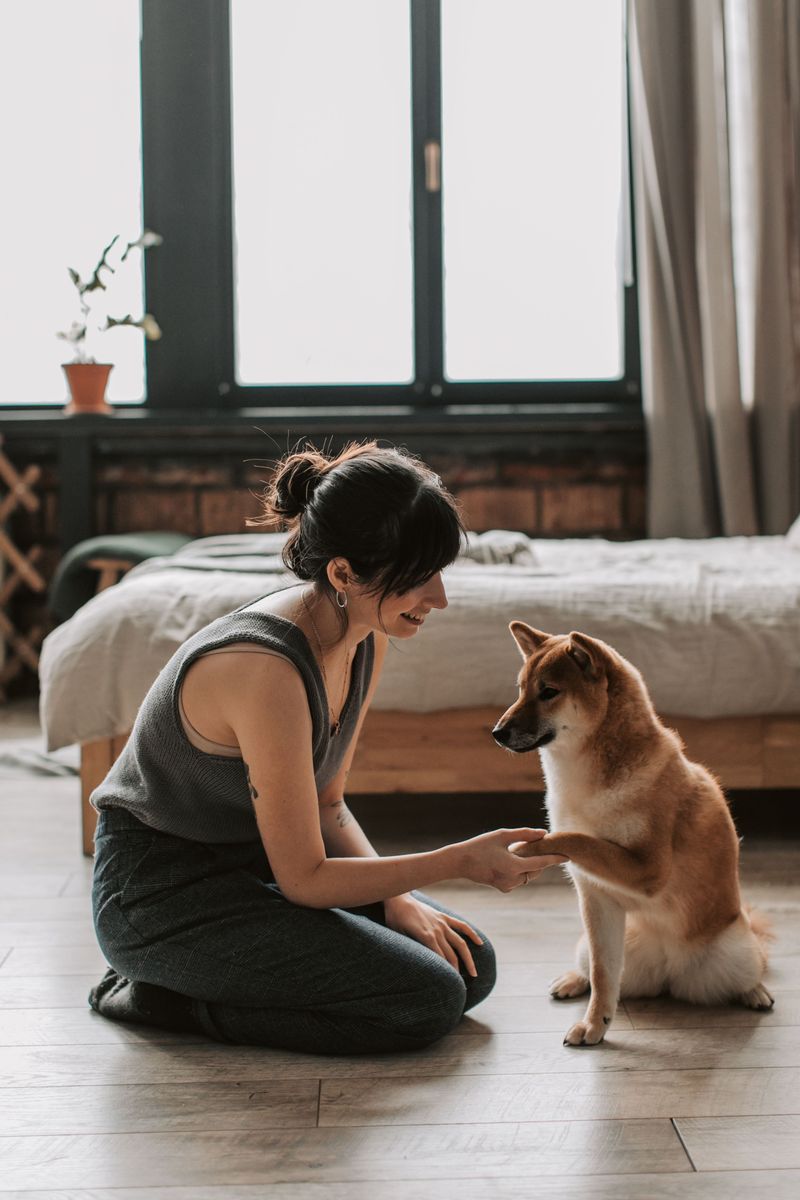
Long training marathons can leave dogs frazzled. Short sessions of five to ten minutes keep learning fresh and fun.
Sprinkle them into your day, like before breakfast or during a work break. Mix easy wins with one new skill, and always end on success.
Your dog will start looking forward to these mini lessons.
Brief, frequent practice helps manage energy in small spaces. With these quiet ideas, your dog stays content, and your neighbors stay happy.
A calm walk-up home is well within reach.