What New York Owners Should Know Before Sending A Dog To Daycare

Finding the right daycare can make busy New York days easier for you and your dog. But a cheerful playroom tells only part of the story, especially when health rules and daily routines vary.
Before booking, you deserve clear answers about safety, staffing, costs, and your dog’s comfort. A little preparation helps you choose care that fits your dog, rather than expecting every dog to enjoy the same experience.
1. Check Whether Your Dog Is Ready for Daycare

A dog who loves neighborhood walks may still dislike a crowded playroom. Consider how your dog handles unfamiliar dogs, noise, shared space, and time away from you.
Puppies, older dogs, and dogs with health concerns may need different arrangements. Ask your veterinarian whether group activity suits their needs.
Watch for relaxed movement and willing participation, not just excitement. A trusted walker or quiet sitter can be a better fit, and that is completely fine for many dogs.
2. Understand New York’s Dog Daycare Requirements
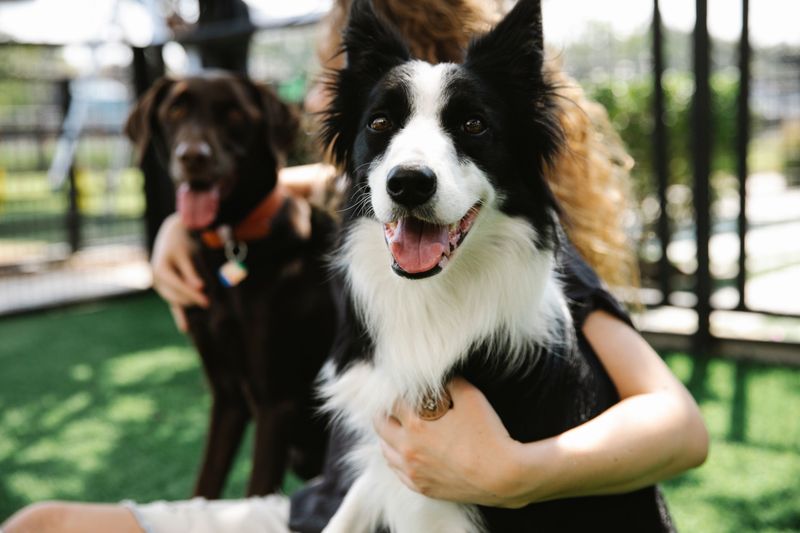
Location matters when checking the rules behind the front desk. New York City requires permits for boarding establishments, including businesses providing daycare.
Elsewhere in New York, local licensing, zoning, and operating rules can differ. Ask which approvals apply, then confirm with the relevant health department or municipal office.
Your dog’s license is separate from the facility’s permission to operate. Request current documentation rather than assuming a business registration proves compliance with every applicable animal care requirement locally.
3. Ask About Vaccination and Health Records
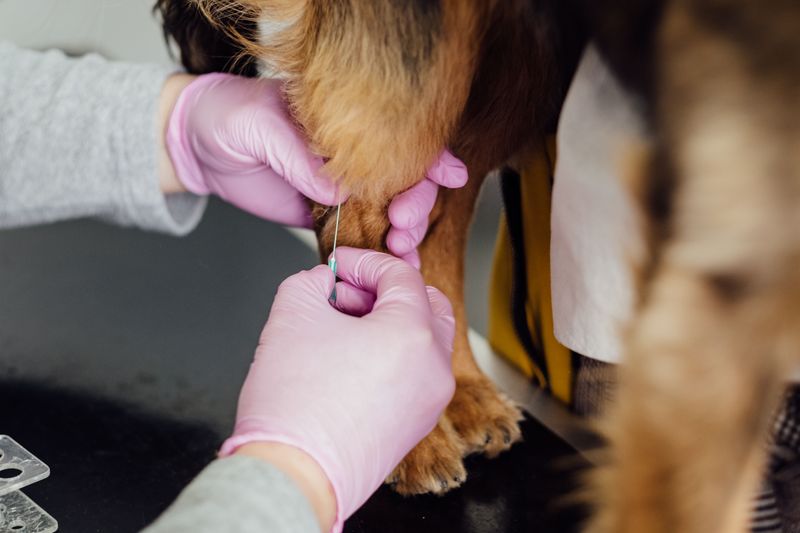
Paperwork helps protect every dog sharing the room. New York generally requires rabies vaccination for dogs four months and older, with limited exemptions.
Other vaccine requirements depend on local rules and facility policies. Ask about distemper combination vaccines, Bordetella, and canine influenza, including any waiting periods after vaccination.
Have your veterinarian send dated records before the first visit. Discuss your dog’s age, medical history, and exposure risks when deciding which additional protection makes sense for their situation.
4. Make Sure Your Dog Is Protected Against Parasites

City sidewalks do not make dogs immune to parasites. Fleas, ticks, and intestinal parasites can affect dogs across New York, including those using shared spaces.
Ask your veterinarian about suitable prevention and recommended stool testing. Products should match your dog’s weight, age, and health, rather than another owner’s routine.
Find out whether daycare requires parasite prevention or test results. Report itching, visible parasites, or digestive changes before attendance, and follow veterinary advice about returning safely to daycare.
5. Find Out How the Temperament Assessment Works

A thoughtful introduction should feel more like orientation than an audition. Ask how staff introduce unfamiliar dogs and recognize when either dog needs space.
Good assessments consider play style, handling comfort, and responses to the setting. One brief meeting cannot guarantee future behavior, so ongoing observation matters too.
Learn what happens if your dog seems unsure. A slower introduction, smaller group, or different service may help more than pushing through discomfort during an overwhelming first daycare visit.
6. Check How Dogs Are Grouped Together

Size is only one piece of a comfortable playgroup. Energy, age, play style, and confidence also shape whether dogs enjoy being together.
Ask how staff match dogs and adjust groups throughout the day. A quiet senior may need different company than a bouncy youngster of similar size.
Look for enough room to step away from play. Dogs should not have to tolerate repeated chasing, crowding, or unwanted contact just because everyone passed an initial screening assessment earlier.
7. Ask How Staff Supervise Playtime
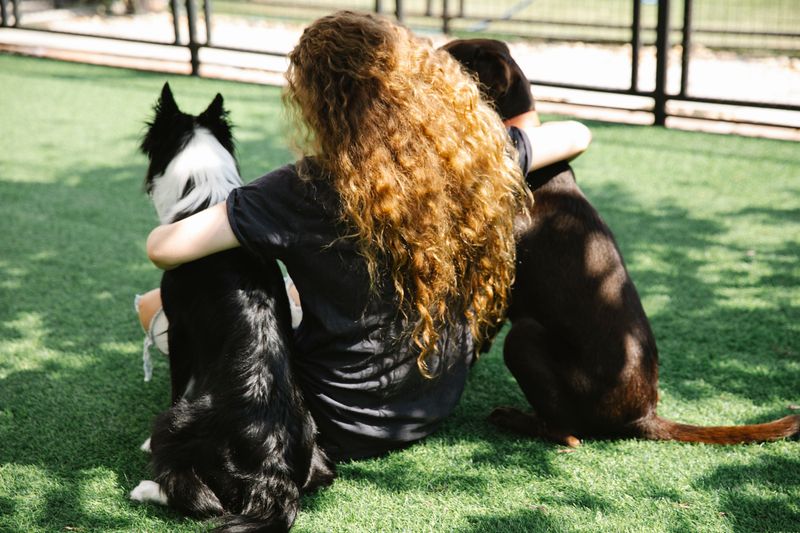
Friendly staff need more than affection for dogs. They should recognize stress, interrupt uncomfortable interactions calmly, and know when play needs a pause.
Ask how many dogs each attendant supervises and whether someone remains inside occupied play areas. Staffing needs vary with layout and group behavior.
Request details about training, breaks, and backup coverage. Cameras can support oversight, but they do not replace attentive people who can respond promptly when a dog needs help or extra space.
8. Understand the Daycare’s Emergency Plan
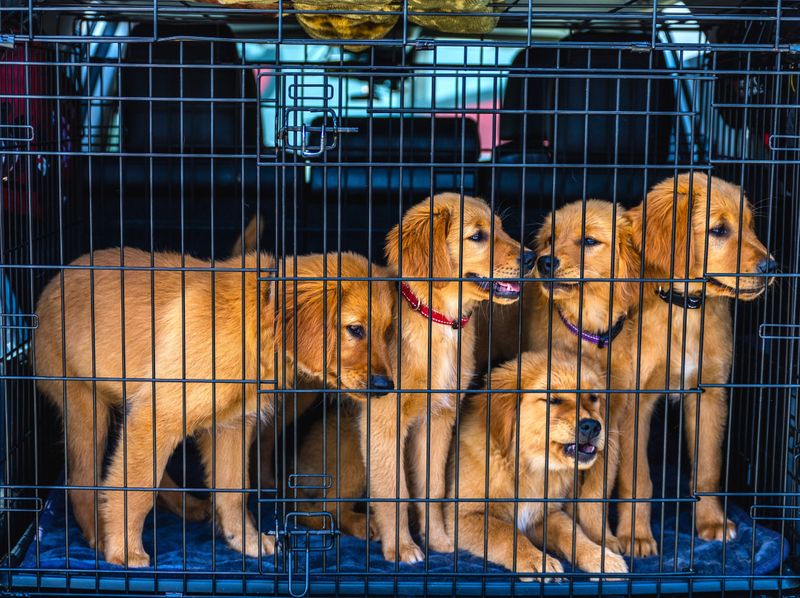
Clear planning makes unexpected situations easier to manage. Request the facility’s approach to evacuation, power outages, extreme weather, and urgent veterinary care.
Ask where dogs would go and how staff would transport them. A plan should address the whole group, not just individual pets.
Provide current phone numbers and a backup contact who can make decisions. Review treatment permissions and spending arrangements beforehand, so staff understand your instructions if they cannot reach you right away during emergencies.
9. Learn How the Facility Handles Illness and Injuries
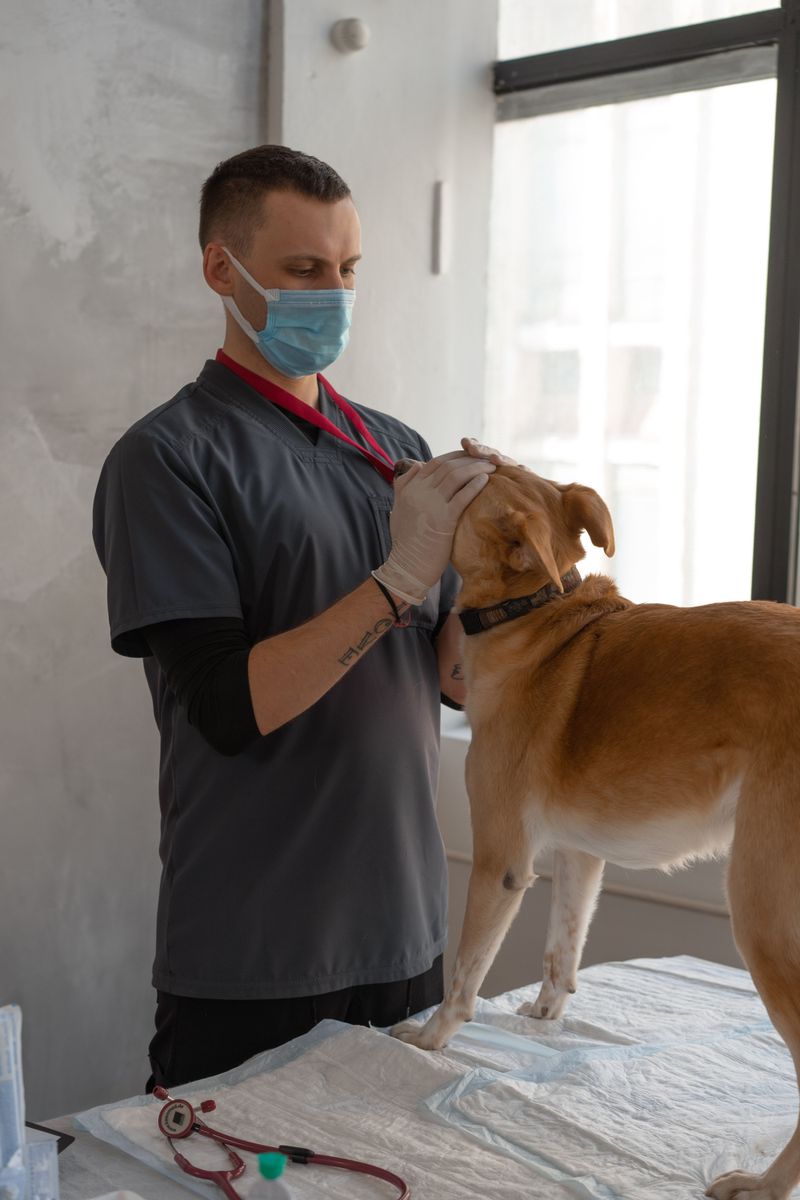
Even well managed groups can share infections or experience minor injuries. What matters is how quickly staff notice concerns and explain their response.
Ask about separating unwell dogs, contacting owners, and documenting incidents. Find out which symptoms require staying home and what clearance allows return.
Cleaning routines should cover shared surfaces, bowls, and equipment. If your dog develops coughing, vomiting, diarrhea, or unusual tiredness, contact your veterinarian and notify daycare before another visit, even when symptoms seem mild.
10. Review the Daily Schedule and Rest Breaks

More play does not always mean better care. Dogs need opportunities to rest, drink, and step away from busy social activity.
Request a typical schedule, including quiet periods and bathroom opportunities. Ask whether rest spaces suit dogs who dislike crates or need extra distance.
Staff should adjust activity for age, health, and stamina. Your dog should come home comfortably tired, not repeatedly unsettled or exhausted.
Share any changes in sleep, movement, or mood after visits with the team.
11. Check How Staff Handle Anxious or Overstimulated Dogs

A tucked tail or repeated hiding deserves attention. Pacing, constant barking, and frantic play can also mean a dog needs less stimulation.
Find out how staff respond before these signals build. Look for calm separation, quieter activities, and reward based handling rather than punishment.
Ask when they would call you or end a visit early. Dogs should never be forced into interaction.
Persistent distress calls for another care option and, when needed, guidance from a qualified behavior professional.
12. Ask About Feeding and Medication Policies
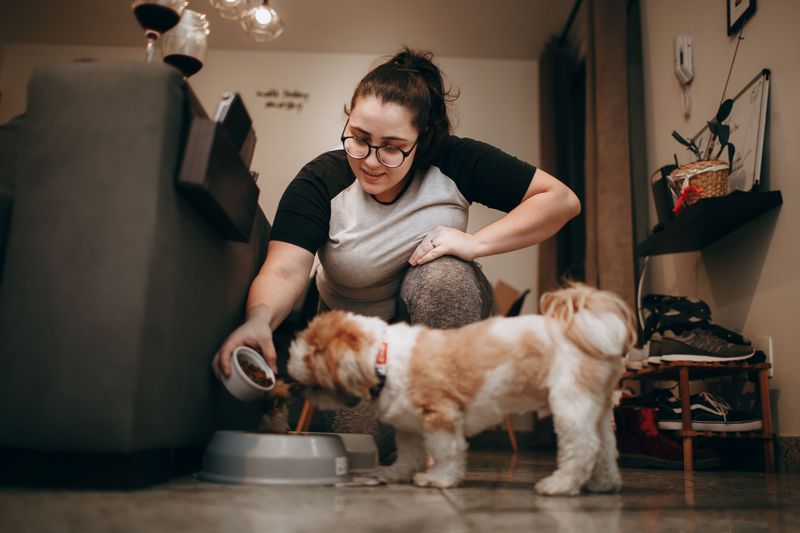
Lunch and medicine need their own clear instructions. Confirm whether staff can meet your dog’s needs before packing meals or prescription supplies.
Send food in labeled portions and provide written directions. Dogs should eat separately to reduce competition and prevent access to another dog’s meal.
For medication, ask about staff training, secure storage, written logs, and missed doses. Discuss timing around exercise with your veterinarian.
Never assume a facility offers medical services simply because it accepts medication requests.
13. Consider New York’s Weather and Seasonal Risks

New York weather can change the day’s safest routine. Summer heat, winter cold, icy paths, and poor air quality may require indoor activities.
Ask how staff adjust outings and monitor dogs needing extra care. Flat faced breeds, older dogs, and certain medical conditions can increase weather sensitivity.
Discuss paw checks after salted sidewalks and limits during heat advisories. Comfortable indoor temperatures and fresh water matter year round.
Weather decisions should follow conditions and individual needs, not a fixed schedule.
14. Confirm Drop-Off, Pick-Up, and Transportation Rules

A smooth handoff starts before you reach the door. Learn arrival windows, leash requirements, identification checks, and who may collect your dog.
If transportation is offered, ask about restraints, vehicle temperature, supervision, and travel time. Confirm procedures for delays and whether dogs share travel space.
Keep emergency contacts current and explain any handling needs. Busy New York sidewalks make secure transfers especially useful.
Staff should maintain control between the vehicle, entrance, and play area throughout every single handoff.
15. Read the Contract and Understand the Fees

The advertised daily price may not cover everything. Read the agreement for assessment charges, late pickup fees, cancellation rules, and package expiration dates.
Check whether meals, medication, transportation, and holiday bookings cost extra. Ask how refunds work if your dog cannot continue attending.
Pay attention to emergency treatment permissions and responsibility for expenses. Request explanations for unclear terms before signing.
Keeping a copy helps you compare providers fairly and avoids rushed decisions when your work schedule suddenly changes.
16. Ask How the Daycare Communicates With Owners

Cute photos are pleasant, but useful updates go deeper. You need honest information about eating, resting, bathroom habits, and interactions with other dogs.
Establish how staff report concerns and when you should expect a call. Ask who answers questions during the day and handles follow up.
Share changes at home that could affect behavior or health. Good communication works both ways.
A provider who explains small concerns clearly helps you make informed choices before those concerns become patterns.
17. Start With Short Visits Before Booking Full Days

Think of the first visits as practice, not commitment. Begin with a shorter stay if the facility agrees, then review your dog’s response.
Notice willingness to enter, appetite afterward, sleep, and behavior the next morning. Discuss patterns with staff rather than judging one excited arrival.
Increase time only when your dog seems comfortable and recovers well. Some dogs prefer occasional visits or another arrangement entirely.
Choose steady comfort over a packed calendar, and let your dog’s needs guide you.