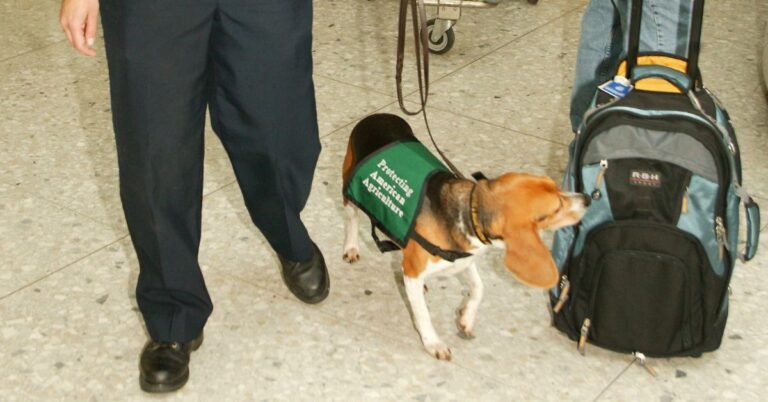
20 Florida Senior-Dog Travel Adjustments For Seasonal Residents Who Drive North Each Year
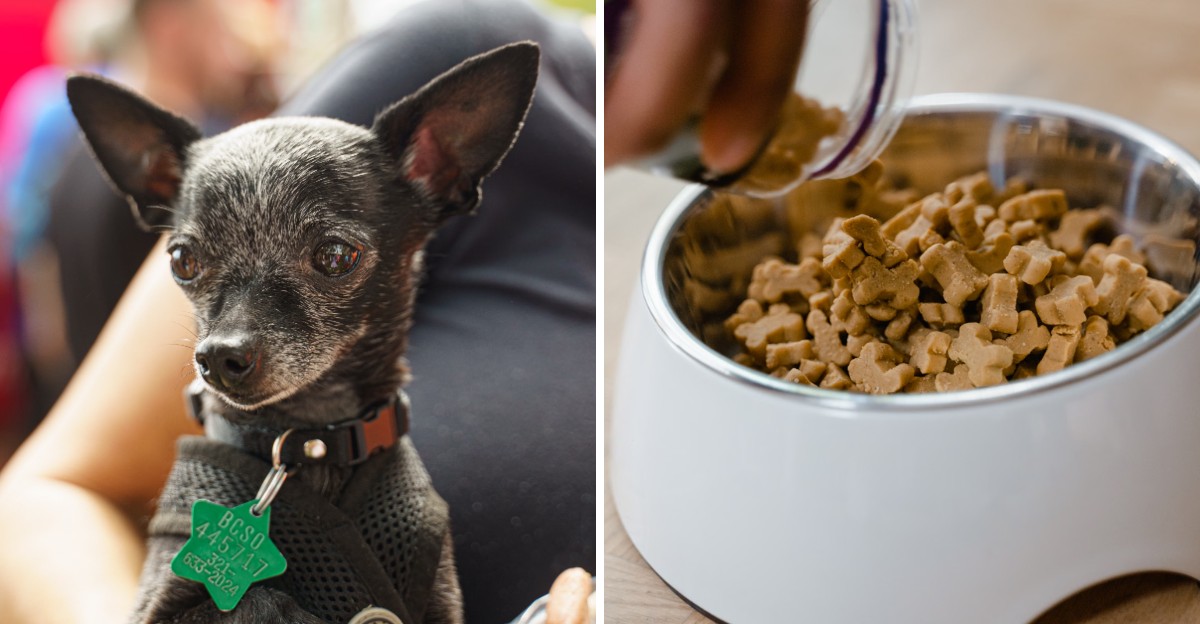
Every spring, thousands of Florida snowbirds pack the car and point it north. If your travel buddy is a gray-muzzled dog, the trip needs a little extra thought.
Older dogs tire faster, feel temperature swings more, and may need medicine on a tight schedule. The good news is that a few smart adjustments make the long drive calmer for both of you.
Most of them are simple, affordable, and easy to gather in an afternoon. Think of this as advice from a friend who has made the trip many times.
Here is what to pack, check, and plan before you pull out of the driveway.
A Sturdy Leash for Busy Rest Stops
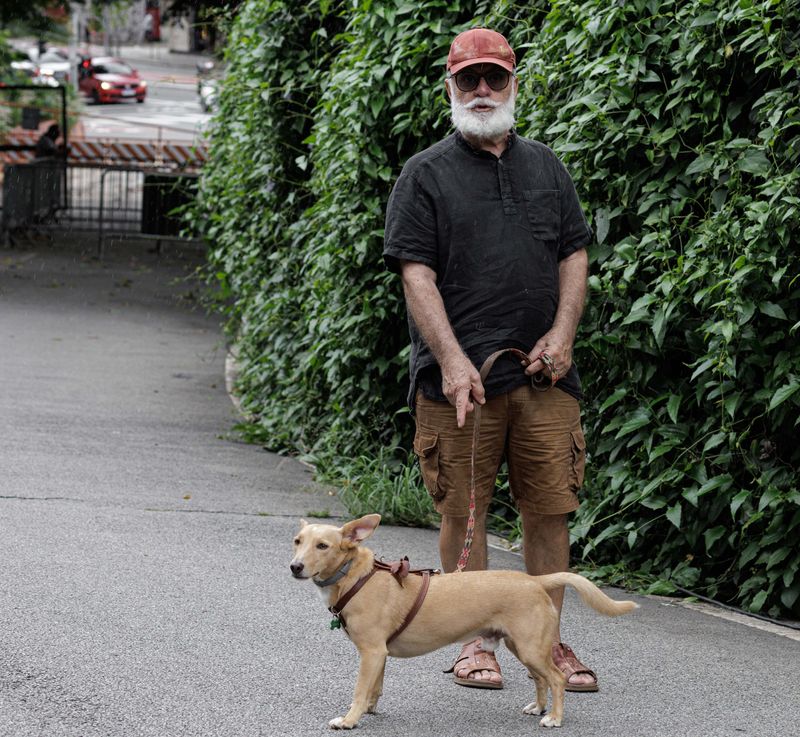
Rest stops along I-95 and I-75 get busy fast. Trucks rumble, strangers pass, and a nervous older dog can pull without warning.
A strong, comfortable leash keeps your pal close.
Leather or padded handles are easier on your hands and less likely to cause rope burn. Reflective stitching helps drivers see you during dawn or dusk walks.
That matters for seniors with fading eyesight.
One caution: a walking leash is not a car restraint. Inside the vehicle, use a crash-tested harness or secured crate.
A Backup Harness or Collar
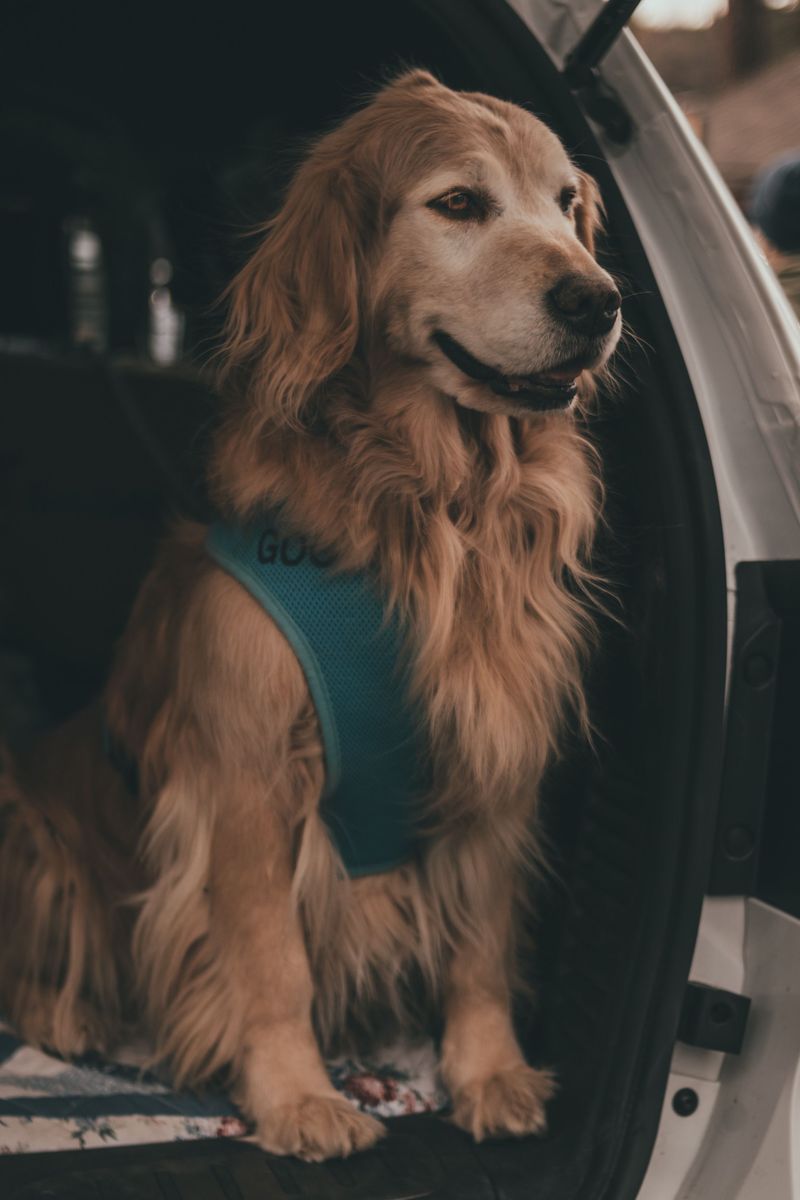
Buckles crack and straps fray, usually at the worst possible moment. Packing a spare harness or collar means one broken clip will not end your afternoon walk.
Many vets suggest a harness for older dogs. It spreads pressure across the chest instead of the neck, which helps pups with tracheal or neck trouble.
Padded straps also feel kinder on stiff, arthritic joints.
Try the backup on at home before you leave. Adjust it until it is snug, with room for two fingers underneath.
Portable Water and a Collapsible Bowl
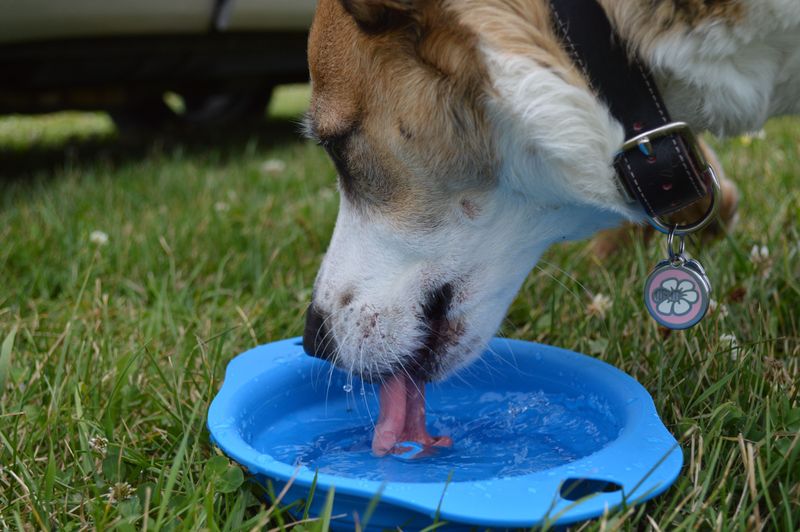
Older dogs often drink less when routines change, yet they can dry out faster than younger pups. A long day in a warm car adds to that risk.
Keep a water bottle up front. A collapsible silicone bowl folds flat and tucks into a door pocket.
Offer a drink at every stop, even if your dog seems uninterested.
Bringing water from home can help picky drinkers. Some dogs notice when the taste changes.
Watch for dry, sticky gums as a sign they need more.
Several Days of Familiar Food
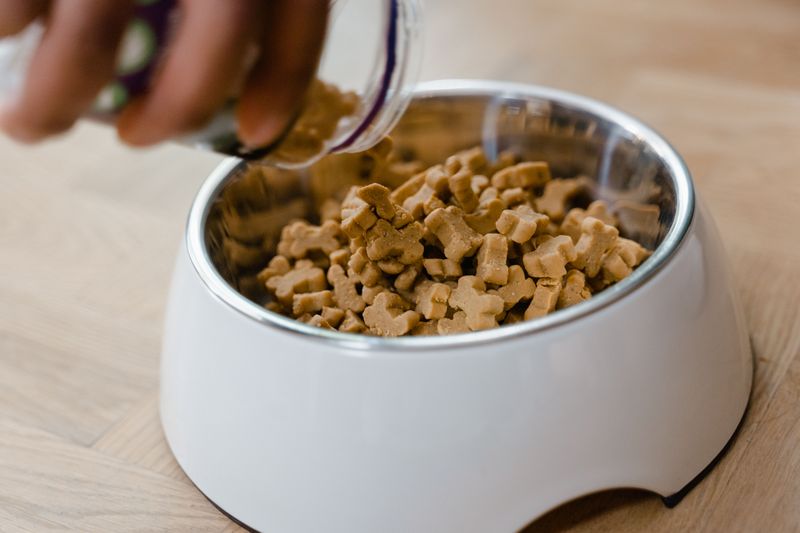
Road food is tempting, but a senior stomach rarely enjoys surprises. Sudden diet changes can bring on upset tummies, and older dogs may take longer to bounce back.
Pack at least several days of your dog’s usual food, plus a little extra. Pre-measured portions in zip bags make hotel feedings quick and tidy.
Your pup’s routine stays steady even when the scenery keeps changing.
Do not assume northern stores carry your brand. Special senior or prescription formulas can be hard to find on short notice.
Essential Medications, Plus Extras
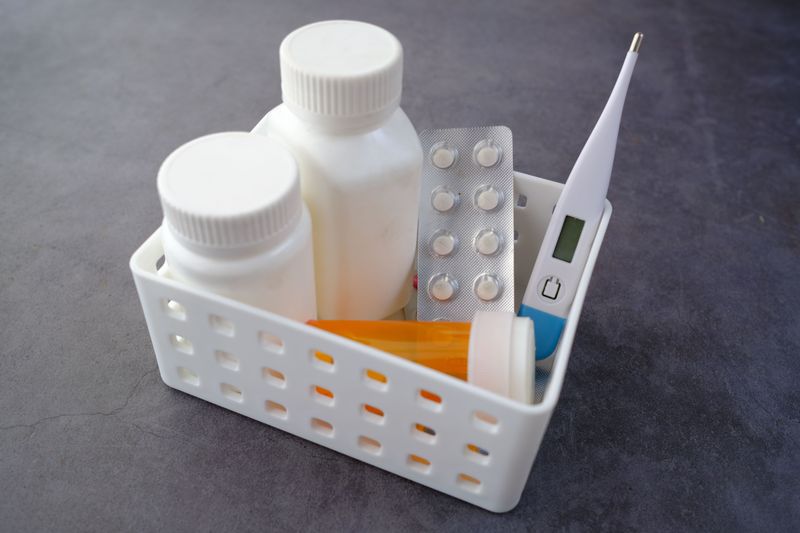
Missing a heart pill or pain medicine for a day can throw an older dog off balance. Refill every prescription a week or two before departure.
Keep each medicine in its original labeled container. Pack a few extra doses in case traffic or weather stretches the trip.
Some medicines need cool storage, so ask your vet how to handle them in a hot car.
Anxious travelers deserve a vet chat, too. Only give calming products your veterinarian has approved.
Store the kit within easy reach.
ID Tags With Your Current Cell Number
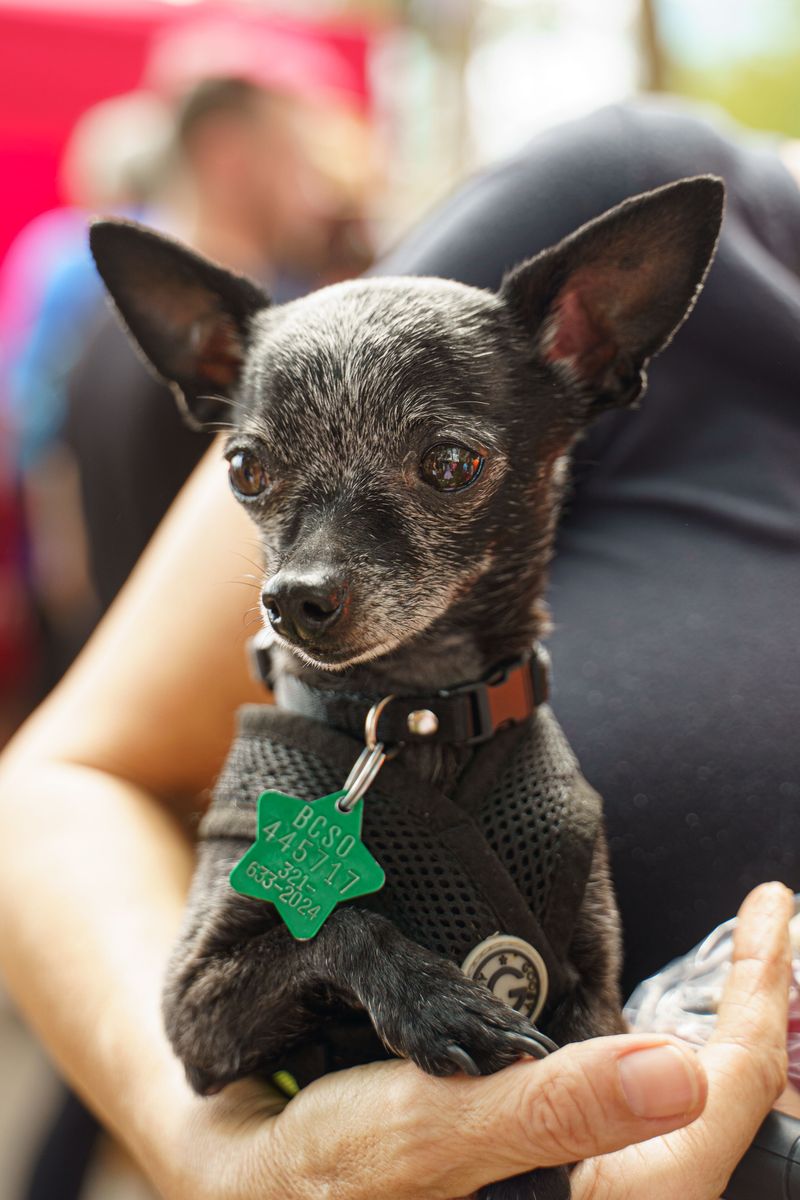
Here is a question worth asking: does your dog’s tag still list your Florida landline? Many snowbirds forget to update it.
A number that rings in an empty condo will not help anyone.
Put your cell phone number on the tag first. Adding a trusted friend’s number gives finders a second option.
Some owners also add their northern address.
Tags are cheap and quick to replace. Check the microchip registry, too.
Log in and confirm every detail is current before you head north.
Copies of Vaccination and Vet Records
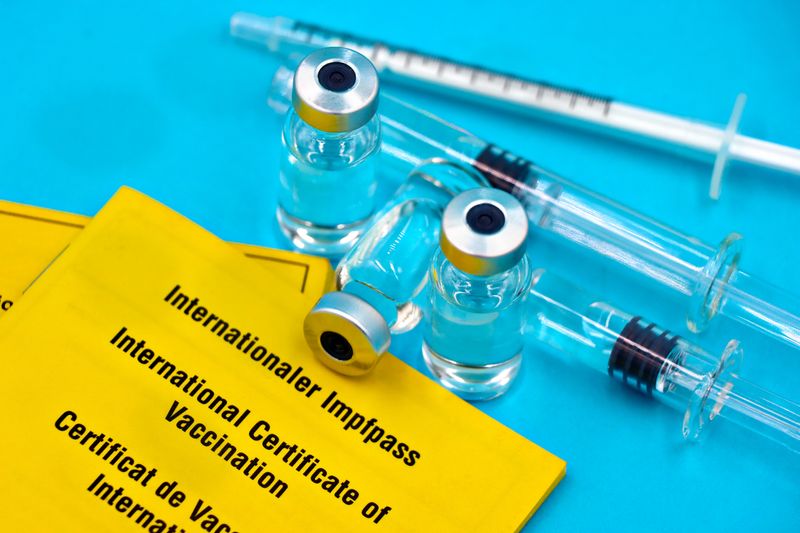
Picture checking into a pet-friendly hotel in Georgia at nine at night. The clerk asks for proof of a rabies shot.
A folder in the glove box solves that in seconds.
Carry copies of vaccination records and a short health history. Include recent lab work if your dog has ongoing conditions.
A new vet up north will appreciate the head start.
Interstate travel rules vary by state. Ask your vet whether a health certificate makes sense, and check your destination’s requirements.
A Well-Stocked Pet First-Aid Kit
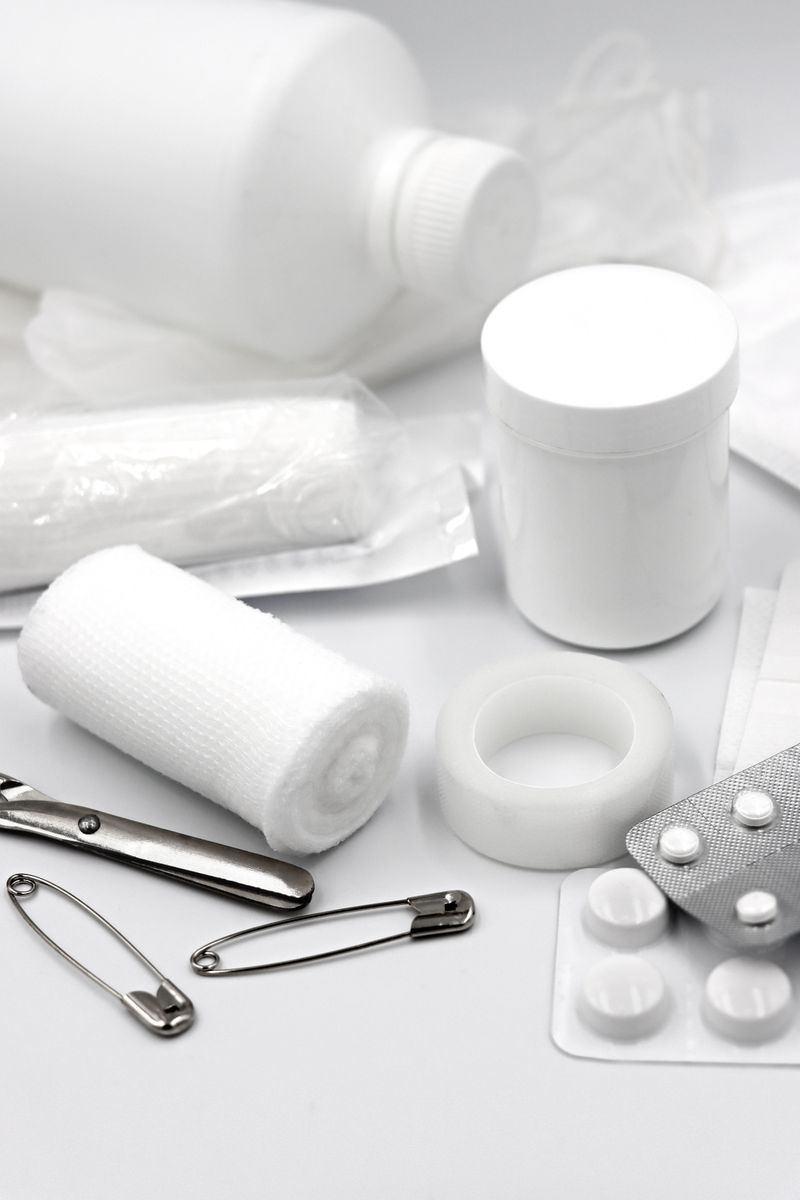
Small scrapes happen, especially when a stiff senior hops out at an unfamiliar rest area. A basic pet first-aid kit lets you handle minor bumps calmly.
Stock it with antiseptic wipes, gauze, adhesive tape, blunt-tipped scissors, tweezers, and a pet thermometer. Vet wrap is a handy extra.
Ask your vet what else your dog’s health might call for.
The step people skip: practice. Open the kit at home and learn how each item works.
Serious injuries still need a veterinarian right away.
Plenty of Waste Bags
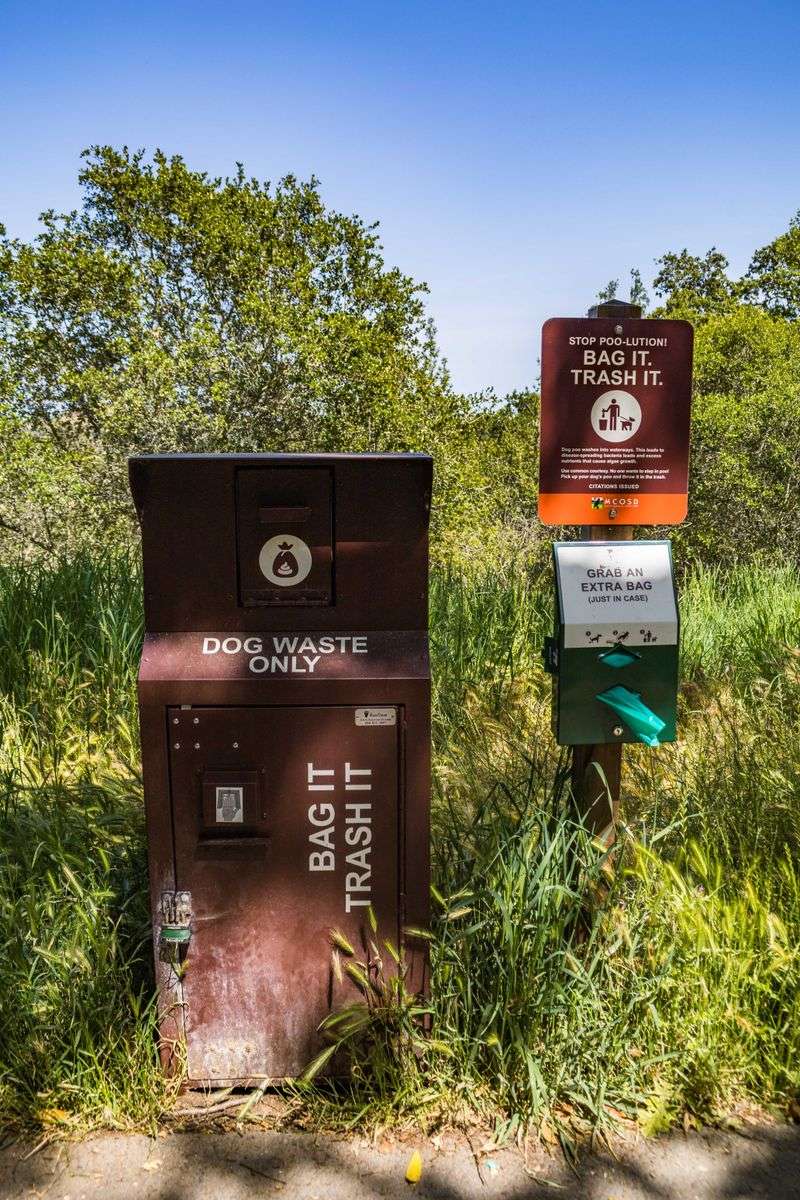
Nobody wants to be the traveler who runs out of bags at a crowded welcome center. Senior dogs often need more bathroom breaks, so supplies disappear quickly.
Pack far more bags than you think you need. Clip one roll to the leash and stash another in the glove box.
Many towns and parks require owners to clean up, and rules differ from place to place.
Leaving no trace keeps rest areas pleasant. It also helps keep pet walking zones open for everyone.
Absorbent Potty Pads for Aging Bladders
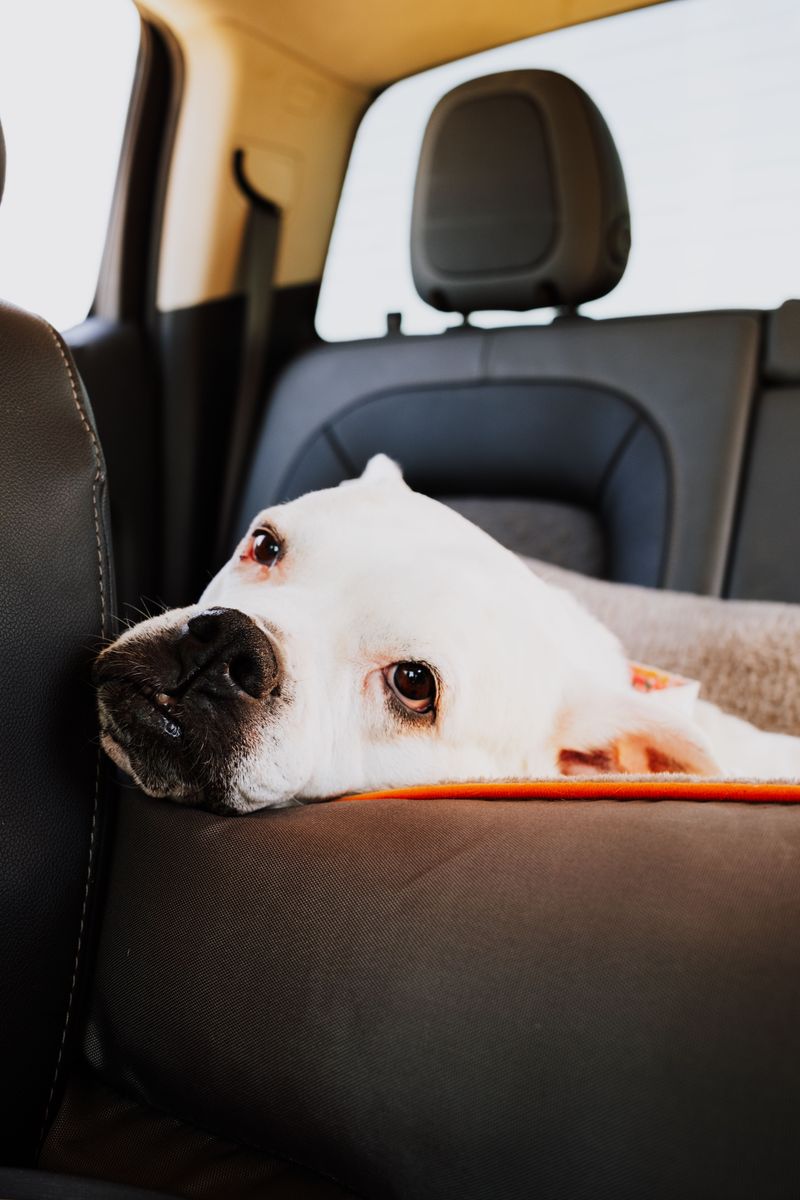
Accidents are not bad behavior. Many aging dogs simply lose some bladder control, and long drives make it harder to wait.
Planning ahead helps everyone.
Absorbent potty pads are a quiet fix. Lay one under the car blanket to protect your seats.
Spread another in the hotel bathroom for late-night emergencies.
Frequent stops still matter, so plan a break every two to three hours. Keep a small trash bag nearby for used pads.
If leaks seem new or worse, mention it to your vet.
A Flashlight or Headlamp for Night Stops

Dark rest areas can hide broken glass, curbs, and fire ant mounds. Older dogs with cloudy eyes may stumble where you would not.
A small flashlight or headlamp turns late-night potty breaks into easy, safe outings. Headlamps are handy because they leave both hands free for the leash and bags.
A clip-on leash light also helps drivers spot your dog.
Keep the light in the door pocket, not buried in a suitcase. You will likely reach for it more often than you expect.
Backup Batteries for Every Gadget
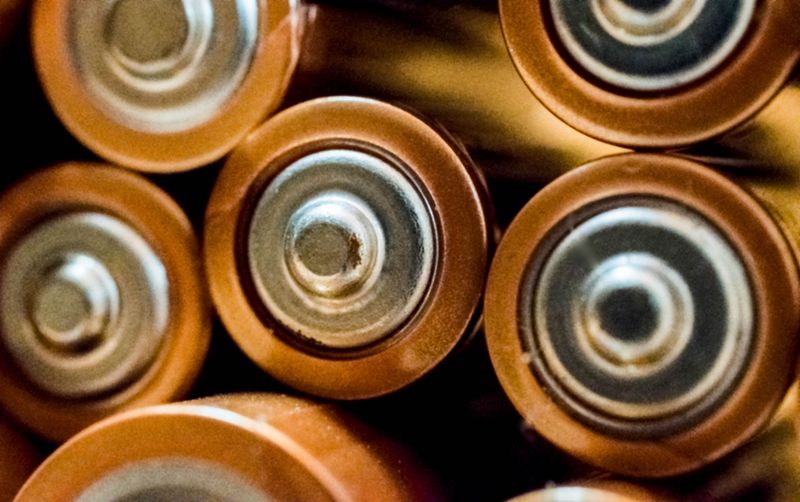
A dead flashlight is just extra weight. Batteries tend to fail at the least convenient time, like a foggy stop in rural Virginia.
Spares solve that.
Pack a spare set for every battery-powered item you bring. That includes headlamps, leash lights, and any clip-on GPS tracker.
Store them in a small zip bag so they stay dry and easy to spot.
Quick tip: test everything the night before you leave. Swapping batteries in your driveway beats fumbling in the dark later.
A Portable Phone Charger
Your phone does a lot on this trip. It guides you, finds open vets, and books pet-friendly rooms along the way.
Losing power would be stressful.
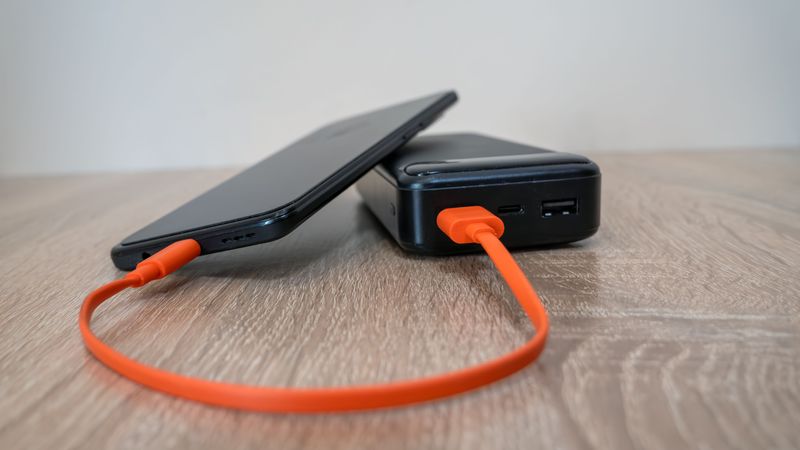
A fully charged power bank keeps all of that working if the car charger fails. It also helps when you are walking your dog far from the vehicle.
Choose one that can refill your phone at least once or twice.
Charge it every night at the hotel. Pack the right cable too, since a charger without one is useless.
A Small Blanket or Towel From Home
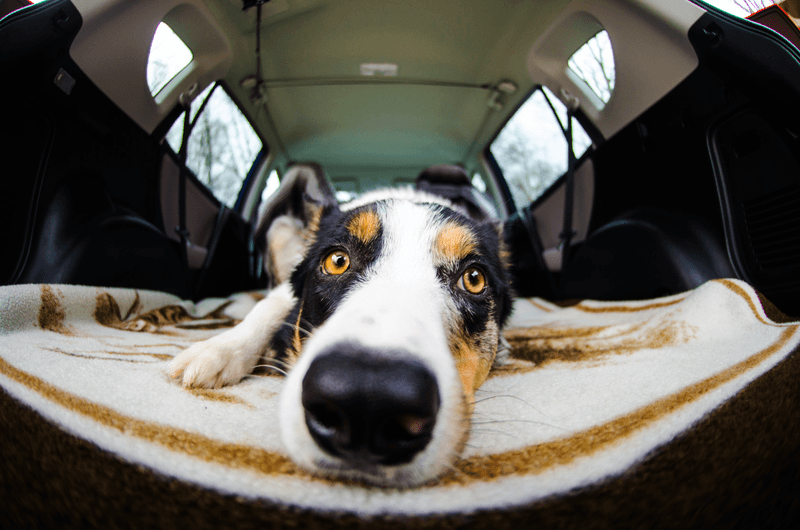
Smell is a big deal to dogs. A worn blanket from your Florida couch can make a strange car or motel room feel more like home.
Lay it on the back seat for a soft, familiar resting spot. Skip washing it first so the scent stays.
Achy joints appreciate the extra cushion on long stretches of highway.
A towel pulls double duty, too. Use it to dry damp paws after a rainy Carolina stop.
It also catches muddy prints before they reach your upholstery.
A Secure Carrier or Evacuation Bag
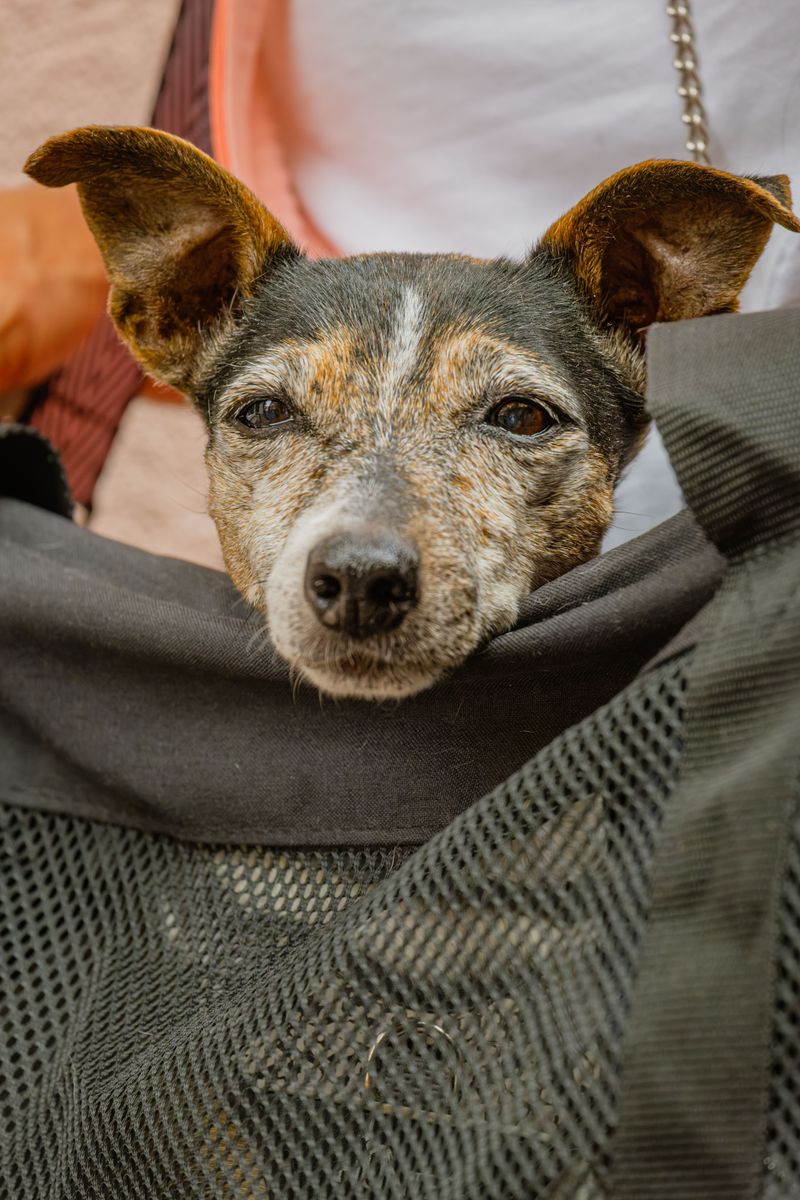
Loose dogs in a car can be thrown forward during a hard stop. A secure carrier or crate keeps your companion safely in place.
Small seniors do well in a ventilated carrier big enough to stand, turn, and lie down. Strap it in with a seatbelt or cargo tie.
Larger dogs can ride in a secured crate or a crash-tested harness.
That same carrier doubles as a grab-and-go evacuation bag. It is useful if a storm or emergency forces a quick exit.
A Muzzle for Stressful Moments
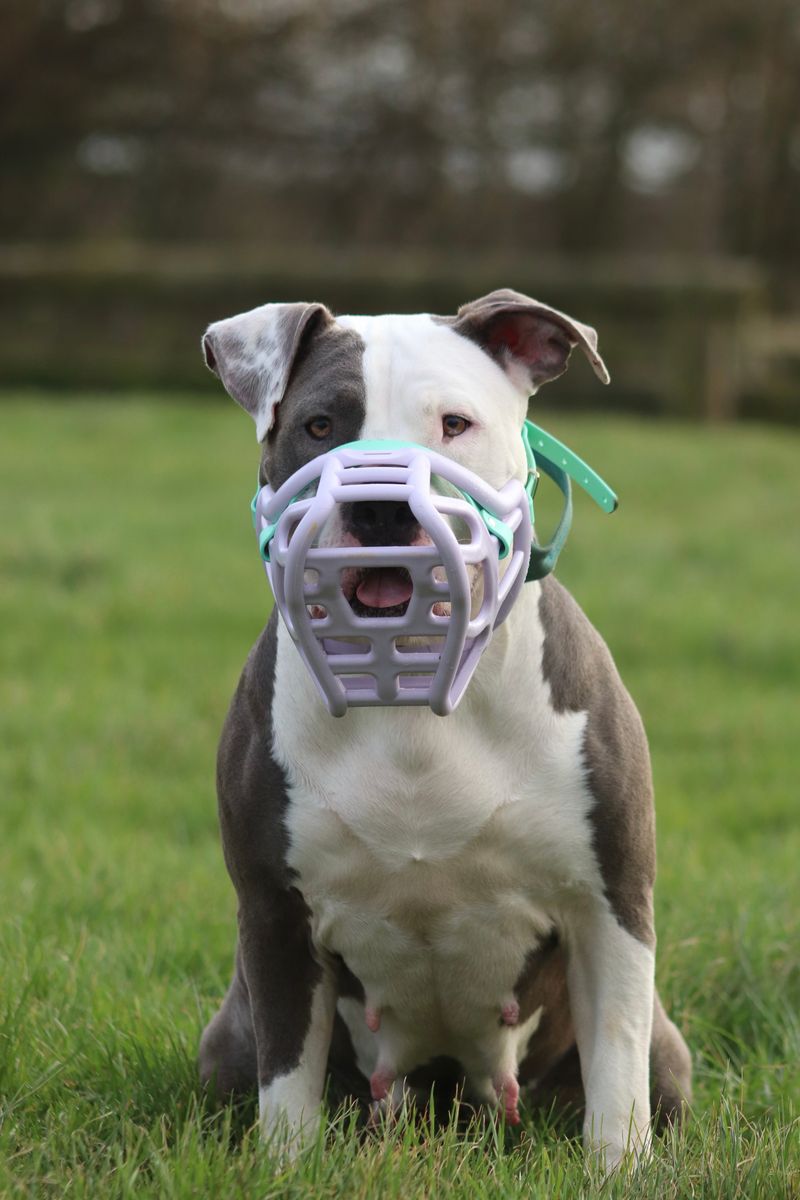
Even the sweetest senior can snap when frightened or in pain. A muzzle is not a punishment.
It is a calm safety tool for rare, stressful moments.
Basket styles are often recommended because dogs can pant and drink while wearing them. Fit matters, so ask your vet or a trainer for help sizing.
Emergency vet visits are a common use.
Introduce it slowly at home with treats and praise. Short, happy practice sessions build comfort.
Never leave it on unattended or in a hot car.
A Recent Printed Photo
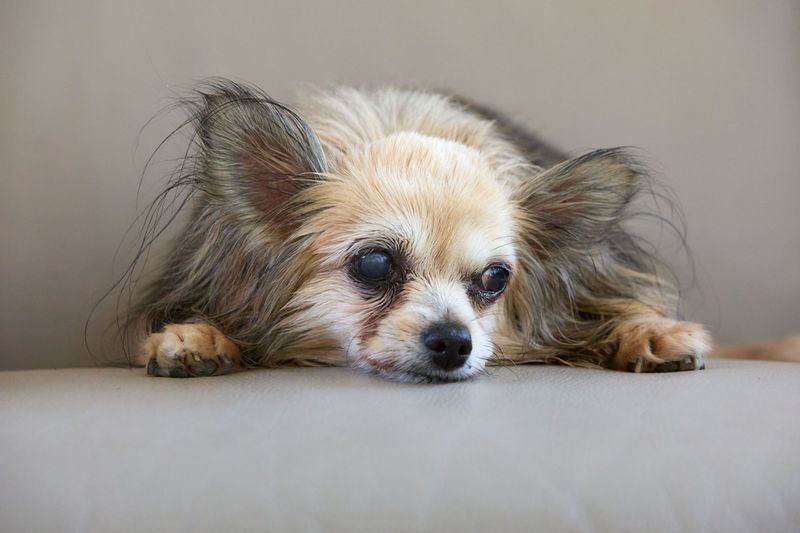
Phones break, batteries lose power, and signal disappears on back roads. A printed photo still works when technology does not.
Choose a clear, recent picture that shows your dog’s face, coat color, and any gray patches or markings. Write your name and cell number on the back.
Tuck one copy in your wallet and another in the glove box.
If your dog ever wanders off, you can hand it to shelters, neighbors, or animal control right away. Posters get made faster too.
Update it every season.
A List of Emergency Vet Contacts
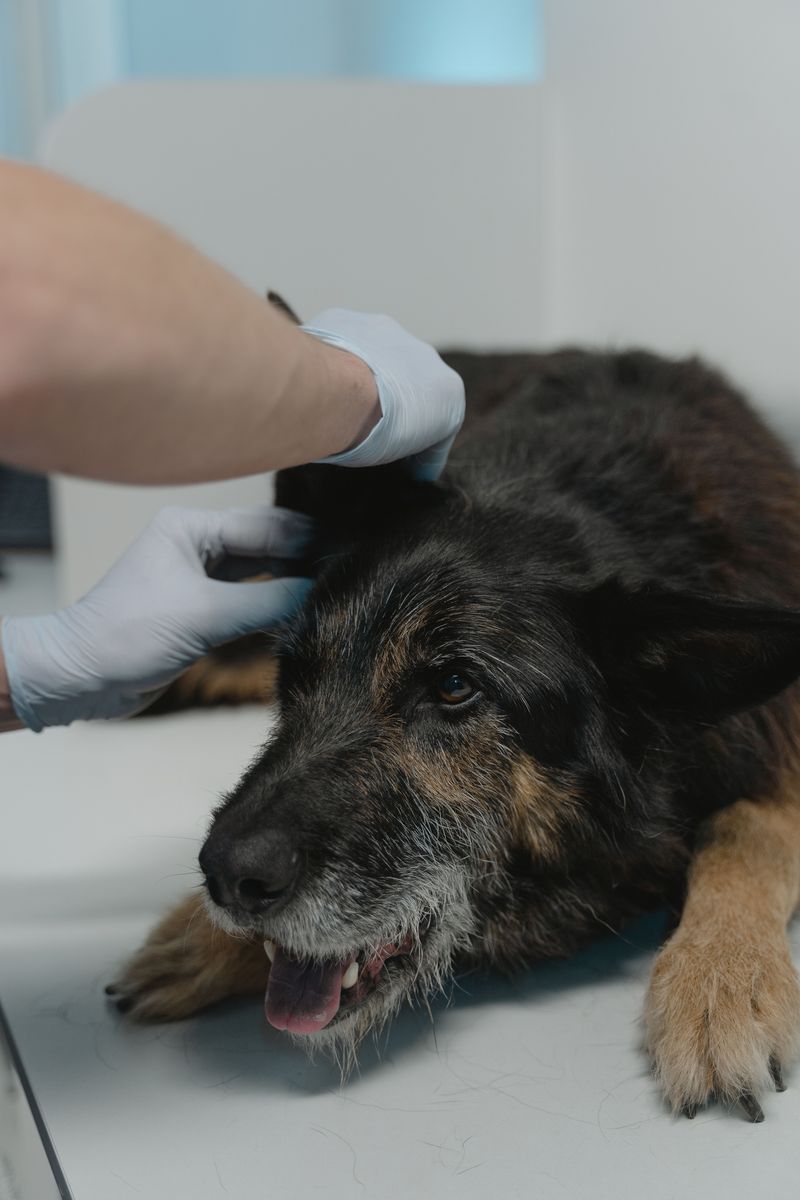
Searching for an open animal hospital while your dog feels unwell is stressful. A little homework before the drive saves time.
Look up 24-hour emergency clinics near each overnight stop and along your route. List names, addresses, and phone numbers.
Add your Florida vet and your northern vet to the list.
Keep a paper copy in the car and a digital one on your phone. Calling ahead helps the clinic prepare for your arrival.
The ASPCA Animal Poison Control Center line is worth saving, too.
Paw Protection for Heat, Debris, and Frost
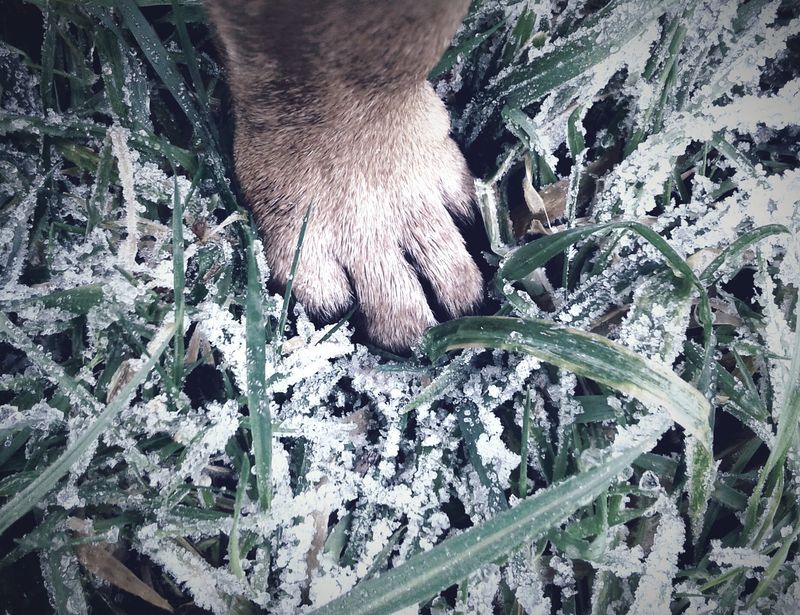
Florida asphalt can get hot enough to hurt paws by late morning. On an early spring drive north, those same feet might still meet frosty sidewalks and road salt.
Senior paw pads can be drier and more sensitive. Dog booties shield them from heat, sharp debris, and chemical de-icers.
Paw balm is a lighter option for dogs who dislike boots.
Test the fit at home first. Loose booties slip, and tight ones rub.
After winter walks, wipe paws clean with a damp towel.
A Lightweight Emergency Water Container
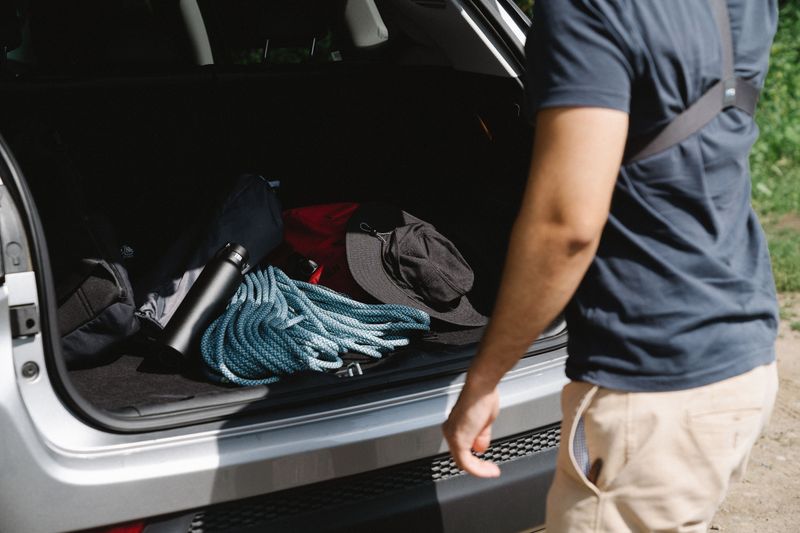
Breakdowns and highway closures do not follow your schedule. A backup water supply means your dog stays hydrated while you wait for help.
Choose a lightweight, sealed container with a gallon or more. Store it in the trunk, separate from your daily bottle.
Refresh the water before each trip so it stays clean.
Small steps like these add up to a calm, confident journey. Your senior deserves an easy ride north, and now you are ready.
Safe travels, and enjoy every sniff along the way.