15 Skills Michigan Cottage Dogs Need Before A Summer Of Guests, Screen Doors, And Boat Docks
A Michigan cottage can feel like your dog’s favorite place, full of new smells, familiar people, and long days outside. It also brings open doors, busy paths, and water that deserve a little planning.
You do not need a perfectly trained dog to enjoy summer together. A few practiced skills can help you welcome guests, share the shoreline, and give your dog a comfortable place in the fun.
1. Reliable Recall Around Summer Guests
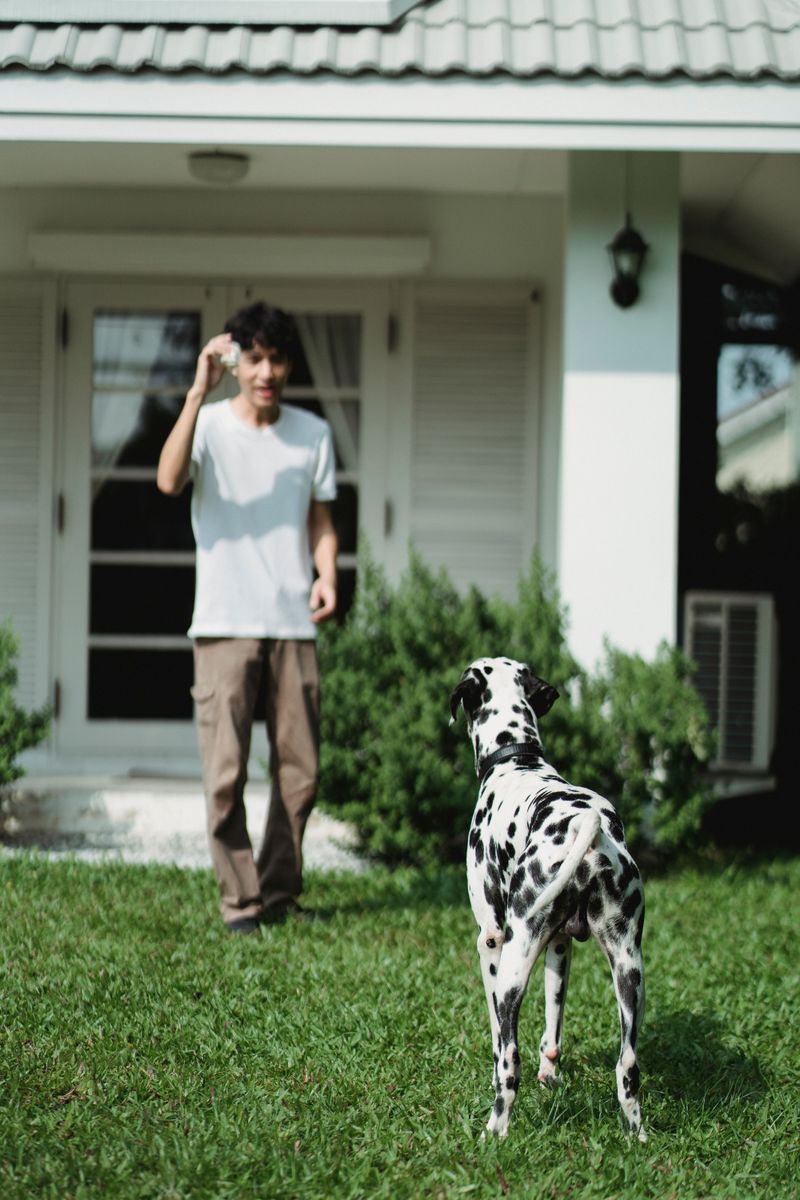
One friendly call can save a lot of chasing across the cottage lawn. Practice your dog’s name and a cheerful recall cue before guests arrive.
Start indoors, then try a fenced area or a long training line outdoors.
Reward every quick return with a treat or praise. Never call your dog over just to end all the fun.
Around visitors, keep a leash handy until recalls work despite conversation, games, and tempting new smells nearby.
2. Calm Greetings At The Door
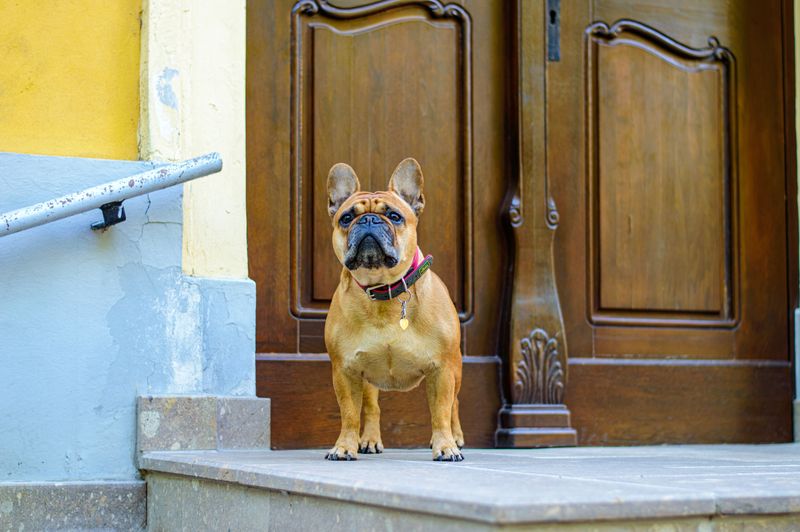
Suitcases, excited voices, and a doorbell can turn a simple hello into a jumble. Before opening the door, clip on a leash or guide your dog behind a gate.
Ask for a sit only if your dog can manage it comfortably.
Have guests offer attention when all four paws stay on the floor. If your dog needs space, let visitors enter first.
A calm greeting matters more than making everyone meet right away.
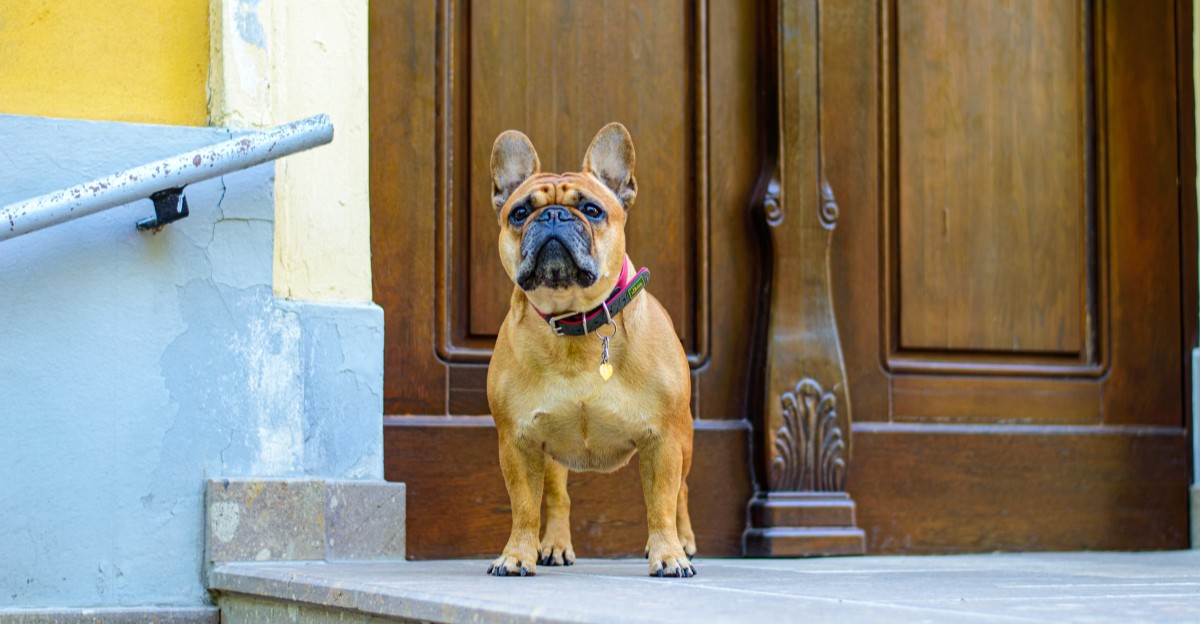
3. A Solid Wait At Open Screen Doors
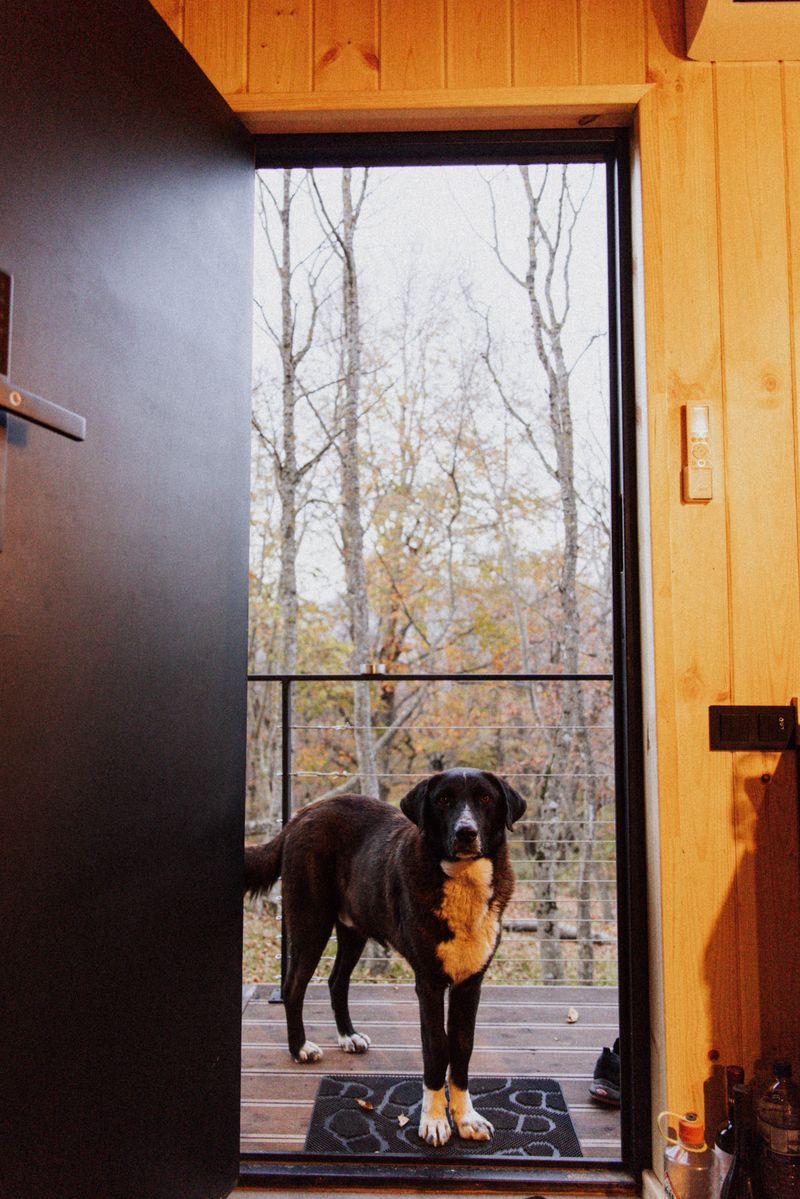
Screen doors open often when everyone is carrying towels and snacks. Teach your dog to pause a few steps back while you touch the handle.
Reward that pause, open the door slightly, then close it again.
Build up to a fully open door with your dog on a leash. Release your dog with a clear word only when the path is safe.
Gates and closed doors remain useful backups, even after your dog learns to wait.
4. Staying Put While Guests Move Around
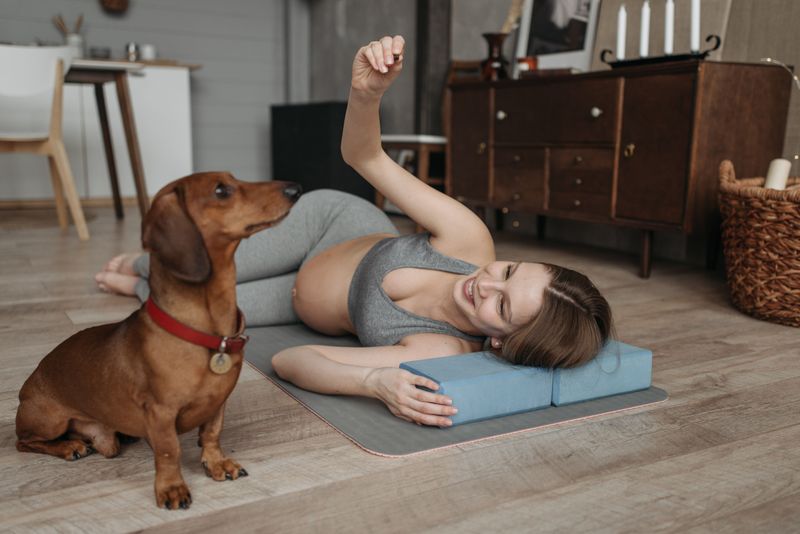
Guests have a way of crossing the room just as a dog settles down. A practiced stay or mat cue gives your dog something clear to do.
Begin with one step away, return quickly, and reward your dog in place.
Add movement slowly, including people carrying bags or walking toward the kitchen. Keep early sessions short and successful.
If the room gets too lively, use a gate rather than expecting your dog to hold still indefinitely.
5. Walking Politely Around The Cottage
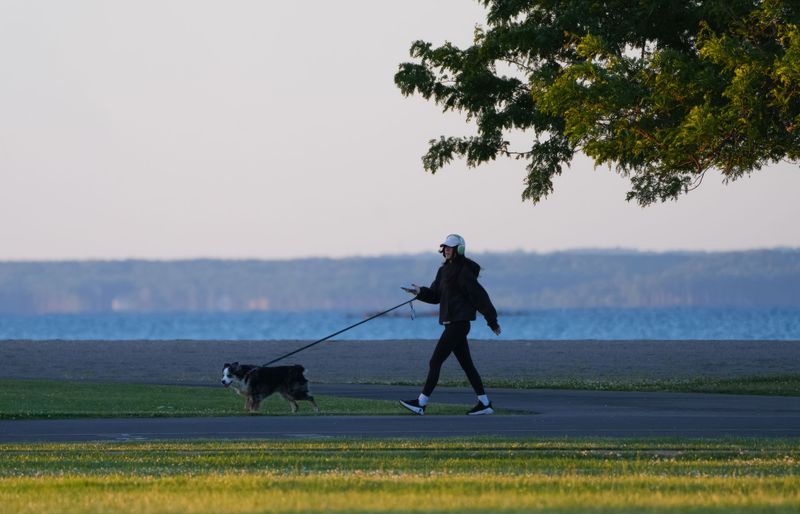
Narrow paths feel even smaller when someone carries a cooler or fishing gear. Practice walking on a loose leash around the cottage before the busiest weekend.
Reward your dog for staying close and checking in with you.
Pause when the leash tightens, then move forward once it relaxes. Give visitors room to pass, especially near steps and docks.
Check the rules for the specific place you are visiting, since leash requirements can vary between Michigan communities, state-managed recreation areas, and other public spaces.
6. Settling During Busy Gatherings
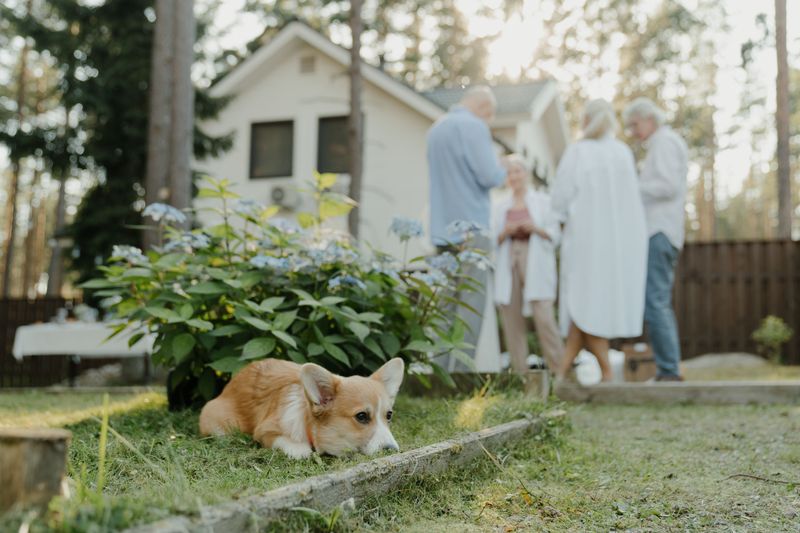
A long afternoon of conversation can be tiring for a dog, even without much exercise. Teach a mat cue during quiet moments, rewarding your dog for lying down.
Place the mat where your dog can watch without blocking foot traffic.
Offer water and a safe chew if your dog enjoys one. Reward relaxed behavior, not just commands.
Move to a quieter room when the crowd grows, rather than waiting for your dog to become restless.
7. Leaving Food And Picnic Items Alone
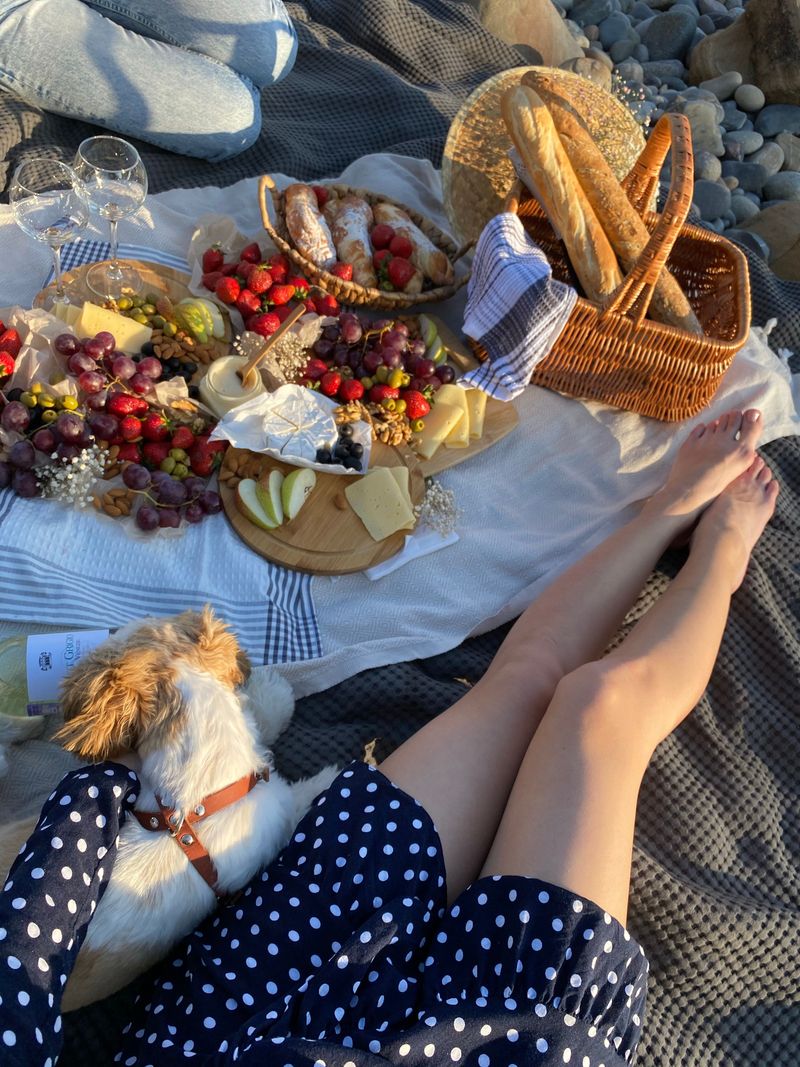
Picnic tables put interesting smells right at nose height for some dogs. Practice a leave it cue with ordinary treats before trying it near meals.
Reward your dog for looking away and choosing you instead.
Keep food covered and ask guests not to offer scraps without checking first. Some common foods are unsafe for dogs, so prevention beats testing their manners.
Put trash in secure bins and give your dog a comfortable spot away from the table.
8. Responding Before Reaching The Boat Dock
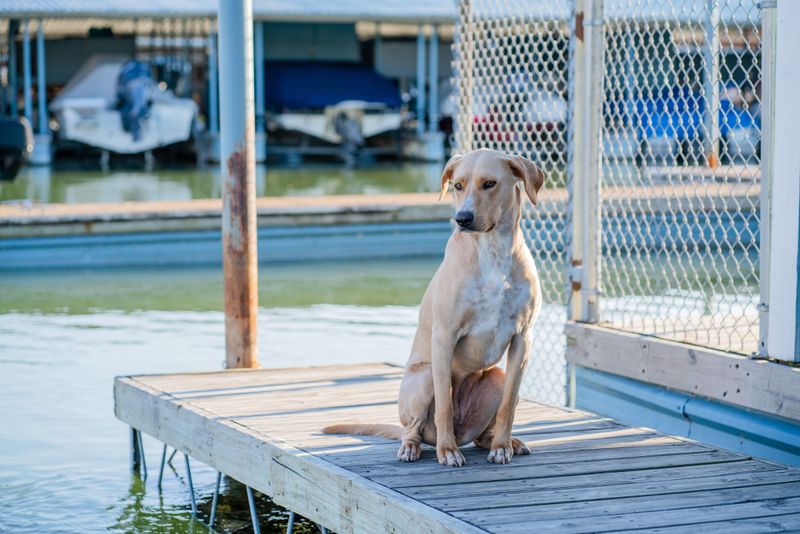
The dock is exciting, but its edges deserve a slower approach. Teach a stop cue on ordinary walks, well away from the water.
Say the cue, stop moving, and reward your dog for stopping beside you.
Practice closer to the dock only after that response becomes familiar. Keep your dog leashed near busy docks, especially when people carry equipment.
Do not rely on a cue alone to prevent an unexpected jump or a hurried trip onto a boat.
9. Staying Calm Near Moving Boats
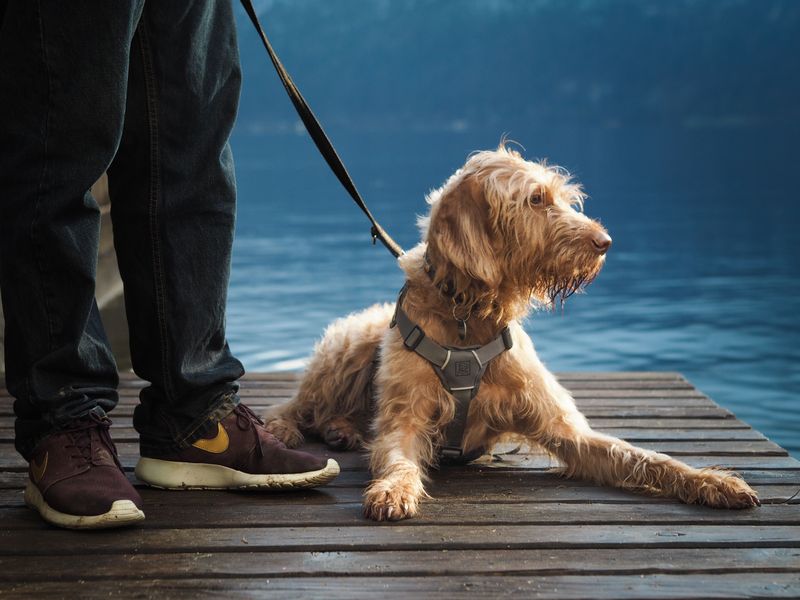
Engines, waves, and people calling from boats can surprise a dog on shore. Start at a distance where your dog can notice a passing boat without pulling or barking.
Reward calm glances and attention back to you.
Move closer over several short sessions only if your dog stays comfortable. Keep a firm hold on the leash near the water.
If noise feels like too much, step back and try again another day, without rushing progress.
10. Getting Used To Life Jackets
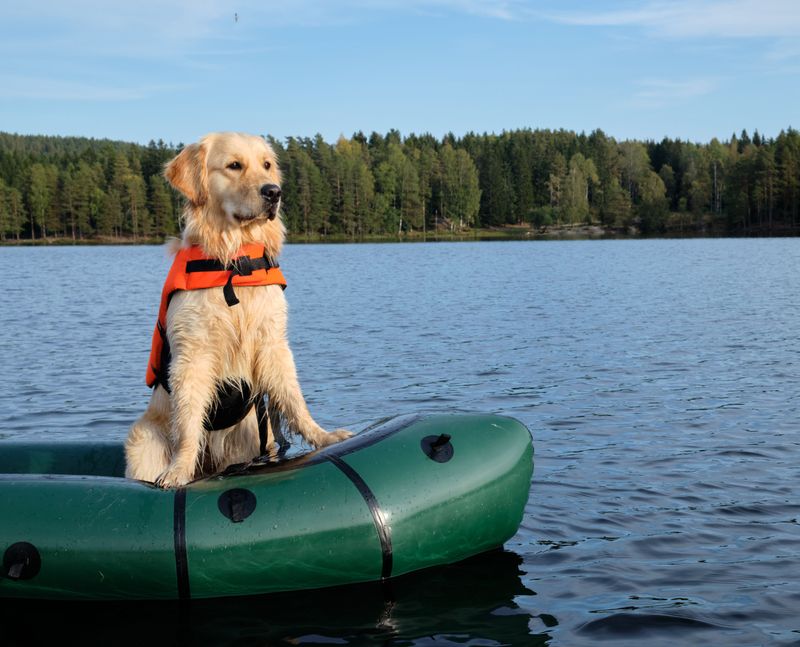
A life jacket works best when your dog accepts it before boat day. Choose a properly fitted canine jacket suited to your dog’s size and activity.
Let your dog sniff it, then reward small steps toward wearing it.
Practice fastening it indoors and taking short walks on dry land. Check that straps stay secure without rubbing.
A jacket adds support, but it never replaces close supervision around water. Ask a veterinarian about special needs or limits for your dog.
11. Coming Back From The Water
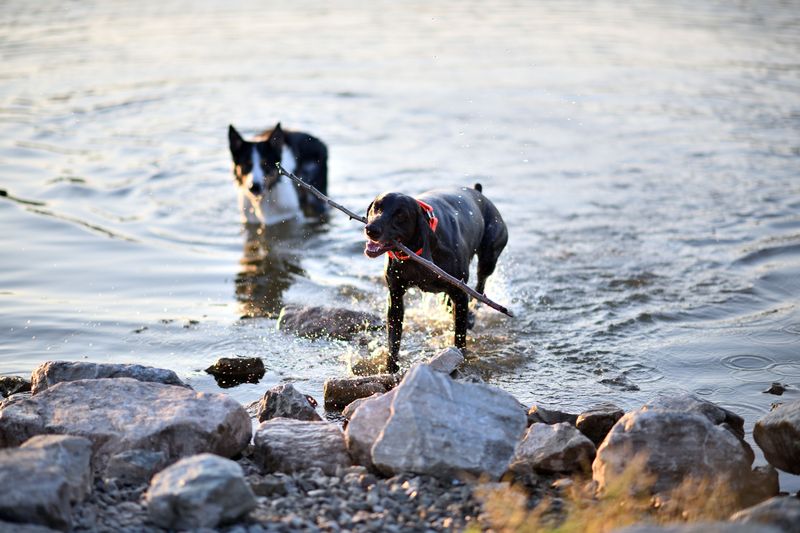
Many dogs enjoy splashing more than leaving the lake. Practice calling your dog out of shallow water before swimming becomes a big event.
Reward a return to shore, then sometimes allow another supervised turn in the water.
Show your dog a safe exit point and practice using it calmly. Never pull a struggling dog up by a collar or life jacket handle alone.
Keep swim sessions short enough that your dog can leave while still comfortable.
12. Ignoring Wildlife Around The Cottage
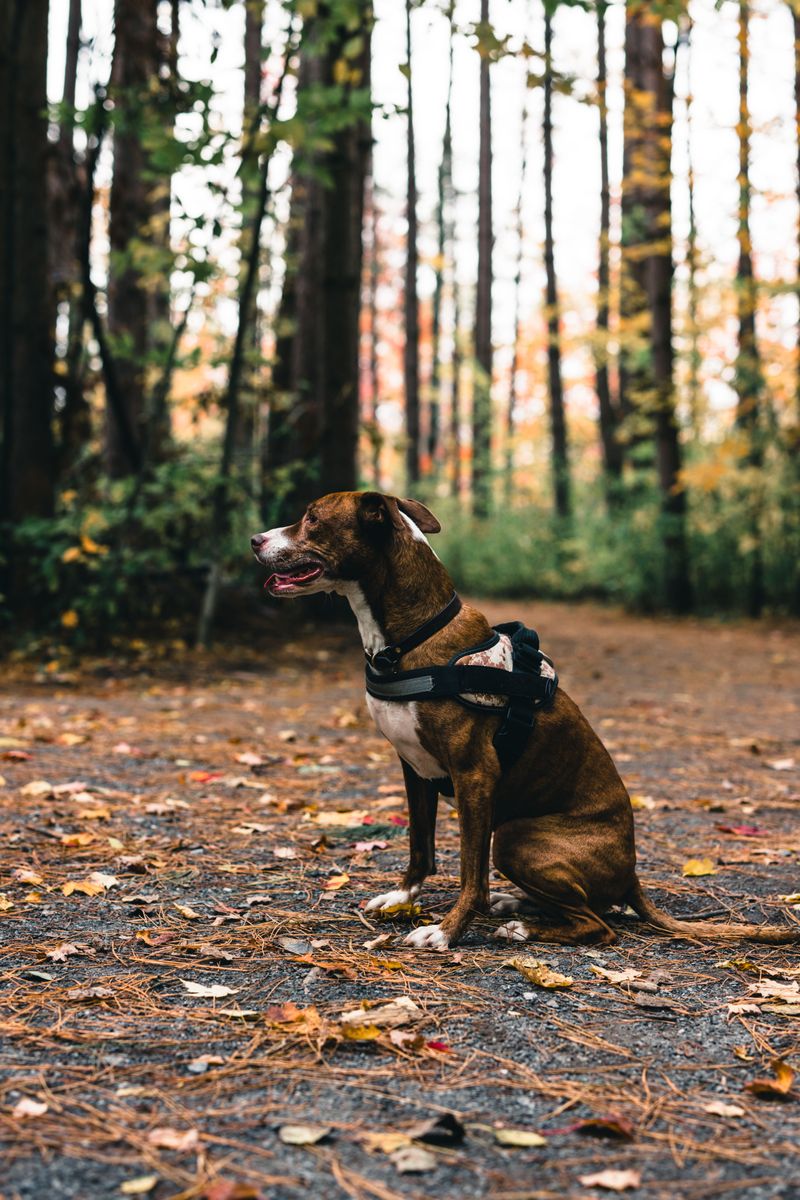
A squirrel crossing the yard can make even a quiet dog forget breakfast. Teach your dog to look at you when wildlife appears at a distance.
Reward that choice before your dog starts pulling or chasing.
Use a leash or secure fence where wildlife visits regularly. Keep food and trash stored securely so they do not attract animals to the cottage.
Michigan habitats vary widely, so give wild animals space and check local guidance for specific concerns.
13. Staying Calm Around Visiting Dogs
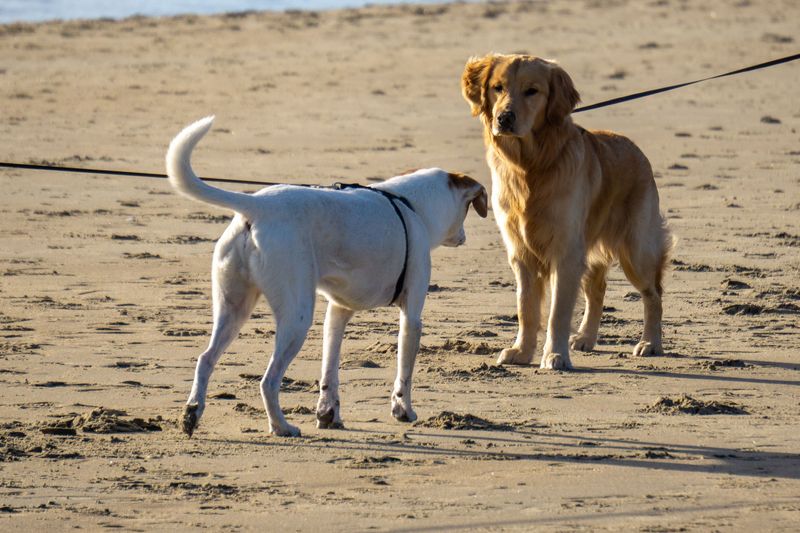
Another dog’s arrival can change the whole mood of a cottage visit. Start introductions outdoors with both dogs on leashes and enough room to move.
A short parallel walk often feels easier than a meeting at the doorway.
Watch for relaxed bodies and give either dog a break when needed. Pick up food bowls and favorite toys before sharing indoor space.
Not every dog wants a new friend, and peaceful separation is a perfectly good plan.
14. Handling Children Moving And Playing
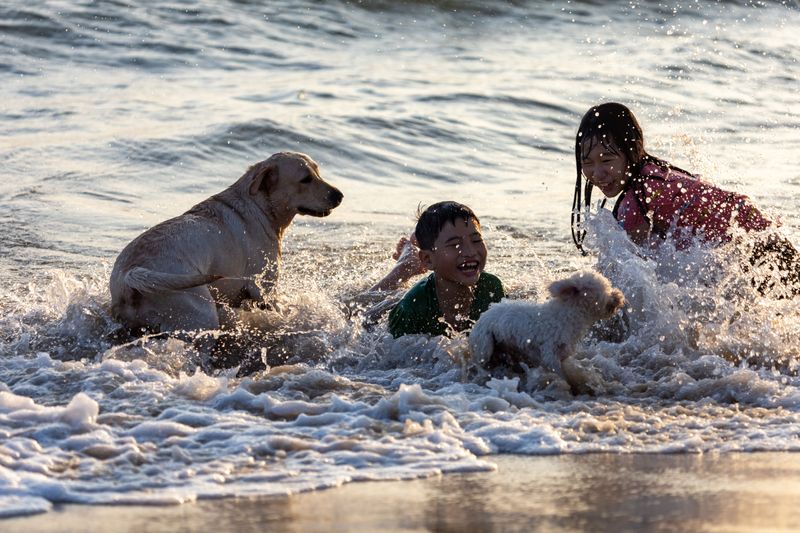
Running feet and sudden squeals can be hard for a dog to understand. Practice simple cues while children play at a comfortable distance.
Reward your dog for checking in or settling instead of following every movement.
Adults should supervise every interaction and give the dog a child-free resting place. Teach children to leave dogs alone while they eat, sleep, or retreat.
If your dog looks uneasy, create more space rather than asking anyone to keep playing nearby.
15. Taking A Break When The Cottage Gets Overwhelming
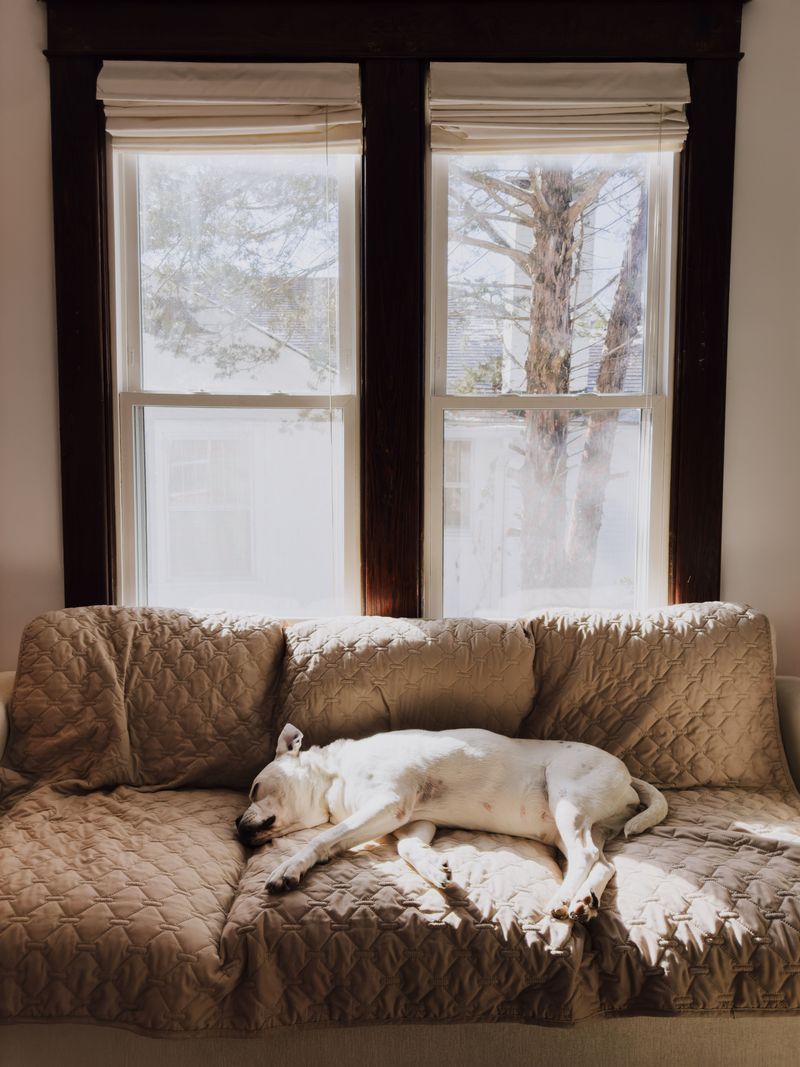
Even a sociable dog may need time away from cottage activity. Teach your dog to enter a quiet room or crate with a familiar cue.
Add bedding, water, and a favorite safe toy, then practice short, pleasant breaks.
Tell guests that this space is off limits when your dog rests there. Notice pacing, hiding, or trouble settling as signs to slow things down.
Small breaks help your dog enjoy the visit, and help you relax too.