15 Grooming Problems Florida Humidity Creates For Dog Owners
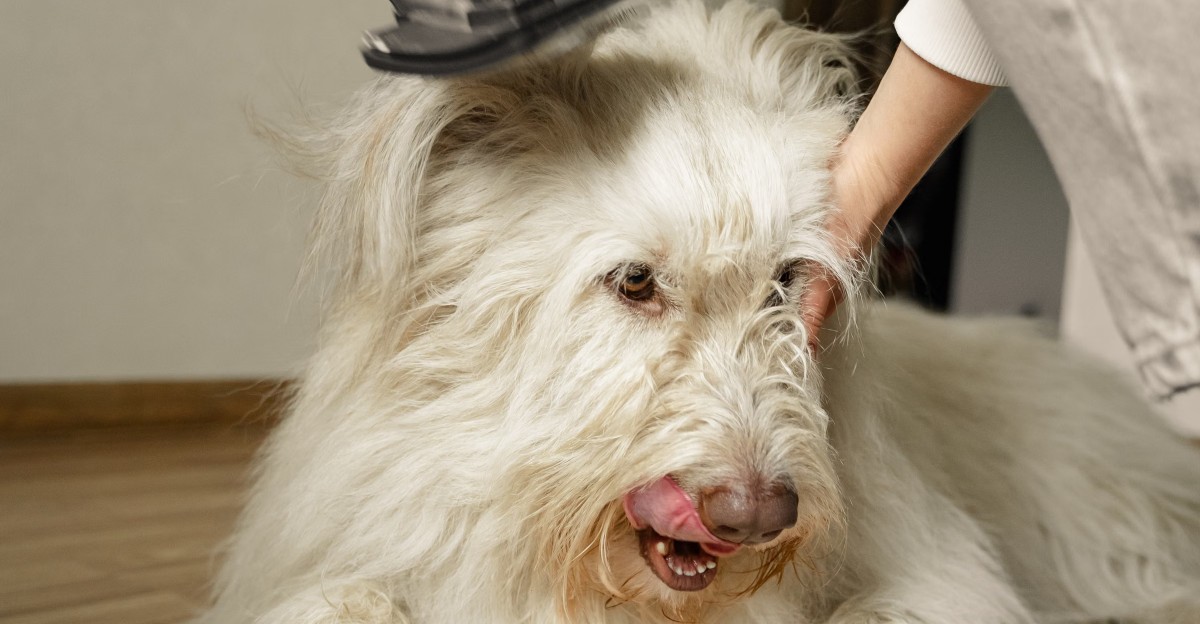
Florida’s warm, damp air can make everyday dog grooming feel like a bigger job. A coat that dried quickly elsewhere may stay damp after a walk, bath, or swim.
For you, a few small changes can keep brushing easier and help your dog stay comfortable. Here are the spots and routines worth watching during humid weather.
1. Hot Spots Can Make Mats Worse
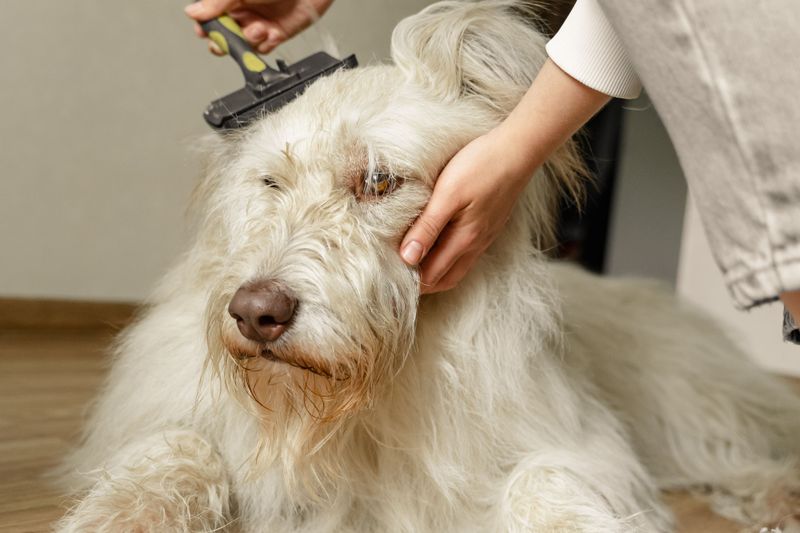
A hidden tangle can hold damp hair against your dog’s skin. Moisture trapped in the coat can contribute to skin irritation and hot spots, while licking can make the area wetter and more irritated.
That makes the fur harder to separate without pulling.
Check behind the ears and under the legs after damp outings. Work through loose tangles with a suitable comb, but never cut tight mats with scissors.
Ask your veterinarian about redness, soreness, or repeated licking before the problem spreads further across the coat.
2. Damp Fur Can Start Smelling Musty
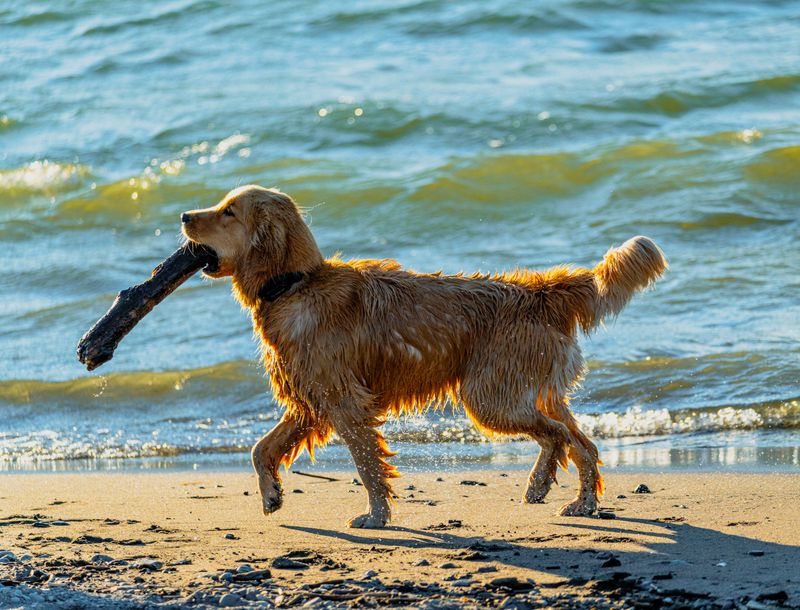
You may notice a stale smell before you notice wet fur. Florida’s damp air can slow drying, especially beneath a thick coat.
Moisture caught near the skin may make ordinary dog odors stronger.
After walks or baths, towel dry thoroughly and check the chest, belly, and legs. Use a pet dryer on a comfortable setting if your dog accepts it.
A smell that persists after proper drying deserves a veterinarian’s advice, since skin or ear problems may also cause odors.
3. Humidity Can Make Brushing More Difficult
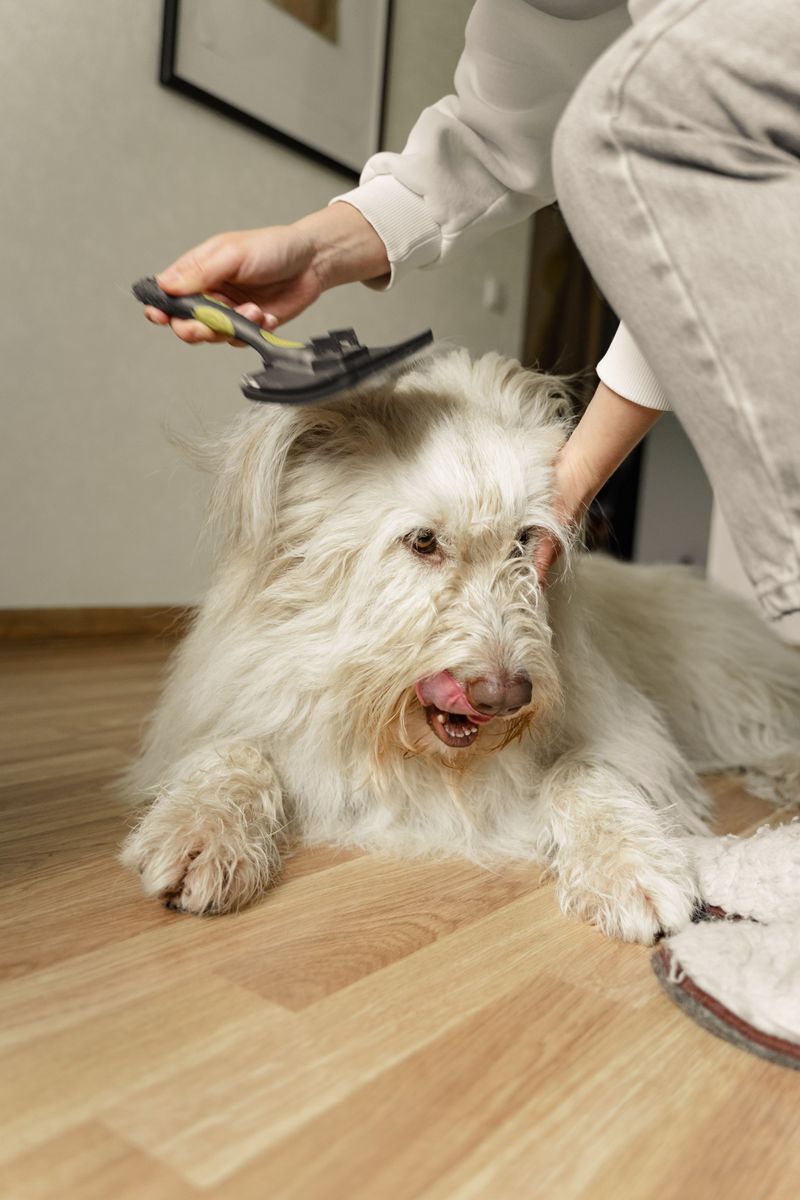
On sticky afternoons, loose hair and tiny tangles can seem to multiply. Damp coats may also resist a brush and pull when you rush.
That is uncomfortable for dogs and frustrating for owners.
Let the coat dry before a full brushing session. Then work in small sections, starting where knots form most often.
Choose tools suited to your dog’s coat, and keep sessions short. If a comb cannot pass through easily, a professional groomer can help without unnecessary tugging.
4. Paw Fur Can Hold Onto Moisture
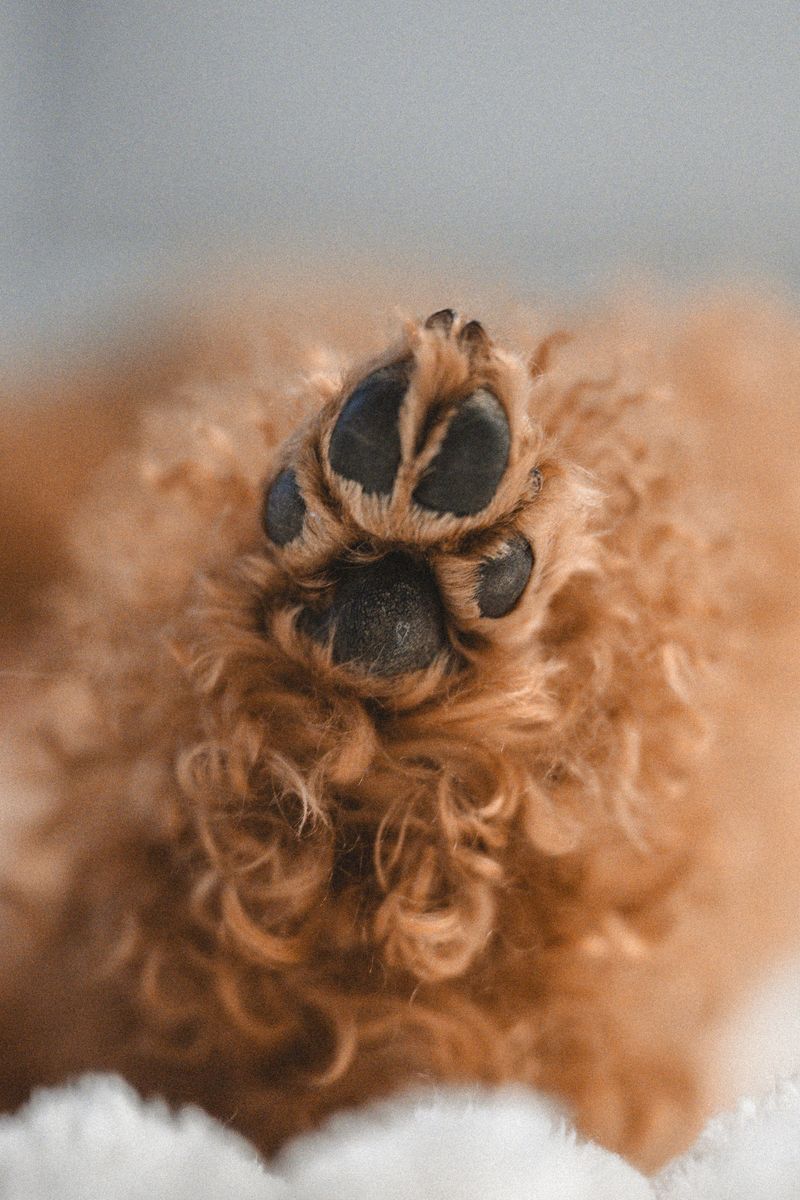
Between paw pads, little tufts of hair can stay wet after a quick sidewalk walk. Florida rain and damp grass make that easy to miss.
Trapped moisture may leave paws uncomfortable or encourage licking.
Wipe each paw when your dog comes inside, then dry between the toes. Keep excess paw fur neatly trimmed, without cutting close to the skin.
If you see persistent redness, swelling, or frequent licking, contact your veterinarian instead of guessing at the cause.
5. Wet Ears Need Extra Attention
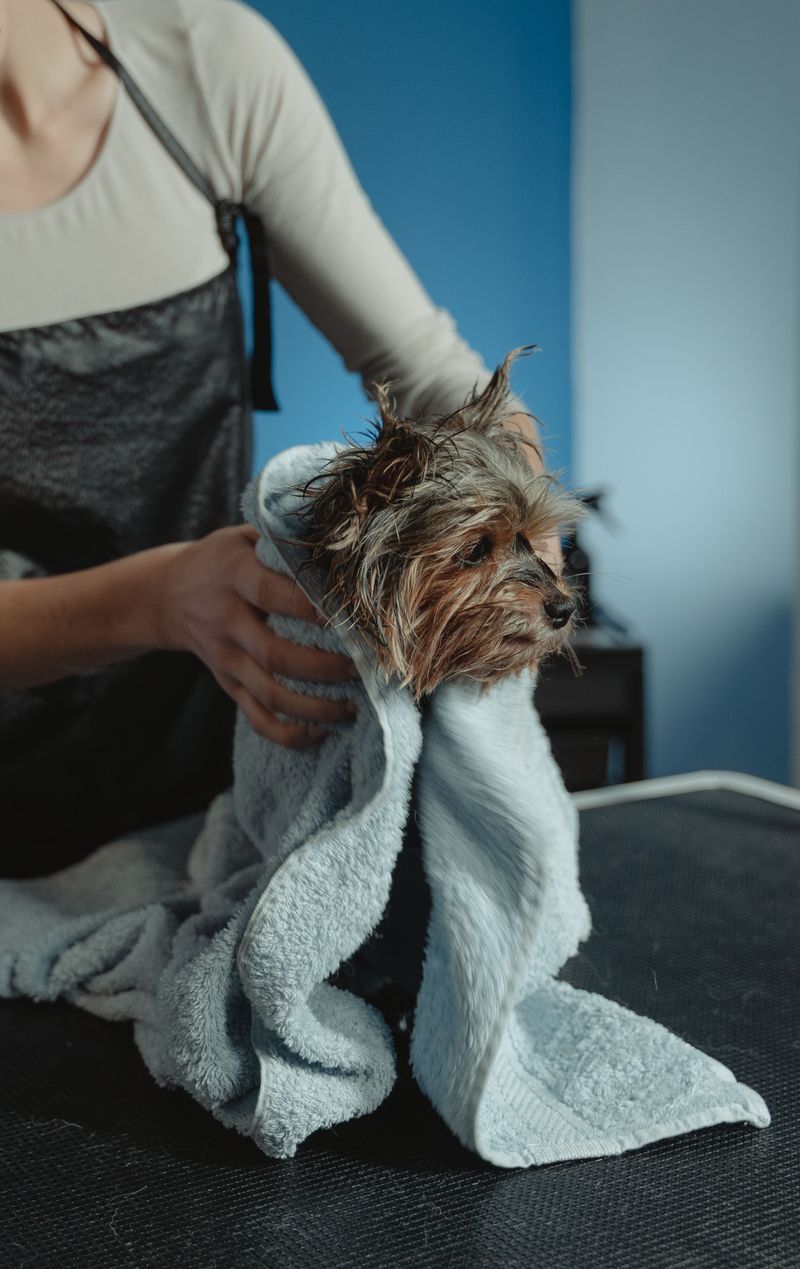
Floppy ears can hide moisture long after the rest of a dog feels dry. Rain, baths, and swimming add to the challenge.
For some dogs, a damp ear area increases the chance of irritation.
Dry the outer ear gently with a soft towel after water play. Ask your veterinarian whether an ear cleaner suits your dog before using one.
Never push cotton swabs into the ear canal. Head shaking, odor, or redness calls for a veterinary check rather than home treatment.
6. Facial Folds Can Stay Damp
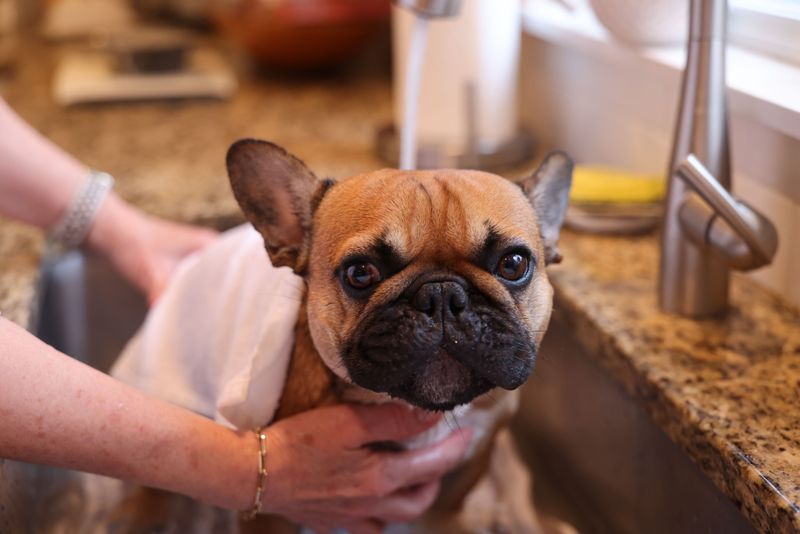
Those expressive face wrinkles can collect more than curious looks. Water, drool, and humid air may leave folds damp between cleanings.
Skin tucked inside needs a careful look because irritation can be easy to miss.
Use a soft cloth to clean visible folds as your veterinarian recommends. Dry each fold gently afterward, rather than leaving moisture behind.
Avoid scented products unless your veterinarian approves them. If the skin looks red or smells unusual, ask for specific care instructions.
7. Long Coats Take Longer To Dry
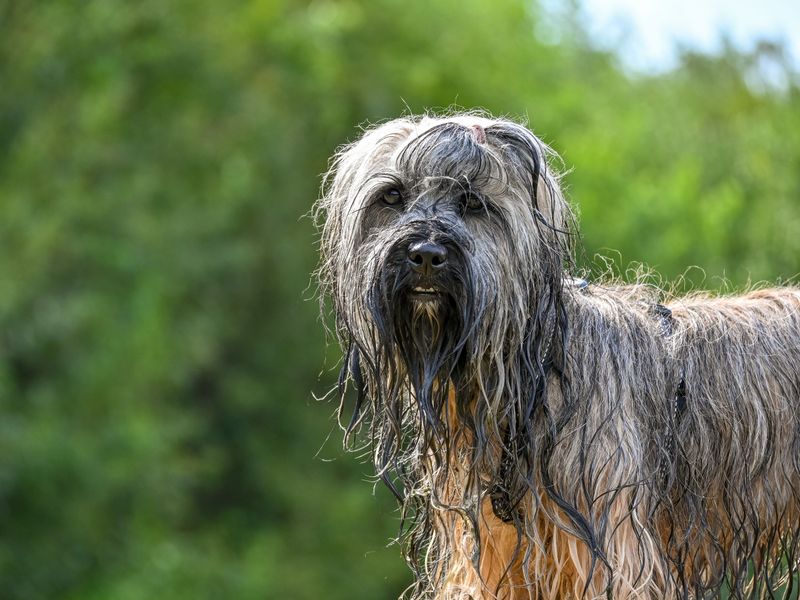
A long coat can look dry on top while its inner layers remain damp. Florida’s moist air makes waiting for natural drying less reliable.
Leaving the underlayers wet may lead to tangles and discomfort.
After a bath, press water out with towels instead of rubbing vigorously. Part the fur to check whether it feels dry near the skin.
A pet dryer can help if used carefully and comfortably. Ask a groomer to demonstrate safe drying for especially dense coats.
8. Humidity Can Bring Out Skin Flaking
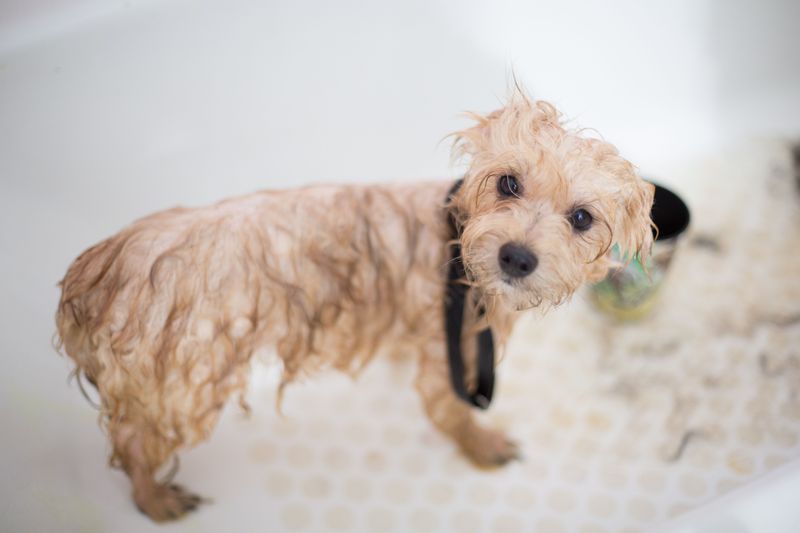
White flakes on a dark coat can catch your eye during brushing. Humid weather does not explain every flaky patch, though.
Bath products, allergies, and other skin conditions can also play a part.
Notice whether your dog scratches or has redness alongside the flakes. Use a dog shampoo suited to their skin, and rinse it thoroughly.
Avoid bathing more often just to remove flakes. If flaking continues or your dog seems uncomfortable, let a veterinarian identify the cause.
9. Undercoat Can Become Harder To Manage
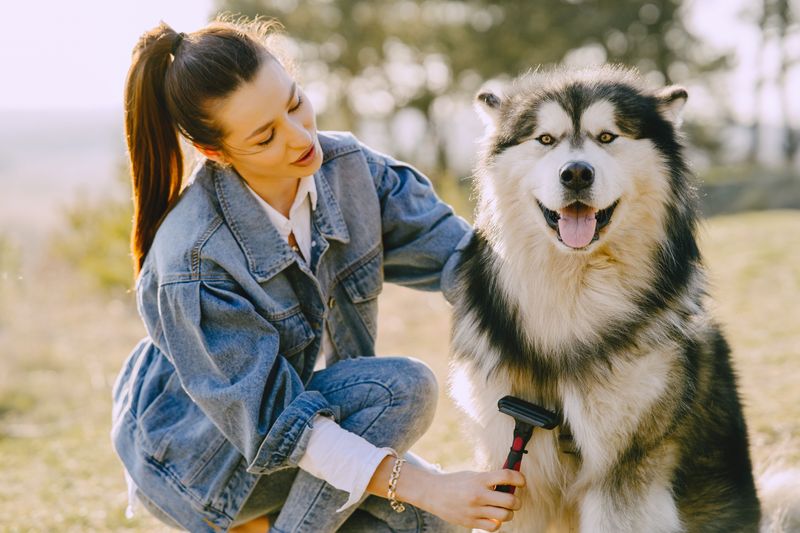
A fluffy undercoat can hide dampness and loose hair close to the skin. During Florida’s warm, humid months, that combination can make grooming feel endless.
Packed hair may also make drying after a bath more difficult.
Brush regularly with tools recommended for your dog’s coat type. Reach the undercoat gently instead of scraping the skin.
Check that your dog is dry all the way through after bathing. Ask a groomer before removing large amounts of coat or shaving it.
10. Rainy Walks Can Lead To Dirtier Coats
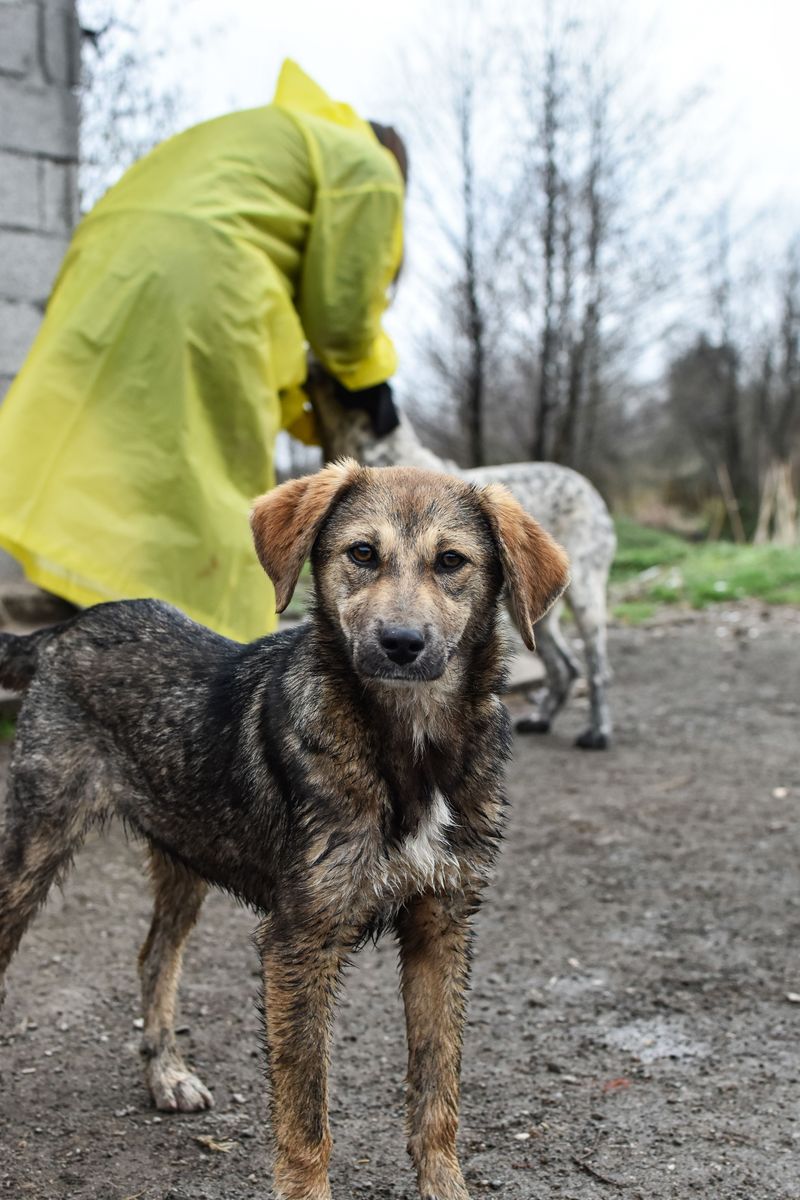
One puddle can undo a freshly brushed coat in seconds. Florida showers leave wet grass, sand, and sidewalk grit ready to cling to fur.
Mud can form tangles if it dries unnoticed.
Keep a towel near the door for quick cleanup. Rinse dirty legs with plain water when wiping alone will not help, then dry them well.
Check the belly and paws before dirt spreads indoors. A planned cleanup routine makes surprise showers easier to handle.
11. Swimming Can Leave Salt Or Pool Residue
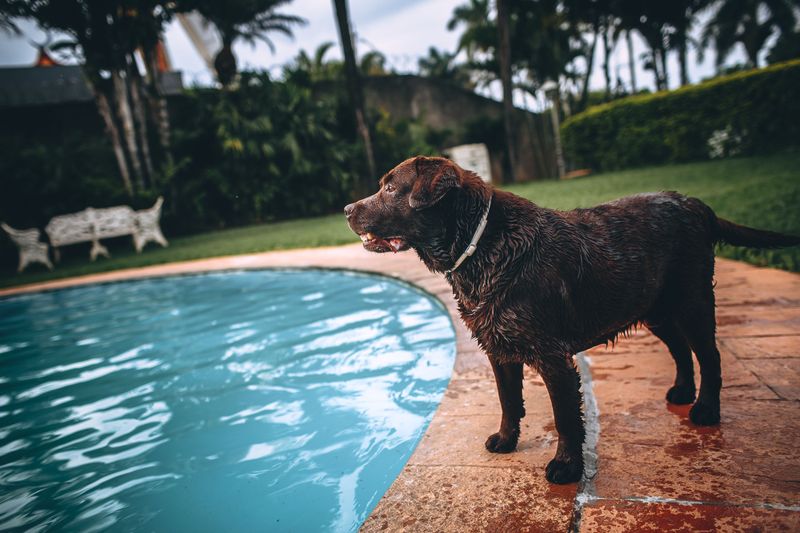
A swim may cool your dog off, but drying alone is not enough. Saltwater and pool chemicals can linger in the coat and on the skin.
Residue may feel uncomfortable, especially when fur dries slowly afterward.
Rinse your dog with fresh water after swimming, including the belly and paws. Dry the coat thoroughly and check the ears afterward.
Prevent your dog from drinking pool or ocean water. If skin irritation follows swimming, ask your veterinarian what to use next.
12. Humidity Can Make Shedding Feel Messier
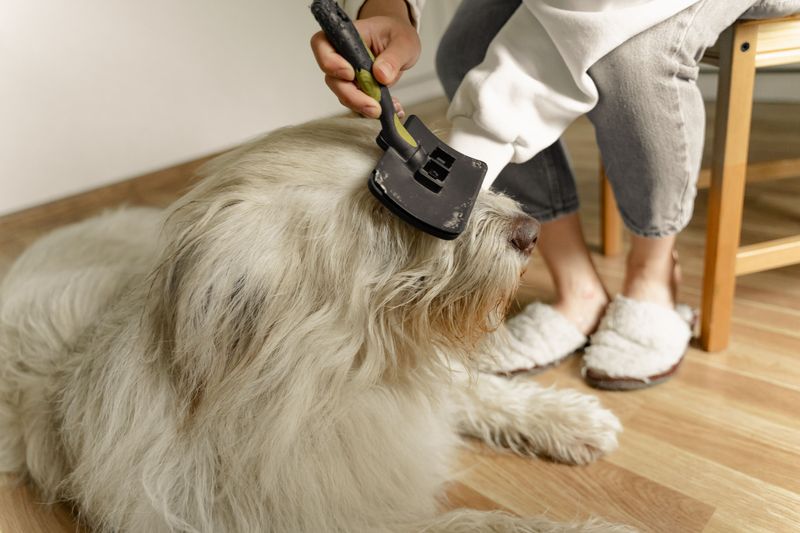
Loose fur seems to find every floor when sticky weather keeps everyone indoors. Humidity itself does not mean every dog will shed more.
Still, damp loose hair can cling to coats, brushes, and furniture.
Brush your dog on a schedule that fits their coat and comfort. Remove collected hair from the brush as you work, and wash bedding regularly.
Dry your dog before brushing after a wet walk. If shedding changes suddenly or leaves bare patches, consult your veterinarian.
13. Wet Collars Can Irritate The Neck Area
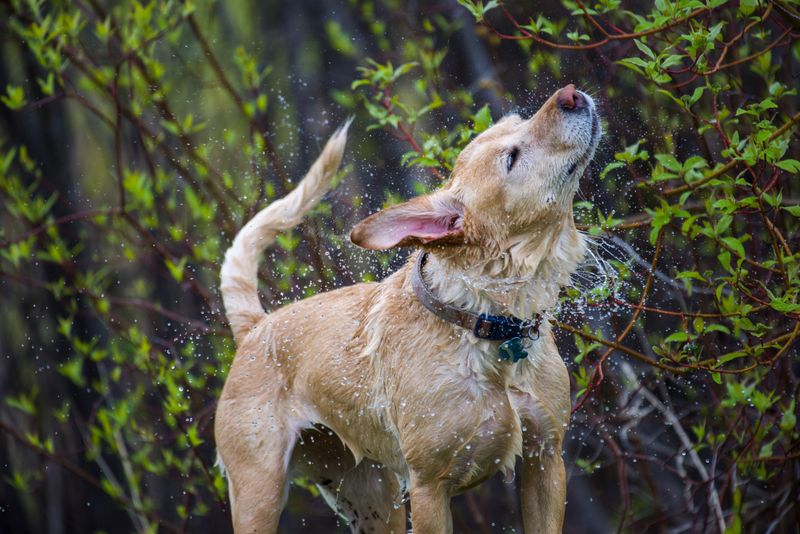
A collar may stay damp against the neck after the coat feels dry. Florida rain and wet outdoor activities can make this easy to overlook.
Friction from a wet collar can leave sensitive skin uncomfortable.
Remove the collar at home when it is safe to do so, and let it dry completely. Check underneath for redness or rubbed fur.
Wash collars according to their care instructions, and keep a dry spare available. Seek veterinary advice if irritation remains or worsens.
14. Tail Fur Can Trap Moisture And Debris
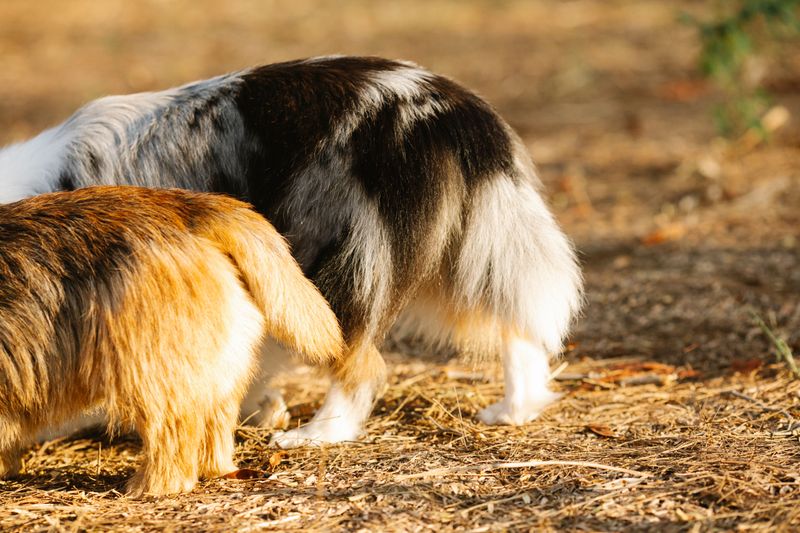
That wagging tail can sweep through wet grass without anyone noticing. Long tail fur may pick up leaves, sand, and moisture during Florida outings.
Small tangles can develop where debris stays caught.
Run your fingers gently through the tail after walks, checking near its base. Remove loose bits before brushing, and dry damp sections with a towel.
Hold the fur near the skin while combing to reduce pulling. A groomer can suggest a practical trim for busy tails.
15. Grooming Tools Need To Stay Clean And Dry
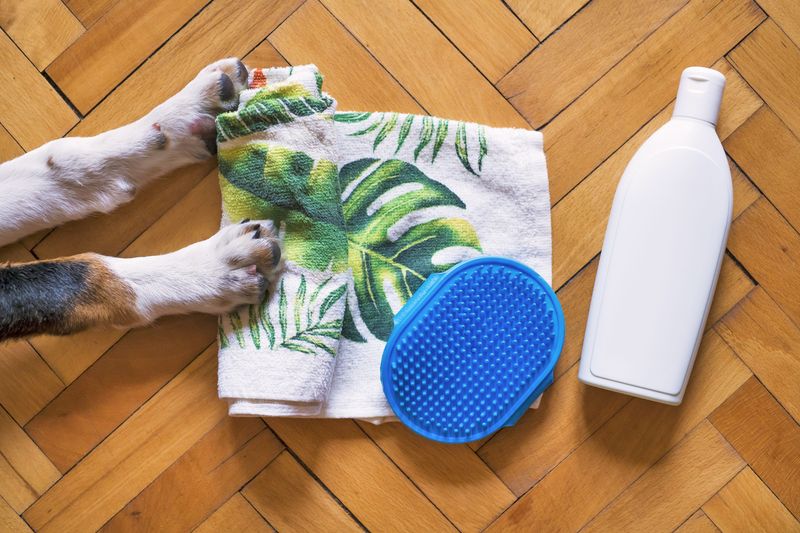
Your brushes need attention after working through damp fur. In Florida’s humid air, tools stored wet may stay musty or collect buildup.
A dirty brush can put old debris back into a clean coat.
Pull trapped hair from brushes after each use. Clean tools according to their materials and manufacturer instructions, then let them dry fully.
Store them in a clean, ventilated place rather than a damp bag. Simple tool care makes the next grooming session more pleasant.