18 Hunting-Season Precautions For Dogs On South Carolina Public Lands
Fall in South Carolina brings cooler air, quiet woods, and the start of hunting season on public land. If you like walking your dog on Wildlife Management Areas or national forest trails, a little planning goes a long way.
Hunters and dog owners share these spaces every year without trouble, and the reason is simple: both sides know the rules and stay visible. Here are steady, practical precautions worth knowing before your next outing.
1. Look Up The WMA Hunting Calendar First
Five minutes online can reshape your whole hike. The South Carolina Department of Natural Resources publishes an annual hunting and fishing regulations guide listing WMA seasons, limits, and special rules.
Those dates shift by Game Zone and even by individual WMA, so one property may be busy while another sits quiet. Pull up the current guide, note the open seasons, and plan around them.
Confirm details with SCDNR if anything looks unclear.
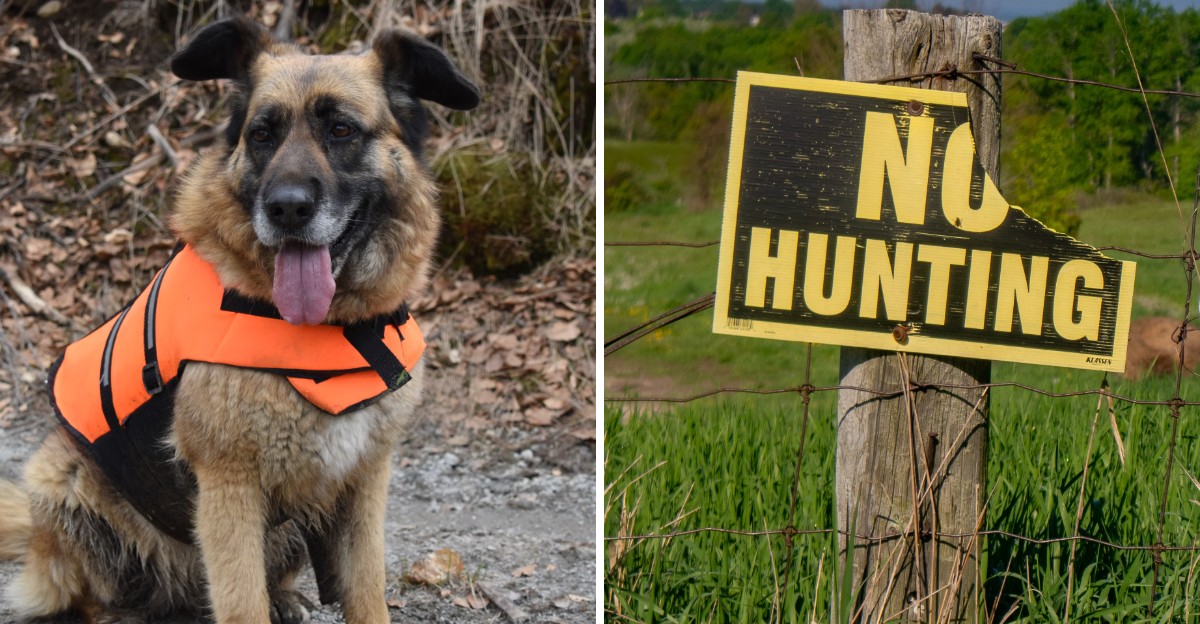
2. Dress Your Dog In Blaze Orange
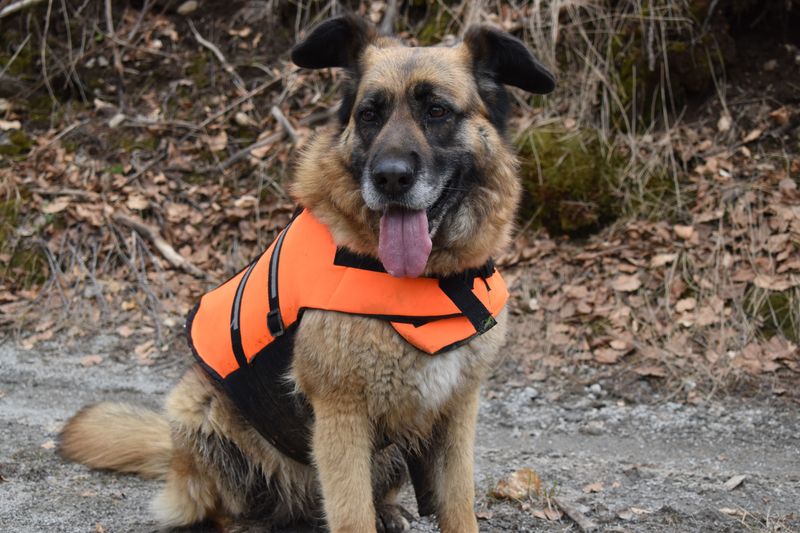
Orange is not legally required for dogs, but it works beautifully. A blaze vest makes your pet readable from a distance, especially against brush and fallen leaves.
There is a bonus benefit too: sturdy vests shield a dog’s chest and belly from briars, thorns, and sharp sticks.
Choose a snug fit that does not slide sideways, and pick one with reflective stitching for extra help in dim conditions.
3. Put On Your Own Hunter Orange
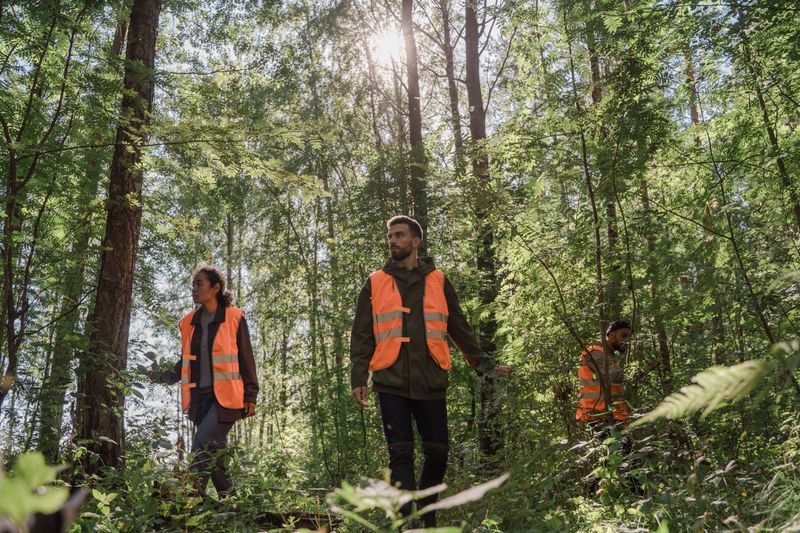
South Carolina law is direct about this one. On WMA lands, during any gun or muzzleloader season for deer, bear, and hogs, everyone present must wear a solid visible international orange hat, coat, or vest.
That includes non-hunters like dog walkers and birders, under SC Code 50-11-365.
Hunters pursuing dove, turkey, ducks, geese, or other migratory birds are exempt while hunting those species. Keep a vest in your car year-round.
4. Leash Up, Every Single Time
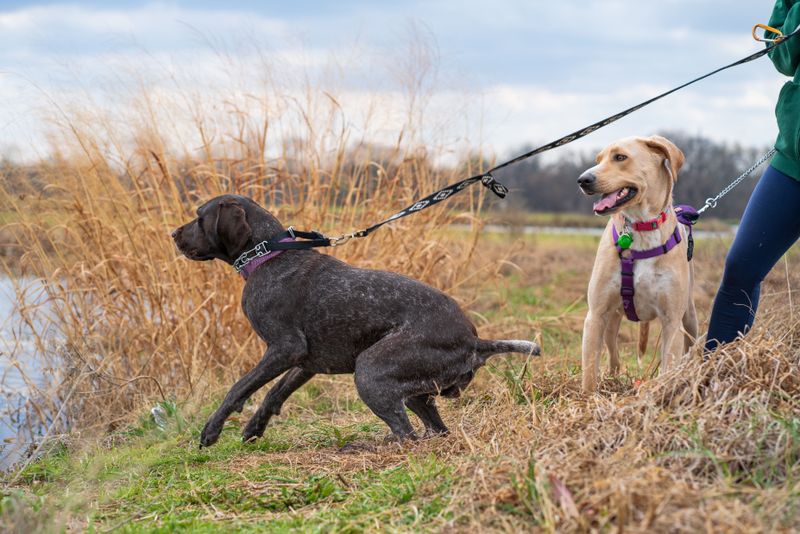
Free-running dogs are not allowed on Wildlife Management Areas. A dog counts as running at large when it is off the owner’s property and not under physical control with a leash or similar restraint.
So on WMAs, physical restraint is the standard at all times.
Beyond the rule, a leash keeps your dog out of hunting zones and away from wildlife. Uncontrolled dogs disturbing game can bring fines.
5. Shorten The Leash In Thick Brush
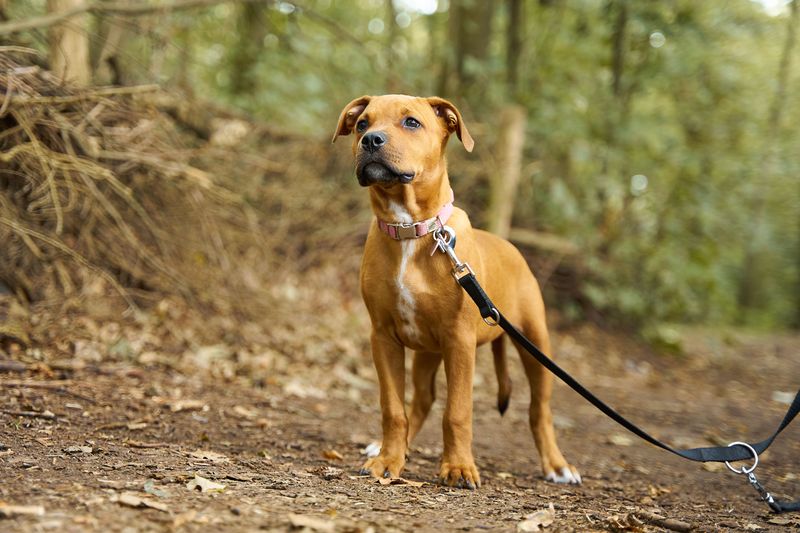
Long lines feel generous in open fields. In heavy cover they become a tangle waiting to happen.
Switching to a short leash, roughly four to six feet, keeps your dog beside you instead of vanishing into palmetto or briars. You will feel every hesitation and can steer around surprises.
No specific statute names leash length, but shorter lines support the general requirement to keep dogs physically controlled.
6. Stop Wildlife Chases Before They Start
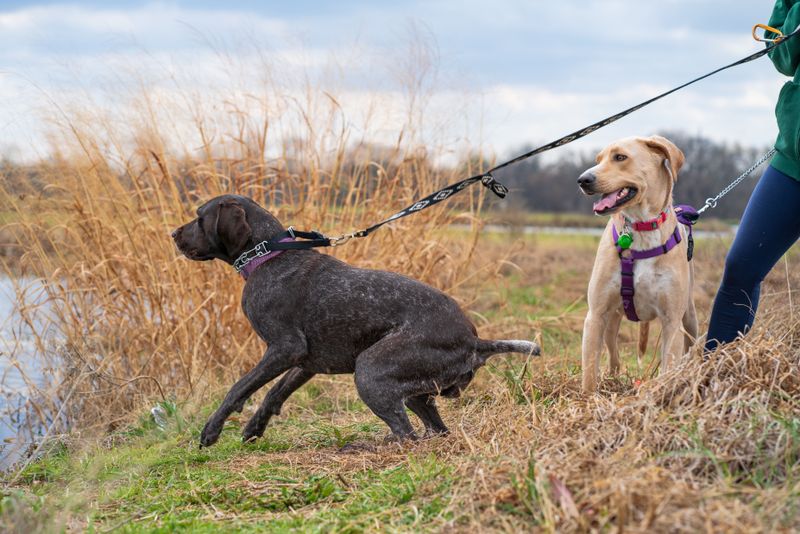
State law treats wildlife pursuit seriously. It is unlawful for an owner to permit a dog to run at large and track, pursue, harass, or attack wildlife on a state-owned wildlife management area.
Dogs found violating that rule may be impounded.
Authorized hunting dogs working during open seasons are exempt. For pet owners, the practical answer is redirecting attention early: treats, a turn, a firm cue before the scent takes over.
7. Know When Dog-Deer Hunts Are Scheduled
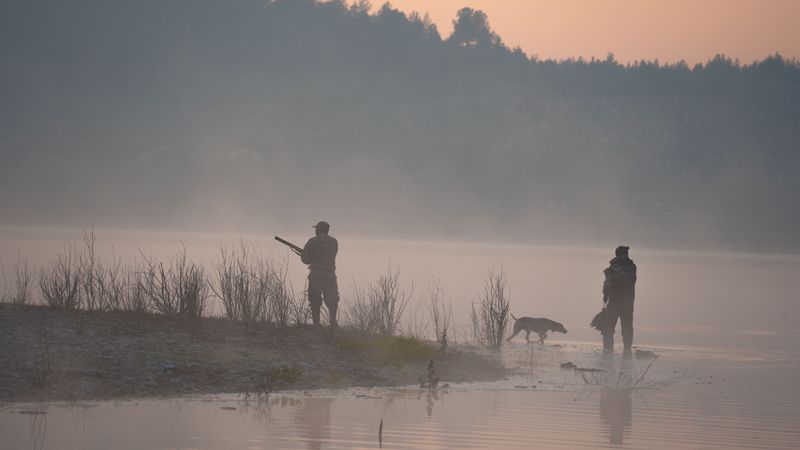
Deer hunting with dogs is a long-standing tradition in the Coastal Plain, mainly Game Zones 3 and 4. SCDNR schedules specific dog drive hunts on certain WMAs, including designated dates in the Francis Marion National Forest.
Special rules often apply on those days, such as buckshot-only loads and required deer check-in stations.
Look up the drive dates and pick a different property or a different day for your walk.
8. Steer Clear Of Special Designated Hunts
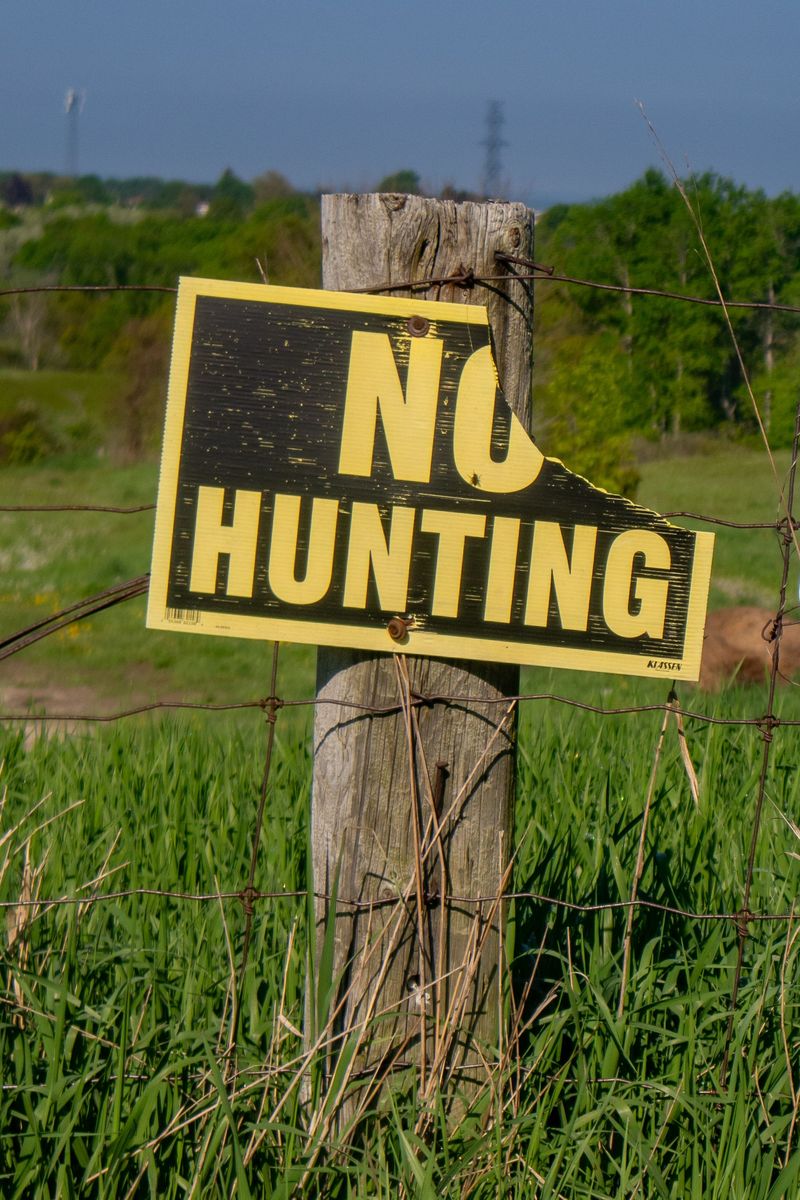
Certain WMAs host special designated hunts, and during those events the property may be closed to other public access entirely.
That is not a suggestion to tiptoe around. It means visitors and their dogs should be elsewhere that day.
Review the SCDNR WMA regulations and the posted hunt schedules before you load up the car. Having two or three backup walking spots makes rescheduling painless rather than disappointing.
9. Keep Your Boots On Established Trails
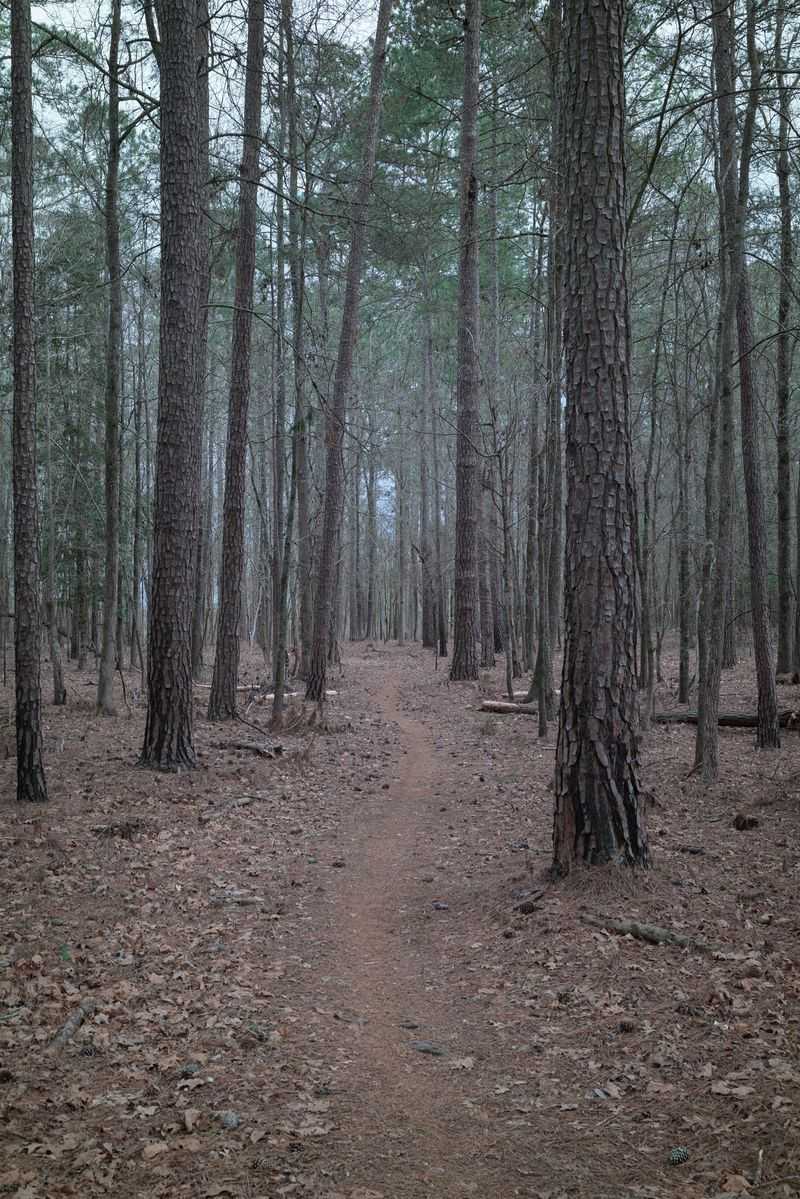
Marked routes do real work during hunting season. During any deer or hog hunt on U.S.
Forest Service or SC Public Service Authority property, hunting or shooting from, on, or across a designated recreational trail is prohibited.
Staying on those trails naturally separates walkers from hunting activity.
Wandering cross-country puts you in spots where nobody expects foot traffic. Predictable movement is easier for everyone to plan around.
10. Add Reflective Gear Or A Clip-On Light
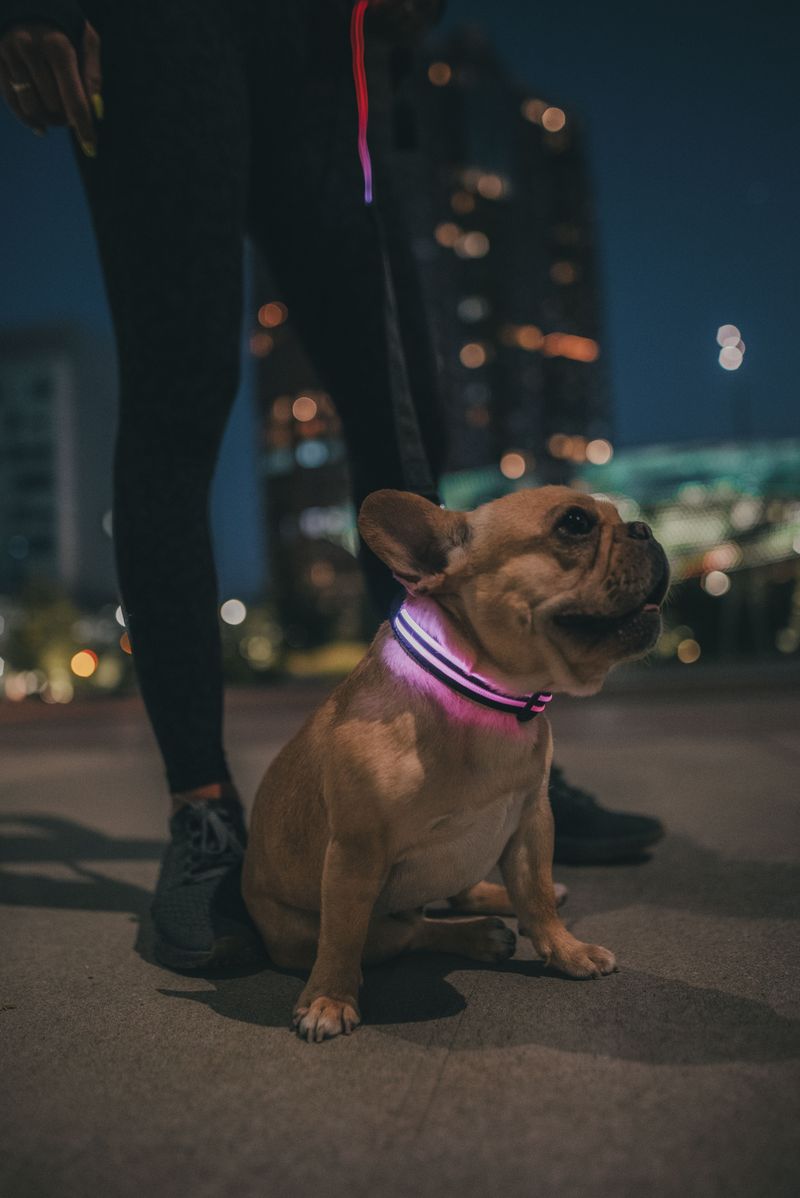
Fog rolls in, clouds thicken, and suddenly orange alone is not doing much. Reflective strips and a small LED clip light give your dog a second layer of visibility.
Blinking lights catch the eye faster than steady ones, and collar lights stay put better than dangling tags.
Wear something reflective yourself as well. Two glowing figures on a trail read clearly as people, not game.
11. Shift Walks Away From First And Last Light
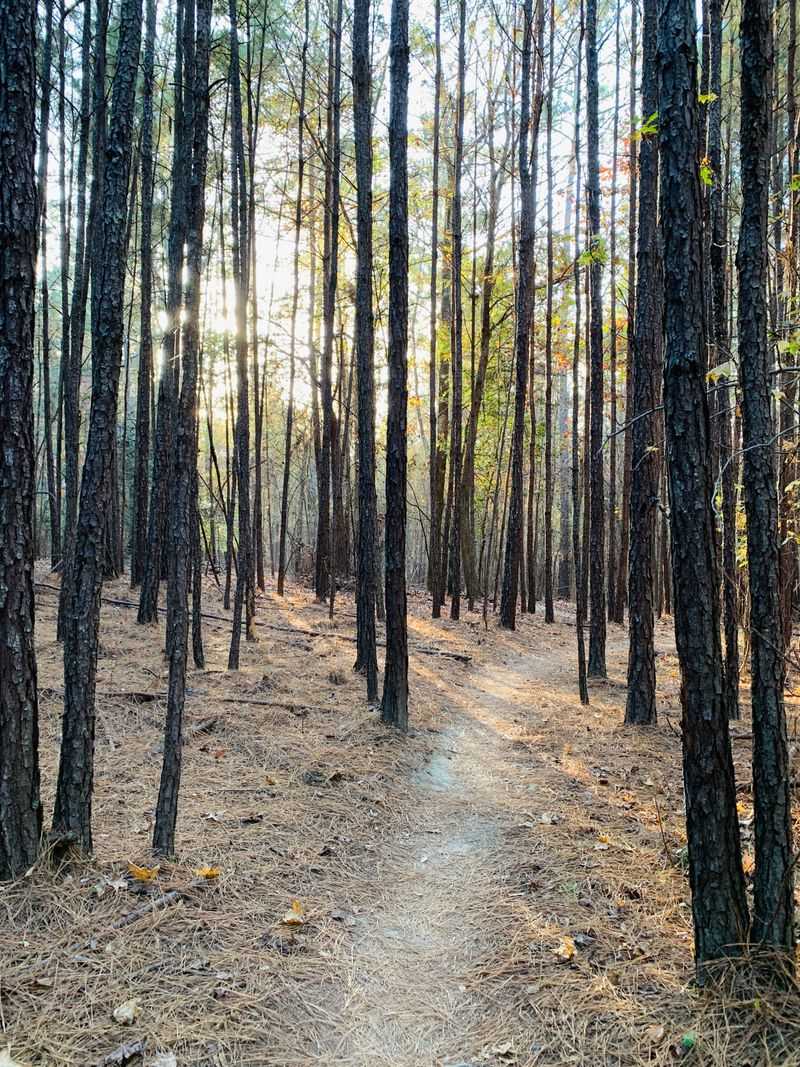
Deer move at dawn and dusk, and so do hunters. Those same windows bring the weakest light of the day, which makes everything harder to identify at distance.
Mid-morning and early afternoon walks solve two problems at once: better visibility and fewer people afield.
Nothing in the law bars non-hunters from being out early, but the timing swap is one of the easiest safety wins available.
12. Current ID Tags Are Non-Negotiable
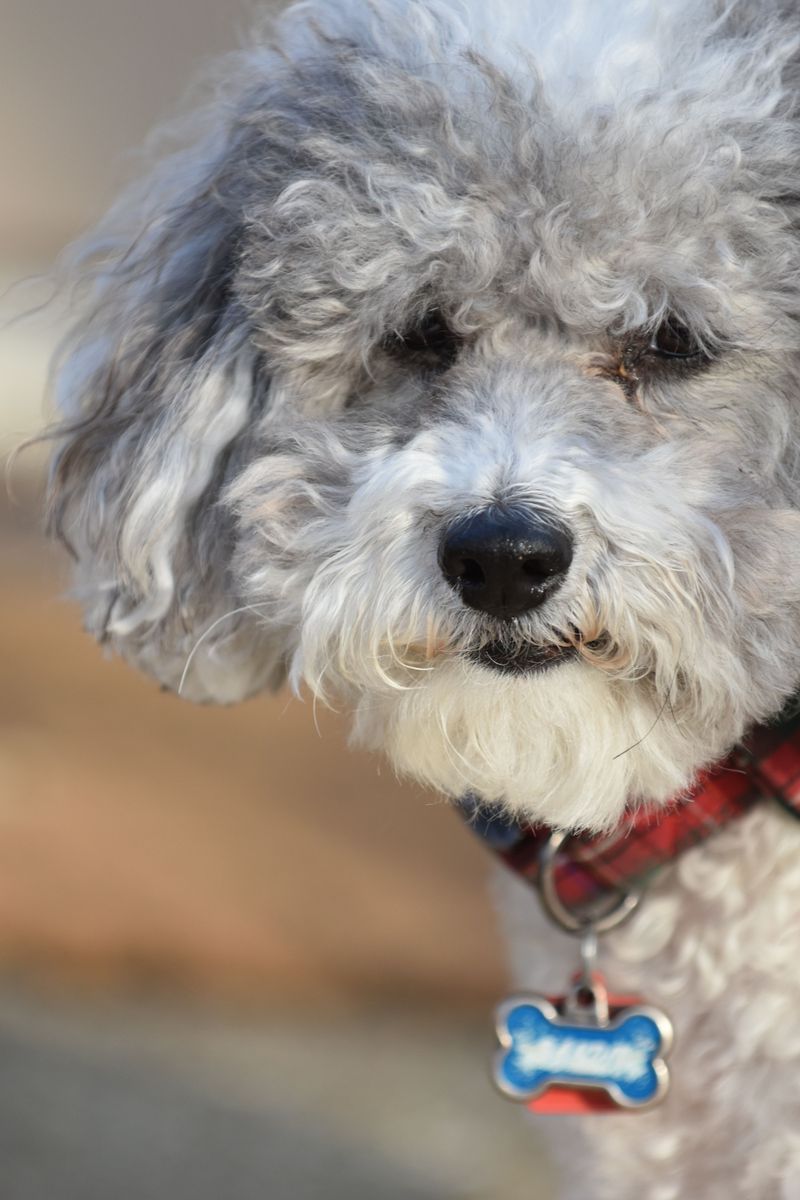
South Carolina requires a current rabies tag on your dog’s collar, and most towns also require licensing with its own tag.
Add a personal tag listing your name, phone number, and address so a finder can call immediately.
Microchips help, though they need a scanner. SCDNR also runs a dog registration program where dogs can be tattooed with a unique number.
Check that engraving is still readable.
13. Build A Recall You Can Count On
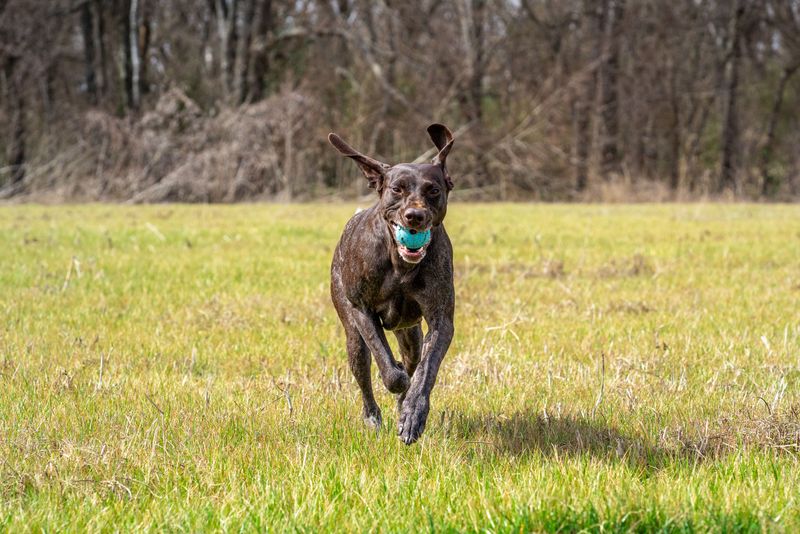
Leashes fail occasionally. Clips pop, collars slip, hands open at the wrong moment.
A dog that turns and comes back on the first call gives you a second line of defense in those seconds. Practice recall at home, then in quiet outdoor spots, always paying well for the return.
Strong recall also helps you comply with rules against disturbing wildlife, since you can interrupt interest instantly.
14. Quiet Woods Can Still Be Busy Woods
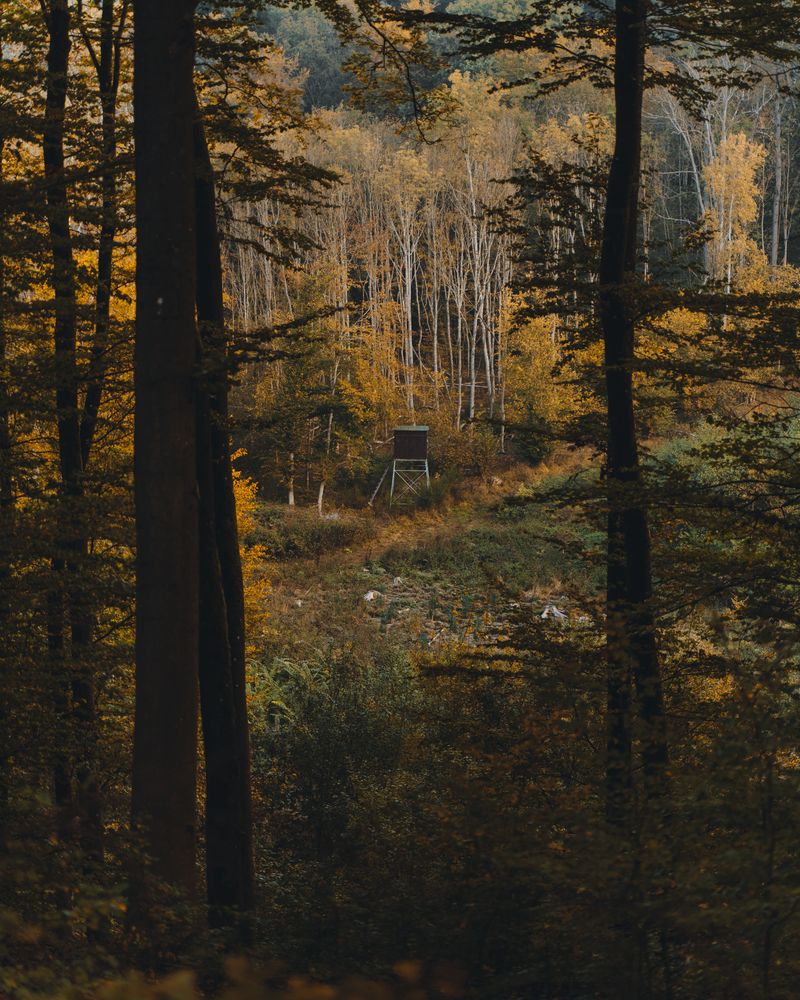
Silence is a poor indicator of what is happening around you. Hunters wear camouflage, sit in elevated stands or ground blinds, and often wait motionless for long stretches.
Dogs working a drive may be well out of sight too.
Treat every open-season visit as though someone is nearby, even when the parking area looks empty. Keep your orange on, keep your dog close, and stay predictable.
15. Give Working Dogs A Wide Berth
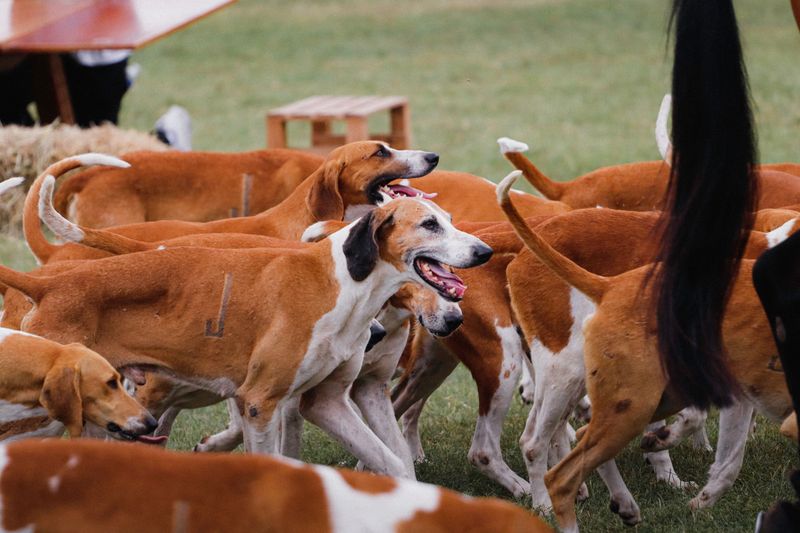
Hounds on a track are locked in and not looking for new friends. Their focus is the job, and a strange dog on a leash is a distraction they do not need.
When you see or hear working dogs, step well off the route, shorten your leash, and wait.
Handlers usually appreciate a wave and some distance. A short pause costs you almost nothing.
16. Never Interfere With A Hunt In Progress
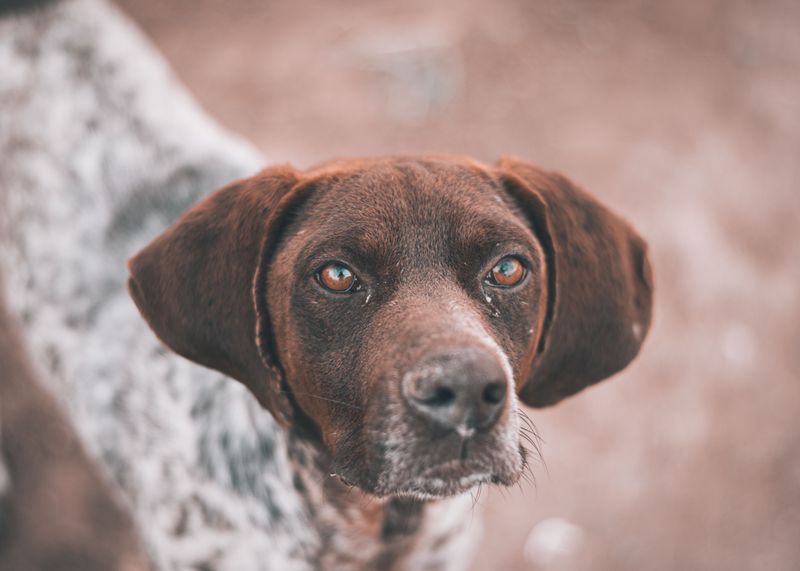
Getting involved is a mistake, even with good intentions. Interfering with lawful hunting or with working hunting dogs is strongly discouraged and can carry legal consequences.
State law includes protections and exemptions for dogs used in accordance with game and wildlife rules.
Do not catch, leash, feed, or redirect someone else’s hunting dog. If a dog appears lost or in trouble, contact SCDNR or local authorities instead.
17. Treat Bird-Dog Training Areas With Respect
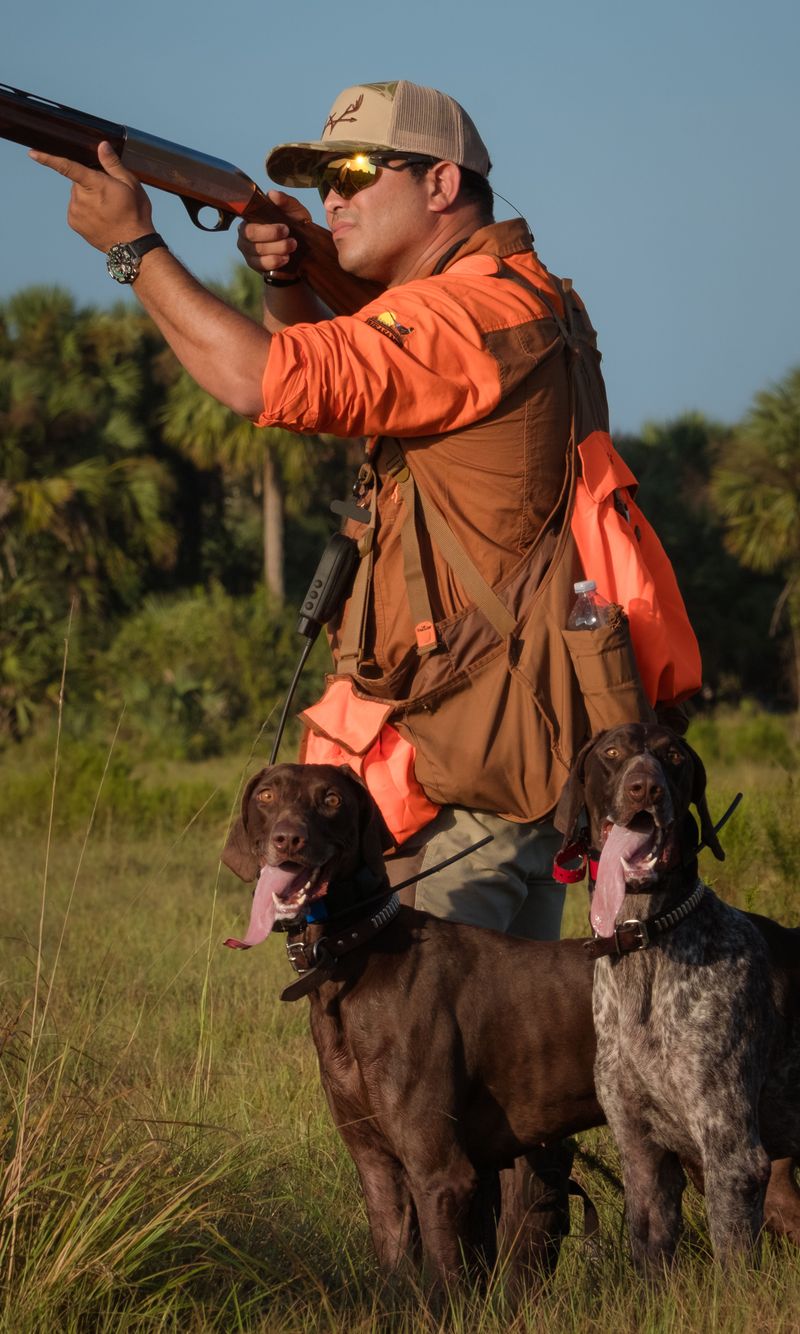
SCDNR designates Public Bird Dog Training Areas, open for training from September 15 through March 15, excluding Sundays.
Trainers there need a valid hunting license and WMA permit and must wear visible international orange. Only pen-raised quail and pigeons may be released, and firearms are limited to blanks or shotguns with number 8 shot or smaller.
Posted signs mark these tracts clearly. Choose another spot for casual walks.
18. Read Every Sign At The Trailhead
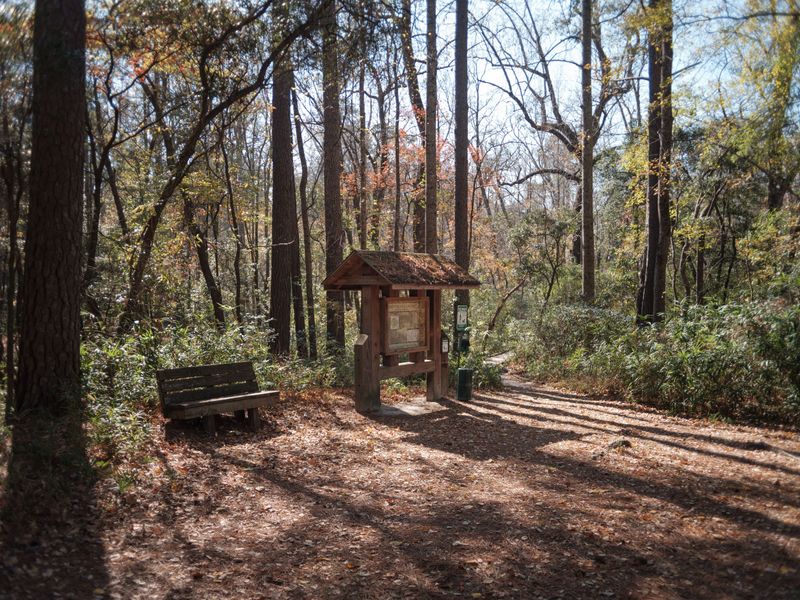
Regulations change, and properties close temporarily for storms, flooding, timber work, or scheduled events.
Check the SCDNR website before you leave home, then read the kiosk and signs when you arrive. Barricades, closed gates, and road closure notices mean unsafe conditions ahead, so never drive around them.
Snap a photo of posted rules for reference on the trail. Informed walks are calm walks, and calm walks are the good ones.