16 Coastal-Storm Supplies Maryland Dog Owners Should Keep Ready
Along Maryland’s coast, a storm can change your dog’s routine quickly. Power may go out, familiar walking paths may flood, or you may need to leave home for a while.
A small collection of dog supplies can make those changes easier to handle. Keep these basics together, check them each season, and you will have more time to focus on keeping your dog comfortable.
1. Fresh Drinking Water For Your Dog
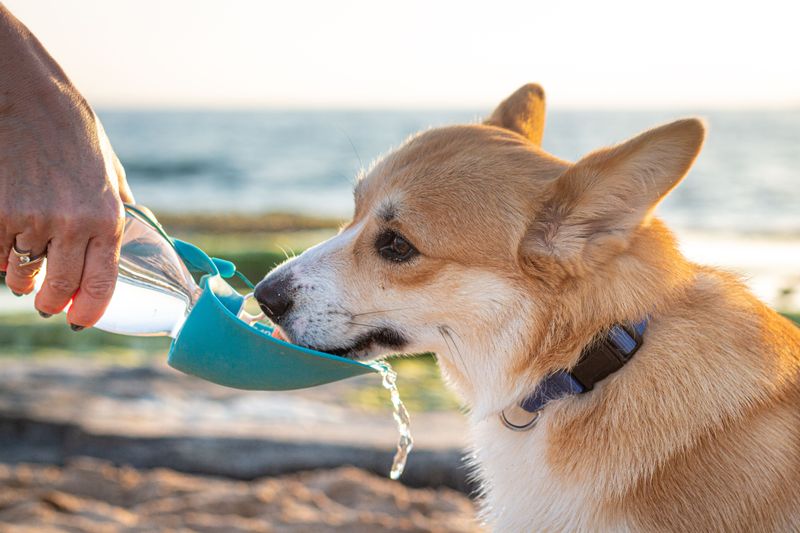
Tap water may be unavailable or unsafe after a coastal storm. Store enough sealed drinking water for your dog for several days.
Your dog may need more on hot days or after a long walk.
Ask your veterinarian how much to plan for if your dog has special needs. Keep bottles where you can grab them quickly.
Replace stored water according to its label, and pack a separate supply if you evacuate.
2. Extra Dog Food In A Waterproof Container
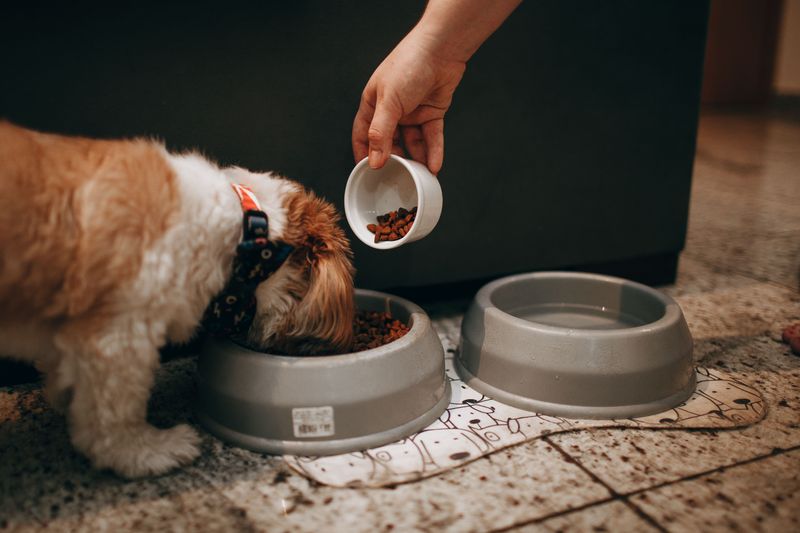
Your dog’s usual food may be hard to find when stores close or roads flood. Set aside several days of their regular food in a sealed, waterproof container.
Include a scoop or premeasured portions to make feeding simpler.
Check expiration dates when you review your storm kit. Replace the food before it gets old, especially if your dog eats a prescription diet.
Sudden food changes can upset some dogs’ stomachs.
3. Collapsible Food And Water Bowls
A familiar bowl is easy to leave behind during a rushed departure. Collapsible bowls tuck into a pocket and work at rest stops, shelters, or a friend’s home.
Pack two so food and water stay separate.
Choose bowls large enough for your dog, then practice using them before storm season. Rinse and dry them after each meal when possible.
A small towel nearby helps keep your travel space tidy and your dog’s feeding area comfortable.
4. Leashes And A Backup Harness
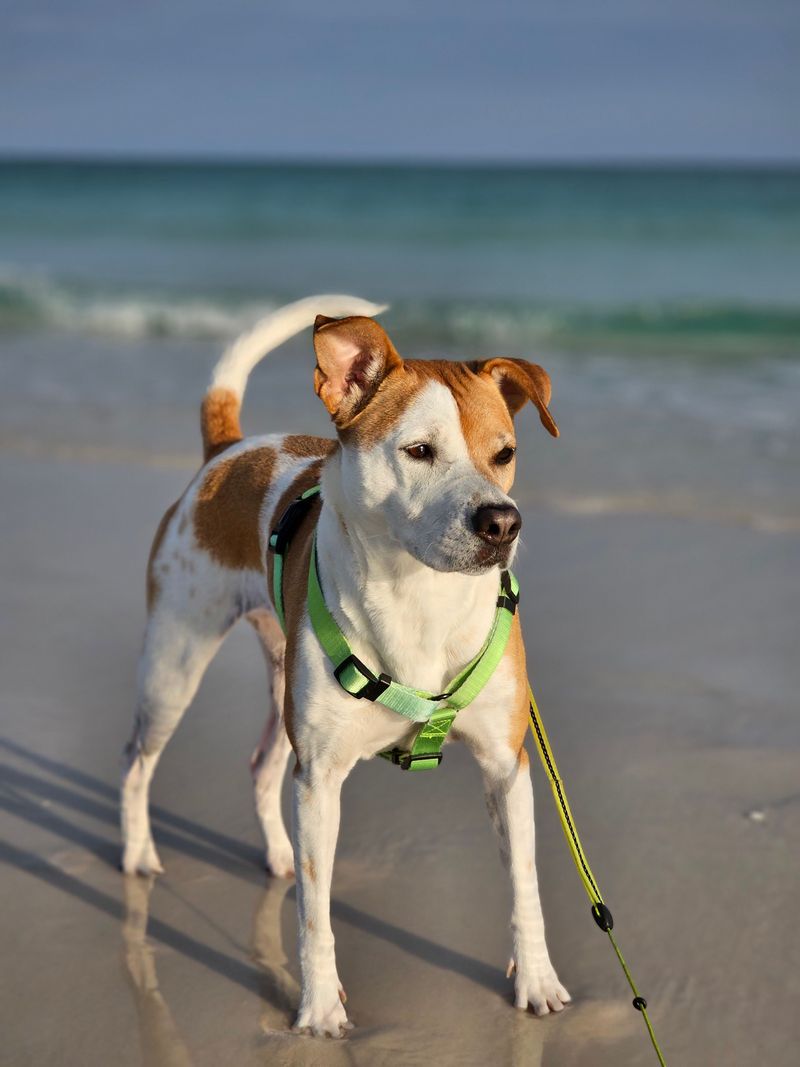
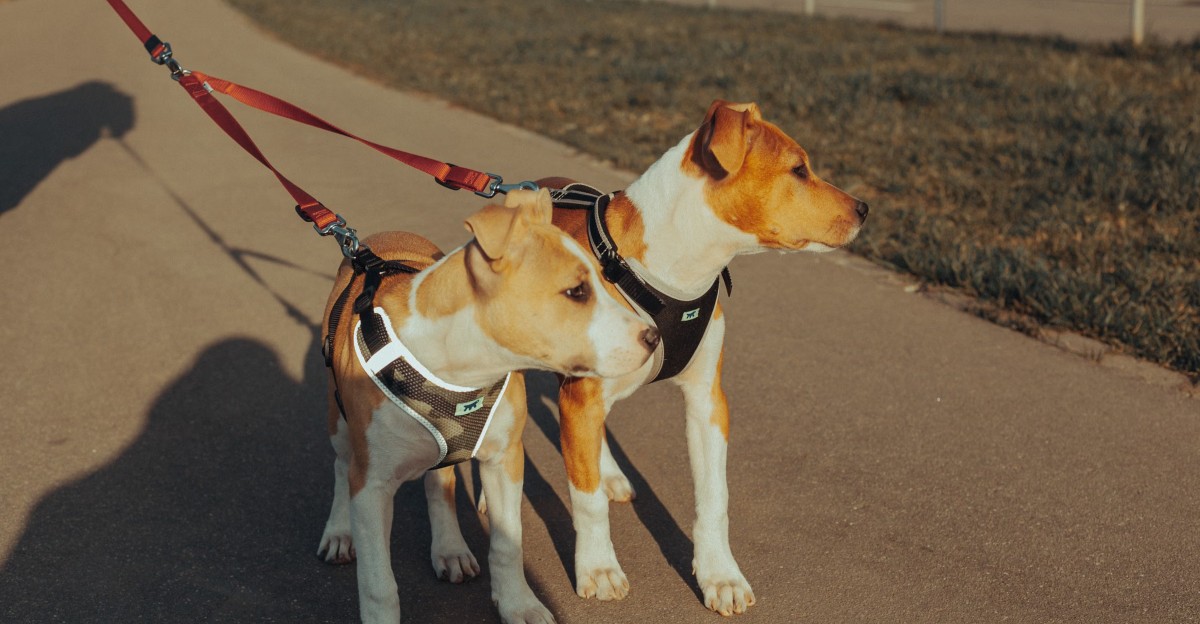
Storm cleanup can make even a familiar yard feel different to a dog. Keep a sturdy leash and a well-fitted harness near your exit.
Add a spare leash in case one gets wet, damaged, or misplaced.
Check the harness fit as your dog grows or changes weight. Practice putting it on when everyone is relaxed.
During an evacuation, keep your dog secured whenever doors open, even if they usually stay close.
5. Waterproof Dog Identification Tags
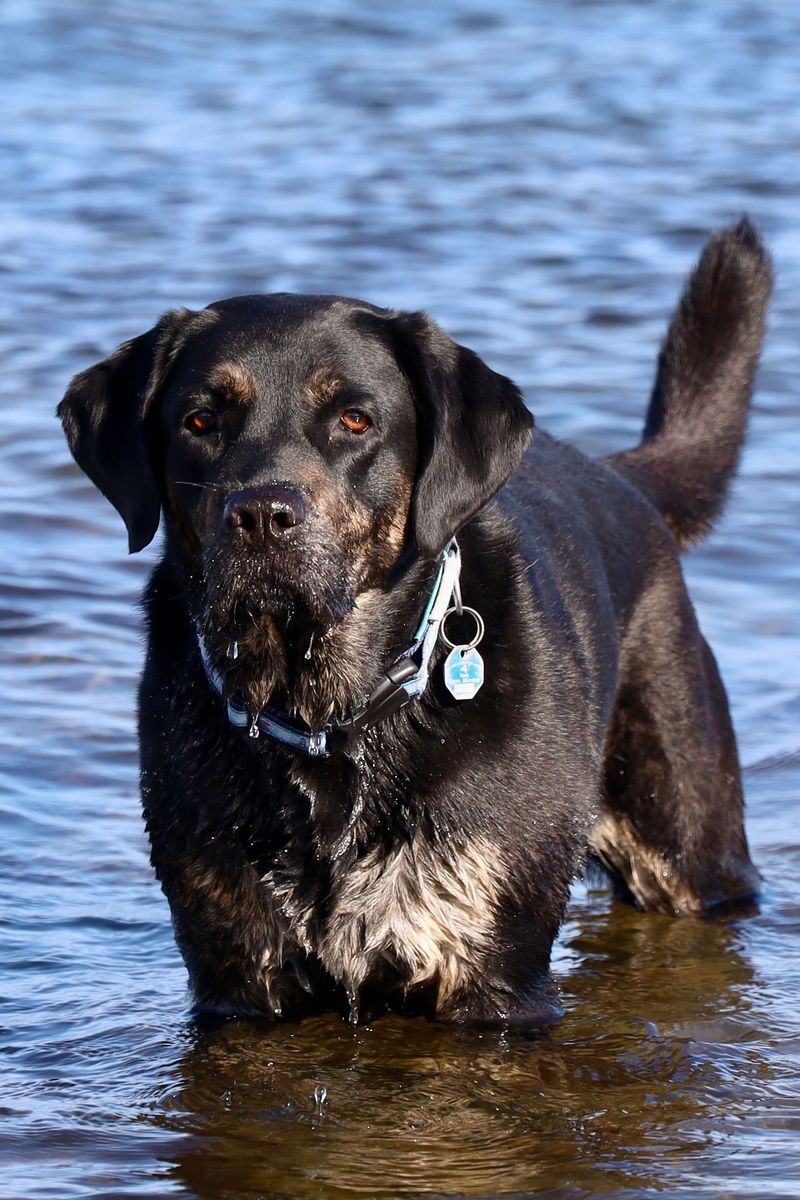
Wet weather is a good reason to check the little tag on your dog’s collar. Choose a durable tag with easy-to-read contact information.
Include a phone number you can answer while away from home.
Update the tag whenever your details change. If your dog has a microchip, confirm its registration information too.
A microchip does not replace a visible tag, which lets someone contact you without special scanning equipment.
6. Printed Veterinary Records
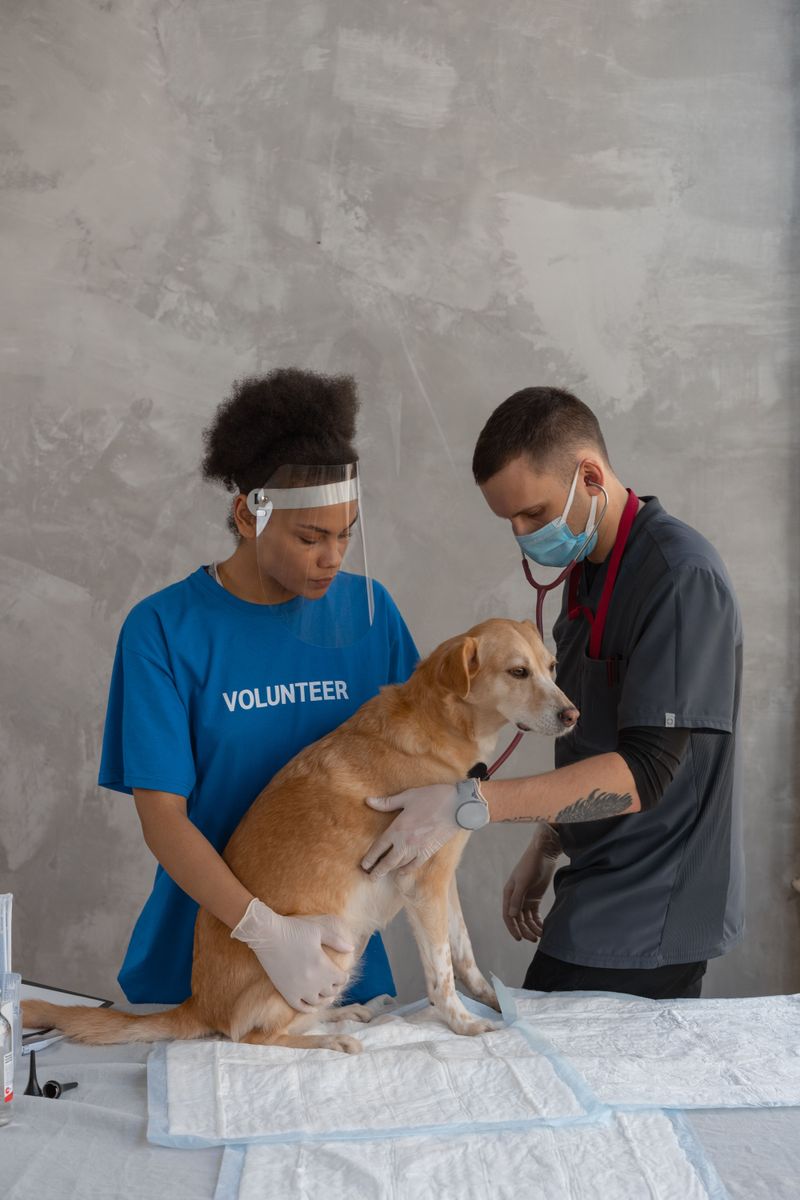
A phone battery running low should not keep you from finding your dog’s health information. Place printed vaccination records, medication details, and your veterinarian’s contact information in a waterproof sleeve.
Add a recent photo of your dog.
Some boarding sites or pet-friendly shelters may ask for records, but their rules vary. Check requirements before storm season when possible.
Keep copies in your evacuation bag and update them after veterinary visits.
7. Dog Medications And First-Aid Supplies
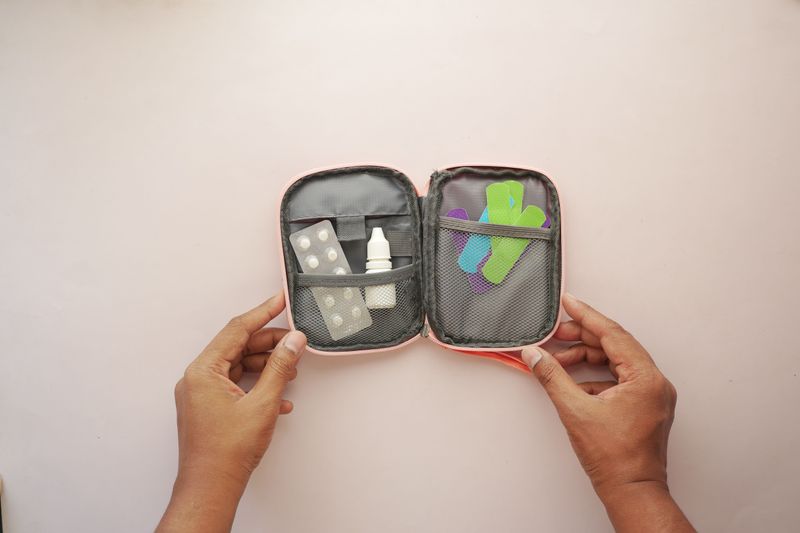
Daily medicine is easy to overlook when plans change quickly. Ask your veterinarian about keeping an emergency supply and how to store it safely.
Pack current instructions, original labels, and any tools needed to give the medicine.
Add basic first-aid supplies, such as gauze and a pet-safe wound rinse recommended by your veterinarian. Check expiration dates regularly.
For injuries or missed doses, call a veterinarian rather than guessing what to do.
8. Waterproof Blankets And Towels
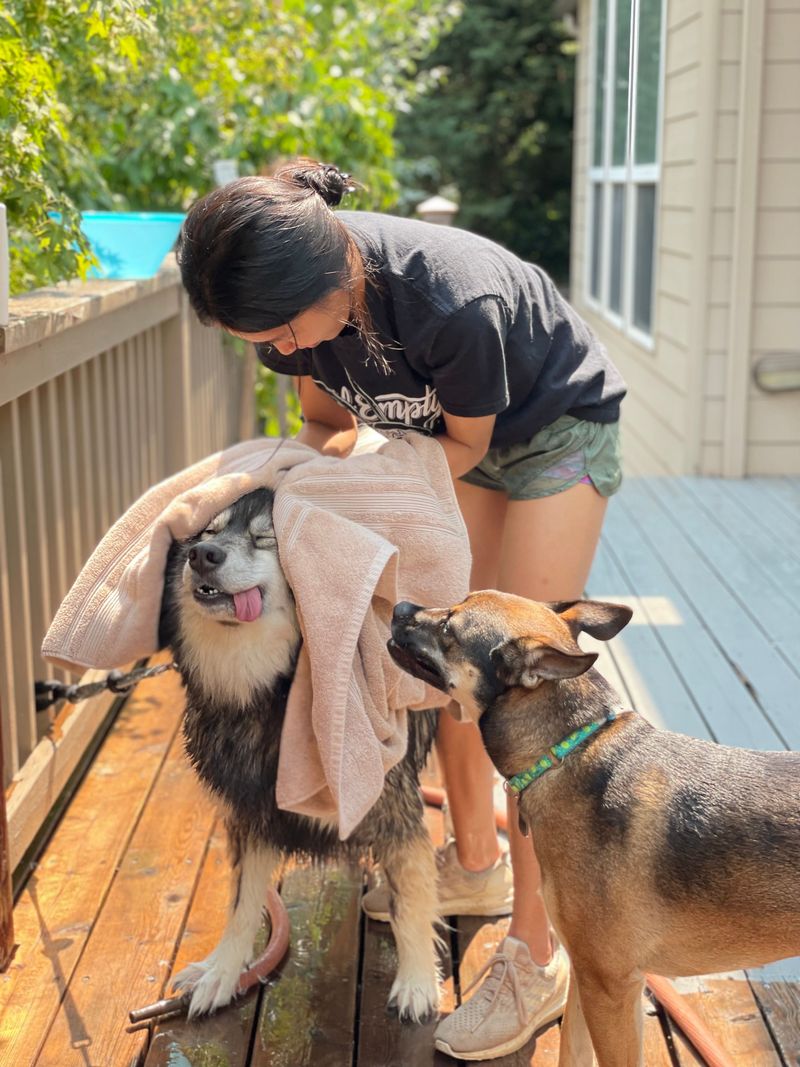
A damp dog can make a temporary stop uncomfortable for everyone. Pack absorbent towels for drying paws and fur after rainy walks.
A waterproof blanket gives your dog a cleaner place to rest on a floor or in a car.
Choose materials you can wash and dry easily. Store them in a sealed bag until needed.
If your dog has a favorite small blanket, bringing it may also make an unfamiliar place feel calmer.
9. Paw Protection For Flood Debris
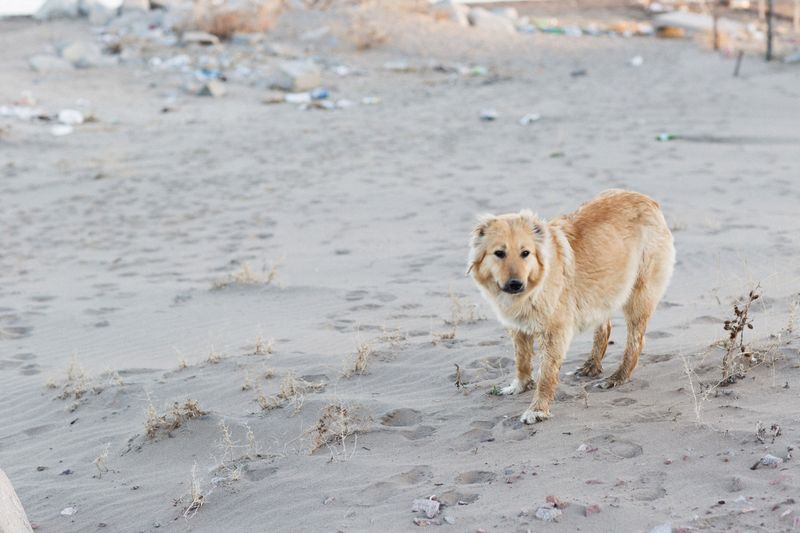
Floodwater can hide sharp objects, chemicals, and other hazards. Keep your dog out of it whenever possible.
Well-fitted dog booties may help protect paws on dry, debris-strewn ground, but they do not make floodwater safe.
Let your dog practice wearing booties before a storm. Pack a soft cloth to wipe paws after walks and check for cuts or irritation.
Ask your veterinarian for advice if a paw looks sore.
10. Waste Bags And Cleanup Supplies
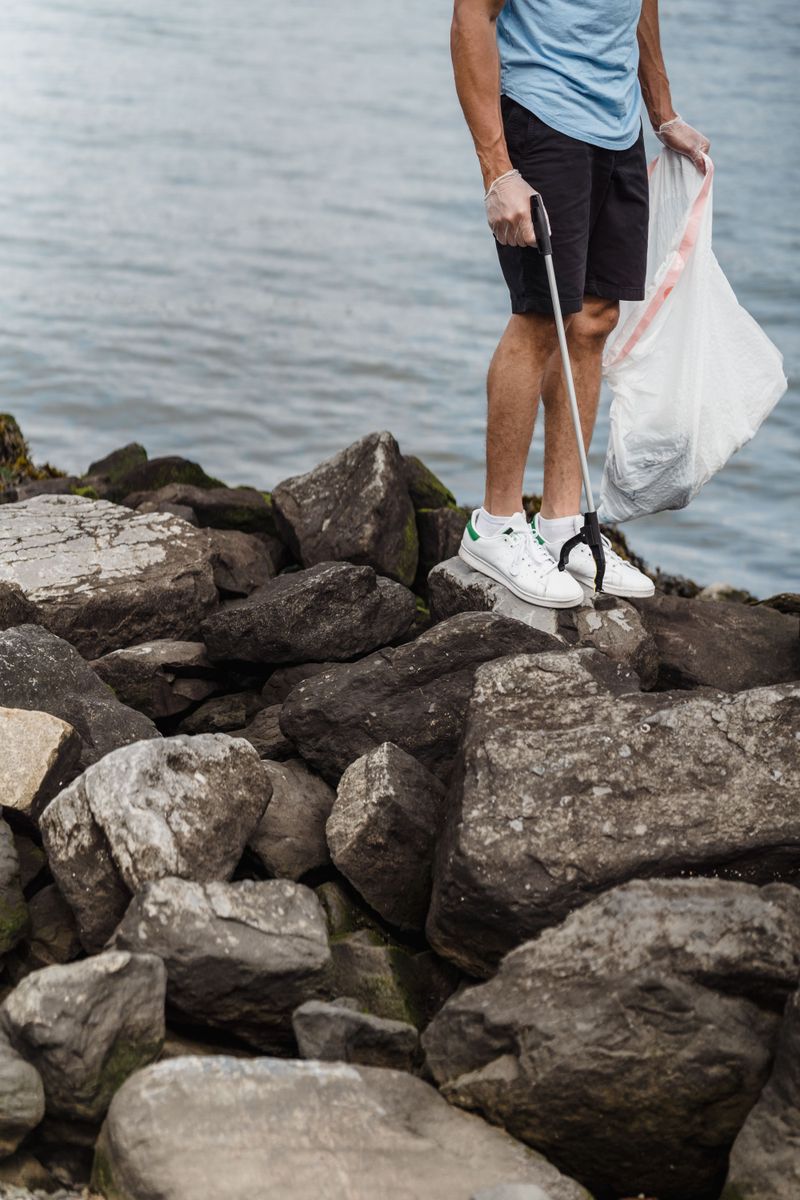
Short walks and crowded stops still call for a simple cleanup plan. Pack more waste bags than you normally use, along with paper towels and a few sealable bags.
A small container of pet-safe cleaning supplies can help with accidents.
Keep used waste sealed until you find an appropriate bin. Follow local disposal guidance if normal collection is interrupted.
Clean hands after handling waste, especially when safe running water is limited.
11. Crate Or Secure Travel Carrier
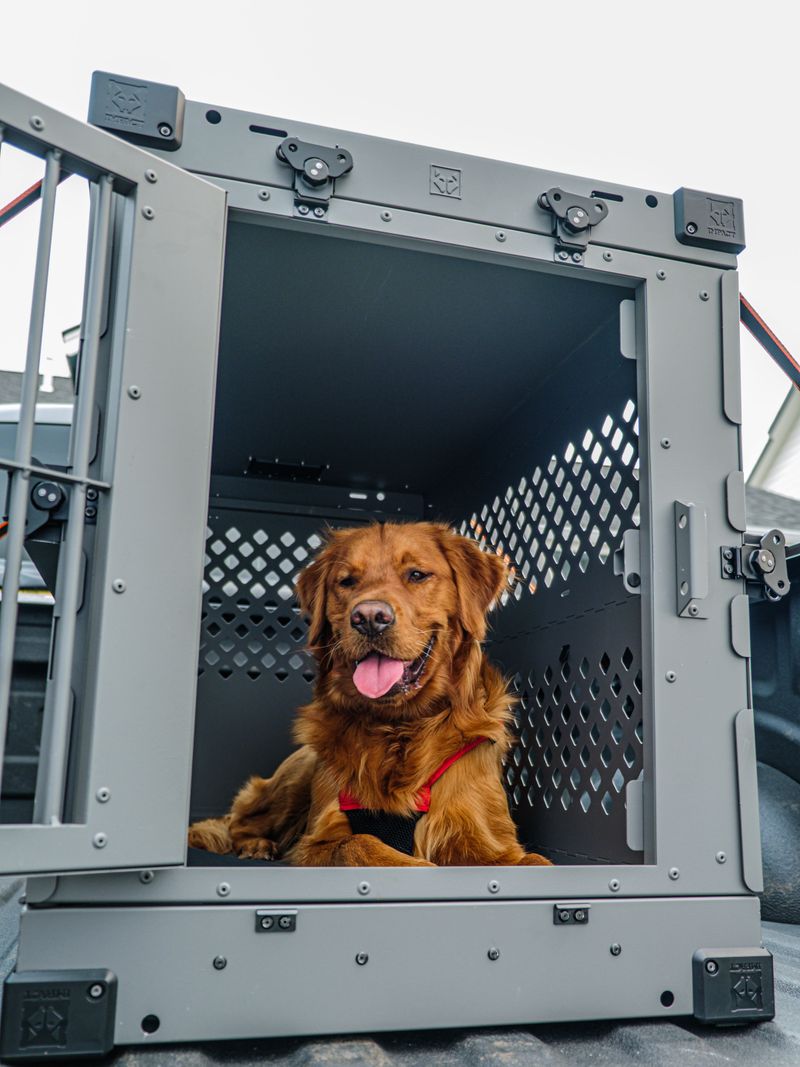
Travel feels easier when your dog has a secure place to settle. Choose a ventilated crate or carrier that lets your dog stand, turn around, and lie down.
Make sure its door and fasteners work properly.
Introduce the crate at home with calm, positive practice. Add a washable mat and label it with your contact details.
Pet shelter rules vary by location, so confirm crate requirements with local officials before you need them.
12. Reflective Gear For Dark Conditions
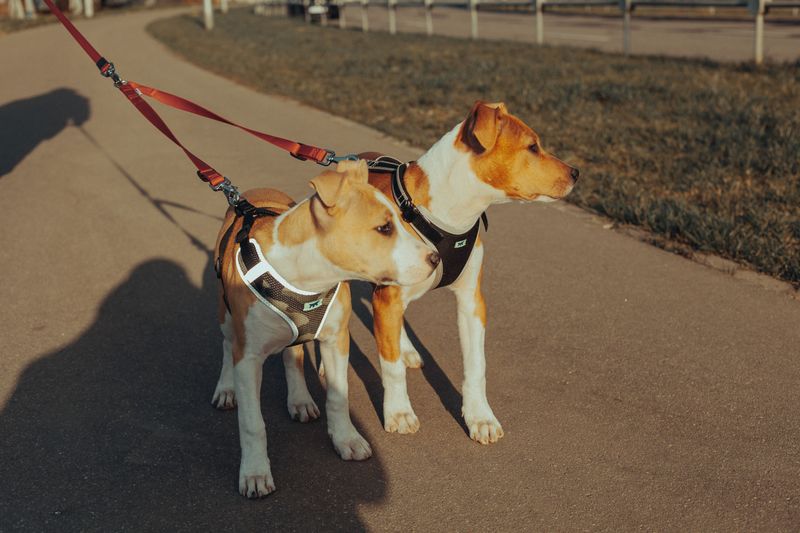
Power outages can leave familiar walking routes much darker than expected. A reflective harness, collar, or leash helps others notice your dog when light reaches it.
Wear reflective clothing yourself, so you are easier to see together.
Check that reflective strips remain visible after washing and wear. Keep walks short and choose known routes away from standing water.
Reflective gear helps with visibility, but it does not replace a working light.
13. Portable Light For Nighttime Dog Care

Finding a leash in the dark is much easier with a light set aside for dog care. Pack a flashlight or headlamp and the batteries or charging gear it needs.
A headlamp leaves your hands free for a leash.
Test the light when you check your storm kit. Use it to watch your footing during necessary nighttime walks.
Stay clear of downed wires and flooded areas, and follow local safety directions.
14. Cooling And Warmth Supplies
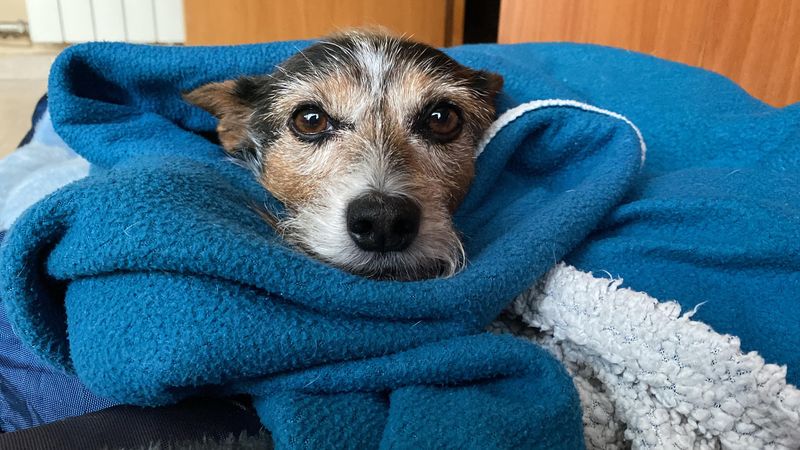
Maryland storms can bring muggy days, chilly nights, or both. Pack a cooling mat and a lightweight blanket that suit your dog’s size and coat.
Keep fresh water available, and offer a shaded resting spot during warm weather.
For cold conditions, move your dog to a dry, sheltered space. Never leave a dog in a parked vehicle to manage temperature.
Ask your veterinarian about extra precautions for puppies, older dogs, or dogs with health concerns.
15. Waterproof Storage Bags For Dog Gear
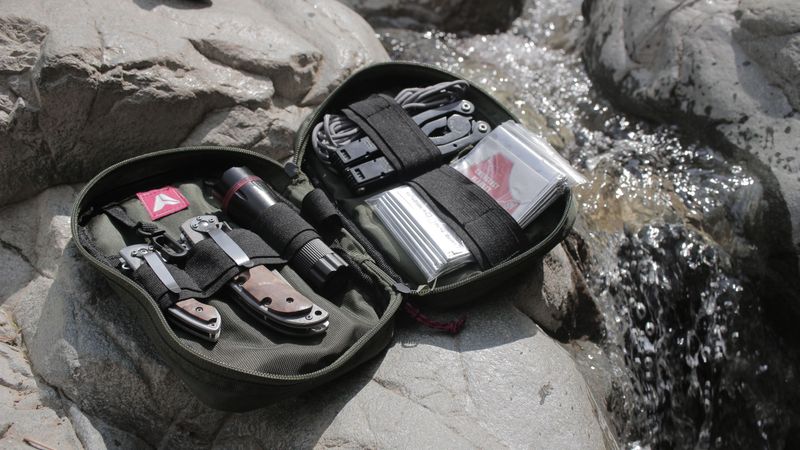
Even a sturdy emergency kit can get damp near a door or in a car. Sort records, food, and clean fabric into separate waterproof bags.
Clear bags make supplies easier to find without unpacking everything.
Label each bag and check its seal after use. Keep damp towels apart from dry items until you can wash them.
Place small essentials near the top, where you can reach them during a stop without making a mess.
16. A Ready-To-Carry Evacuation Bag
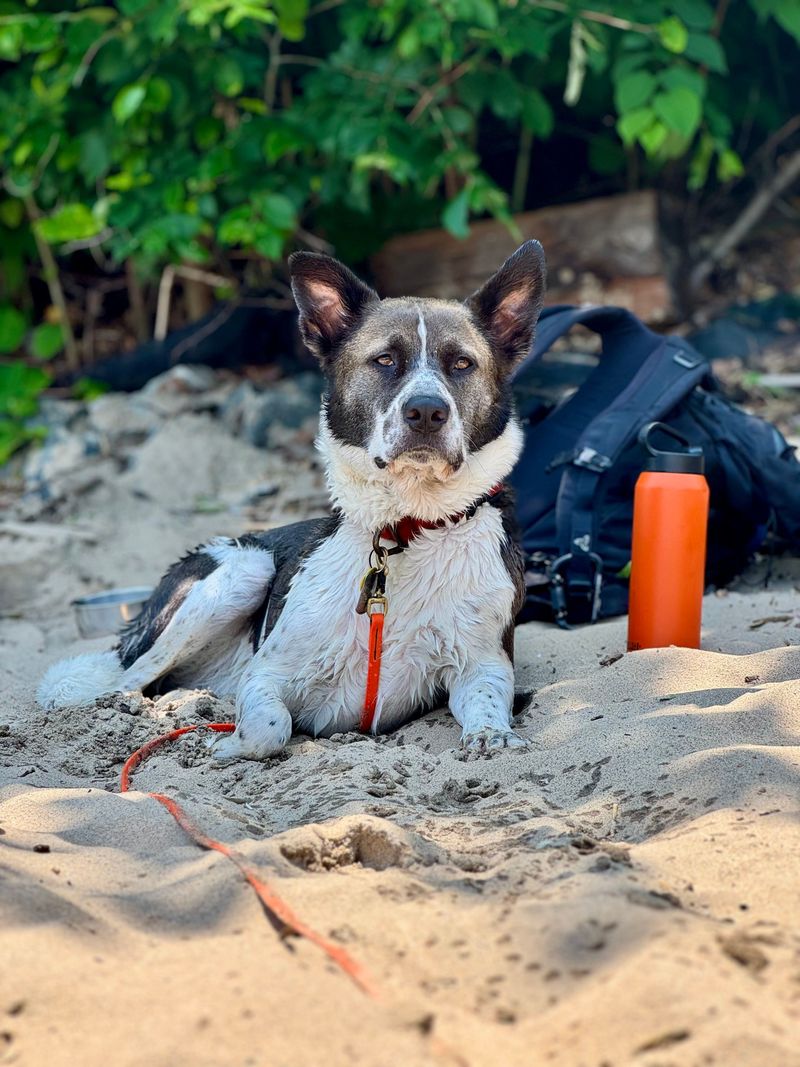
When it is time to leave, one packed bag saves a lot of searching. Choose a bag you can carry while holding your dog’s leash.
Put food, water, bowls, records, medicine, and cleanup supplies inside.
Keep bulky items, such as the crate, beside it. Review the bag each season and replace anything used or expired.
Check local evacuation guidance and pet shelter policies early. A practiced plan helps you and your dog leave calmly.