12 Calm-Indoor Skills Georgia Dogs Need For Stormy Summer Afternoons
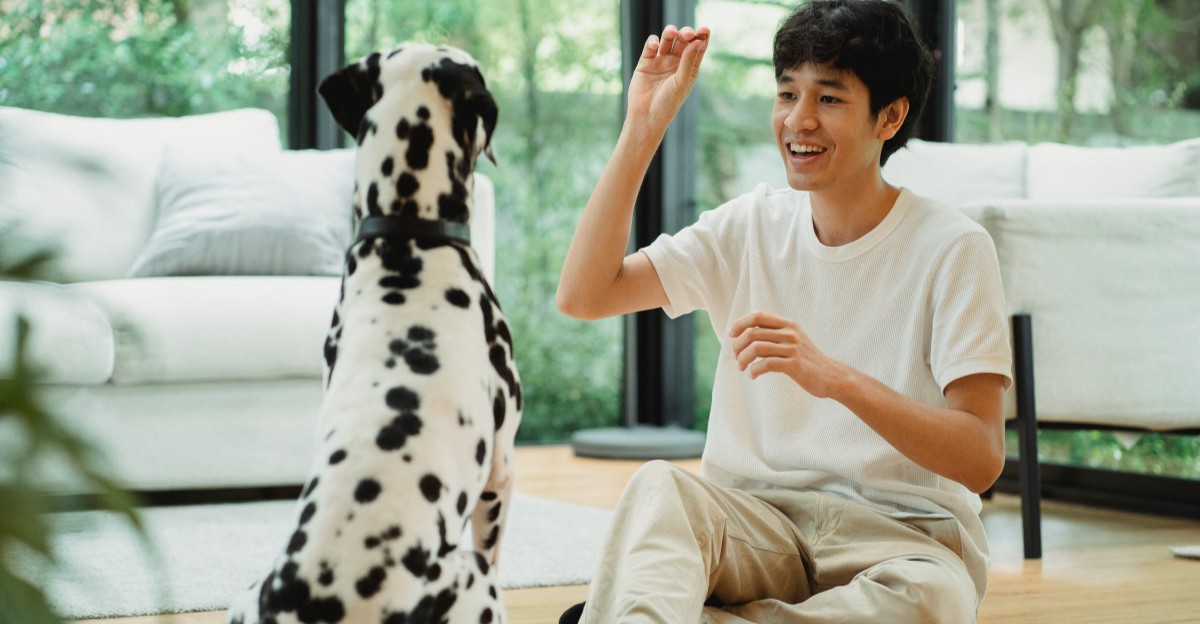
Georgia summer afternoons can turn rainy just as your dog expects a walk. Thunder, wet sidewalks, and extra time indoors can leave some dogs restless.
A few small skills can help your dog feel more comfortable while giving you practical ways to spend that time together. Start on a quiet day, keep practice short, and let your dog learn at a comfortable pace.
1. Teach A Reliable Settle Cue
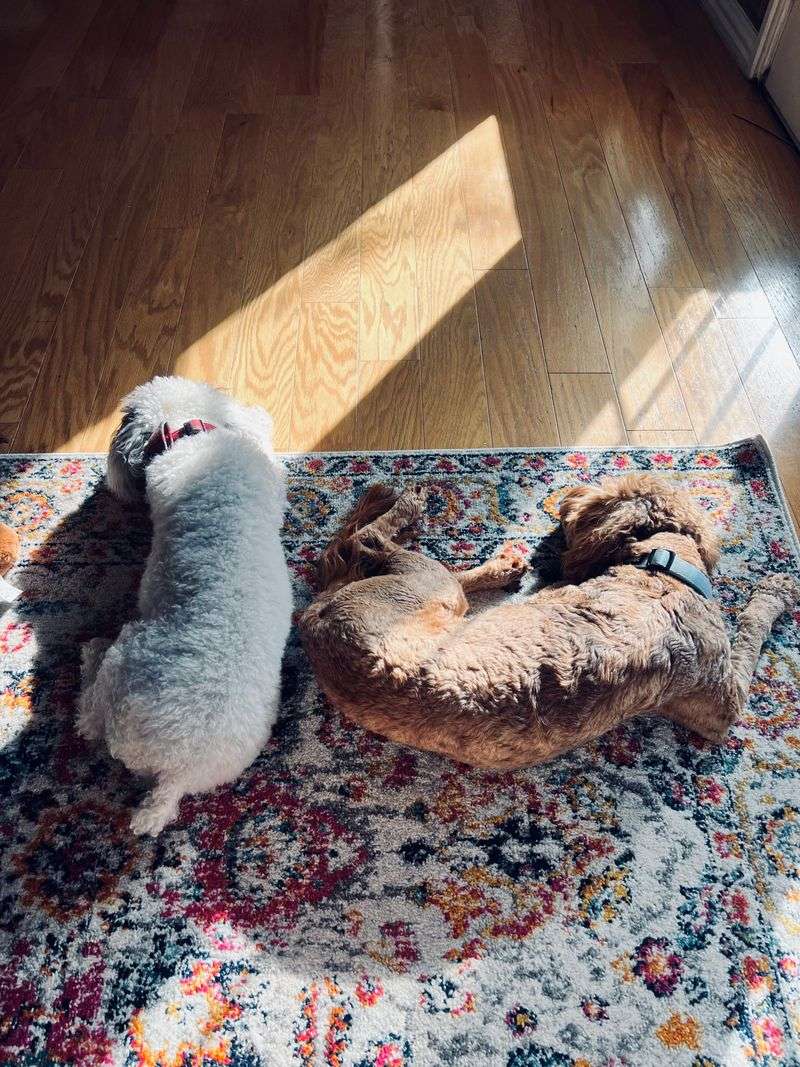
When afternoon plans move indoors, a familiar cue gives your dog something clear to do. Choose a word like settle, then reward your dog for lying down comfortably.
Practice while the house is quiet, before adding distractions.
Keep your voice soft and sessions brief. Gradually wait a little longer before offering a treat.
If your dog gets up, simply start again. A settle cue works best when the resting spot feels comfortable and safe.
2. Practice Staying Calm On A Mat
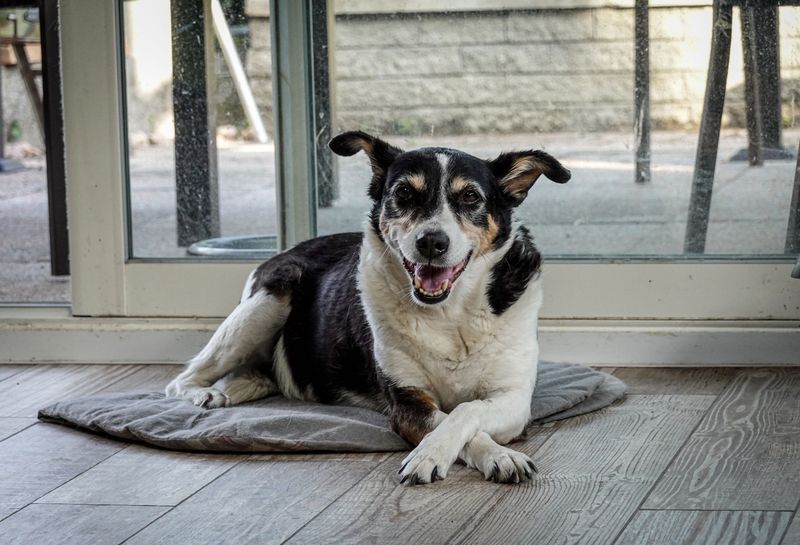
A small mat can become your dog’s familiar place, even when the weather changes. Put it where your dog already likes to rest.
Reward a glance toward it, then paws on it, and finally a relaxed position.
Move the mat between rooms once your dog understands the game. Avoid sending your dog there as punishment.
During a storm, place it away from busy doors and windows. Let your dog leave if they need space.
3. Build Comfort With Indoor Sounds
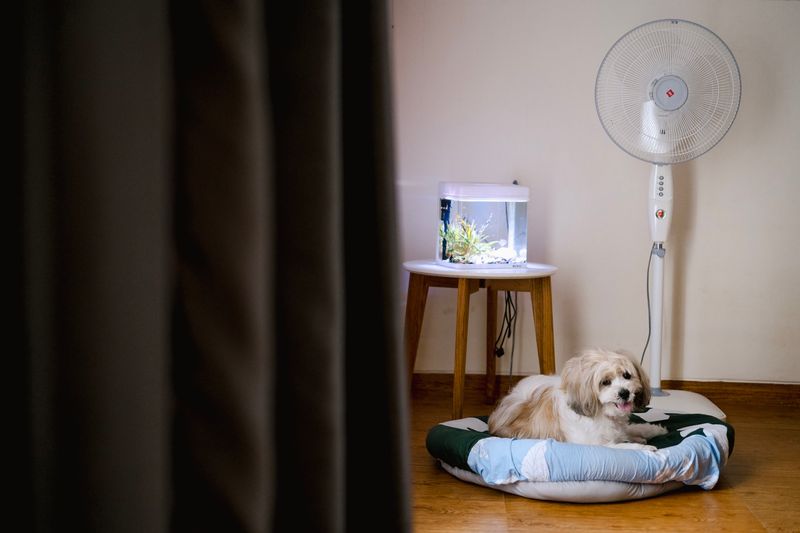
Fans, air conditioners, and rain on the roof can make a summer afternoon sound different. On calm days, pair ordinary household noises with treats or an easy game.
Begin at a level your dog barely notices.
Watch for pacing, tucked posture, or reluctance to eat. Those signs mean you should lower the sound or stop.
Never force your dog to stay near a noise. A veterinarian can advise you about strong sound fears.
4. Practice Short Crate Sessions
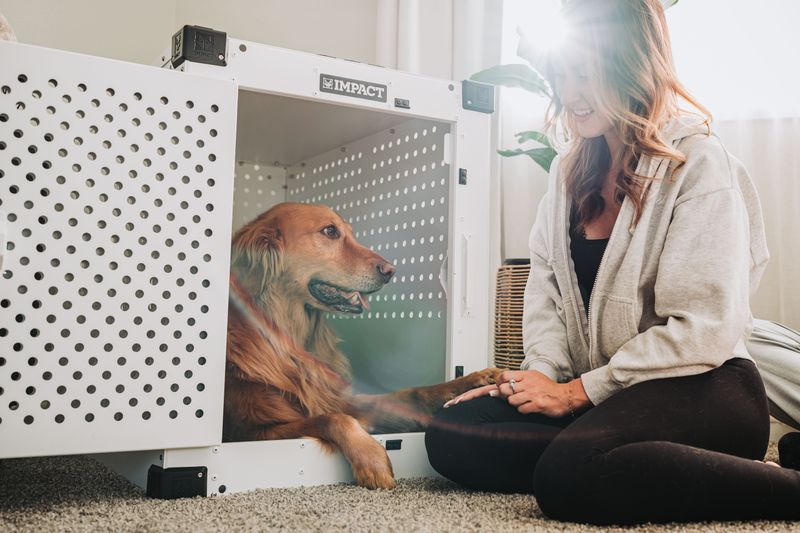
For some dogs, a familiar crate feels like a quiet bedroom. Leave its door open and toss a treat inside.
Let your dog choose whether to enter, then reward brief, relaxed visits.
Close the door only after your dog is comfortable, and begin with very short periods. Provide ventilation and keep the crate away from direct sun.
Never use it to contain a frightened dog who is struggling to get out. Ask your veterinarian for guidance.
5. Teach A Quiet Wait At The Door
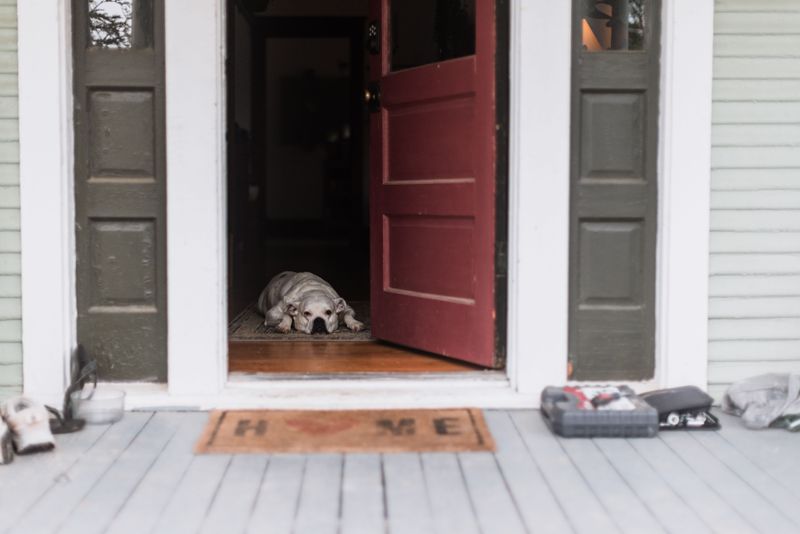
Stormy weather can mean quick trips outside between showers. A calm door routine helps prevent excited rushing.
Ask your dog to pause several feet from the door, then reward that choice.
Touch the handle and reward another quiet pause. Open the door slightly, closing it gently if your dog moves forward.
Build up in small steps. Before any outdoor trip, secure your dog’s leash.
Check local alerts when weather looks unsafe, and wait indoors if needed.
6. Practice Coming When Called Indoors
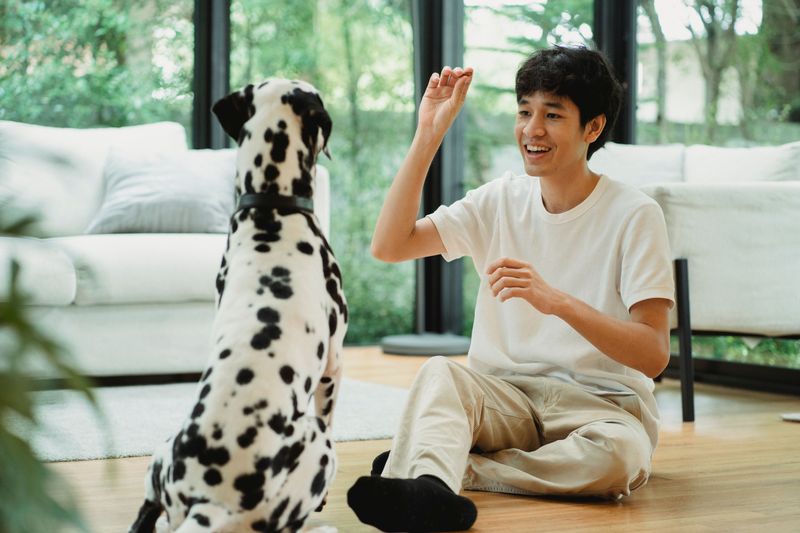
Coming when called is useful when your dog heads toward a noisy window. Begin across a quiet room.
Say your dog’s name and a cheerful recall word once, then reward them for reaching you.
Try another room as the skill improves. Never call your dog over for something they strongly dislike.
During thunder, avoid testing recall if your dog seems overwhelmed. Walk over calmly instead.
Practice when skies are clear so the cue keeps its friendly meaning.
7. Use Simple Indoor Nose Games
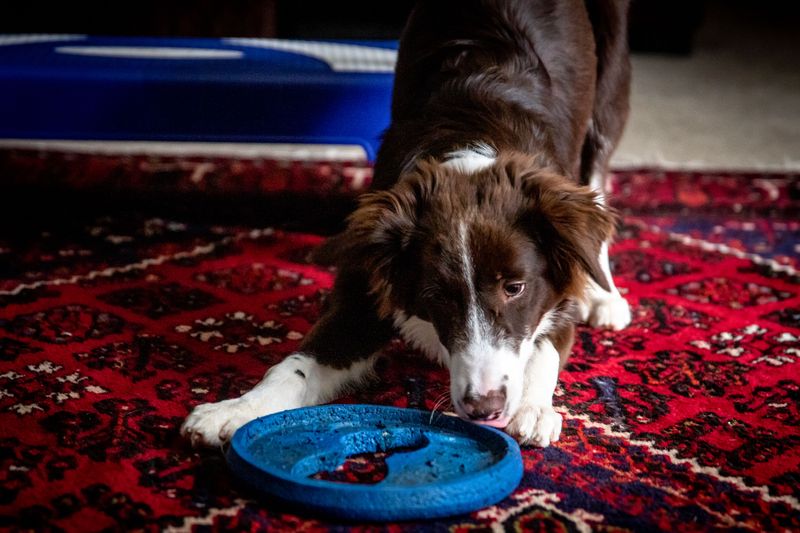
A dog’s nose can turn a rainy break into a satisfying search. Hide a few treats under cups or behind furniture while your dog watches.
Say find it, then let the searching begin.
Start with easy hiding places so your dog understands the game. Use pieces from their usual food allowance when possible.
Supervise closely, and avoid small objects your dog might swallow. If thunder interrupts play, let your dog stop.
Resting is also a good choice.
8. Teach Gentle Toy Play
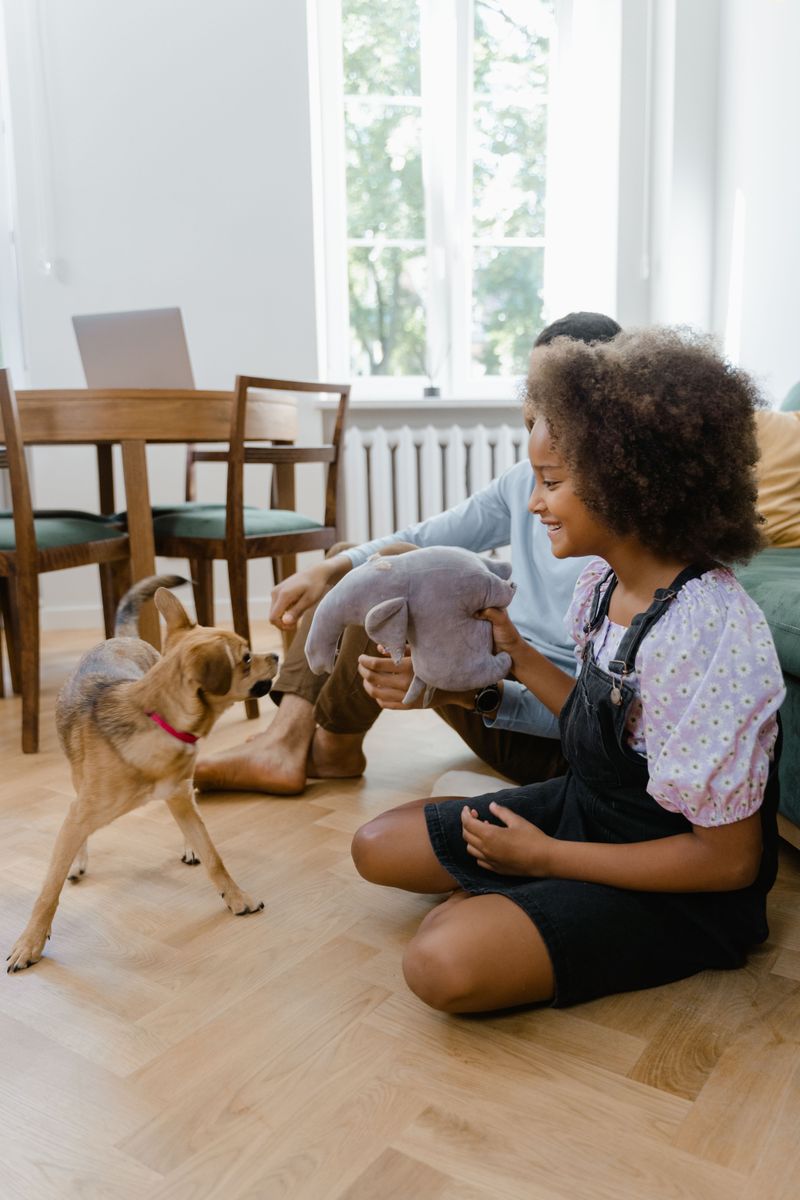
Indoor play works better when your dog knows how to keep it gentle. Choose a soft toy and begin with a brief, low energy game.
Pause whenever teeth touch your hand, then restart when your dog settles.
Keep tug movements small, especially in tight rooms. Clear slippery rugs and breakable objects before playing.
Let your dog win sometimes and take frequent breaks. If play becomes frantic, switch to a quieter activity.
The goal is shared fun, not exhaustion.
9. Practice Drop It With Favorite Toys
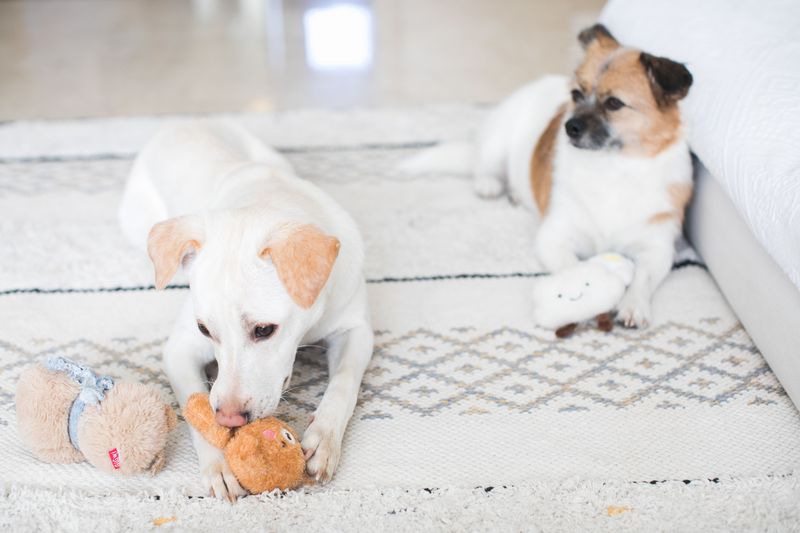
A favorite toy makes practice interesting, but start with one your dog can release easily. Offer a treat near their nose and say drop it as they let go.
Reward them, then return the toy.
Giving the toy back teaches your dog that releasing it need not end the fun. Practice in short rounds before trying more exciting objects.
Do not chase or pull something from your dog’s mouth. Contact a veterinarian if your dog swallows a concerning item.
10. Teach Your Dog To Relax Near You
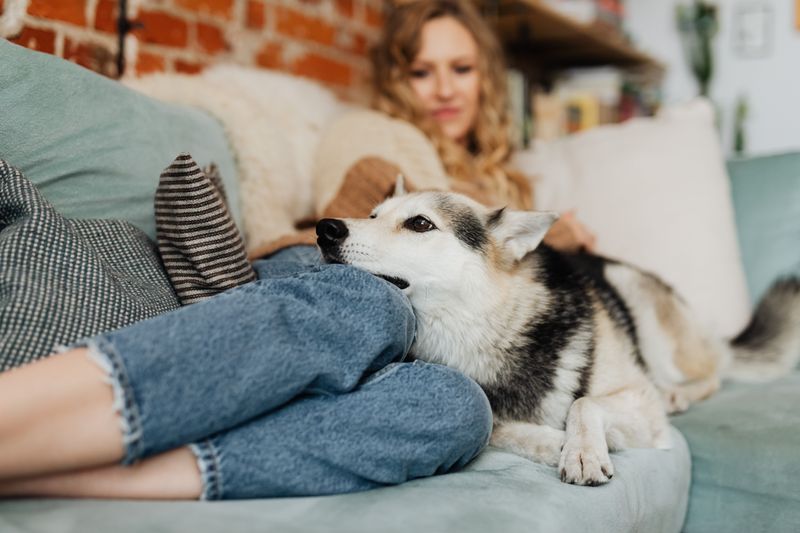
Sometimes the best indoor activity is doing very little together. Sit with a book while your dog rests nearby.
Quietly offer a treat when they choose a comfortable position without asking for attention.
Try this for a few minutes on ordinary afternoons. Your dog can learn that your company does not always signal play.
Leave room for them to move away or choose another resting spot. Calm companionship should feel easy, never like a command they must hold.
11. Practice Moving Away From Windows
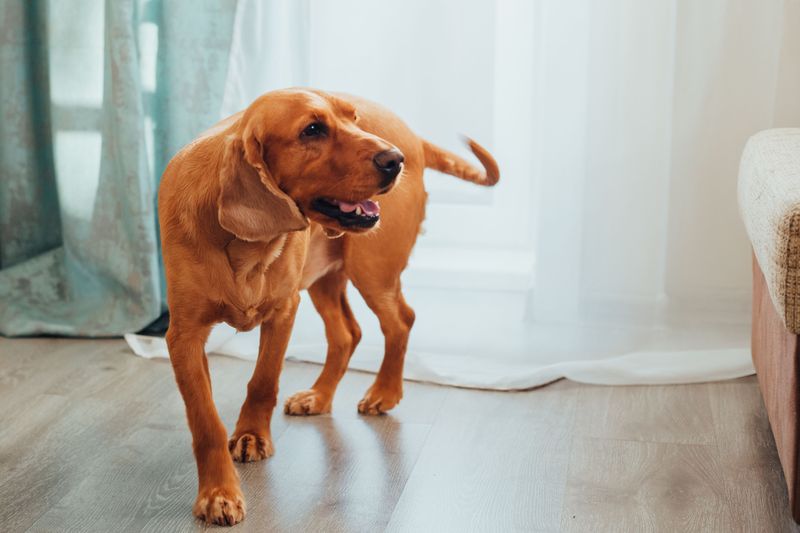
Bright flashes and moving branches can draw a curious dog toward the glass. During clear weather, guide your dog from the window to an interior resting spot.
Reward each step away, then offer a quiet activity.
Practice until the route feels familiar. Close curtains when weather turns rough, but allow your dog to choose a comfortable room.
Do not block every exit from their resting area. If your dog seems distressed, focus on comfort rather than training.
12. Reinforce Calm Behavior Around Thunder
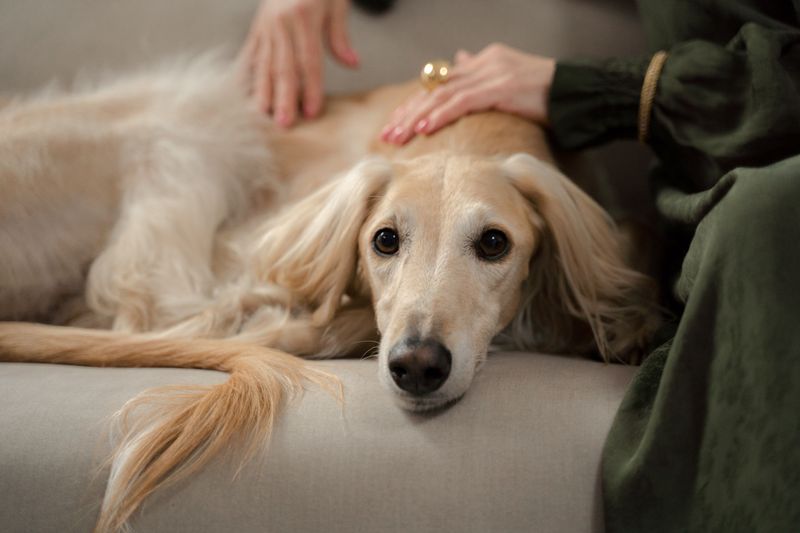
When thunder rolls across a Georgia afternoon, notice what helps your dog feel comfortable. Reward a relaxed choice if they can still take treats.
Offer a quiet room, familiar bedding, and your calm company.
Comforting a worried dog is fine. Avoid forcing practice while they show fear.
If storms regularly cause distress, ask your veterinarian about a support plan before the next one arrives. Small, steady habits help both of you feel ready when the weather changes.