What Tennessee Dog Owners Should Know Before Entering Cherokee National Forest With A Dog
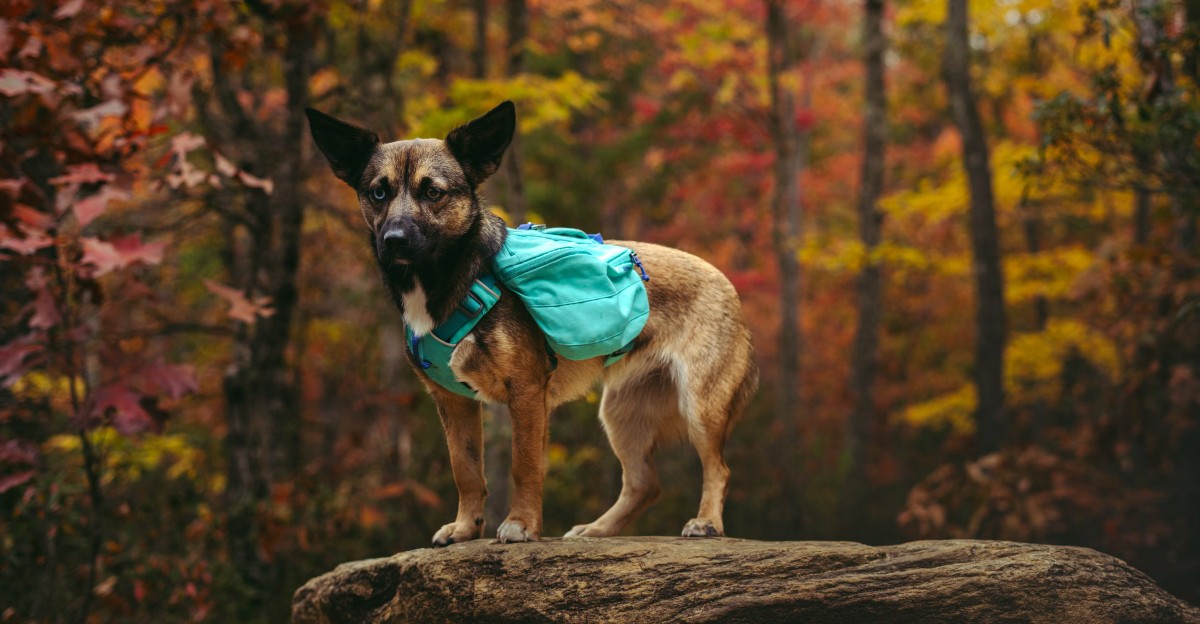
A trail can look easy on a map, then surprise you with slick rocks, a busy picnic area, or a stream your dog wants to chase. Cherokee National Forest rewards curious dogs and prepared owners, but its different recreation areas call for different plans.
A few checks before you leave home can make the day smoother for everyone on the trail. Here is how to help your dog enjoy the forest while keeping wildlife, other visitors, and your plans in good shape.
1. Check Cherokee National Forest Dog Rules Before You Go
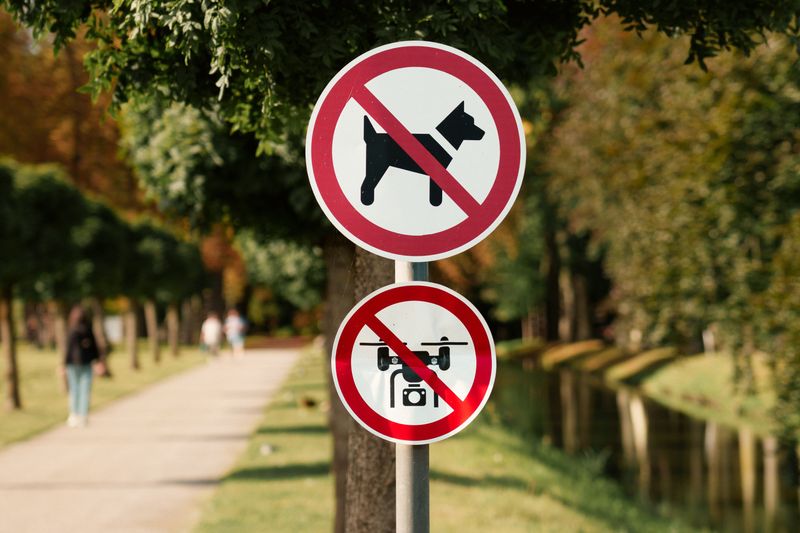
A trailhead sign can change your plans faster than a squirrel changes your dog’s focus. Cherokee National Forest covers many recreation areas, so check the official Forest Service page for your destination.
Look for posted pet rules, seasonal notices, and any restrictions tied to a specific site.
Also check whether your route crosses land managed by another agency. Rules may change at those boundaries.
Save the relevant page before leaving, since phone service can fade among the ridges.
2. Keep Your Dog Leashed Where Required
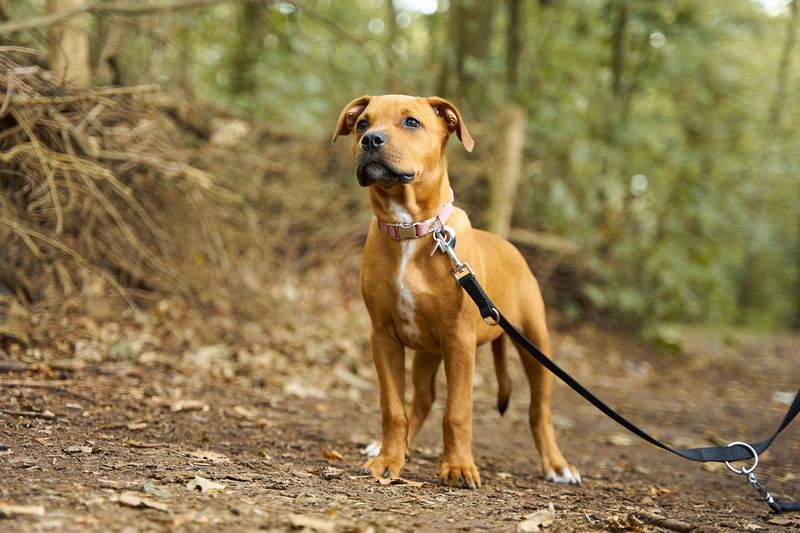
That tempting bend in the trail is easier to enjoy when your dog stays beside you. Read signs at each entrance and follow local leash requirements.
In developed recreation areas, Forest Service rules require pets to be restrained or kept on a leash, with specific sites and campgrounds sometimes requiring a leash no longer than six feet.
Elsewhere, a leash is often the simplest way to prevent surprise meetings with wildlife or hikers. Choose one you can hold securely.
A retractable leash can make narrow paths harder to share.
3. Know Which Trails Allow Dogs
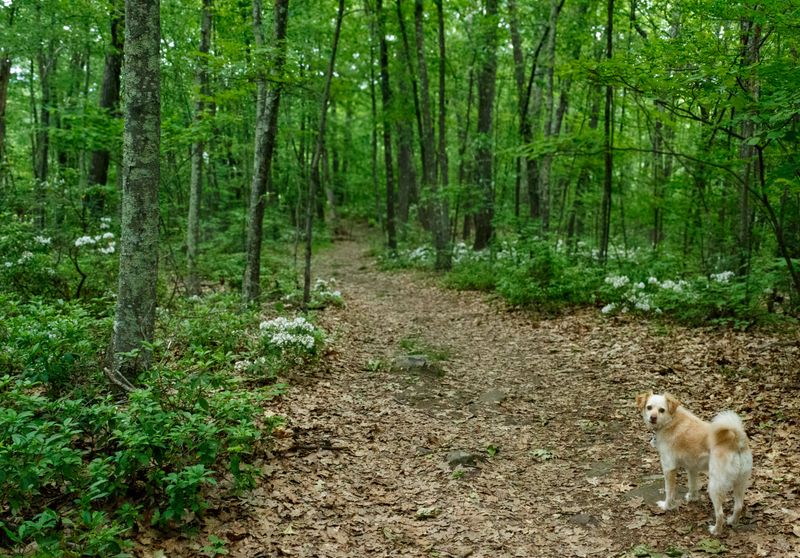
Your favorite hiking route might cross more than one set of boundaries. Before picking a trail, check its official listing and map for pet access.
Cherokee National Forest trails differ from nearby Great Smoky Mountains National Park trails, where dogs are allowed on only two walking paths.
Do not assume a route stays on forest land because it starts there. Review junctions and destination pages, then choose a dog-friendly trail that fits your companion’s fitness and comfort.
4. Bring Enough Water For Your Dog
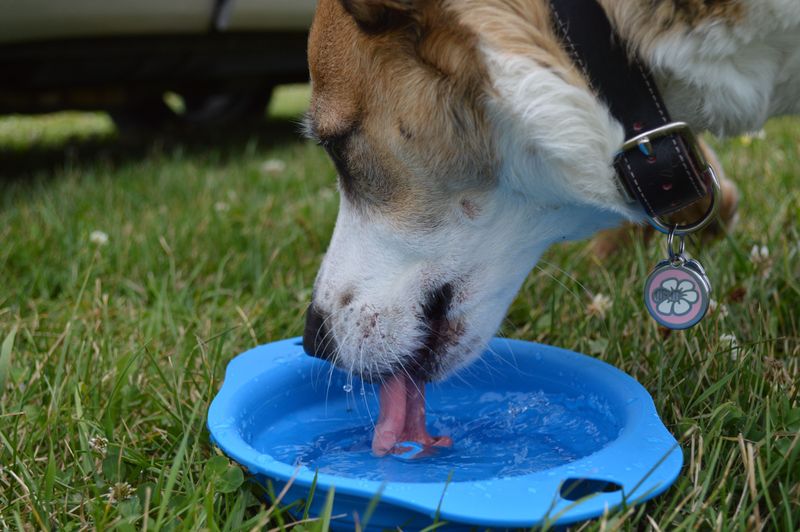
A cool mountain breeze can hide how thirsty a busy dog has become. Carry drinking water for both of you, plus a bowl your dog knows how to use.
Offer small breaks often, especially during climbs or warm afternoons.
Do not count on streams being available or safe to drink. Water levels change, and untreated water can carry germs.
For longer routes, pack extra water beyond your first estimate. Your dog cannot ask for another bottle.
5. Watch For Heat On Exposed Trails
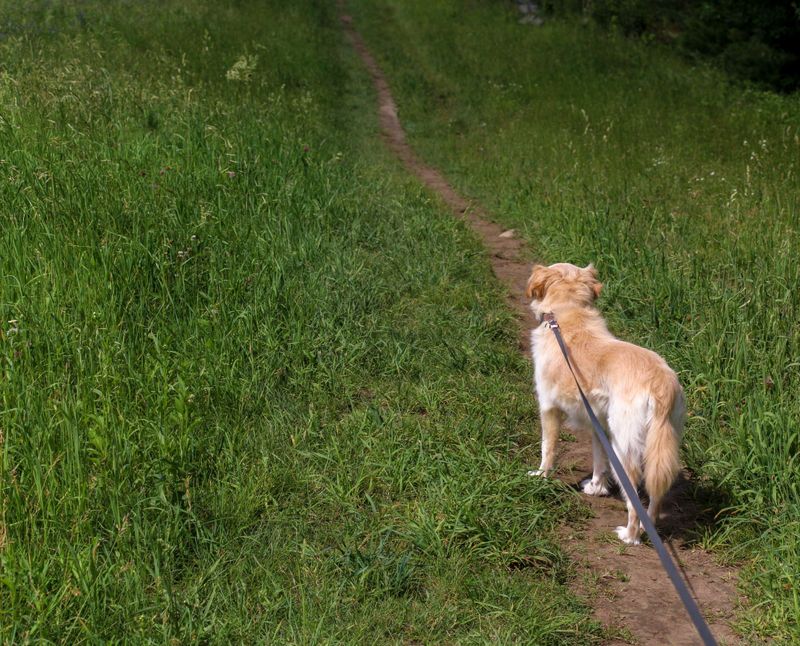
Shade disappears quickly when a trail reaches an open ridge or a bare overlook. Start early on warm days, and plan rest stops before your dog slows down.
Touch sunny ground with your hand if you are unsure about paw comfort.
Heavy panting, unusual weakness, or stumbling means it is time to stop and seek cooler conditions. Bring water, turn around when needed, and call a veterinarian if your dog seems unwell.
The view can wait.
6. Prepare For Steep And Rocky Terrain
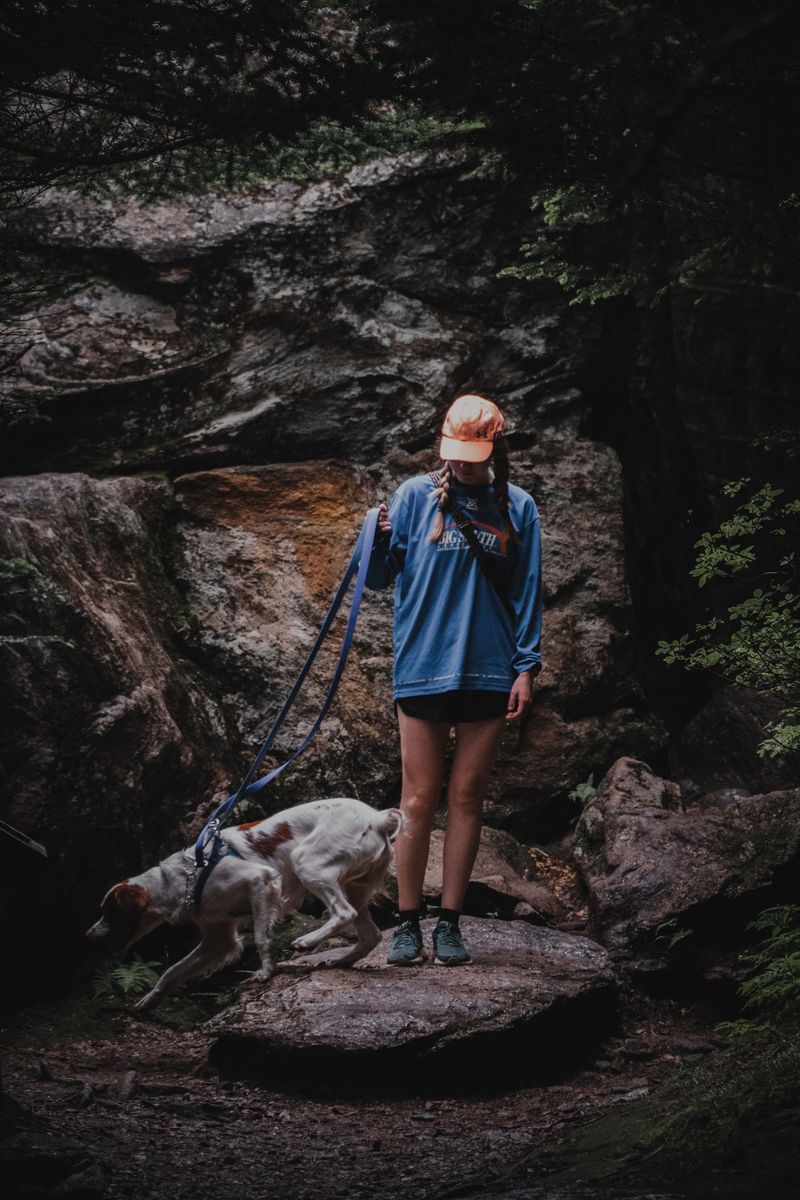
Some Cherokee trails trade smooth dirt for roots, loose stones, and climbs that keep your calves busy. Pick a route suited to your dog’s age, size, and hiking experience.
Short practice walks on uneven ground can help you judge readiness.
Check paws during breaks for tenderness or trapped grit. Bring a towel for muddy footing and allow extra time on descents.
If your dog hesitates at a rocky stretch, turn back rather than pulling them onward.
7. Keep Dogs Away From Fast-Moving Streams
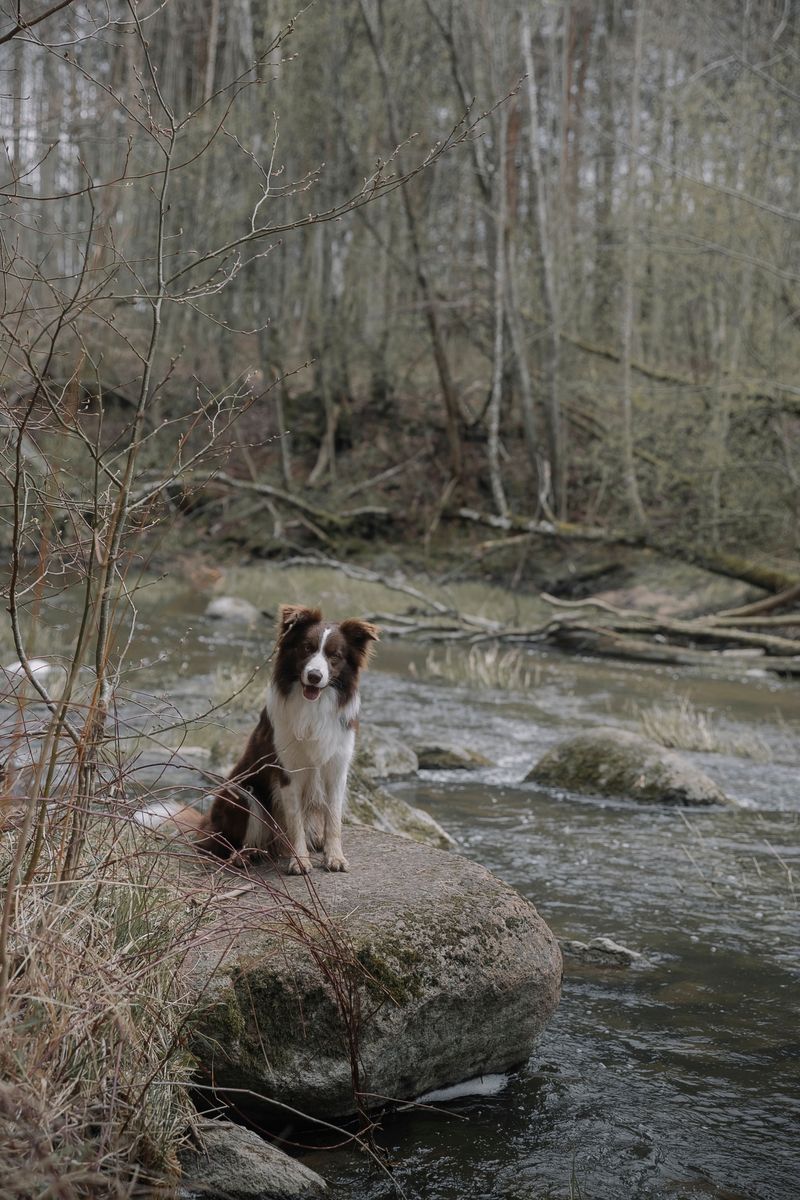
Mountain water can look inviting while moving much faster than it seems. Keep your dog back from swift streams, slippery banks, and crossings after rain.
Even a strong swimmer may struggle with currents or hidden rocks.
Use a designated crossing when one exists, and skip it if conditions look uncertain. Never let a leash drag into rushing water.
Bring your own drinking supply, so your dog has no reason to scramble down a steep bank for a sip.
8. Watch For Wildlife Along Forest Trails
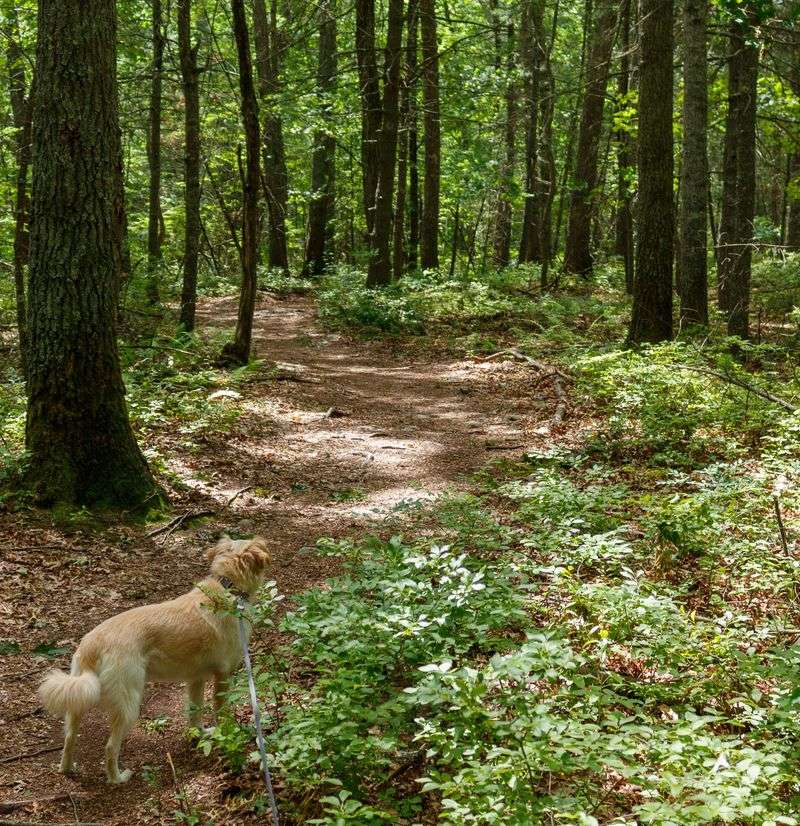
A rustle beside the path may be the best entertainment your dog never gets to chase. Cherokee National Forest is home to wildlife, including deer, bears, and snakes.
Keep your dog close, stay on the trail, and give every animal plenty of space.
Do not let your dog approach, bark at, or follow wildlife. Carry food securely and avoid lingering near animals.
Calm distance protects your companion and lets wild neighbors carry on undisturbed.
9. Check For Ticks After Hiking
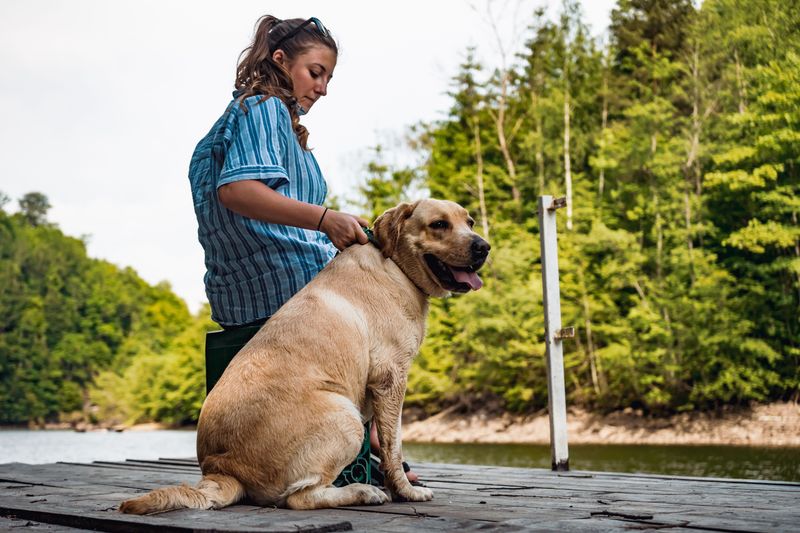
After a brushy hike, the smallest hitchhikers deserve your attention. Check your dog’s ears, neck, armpits, toes, and tail area before heading home.
Run your fingers through thick fur, since ticks can be hard to spot.
Ask your veterinarian about a suitable tick preventive before hiking season. If you find a tick, remove it promptly with fine-tipped tweezers or a tick tool.
Check yourself, too. Trail souvenirs are more fun when they are photos.
10. Protect Your Dog From Poison Ivy And Other Plants
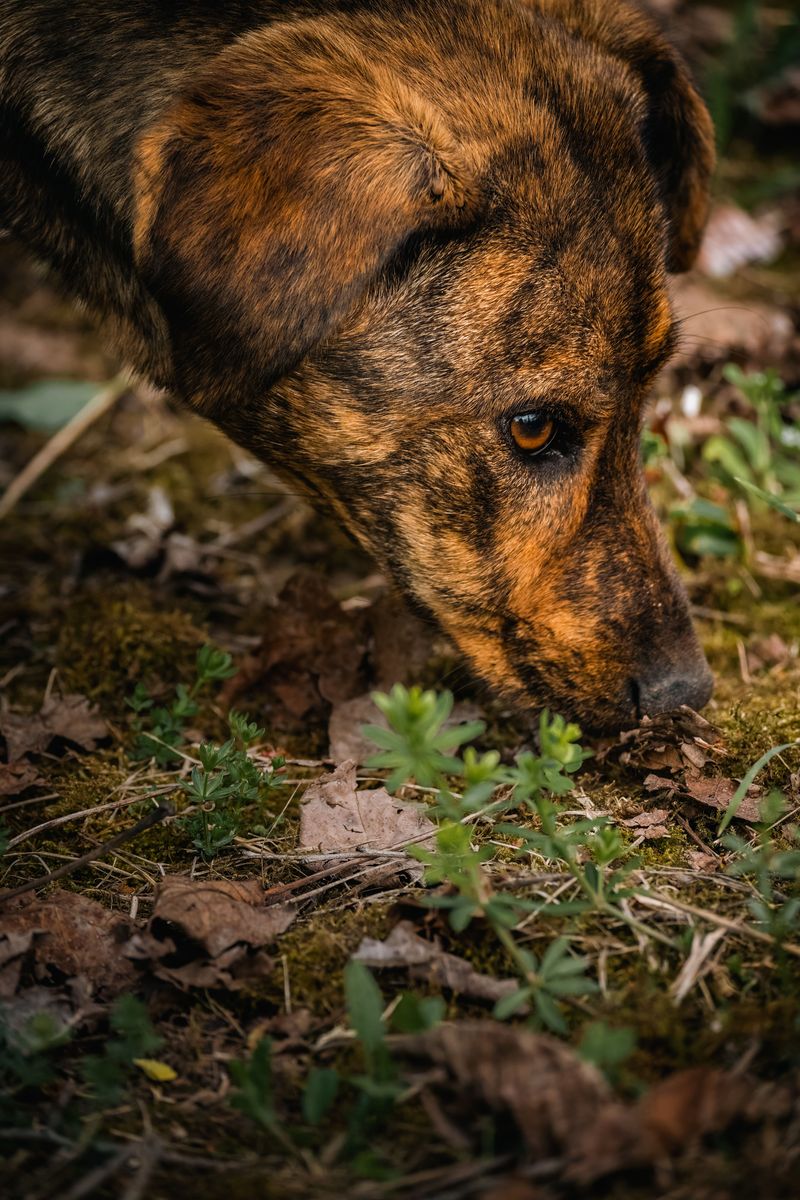
Leafy trail edges are fascinating to dogs, but not every plant welcomes a close sniff. Keep your companion from chewing unknown leaves, berries, or mushrooms.
Poison ivy oil can cling to fur and transfer to your skin during petting.
Stay on established paths where possible, and wipe your dog’s coat after brushing through dense growth. Call your veterinarian if your dog eats an unfamiliar plant or develops symptoms.
A quick detour around greenery beats an itchy ride home.
11. Pack Waste Bags And Carry Out Dog Waste
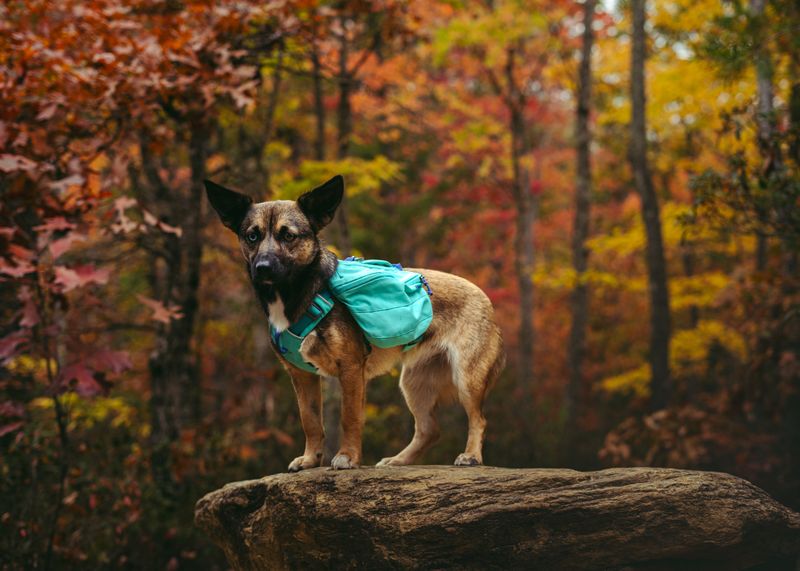
Nothing spoils a peaceful trail like finding a surprise under your boot. Bring more waste bags than you expect to need.
Pick up after your dog at trailheads, campsites, picnic areas, and along the trail.
Seal used bags and carry them to an appropriate trash container. Do not leave them beside the path for later, even if you plan to return.
A small dedicated pouch keeps your pack tidy while helping protect water and other visitors’ shoes.
12. Keep Your Dog Under Control Around Other Hikers
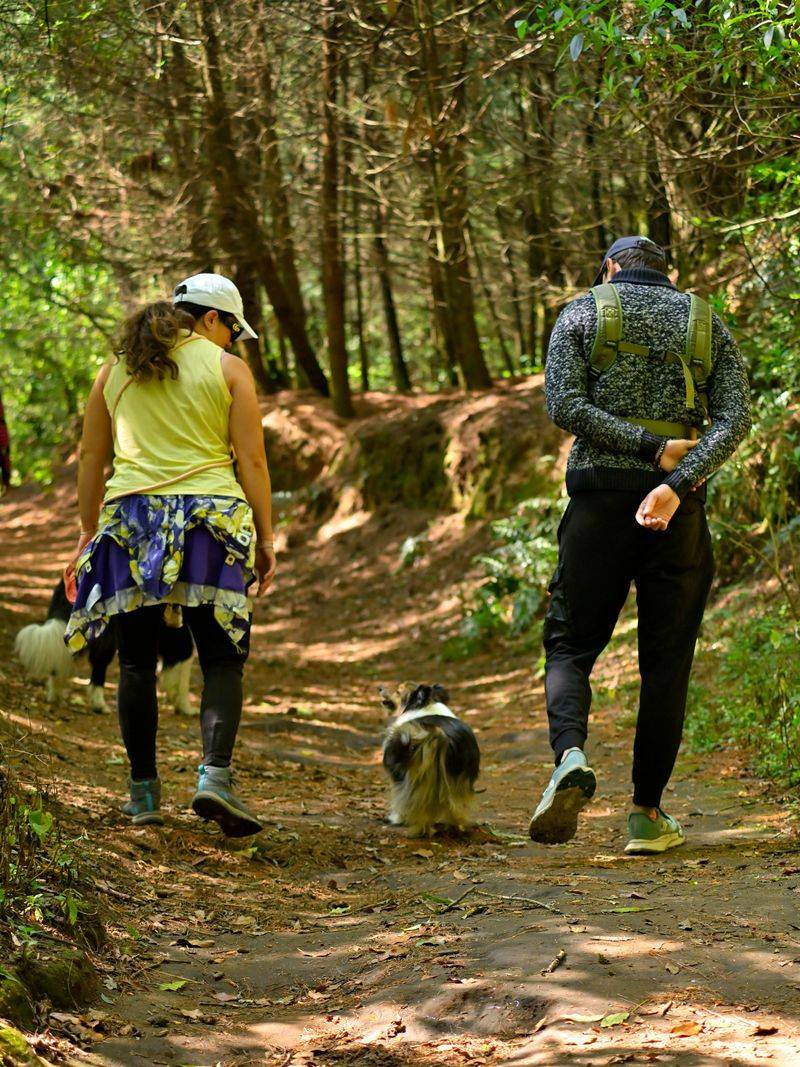
A narrow path can turn a friendly greeting into an awkward traffic jam. Move aside when others approach, shorten the leash, and ask before allowing any contact.
Some hikers are uneasy around dogs, while other dogs need extra room.
Practice simple cues like wait and come before your trip. If your dog gets excited, create space instead of forcing a meeting.
Sharing the trail politely helps everyone enjoy the forest, including people who prefer to admire dogs from afar.
13. Be Careful Near Campgrounds And Picnic Areas
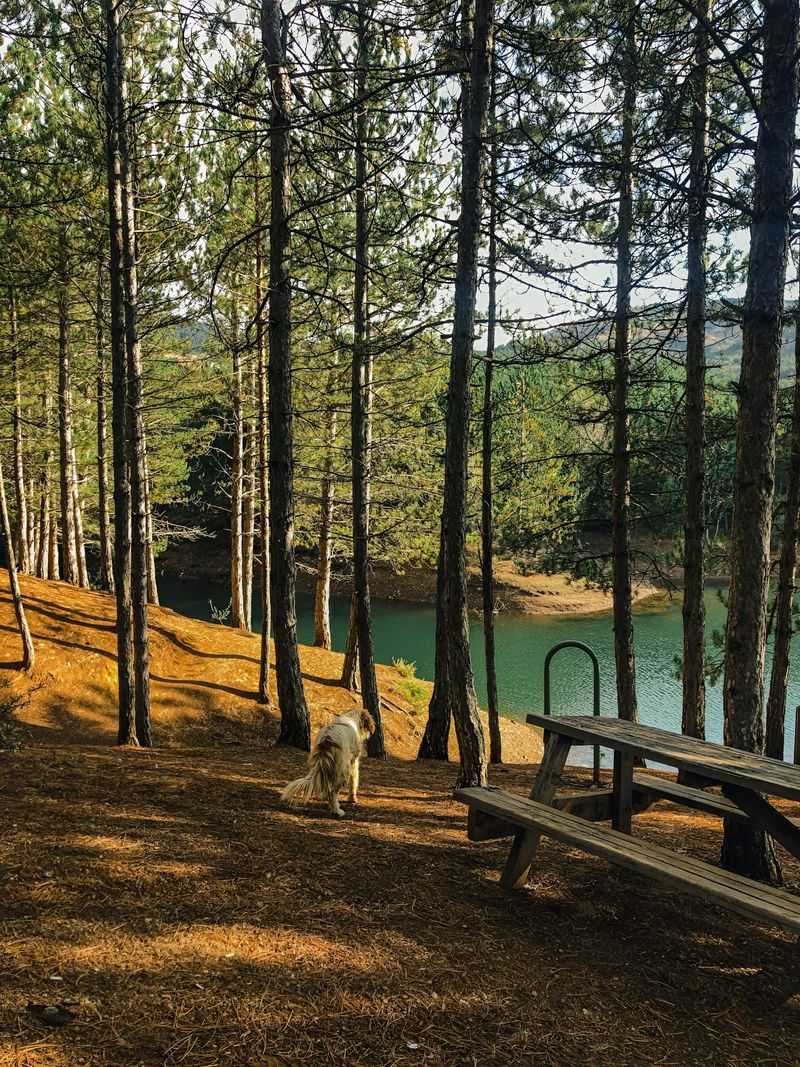
Lunch smells travel far when every campsite has its own menu. Keep your dog with you around picnic tables, cooking areas, and neighboring campsites.
Follow posted leash rules, and never leave a dog unattended at a campsite.
Store food so curious noses cannot reach it, and clean up crumbs before leaving. Give other campers room, especially near children or pets resting beside tents.
A little courtesy keeps shared spaces pleasant and keeps wildlife from finding an easy meal.
14. Check Trail And Road Conditions Before Leaving
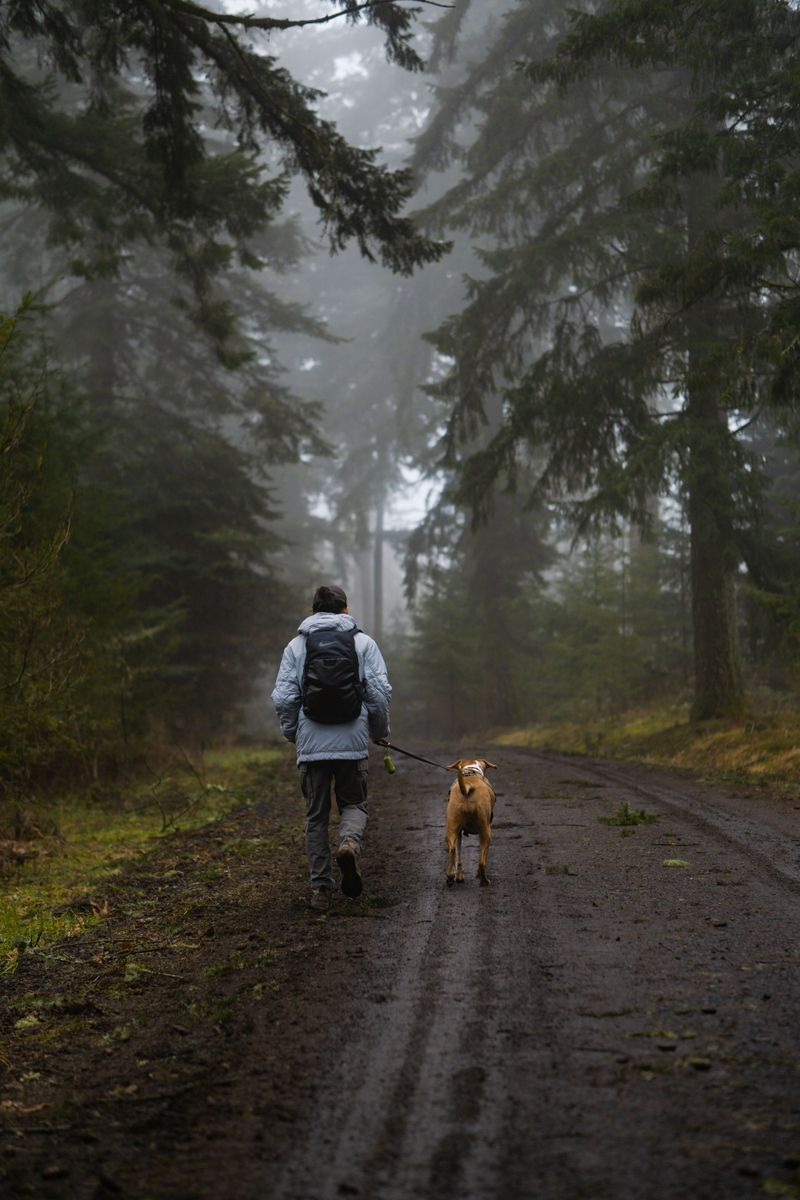
A muddy road can end a hike before your dog reaches the trailhead. Check official Cherokee National Forest alerts for closures, storm damage, and recreation updates.
Look at weather forecasts, too, since mountain conditions can shift across a single day.
Some forest roads are narrow, rough, or seasonally closed. Confirm your driving route rather than trusting the shortest map suggestion.
Download directions for offline use and keep a backup walk in mind. Plans with wiggle room make better outings.
15. Bring A Well-Fitted Collar And Identification
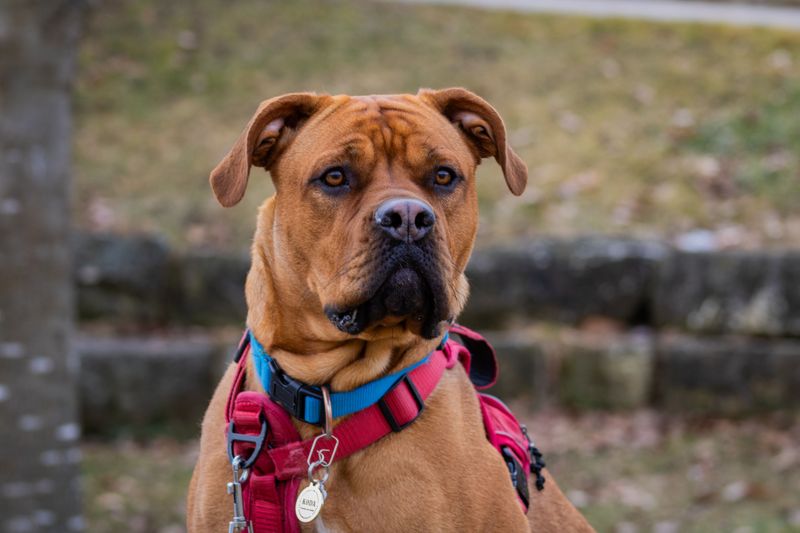
One good sniff can make a trailhead feel very busy to an eager dog. Before unloading the car, check that the collar or harness fits securely.
Attach an identification tag with a current phone number, and confirm your dog’s microchip details are up to date.
Keep a recent photo on your phone in case you need to describe your dog. Test buckles and clips at home, not beside a parking area.
Identification is a small step with big value.
16. Pack A Basic Dog First-Aid Kit

A tiny paw scrape feels less dramatic when your supplies are within reach. Pack gauze, a nonstick pad, bandage wrap, tweezers, and any medication your veterinarian recommends.
Add your veterinarian’s number and the nearest available emergency clinic’s details.
Learn how to use each item before the trip. A kit supports basic care but does not replace professional advice.
If your dog seems unwell or cannot walk comfortably, head back and contact a veterinarian. Keep the kit dry and easy to find.
17. Keep Your Dog Close Near Waterfalls And Cliffs
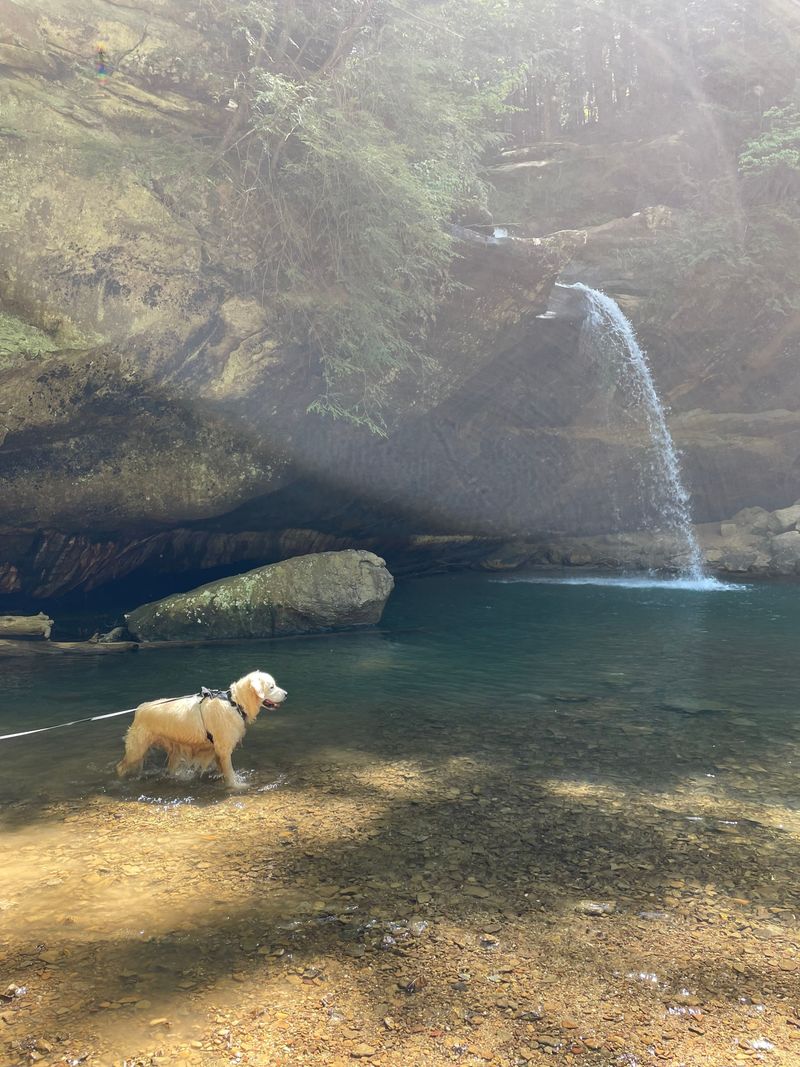
Waterfall mist makes a lovely photo, but wet rock gives paws little grip. At overlooks and falls, keep your dog on a short leash and well back from edges.
Stay behind barriers and use marked viewing spots rather than searching for a closer angle.
Watch for roots and uneven steps while looking through your camera. If a viewpoint feels crowded, wait for more space or move on.
The safest photo is the one you can enjoy together afterward.
18. Know Where Motorized Recreation May Be Present
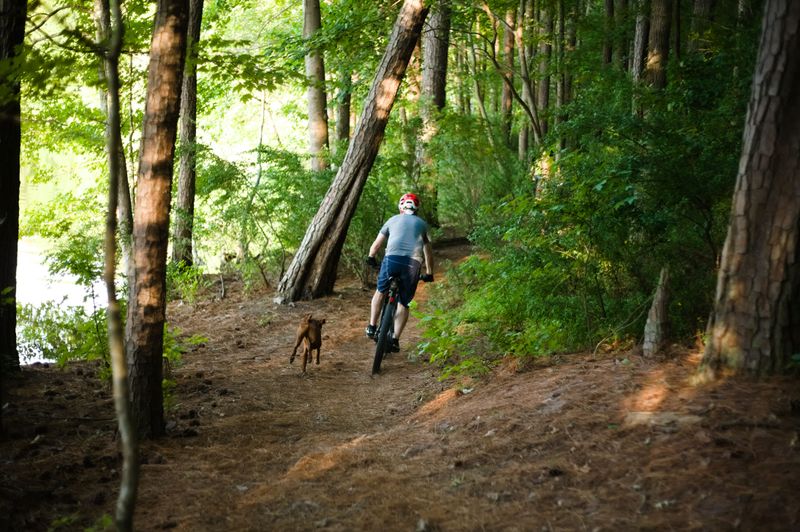
A quiet stretch may become noisy when a vehicle rounds the next bend. Cherokee National Forest includes roads and designated areas used for motorized recreation.
Check your route’s official map and signs so you know what traffic to expect.
Keep your dog close near road crossings, parking areas, and shared-use routes. Step aside when vehicles approach, and wait until the way is clear before continuing.
If noise worries your dog, choose a different trail before leaving home.
19. Leave No Trace With Your Dog
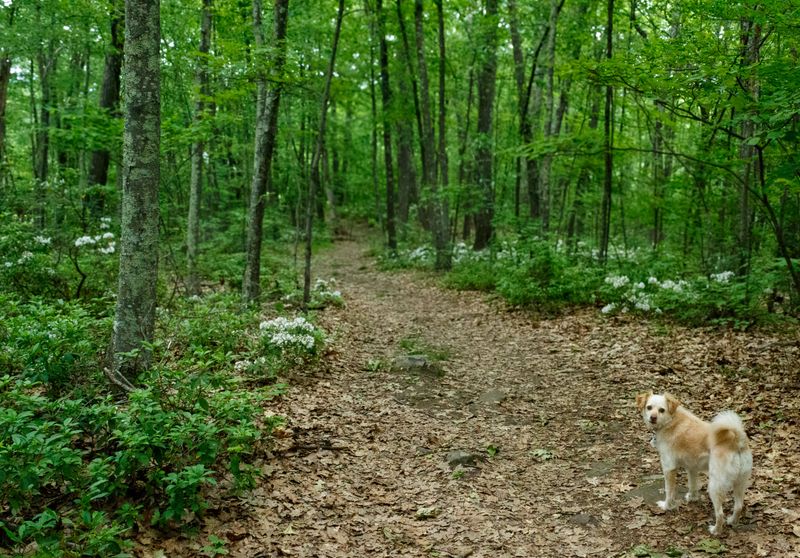
The best forest visit leaves only paw prints that rain can wash away. Keep your dog on established trails, pack out waste, and carry home any torn toys or snack wrappers.
Prevent digging around campsites and avoid disturbing plants or wildlife.
Before heading to the car, scan your rest spot for forgotten gear. Leave No Trace habits help keep trails welcoming for the next dog and person.
Now grab the leash, check your route, and enjoy those mountain miles together.