20 Sporting Dog Breeds Suited To South Carolina’s Marshes And Upland Fields
In South Carolina, one morning means pluff mud and salty tidal creeks. The next afternoon means piney quail fields under a hot sun.
Some breeds shrug off that swing with ease, and a few were practically built for it. Ahead, you will meet a homegrown swamp star, a few speedy quail specialists, and some curly-coated surprises.
Each one brings a special trick to Lowcountry water or Midlands cover.
1. Boykin Spaniel: The Hometown Hero
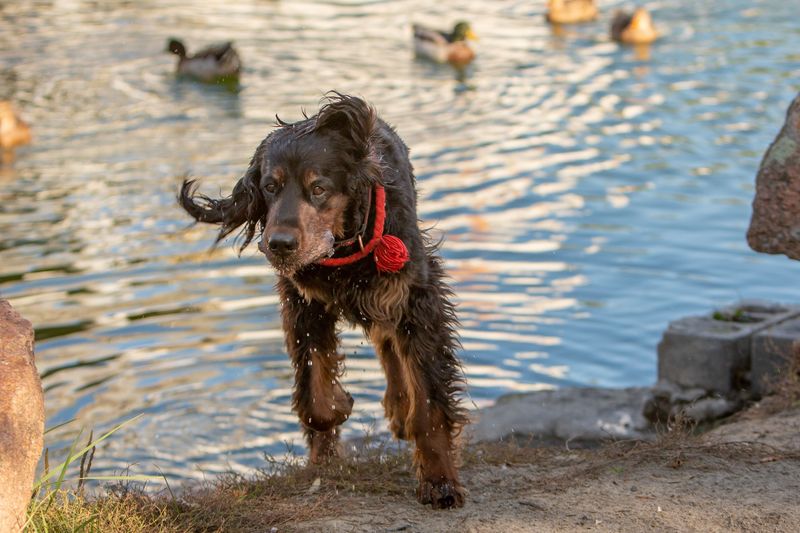
Meet the official state dog of South Carolina. Folks lovingly call it the little brown swamp dog, and the nickname fits.
Compact Boykins were bred to ride in small boats without tipping them. They retrieve ducks, flush quail, and even haul in Canada geese.
Their stamina holds up nicely in steamy weather.
At home, they are friendly with kids and other dogs. Training feels easy because they badly want to please you.
2. Chesapeake Bay Retriever: Built for Rough Water
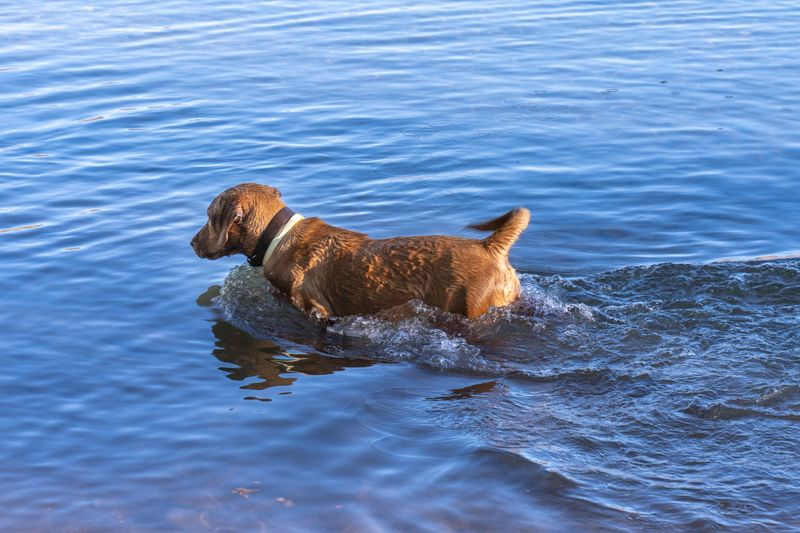
Here is a fun bit of history. The Chessie is the only retriever breed developed in the United States.
Its oily, wavy coat sheds water like a raincoat. A deep chest and strong legs push through currents and thick marsh mud.
Winter tides along the coast are no problem.
Chessies bond tightly with family but stay reserved with strangers. They need real work every day.
Bored Chessies invent their own projects, so plan accordingly.
3. American Water Spaniel: The Canoe Companion
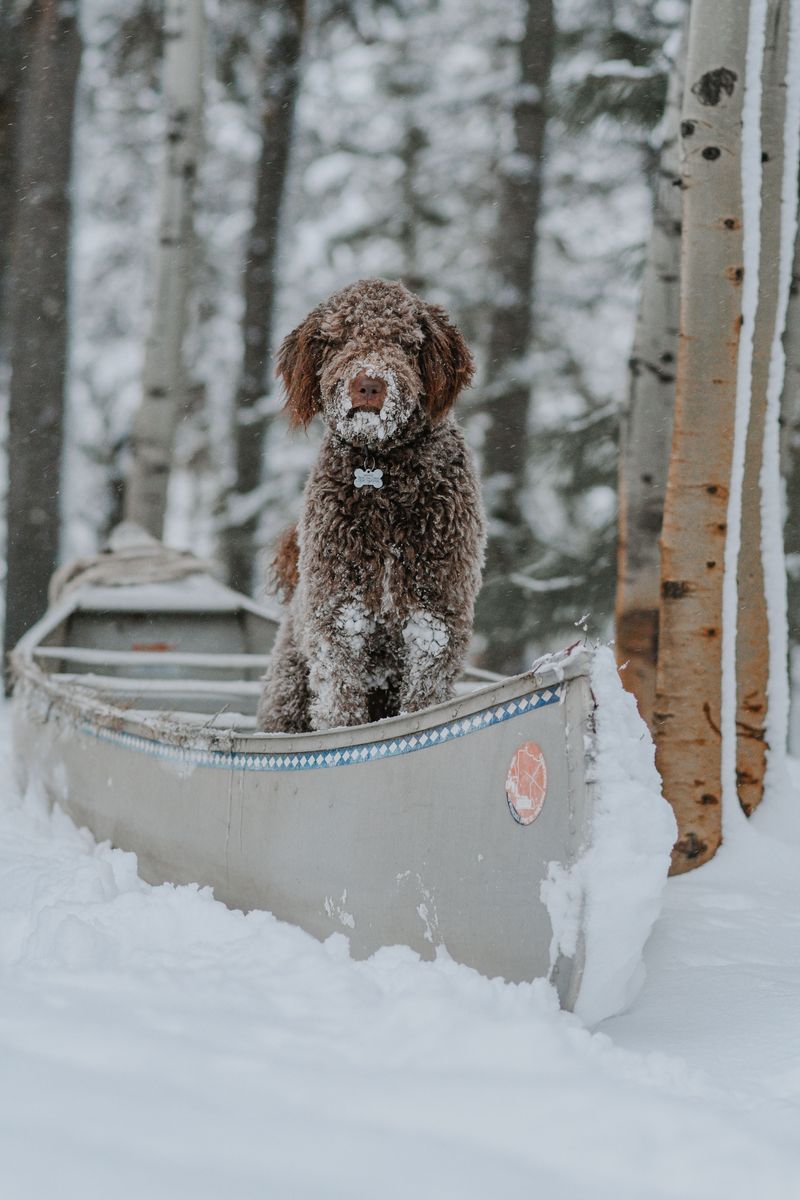
Small boat, big plans? This curly Midwestern breed was designed to hop into canoes and skiffs.
American Water Spaniels hunt close and use an excellent nose. They flush and retrieve in almost any season.
One South Carolina hunter even switched to them after owning Boykins and Chessies.
Give them at least an hour of active exercise daily. Positive, upbeat training works best.
They can act a bit shy with new people.
4. English Springer Spaniel: Bounce in Every Step
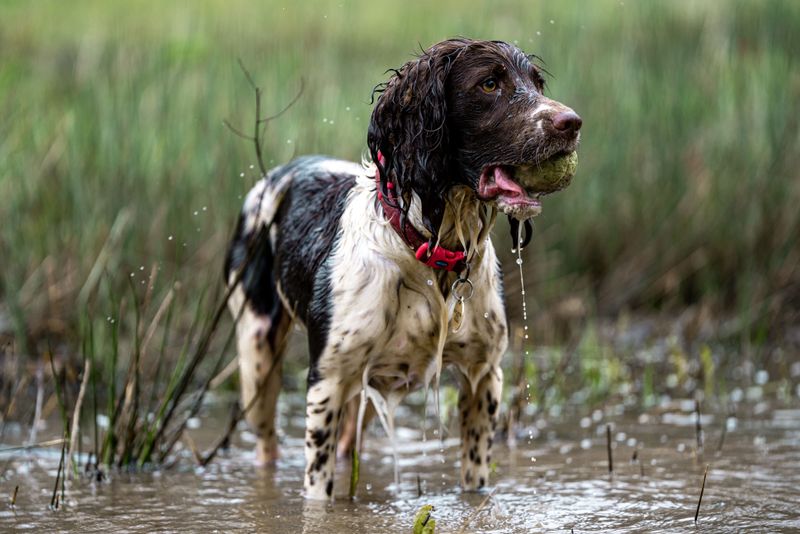
Watch a Springer work a briar patch and you will see pure joy. Their name comes from springing birds out of thick cover.
They stay close, keeping flushes within easy range. Bobwhite quail and woodcock in South Carolina thickets suit them nicely.
Most also enjoy a swim for small-water ducks.
Springers are cheerful and soft-hearted. They dislike long hours alone, so keep them busy and close to the family.
5. Labrador Retriever: The Do-It-All Favorite
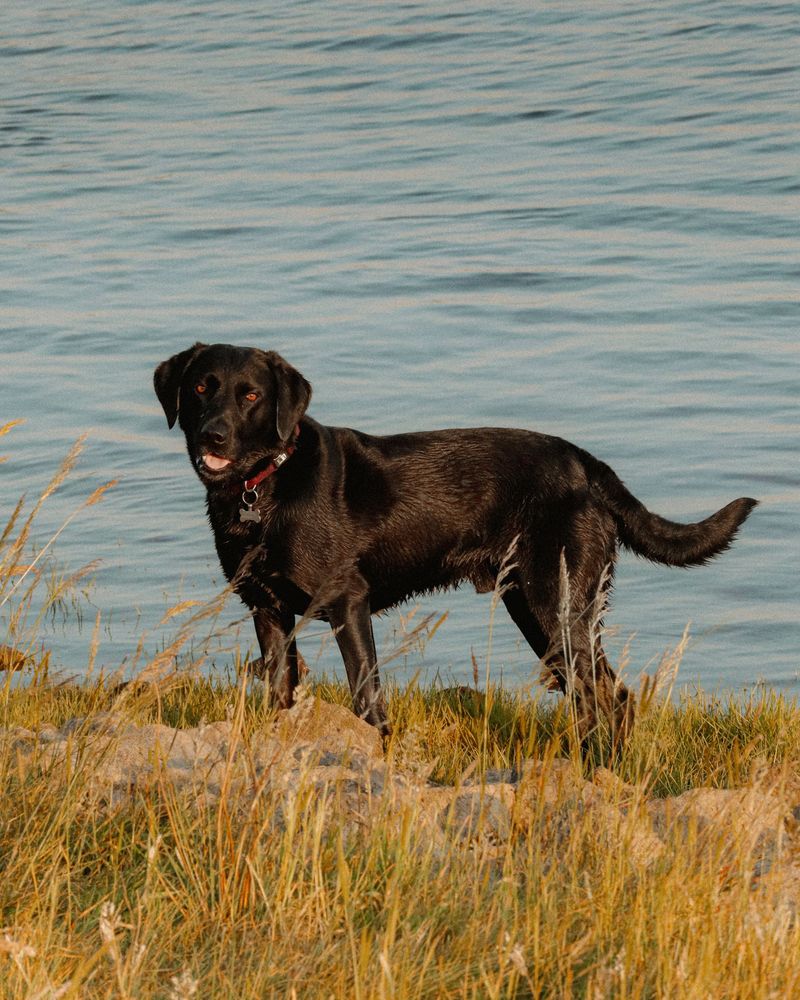
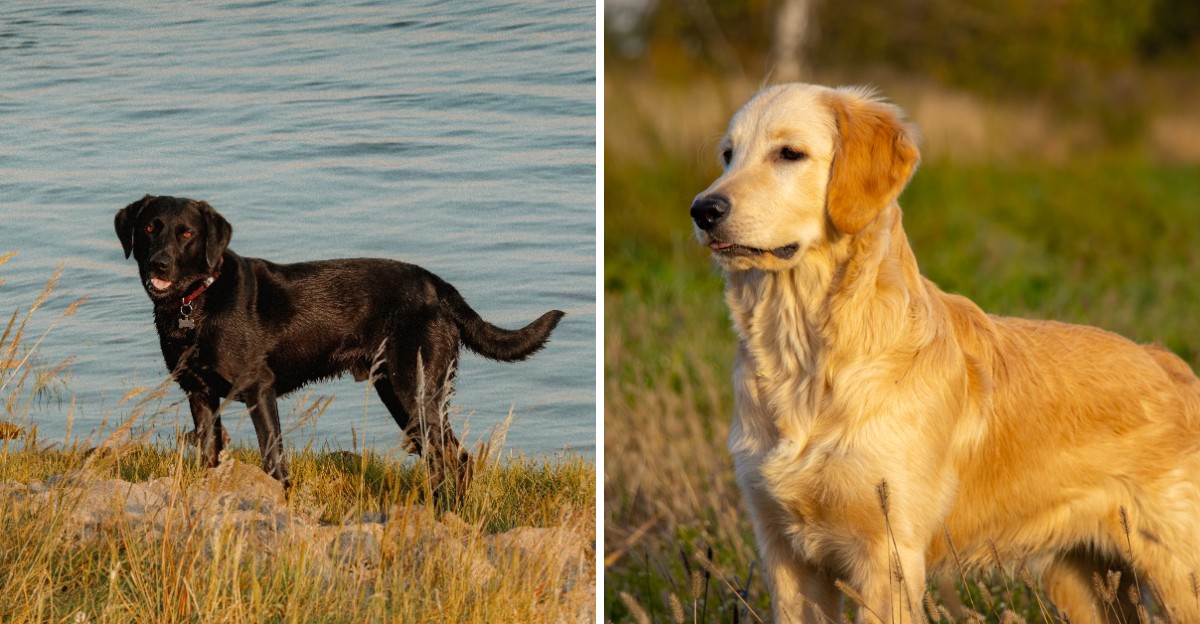
Ask ten Lowcountry duck hunters about their dogs. Odds are good that several will grin and say Lab.
Webbed feet and a water-shedding double coat make Labs powerful swimmers. Their soft mouth delivers birds without a scratch.
They also flush quail and pheasant in upland cover.
Indoors, many Labs settle into calm couch buddies. Outside, they switch on fast.
Keep them lean, since a fit Lab handles summer heat much better.
6. English Cocker Spaniel: Small Size, Huge Grin
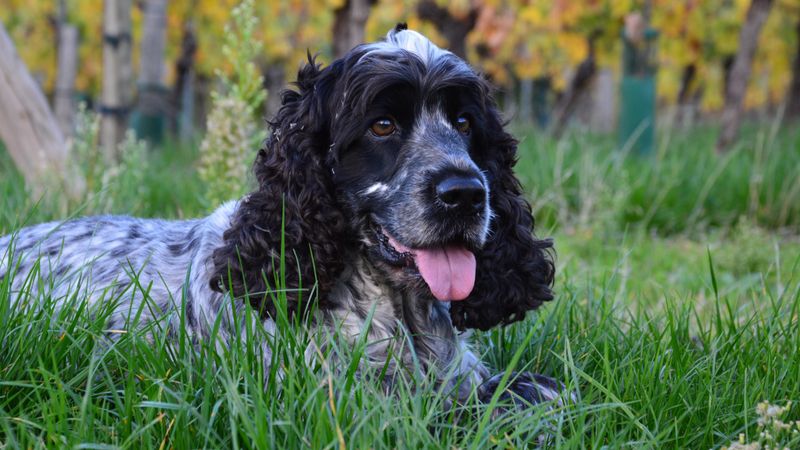
Cattails, hedgerows, and tangled briars can stop a big dog cold. An English Cocker just wiggles right through.
These merry little hunters flush woodcock and quail with pure enthusiasm. Most also make handy water retrievers.
With practice, they learn to sit politely in a duck blind.
English Cockers are clever problem solvers who love to learn. South Carolina even has breeders raising them specifically for gundog work.
7. Brittany: Pocket-Sized Bird Finder
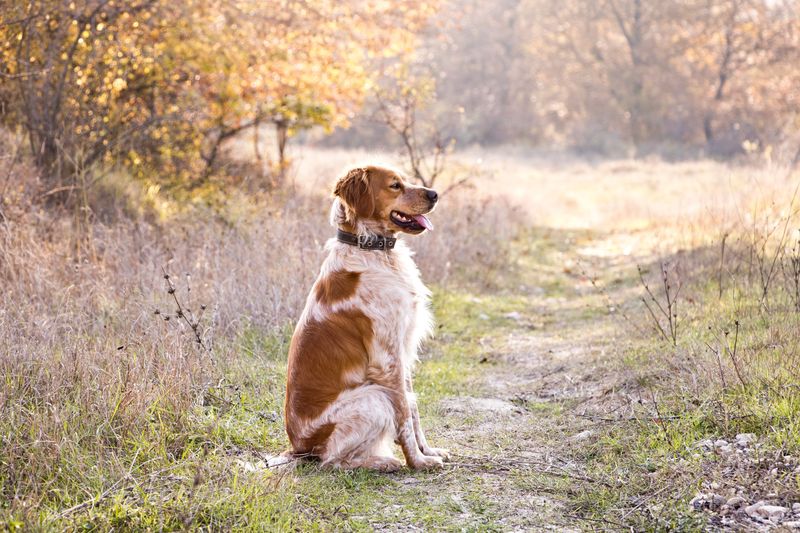
Some call the Brittany the Swiss Army knife of bird dogs. It points, flushes, and retrieves on land and water.
Its medium size slips easily through dense cover. Yet it still has the range to sweep wide open fields.
A sharp nose finds coveys quickly.
Brittanys stay sweet and loving at home. They work independently but keep checking in with their handler.
Long hikes help burn off their endless pep.
8. German Shorthaired Pointer: The Athlete
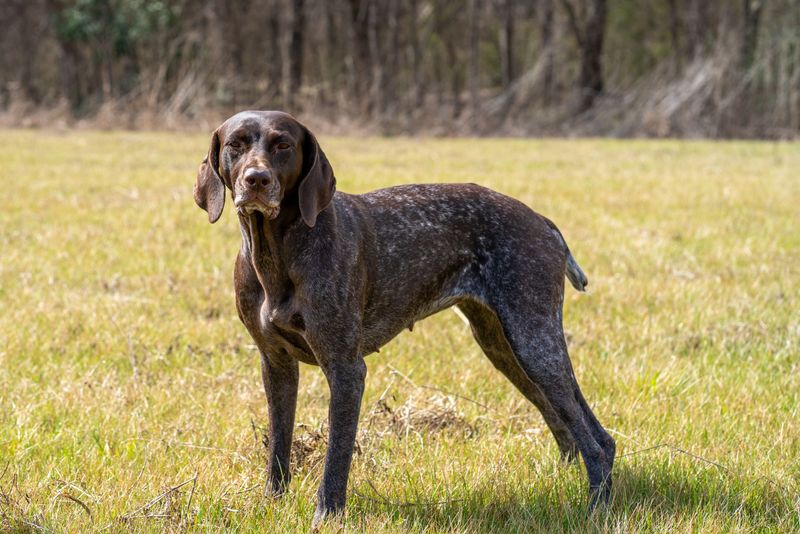
Some GSP puppies point birds at just eight weeks old. That instinct runs deep in this German breed.
Shorthairs handle nearly every gundog job. They point quail, retrieve ducks, and cover rough ground at high speed.
Webbed feet make them strong swimmers too.
A short coat suits warm Southern days. For chilly blinds, a neoprene vest helps.
Plenty of exercise turns them into loving, mellow house dogs.
9. German Wirehaired Pointer: Bearded and Busy
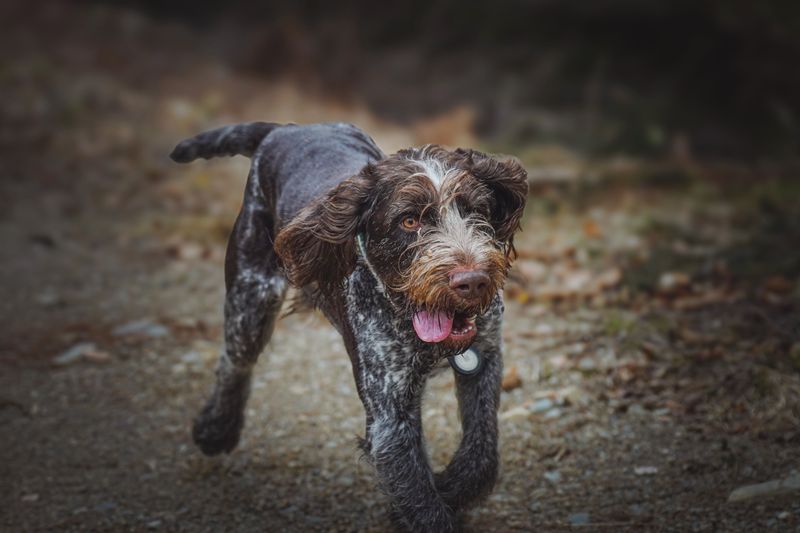
Ducks at dawn, quail at noon, geese by sunset. Many Wirehair owners describe exactly that kind of busy day.
The wiry coat shrugs off thorns, brambles, and cold water. Their noses are exceptional, and stamina seems endless.
Pointing and retrieving both come naturally.
GWPs can be independent thinkers. Steady, consistent guidance keeps them on track.
They adore family but may act aloof with visitors at first.
10. Golden Retriever: Sunshine With a Job
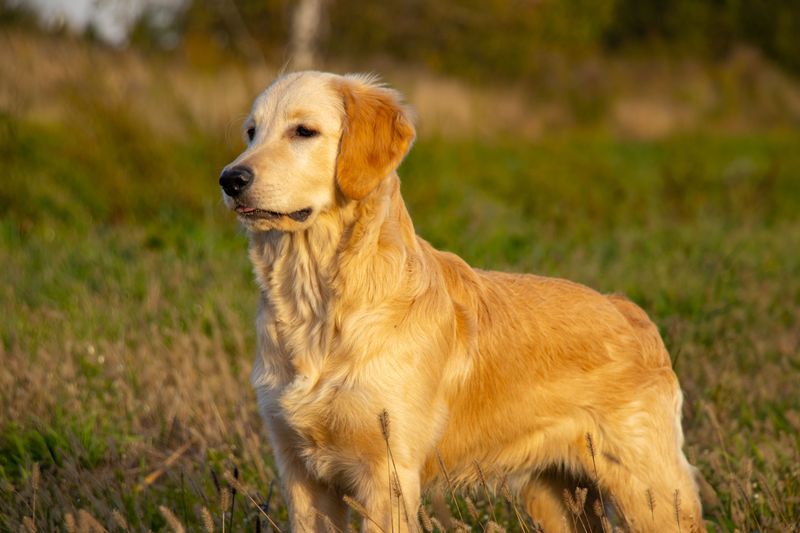
Picture that famous golden smile, now splashed with creek water. Goldens were bred in Scotland in the mid-1800s as true hunting dogs.
They mark falling birds well and swim with confidence. Field-bred lines are leaner and more driven than show lines.
Several South Carolina breeders focus on those working types.
Goldens slip easily from hard field days into relaxed family evenings. Brush that thick coat often, especially after muddy marsh outings.
11. Wirehaired Pointing Griffon: The 4×4
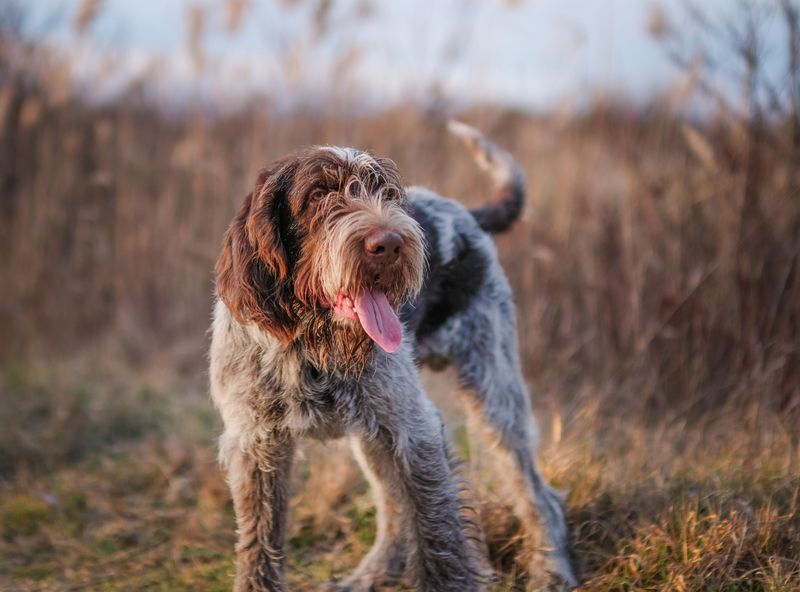
Fans call the Griff the four-by-four of hunting dogs. It points, flushes, and retrieves across land and water.
In South Carolina, one six-month-old Griffon impressed handlers with strong pointing on chukars. That close-working style keeps birds in easy range.
The scruffy coat guards against thorns.
Griffs are goofy and fun-loving at home. They need daily exercise for body and brain, or they get restless fast.
12. Vizsla: The Golden Velcro Dog
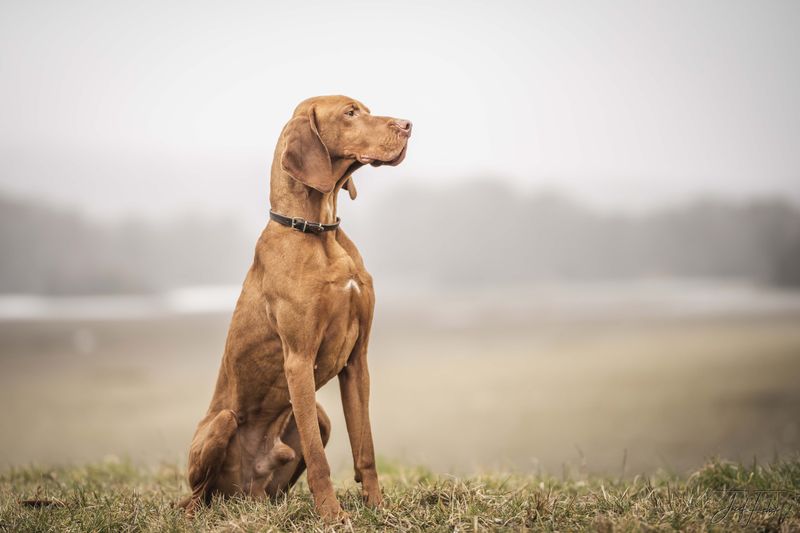
A Vizsla will follow you from room to room. Owners joke about tripping over these russet shadows.
This Hungarian breed dates back over a thousand years. It points, flushes, and retrieves fur or feather in fields and water.
A short coat helps on warm days.
Vizslas are sensitive and dislike being left alone. Give them a job and daily runs.
Active families find them wonderfully affectionate partners.
13. English Setter: Old-School Elegance
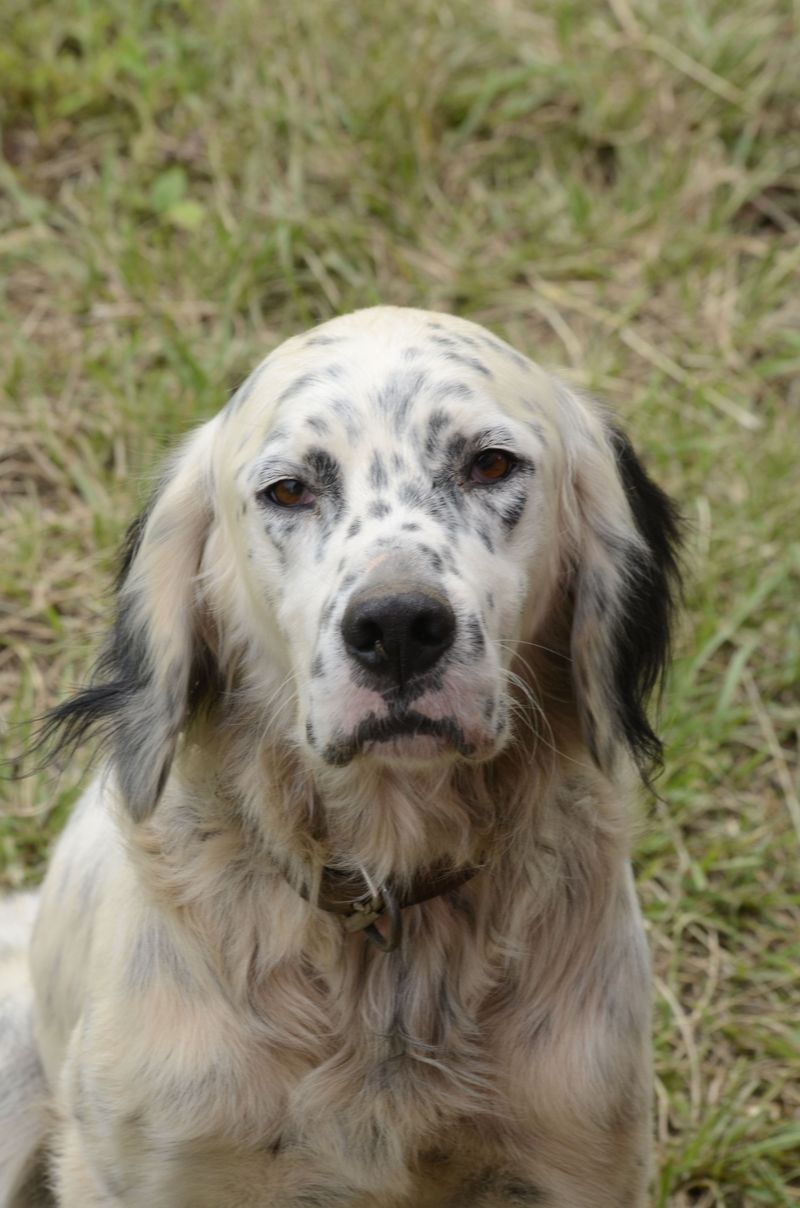
Feathery coats and graceful points made setters a classic sight on Southern quail plantations. The breed is over 400 years old.
Early setters crouched, or set, when they found birds. Later they adopted a proud upright stance.
Llewellin lines range wide in open country.
Setters are tender, people-loving dogs and lovely with children. Positive training suits them best.
Give them room to stretch those long legs daily.
14. English Pointer: Quail Country Royalty
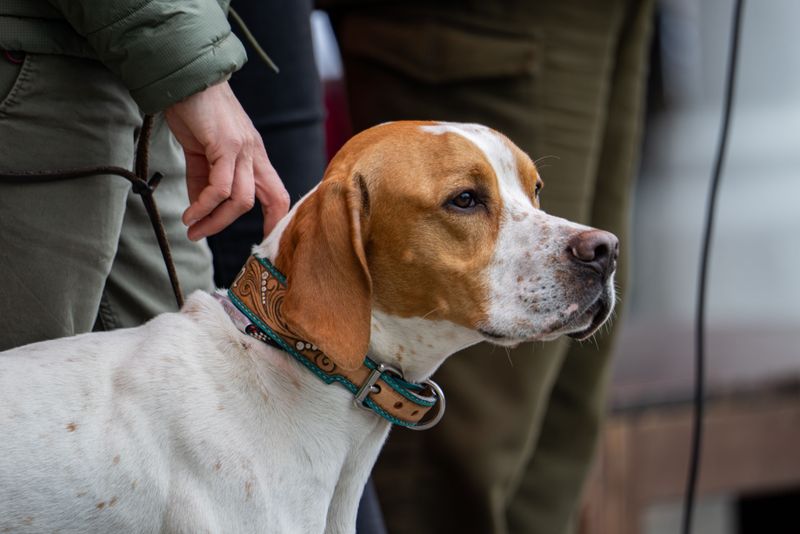
Southern quail hunting and the English Pointer go together like grits and butter. This breed was made for big, open country.
Pointers cover ground fast and lock up on birds with fierce focus. Their thin, smooth coat keeps them cooler in warm weather.
However, they are not natural water retrievers.
Calm and sweet at home, Pointers still need serious daily running. Gentle training methods bring out their best.
15. Weimaraner: The Gray Ghost
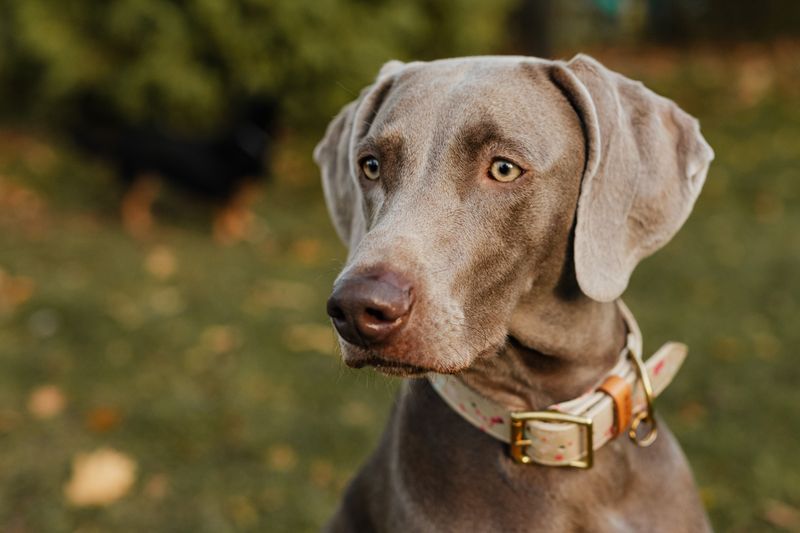
Silver coat, amber eyes, and boundless speed. No wonder Germany nicknamed the Weimaraner the Gray Ghost.
Bred in the early 1800s, Weims point, track, and retrieve eagerly. They can hunt all day without slowing.
A sturdy fence matters, since they love to roam after scents.
Weimaraners crave life indoors with family. Kennel life makes them unhappy.
Start obedience early, because these bold dogs have opinions.
16. Irish Water Spaniel: Curls and Clown Antics
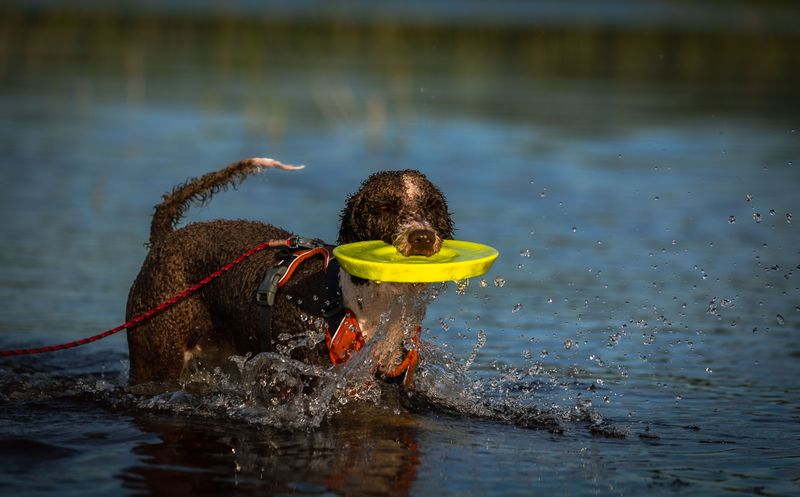
Tight liver curls, a silly topknot, and a skinny rat tail. The Irish Water Spaniel looks like a clown, yet works like a pro.
Dating to 1830s Ireland, it excels as a water retriever. Strong noses keep it working birds in heavy cover.
Fans describe a strong head and soft heart. Early socialization helps with strangers.
An hour of vigorous exercise daily keeps boredom away.
17. Welsh Springer Spaniel: Steady All Day
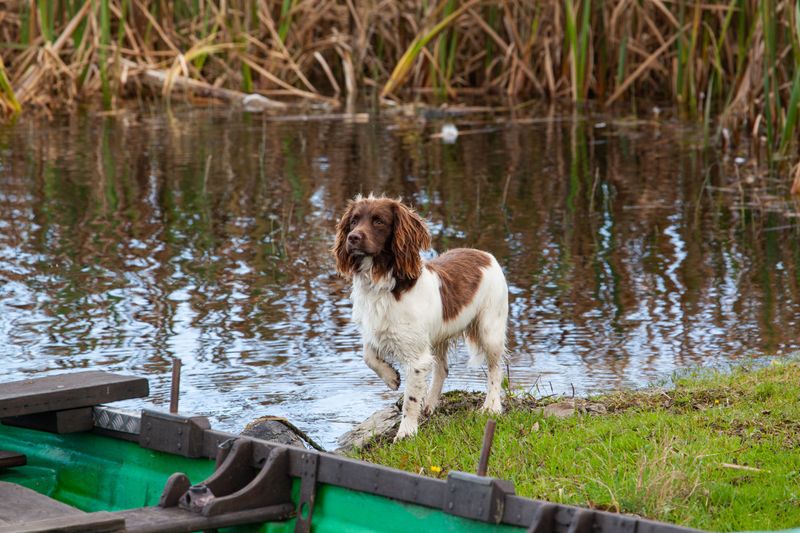
Think tortoise, not hare, in the best possible way. Welsh Springers pace themselves to hunt from dawn to dusk.
They work more methodically than English Springers. Their noses track wounded birds so well that hunters rarely lose one.
They also handle waterfowl.
Once trained, Welshies remember lessons year after year. They are cheerful and loyal, but harsh corrections upset them.
Kind, patient coaching works wonders.
18. Flat Coated Retriever: Forever a Puppy
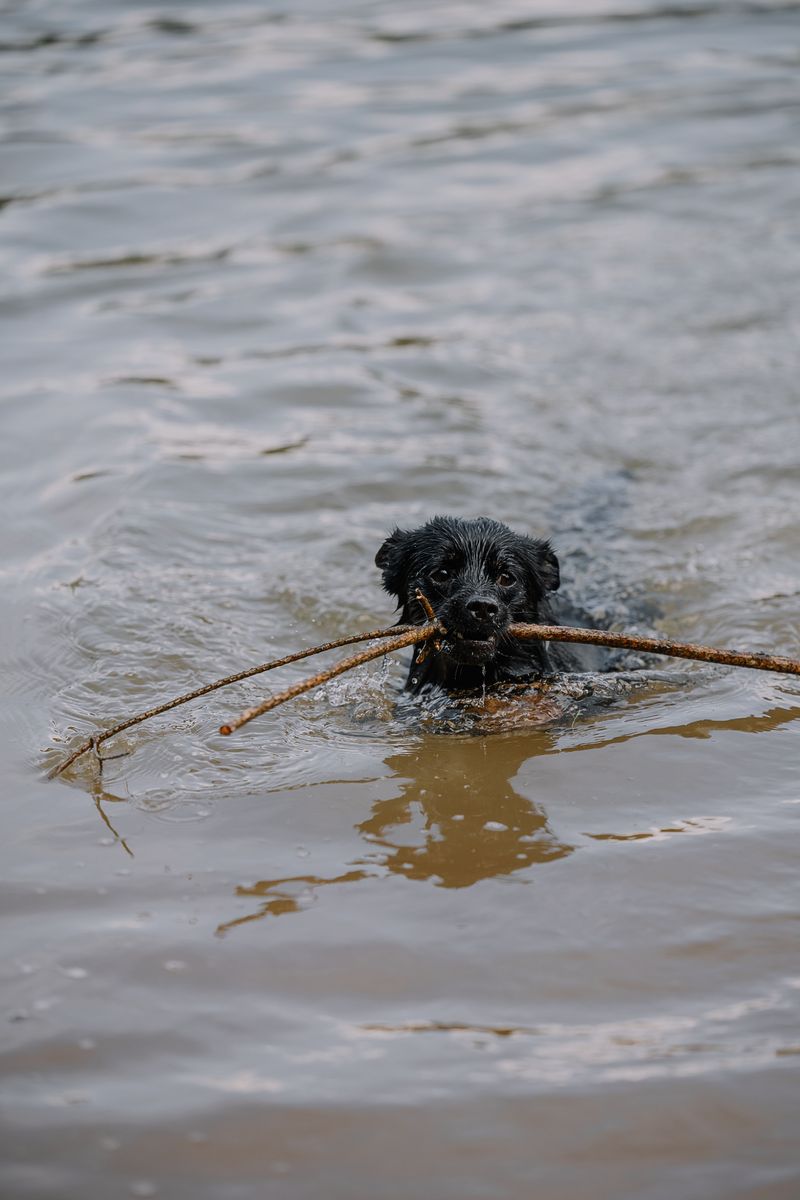
Ever met a ten-year-old dog acting like a puppy? That is often a Flat-Coat, wagging its whole back end.
Bred in 19th-century England, Flat-Coats retrieve proudly on land and especially water. They mark birds well and carry them with a gentle grip.
Their glossy coat resists weather.
A stubborn streak can appear. Early, consistent training and lots of swimming help.
Fetch games become their favorite hobby.
19. Curly Coated Retriever: The Original
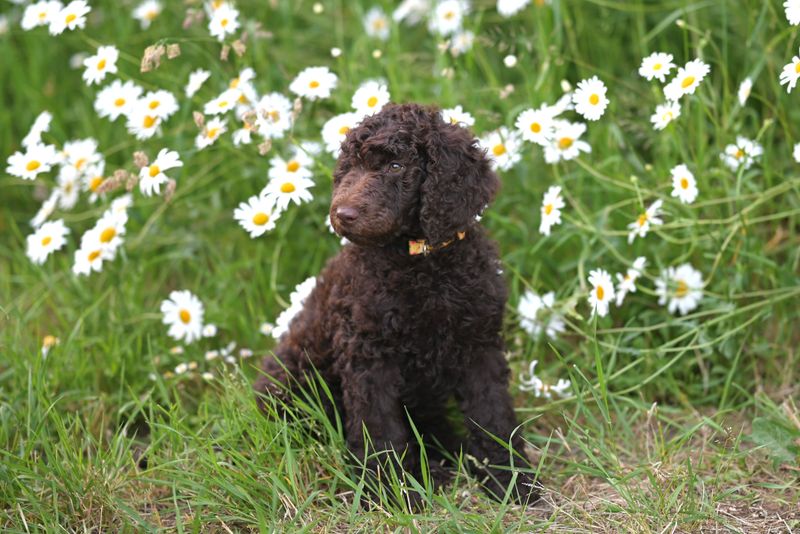
Here is a trivia winner. The Curly Coated Retriever is considered the oldest retriever breed of all.
Those tight curls act like armor against briars and cold water. Curlies mark downed birds well and work thickets without fuss.
They also hunt close to the gun.
Expect a confident, people-loving dog who may seem aloof with strangers. Mental puzzles and swims keep this thinker happy.
20. Nova Scotia Duck Tolling Retriever: The Charming Trickster
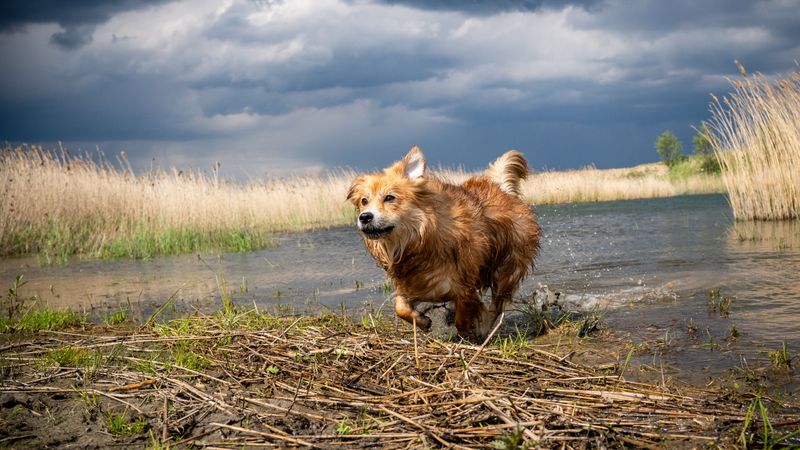
Talk about a clever trick. Tollers frolic along the shoreline, and curious ducks swim closer to watch.
That luring behavior is called tolling. Afterward, the dog retrieves the birds.
As the smallest retriever, Tollers also flush upland birds with a close style.
Webbed feet help them swim well. They are playful and affectionate, yet sometimes stubborn.
Patience and warm praise win them over every time.