Moving From New York City To Upstate New York Changes These 20 Dog-Owner Habits
Trading city blocks for open fields is a big change for you and your dog. Upstate New York offers more space, fresh air, and plenty of trails to explore.
It also brings new rules, new weather, and new wildlife to learn about. Think of this as a friendly guide from someone who has made the move, so your pup settles in safely and happily.
1. A New Office Handles Your Dog License
Back in the city, licensing went through the NYC Health Department. Upstate, the job shifts to your new town, city, or village clerk.
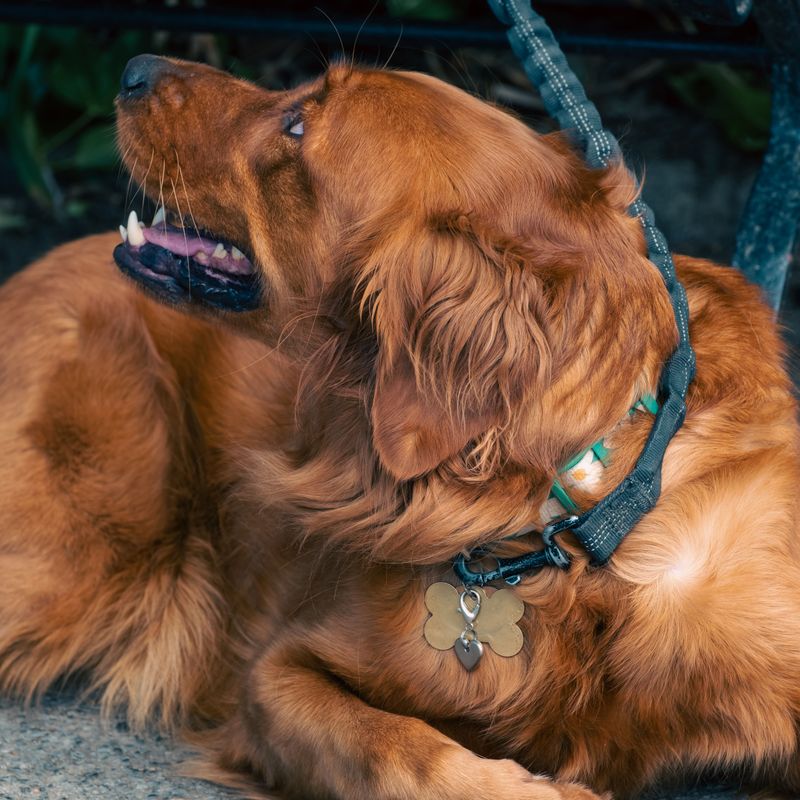
New York State requires dogs four months or older to be licensed where they live. Bring proof of a current rabies vaccine.
If your dog is spayed or neutered, bring that paperwork too.
Fees vary by locality, and unaltered dogs usually cost more. A quick call to the clerk saves a second trip.
2. Leash Rules Change From Town to Town
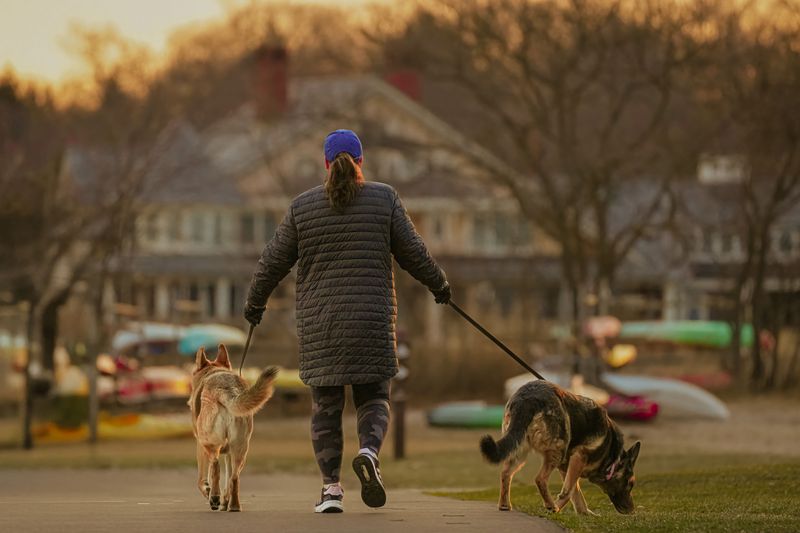
Here is a surprise for many newcomers. New York State has no single statewide leash law.
Each city, town, and village writes its own rules. Albany, for example, requires a collar and leash with a handler at least 12 years old.
Other towns may differ quite a bit.
Dog parks also post their own rules, sometimes with separate areas for small and large dogs. Check with your municipal clerk or animal control before heading out.
3. Sidewalk Strolls Give Way to Backyard Freedom
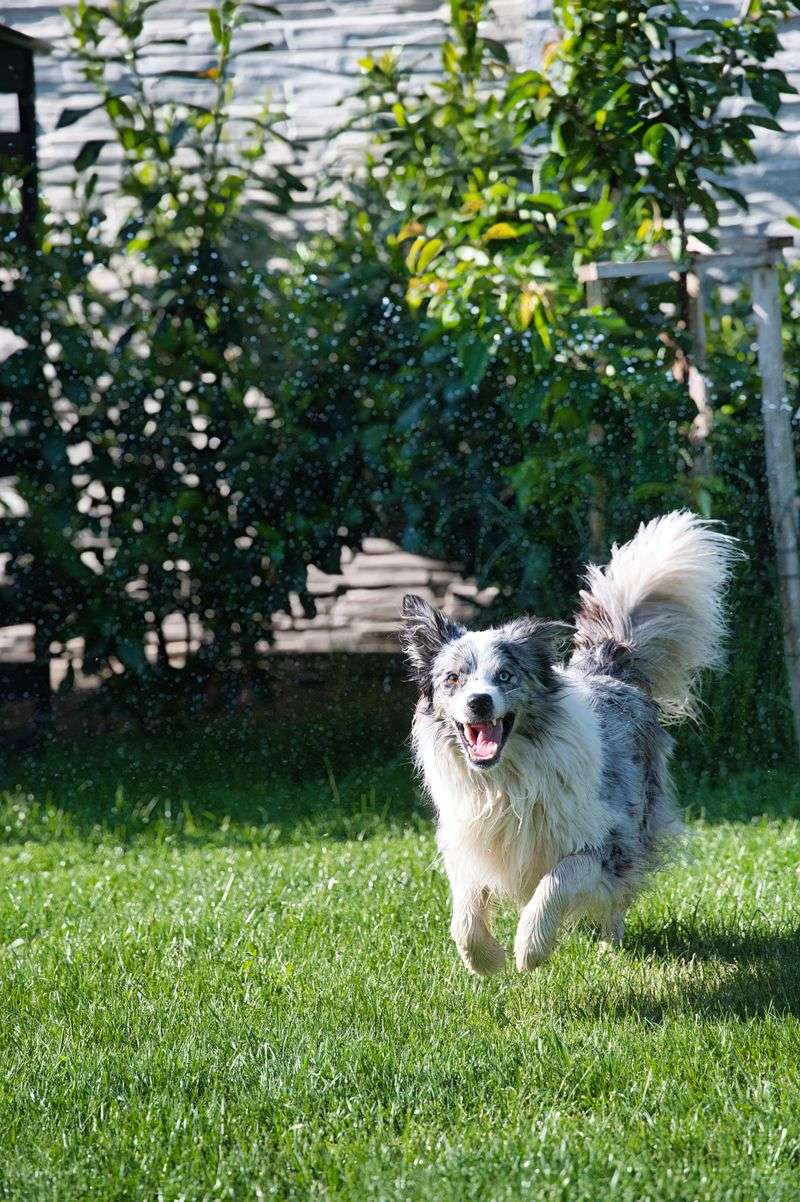
Remember timing walks around elevator waits and busy crosswalks? Those days may fade fast.
Many upstate homes come with yards, quiet roads, and nearby trails. Your dog might trade three quick sidewalk loops for a morning sniff around the yard and an afternoon woods walk.
Still, yard time alone rarely meets every need. Dogs love fresh smells and new sights, so keep regular neighborhood walks and weekend adventures in the mix.
4. Walk the Fence Line First
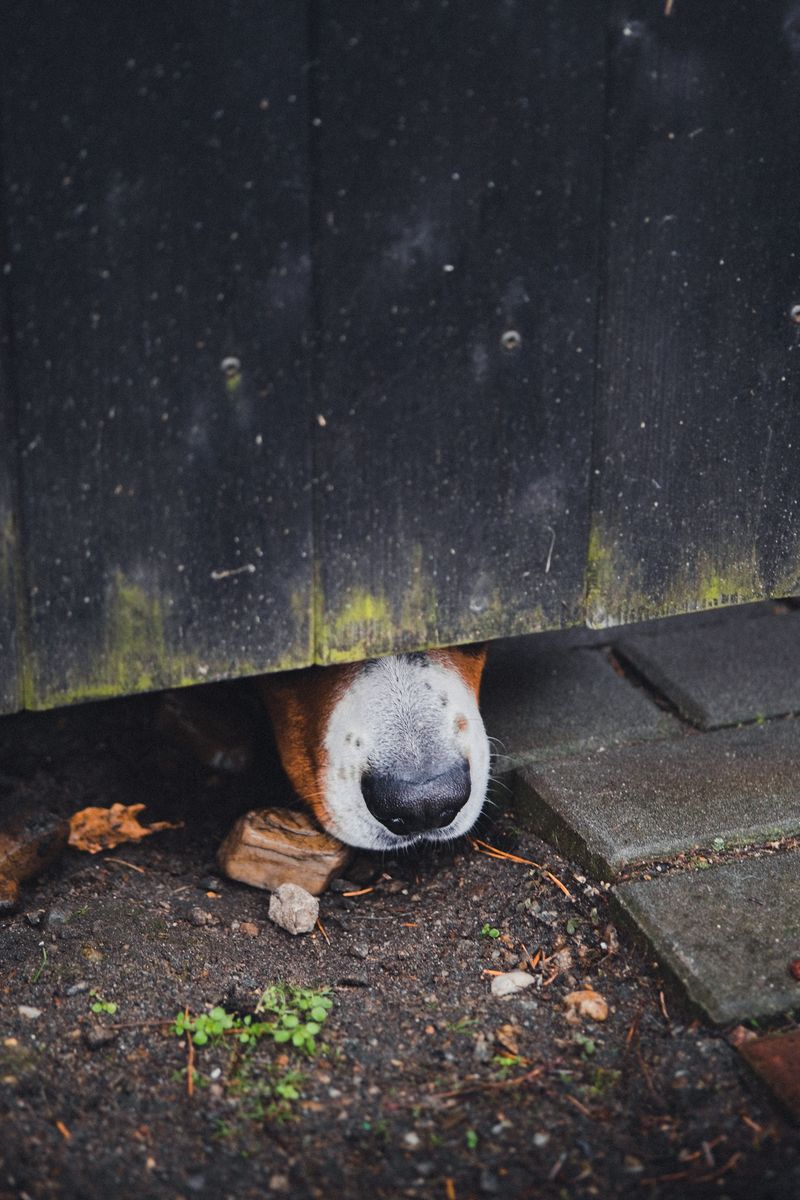
A city dog meeting a big yard can feel like a kid in a candy store. Before you unclip that leash, take a slow lap around the property.
Look for gaps under fences, loose boards, and gates that do not latch firmly. Check spots where snow or soil could help a dog climb or dig.
Know where your property ends, too. Some rural lots have no fence at all, so a long line helps early on.
5. Recall Becomes Your Most Valuable Skill
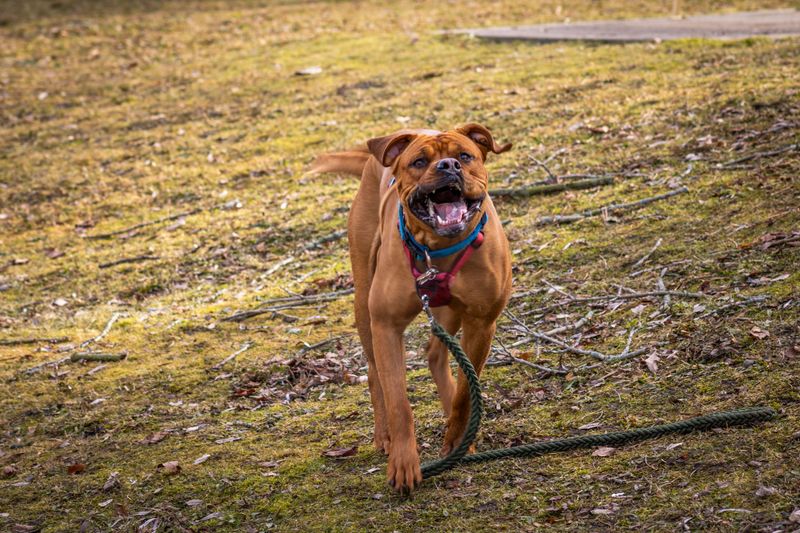
Open fields are thrilling. To a curious nose, they can also feel endless.
A dependable recall keeps your dog close when a deer bolts or a smell pulls them toward the treeline. Practice daily with high-value treats, starting in quiet spaces before moving to busier ones.
A long training line gives freedom while you build trust. Keep sessions short, upbeat, and rewarding.
A dog who loves coming back is a safer dog everywhere.
6. Tick Checks Join the Daily Routine
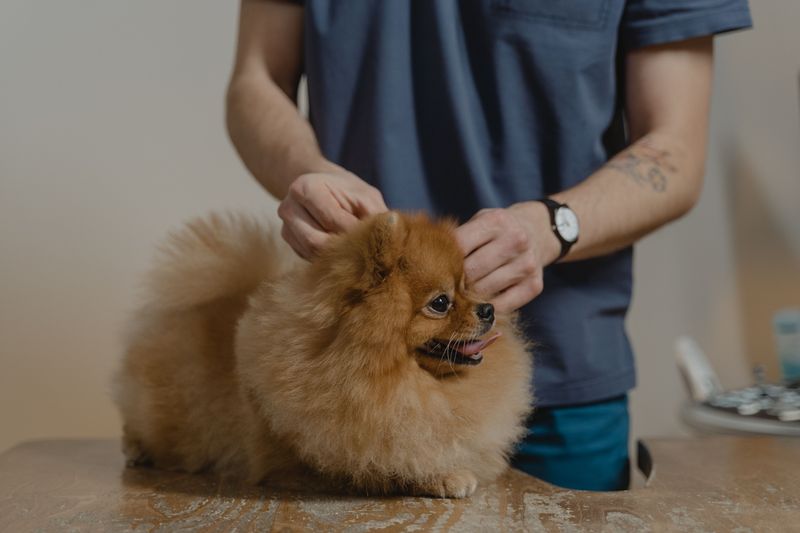
Ticks are common across much of upstate New York. They can stay active even in winter on milder days.
Ask your veterinarian about a year-round preventative, such as a chewable, topical, or collar. Use it on schedule, without skipping months.
After walks through grass or woods, run your hands over your dog. Focus on ears, collar area, armpits, groin, and between toes.
Remove any tick promptly with a proper tick tool.
7. Your Vet Visit Gets a Regional Update
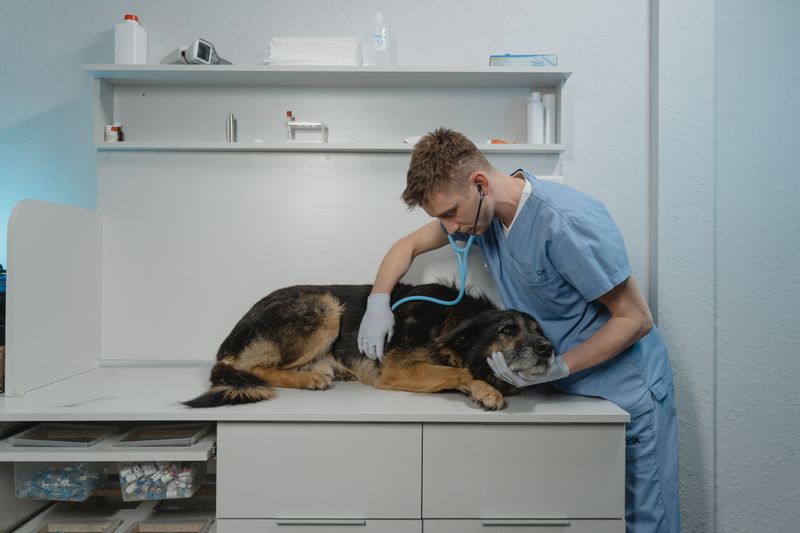
A good first appointment upstate is part checkup, part orientation. Tell your new vet about your yard, hikes, and swimming plans.
Many vets in the region discuss the Lyme disease vaccine for dogs with outdoor exposure. Leptospirosis vaccination may come up if your dog splashes in ponds or streams.
Yearly screening for tick-borne illnesses is also common. Your vet will tailor advice to your dog’s age, health, and lifestyle.
8. Winter Arrives Earlier and Stays Longer
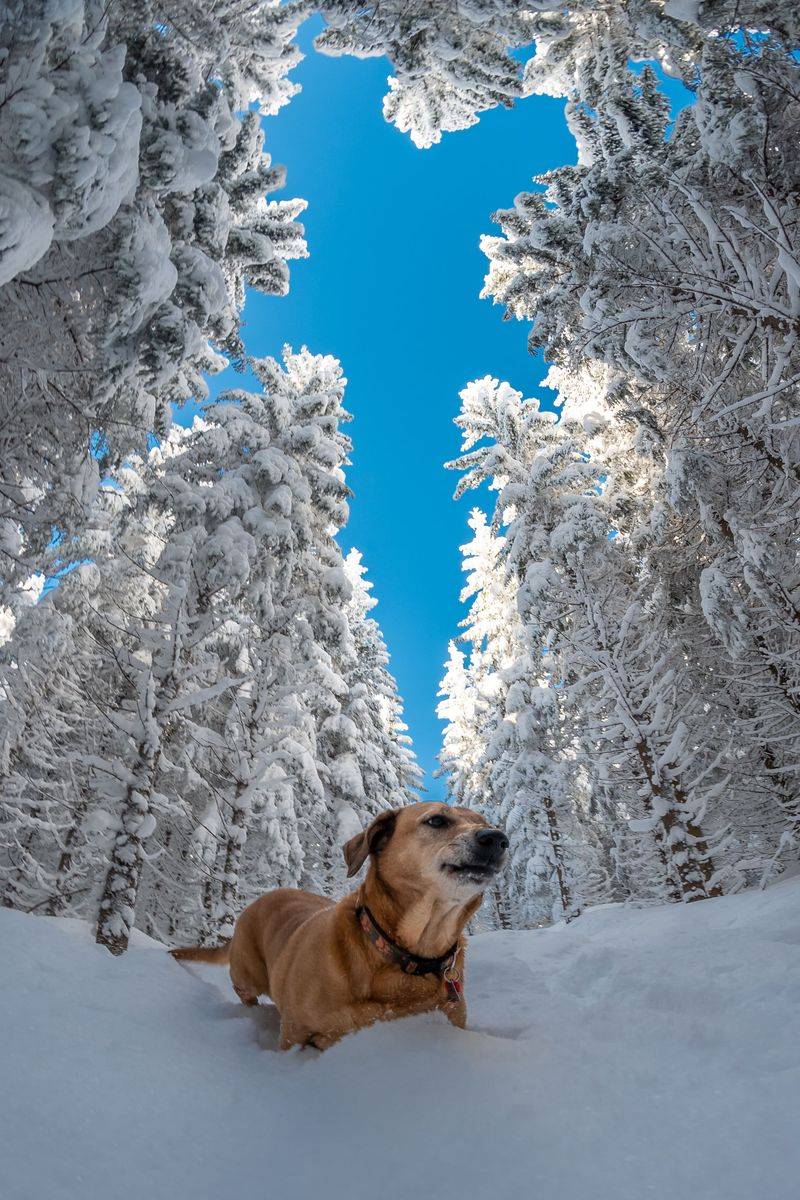
City winters often bring slush that melts in a day. Many upstate communities see deeper snow and longer cold stretches.
Areas near Lake Erie and Lake Ontario get lake effect snow, which can pile up quickly. Mountain regions like the Adirondacks also run colder.
Plan ahead by stocking winter gear early in fall. Watch your dog’s comfort closely, since short-haired, small, and senior dogs often feel the chill sooner.
9. Boots, Balm, and a Cozy Coat
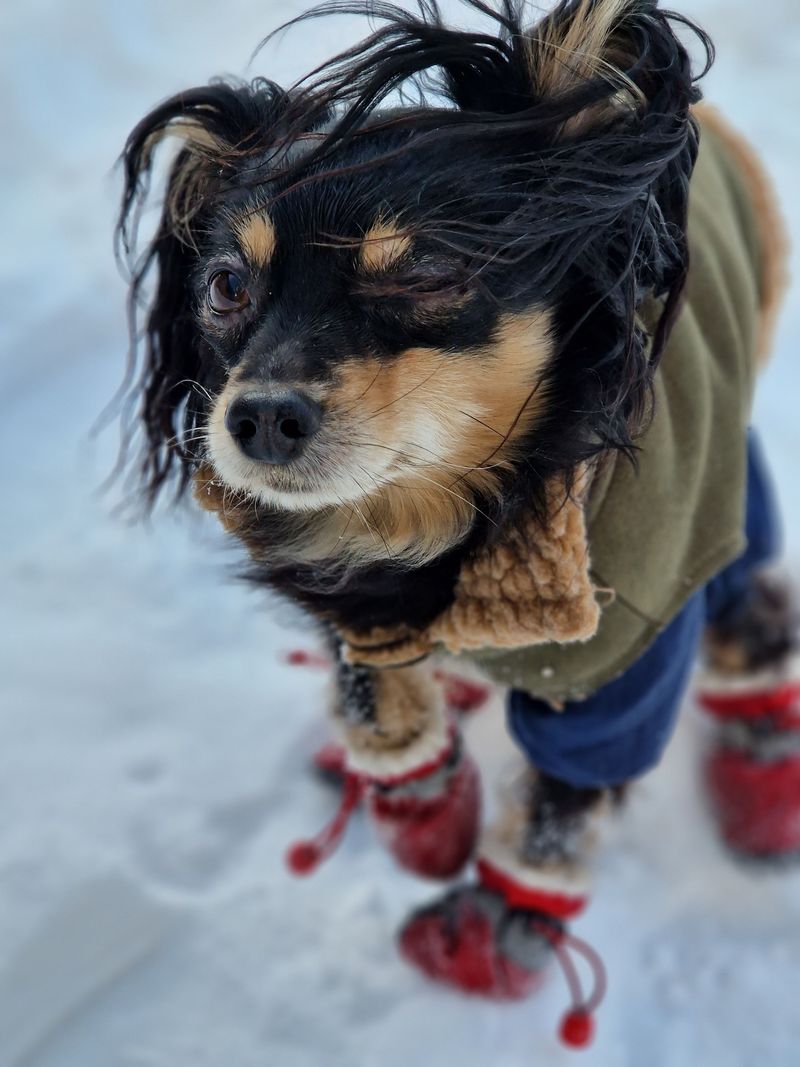
Picture a chihuahua facing a frosty February morning in Syracuse. A little gear makes a big difference.
Dog boots shield paws from ice and cold. Paw balm helps prevent dry, cracked pads.
A warm coat suits small breeds, thin-coated dogs, and older pups.
Not every dog needs everything. Thick-coated breeds may only need balm.
Introduce boots slowly indoors with treats, because most dogs walk a little funny at first.
10. Paw Wipes Live by the Door
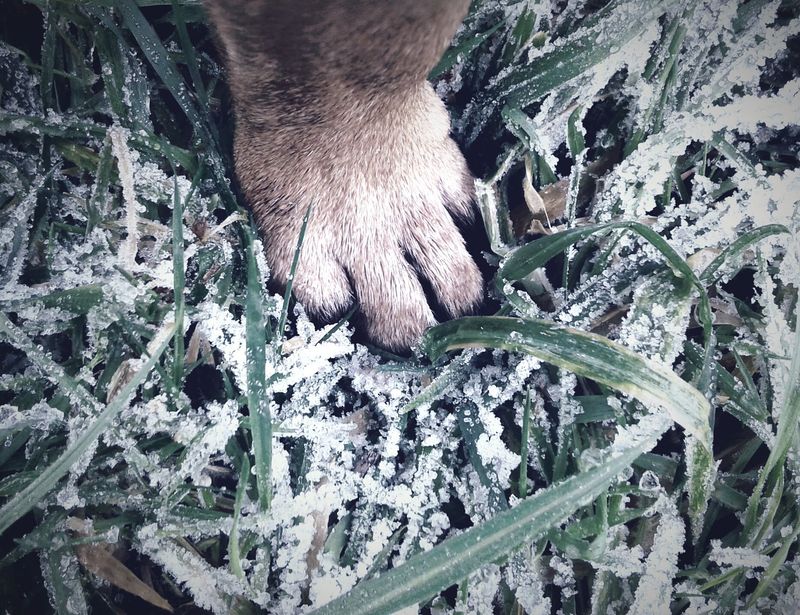
Road salt keeps streets safe for drivers. On paws, it can sting and dry out tender pads.
Keep a towel or pet wipes near the door. After winter walks, wipe each paw and between the toes.
This also stops your dog from licking off salt or ice melt residue.
For your own steps and driveway, choose a product labeled pet safe. Your neighbors may still use regular salt, so wiping stays important.
11. Shovel a Potty Spot Too
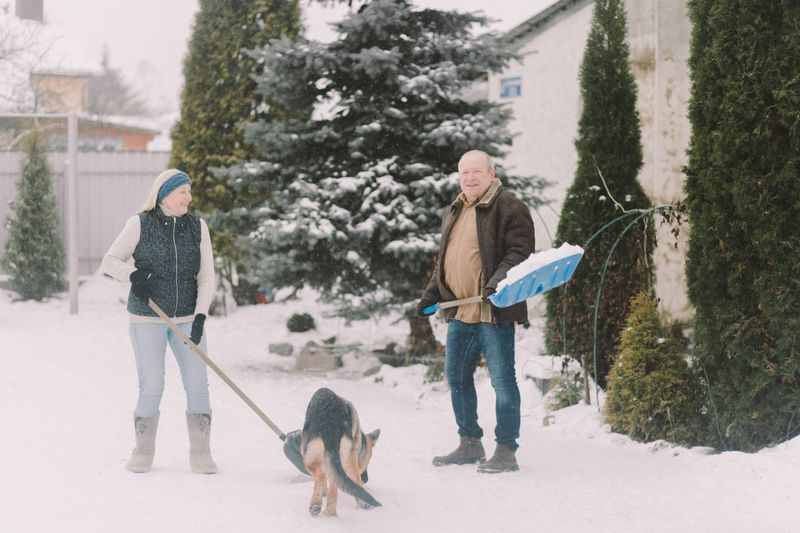
After a big storm, your driveway is not the only thing needing a shovel. Many dogs dislike squatting in snow up to their bellies.
Clear a small bathroom patch in the yard, plus a path to reach it. Some owners lay a tarp before a storm, then pull it away afterward.
Short-legged dogs especially appreciate this effort. A comfortable spot means faster potty breaks and fewer indoor accidents on frigid nights.
12. Meet the Wild Neighbors From a Distance
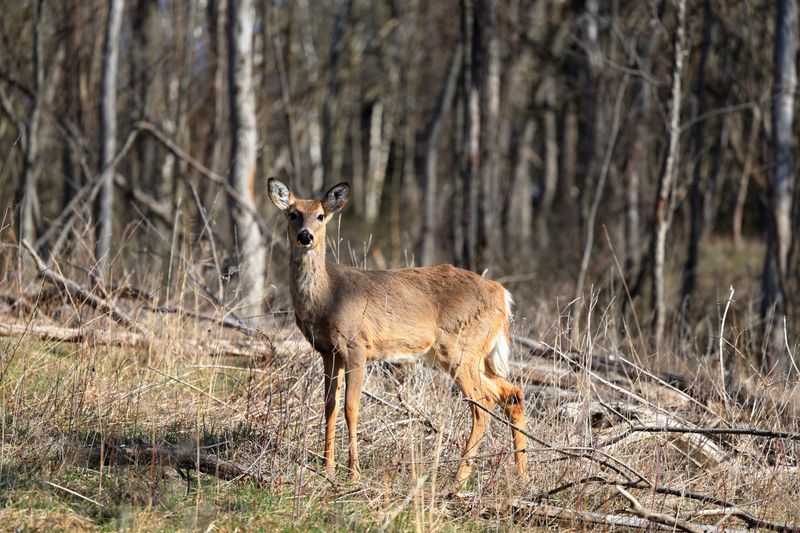
Pigeons and squirrels ruled the city. Upstate, the cast grows to include deer, coyotes, porcupines, and skunks.
Keep your dog leashed in wooded or quiet areas, especially around dawn and dusk. Bring outdoor food bowls inside and secure trash cans.
Yard lights and supervised evening potty breaks also help. If your dog meets a porcupine or gets quilled, skip home removal.
Call your veterinarian for safe care.
13. Blaze Orange Becomes a Fall Staple
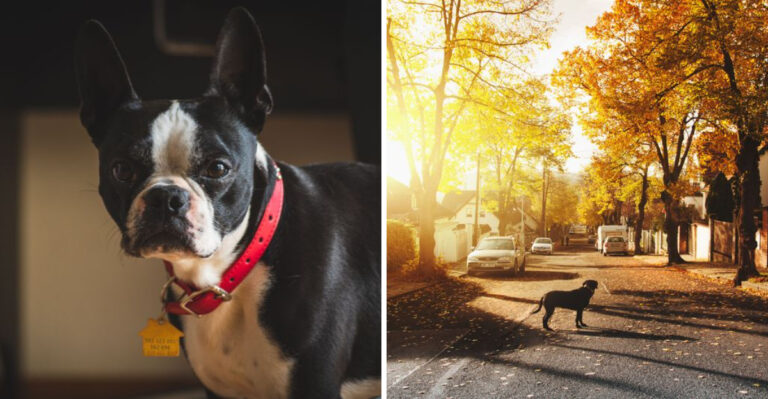
Fall foliage season is gorgeous upstate. It also overlaps with hunting seasons in many forests and wildlife areas.
Check the New York State Department of Environmental Conservation website for season dates in your region. Dates vary by area and game.
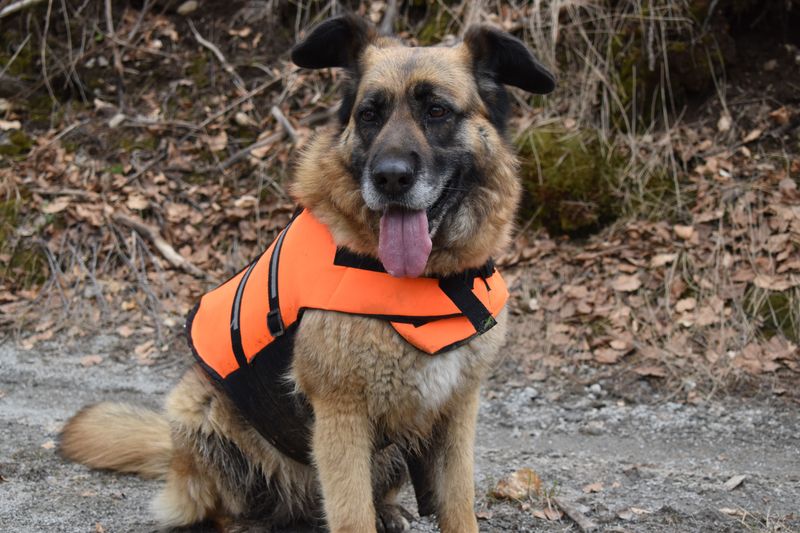
Dress your dog in a bright orange vest or bandana, and wear bright colors yourself. Stick to marked trails and keep your pup leashed.
Visibility keeps everyone easy to spot.
14. Park Rules Ride Along on Every Trip
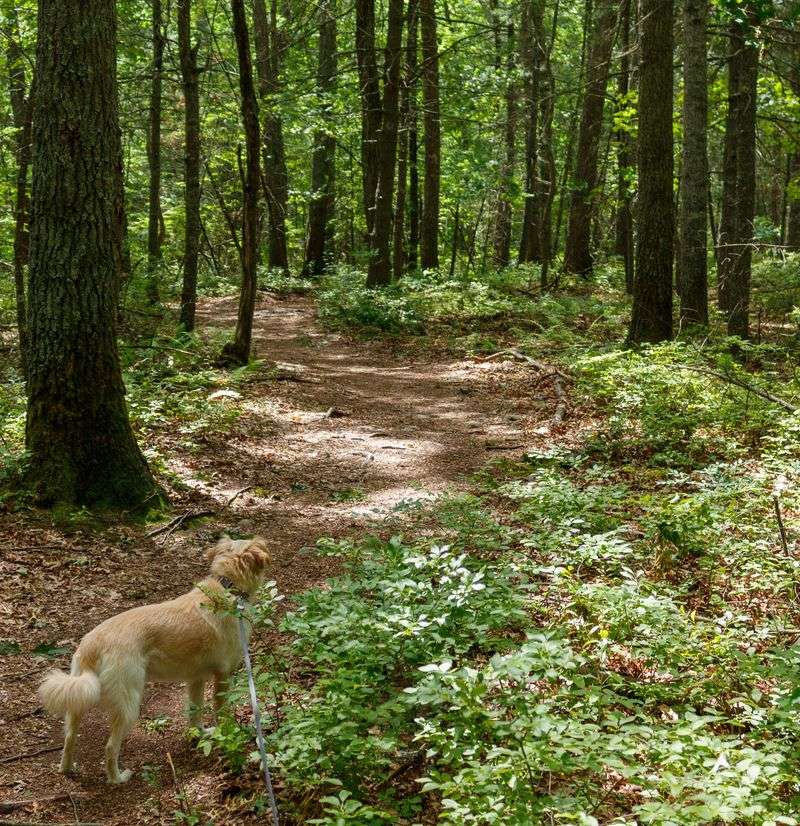
New York State Parks welcome dogs in many areas, which is great news. There are some firm rules, though.
Pets generally need a leash no longer than six feet. They are usually kept out of buildings, playgrounds, pools, and guarded beaches.
Some trails and gorges ban pets entirely.
Campgrounds may ask for proof of rabies vaccination. Rules vary by park, so check the official page before you pack the car.
15. Pack a Proper Trail Kit
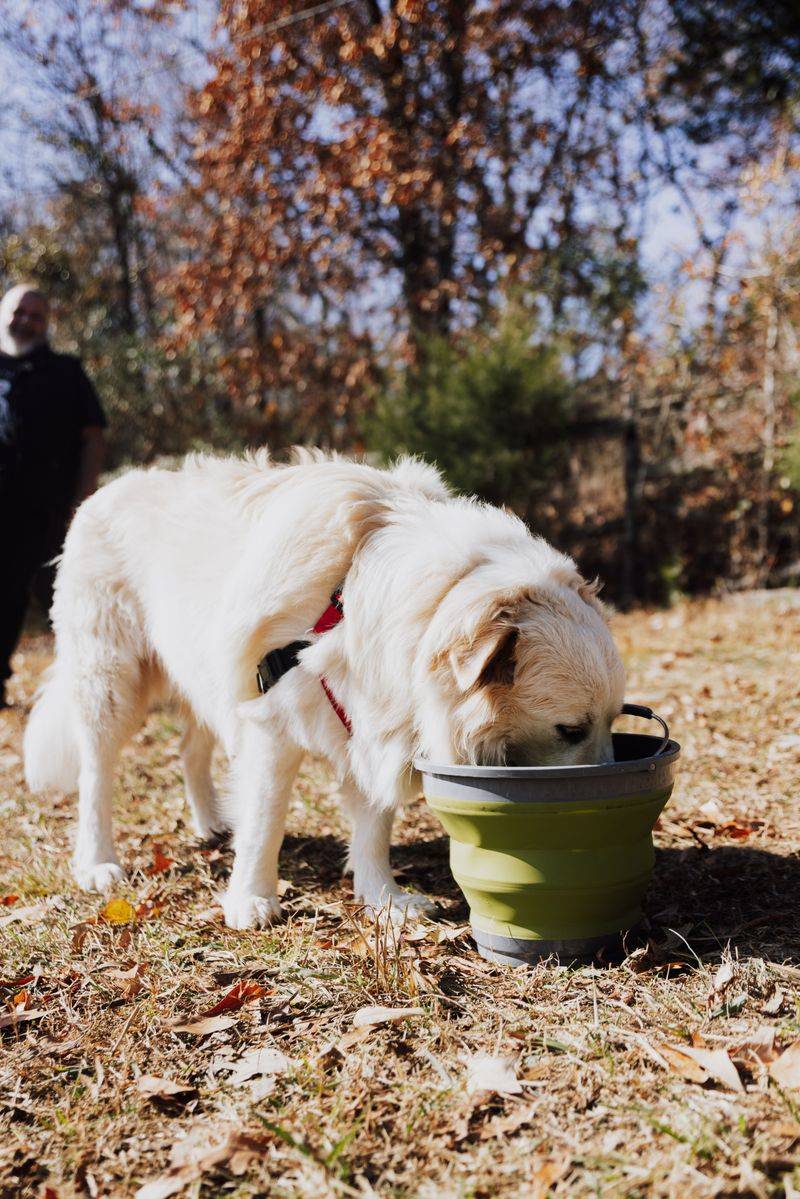
City walks rarely strayed far from a water fountain or corner store. Rural trails are different.
Bring plenty of water and a collapsible bowl for your dog. Carry waste bags and pack out everything you bring in.
A basic pet first-aid kit belongs in your pack too. Include gauze, vet wrap, tweezers, and a tick remover.
Save your vet’s number in your phone, since cell service can be spotty.
16. Map Out Your Nearest Animal Hospital
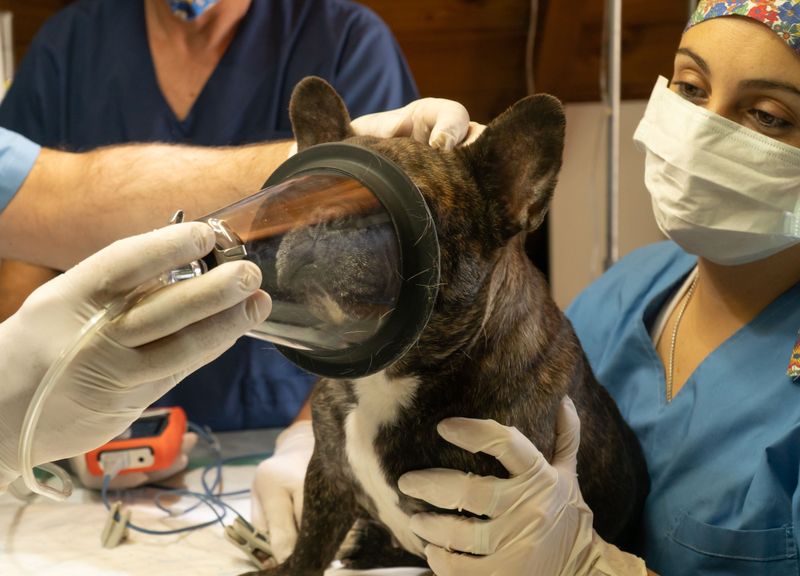
In Manhattan, a vet might sit a few blocks away. Upstate, the closest emergency animal hospital could be a long drive.
Before you need one, find a regular clinic and the nearest 24-hour emergency hospital. Note their hours, phone numbers, and driving times.
Save the details in your phone and post them on the fridge. Knowing the route ahead of time brings real peace of mind on stressful days.
17. Stock a Storm Shelf for Your Pup
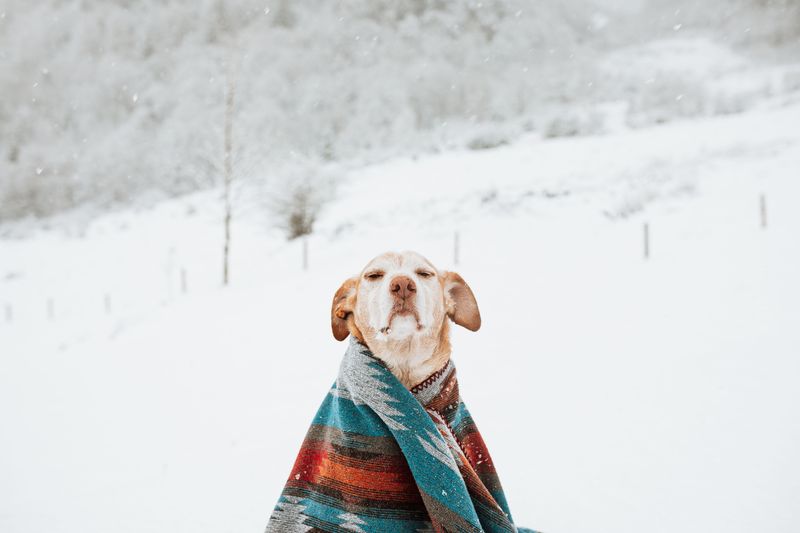
A heavy snowstorm can close roads and knock out power for a while. Your dog’s needs do not pause.
Keep at least a week of food, extra water, and any medications on hand. Many owners also store a flashlight, extra blankets, and a manual can opener.
Rotate supplies so food and medicine stay fresh. If your dog needs refrigerated medication, ask your veterinarian how to store it during an outage.
18. Brushing Sessions Get More Frequent
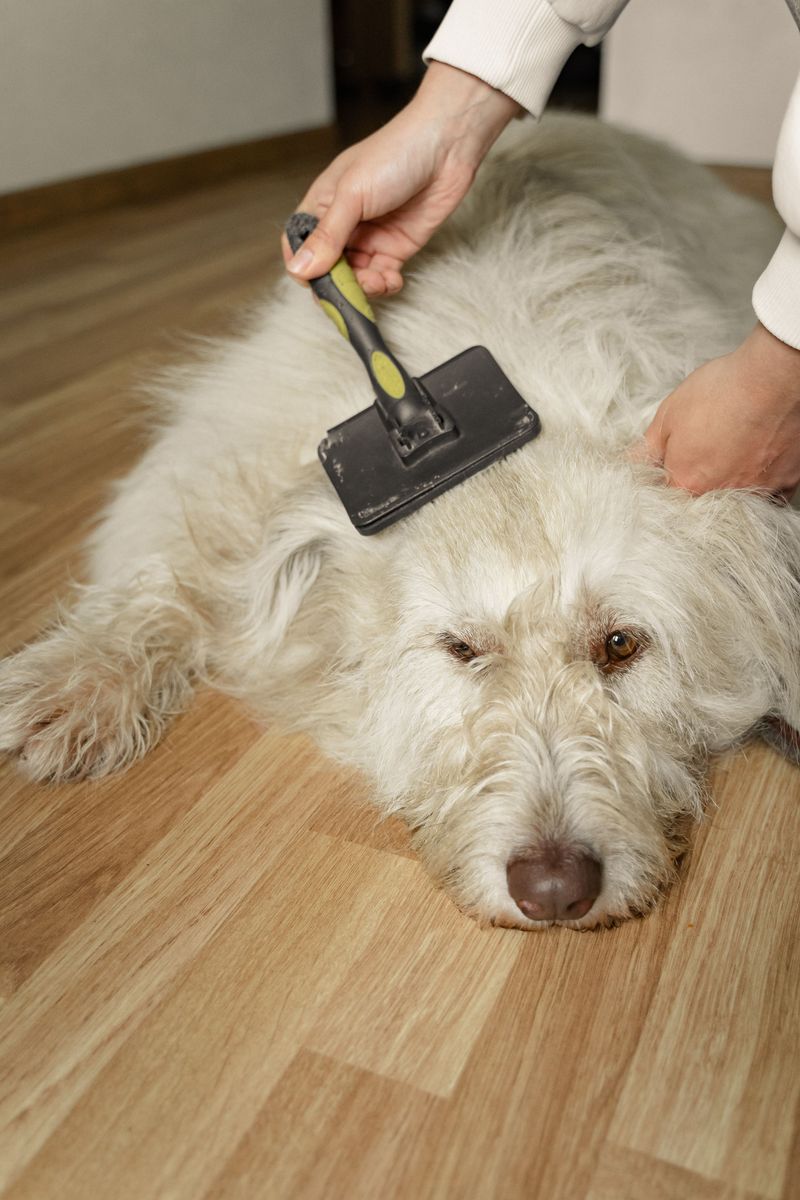
Mud season upstate is real, and your dog will likely find every puddle. More adventure means more grooming.
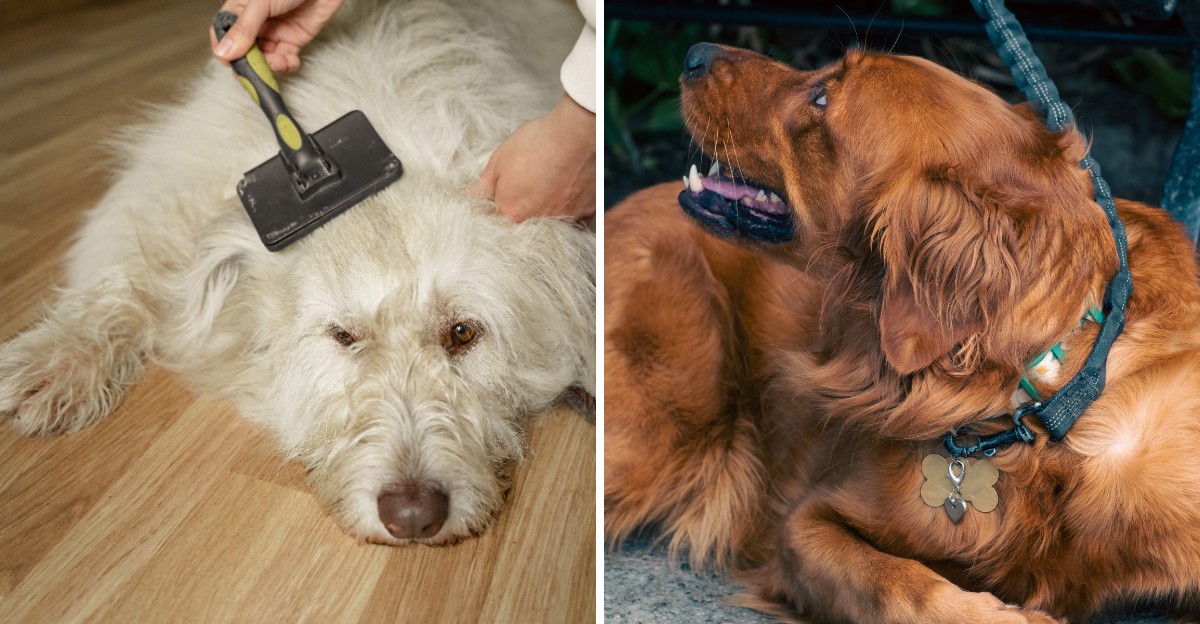
Brush often to remove dirt, burrs, and snowballs stuck in fur. Long coats can mat quickly after wet hikes.
While brushing, look for scrapes, ticks, and anything stuck between the toes. Trimming fur around the paws helps in winter.
A regular routine turns cleanup into calm bonding time.
19. Look Before Your Dog Leaps In
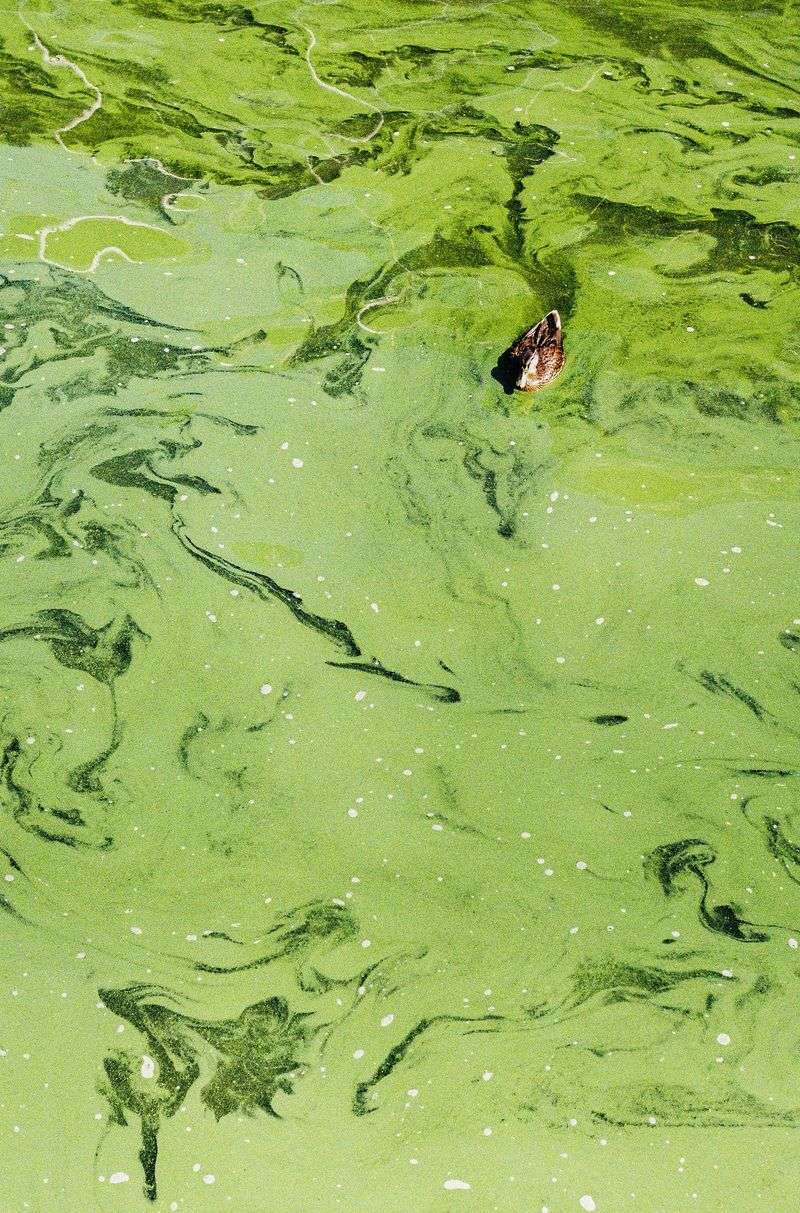
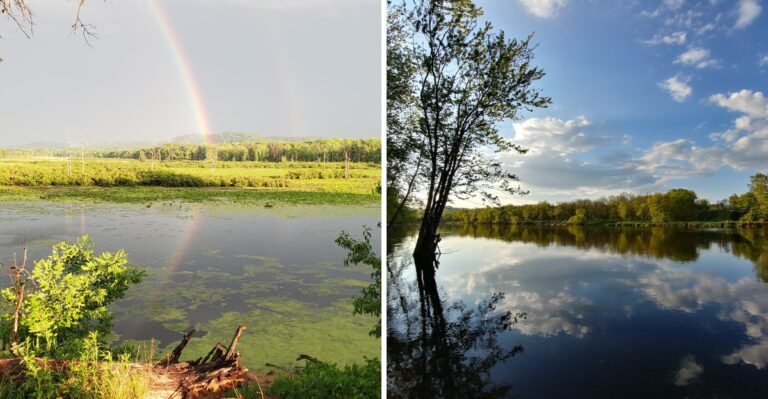
Did you know New York tracks harmful algal blooms on many lakes every year? These blooms can make dogs sick.
Keep your pup out of water that looks discolored, scummy, or like spilled paint. Check the DEC’s bloom notices before visits.
If your dog touches suspect water, rinse them with clean water and call your vet.
In winter, keep dogs off frozen ponds and lakes. Ice thickness is hard to judge.
20. Exercise Plans Follow the Seasons
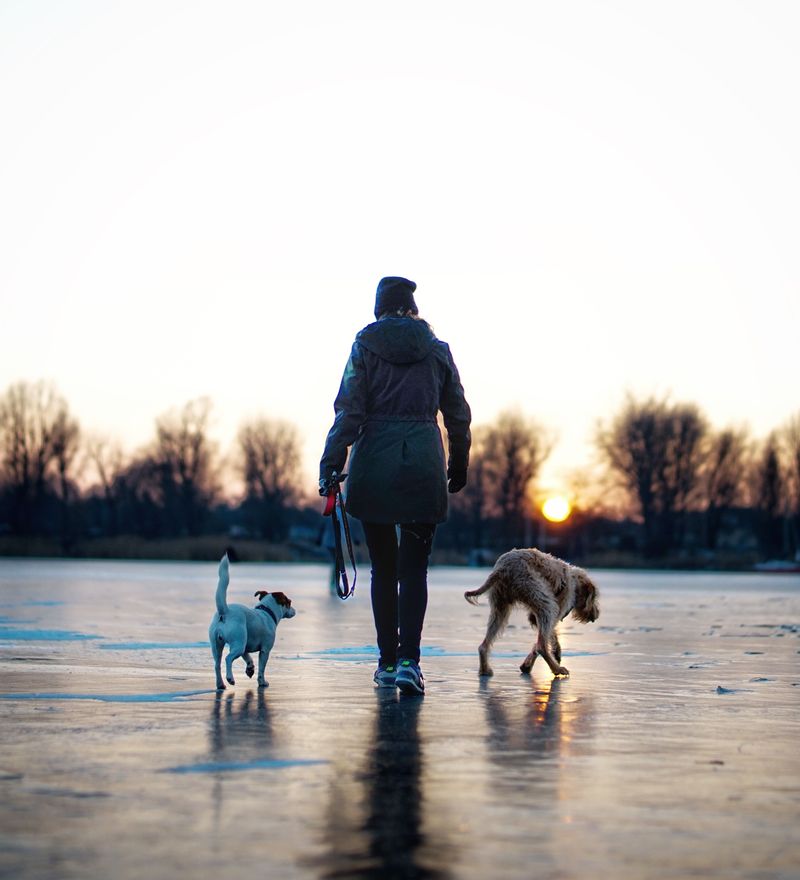
Upstate seasons each bring their own rhythm. Your dog’s exercise plan should shift right along with them.
In winter, daylight ends early. Schedule outdoor time around midday warmth and use reflective gear or lighted collars after dark.
Indoor games and puzzle toys fill colder days.
Summer flips the script with long, bright evenings. Plan hikes and swims during cooler hours to avoid heat.
Flexible routines keep your dog fit all year.