15 Sporting Dog Breeds For Virginia’s Upland Fields And Waterfowl Marshes
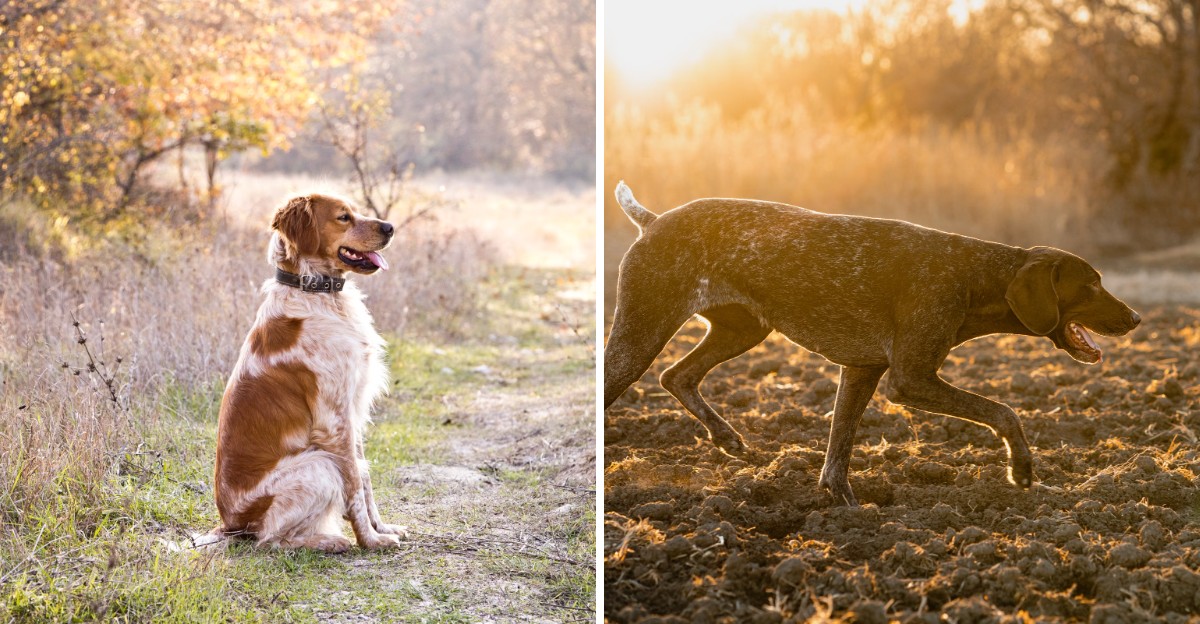
Virginia can ask a lot of a sporting dog. An upland field may call for a careful nose, while a chilly marsh rewards a confident swimmer.
Choosing a breed means thinking beyond looks and matching its working style to your ground, your goals, and your daily routine. From lively flushers to steady retrievers, these dogs offer plenty of ways to make the most of a day outside.
1. English Setter: A Graceful Field Finder
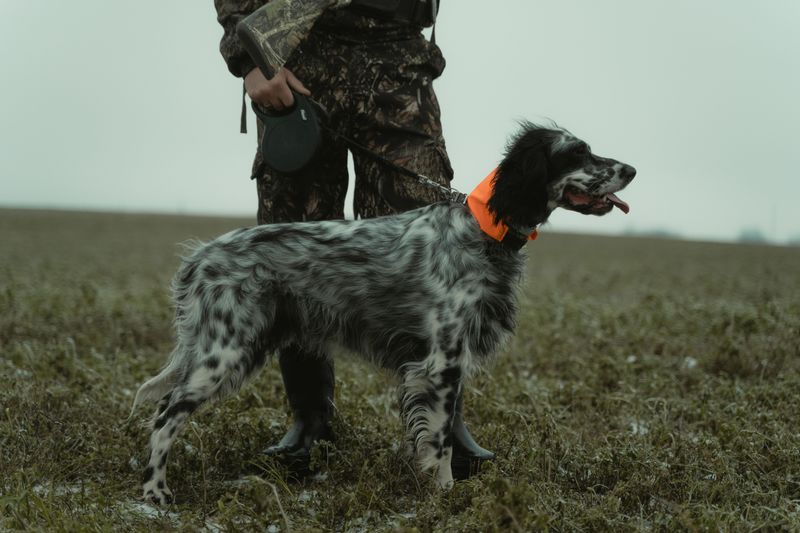
A patch of tall grass turns quiet when an English Setter catches a scent. Its graceful point gives a handler time to approach and watch the cover.
The breed suits upland outings where there is room to search.
Long, feathered fur collects burrs, so bring a comb and check the coat afterward. Practice recall before visiting wide fields.
Setters need regular exercise and patient training, but their steady work can make every walk feel rewarding.
2. German Shorthaired Pointer: Ready for Rough Ground
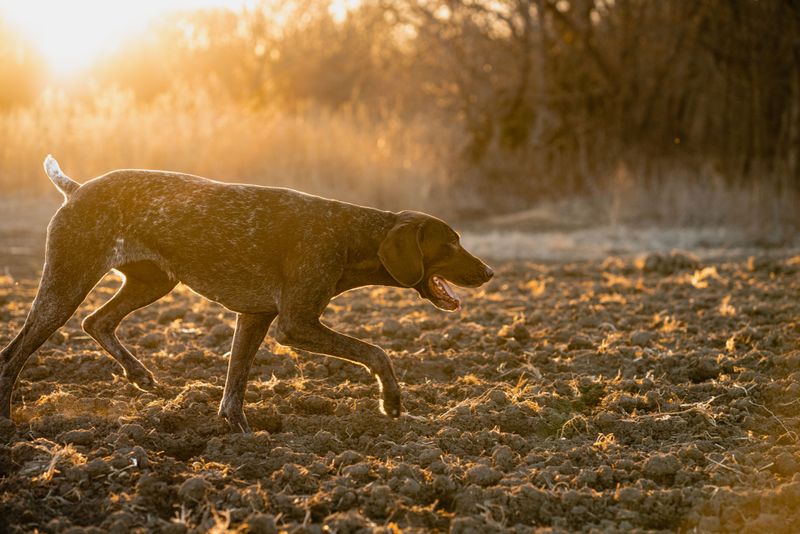
One minute, a German Shorthaired Pointer is sweeping a field. The next, it may happily enter the water for a retrieve.
That range appeals to handlers who visit both uplands and marsh edges.
Its short coat is easy to clean, but offers less warmth during long, cold waits. Carry fresh water, build endurance gradually, and teach a reliable return.
Without enough daily activity, this energetic dog may invent its own games at home.
3. Labrador Retriever: A Marsh-Day Mainstay
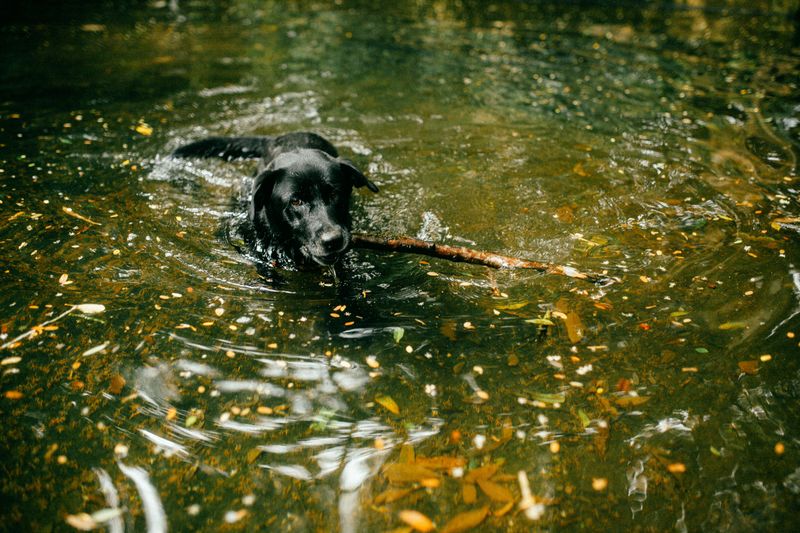
Cold water rarely spoils a Labrador Retriever’s enthusiasm. Its water resistant coat, strong swimming, and retrieving drive explain its popularity around waterfowl marshes.
Many Labs also enjoy bringing back birds from upland cover.
Start with short, cheerful retrieves, then add distractions as the dog improves. Watch portions and exercise, since extra weight strains an active dog’s joints.
After marsh work, rinse away mud and check paws for small cuts or trapped debris.
4. Brittany: Big Drive, Handy Size
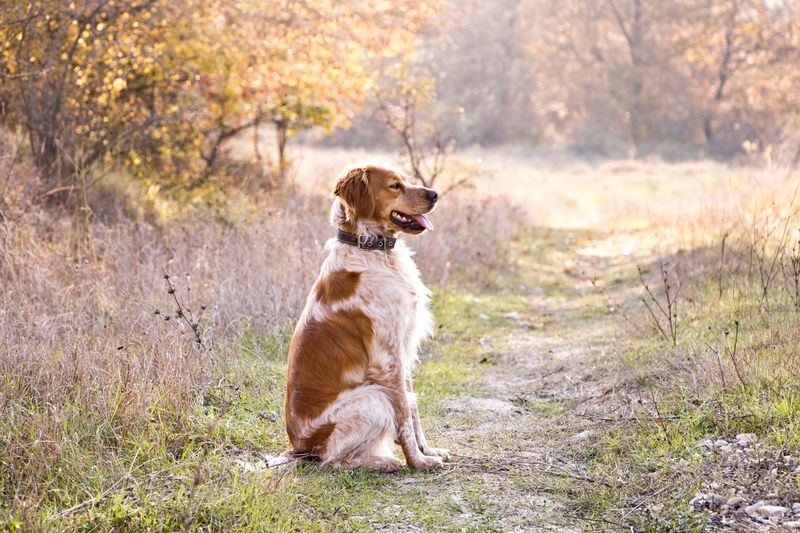
Rustling grass is enough to switch a Brittany into field mode. This compact pointing breed covers ground with lively speed, yet takes up less space than many larger sporting dogs.
It is especially appealing for active upland outings.
Reward frequent check ins so excitement does not carry the dog too far ahead. Give it purposeful exercise between trips, not just a quick yard break.
Its coat still needs burr checks after a busy day.
5. American Water Spaniel: Small Dog, Splashy Skills
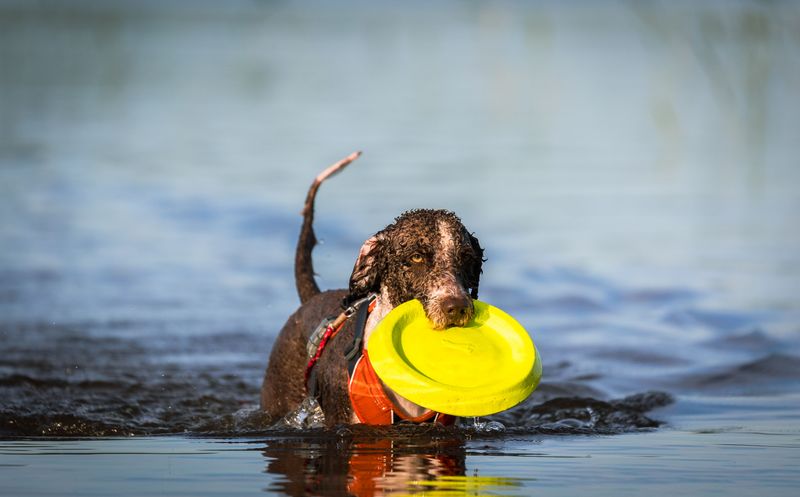
A narrow marsh channel can feel like a playground to an American Water Spaniel. Bred in the United States for versatile hunting work, this smaller sporting spaniel can swim, retrieve, and search cover.
Its size may also help in a small boat.
Brush its curly coat to prevent tangles, especially behind the ears. Introduce water through play and praise rather than pressure.
Check ears after swims, and dry them carefully to support good ear health.
6. Boykin Spaniel: A Cheerful Cover Worker
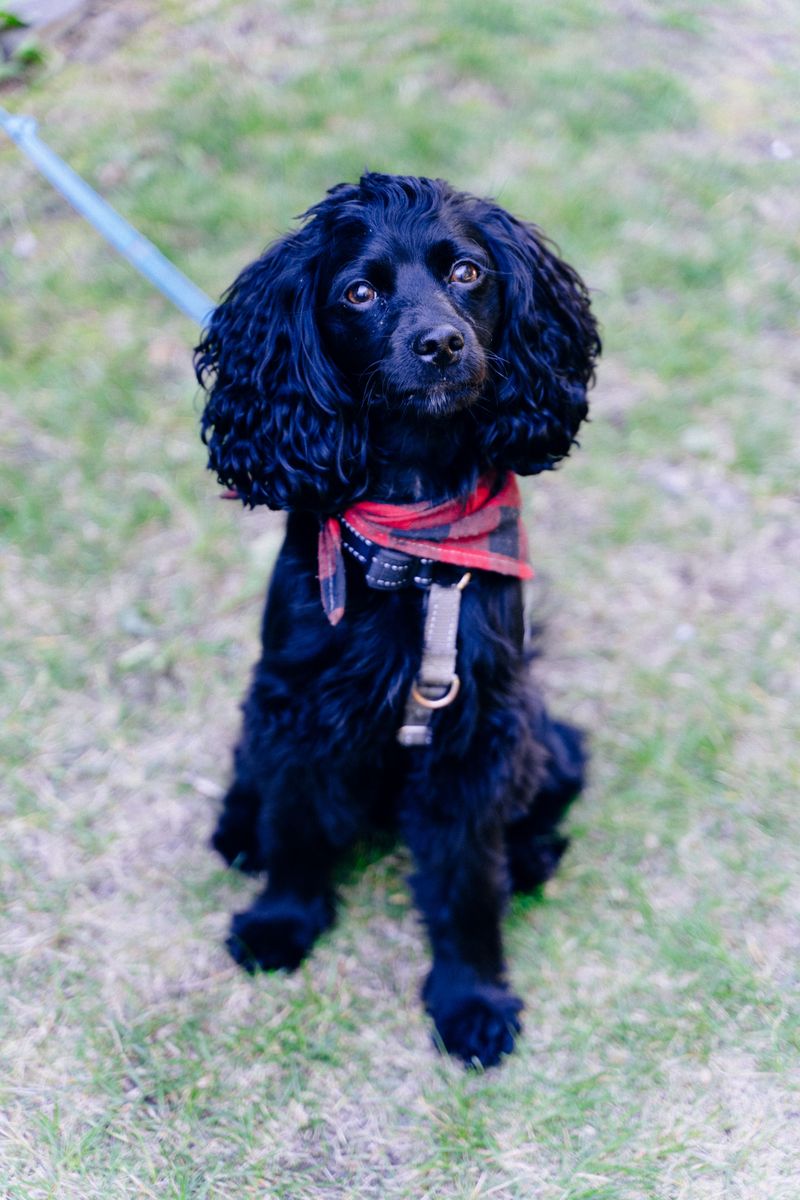
Brush shakes, a nose disappears, and a Boykin Spaniel gets to work. Developed in South Carolina, this compact dog is known for flushing and retrieving.
It can handle thick upland cover and water tasks when trained for both.
Keep flushing practice close and controlled, using clear cues before adding harder ground. Its wavy coat benefits from regular brushing and a careful tick check.
Plenty of play and training help satisfy that eager little engine.
7. German Wirehaired Pointer: Built for Brush
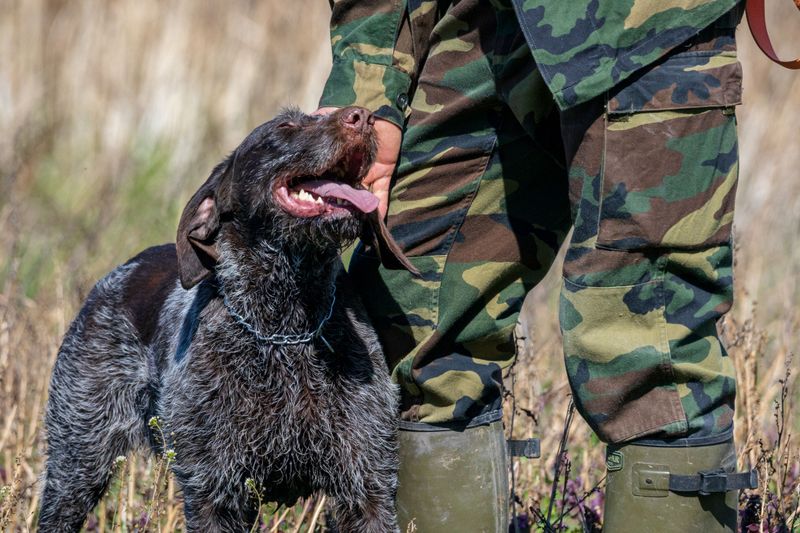
Thick brush meets a tough customer in the German Wirehaired Pointer. Its wiry coat offers protection while it searches, points, and retrieves across varied ground.
For a handler visiting fields and wet edges, that versatility matters.
The coat is not a free pass through briars. Inspect skin, paws, and ears after every outing.
Train a dependable recall and offer challenging daily activities. A busy mind helps this determined dog settle more comfortably indoors.
8. Chesapeake Bay Retriever: At Home Near the Bay
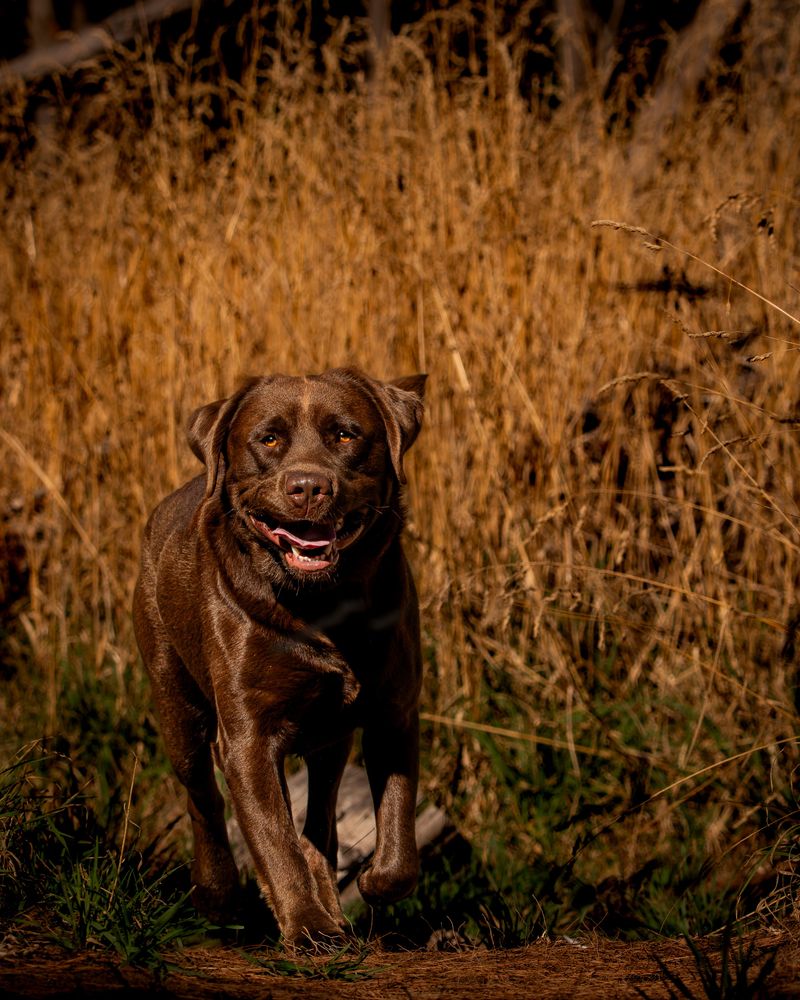
With the Chesapeake Bay nearby, this retriever feels right at home in the conversation. Its dense, oily coat helps protect it during cold water work.
A strong retrieving instinct makes marsh tasks a natural focus.
Independence is part of the package, so keep training clear, fair, and consistent. Practice calm waits before sending the dog for a bumper.
Rinse its coat after salty water and provide fresh drinking water throughout every outing.
9. Wirehaired Pointing Griffon: The Close-Working Scout
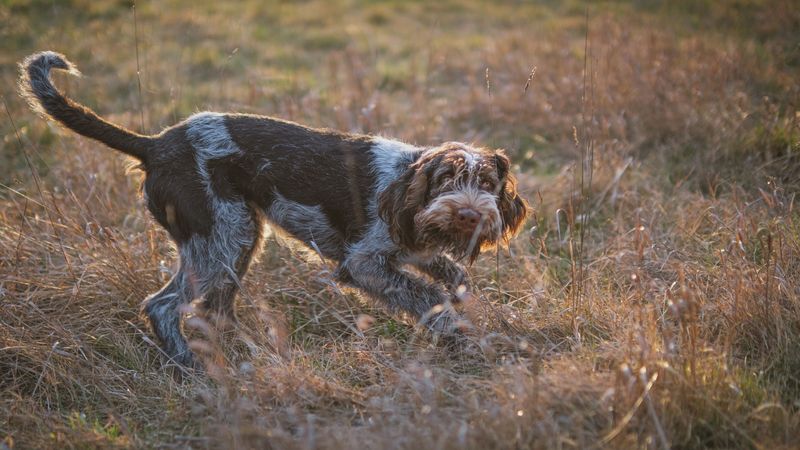
Shaggy eyebrows give the Wirehaired Pointing Griffon a thoughtful look. In the field, many work cooperatively near their handlers while finding and pointing birds.
Their rough coats also suit days that move between grass and damp cover.
Work on steady pointing with brief, positive sessions. Brush the coat and inspect its beard after muddy searches.
Individual dogs vary, so ask breeders about working style before choosing a puppy. A close partnership starts well before field season.
10. Irish Setter: A Flash of Red Across the Grass
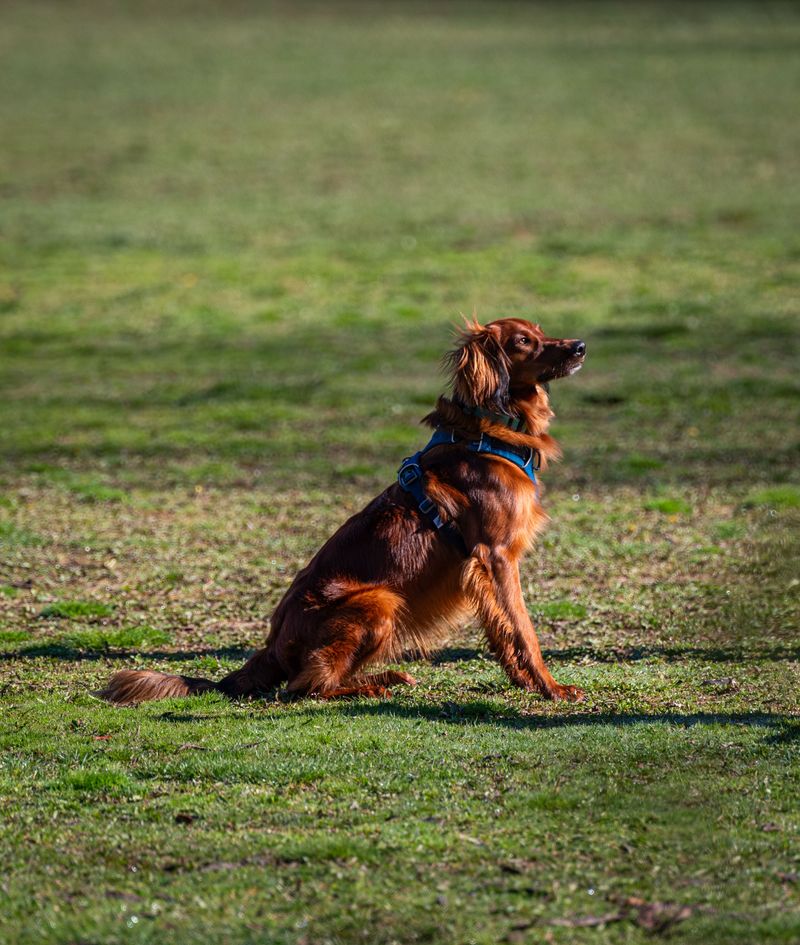
A bright red coat flashes through the grass, and the Irish Setter makes an entrance. Bred as a bird dog, it brings speed and an excellent nose to upland work.
Its joyful energy can turn ordinary training into lively fun.
That speed needs direction. Build recall in fenced spaces, then add distance carefully.
Brush feathered areas after fields to remove seeds and knots. Give this social dog regular company and exercise, even when outings are off the calendar.
11. Gordon Setter: A Steady Nose in Tall Cover
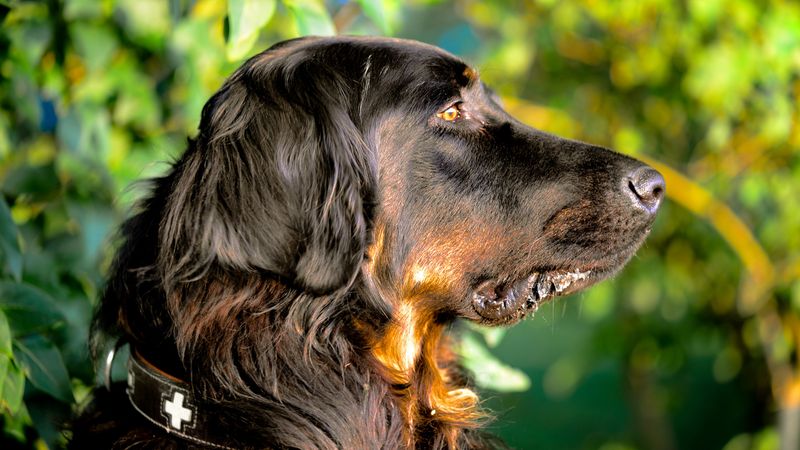
Black and tan coloring stands out when a Gordon Setter pauses in tall grass. This sturdy pointing breed has a deliberate field style that some handlers enjoy.
It can be a good match for patient upland work and long walks.
Make early training upbeat and consistent, since maturity may come more slowly than expected. Its feathered coat needs brushing after rough cover.
Plan for exercise and companionship at home, too. Field talent alone does not fill a whole week.
12. English Springer Spaniel: The Brushline Spark
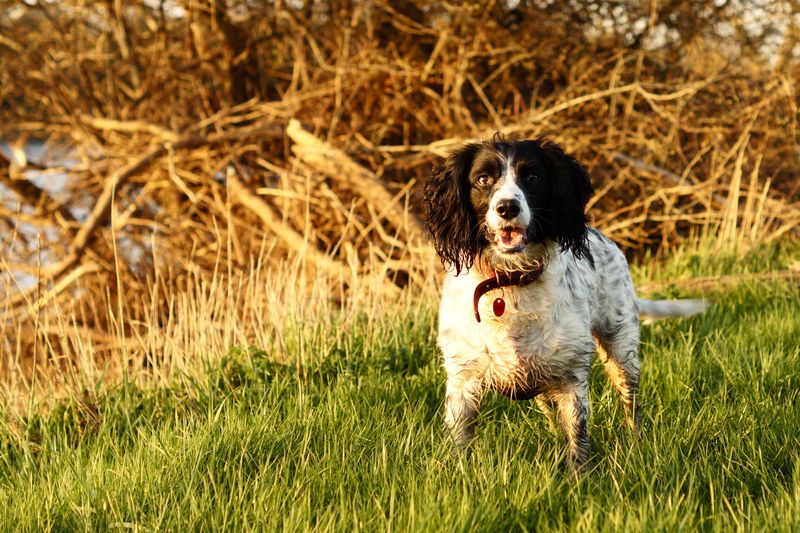
Low branches twitch, then an English Springer Spaniel pops out smiling. Springers are flushing dogs, working through cover to send birds into the open.
Many also retrieve, making them useful across changing field conditions.
Teach a close search pattern and a prompt return before distractions grow. Short training games suit their eager attitude.
Their ears and feathered legs collect moisture and plant bits, so inspect both after outings. A clean, dry dog is a happier housemate.
13. Clumber Spaniel: Slow and Thorough
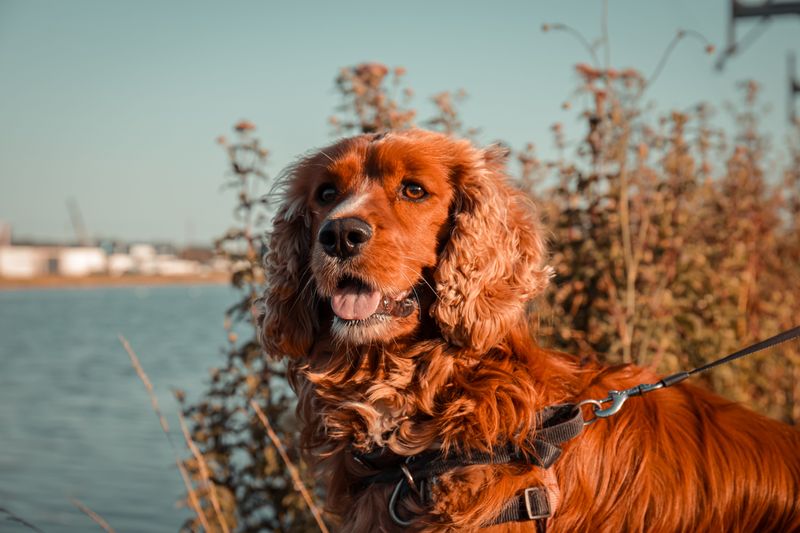
Not every field search needs top speed. A Clumber Spaniel moves with purpose through dense cover, using its nose to locate birds.
Its lower, heavier build offers a different pace from the springier flushers.
Keep outings suited to the dog’s fitness, especially on hot Virginia days. Offer water, rest breaks, and shaded routes.
Brush its generous coat and clean facial folds as needed. For someone who enjoys unhurried teamwork, this uncommon spaniel brings plenty of charm.
14. Nova Scotia Duck Tolling Retriever: Clever by the Water
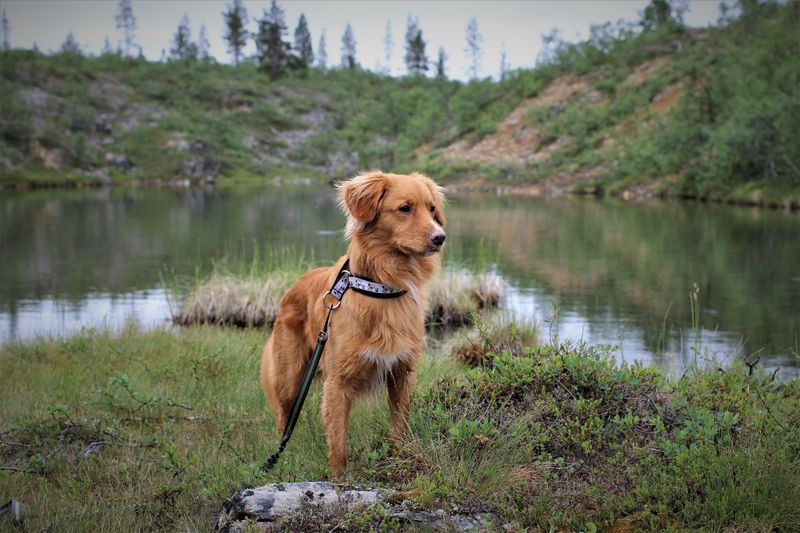
Along a quiet shoreline, a Toller can turn play into work. The Nova Scotia Duck Tolling Retriever was developed to attract waterfowl through lively movement and then retrieve.
That unusual job hints at its clever, busy nature.
Use games to teach reliable retrieves and calm behavior between turns. Despite its smaller size, this breed needs substantial exercise and mental challenges.
Dry its coat after marsh sessions and check paws. A thoughtful routine keeps the fun from spilling everywhere.
15. Flat-Coated Retriever: Joy in Every Retrieve
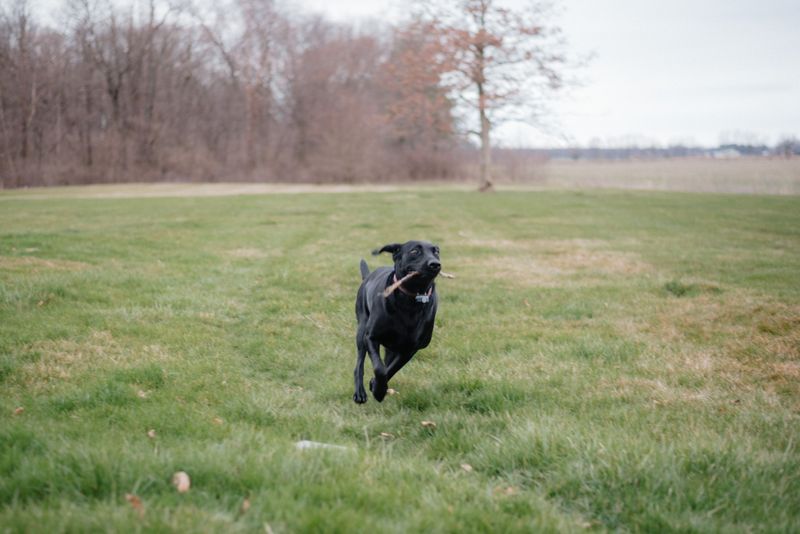
A bumper lands, and a Flat-Coated Retriever is ready for another turn. This cheerful breed was developed to retrieve on land and in water.
Its enthusiasm can brighten practice days beside Virginia’s marshes and open fields.
Channel that energy with short, varied sessions and clear cues. Teach patience alongside retrieving, so excitement stays manageable.
Comb feathering after wet cover and look for burrs. Ask a veterinarian about health screening and sensible conditioning before demanding work begins.