What California Dog Owners Need To Know About Licensing And Registration
If you share your home with a dog in California, a license is part of caring for your pup. The rules can feel confusing at first, since they change from city to city.
The good news is that the steps are simple once you know them. Here is a friendly guide to help you stay current, save money, and keep your dog safe.
1. The Four-Month Rule

Puppies grow up fast, and so do their legal needs. California generally requires dogs older than four months to be licensed.
The state sets this rule, but your city or county handles the actual paperwork. That means you will work with a local office, not a state agency.
A good habit is to mark your calendar when you bring a puppy home. Then you will know exactly when licensing time arrives.
2. Every Town Plays by Its Own Rules

Here is something many owners miss at first. Dog licensing requirements, fees, and deadlines can differ quite a bit across California.
A license in San Diego may cost a different amount than one in Sacramento. Deadlines and discount options can also change from place to place.
So advice from a friend in another county might not fit your situation. Always check the rules where you actually live.
3. Your Local Animal Control Is the Starting Point
Not sure where to register? You are far from alone.
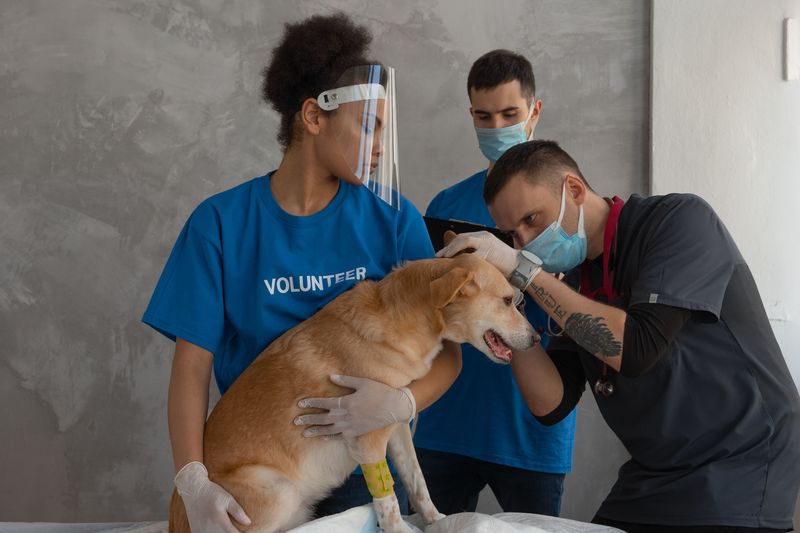
Your best first step is to contact your local animal control agency. In some areas, a humane society handles licensing instead.
Staff can tell you which office covers your address.
Many agencies now offer online, mail, or in-person applications. Online forms are often the quickest choice.
Keep your dog’s records handy before you start.
4. Rabies Shots Come First
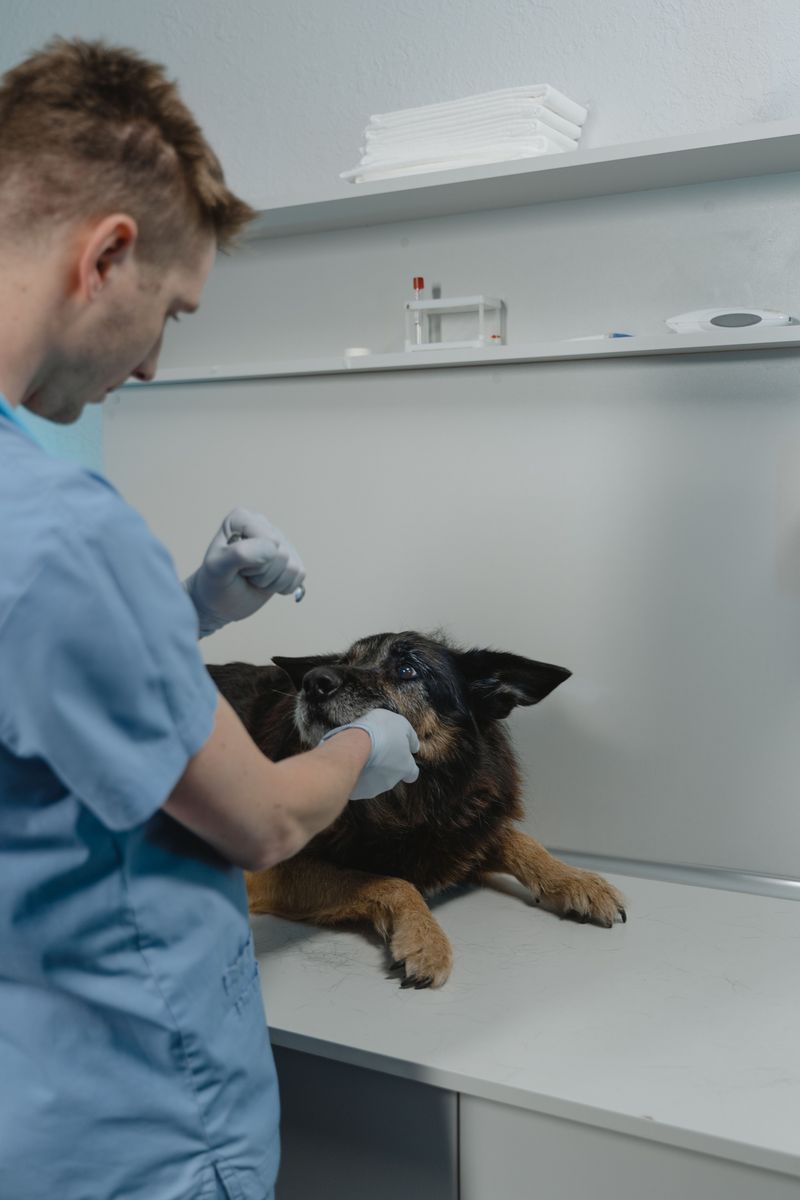
Think of the rabies vaccine as the ticket that opens the licensing door. Without a current shot, your dog cannot be licensed in California.
State law generally requires dogs three months or older to receive a rabies vaccination. That timing works nicely with the four-month licensing rule.
Schedule your puppy’s first shot early. Then the license can follow without any delays or extra stress.
5. Understanding the Booster Timeline
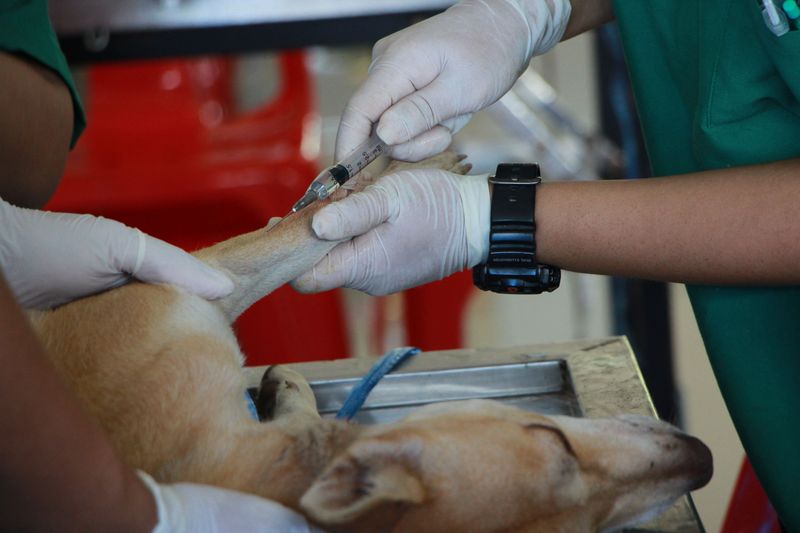
Most puppies get their first rabies shot between 12 and 16 weeks old. After that, the schedule follows a steady pattern.
Dogs typically receive a booster one year after the first vaccine. Later boosters usually come every three years.
Still, some vaccines are only valid for one year. Your vet will note the exact expiration date on the certificate.
Ask about it at every visit.
6. Choosing a License Length
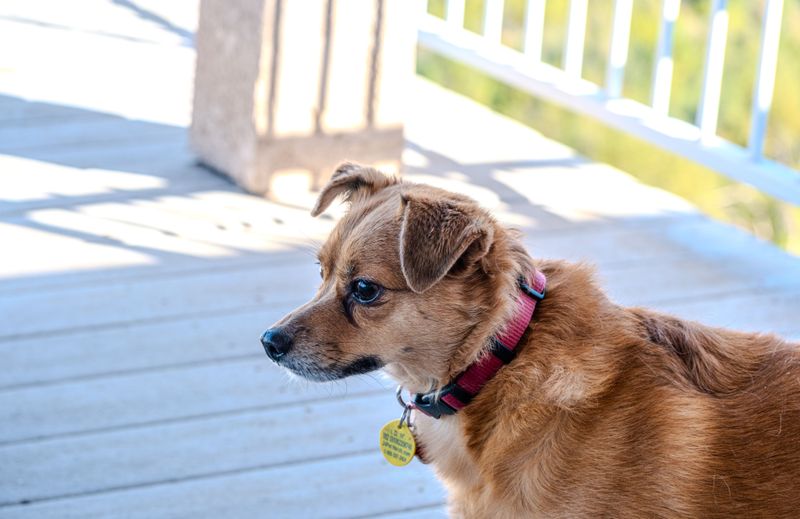
Good news for busy owners. Many local agencies offer licenses valid for one, two, or three years.
A longer license means fewer renewals to remember. Some areas even price multi-year options a little lower per year.
Not every jurisdiction offers all three choices, though. Check with your licensing office to see what is available.
Then pick the option that fits your schedule best.
7. Renew Early, Skip the Late Fee
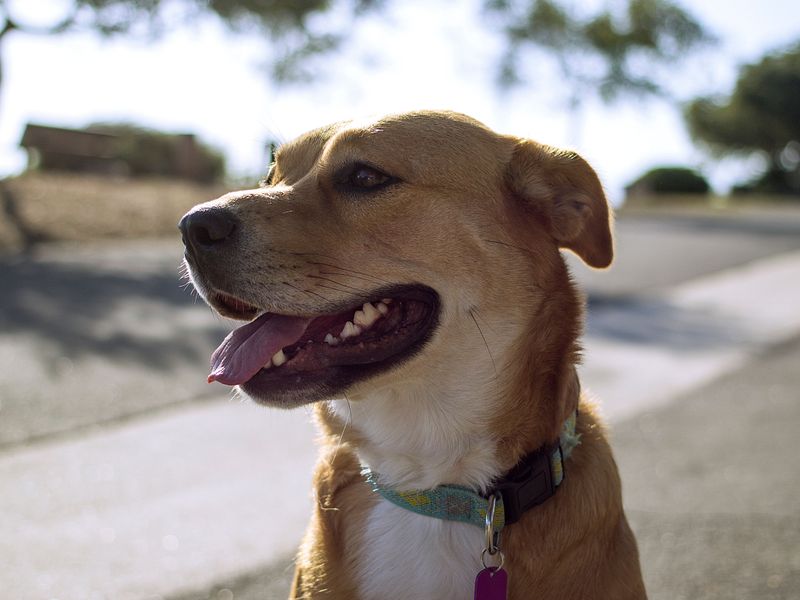
Nobody enjoys paying extra for something they forgot. Late license renewals can bring added charges.
In some areas, the late penalty can equal the full cost of the license itself. That doubles your bill quickly.
Set a phone reminder about a month before the expiration date. Many agencies also send renewal notices, but do not rely on them alone.
Mail can get lost.
8. Fixed Dogs Often Cost Less
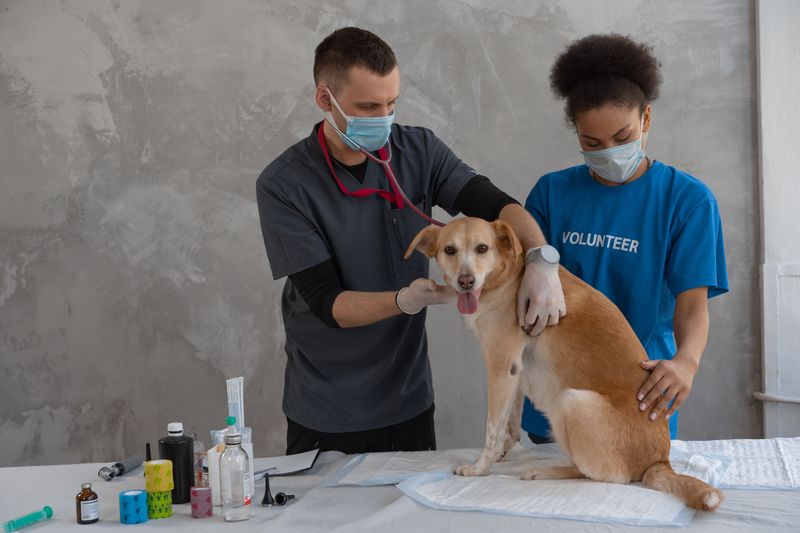
Spaying or neutering does more than support your dog’s health. It can also lower your licensing bill.
Spayed or neutered dogs usually qualify for reduced fees across California. The savings can be noticeable, especially over several years.
Local governments encourage this because it helps reduce the number of unplanned litters. Fewer litters means less crowding at shelters, which helps everyone.
9. Discounts for Seniors and Veterans

Here is a pleasant surprise for many households. Some jurisdictions offer licensing discounts for seniors and qualifying veterans.
Senior discounts often begin at age 60 or 65, depending on the area. Disabled veterans may also qualify for reduced rates.
Certain places offer low-income options too. You will usually need proof of age or veteran status.
Ask your local office what applies to you.
10. Service Dogs Still Need a License
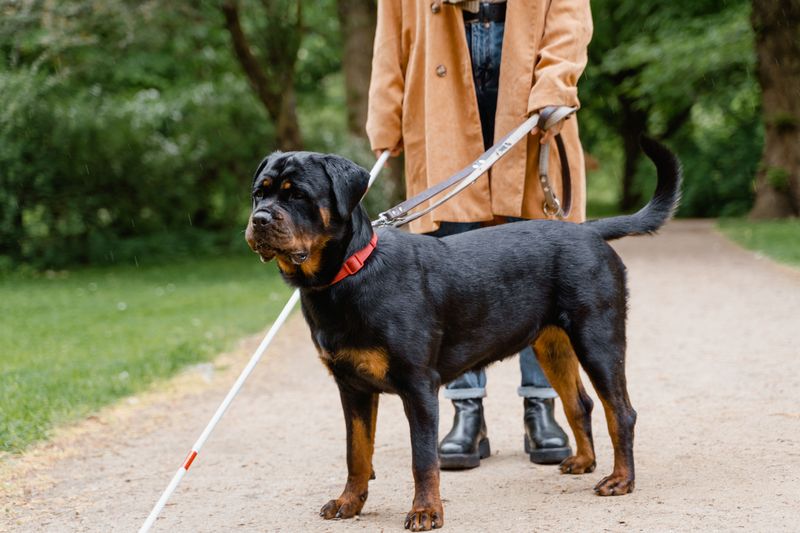
Service dogs do important work, and many areas recognize that. Qualified service dogs are often exempt from licensing fees.
However, a fee exemption does not skip the rules. These dogs must still meet licensing and rabies vaccination requirements.
For a first-time license, some agencies ask handlers to apply in person. Calling ahead helps you know which documents to bring along.
11. Wear That Tag Proudly
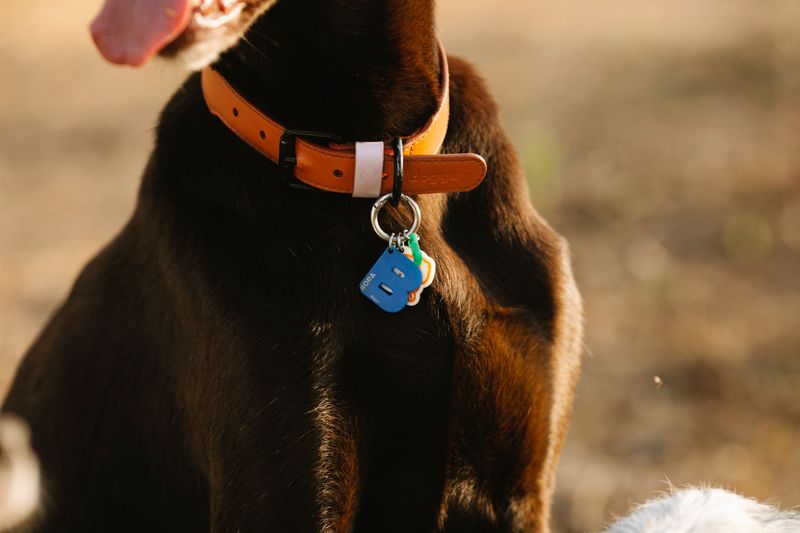
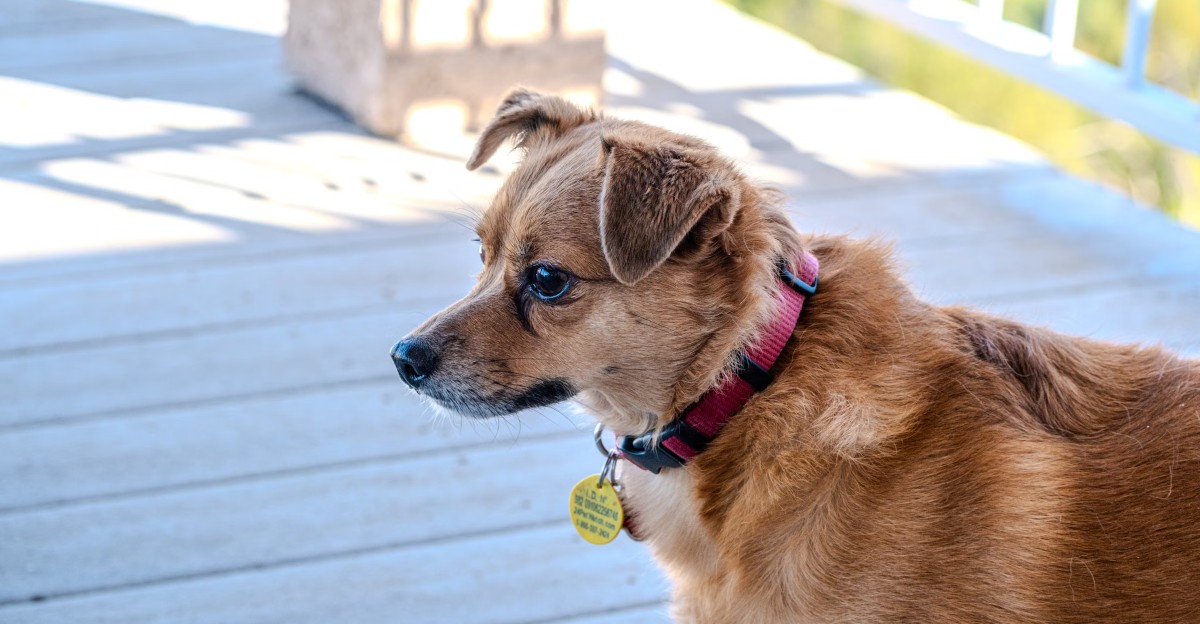
That little metal tag is more than decoration. Licensed dogs generally must wear their official tag on their collar.
If your dog slips out the gate, the tag helps animal control find you fast. Many lost pets get home the same day because of it.
Check the ring that holds the tag every few weeks. Rings can bend or loosen with daily play.
12. Lost Tag? Easy Fix
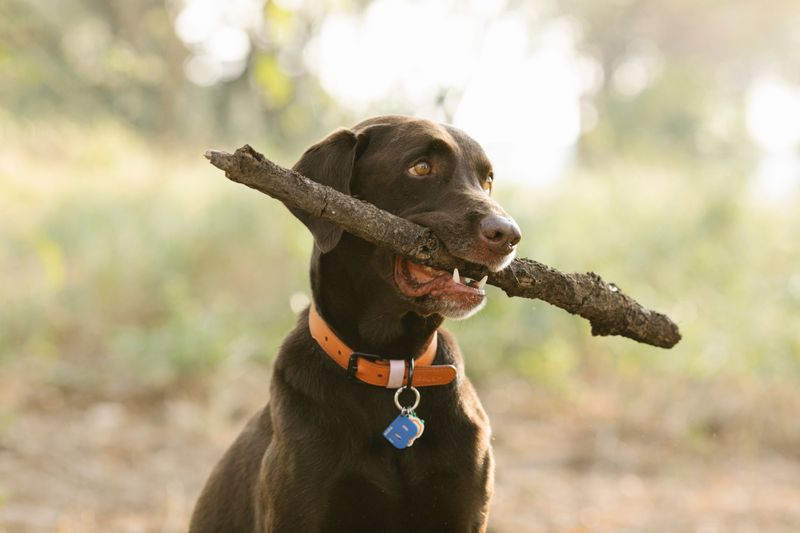
Tags fall off during muddy hikes and rough games of tug. It happens to plenty of careful owners.
You can request a replacement from your local licensing agency. Many offices charge only a small fee for a new tag.
Requests can often be made online or by phone. Have your license number ready to speed things up.
Your dog will be properly tagged again soon.
13. Keep Your Contact Info Current

A license only works well if the details are correct. Old phone numbers can slow down a happy reunion.
Update your licensing record whenever your address or contact information changes. Accurate records help animal control reach you quickly if your dog wanders.
Got a new phone number or email? Make a quick call or log in online.
It takes minutes and offers real peace of mind.
14. New Dog or New Home

Moving or adopting brings plenty of excitement. Licensing deserves a spot on your to-do list too.
New owners generally have about 30 days to license a dog. People moving into a new city may have anywhere from 10 to 30 days.
Licenses usually cannot transfer between owners or pets. Contact your new local agency soon after settling in to learn its rules.
15. Microchips and Licenses Are Different

Did you know a microchip and a license do different jobs? Many owners assume one replaces the other.
A microchip is a tiny implant that stores an ID number. A license is a local registration tied to rabies records.
California has no statewide microchip rule. Still, places like Los Angeles County and Riverside County require both.
Ask your local agency what applies where you live.
16. Skipping the Rules Can Cost You

Staying licensed is easier than dealing with the alternative. Unlicensed or unvaccinated dogs can lead to fines and citations.
Local agencies may also take other enforcement steps. In Del Norte County, costs can top 400 dollars if animal control picks up an unlicensed dog.
A license usually costs far less than that. Keeping up with shots and renewals protects your wallet and your pup.