Moving From Coastal California To An Inland Climate Changes A Dog’s Routine Faster Than Many Owners Expect
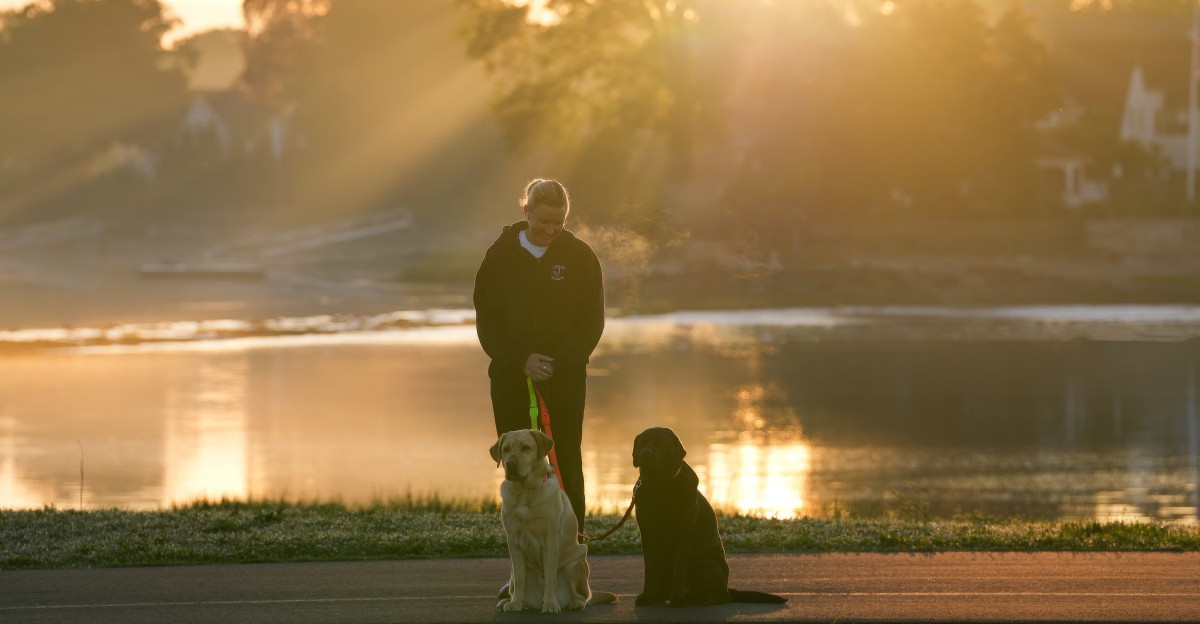
Moving away from the cool California coast brings big changes, and your dog feels them first. Inland summers run hotter, the air is drier, and winter mornings can turn surprisingly cold.
Habits that worked near the ocean may not fit your new home. Here is a friendly guide to help you adjust your dog’s routine with confidence and calm.
1. The Seven Second Hand Test
Pavement holds heat far longer than air does. On a 77 degree day, asphalt can reach about 125 degrees.
At 85 degrees, it may climb near 143, hot enough to burn paws in under a minute.
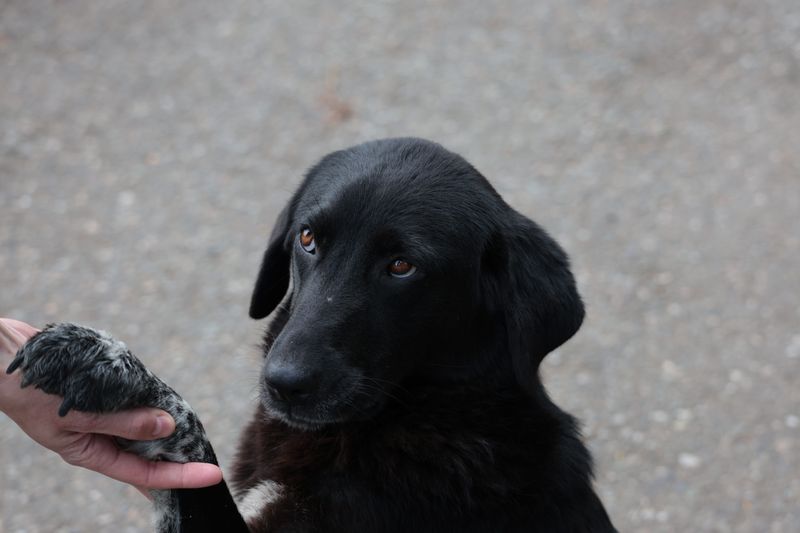
Before heading out, press the back of your hand on the ground for seven seconds. Too hot for you means too hot for your dog.
Choose grass or shaded paths whenever the test fails.
2. Pack Extra Water Every Time
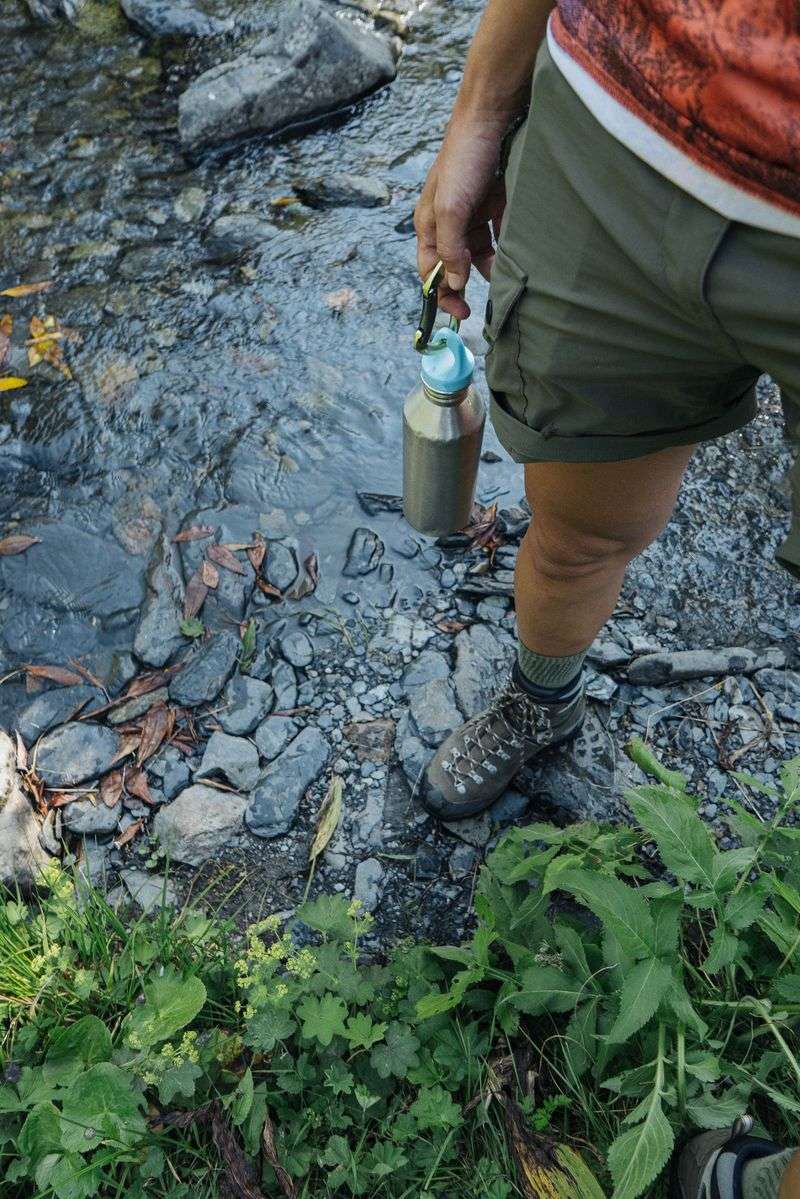
A common guideline says resting dogs need about one ounce of water per pound each day. During warm hikes, that need can double or even triple.
So a 50 pound dog might drink far more than you planned. Bring more than your best estimate, especially on unfamiliar trails.
A collapsible bowl and a spare bottle weigh little. They give you peace of mind when the trail runs longer than expected.
3. Walk When the Day Is Cool
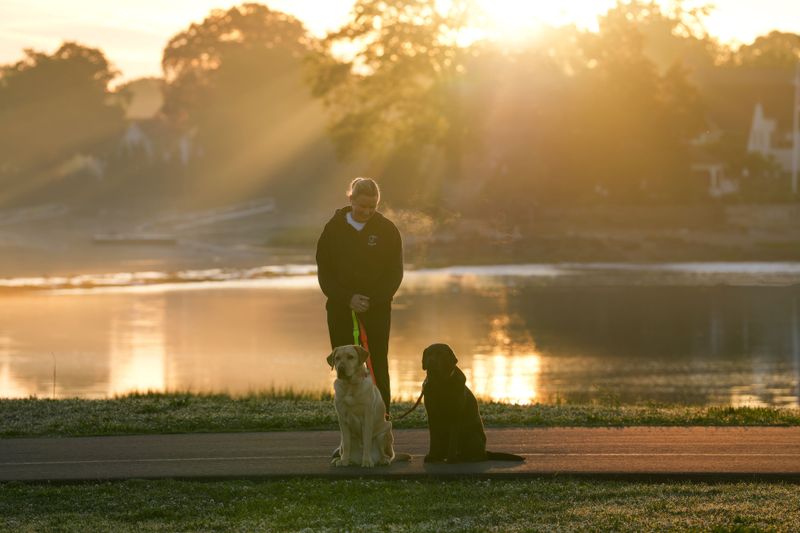
Near the coast, a noon stroll often feels pleasant. Inland, that same hour can turn harsh very quickly.
Most guidance suggests skipping the hottest window, roughly 10 a.m. to 4 p.m.
Aim for early morning walks before the sun climbs. Later evening outings work well too, once shadows stretch across the street.
Many dogs adapt to a new schedule within a week or two. Set a phone reminder until the habit sticks for both of you.
4. Trim the Workout as Temps Climb
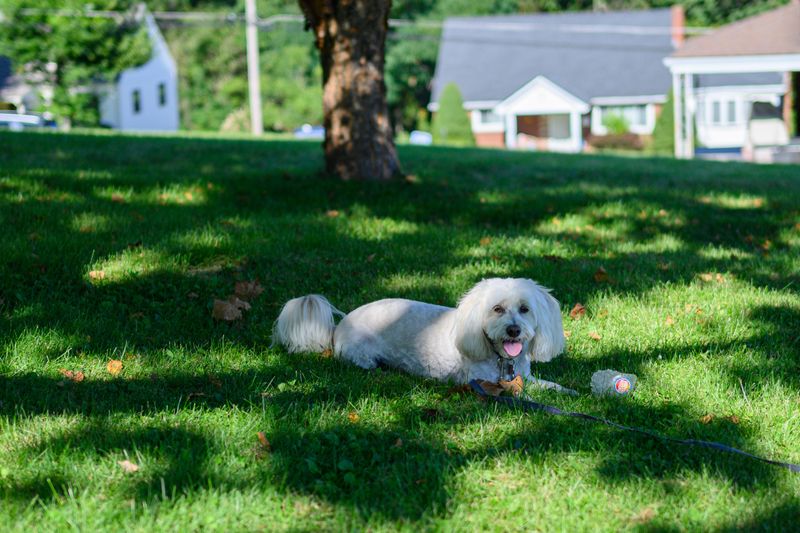
Research points to exercise as the main trigger for heat illness in dogs. Inland mornings can warm up fast, sometimes within an hour.
Once the air passes about 70 degrees, consider shortening fetch or jogging sessions. Two or three brief outings in cooler hours beat one long, tiring run.
Watch for heavy panting or slowing down. Those cues mean it is time for shade, water, and a calm rest.
5. Big Gaps Between Day and Night
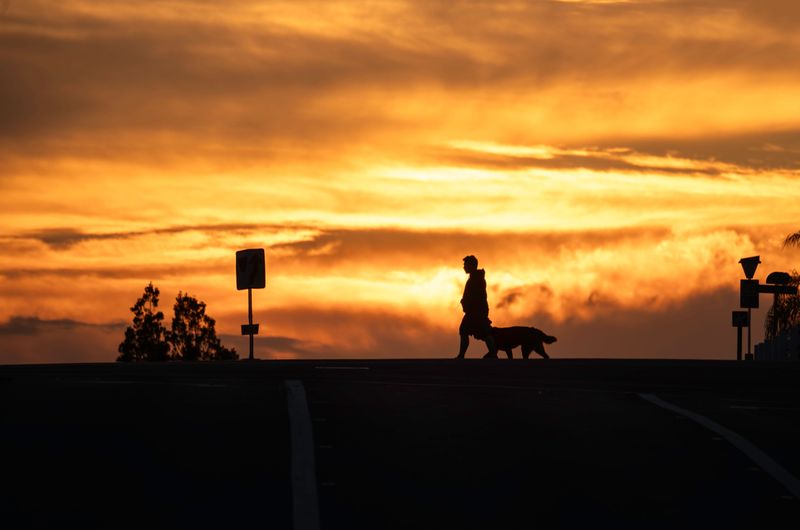
Ocean water acts like a giant thermostat for coastal towns. Move inland, and that steadying effect fades away.
A scorching afternoon can give way to a surprisingly crisp night. Your dog may feel comfortable at 3 p.m. and chilly by 9 p.m.
Check the forecast for both highs and lows each day. Planning around both numbers helps you pick the right walk time and bedding.
6. Keep a Light Layer Handy
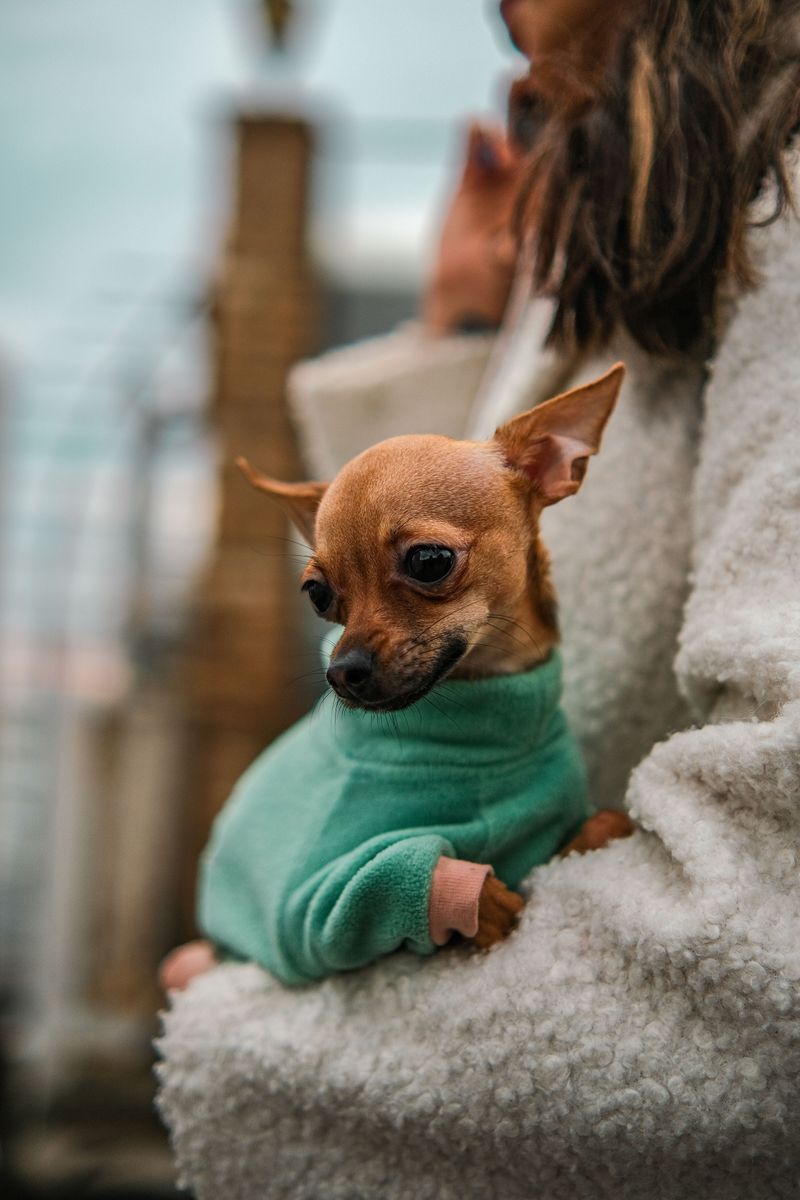
Greyhounds, Chihuahuas, and other thin-coated pups often feel cold before their owners do. Senior dogs may also struggle with chilly air.
A light sweater or fleece can make early walks far more comfortable. Hang it by the leash so you remember it.
Watch for shivering, a tucked tail, or reluctance to step outside. Those signs suggest your dog would welcome a little extra warmth.
7. Rethink Mealtimes Around the Heat
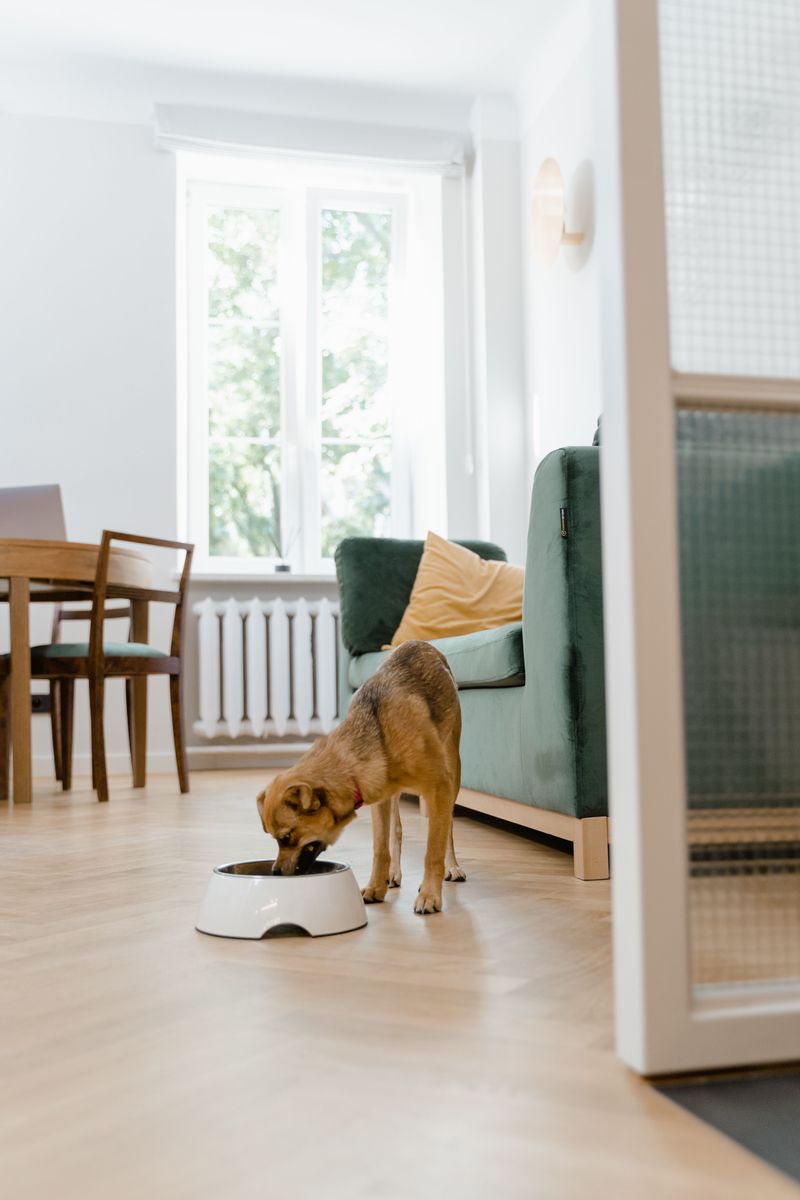
Many dogs naturally eat less during hot spells. Their bodies are simply working at a slower pace.
Try serving meals in the cooler morning and evening hours. If activity drops for weeks, ask your vet about trimming portions slightly, often around 10 to 15 percent.
Avoid feeding right before or after exercise. Spacing them apart eases digestion and lowers bloat risk, especially in large breeds.
8. Bring the Fun Indoors
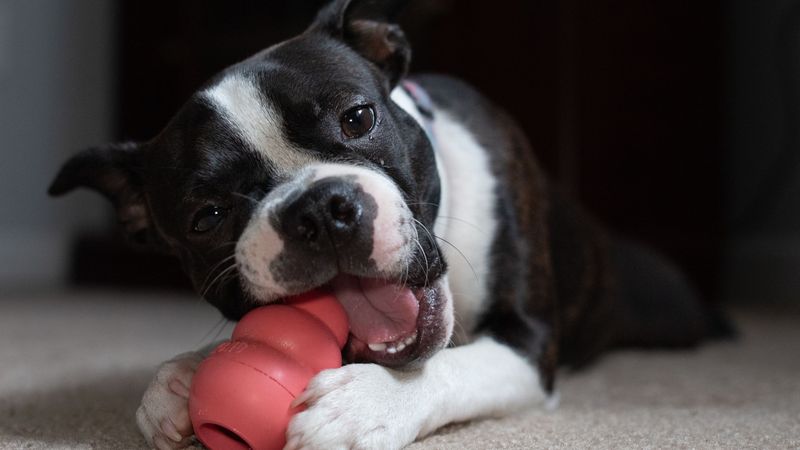
Picture a 105 degree afternoon in Riverside or Fresno. Outdoor play is off the table, yet your dog still has energy.
Hide-and-seek, short training games, and snuffle mats keep minds busy. Frozen stuffed toys, like a filled Kong, offer cool, slow fun.
Mental work tires dogs surprisingly well. Ten minutes of nose games can feel like a long walk to many pups.
9. Dry Heat Pulls Water Fast
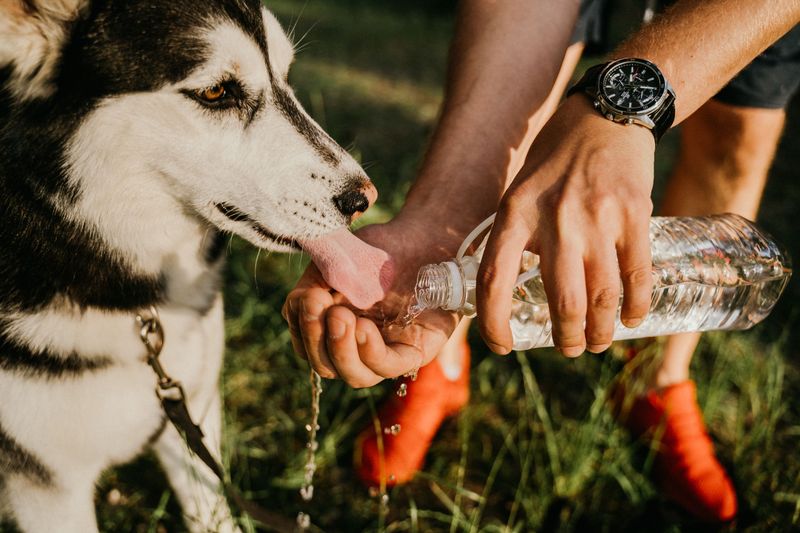
Dogs cool themselves mostly by panting. Each breath releases moisture, and dry inland air speeds that loss.
Know the common signs of low hydration. Look for heavy panting, sluggish behavior, dry or sticky gums, and thick saliva.
Keep fresh water in several spots around the house. If you notice these signs, move your dog somewhere cool and call your veterinarian for guidance.
10. Give Paws a Weekly Look
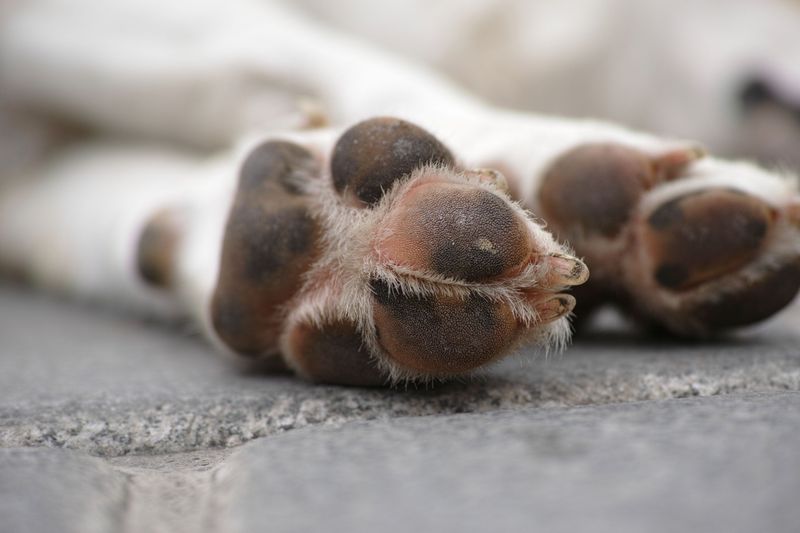
Paw pads are living tissue, not leather boots. Hot, dry ground can slowly pull moisture from them.
Make a habit of flipping each paw over a few times a week. Check for cracks, rough patches, redness, or limping.
A vet-approved paw balm can help soothe mild dryness. Anything that looks raw, bleeding, or painful deserves a quick call to your veterinarian.
11. Watch the Coat as Humidity Drops
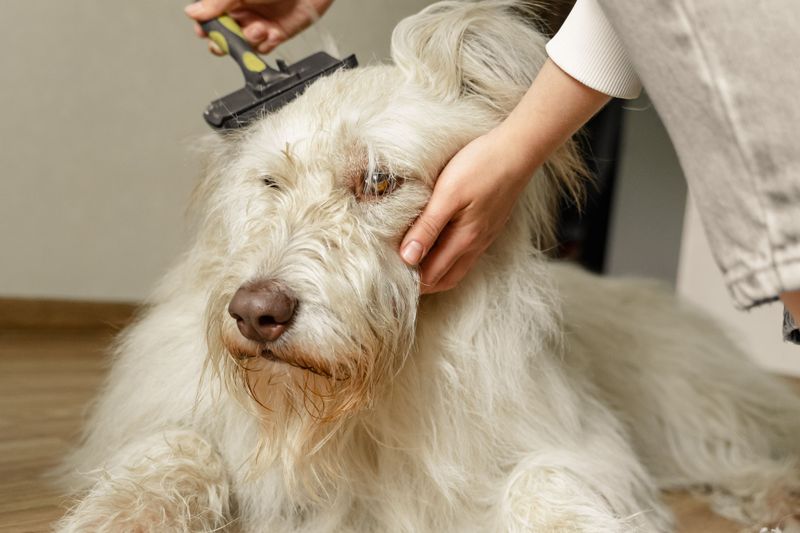
Coastal fog keeps air damp for much of the year. Inland air is often far drier, and skin notices.
Flaking, itching, or a dull coat can appear within weeks. Regular brushing spreads natural oils across the skin.
Moisturizing dog shampoos, a home humidifier, and omega-3 supplements may help. Check with your vet before adding supplements, since the right amount depends on your dog.
12. Brush After Weedy Walks
Golden hillsides look lovely in summer. Unfortunately, that dry grass loves to hitch a ride home.
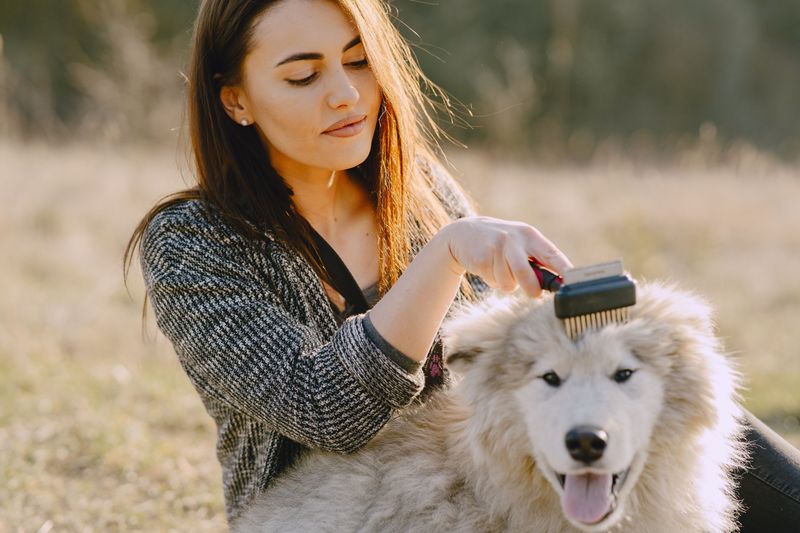
Burrs, stickers, and seeds tangle into fur and can cause mats or sore skin. A quick brush after each walk catches most of them.
Keep a slicker brush and comb near the door. Five minutes of grooming now can save a much longer detangling session later.
13. Hunt for Foxtails
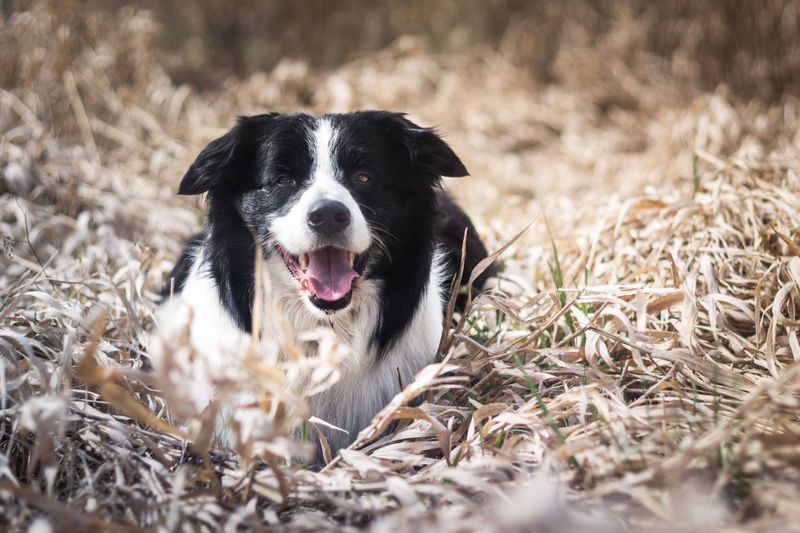
Foxtails are the arrow-shaped seed heads common across inland California. Their barbs move in one direction, so they can work deeper over time.
Check between toes, inside ears, around eyes, and under the armpits after outings. Frequent head shaking or paw licking is a clue.
A wide-toothed comb handles loose ones. If an awn seems lodged in an ear, nose, or skin, let your veterinarian remove it.
14. Rethink Your Hiking Hours
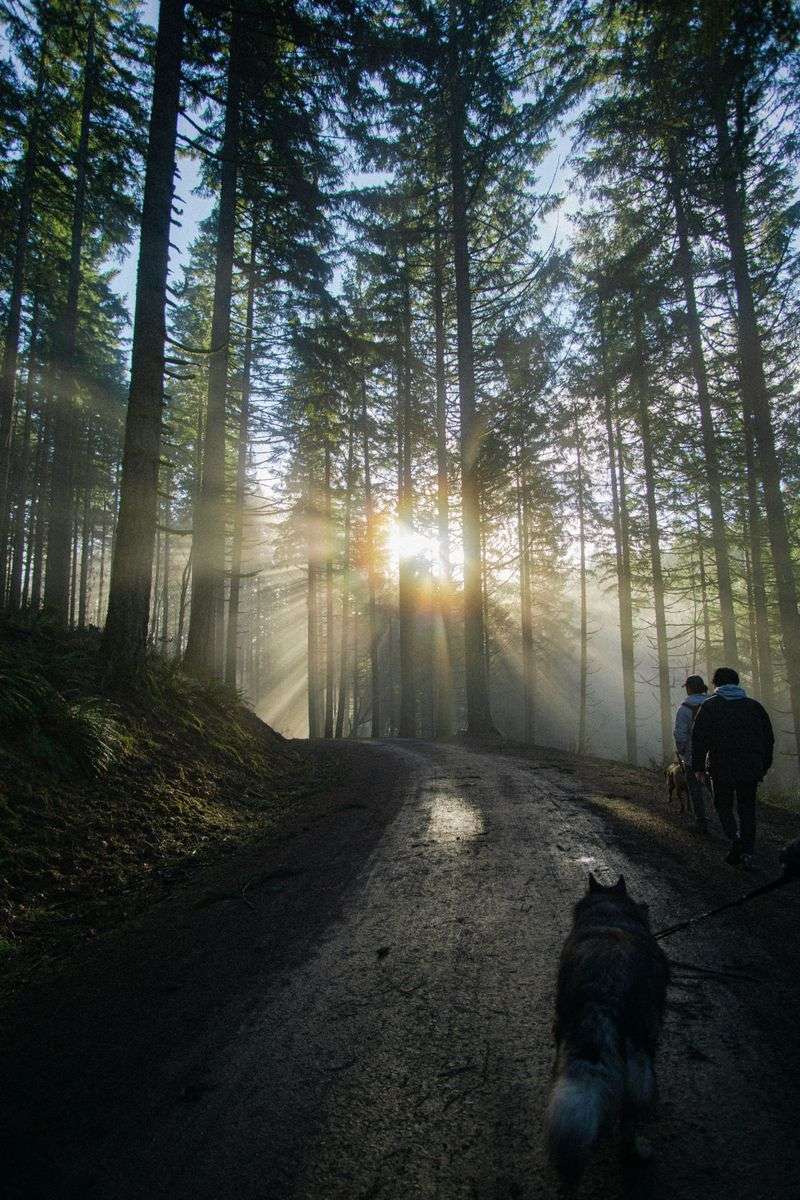
That favorite coastal trail rarely topped 75 degrees. Inland foothill trails can bake under full sun by mid-morning.
Many veterinarians urge caution once temperatures pass about 70 degrees. During heat waves, hike at dawn, pick shorter loops, or simply reschedule.
Turning back early is always a smart choice. The trail will still be there on a cooler day.
15. Keep an Eye on the Air
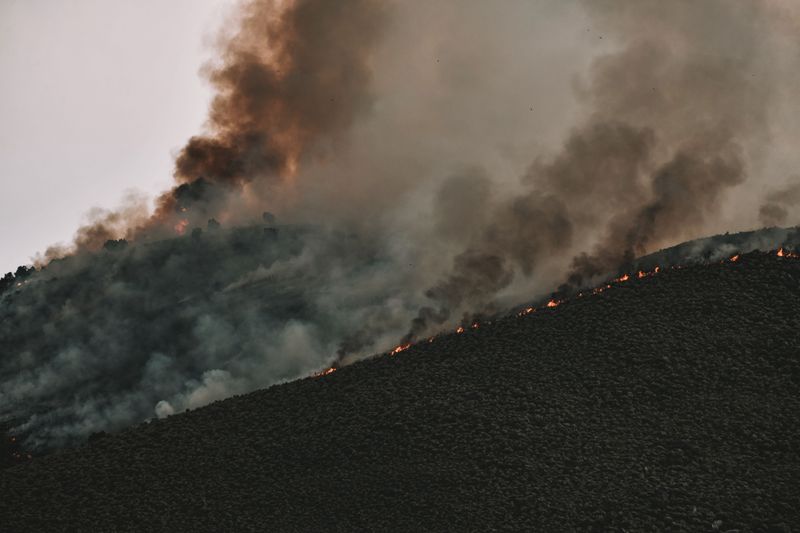
Wildfire season can bring hazy skies to inland valleys. Smoky air affects pets as well as people.
Check the Air Quality Index through AirNow or your local air district. On poor-air days, keep walks brief and stay indoors more.
Dogs with breathing issues, seniors, and flat-faced breeds may be more sensitive. Ask your vet for advice if coughing or labored breathing appears.
16. Shade Is Not Optional
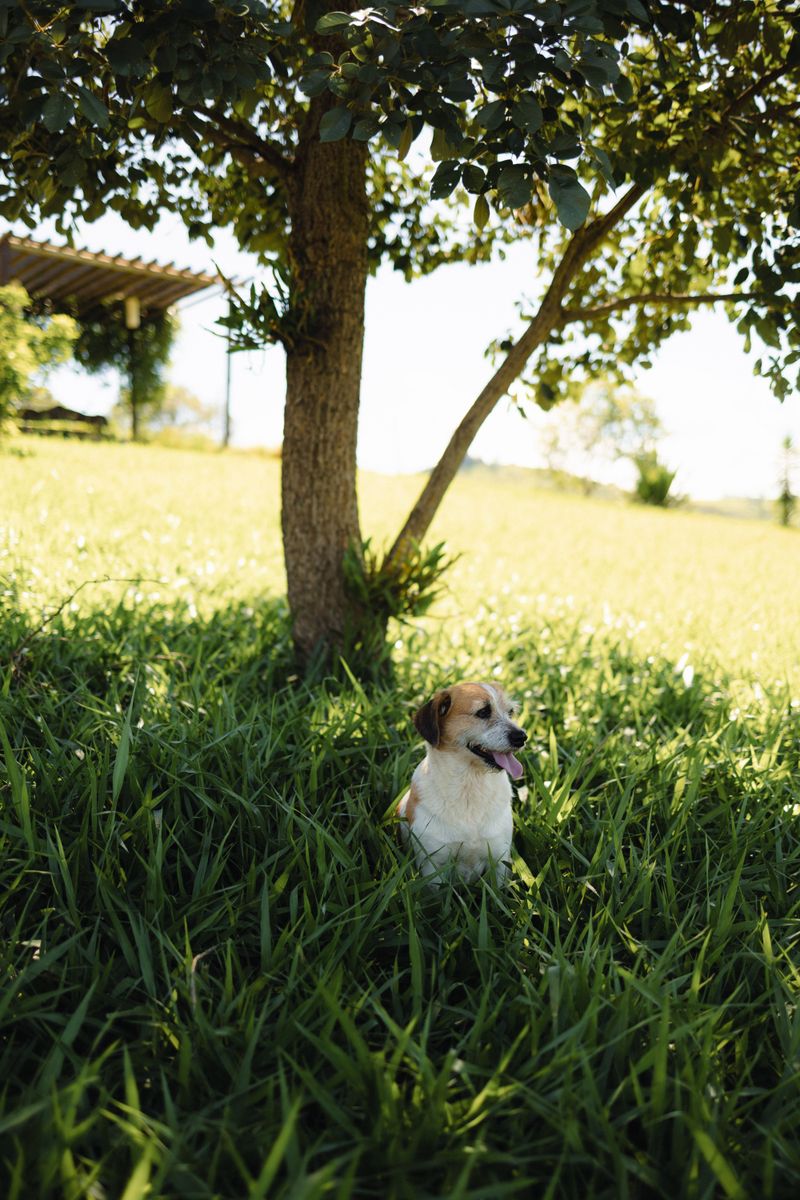
Humans sweat to cool off. Dogs mostly pant, which works less well under direct sun.
Any time your dog is outside, make sure real shade exists. Shade sails, covered patios, and leafy trees all help.
Remember that shade moves as the sun travels. A spot that was cool at 9 a.m. may be blazing by 2 p.m.
17. Cars Heat Up Faster Than You Think
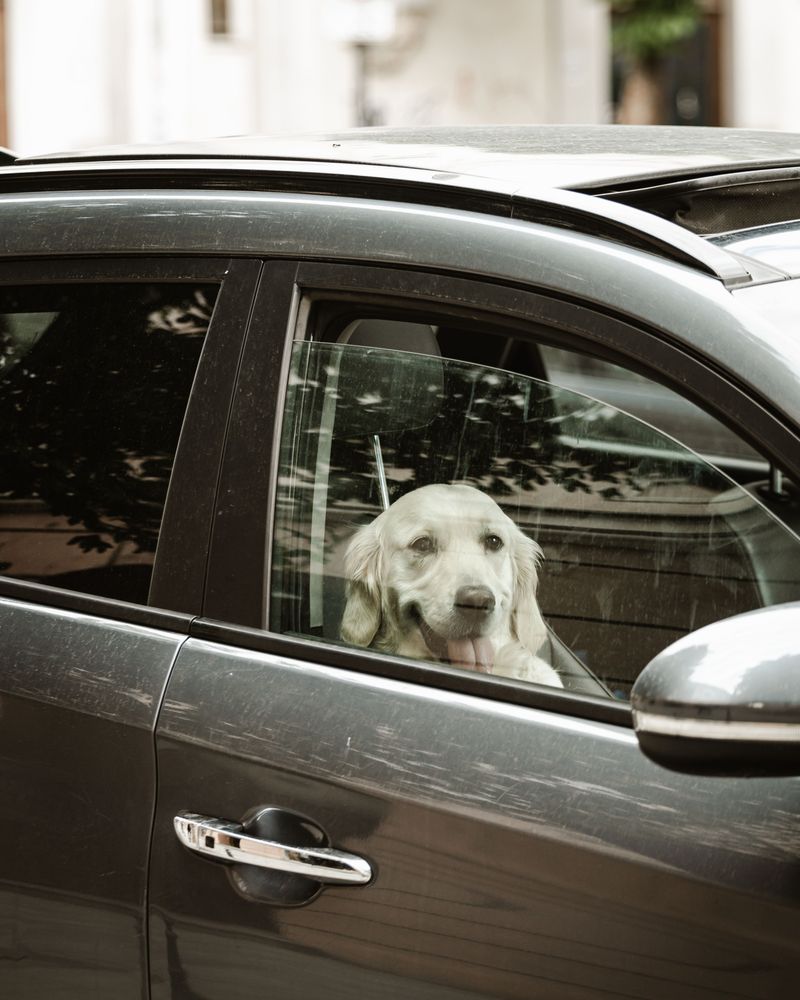
Along the coast, a quick store run might have felt harmless. Inland heat changes that math completely.
A parked car’s interior can turn dangerously hot within minutes, even with cracked windows. It happens on days that do not feel extreme.
The simplest rule is the safest one: never leave your dog alone in a car. Run errands solo or choose pet-friendly stops.
18. Sunny Yards Warm Up Quickly
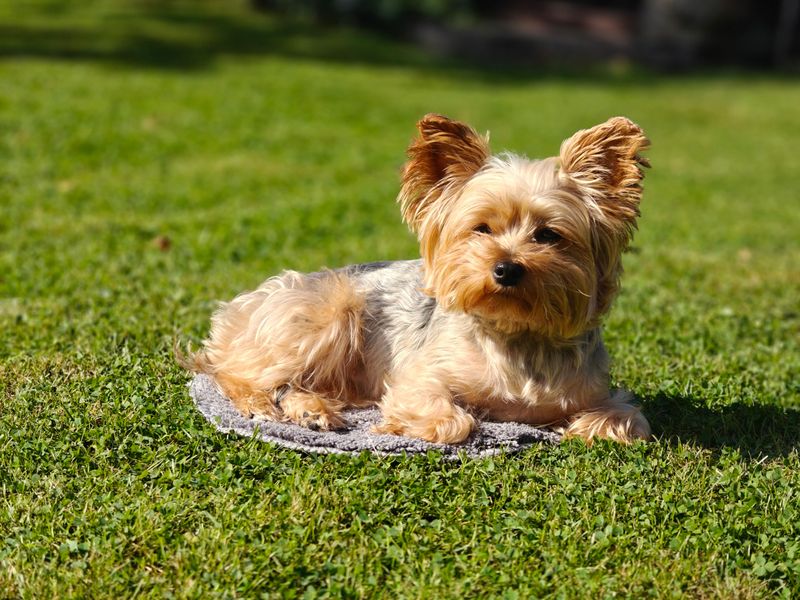
Concrete patios, rock landscaping, and artificial turf absorb serious heat. Inland, they warm far faster than misty coastal yards.
Limit backyard time during hot afternoons. Short potty breaks are fine, but long sunbathing sessions are not.
Add shaded grass, a cooling mat, or a shallow kiddie pool. Fresh water should always be within easy reach outside.
19. Winter Brings Frosty Surprises
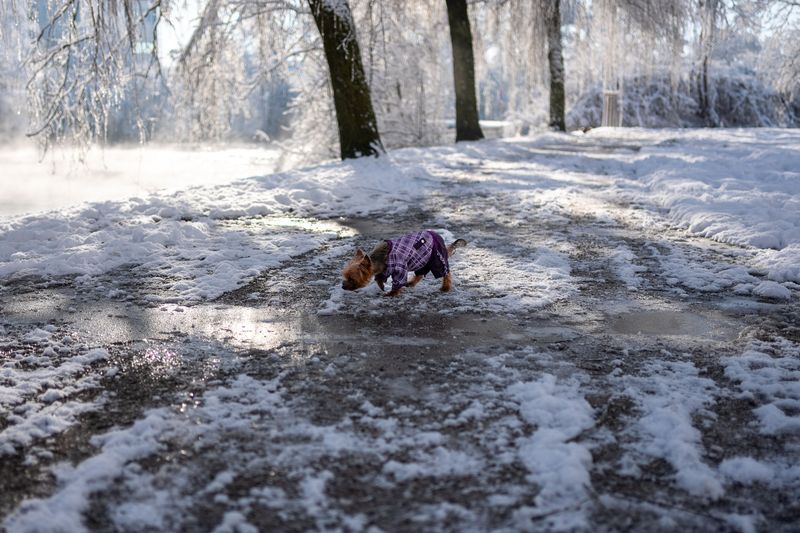
Many coastal owners never scraped frost off a windshield. Inland winters can bring icy mornings and occasional freezing nights.
Move cold-sensitive dogs indoors overnight. Wipe paws after walks, since frost and any de-icing products can irritate pads.
Indoor heating also dries skin, so keep brushing and moisturizing. A cozy coat and paw balm help your dog enjoy the chillier months.
With a few smart tweaks, your dog will settle into inland life happily.