20 Things To Check Before Taking A Dog Into Virginia Wildlife Management Areas
Virginia’s Wildlife Management Areas offer quiet woods, open fields, and miles of wild country to explore with your dog. These lands are managed for wildlife and hunting, so they work a little differently than city parks.
A few quick checks before you leave home can make your visit safer, smoother, and fully within the rules. Think of this list as friendly advice from a fellow dog owner who has learned what matters most.
1. Confirm Dogs Are Welcome at Your Chosen WMA
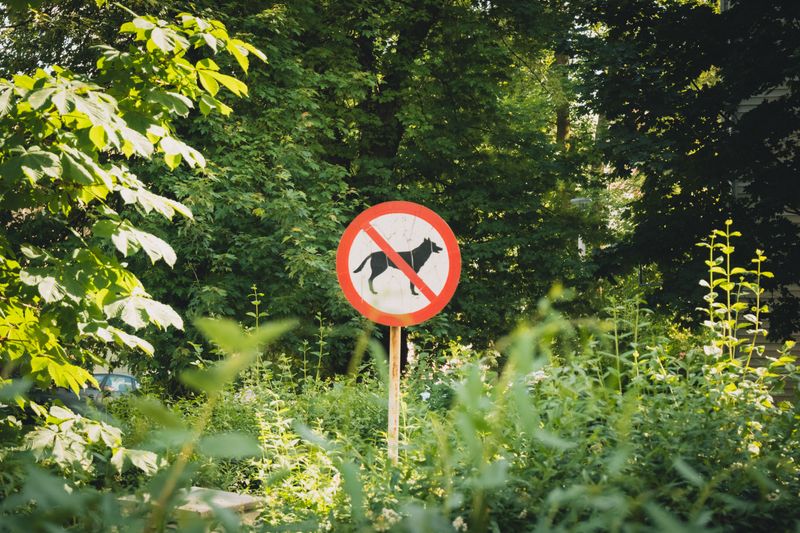
Most Virginia WMAs allow dogs, but not every one follows the same rules. A few sites have their own limits.
Merrimac Farm WMA, for example, prohibits dogs except during authorized hunting seasons for chasing or retrieving game.
Before you load up the car, visit the Virginia DWR website. Each WMA has its own page with site details.
A two-minute look can save you a wasted drive and a disappointed pup.
2. Bring the Leash and Know When It Is Required
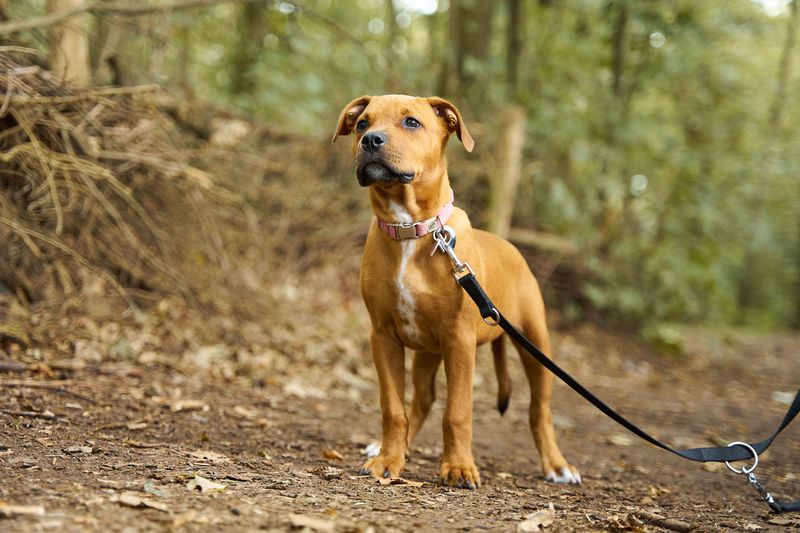
Here is a rule that surprises many visitors. On DWR-owned lands, dogs must stay leashed whenever no hunting, chase, or training season is open.
During authorized seasons, dogs may run off-leash only for those specific activities. Virginia law also says dogs should not run at large without immediate control.
A sturdy six-foot leash is a smart choice. It keeps your dog close, protects nesting wildlife, and keeps you within the rules.
3. Check for Open Hunting, Chase, or Training Seasons
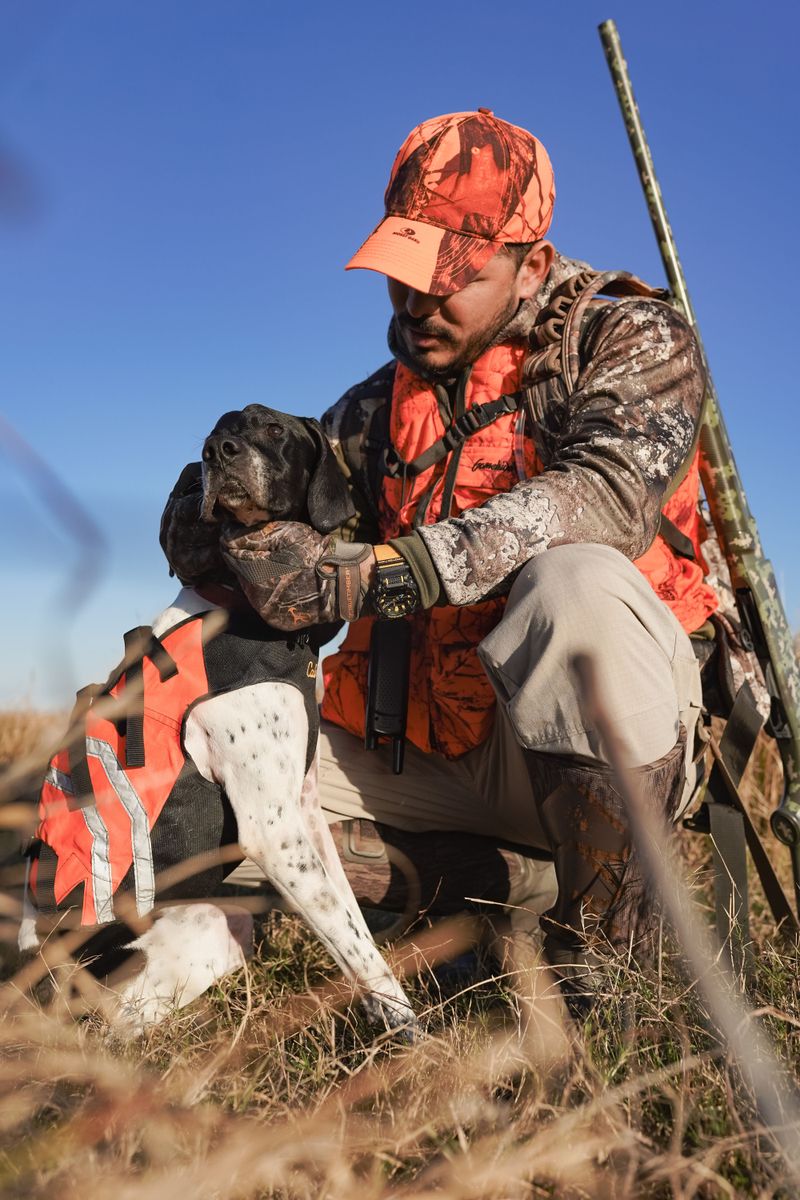
Think of the season calendar as the WMA’s traffic schedule. Dogs may chase or train on DWR lands only during authorized hunting, chase, or training seasons.
Training a dog on live wild animals counts as hunting, so a valid hunting license is required. Some WMAs set special training periods, like quail.
Rules also differ by site. Deer or bear hunting with dogs is not allowed at some WMAs, so read the details carefully.
4. Get Your Access Permit or Qualifying License
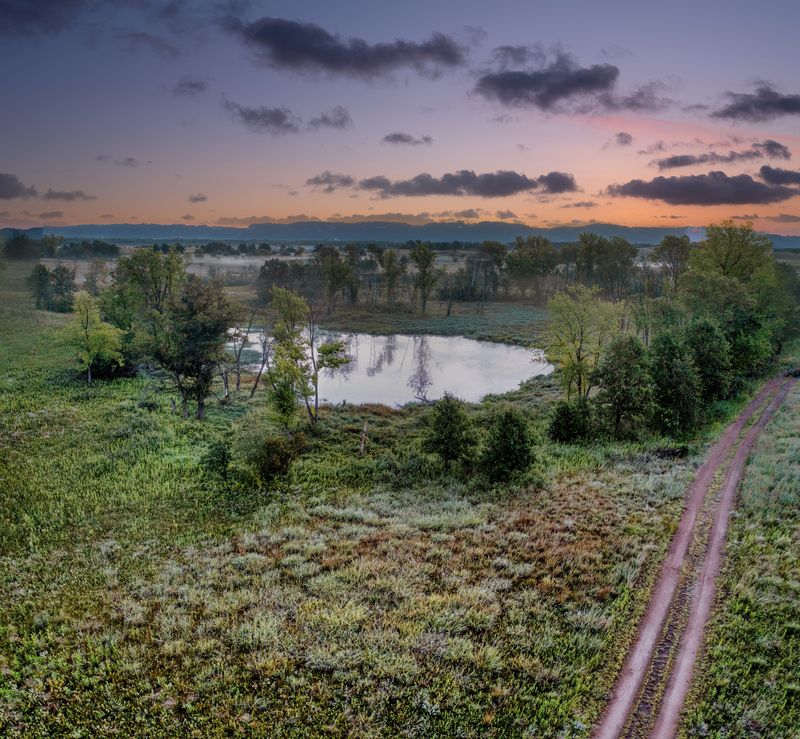
Anyone 17 or older needs proper credentials to enter a DWR Wildlife Management Area. A valid Virginia hunting, freshwater fishing, or trapping license works.
So does a boat registration or a DWR Access Permit.
The daily Access Permit costs $4 per person. An annual permit is $23, rising to $28 on October 1, 2026.
Groups of 12 or more also need a Special Use Authorization. Your dog, happily, needs no permit.
5. Read the Posted Rules for That Specific Area
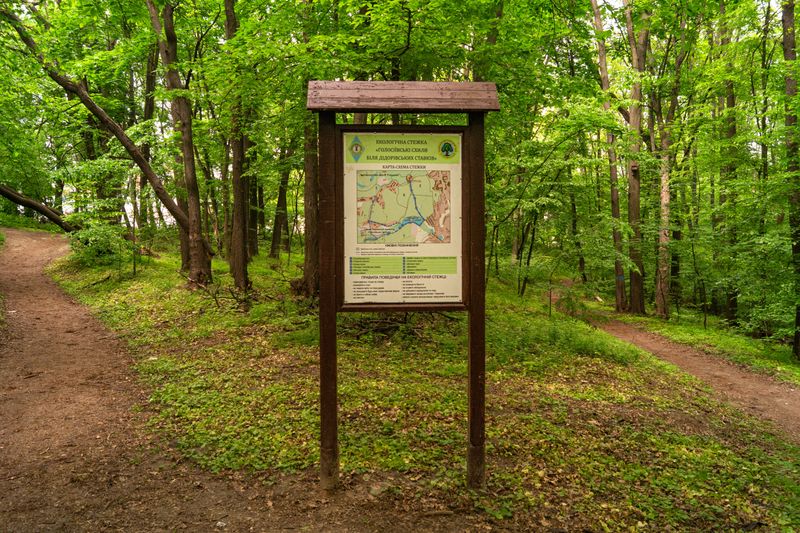
Picture the kiosk at the parking area as your trail-side rulebook. These boards often list special rules, current seasons, and detailed maps.
General DWR regulations do not cover every activity at every WMA. That is why site-specific notes matter so much.
Stop and read the board before you head out. Then double-check the area’s page on the DWR website.
Rules can change, and posted signs reflect local decisions.
6. Look Up Current Hunting Activity
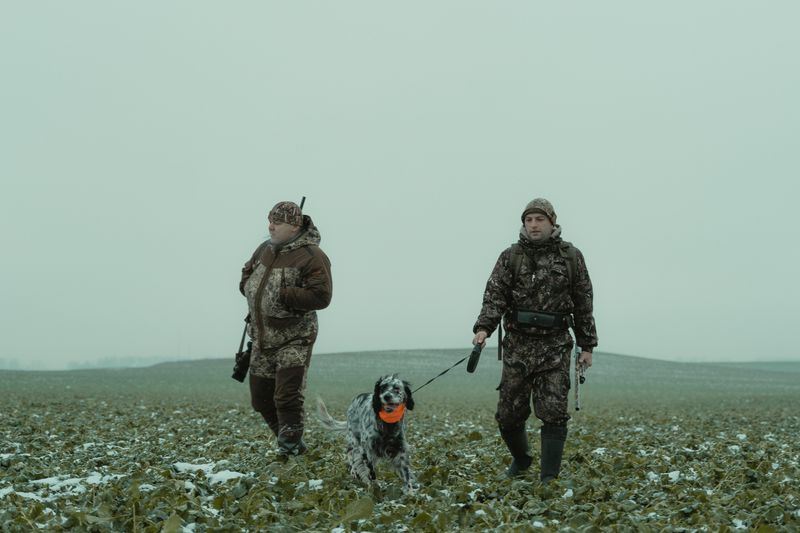
Many WMAs are managed mainly for hunting, fishing, and trapping. That means you may share the land with hunters, especially in fall and winter.
Seasons depend on species and region. The DWR publishes an updated hunting regulations digest each year with current dates.
Knowing what is open helps you choose your timing. Some owners prefer Sundays or off-season months for quieter walks.
Always confirm local Sunday hunting rules first.
7. Dress You and Your Dog in Bright Colors
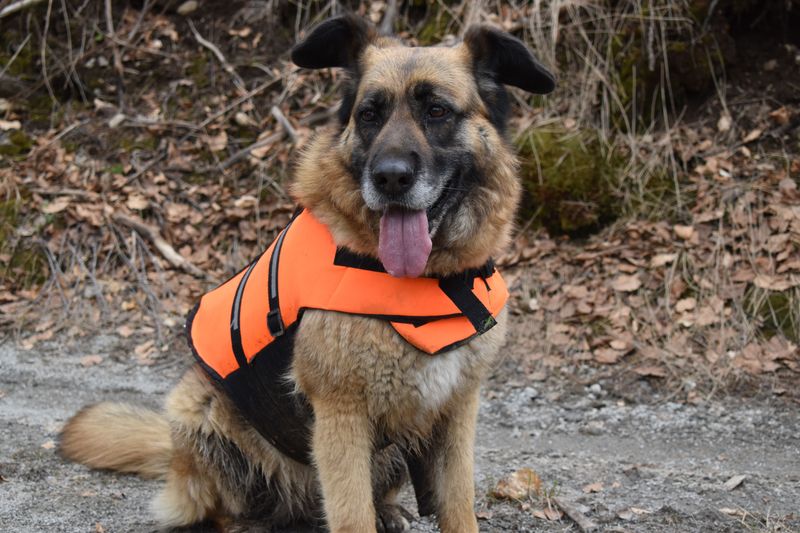
Bright clothing is one of the simplest safety tools around. DWR recommends a blaze orange hat or blaze pink clothing for non-hunters during hunting seasons.
Virginia recognizes both colors for hunter safety. During firearms deer seasons, hunters must wear them too.
Do not forget your dog. A blaze orange vest or collar helps a brown or black dog stand out among fallen leaves.
It is an easy, inexpensive upgrade.
8. Watch for Seasonal Closures
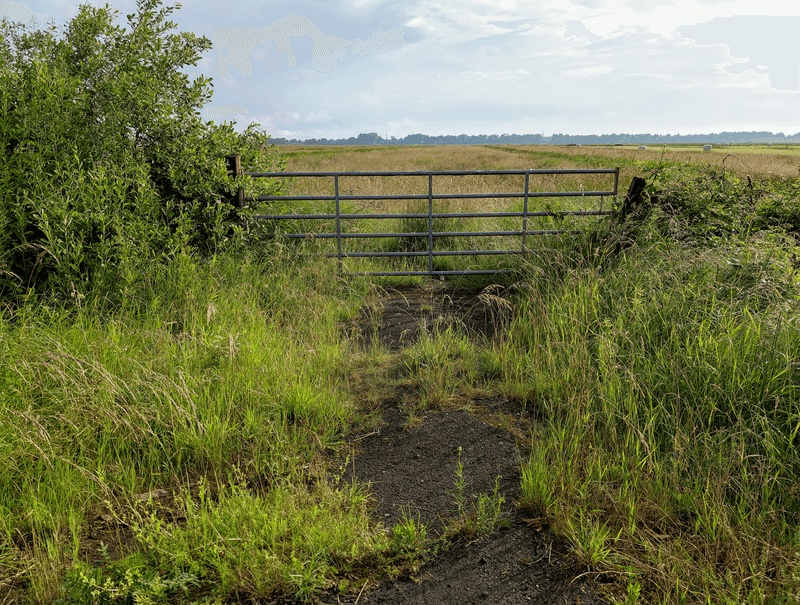
Nothing dampens a morning like a locked gate at the end of a long drive. Some WMA roads, gates, and parking areas open only during certain seasons.
Vehicles may not pass barricades, closed gates, or signs blocking entry. Road dates on National Forest and DWR lands follow management decisions.
Call the local ranger district or check DWR updates before leaving. Having a backup plan nearby keeps the day relaxed.
9. Study the Boundary Lines
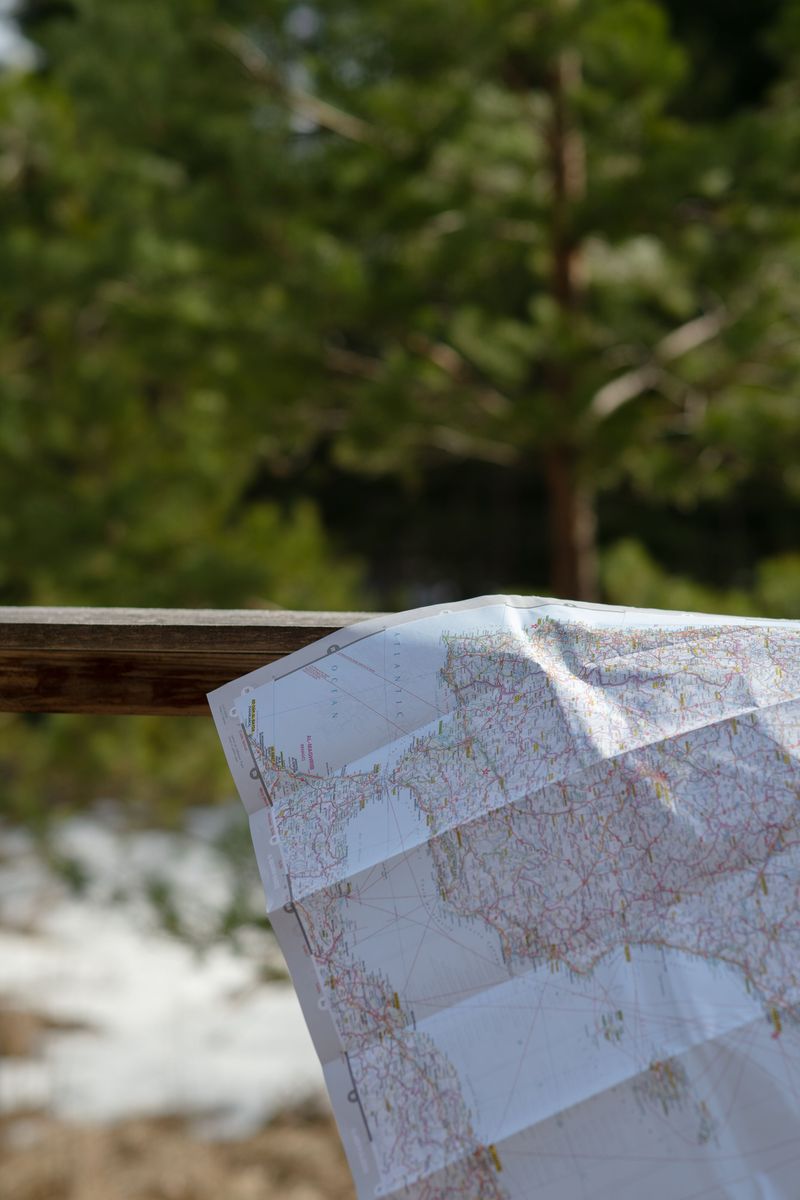
Public land can blend right into a neighbor’s backyard. WMA borders are not always obvious in thick woods.
Merrimac Farm WMA, for instance, borders Cedar Run, Quantico Marine Corps Base, and private land. Wandering off course is easier than you might think.
Download the area map from the DWR website before you go. Watch for boundary paint and signs.
A leashed dog also keeps you from following scents onto private property.
10. Find Out What the Ground Is Really Like
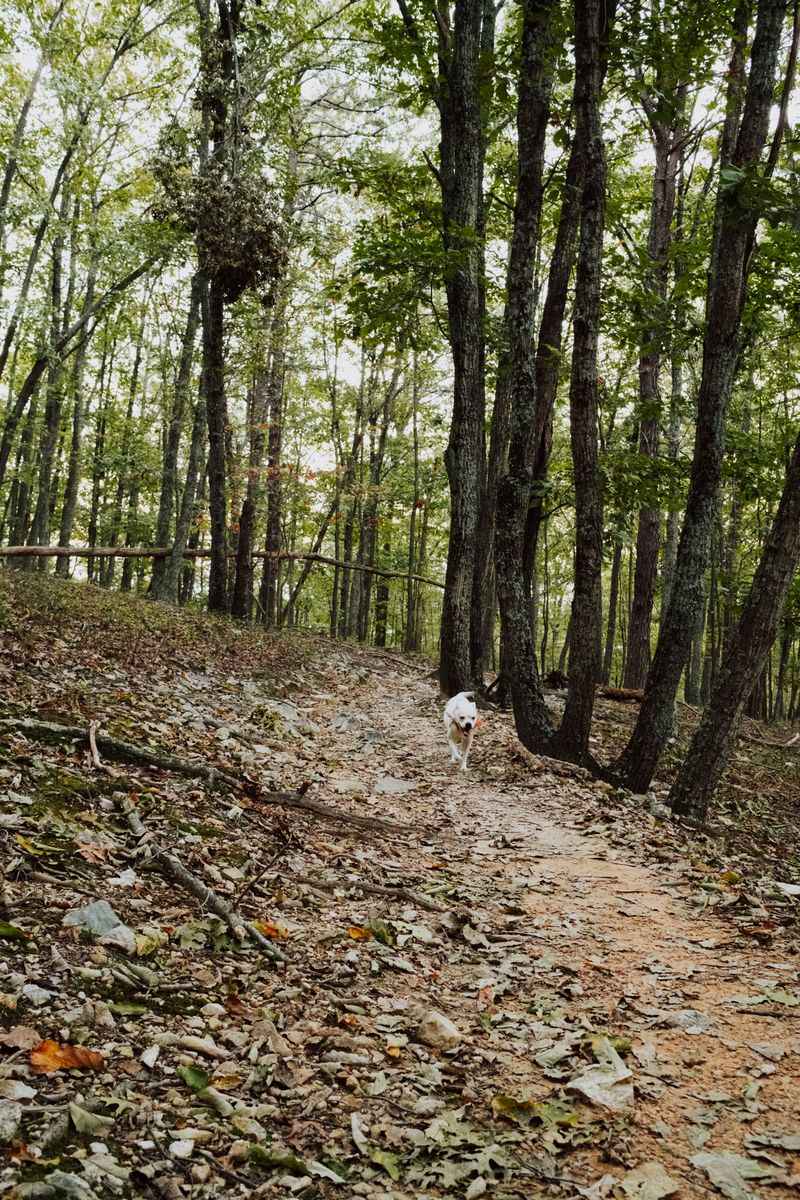
Smooth park paths are rare here. WMAs are managed for wildlife habitat, and many areas lack well-groomed trails.
Havens WMA, near Roanoke, is known for very steep, rugged terrain. Merrimac Farm offers administrative roads and foot trails instead.
Look at maps and recent visitor notes before choosing a route. Rocks, mud, and brush can wear out paws fast.
Matching the route to your dog makes the outing much more enjoyable.
11. Check the Forecast and Temperature
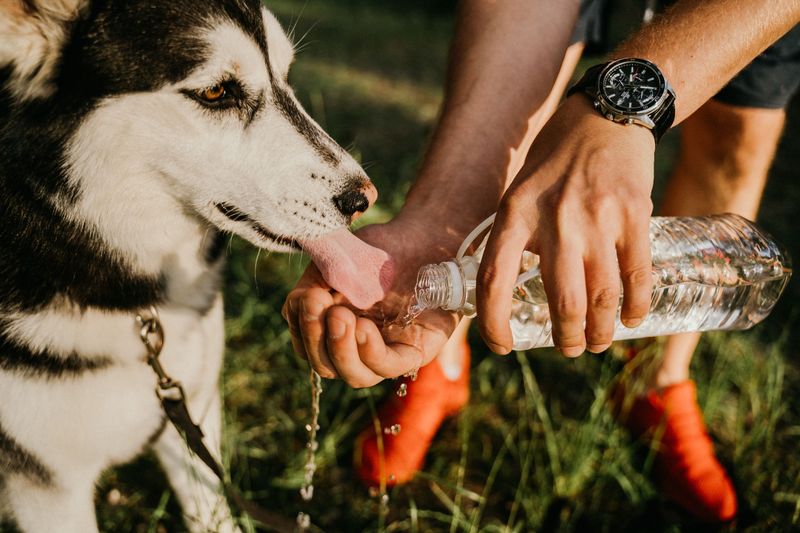
Virginia weather can shift quickly, especially in the mountains. A cool morning may turn hot and humid by noon.
DWR regulations do not offer forecasts, so check a reliable local weather service. Look at heat, storms, and wind.
Dogs warm up faster than people realize. On hot days, walk early or late and rest often.
On cold days, short-coated dogs may enjoy a jacket. Your vet can advise on breed needs.
12. Pack Enough Water for Two
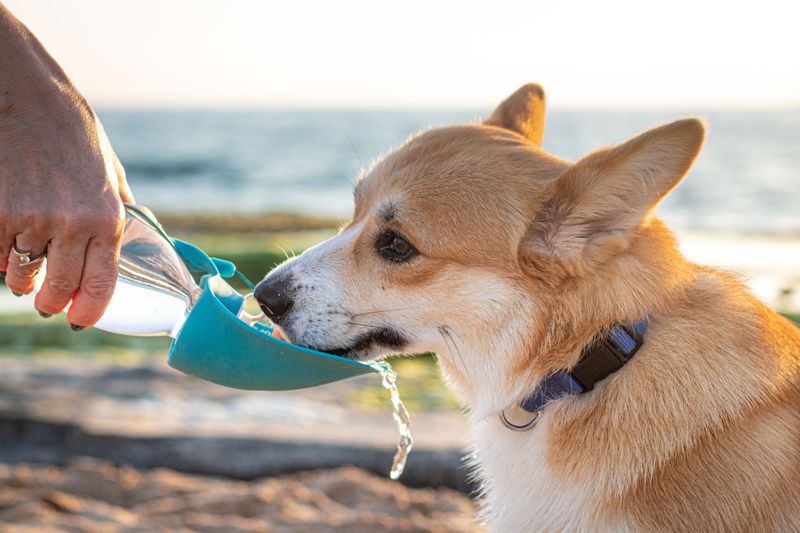
Expect no faucets, fountains, or water stations. DWR notes that WMAs generally do not provide potable water.
Streams and ponds may look inviting, but they can carry germs. Bringing clean water is the safer plan.
Carry more than you think you need, plus a collapsible bowl. Offer small drinks often.
Keep pet food sealed too, since rules require storing food so wildlife cannot reach it.
13. Review Tick Prevention Before You Go

Tall grass and leafy woods are tick territory across much of Virginia. These tiny hitchhikers can be active in many seasons.
Make sure your dog’s tick prevention is current and recommended by your veterinarian. Missed doses leave gaps.
After every walk, run your hands over your dog’s coat. Check ears, armpits, between toes, and under the collar.
A fine-tipped tick tool in your pack makes removal quick and simple.
14. Plan for Mosquitoes, Gnats, and Flies
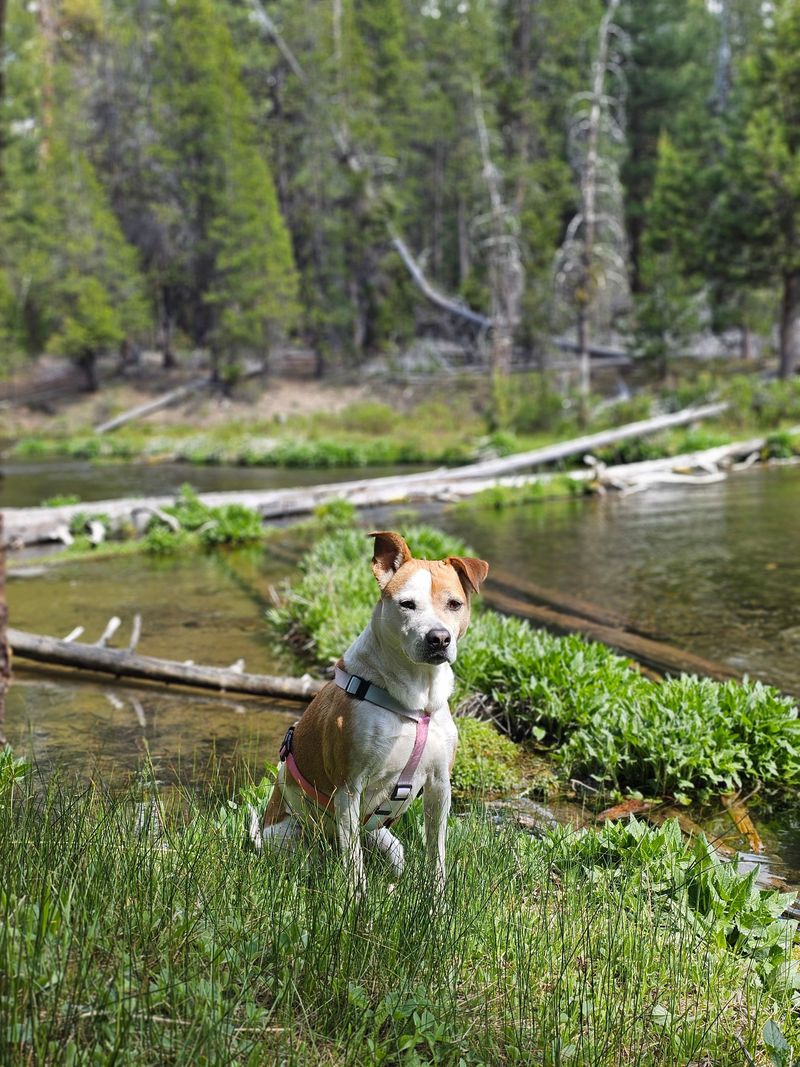
Warm months and wet places bring a buzzing crowd. Mosquitoes, gnats, and biting flies often gather near marshes and ponds.
DWR rules do not list specific insects, but they are common in natural areas. Plan for them, especially in summer.
Ask your veterinarian about heartworm prevention and dog-safe insect protection. Some human repellents are not safe for pets.
Choosing breezy, open routes can also help keep bugs away.
15. Prepare for Snakes and Other Wildlife
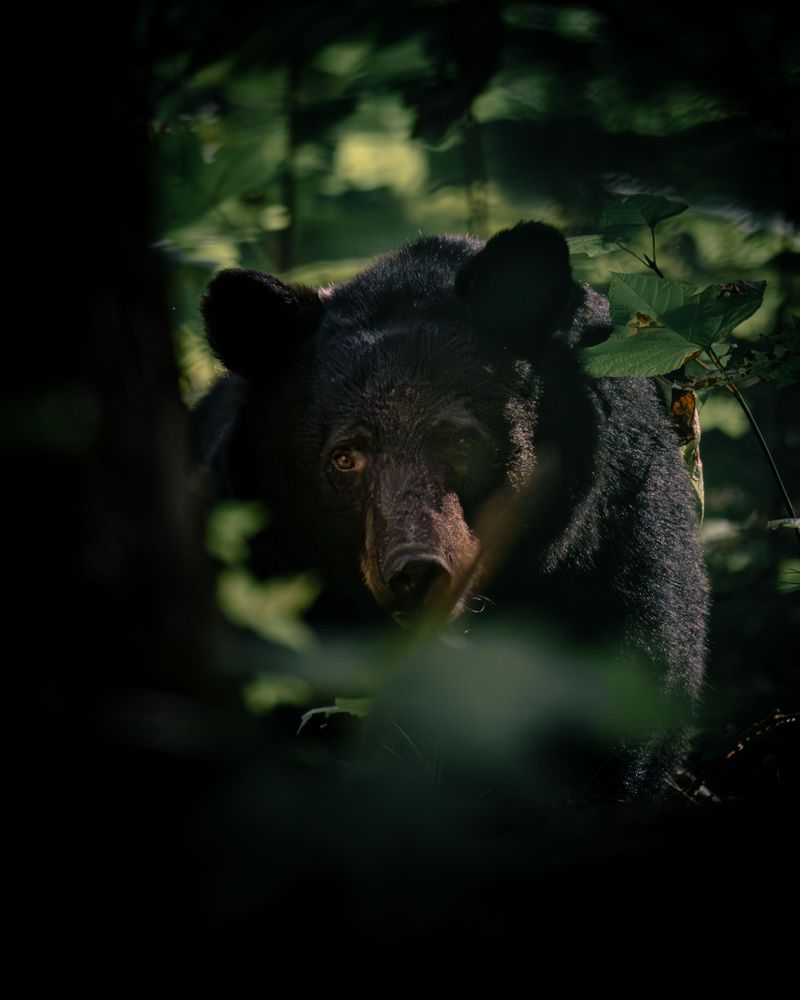
Wild animals are the reason these lands exist. Cavalier WMA, for example, is home to black bears, deer, wild turkeys, and canebrake rattlesnakes.
A short leash is your best tool. It keeps curious noses away from snakes hiding in logs or tall grass.
Give all wildlife plenty of space. Stay on open paths when possible.
If your dog gets bitten or stung, contact a veterinarian right away.
16. Update ID Tags and Contact Details
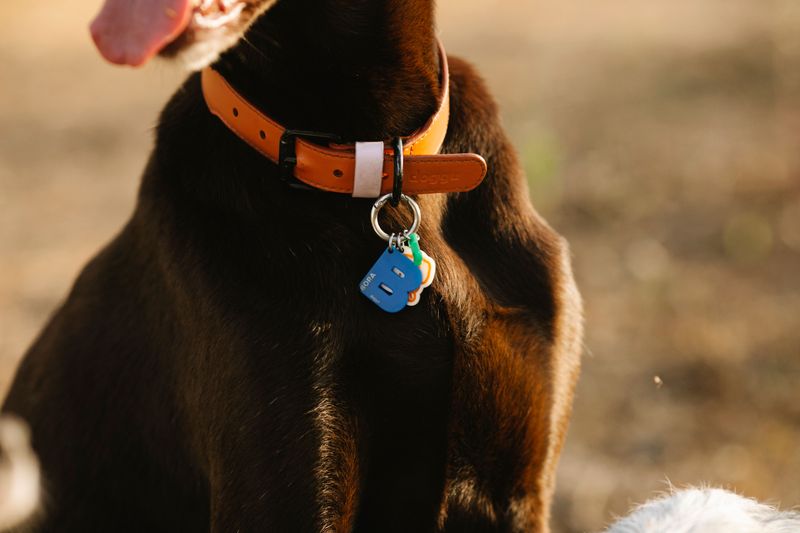
A clear tag is a lost dog’s ticket home. Virginia requires dogs to have current rabies vaccinations and a license.
Both tags should be securely attached to the collar. Anyone hunting with a dog must also use a tag showing the owner’s name and current phone number.
Check that your number is correct before each trip. If your dog is microchipped, confirm the registry has your current information too.
17. Make Sure Your Dog Is Ready for the Trip
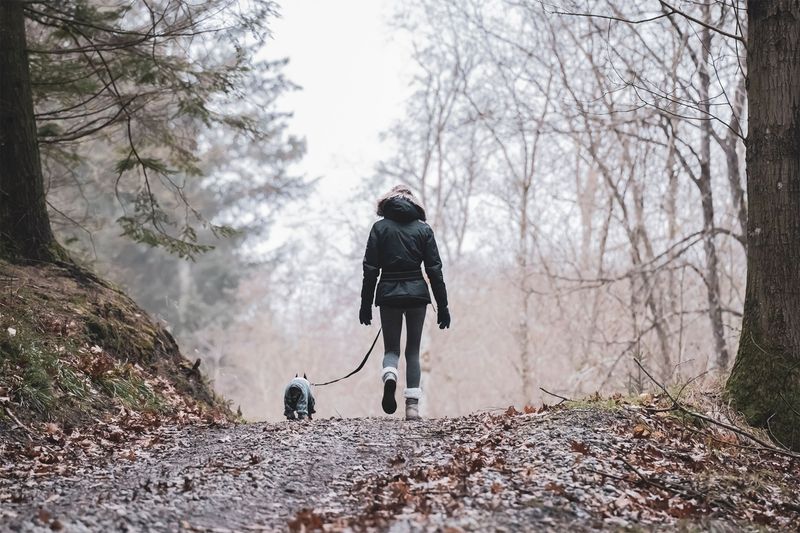
A backyard sprinter is not always a mountain hiker. WMAs are primitive places with few facilities and sometimes steep ground.
Think honestly about your dog’s age, weight, and fitness. Puppies, seniors, and flat-faced breeds may tire faster.
Start with shorter routes and build up over time. Watch for heavy panting, lagging, or limping.
A quick vet checkup before bigger adventures gives you peace of mind.
18. Know Your Parking Spot and Entry Point
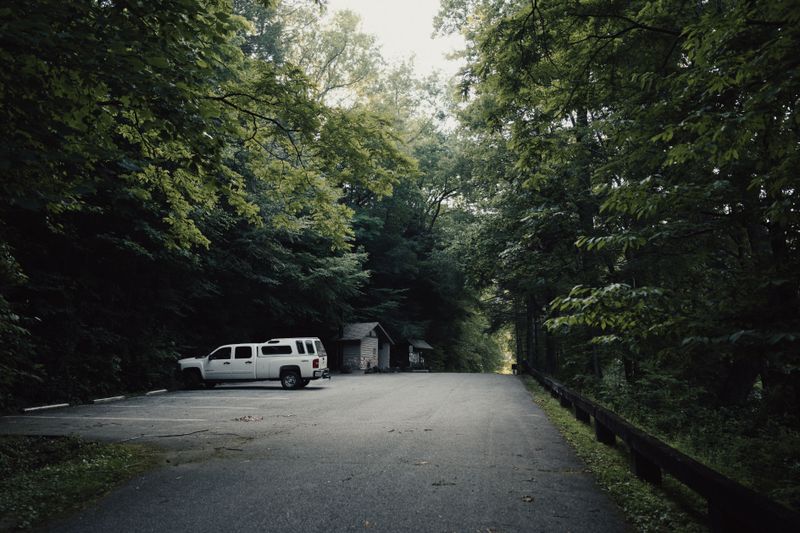
Smart trips start at the right parking lot. Many WMAs have designated parking areas, and some have several access points.
Merrimac Farm and Havens WMA both offer multiple public entries. Pick yours ahead of time and confirm it is open.
Remember one rule: vehicles may park on DWR lands only when owners are doing authorized activities. Park in marked spots and never block gates or roads.
19. Get Camping Authorization for Overnight Stays
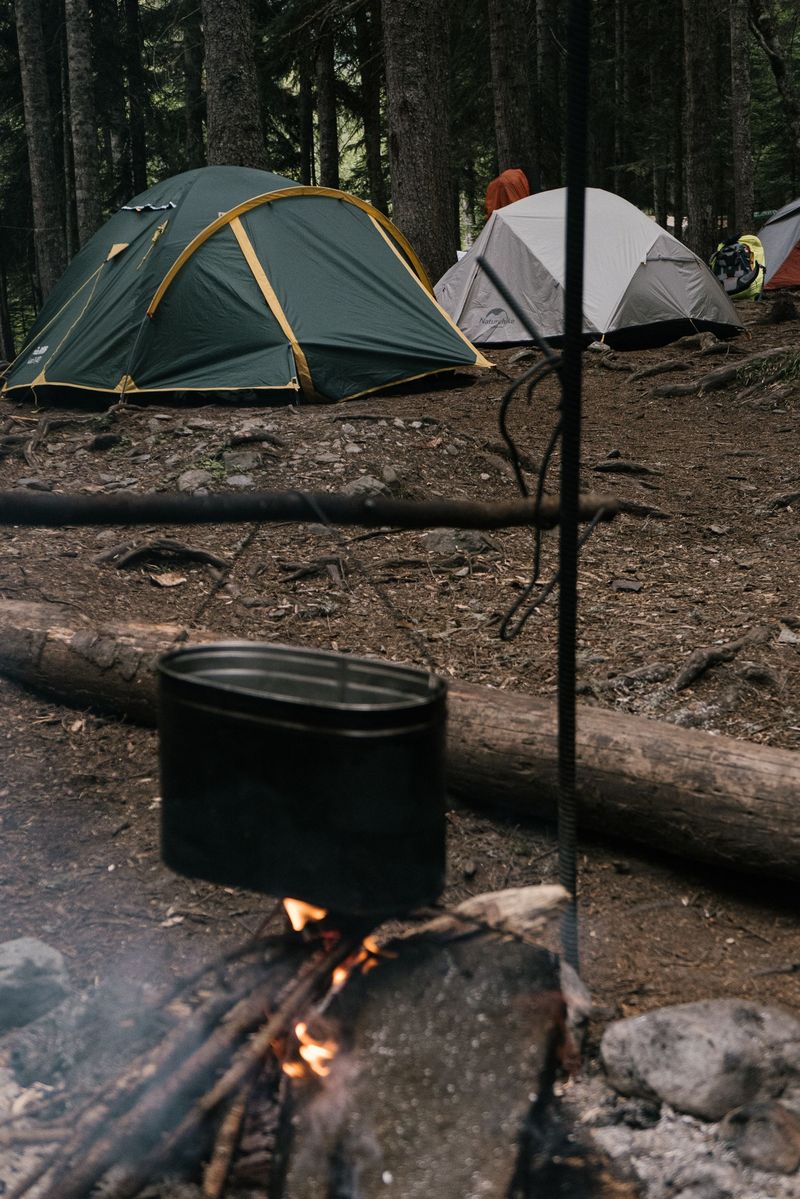
Sleeping under the stars with your dog sounds wonderful. Many WMAs allow temporary primitive camping for people doing authorized activities.
You need a camping authorization from a license agent or gooutdoorsva.com. It is free now, but costs $10 starting October 1, 2026.
Stays are usually limited to 14 nights. Guinea Marsh and Land’s End WMAs allow no camping.
Store all food, including dog food, away from wildlife.
20. Pack a Simple Dog Day Kit
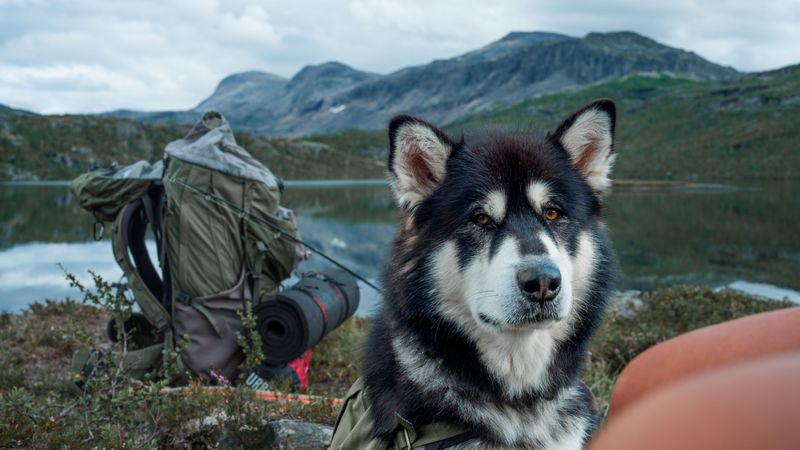
Walks sometimes run longer than planned. A wrong turn or slow pup can add an hour quickly.
WMAs offer no stores or convenience stations, so bring your own basics. Pack extra water, snacks, and a small first-aid kit.
Add paw balm or boots, tweezers, and plenty of waste bags. Carry out everything you bring.
A light headlamp helps if dusk arrives early. Then enjoy your peaceful, well-prepared adventure together.