20 Florida Condo Elevator Habits That Make Daily Dog Life Easier During Storm Season
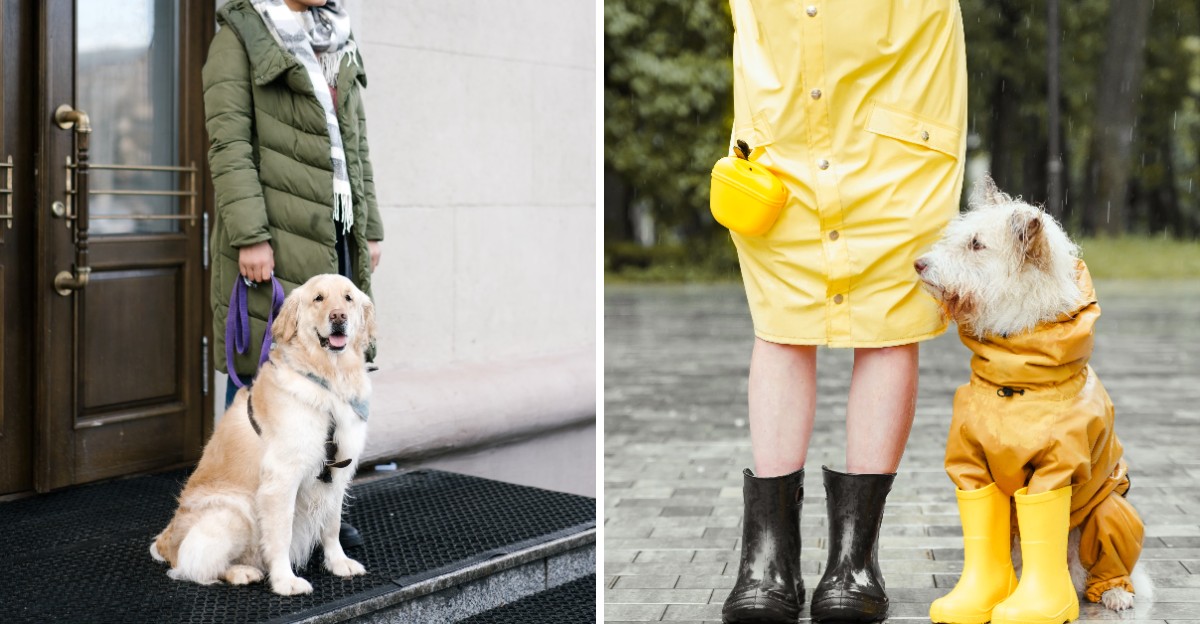
Living in a Florida condo with a dog is a joy, but storm season adds a few twists. Elevators get busy, lobbies fill up, and power can flicker without much warning.
A few simple habits can keep your daily walks smooth and your pup relaxed. Here is what local owners have learned about riding out the rainy months with confidence.
1. Beat the Rush Before the Weather Turns
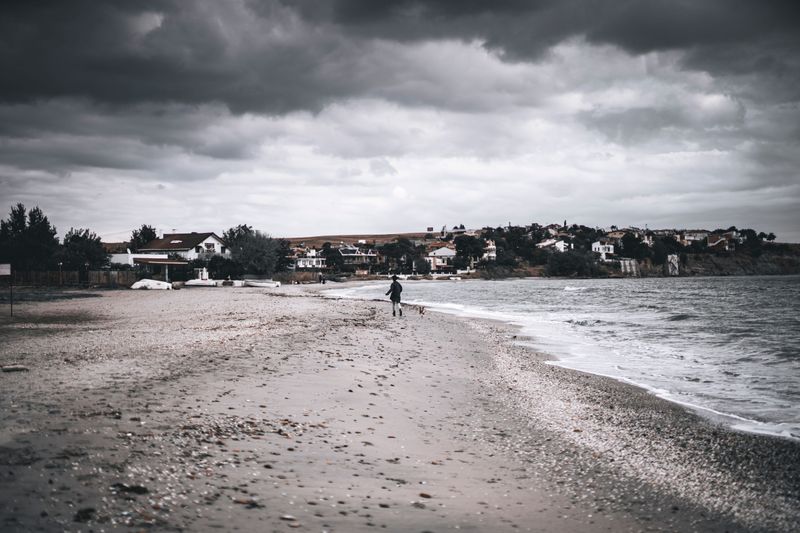
Clouds gathering over the Gulf are your first clue to head out. Once a storm warning hits the news, neighbors start hauling water and supplies upstairs.
Florida hurricane season runs June 1 to November 30, with peak activity from August through October. Afternoon thunderstorms also pop up often in summer.
Take your dog out early, before wind and rain build. You will find quieter elevators, calmer lobbies, and a happier pup.
2. Clip On the Leash Inside Your Door
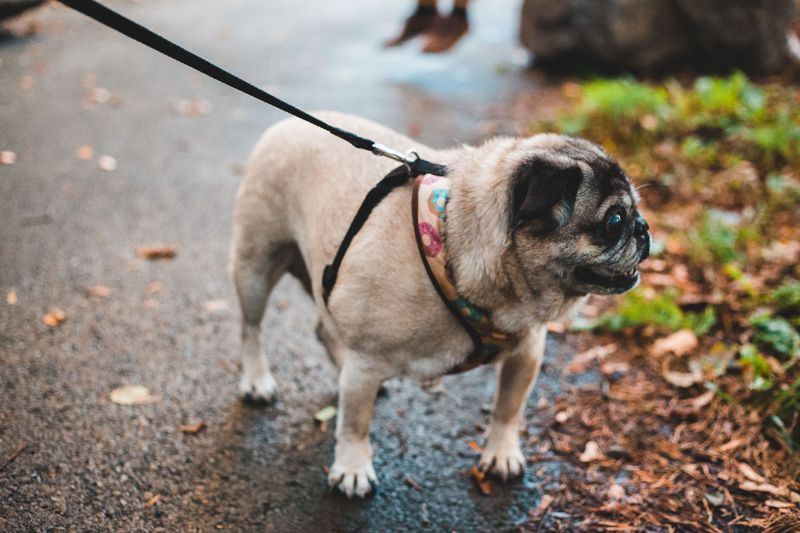
Picture opening your door just as a neighbor rolls a cart of bottled water past. A loose dog could dart right into the chaos.
Most Florida condo associations require pets to be leashed in common areas. Many cities and counties also have leash rules, so check your local code.
Attach the leash before the door opens. It takes two seconds and keeps every hallway moment under your control.
3. Rehearse Elevator Rides When Things Are Quiet
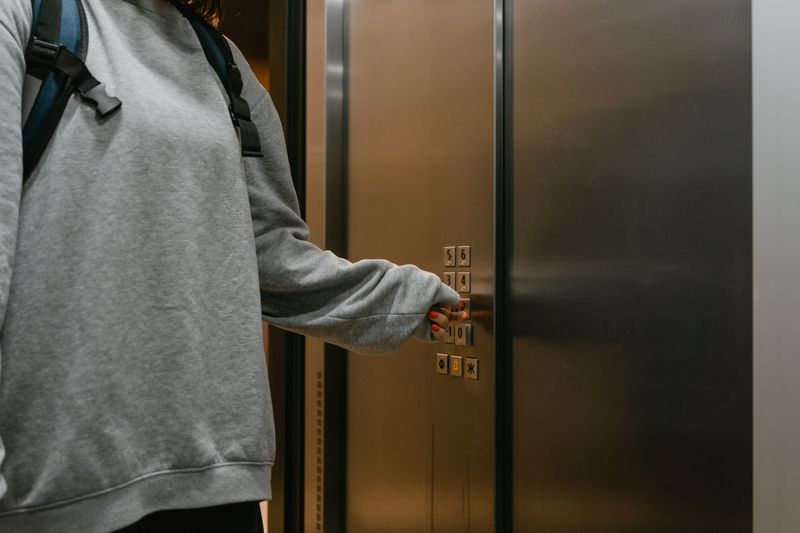
Elevators can feel strange to dogs. The floor shifts, doors slide, and that little gap at the threshold looks mysterious.
Early mornings or late evenings are perfect practice times. Walk in slowly on a short leash, pause, then step out calmly.
Reward relaxed steps with praise or a small treat. A few short sessions now will pay off when storm prep makes the building busy and loud.
4. Make Wait the Magic Word
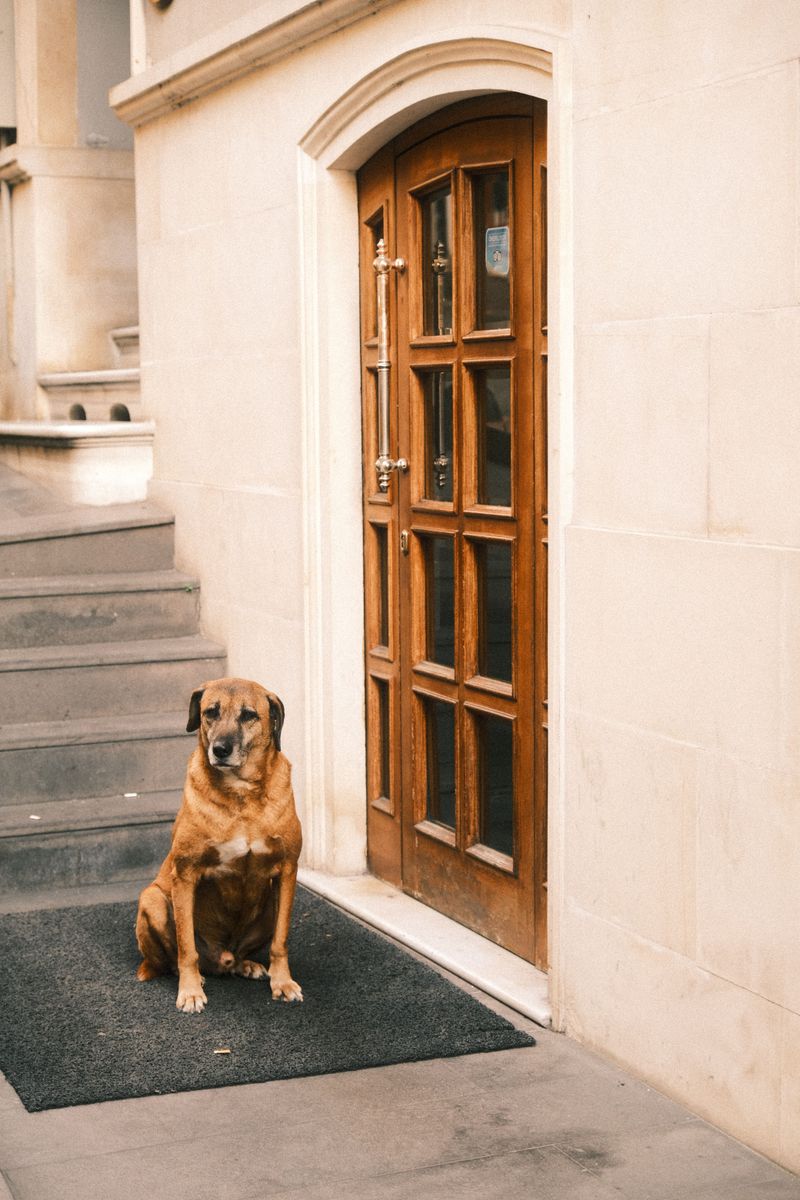
Doors open, and some dogs launch forward like racehorses. That rush can surprise neighbors or catch a paw in a closing door.
Teach a simple wait cue at home first. Ask your dog to pause at your front door, then release with an easy word like okay.
Once that works, use it at the elevator. Patience at the threshold keeps everyone safer, especially in crowded storm-week lobbies.
5. Claim a Corner and Stay Put
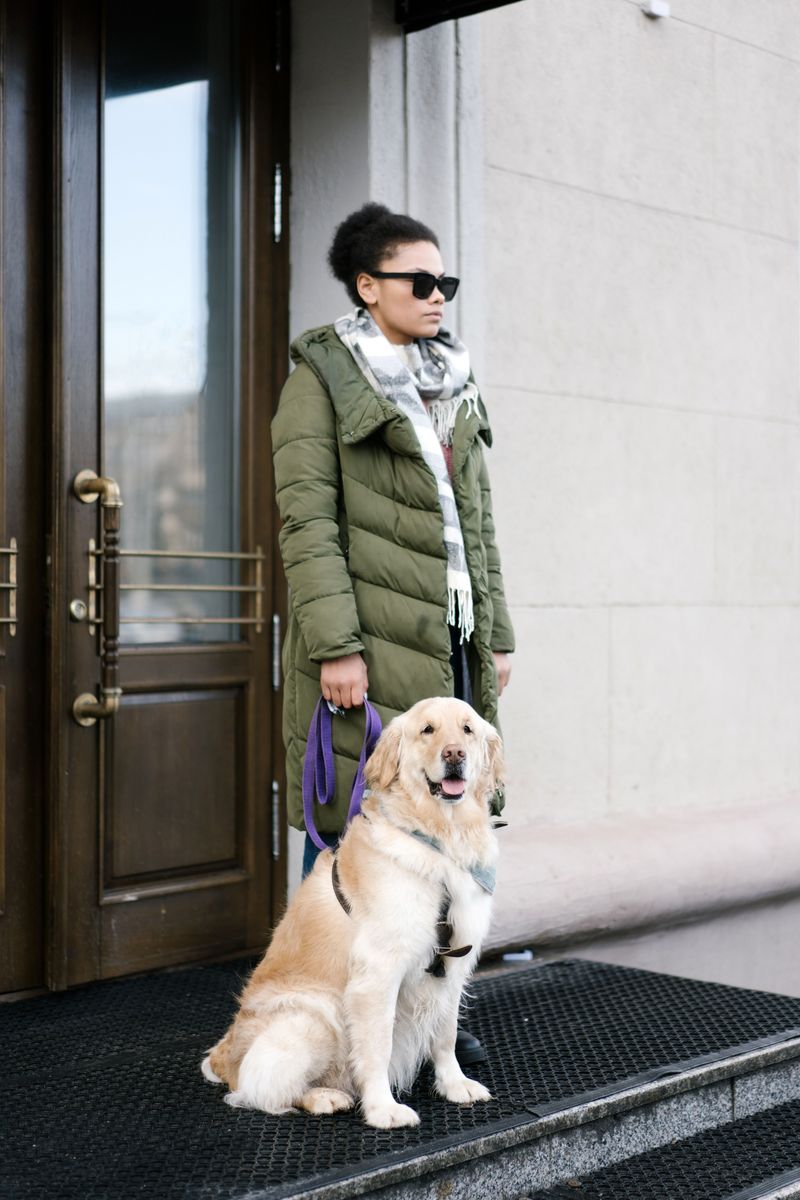
Think of the elevator as a tiny shared room. Everyone wants a little breathing space, including your dog.
Guide your pup to one side wall and stand between them and other riders. A sit or stand-stay works well here.
Your body becomes a friendly buffer. Neighbors carrying shutters or groceries can move freely, and your dog avoids feeling squeezed during a ride.
6. Wave the Full Car On
Nobody hands out awards for squeezing into a packed elevator. If your dog seems uneasy, the next car is a perfectly fine choice.
Watch for signs of nerves, like tucked tails, lip licking, or pulling away. Those cues mean your pup needs more room.
Simply smile and say you will catch the next one. Neighbors usually appreciate the courtesy, and your dog stays far more relaxed.
7. Learn Your Building’s Busy Hours
Every building has a rhythm, and storm prep changes it fast. Evenings after work and weekends before a forecast tend to get hectic.
Pay attention for a few days. Notice when carts, movers, and staff fill the lobby.
Then plan walks around those windows. Shorter waits mean less standing around with a restless dog, and fewer surprise meetings with stacked boxes or rolling dollies.
8. Pack a Pocket Kit for Every Trip
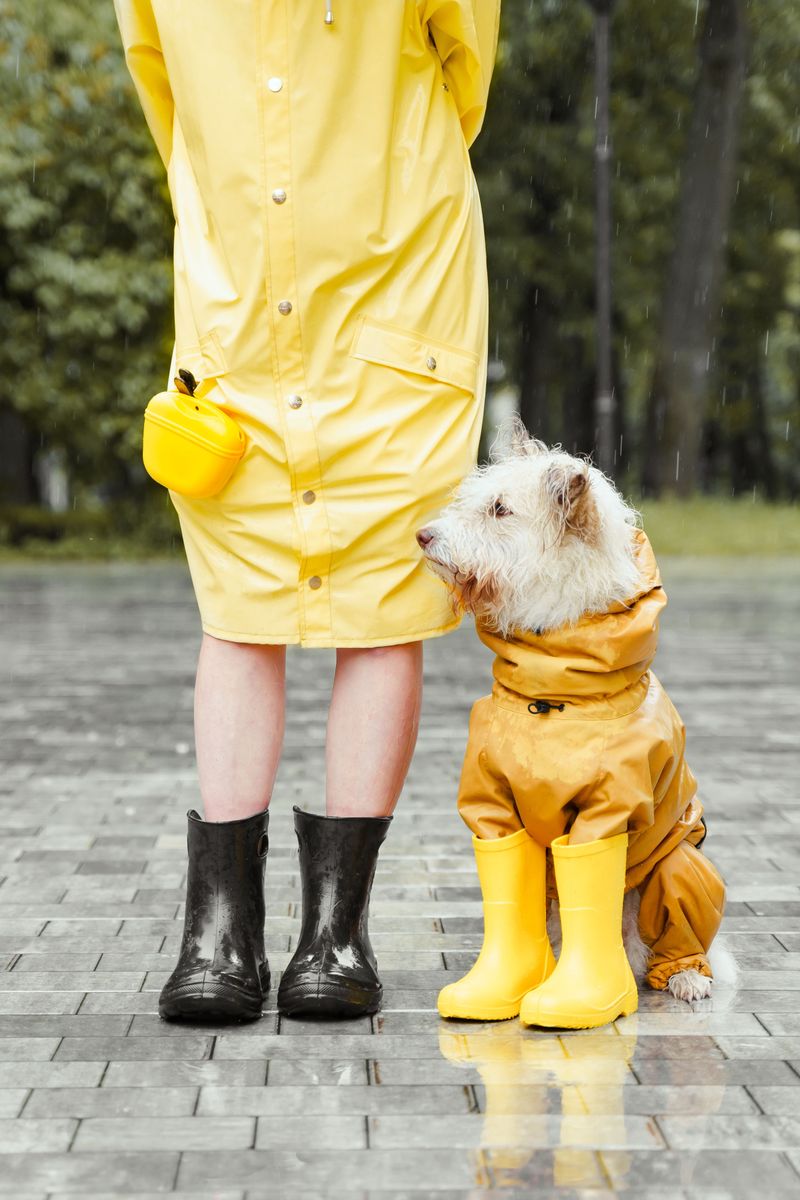
Getting stuck downstairs without bags is never fun. Storm season raises the odds of delays, so pack smart.
Keep a small waterproof pouch clipped to the leash. Fill it with waste bags, a collapsible bowl, and a few treats.
If elevators slow down or a downpour forces you to wait under an awning, you are covered. Cleanup stays easy, and your dog stays comfortable.
9. Stash a Towel by the Door
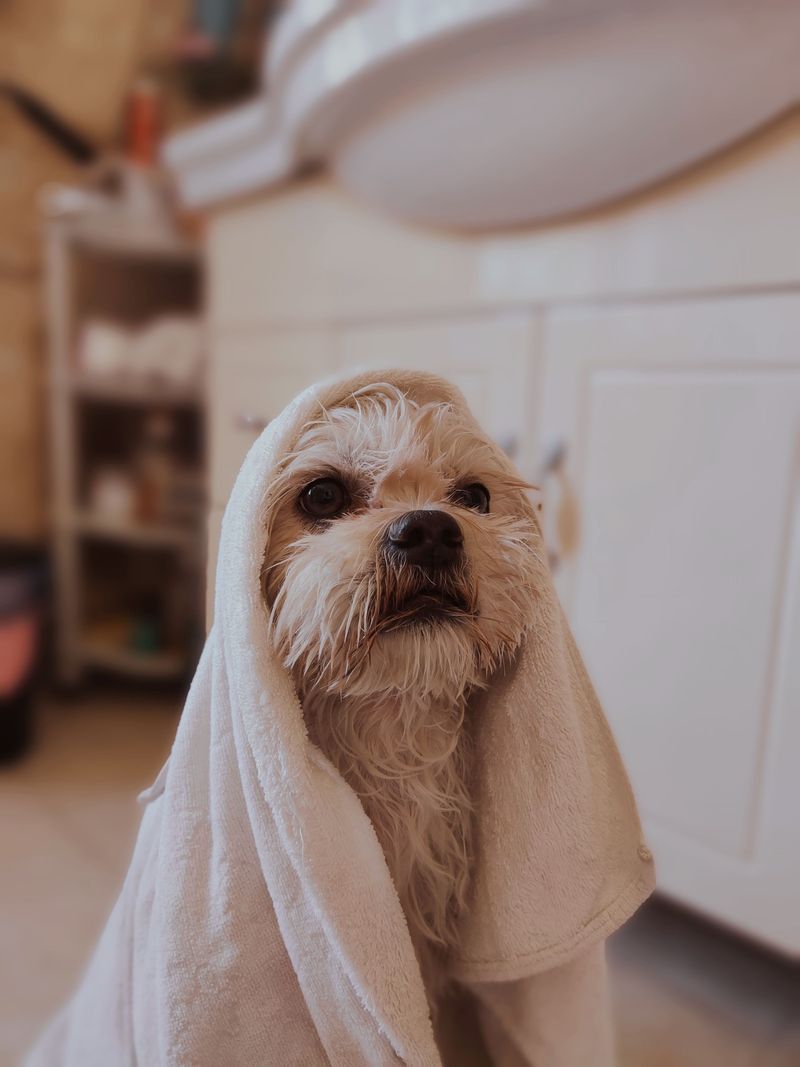
Florida rain does not mess around. One quick walk can leave your pup soaked from ears to toes.
Hang an absorbent towel on a hook by your entry, or tuck one in your pouch for the lobby. Wipe paws and coat before heading through shared spaces.
Your floors stay cleaner, building staff will thank you, and your dog avoids that damp, chilly feeling after air conditioning hits.
10. Switch to a Snug Harness for Jumpy Pups
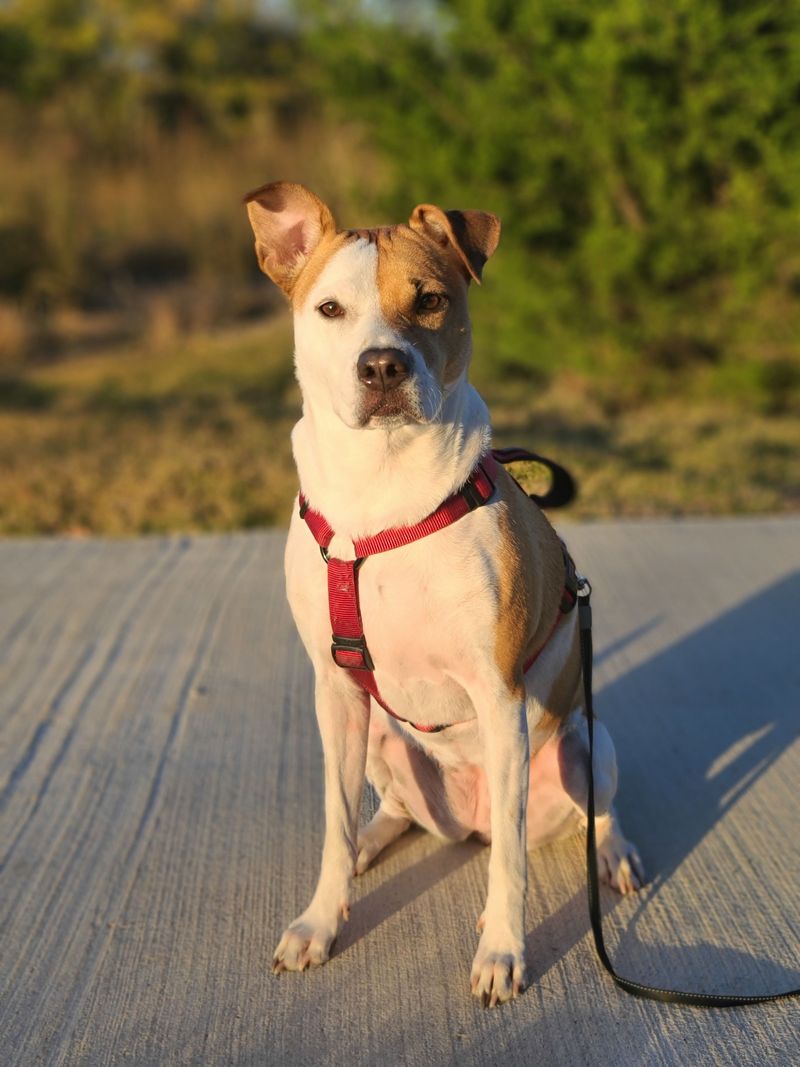
A sudden thunderclap can make even a calm dog spin and pull. Collars sometimes slip off during those startled moments.
A well-fitted harness spreads pressure across the chest and is harder to back out of. Look for one with adjustable straps.
Check the fit at home. You should slide two fingers under the straps.
That snug fit gives you steadier control when alarms or wind surprise everyone.
11. Find Your Stairwell Before You Need It
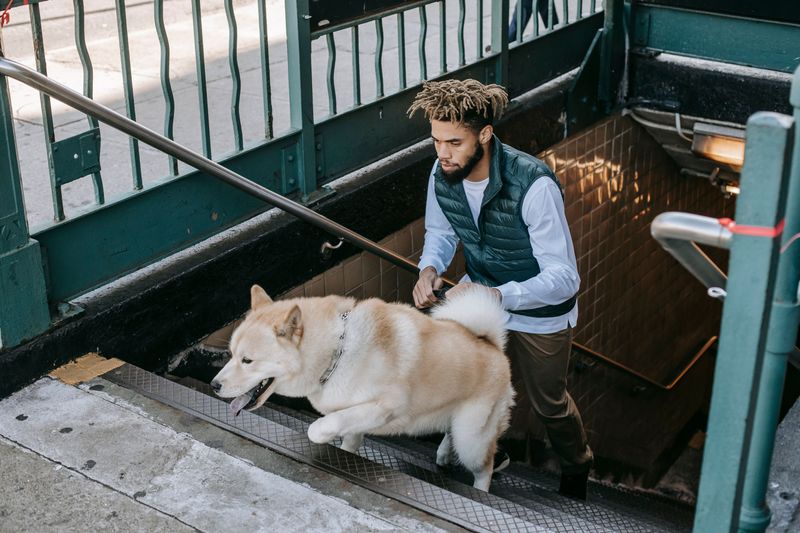
Here is a question worth asking today: which stairwell is closest to your unit? Many owners have never opened that door.
Elevators often go out of service during power outages or ahead of strong storms. Stairs then become your path outside.
Walk the route once. Check lighting, door locks, and where you exit on the ground floor.
Ask management which stairwells residents may use.
12. Turn Stairs Into Practice Time
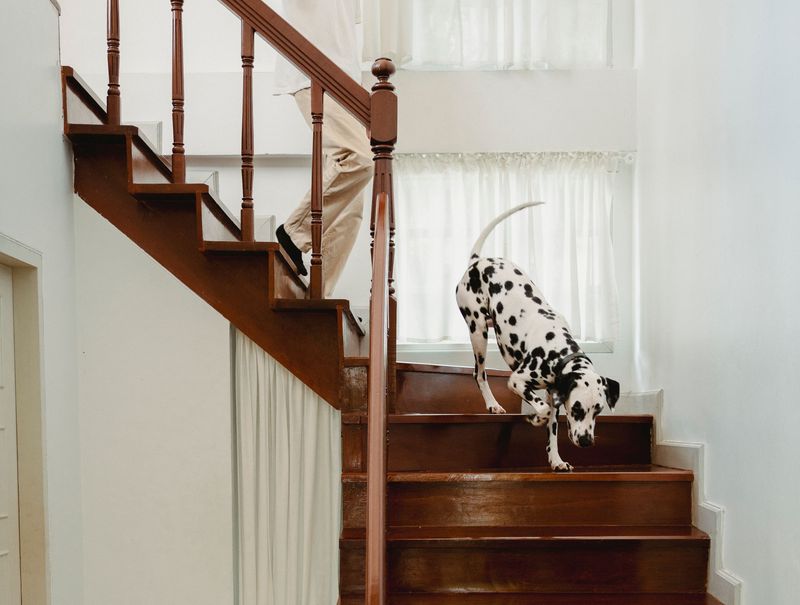
Some dogs bounce down stairs happily. Others freeze at the top, unsure about echoes and steep steps.
If your dog is healthy and able, try a flight or two during calm days. Go slowly and praise each step.
Older pups, small breeds, or dogs with joint issues may need carrying instead. Ask your veterinarian what is safe, and plan how you would manage several floors.
13. Know When the Elevators Will Stop
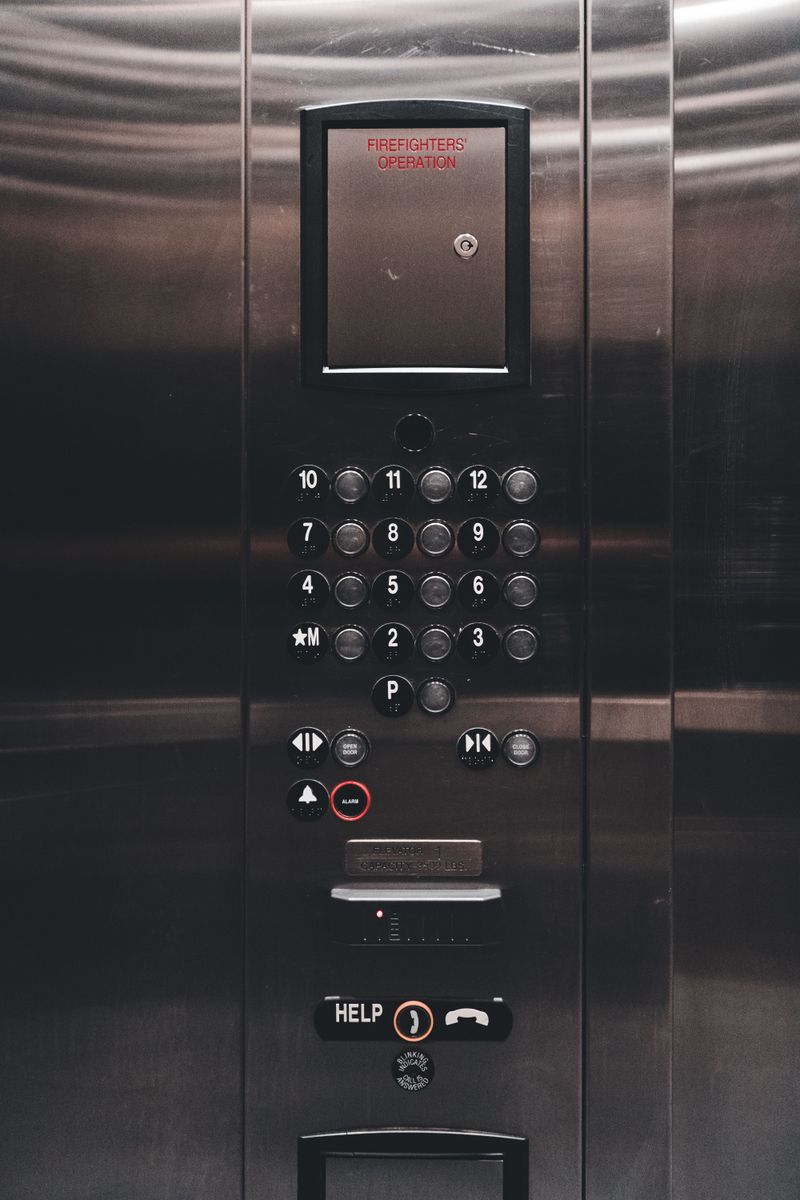
Many condo associations have a hurricane plan that includes elevator shutdowns. Timing varies widely from building to building.
Some shut elevators when winds reach a set speed. Others act when power fails or when management decides it is safer.
Ask your property manager for the written plan. Watch the bulletin board and emails closely.
Knowing the cutoff lets you schedule potty breaks around it calmly.
14. Squeeze In One More Potty Break
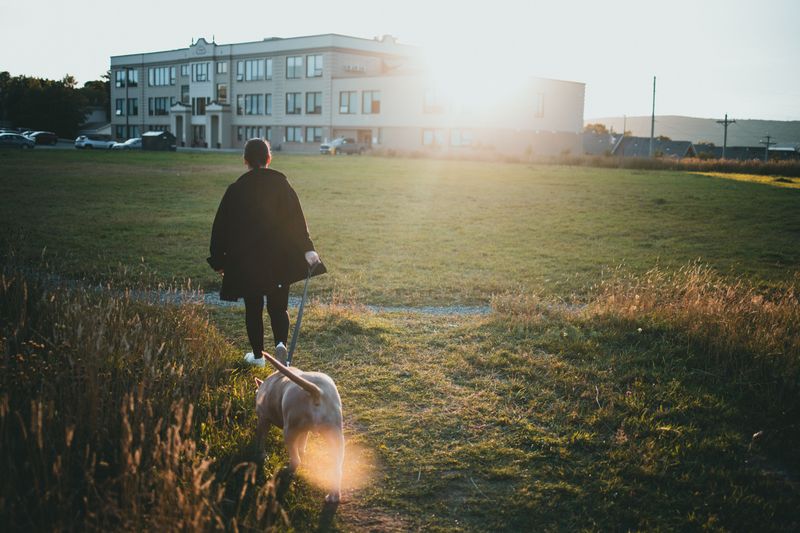
Call it the final call walk. Once you know the elevator schedule, plan one last outing shortly before it.
Give your dog plenty of time to sniff and finish. Rushing often means a second trip you may not get.
A relaxed, thorough break helps your pup settle indoors during the storm. Fewer surprises on the carpet makes waiting out the weather much easier for everyone.
15. Keep the Carrier Within Reach
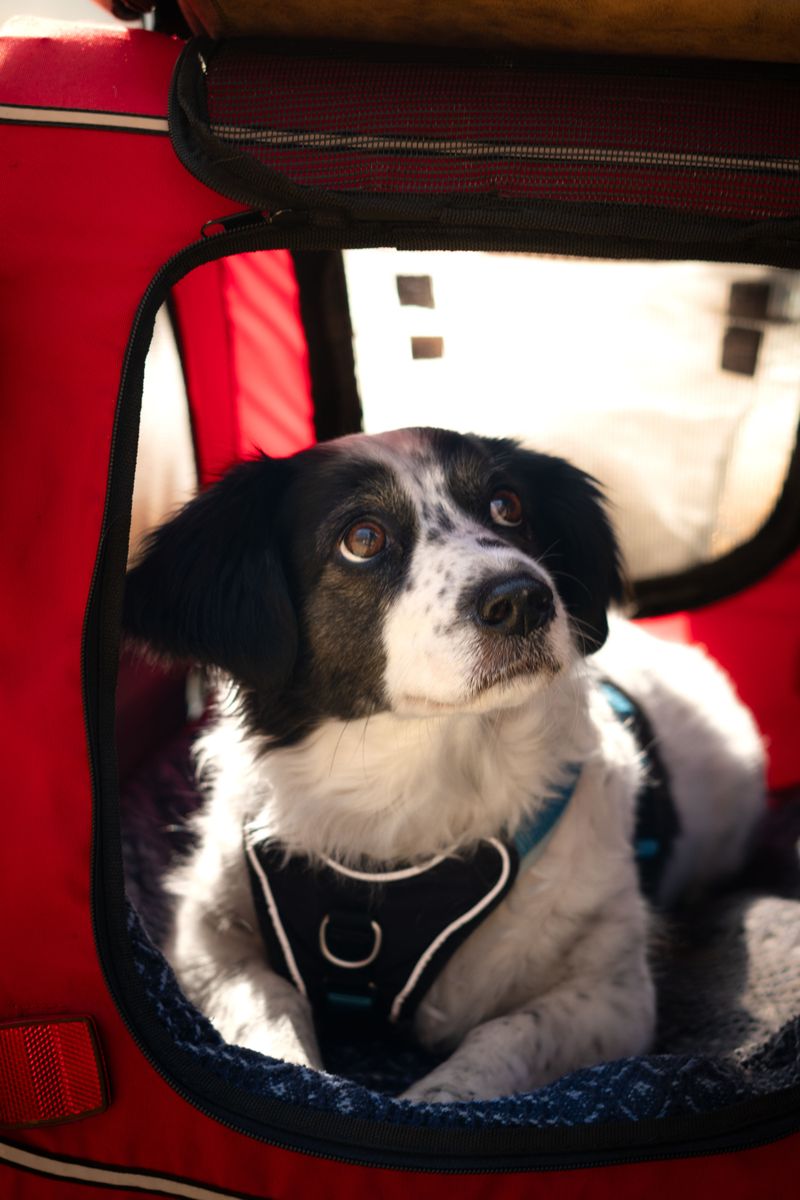
Carriers tend to hide in the back of closets. During storm season, that spot is too far away.
Some buildings may ask for pets to be contained in emergencies. Pet-friendly shelters often require carriers or crates too, so check your county’s rules.
Leave the carrier out with a soft blanket inside. Your dog learns it is a cozy nap spot, not a scary box.
16. Reel In That Retractable Leash
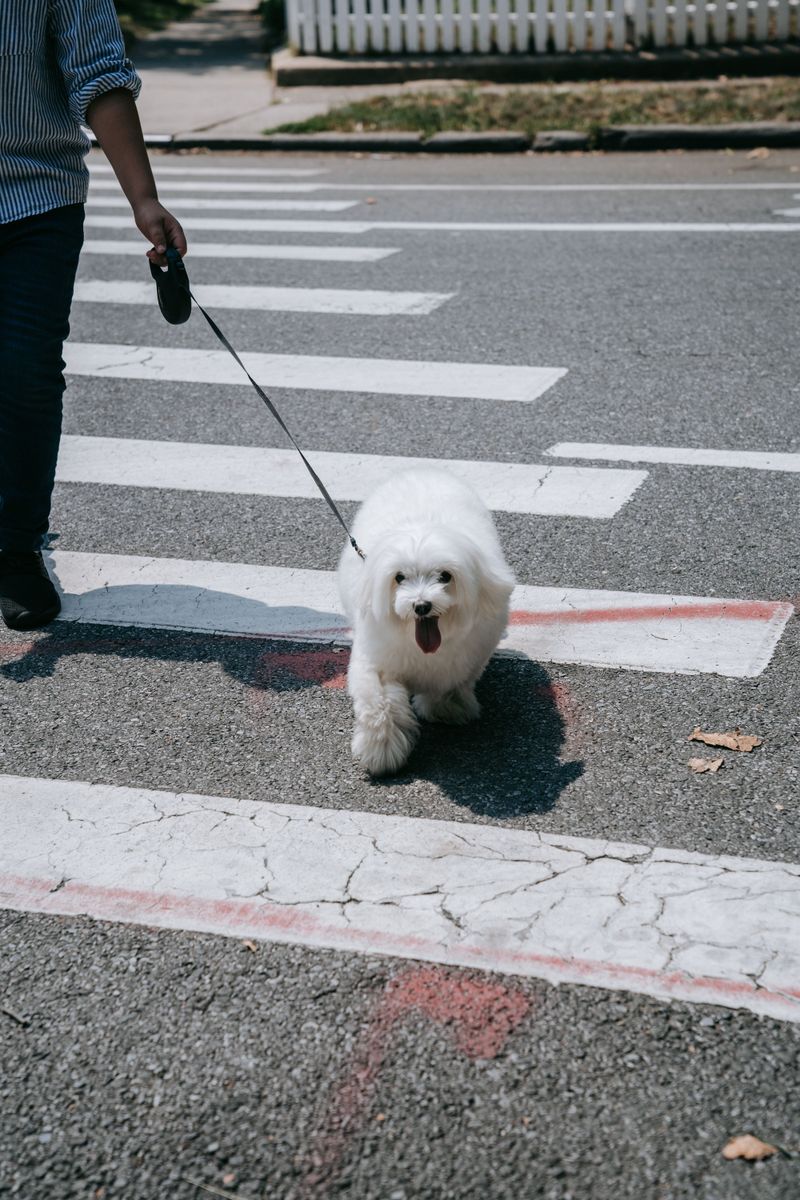
Retractable leashes are handy on open paths. Lobbies are a different story.
A thin cord stretched across a busy space can trip neighbors or tangle around carts and other pets. It also makes quick control harder.
Switch to a standard six-foot leash indoors, or lock the retractable short. Your dog stays right beside you, and the lobby stays clear for everyone moving storm supplies.
17. Give Fellow Dogs Room to Breathe
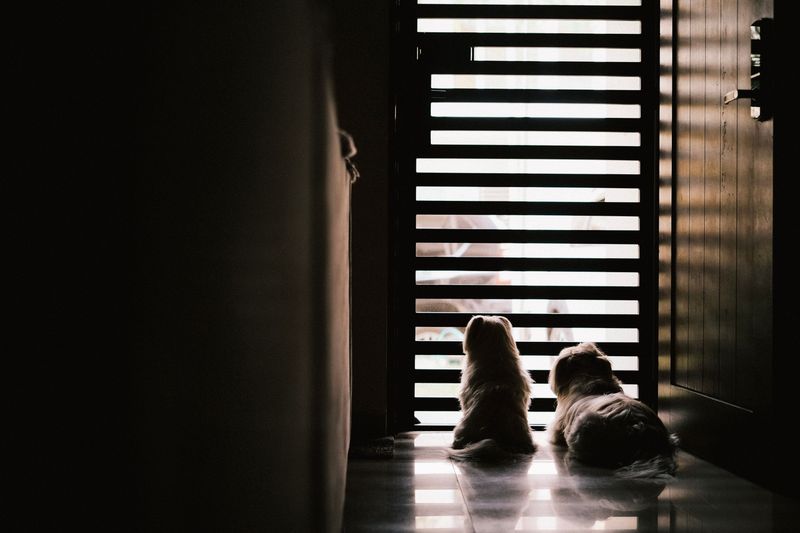
Not every dog wants to say hello. Tight lobbies and stormy moods can make even friendly pups a bit grumpy.
Keep a few feet of distance while waiting. Turn your dog to face away if another pet seems tense.
A quick nod to the other owner works wonders. You both get a calmer wait, and nobody has to untangle leashes in front of the elevator.
18. Reward Calm With Tasty Bites
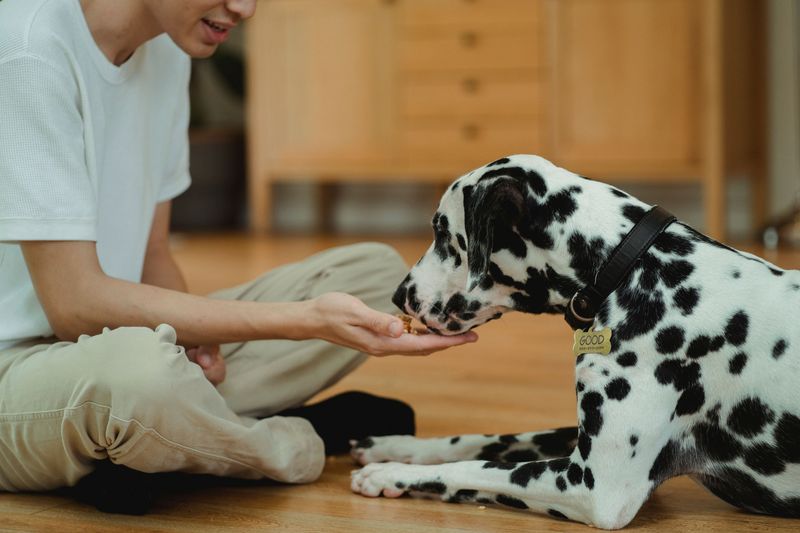
Fire alarm tests, howling wind, and crowded lobbies all pile up during storm season. Treats can turn those moments around.
Carry small, soft rewards your dog loves. When your pup stays calm or looks at you during noise, reward right away.
Over time, scary sounds start to predict good things. Trainers call this building positive associations, and it works for many dogs.
19. Set Up an Indoor Potty Plan
Sometimes elevators stay off for hours or even days. Stairs may not work for every dog or owner.
Have a backup ready, like potty pads or an artificial grass patch in a bathroom or laundry area. Keep it away from balconies during strong winds.
Practice before storms arrive. Dogs learn new routines faster when they feel relaxed, not when thunder is rattling the windows.
20. Pad Your Schedule With Spare Minutes
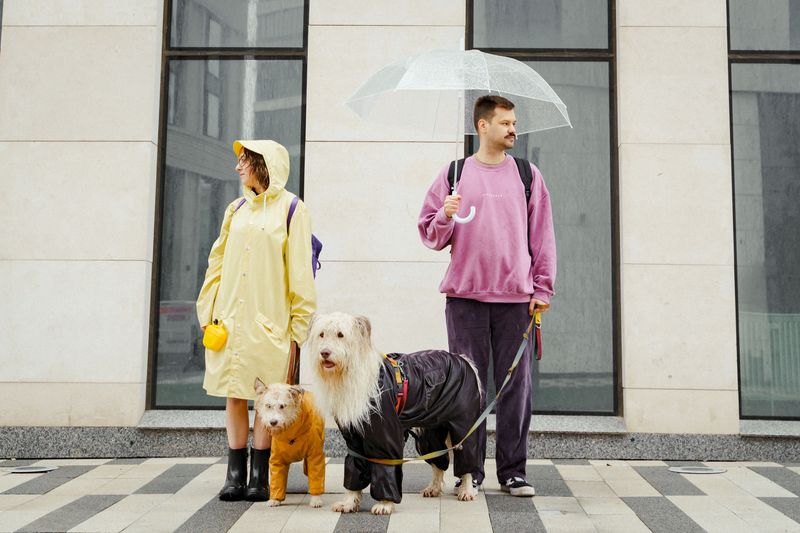
A five-minute walk can easily stretch to twenty during storm week. Elevators run slower, and lobbies fill quickly.
Plan walks with a little cushion. Leave earlier than usual so you are never rushing your dog to finish.
That extra breathing room keeps you patient and your pup relaxed. Calm owners usually mean calm dogs, even when the forecast looks gloomy.
Stay prepared, stay steady, and enjoy those walks together.