18 Georgia Puppy Routines That Work Better Around Humid Afternoons And Summer Storms
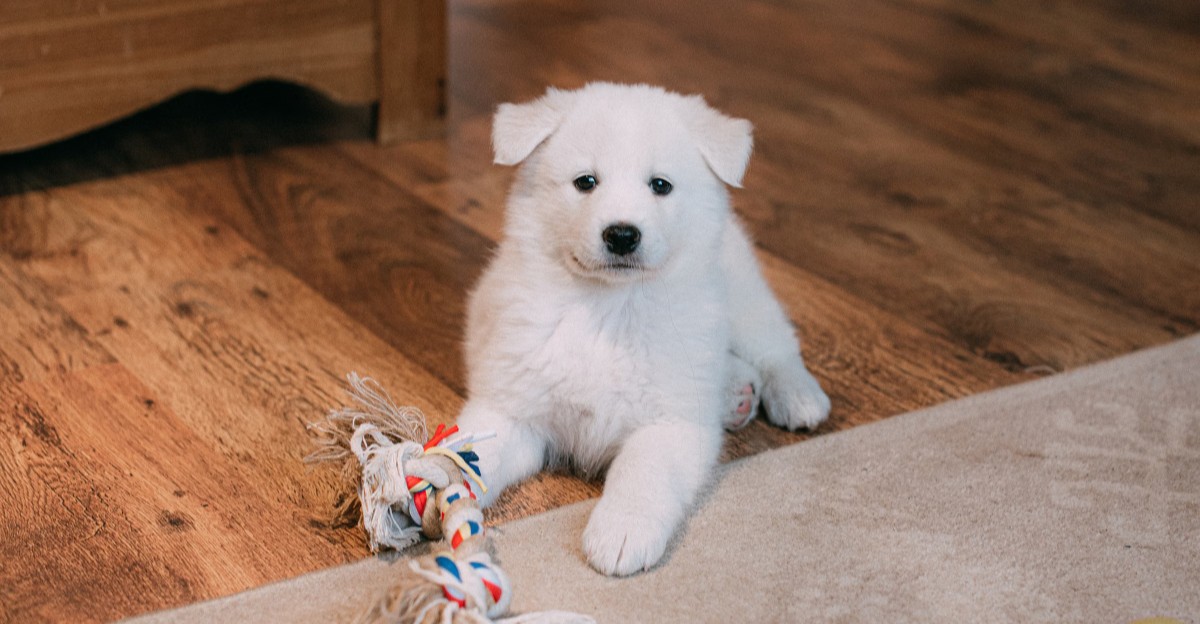
Georgia summers can feel like a warm, wet blanket by lunchtime. Afternoon storms often roll in fast, too.
For a new puppy, that mix of heat, humidity, and thunder can throw off a whole day. The good news is that a few smart routine changes make summer much easier.
Here is what local owners have learned about keeping puppies cool, calm, and happy all season long.
1. Schedule Longer Walks for Early Morning
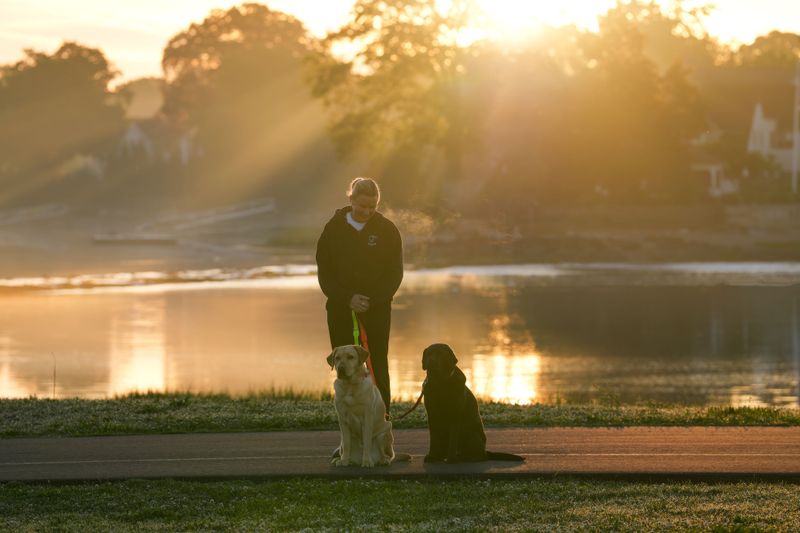
Sunrise in Georgia is a small gift for dog owners. The air is cooler, the humidity is usually lower, and the sidewalks have had all night to cool down.
Save your puppy’s longest walk for this window. Young dogs cool themselves mostly by panting, which works poorly in thick, muggy air.
A relaxed morning stroll lets your pup sniff, explore, and burn energy safely. Keep the pace easy, since growing joints still need gentle care.
2. Keep Midday Potty Breaks Short and Shaded
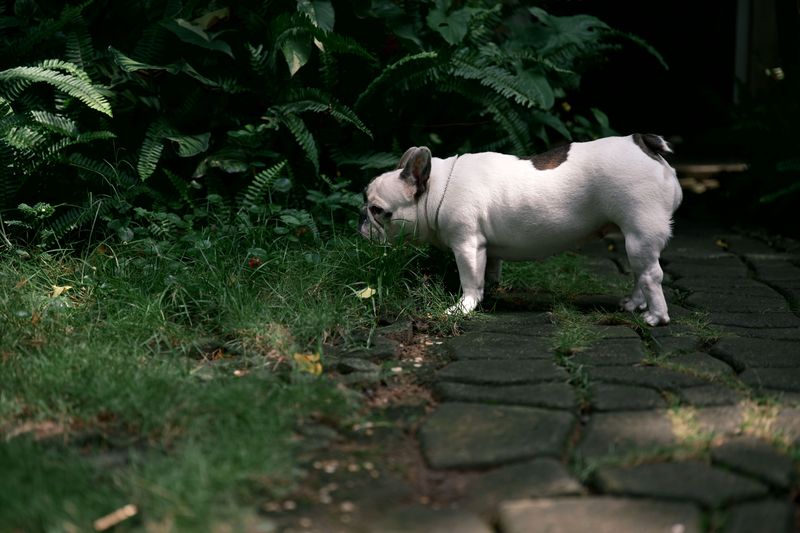
Noon is not the time for a leisurely sniff around the block. By midday, Georgia heat can build quickly, even on cloudy days.
Treat these outings like a quick errand. Head out, let your puppy do their business, offer praise, and head back inside.
About ten minutes or less is a good target.
Choose the shadiest spot you have. A short, cool trip still meets your puppy’s frequent bathroom needs.
3. Move Active Play Indoors During Humid Afternoons
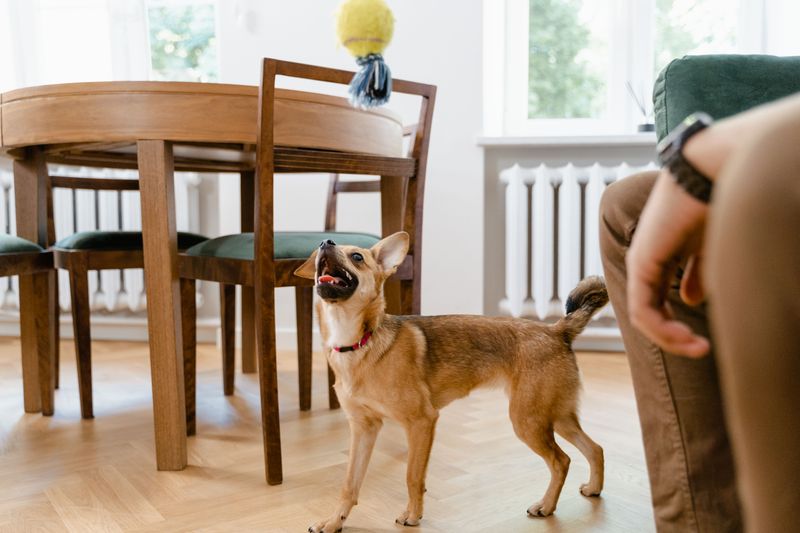
Picture running a race inside a steamy bathroom. That is roughly how a humid Georgia afternoon feels to a panting puppy.
When the air turns heavy, bring the fun inside. A cool, air-conditioned room is the best place for tug, fetch down a hallway, or chasing a soft toy.
Keep sessions short and watch for heavy panting. Indoor play still tires out your pup, without the extra strain of outdoor heat.
4. Offer Fresh Water Before and After Outdoor Time
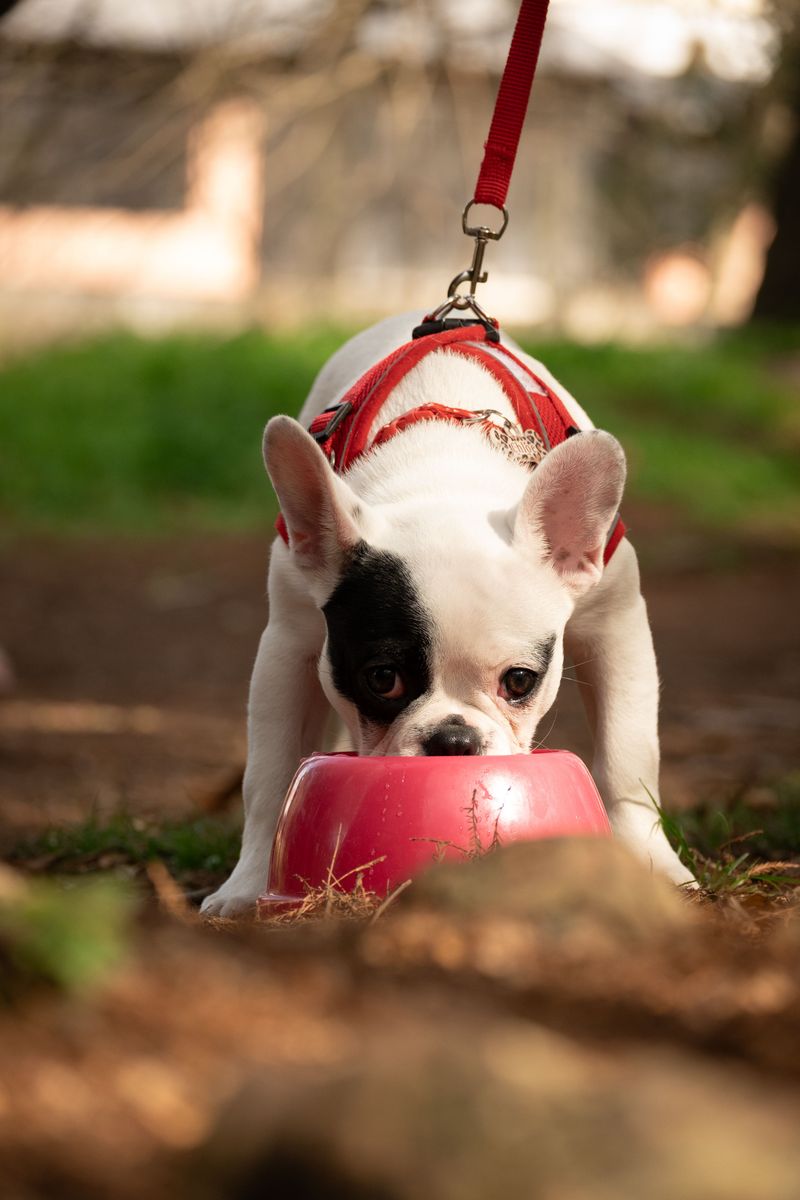
Hydration habits start small. A few sips before heading out and a good drink afterward make a real difference for puppies in summer.
Keep a clean bowl of cool water in an easy spot indoors. Refresh it often, since warm or dusty water is less appealing.
For walks, pack a lightweight bottle and a folding bowl. Offering water during breaks helps your pup stay comfortable.
Ask your vet if you are unsure how much they need.
5. Use Shaded Grass for Afternoon Bathroom Breaks
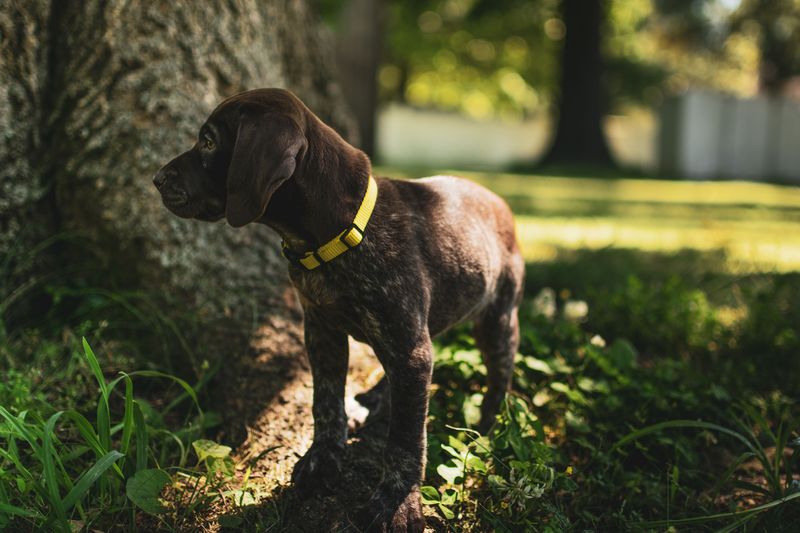
Grass under a tree stays noticeably cooler than a sunny driveway. Concrete and asphalt soak up heat and hold it for hours.
Pick one shady patch of grass or dirt as your puppy’s go-to afternoon potty spot. A mature tree works great.
So does a sturdy umbrella or canopy.
Bonus point: using the same spot every time also speeds up house training. Your puppy quickly learns that this place means business.
6. Check Pavement Temperature Before Walks
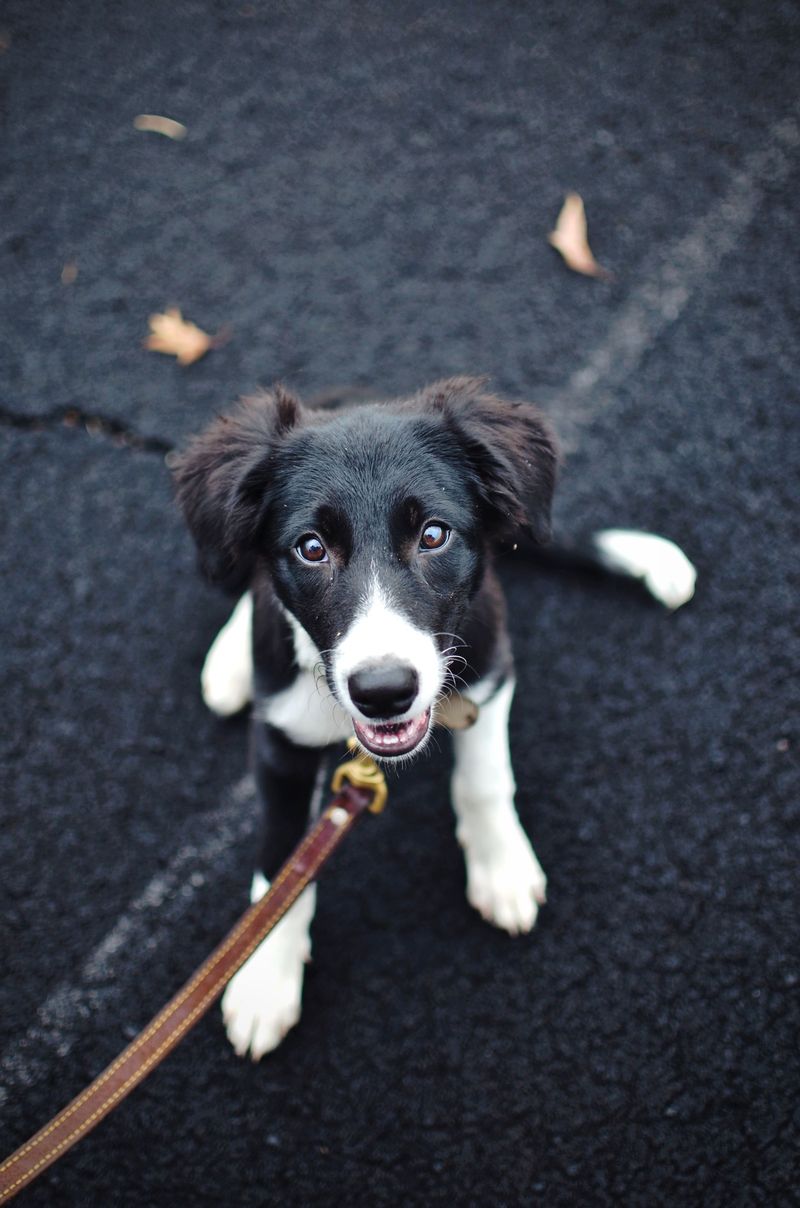
Here is a simple test many vets recommend. Press the back of your hand on the pavement for about seven seconds.
If it feels too hot for you, it is too hot for tender puppy paw pads. On sunny days, pavement can be far hotter than the air temperature suggests.
When the ground fails the test, stick to grass or wait until evening. Your puppy’s feet will thank you.
7. Build Short Training Sessions Into Indoor Time
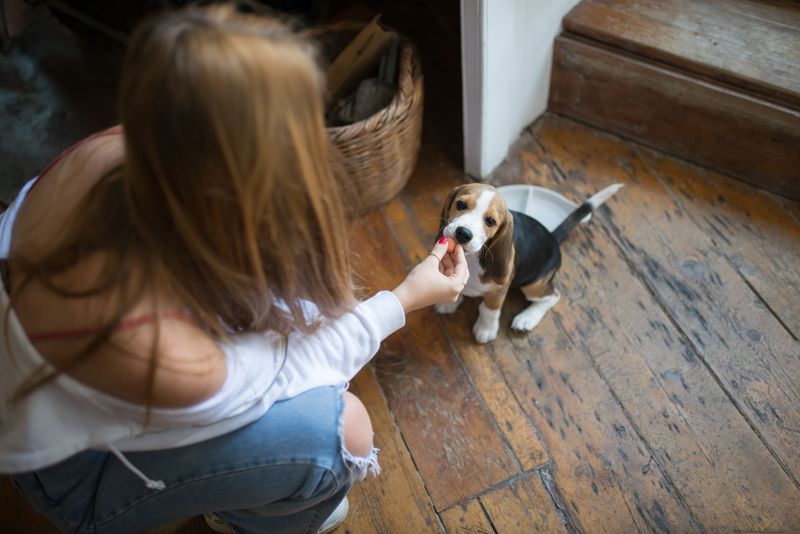
Rainy afternoons are secretly great for learning. A puppy’s brain gets tired just like their legs do.
Try five-minute lessons a few times a day. Practice sit, down, come, or a fun trick like spin.
Use small treats and lots of cheerful praise.
Short sessions keep focus sharp and frustration low. End on a win, and your puppy will look forward to the next round, even while thunder rumbles outside.
8. Practice Calm Indoor Play When Storms Approach
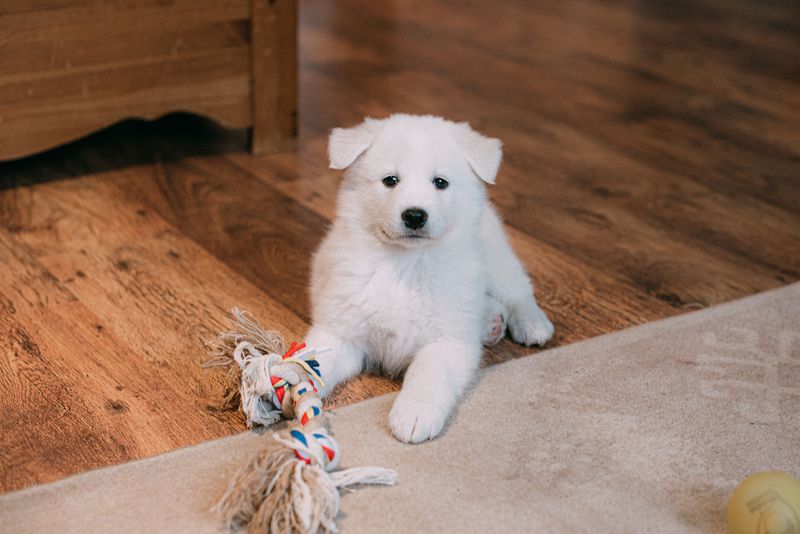
Dark clouds gathering? That is your cue to slow things down inside.
Swap rowdy games for gentle ones before the storm arrives. Quiet chewing, slow tug, or a soft toy cuddle session work well.
Your calm energy matters too, since puppies read our moods closely.
Over time, your pup can start linking stormy weather with relaxing moments. That simple pattern builds confidence and helps keep worried feelings from growing.
9. Create a Consistent Quiet Spot During Thunder
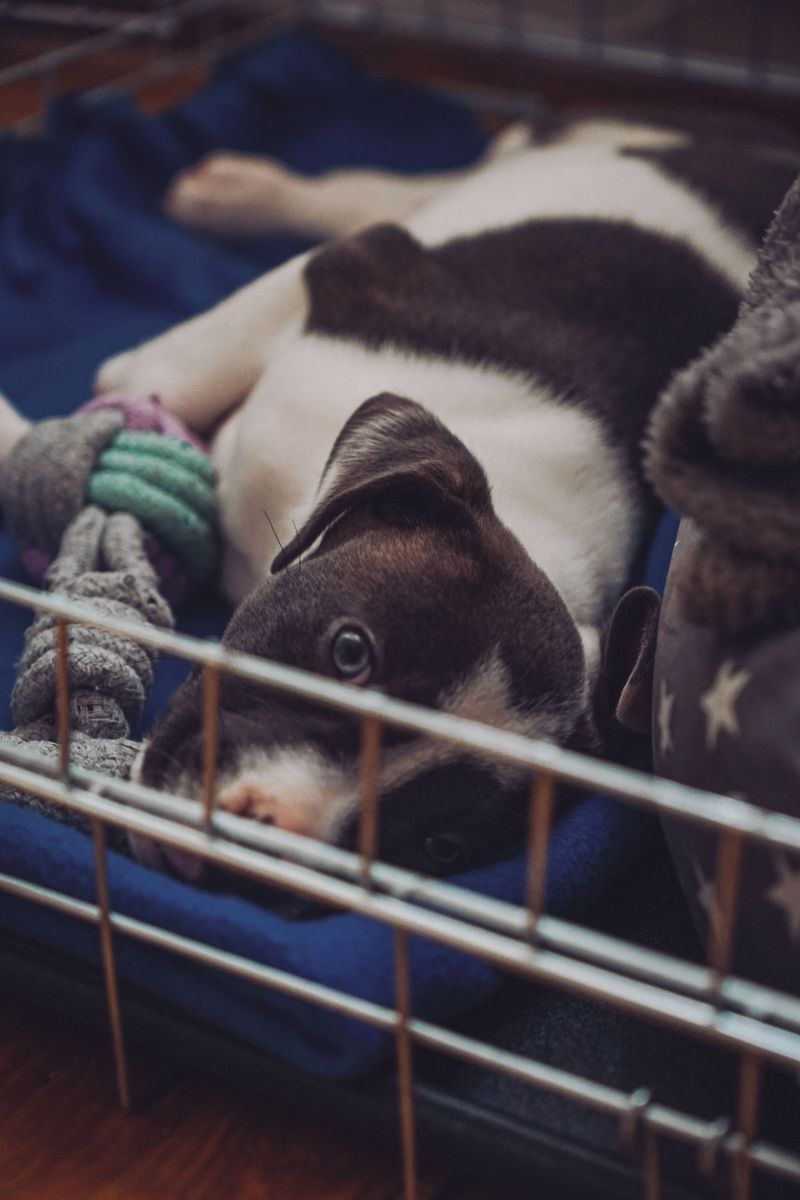
Every puppy deserves a hideaway. When thunder booms, a familiar safe spot can work wonders.
Set up a crate draped with a blanket or a cozy bed in an interior room. Choose a space away from windows, where flashes and noise feel softer.
Keep it the same place every storm. Adding a chew toy or quiet background music can make it even more soothing for a nervous little one.
10. Introduce Storm Sounds Gradually at Low Volume
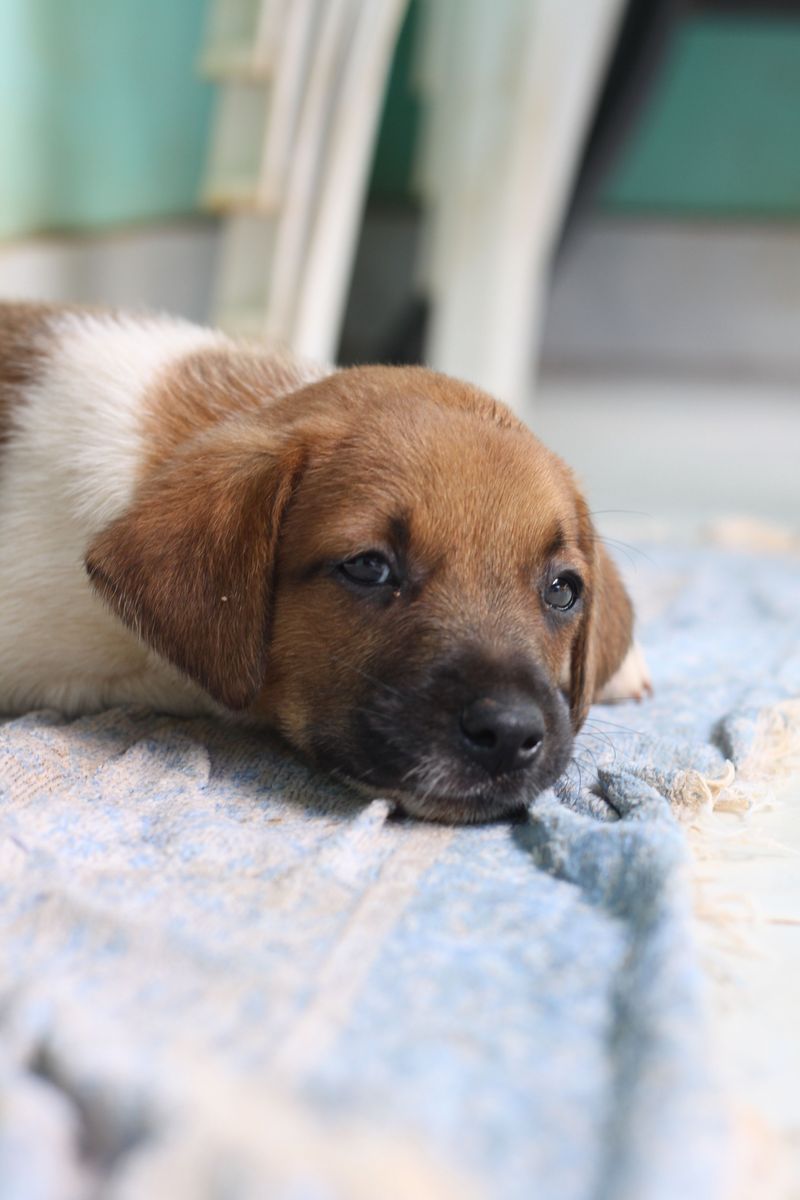
Trainers call it desensitization, but the idea is simple. Tiny doses of a sound help it feel ordinary.
Play a thunder recording very softly while your puppy eats or plays. Over many days, raise the volume just a little at a time.
Watch body language closely. If your pup freezes, hides, or trembles, lower the volume or stop.
Patience is the secret ingredient here, so let progress happen slowly.
11. Pair Thunder With Treats or Calm Activities
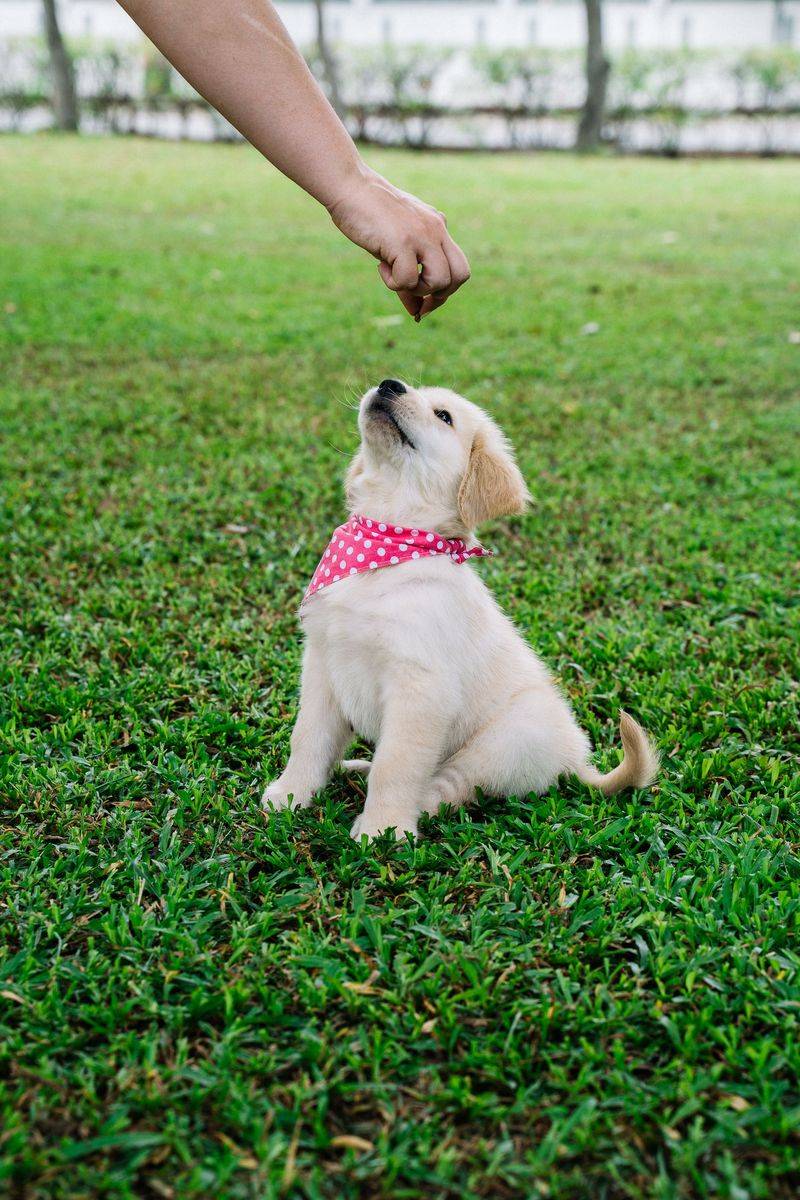
What if a rumble meant snack time? That small shift can change how a puppy feels about storms.
Each time thunder sounds, real or recorded, offer a tasty treat or start a calm game. Reward relaxed moments, like lying down or sniffing a toy.
The goal is a happy prediction: noise means good things. Keep treats tiny to avoid tummy upsets.
A trainer or vet can help if fears seem strong.
12. Keep Outdoor Routines Flexible Around Storm Forecasts
Georgia weather loves surprises. A sunny morning can turn stormy within an hour during summer.
Check the local forecast or radar before heading out. If storms look likely, go out earlier or keep the trip short.
When a severe weather warning is issued, bring all pets inside right away. Flexible plans mean fewer soggy dashes home and a calmer puppy.
A good weather app makes this habit almost effortless.
13. Finish Walks Before Afternoon Thunderstorms Typically Develop
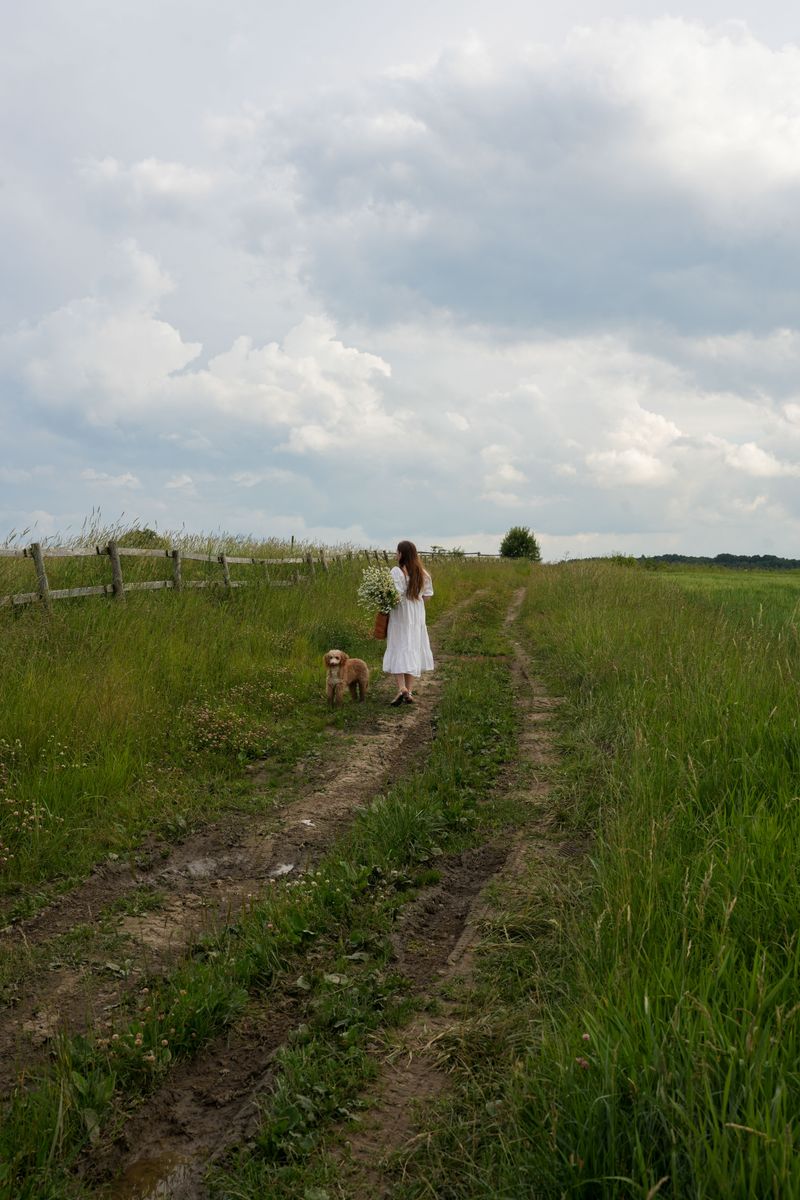
Locals know the pattern well. Summer heat builds through the day, and pop-up thunderstorms often form in the afternoon.
Plan around that rhythm. Wrap up longer walks by late morning, before clouds start stacking up.
Timing varies daily, so keep an eye on the sky.
Hearing thunder? Head indoors, since lightning can strike miles from a storm.
Getting home early keeps your puppy dry and spares them a startling experience.
14. Dry Paws and Coats After Wet Outings
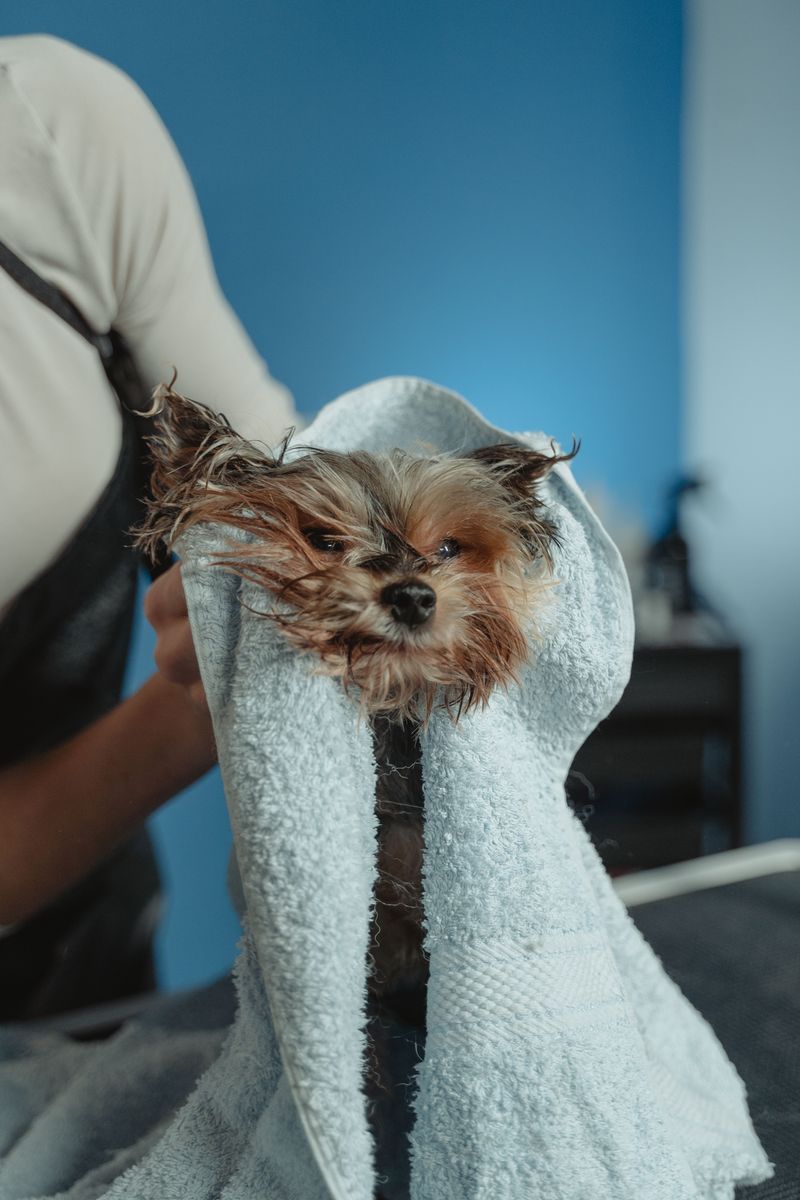
Keep a towel by the door all summer. It might become your most used puppy tool.
After rainy walks or dewy grass, dry your puppy’s paws, belly, and coat. Spend extra time between toes, under ears, and in any skin folds.
Moisture trapped against skin in humid weather can lead to irritation. A quick rubdown takes only a minute.
Ask your vet about any redness, itching, or odd smells.
15. Keep Puppy Bedding Dry After Humid or Rainy Days
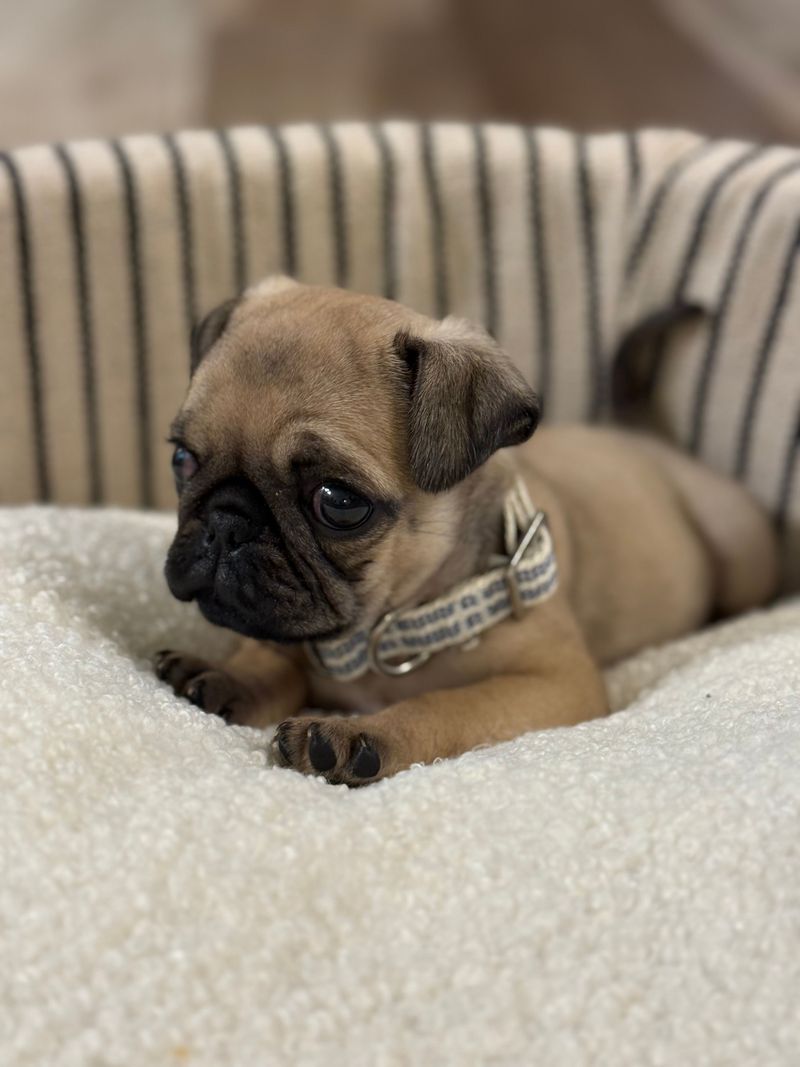
Damp beds sneak up on owners. A wet puppy, muggy air, and a soft cushion can stay clammy for hours.
Touch-test the bedding each evening during stormy stretches. Wash covers often and let them dry fully before use.
Having a spare cover makes swaps easy.
Place the bed in a well-ventilated spot, off cold floors near doors. A dry, fresh bed means better sleep and happier skin.
16. Use Food Puzzles When Weather Limits Outdoor Exercise
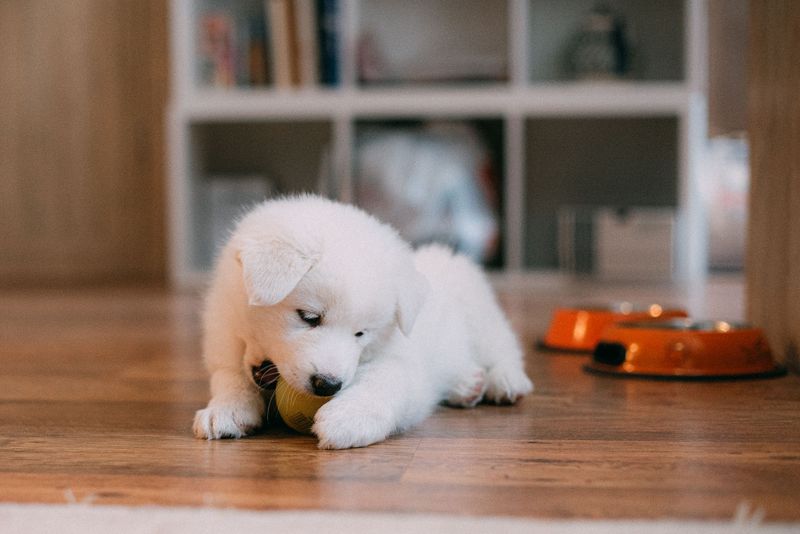
Dogs have always worked for their meals. Food puzzles tap into that natural urge to sniff, dig, and solve.
On stormy or scorching days, serve part of breakfast or dinner in a puzzle toy. Start with easy versions so your puppy succeeds quickly.
Fun fact: many trainers say mental work can tire puppies as much as a walk. A busy brain also means fewer chewed shoes.
17. Practice Leash Skills Indoors or on Covered Areas
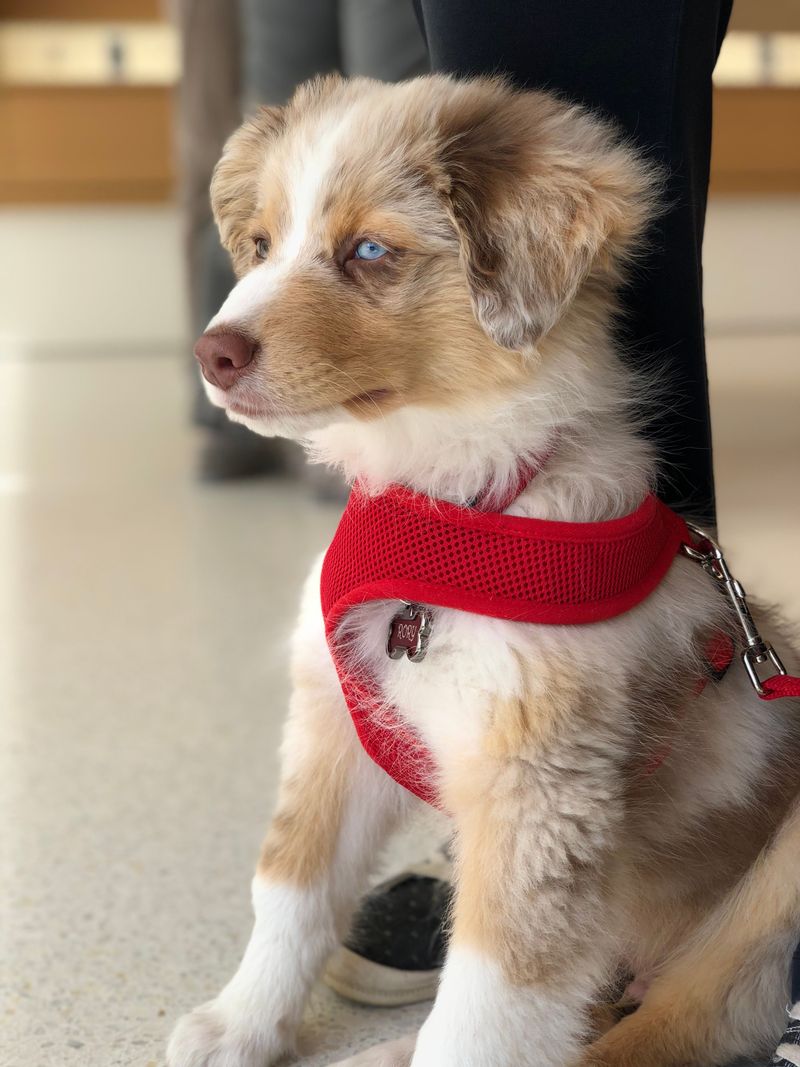
Hallways make surprisingly good training trails. Fewer distractions help puppies grasp leash basics faster.
Clip on the leash and take short practice walks through your home. Reward your pup every time they stay close with a loose leash.
A covered porch, carport, or garage works well too. These sheltered spots keep lessons going during light rain or hot afternoons.
Skills built inside carry over nicely outdoors.
18. Maintain Regular Nap Times Despite Weather-Related Schedule Changes
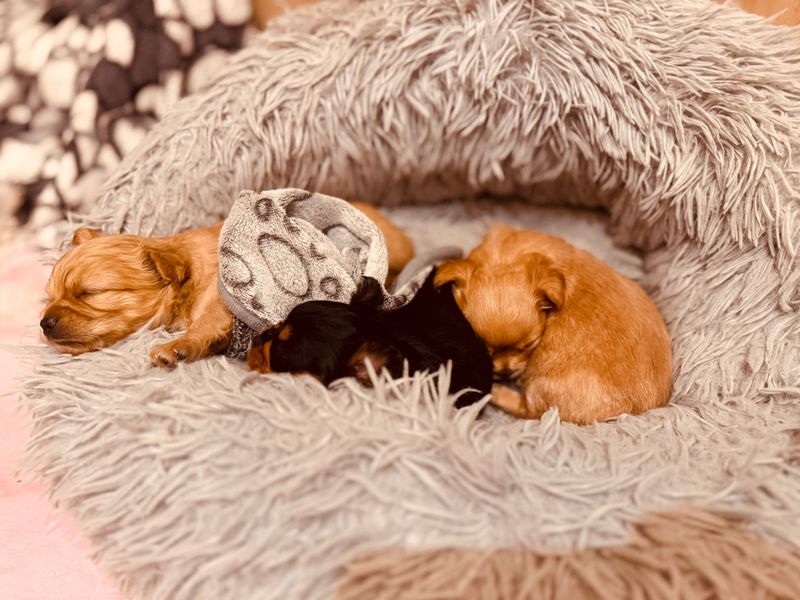
Puppies need a lot of sleep, often far more than adult dogs. Rest supports healthy growth and steadier behavior.
Walk times may shift with the weather, but nap times can stay steady. Offer quiet rest at the same points each day.
An overtired puppy often gets nippy and wild. Dim the lights, offer a chew, and give them peace.
Steady rest makes everything else easier.