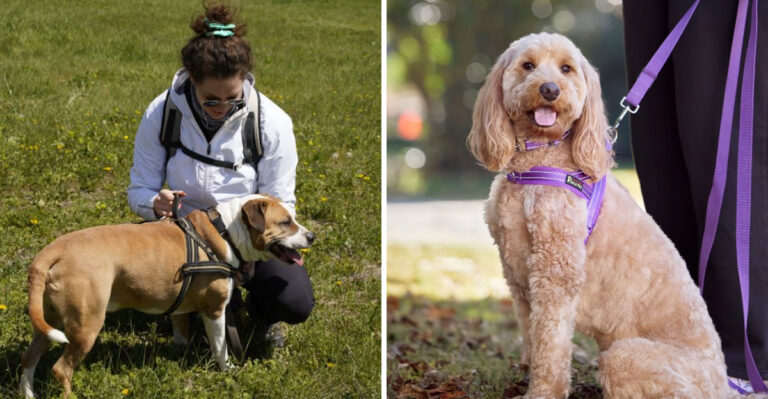
15 North Carolina First-Year Dog Costs That Shift Between Charlotte Apartments And Rural Acreage

Bringing home a dog changes your budget, whether you live in a Charlotte apartment or on rural North Carolina acreage. Apartment fees can add up quickly, while country living brings fencing, muddy paws, and longer trips to the vet.
Your best plan starts with your home, your schedule, and your dog’s needs. Here are the everyday costs to compare before you buy supplies or promise yourself that extra space means lower bills.
1. Charlotte Apartment Pet Fees and Deposits

Your lease can shape the dog budget before the first chew toy arrives. Charlotte apartments may charge pet rent, a refundable deposit, or a separate nonrefundable fee.
Ask which charges apply, and get the answers in writing before signing.
Check weight limits, breed policies, and any required vaccination records before choosing your dog. Separate monthly charges from upfront payments when comparing apartments with rural housing options.
Keep moveout cleaning money aside, since a deposit may not cover every repair bill.
2. Rural Acreage Fencing and Gates
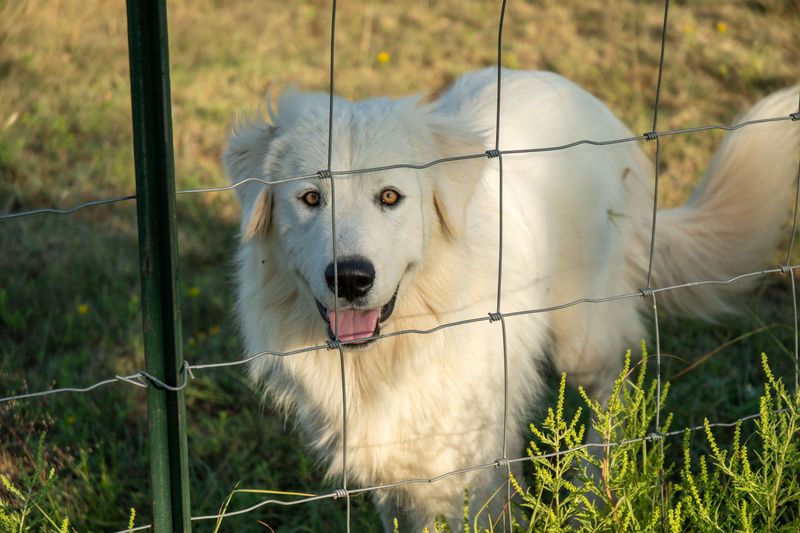
A wide yard feels generous, but safe boundaries can become your largest setup expense. Price a smaller dog enclosure before assuming the entire property needs fencing.
Installation quotes should include gates, ground preparation, materials, labor, and possible maintenance costs.
Choose fence height and spacing around your dog’s size, climbing habits, and digging behavior. Existing livestock fencing may leave gaps that allow a puppy to slip through.
Confirm local rules and property boundaries before spending money on permanent fencing or gates.
3. Daily Exercise and Dog-Walking Costs

Long workdays turn bathroom breaks into a real monthly expense for many apartment owners. Compare local dog walkers by visit length, travel fees, and puppy experience.
Multiply the weekly total across the months when you expect to need help.
Country dogs still need guided exercise, even when they have plenty of outdoor space. A yard does not replace walks, play, or time learning beside you.
Rural walkers may charge extra for travel, so ask about service boundaries before making plans.
4. Apartment Puppy-Proofing and Noise Management

Small rooms make loose cords, shoes, and kitchen trash surprisingly easy for puppies to reach. Budget for gates, covered bins, cord protection, and a comfortable resting area.
Washable furnishings can reduce replacement costs while your dog learns household routines.
Shared walls also make barking management part of your first year spending plan. Food puzzles, gradual alone time practice, and reward based training can help.
Avoid promising instant silence, and seek professional guidance when barking suggests distress rather than ordinary excitement.
5. Rural Puppy-Proofing and Outdoor Safety
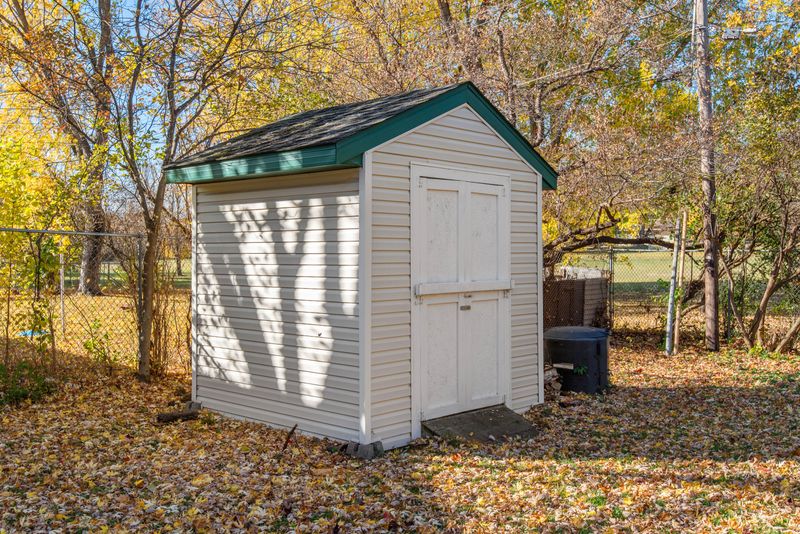
Before opening the back door, look at your property from a curious puppy’s height. Secure tools, fertilizer, chemicals, sharp scrap, and loose equipment behind closed storage doors.
Repairs to sheds or old gates belong in the startup budget too.
Provide shade, fresh water, and supervision during outdoor time, especially in warm weather. Block access to pools, ponds, and other areas your puppy cannot navigate safely.
Start with one manageable space instead of trying to prepare every acre at once today.
6. Potty Training and Cleaning Supplies
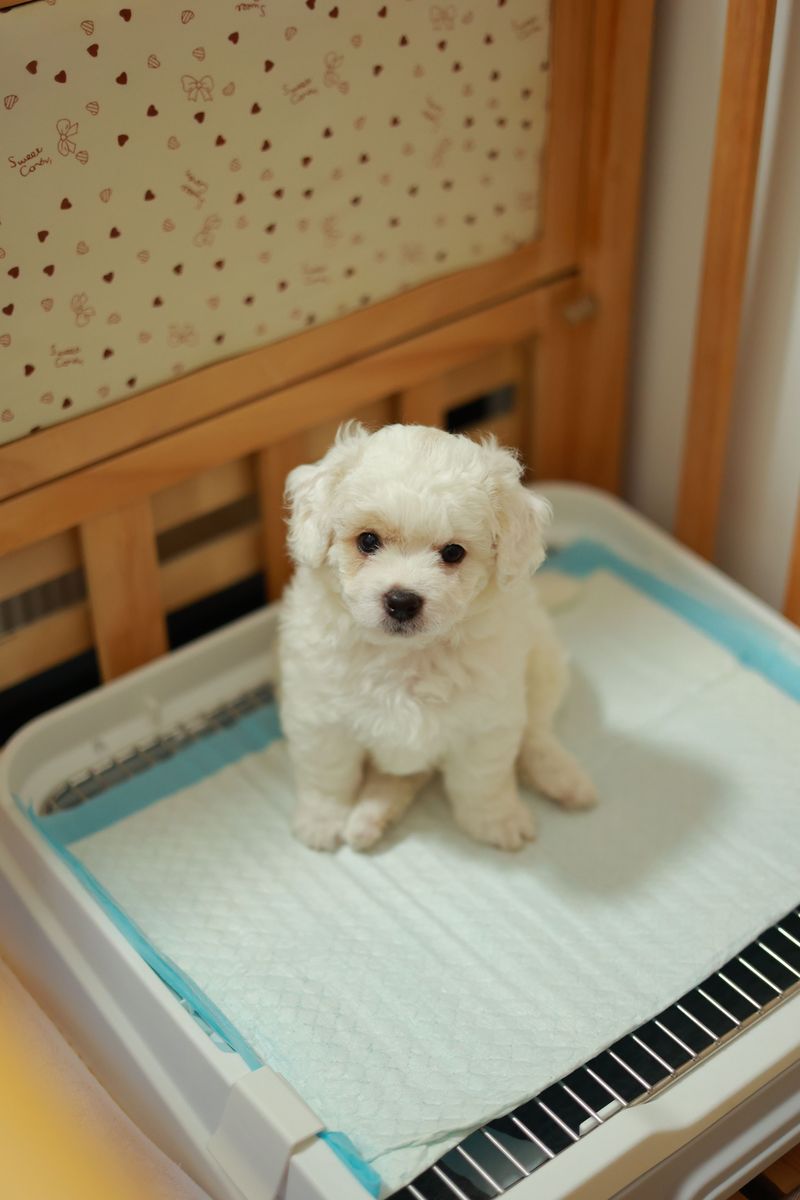
Bathroom training brings small purchases that become noticeable when you buy them every week. Keep enzymatic cleaner, waste bags, washable bedding, and spare towels within easy reach.
Follow product directions, and keep your dog away until cleaned surfaces are ready.
Apartment elevators can make quick trips harder, so plan breaks around your puppy’s needs. Rural doors offer faster access, but puppies still need close supervision and rewards.
Buy supplies gradually rather than stocking piles of products your household may never use.
7. Flea, Tick, and Parasite Prevention

City sidewalks and country grass both give parasites chances to reach your dog. Ask your veterinarian for prevention suited to your dog’s age, weight, health, and activities.
Include recommended stool testing and any needed treatment in your first year estimate.
Compare what each product covers before treating two packages as equal budget choices. Some plans combine protections, while others require separate medicines for different parasites.
Never double up products without veterinary advice, and reassess prices as your growing puppy gains weight.
8. Heartworm Prevention in North Carolina

Mosquitoes do not care whether your mailing address leads to apartments or open fields. The American Heartworm Society recommends year-round heartworm prevention for dogs, including those that spend most of their time indoors.
Your veterinarian should set the testing schedule and choose an appropriate preventive.
Budget for the medicine and testing rather than counting only the package price. Puppies need a plan that changes with their age and previous prevention history.
If you miss a dose, call your veterinarian instead of guessing how to restart treatment.
9. Tick Exposure on Rural Acreage
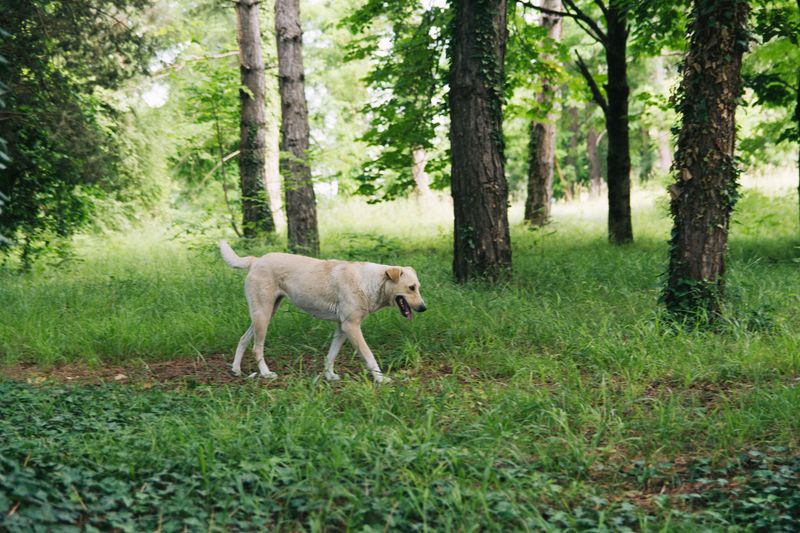
Wooded edges and brushy paths deserve a separate place in your rural care routine. Check your dog’s coat after outings, even when you use prescribed tick prevention.
Ask your veterinarian to demonstrate safe removal and explain when a visit is needed.
Keep frequently used areas mowed and remove brush where practical around dog spaces. Yard upkeep, removal tools, and occasional veterinary checks can add to ownership costs.
Apartment dogs visiting wooded parks need the same thoughtful checks after their outdoor adventures.
10. Puppy Training and Socialization

A puppy class buys more than a chance to practice sitting beside other dogs. Good instruction helps owners teach manners, handle distractions, and build comfortable daily routines.
Compare class size, trainer methods, travel distance, and required health records before enrolling.
Choose reward based training and avoid methods that rely on fear or pain. Ask your veterinarian about safe socialization before your puppy finishes the vaccination series.
Rural puppies also need planned introductions to people, sounds, surfaces, and unfamiliar places over time.
11. Recall Training for Rural Dogs
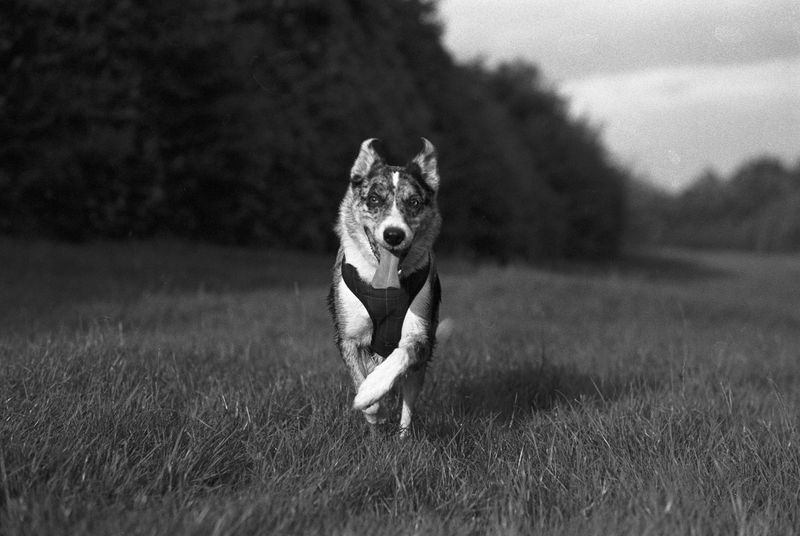
Coming when called takes practice, not simply a bigger yard and good intentions. Set aside money for treats, a suitable harness, and a sturdy training line.
Start in a secure area, then add distance and distractions at your dog’s pace.
Private lessons may help when wildlife, livestock, or passing vehicles compete for attention. Reliable recall does not replace secure fencing or supervision around outdoor hazards.
Check local leash and restraint rules, since requirements can vary by North Carolina city or county.
12. Veterinary Travel and Transportation Costs
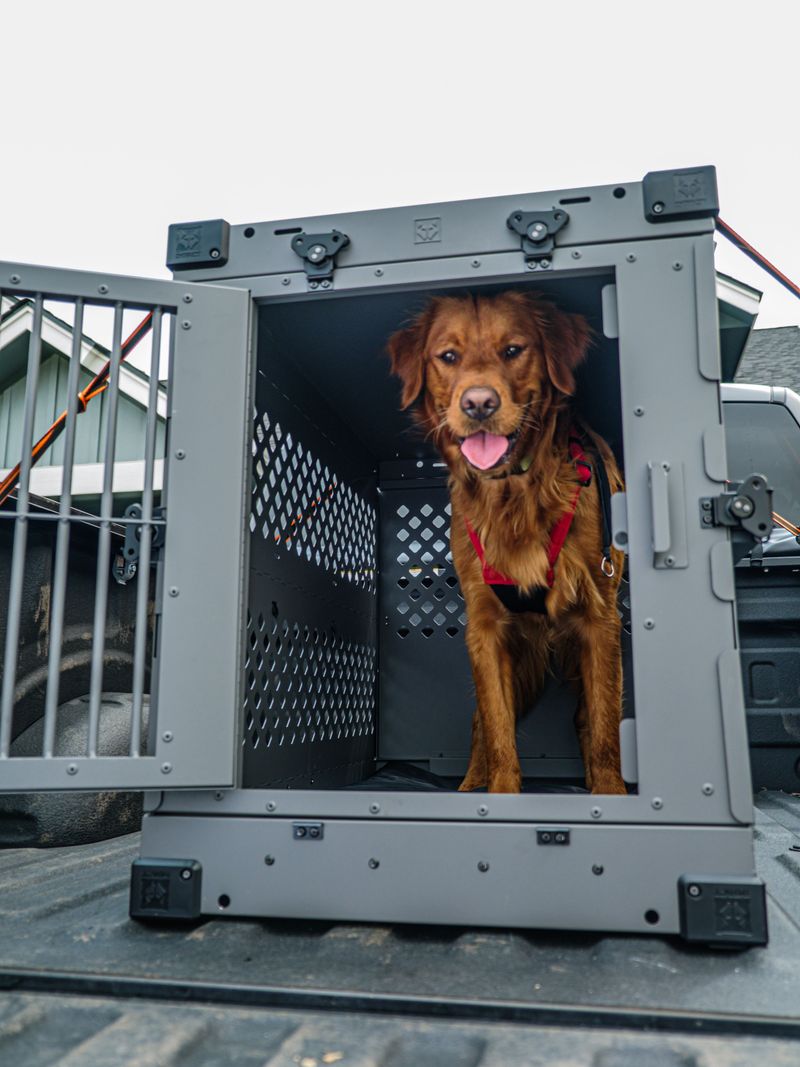
The clinic bill is only part of what a veterinary appointment really costs. Rural owners may spend more on fuel and time reaching routine or urgent care.
Charlotte owners should consider traffic, parking, and transportation policies if they lack a car.
Purchase a suitable travel crate or vehicle restraint before your first planned visit. Call nearby clinics about hours, new patient access, and where they send urgent cases.
Keep transportation money available alongside funds for exams, vaccinations, and other recommended care.
13. Grooming, Mud, and Outdoor Cleaning
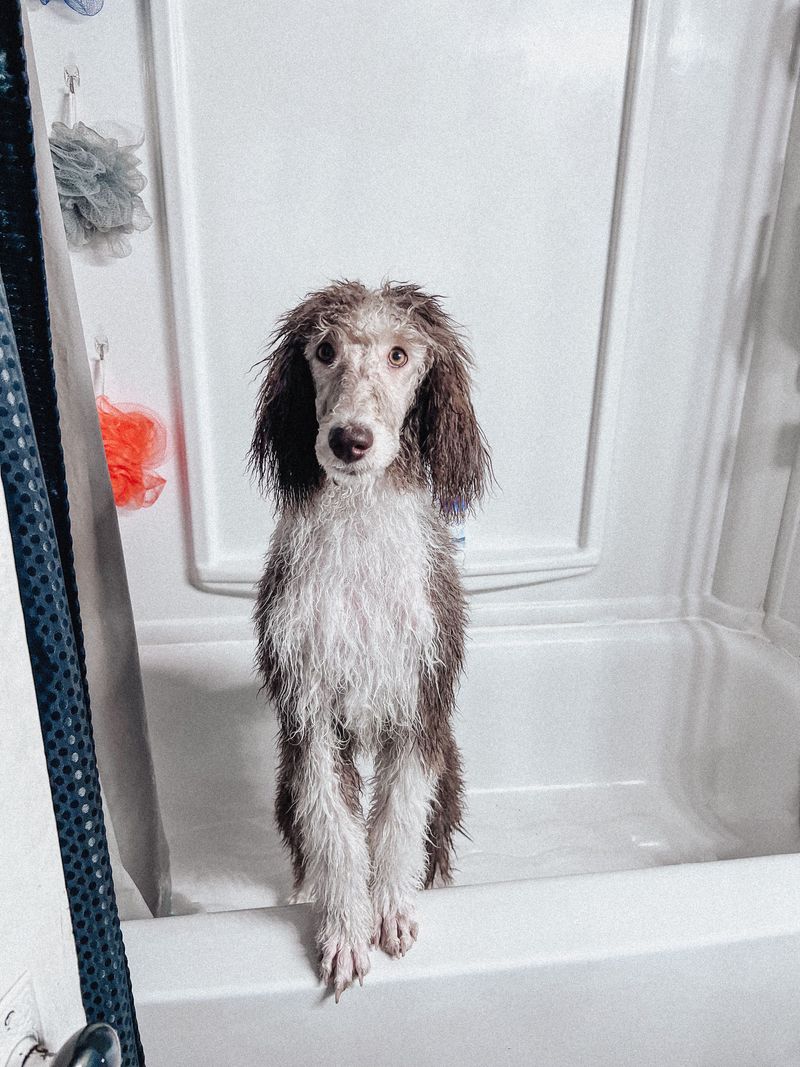
Muddy paws can turn a country doorway into a daily cleanup station quite quickly. Stock washable mats, dog towels, brushes, and shampoo recommended for your dog’s skin.
Apartment owners may instead pay for shared wash stations or professional grooming appointments.
Coat type usually drives grooming needs more than the size of your home. Ask about brushing, nail care, appointment frequency, and extra charges for tangled coats.
Clean dirt promptly, but discuss bathing frequency with your groomer or veterinarian to avoid irritation.
14. Wildlife Hazards and Care While Away
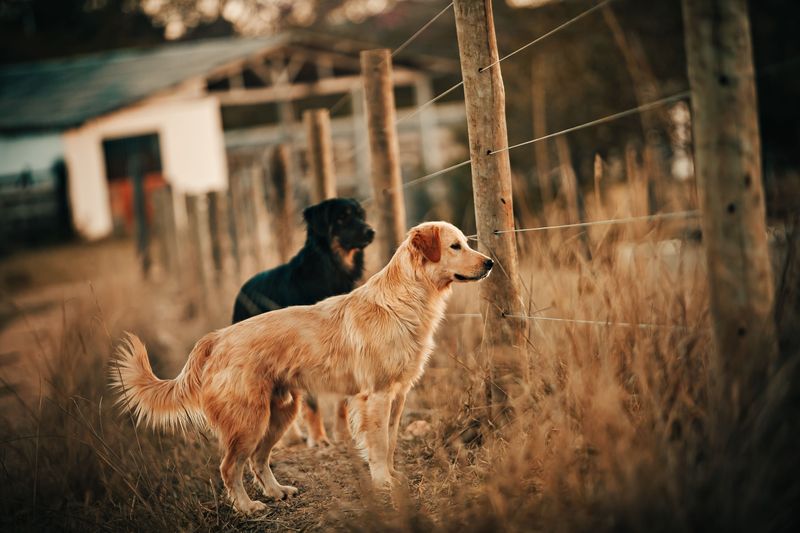
Travel plans need a caregiver who understands your dog’s home, not just feeding times. Rural sitters should know about gates, livestock, wildlife activity, and restricted outdoor areas.
Apartment sitters need building access details, walking routes, and any shared space rules.
Compare daycare, boarding, and home visits by total cost, including transport and holiday charges. Ask providers about supervision, vaccination policies, emergency plans, and experience with your dog’s needs.
Never expect outdoor acreage to replace human care while you are away overnight.
15. How Lifestyle Changes the First-Year Budget

The best budget matches the life you actually lead, rather than an ideal week. List setup purchases separately from monthly food, prevention, pet rent, and paid care.
Add veterinary needs, travel, and a cushion for repairs or unexpected appointments too.
Get local quotes before deciding that an apartment or acreage will automatically cost less. Review spending monthly as your puppy grows and your household routines become clearer.
A prepared home, steady care, and flexible savings make the first year feel manageable.