19 California Dog Expenses That Hit Hardest In High-Cost Rental Markets

Loving a dog in California is easy, but paying for one in a pricey rental market takes planning. From pet rent to vet visits, small costs can stack up quickly each month.
Think of this guide as a friendly chat with someone who has budgeted for it before. Knowing what to expect helps you stay calm, avoid surprises, and give your dog a happy, steady home.
1. The Pet-Friendly Premium on Rent
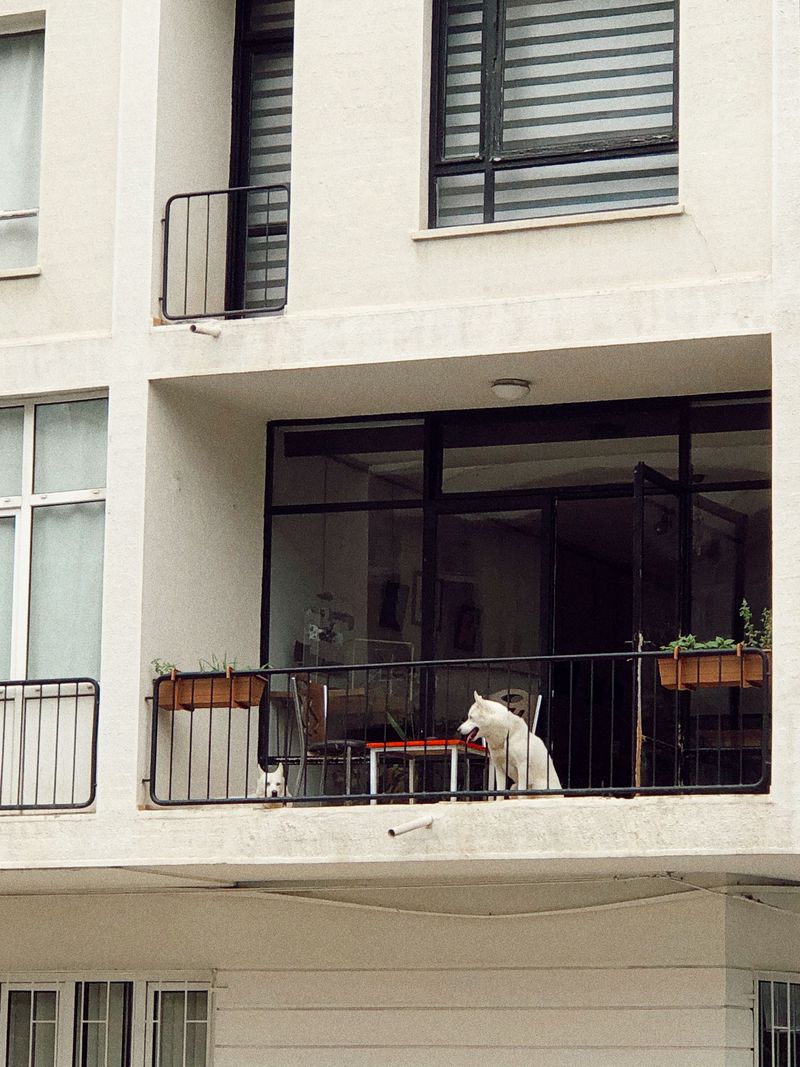
Picture two identical apartments in San Diego. One allows dogs, and one does not.
The pet-friendly unit often lists for more each month.
Fewer units welcome dogs in crowded cities, so landlords can ask a little extra. That gap may seem small at first.
Over a full lease, though, it adds up fast.
Compare several listings side by side before signing. Ask property managers whether the base rent already includes any pet costs.
2. Deposits Under California’s New Limits

California changed the rules in 2024. Assembly Bill 12 caps most security deposits at one month’s rent, and that cap includes any pet deposit.
Because of this, separate pet deposits are fading. Upfront pet charges are generally treated as security and must be refundable.
Some small landlords owning two or fewer properties may follow a different limit. Confirm details with a local tenant rights group before paying anything large.
3. Workday Dog Walkers
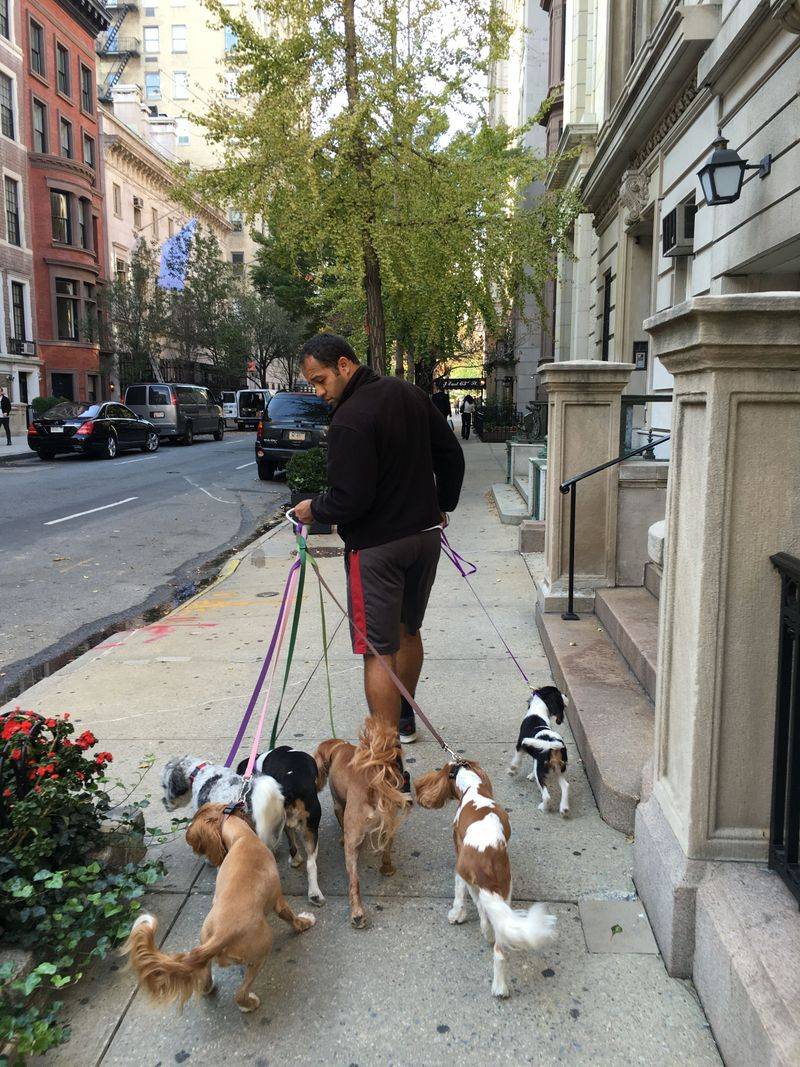
Long commutes and office days leave many dogs waiting at home. A midday walker fills that gap, but the bill can surprise new owners.
In San Francisco, a private 30-minute walk often costs $35 to $60. App-based walkers may charge less, yet five weekly walks still reach hundreds per month.
Ask about package deals for recurring visits. Trading walks with a trusted neighbor on remote days can also ease the budget.
4. Monthly Pet Rent That Never Ends

Many California landlords add a separate monthly fee called pet rent. It is not refundable and does not count toward your deposit.
Common amounts run about $25 to $75 per pet each month. Some upscale communities charge closer to $100.
Size, breed, and local demand all play a role.
Good news for some readers: assistance animals, including service and support animals, generally cannot be charged pet rent. Read your lease line by line.
5. Boarding When You Travel

Holiday trips and work travel bring one big question: where will your dog stay? Overnight boarding is a popular answer.
Nightly rates vary widely across the state. In costly areas like Los Angeles and the Bay Area, prices tend to sit at the higher end.
Peak holidays often book up early.
Reserve weeks ahead and tour the facility first. Ask about vaccine requirements, since most boarders need current records.
6. In-Home Sitters and Backup Care

Some dogs feel calmer in their own space. An in-home sitter keeps routines steady, though comfort comes at a price.
Rates depend on your city, visit length, and overnight stays. Last-minute bookings usually cost more.
Keep a short list of backup helpers for sudden situations, like a hospital stay or travel delay. Leave written notes, your vet’s number, and feeding instructions where any caregiver can easily find them.
7. Routine Checkups and Vaccines
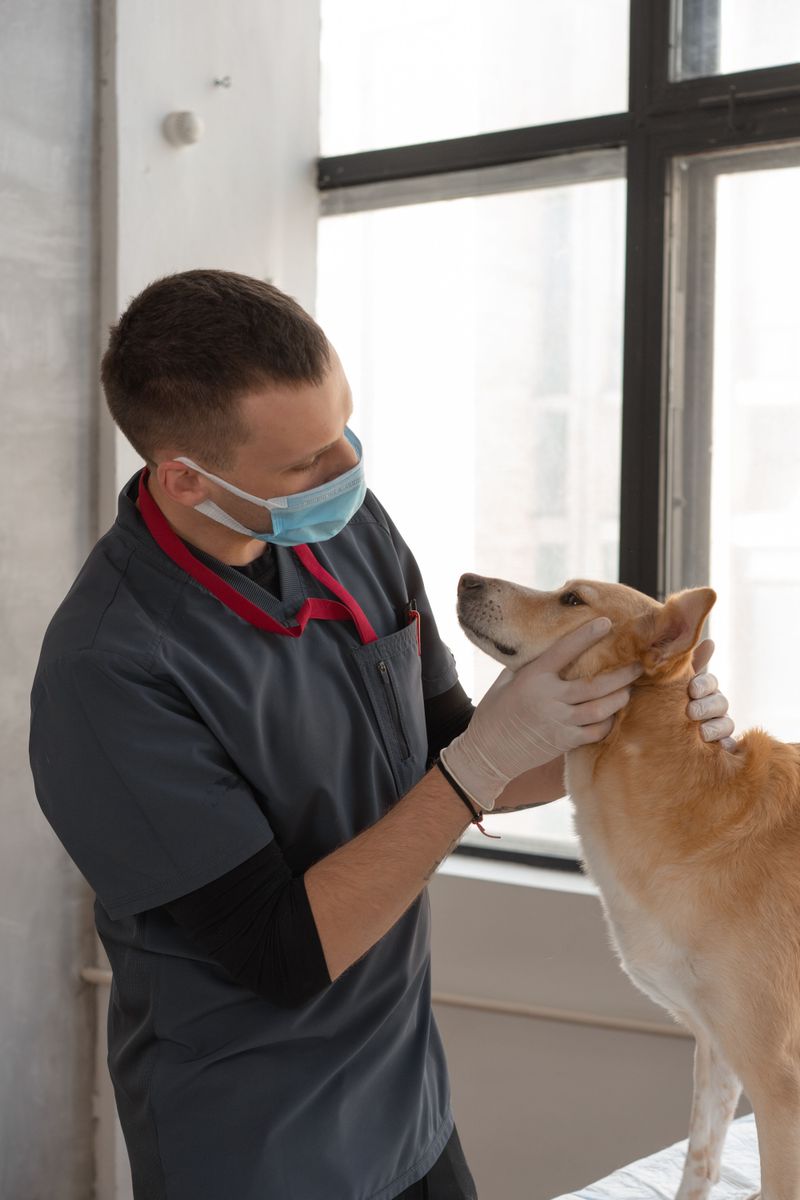
Wellness visits are the quiet heroes of dog care. Catching small issues early often saves money later.
A routine exam in California often runs about $65 to $180. Add vaccines, bloodwork, or parasite tests, and a visit can reach $150 to $300 or more.
California requires rabies vaccination for dogs, typically starting around three or four months of age. Ask your vet which other vaccines suit your dog’s lifestyle.
8. After-Hours Emergency Visits
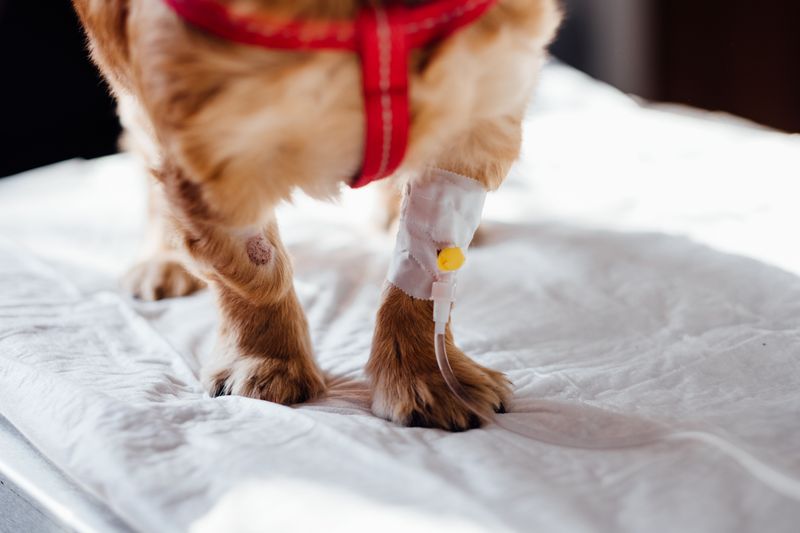
Late-night tummy troubles or a sudden limp rarely happen during office hours. Emergency hospitals stay open, but they charge more.
Specialized staff and equipment raise prices. An emergency exam can cost about twice a routine visit, and some hospitals ask for a deposit of several hundred dollars or more upfront.
Save the nearest 24-hour clinic in your phone today. A dedicated emergency fund brings real peace of mind.
9. Surgeries and Specialist Care
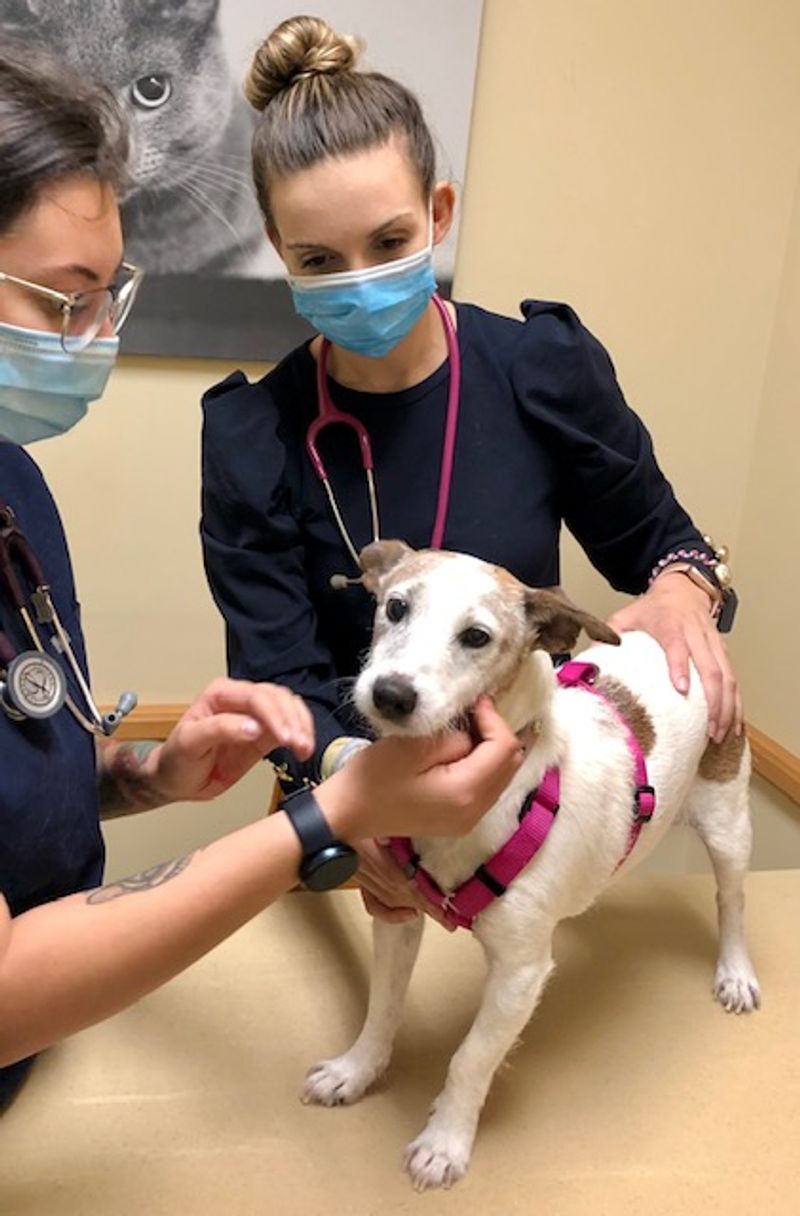
California’s big cities host excellent veterinary specialists. Cardiologists, surgeons, and neurologists are often close by, which is reassuring.
That expertise carries a bigger price. Specialist consultations commonly run $150 to $400 or more.
A knee surgery called TPLO can start around $3,500 for small dogs.
Request a written estimate before any procedure. Many hospitals accept payment plans or medical credit, so ask about options early.
10. Pet Insurance Premiums

Think of insurance as a safety net for surprise vet bills. You pay a steady monthly amount instead of a huge sudden one.
California dog plans often average roughly $49 to $74 per month, above the national average. Age, breed, deductible, and zip code shape your price.
Optional wellness add-ons may cost $15 to $52 monthly. Enroll while your dog is young, since pre-existing conditions are usually excluded.
11. Ongoing Medications and Treatments
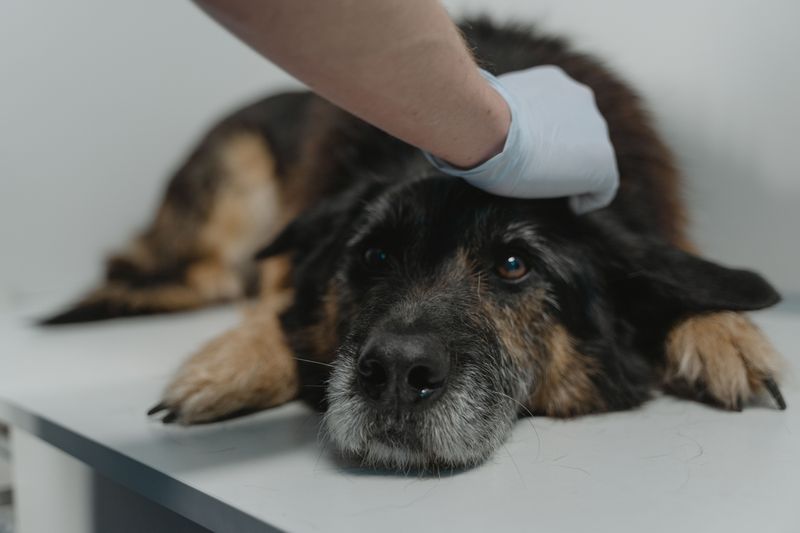
Senior dogs and pups with chronic conditions may need daily care for years. Diabetes, allergies, and heart issues are common examples.
Yearly costs for long-term conditions can range from about $800 to $4,000. Insulin, lab tests, and follow-up imaging all add up.
Ask your vet about generic options or online pharmacies that accept prescriptions. Never change a dose without guidance, even if a cheaper product looks similar.
12. Flea, Tick, and Heartworm Protection

California’s mild weather is lovely for hikes. Unfortunately, fleas and ticks enjoy it too, and mosquitoes can spread heartworm.
Monthly prevention often costs around $30 or more, depending on product and dog size. Many vets also suggest a yearly heartworm test.
Buying a six-month or yearly supply can lower the price. Always use products made for dogs and your dog’s weight, following your vet’s advice.
13. Premium Food and Special Diets

Good nutrition fuels everything from shiny coats to steady energy. Many California owners choose premium or fresh-cooked brands.
Prescription diets for allergies, kidneys, or digestion often cost even more. Your monthly total depends on brand, ingredients, and your dog’s size.
Fun fact: many store brands meet the same nutrition standards as fancy labels. Look for an AAFCO statement and ask your vet which food truly fits.
14. Grooming, Baths, and Nail Trims

Fluffy coats look adorable, but they need regular upkeep. Doodles and double-coated breeds often visit groomers every few weeks.
In Los Angeles, a full groom for a small dog may start near $80 to $120. Larger, thicker coats can top $150.
Mobile groomers often charge 20 to 30 percent more.
Brushing at home between visits keeps mats away. Learning basic nail trims can also stretch time between appointments.
15. Training Classes and Behavior Help
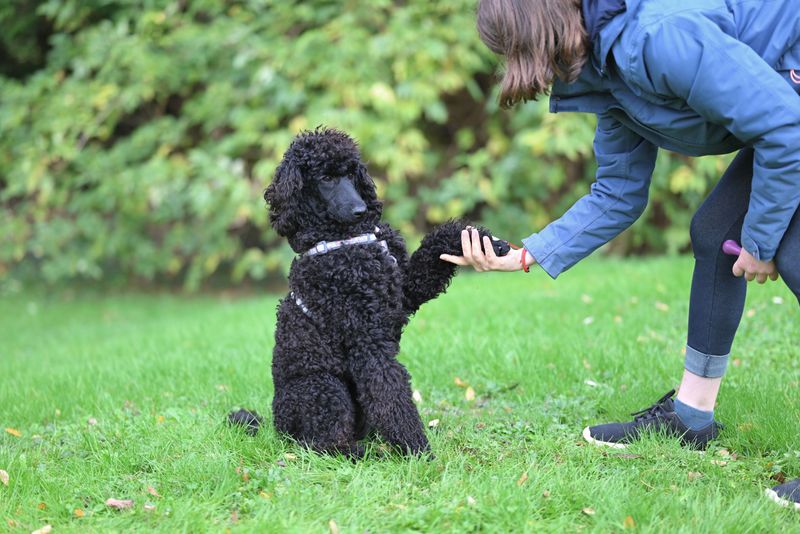
Thin apartment walls make good manners extra valuable. Barking, leash pulling, or door rushing can strain neighbor relationships quickly.
Group obedience classes are usually the budget-friendly choice. Private sessions cost more but target specific issues like reactivity or anxiety.
Prices vary by trainer experience and city. Ask about certifications and reward-based methods.
A few well-chosen lessons can prevent complaints and protect your lease.
16. Local Dog Licensing Fees

A small metal tag on your dog’s collar tells a big story. It shows your pup is registered and rabies vaccinated.
California requires dog licensing, handled by your city or county. Fees differ from place to place.
Spayed or neutered dogs usually pay less, and some areas offer senior owner discounts.
Check your local animal services website for current rates. Late renewals may bring extra fees.
17. Carpet Cleaning and Odor Removal

Puppy accidents and muddy paws are part of dog life. Carpets, however, tend to remember them.
Professional cleaning for deep stains or lingering odors can be costly in pricey metro areas. If damage goes beyond normal wear and tear, landlords may deduct costs from your deposit.
Clean messes quickly with an enzyme cleaner made for pet stains. Washable rugs over carpet are a smart, simple shield.
18. Repairs Beyond Normal Wear

A bored puppy and a wooden baseboard can become fast friends. Scratched floors and chewed trim are common rental headaches.
California law separates normal wear and tear, which landlords cover, from actual damage, which tenants may owe. Repairs in expensive markets can climb quickly.
Take dated photos during move-in and move-out. Chew toys, crates, and nail trims help keep your space looking great.
19. Rideshares, Transport, and Moving Day

Getting around with a dog takes extra planning in car-heavy California. Pet-friendly rideshare options often add a small fee.
Moving brings bigger costs. You may need a larger vehicle, a pet transport service, or temporary boarding during the busy days.
Budget for application fees at new pet-friendly rentals too. Keep your dog in a familiar crate during the move, which helps everyone stay calm.