15 Ohio Dog Records Apartment Hunters Should Keep Ready For Landlords And Property Managers

Apartment hunting with your dog feels easier when your paperwork is ready before the first showing. Ohio owners should know which records support local rules and which simply help explain their dog’s needs.
A tidy folder can save time, answer questions, and keep private information protected. Here is what to gather, what to check locally, and what to share only when needed.
1. Ohio Rabies Vaccination Certificate
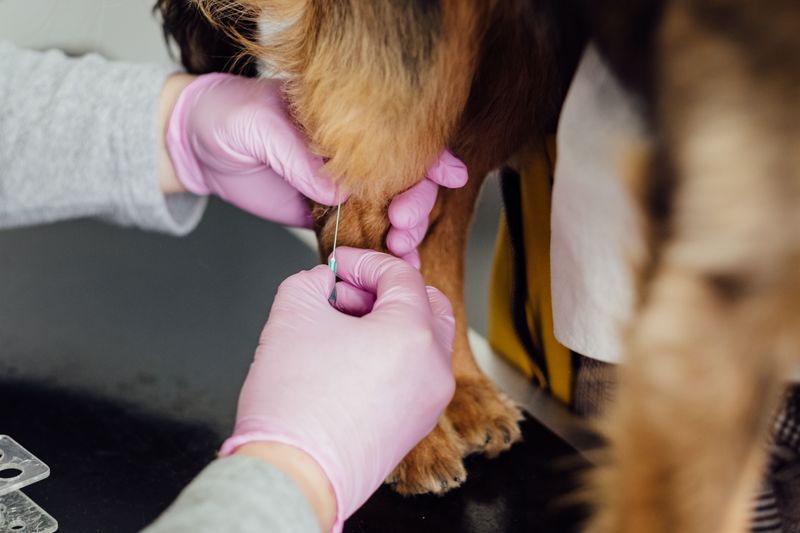
A vaccine receipt may not provide everything a property manager needs. Ask your veterinarian for the rabies vaccination certificate, showing the dog’s identifying information and vaccination details.
Rabies requirements can vary across Ohio communities, so confirm local rules with your veterinarian or health department. Keep a readable digital copy and a paper backup.
Before sharing, check that your contact details remain current and the certificate matches the dog listed on your rental application accurately.
2. Current Dog License

That small tag connects your dog to an important county record. Ohio generally requires registration for dogs more than three months old, with registration handled through the county auditor.
Keep the license receipt, license number, and expiration information together. Ohio offers different license terms, so check which one you purchased.
Confirm deadlines and any available exceptions with your county auditor. After moving, ask how to update your address or transfer records between counties without losing registration information.
3. Veterinary Records

A short health summary usually works better than a thick stack of clinic notes. Request a recent veterinary record that identifies your dog and lists relevant care needs.
Landlords rarely need every detail of your dog’s medical history. Share only information relevant to an actual housing requirement, and ask why additional details are requested.
Keep fuller records for your veterinarian, boarding provider, or emergency clinic. Store medication instructions separately so important care information stays easy to find.
4. Vaccination History
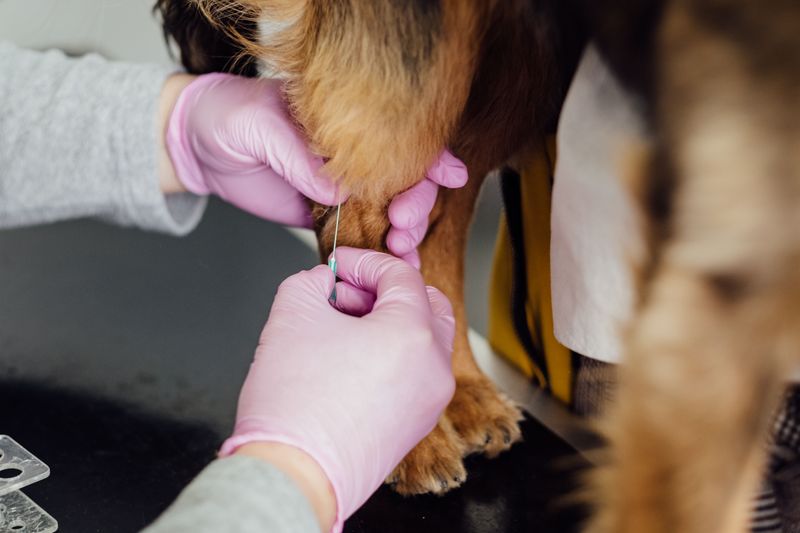
Rental paperwork sometimes asks about vaccines beyond rabies. Gather a dated vaccination history showing which vaccines your dog received and when your veterinarian recommends the next doses.
Not every vaccine follows the same schedule or suits every dog. Let your veterinarian guide decisions based on health, lifestyle, and local exposure.
Ask the property manager for written vaccine requirements before applying. If a medical concern affects compliance, discuss suitable documentation with your veterinarian rather than guessing about exemptions.
5. Spay Or Neuter Records

Some housing providers or local authorities may ask whether a dog has been spayed or neutered. A clinic confirmation or procedure record can answer that question without sharing unrelated medical information.
Keep the procedure date and veterinary practice contact available. If your dog remains intact, ask whether the property has a written policy before paying application fees.
Do not assume this record is required statewide for renting. Medical decisions belong with your veterinarian, and housing accommodation requests may need a separate review.
6. Microchip Information

Moving day is a good reminder to update your dog’s microchip account. Save the chip number, registry name, and instructions for changing your address and phone number.
A microchip is identification, not a tracking device. Its usefulness depends on readable registration information and current contacts.
Ask your veterinarian to scan the chip if you cannot locate its number. Give managers only relevant identification details, never account passwords.
Update the registry promptly when your new apartment address becomes final.
7. Dog Identification Details

Clear details prevent mixups when a building houses several dogs. Prepare a simple profile with your dog’s name, approximate age, weight, coat color, and distinctive markings.
Use the same identification across applications, licenses, and veterinary records whenever possible. Describe uncertain breed information honestly rather than presenting guesses as facts.
Ask whether weight limits refer to current size or expected adult size. Refresh the profile as a puppy grows, and include only owner contact information necessary for management.
8. Recent Photo Of Your Dog

A good picture can clear up identification questions faster than a written description. Choose a recent image showing your dog’s face, full body, and recognizable markings.
Use natural light and a simple background. Skip costumes or filters that hide your dog’s appearance.
Save the photo with your dog’s name and the date taken. Property staff may find it useful if your dog gets loose.
Avoid including apartment numbers, personal documents, or other residents in the image background.
9. Pet Insurance Documentation

Unexpected veterinary bills are easier to plan for when coverage details stay handy. If your dog has pet insurance, keep the policy number, insurer contact, and coverage summary.
Pet health insurance generally helps with eligible veterinary expenses, not landlord liability requirements. Read exclusions, waiting periods, deductibles, and claim rules before describing your coverage.
A landlord may not need this document at all. Keep it mainly for your own planning, and share only a limited summary when appropriate.
10. Liability Coverage Records

Your renters policy and your dog’s health policy serve different purposes. Ask your insurance agent whether renters liability coverage includes incidents involving your particular dog.
Some policies contain animal exclusions, breed restrictions, or separate coverage limits. Request written confirmation rather than relying on a quick verbal answer.
If the lease requires proof, provide the appropriate declarations page or insurer document. Check the required amount and any additional insured request carefully.
Never assume every dog related claim is covered.
11. Training Certificates

Good hallway manners matter when neighbors share tight spaces. Certificates from obedience classes or recognized behavior programs can show that you have invested in practical training.
Include the program name, completion date, and skills covered. A trainer’s brief progress note may also help explain ongoing work.
Certificates do not guarantee behavior or override a property’s lawful rules. Pair them with an honest description of your routine, including leash handling, quiet time, and plans for continued practice at home.
12. Assistance Or Service Dog Documentation

Housing accommodations follow different rules from ordinary pet approval. Under fair housing rules, assistance animals can include service dogs and animals providing disability related emotional support.
When disability or need is not apparent, providers may request reliable supporting information. They generally cannot require service animal certification.
Covered housing providers generally cannot charge pet fees for assistance animals. Avoid online certificate shortcuts.
Ask for the accommodation process in writing, and seek fair housing guidance if documentation requests seem excessive.
13. Pet Application Information

Before submitting anything, ask for the property’s current pet application and written policy. Requirements can differ between buildings, even when the same company manages them.
Prepare accurate answers about your dog’s size, age, identification, and household routine. Review fees, deposits, animal limits, and approval steps before signing.
Keep a copy of everything submitted, including attachments and emails. For an assistance animal, request the accommodation procedure instead of assuming ordinary pet charges or application restrictions automatically apply to you.
14. Emergency Veterinary Contact
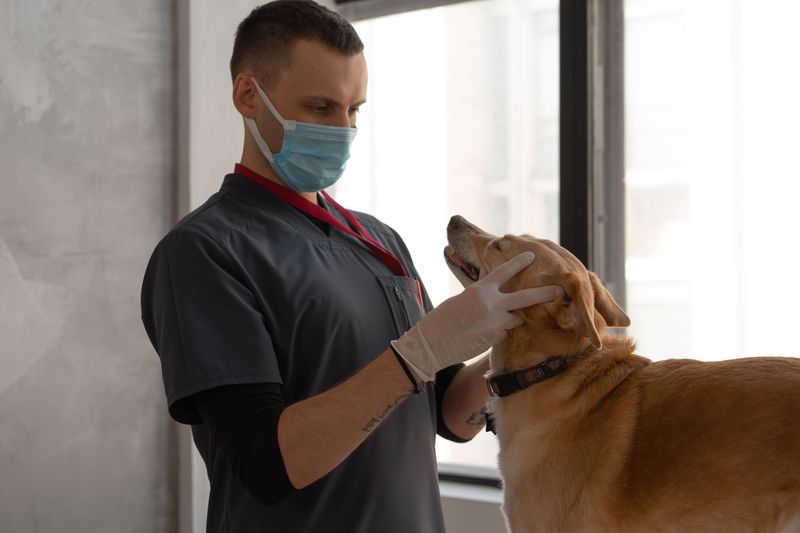
A new neighborhood means finding help before you need it. Record your regular veterinarian’s number and a nearby emergency clinic’s address, phone number, and current hours.
Call ahead to confirm services, since availability can change. Add a trusted backup caregiver who agrees to be contacted.
Ask management how emergency pet information is stored and used. Written care instructions can help, but treatment consent and payment arrangements should be discussed directly with your veterinarian and chosen caregiver before moving.
15. Complete Pet Records File

One organized folder turns scattered paperwork into a useful rental tool. Separate identification, health records, insurance, applications, and emergency contacts with clear labels and dates.
Keep secure digital backups and a small paper packet for appointments. Share copies rather than originals, and remove unnecessary personal details.
Set reminders for renewals and updates after your move. Finish with written pet approval or accommodation correspondence alongside your lease.
Ready records, clear answers, and steady planning make your next apartment feel closer.