15 South Carolina Yard Plants And Seeds Dog Owners Should Keep Out Of Reach
Your South Carolina yard can offer shade, bright flowers, and plenty of room for your dog to explore. Some familiar plants also contain substances that can make curious pets sick, especially when they chew seeds or bulbs.
Knowing what grows beside your porch or fence helps you make safer choices without giving up a beautiful garden. Start with these common concerns, then ask your veterinarian about any unfamiliar plants your dog can reach.
1. Sago Palm Seeds Can Be Extremely Dangerous
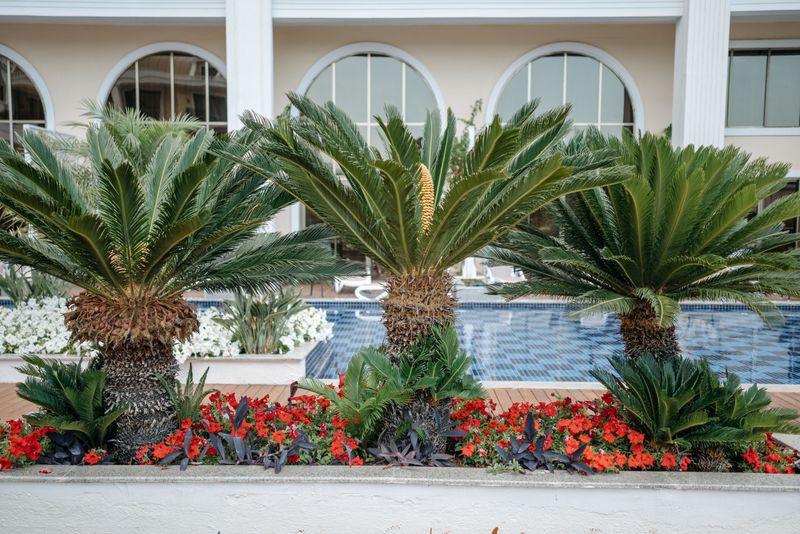
A tropical look can hide a serious hazard beside a sunny porch. Every part of sago palm contains toxins, but its seeds hold especially high amounts.
Eating them can damage a dog’s liver.
Remove fallen seeds promptly, and prevent access to the entire plant. Containers alone will not stop a determined chewer.
If ingestion is possible, contact a veterinarian immediately, even when your dog seems comfortable. Early treatment matters with this particular landscaping plant exposure.
2. Azaleas Can Cause Serious Poisoning
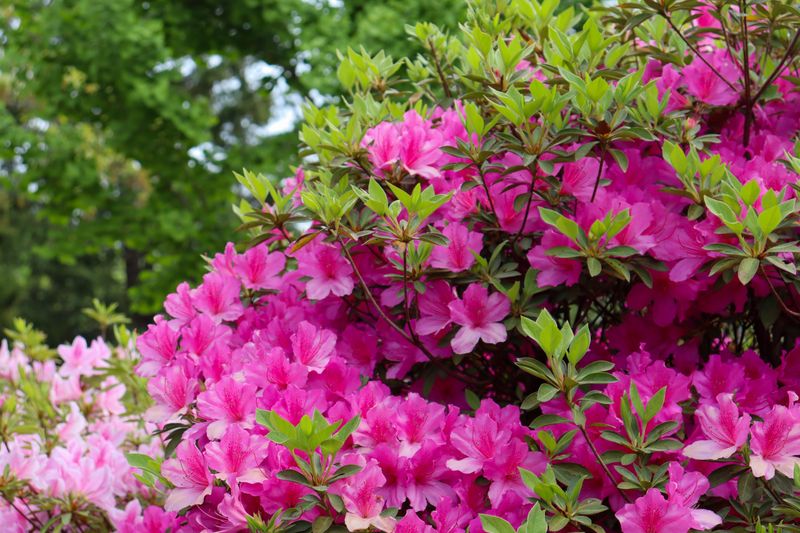
Spring color makes azaleas a familiar sight around South Carolina homes. Their leaves and flowers contain grayanotoxins, which can affect digestion, heart function, and the nervous system.
Even small amounts deserve prompt veterinary advice.
Place pruned branches directly into a secured yard waste container. Avoid leaving clippings where your dog plays or rests.
Watch for drooling, vomiting, weakness, or unusual tiredness after chewing. A fence offers better protection than simply teaching your dog to leave plants.
3. Oleander Leaves And Flowers Are Highly Toxic
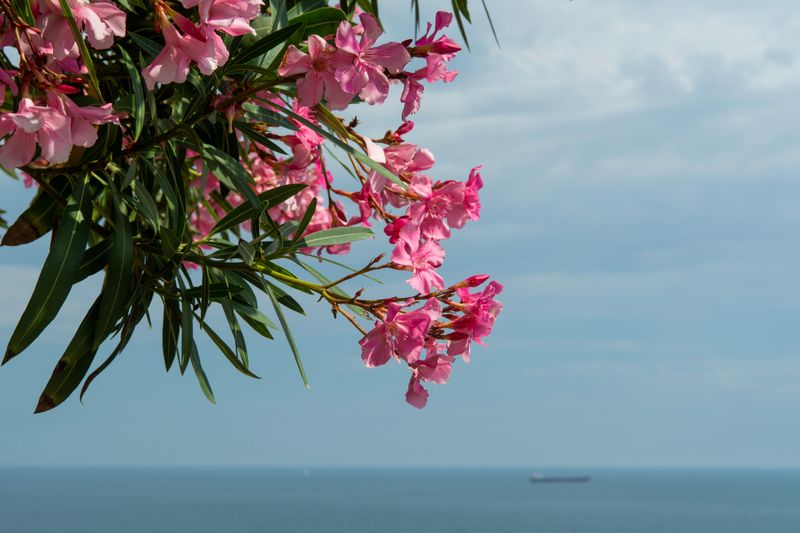
Pretty blossoms do not make oleander suitable for a dog’s play area. All parts contain cardiac glycosides, substances that can disrupt normal heart function.
Dried leaves and cut branches remain toxic too.
Keep dogs away during pruning, and secure every piece of debris afterward. Never offer a stick from this shrub for fetching.
Suspected chewing calls for immediate veterinary guidance rather than waiting for symptoms. Photograph the plant so your veterinary team can identify it quickly.
4. Carolina Jessamine Has Toxic Flowers And Foliage
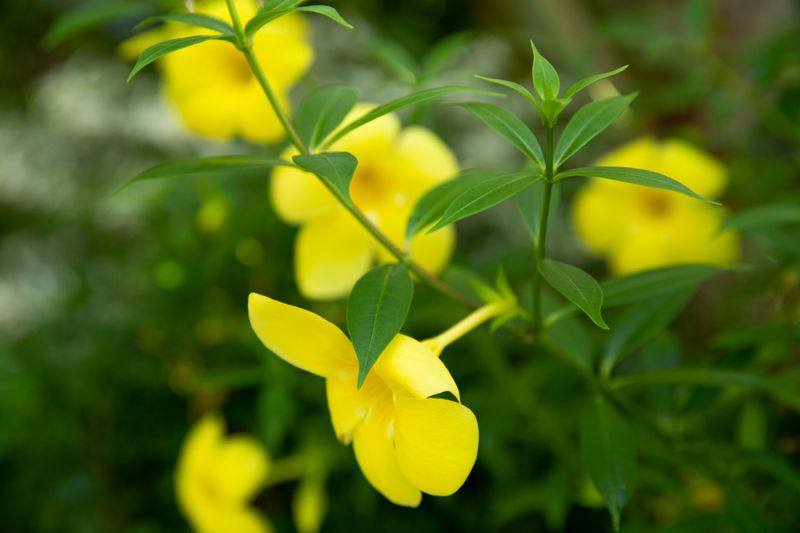
South Carolina’s state flower brings cheerful yellow blooms to fences and trellises. Carolina jessamine, also called yellow jessamine, contains toxic alkaloids throughout the plant.
Chewing can cause weakness, poor coordination, and breathing problems.
Guide vines away from dog runs, and remove trimmings before reopening the area. Fallen flowers should not become chew toys.
Because common names overlap, use the botanical name, Gelsemium sempervirens, when discussing identification. Contact your veterinarian promptly if your dog eats any portion.
5. Castor Bean Seeds Should Never Be Accessible
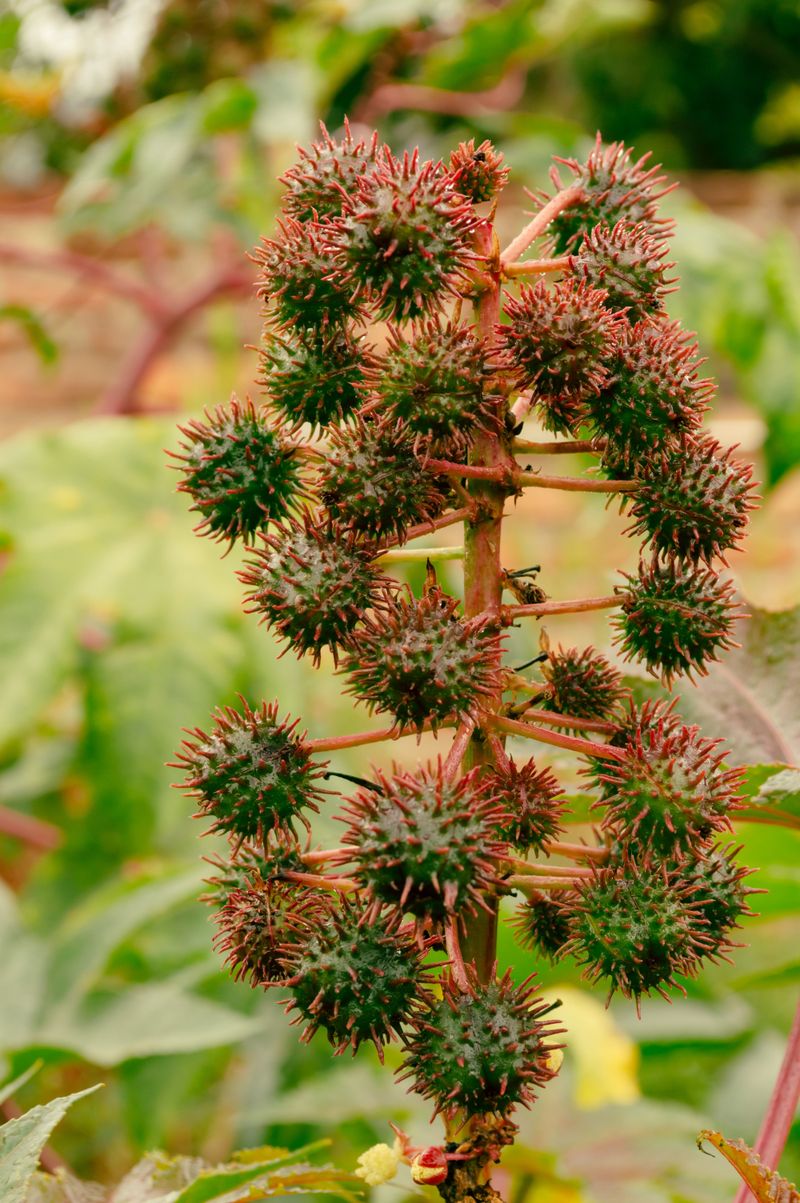
Speckled castor beans may look like interesting treasures to a curious dog. The seeds contain ricin, and chewing breaks their protective covering, increasing exposure.
Leaves and other plant parts also warrant keeping dogs away.
Skip this ornamental wherever pets roam, especially if seed pods can scatter nearby. Store planting seeds in a locked container.
After possible ingestion, seek urgent veterinary advice and save a sample safely. Do not assume an intact seed means there is no risk.
6. Wisteria Seeds And Seed Pods Pose A Risk
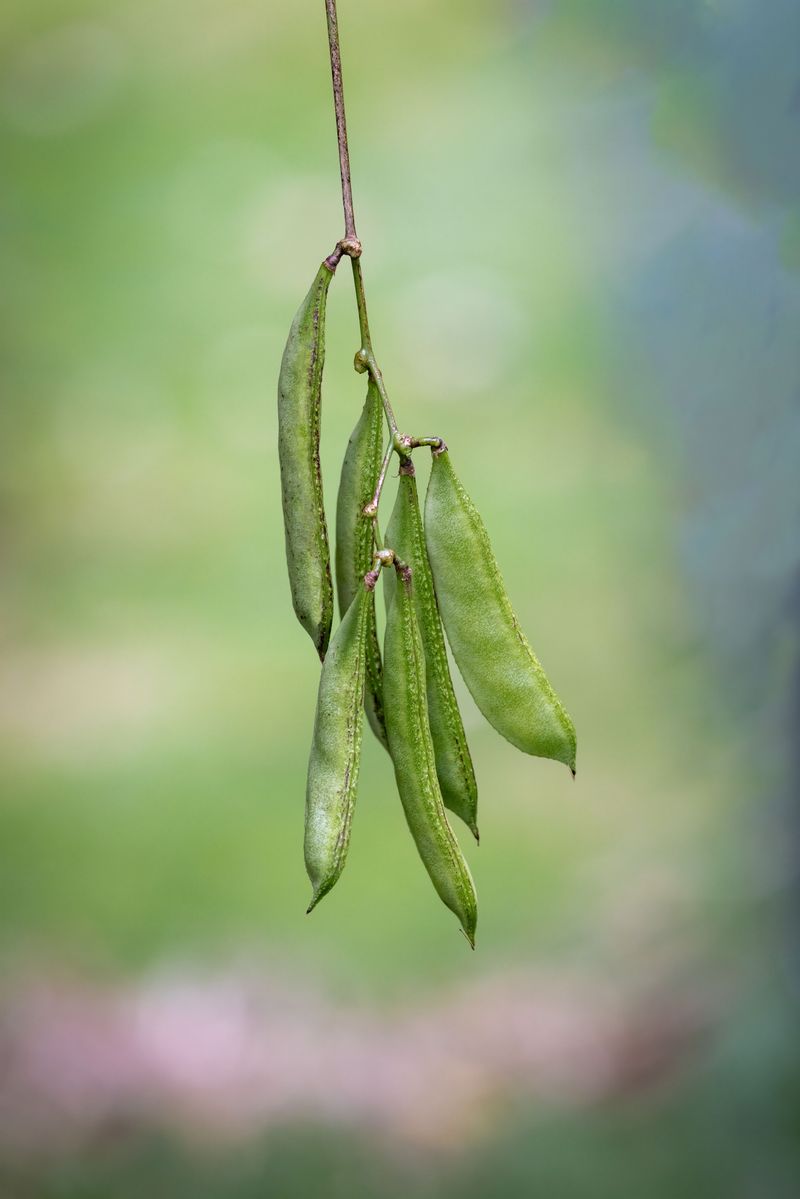
Hanging pods can turn a shaded arbor into an unexpected snack station. Wisteria seeds and pods contain toxins that can cause vomiting, diarrhea, and stomach pain.
Seeds are a particular concern when chewed.
Check beneath established vines during pod season, especially after wind or yard work. Collect fallen pods before letting your dog investigate.
Training a reliable leave cue helps, but cleanup remains essential. Ask your veterinarian for advice after ingestion, even without obvious symptoms yet.
7. Lantana Berries And Leaves Can Harm Dogs
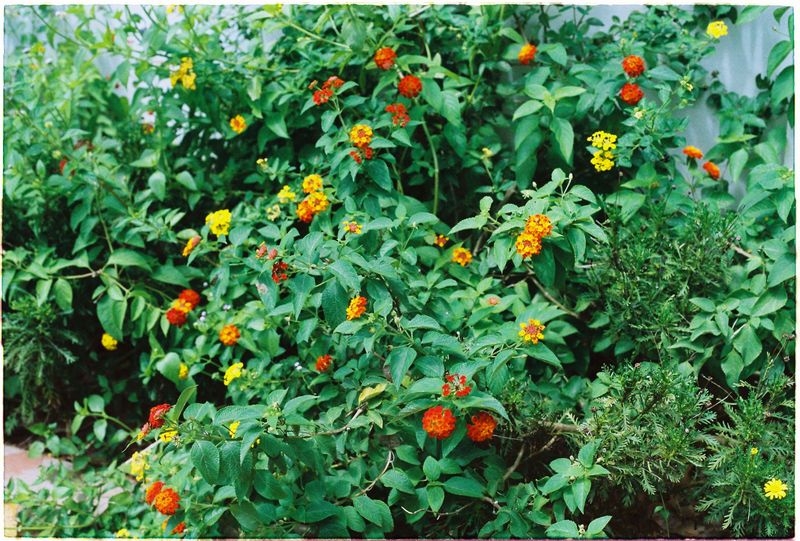
Butterflies love lantana, but dogs should admire it from outside the bed. Its leaves and berries contain compounds that can upset digestion and sometimes affect the liver.
Unripe berries are a particular concern.
Use secure borders rather than relying on the plant’s texture or smell to discourage tasting. Gather dropped fruit where practical, and remove prunings promptly.
Vomiting, diarrhea, or unusual weakness after chewing deserves veterinary attention. Tell the clinic whether berries or foliage were eaten.
8. Foxglove Flowers Can Affect A Dog’s Heart
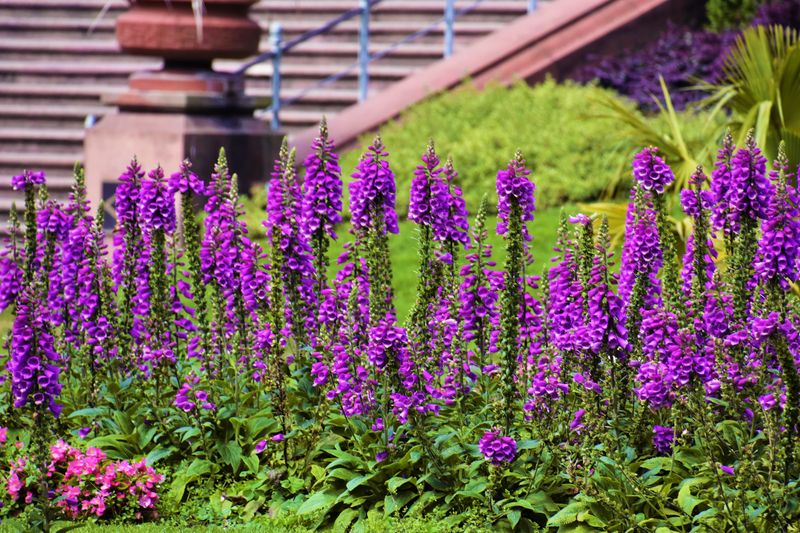
Tall flower spikes give cottage gardens charm, yet foxglove needs careful placement. Flowers, leaves, and seeds contain cardiac glycosides that can disturb heart rhythms.
Dried plant material remains a concern after cutting.
Choose a planting area your dog cannot enter, not merely a spot behind shorter flowers. Secure seed packets and discard spent stalks safely.
Possible ingestion needs immediate veterinary guidance. Bring the plant label or a clear photograph, since quick identification helps the clinic plan care.
9. Lily Of The Valley Can Cause Heart Problems
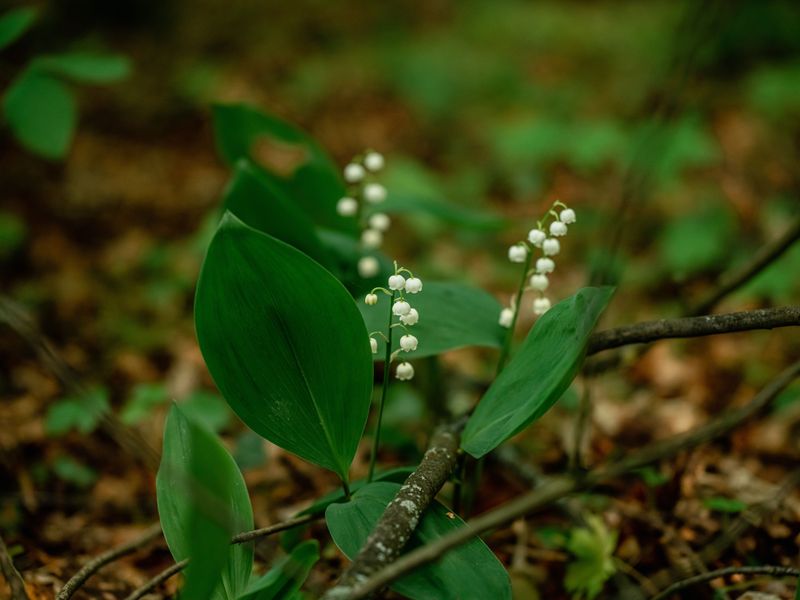
Small white bells can spread quietly through a cool, shaded garden corner. Lily of the valley contains cardiac glycosides in its flowers, leaves, and berries.
Eating it can cause stomach upset and heart problems.
Inspect older shade beds before giving a new dog free access. Underground stems help patches expand beyond their original planting spots.
Remove unwanted growth carefully, including those stems, and secure the waste. Call a veterinarian immediately if your dog samples this plant.
10. Daffodil Bulbs Are More Dangerous Than Their Flowers
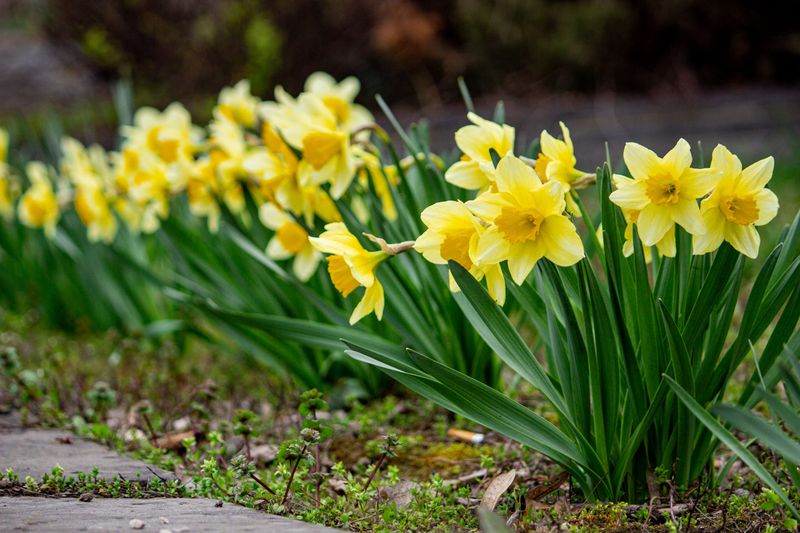
Freshly turned soil often attracts dogs more than the flowers planted above it. Daffodils contain lycorine, with higher concentrations in their bulbs.
Eating them can cause drooling, vomiting, diarrhea, and abdominal discomfort.
Keep bulbs indoors in closed storage until planting, then block access to disturbed beds. Do not leave discarded bulbs beside the compost pile.
Large exposures can cause additional problems, including heart changes. Contact your veterinarian after suspected ingestion and describe which plant part disappeared.
11. Tulip Bulbs Can Cause Severe Stomach Upset; Hyacinth Bulbs Should Be Kept Away From Digging Dogs
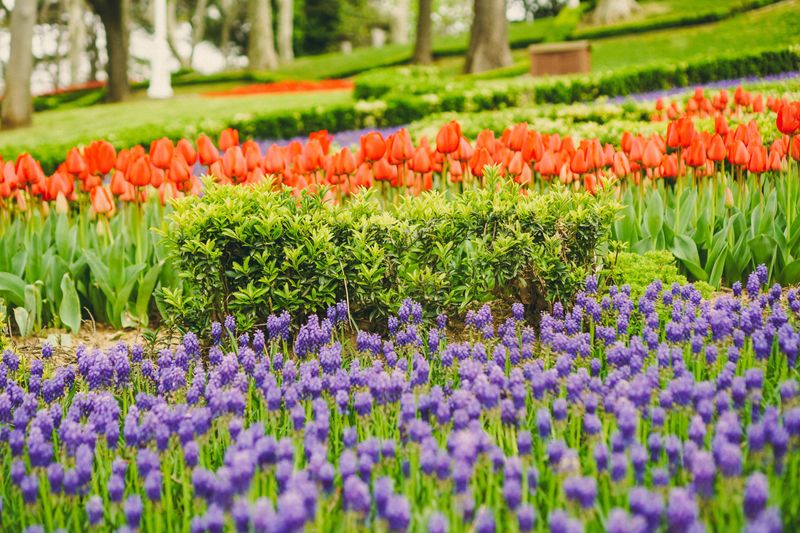
A digging dog can uncover trouble long after planting day ends. Tulips and hyacinths contain irritating compounds concentrated in their bulbs.
Chewing may cause drooling, vomiting, and diarrhea, with larger exposures needing urgent assessment.
Store both kinds behind a closed door, and fence newly planted beds securely. Loose mulch alone offers little protection from persistent paws.
Call your veterinarian if bulbs are missing or chewed. Avoid home remedies, and never induce vomiting unless a veterinary professional directs you.
12. Iris Roots And Rhizomes Can Cause Digestive Problems
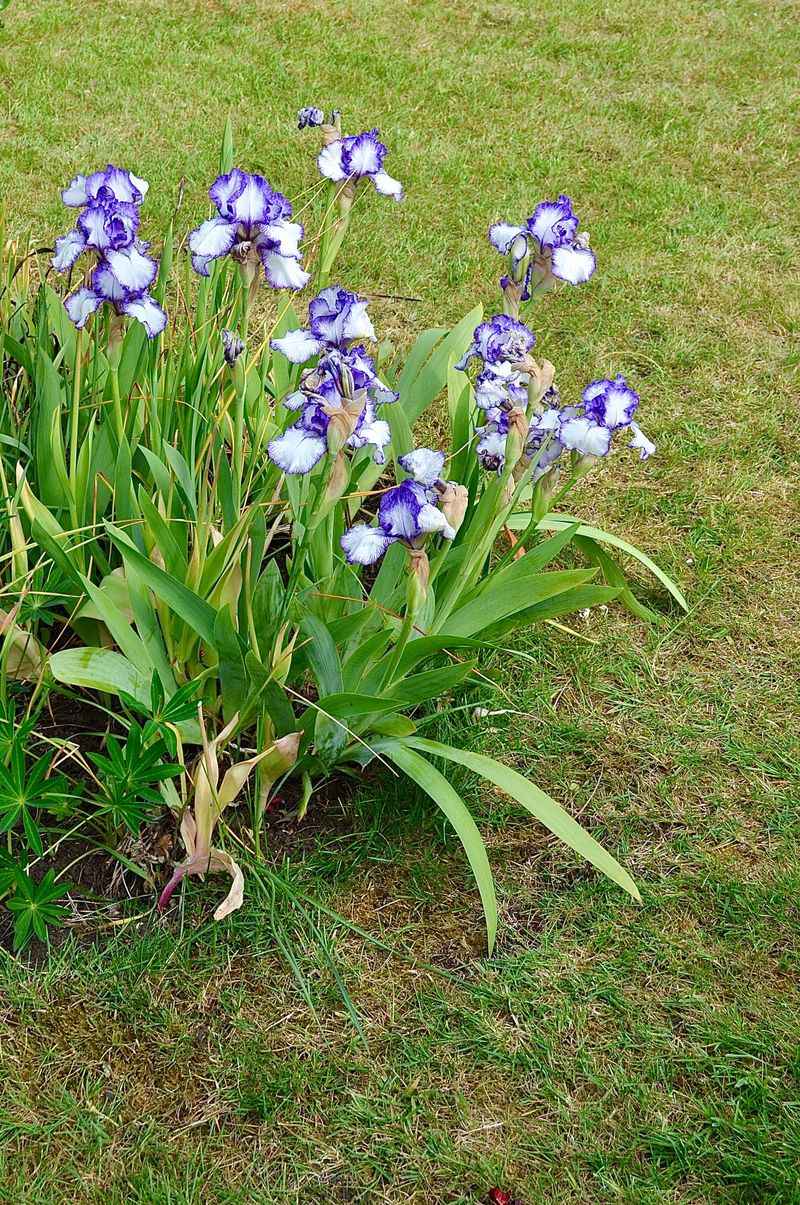
Dividing an iris clump leaves tempting chunks scattered across the garden. Underground stems, called rhizomes, contain higher concentrations of irritating compounds than many other parts.
Chewing can bring drooling, vomiting, diarrhea, and stomach discomfort.
Keep your dog elsewhere while lifting, trimming, or replanting irises. Count leftover divisions and store any gifts for neighbors out of reach.
Check soil surfaces after heavy rain exposes rhizomes. Veterinary advice is sensible whenever chewing occurs, particularly if digestive symptoms develop afterward.
13. Yew Shrubs Have Potentially Dangerous Berries And Foliage
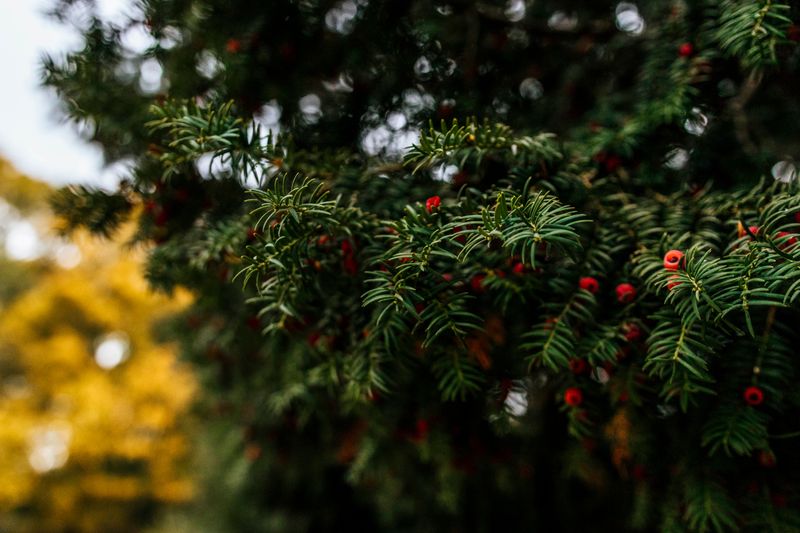
Evergreen hedges deserve identification before they become part of your dog’s routine. True yews contain taxines in their needles and seeds, which can disrupt heart function.
The red fleshy covering is not toxic, but its seed is.
Do not treat fallen berries as safe snacks or leave hedge clippings accessible. Dried foliage remains hazardous.
Seek immediate veterinary help after suspected chewing. Confirm the plant’s identity, since some shrubs called yew belong to different groups with different risks.
14. Nandina Berries Can Be Harmful When Eaten
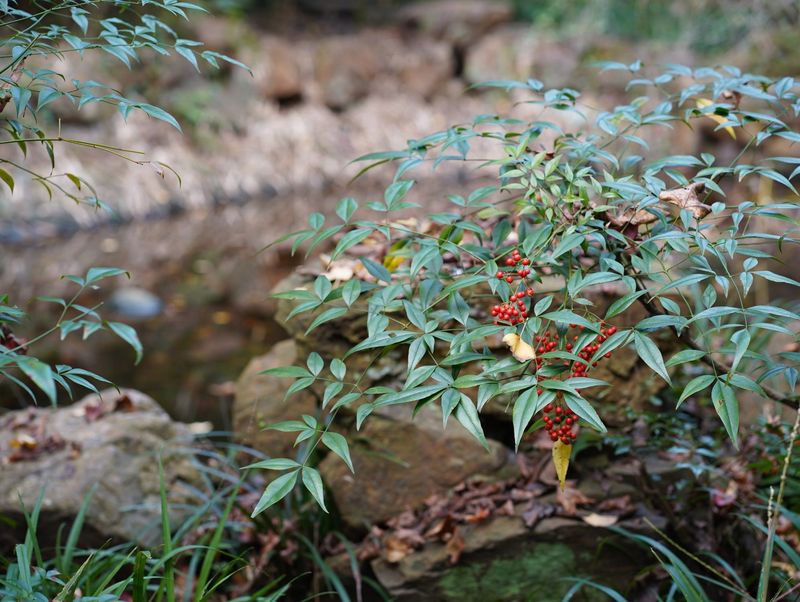
Bright red berry clusters can linger when other garden colors have faded. Nandina, also called heavenly bamboo, contains cyanogenic compounds, including in its berries.
Eating plant material can cause illness, so discourage all sampling.
Clip reachable berry clusters and collect fallen fruit before your dog enters the area. Check your yard for fallen seeds and plant debris after storms.
For suspected ingestion, contact your veterinarian promptly. Report the amount possibly eaten without assuming every berry causes poisoning.
15. Hydrangea Leaves And Flowers Contain Toxic Compounds
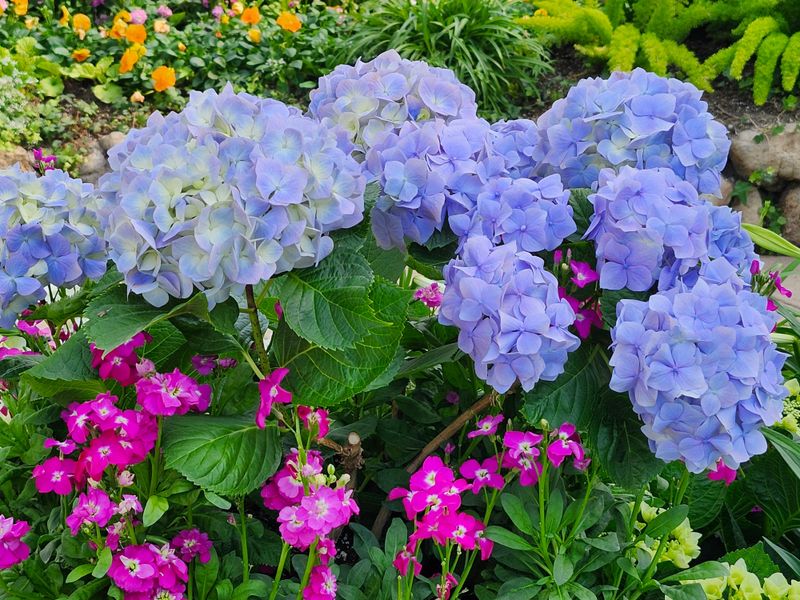
Big summer blooms belong in bouquets, not your dog’s snack collection. Hydrangea leaves and flowers contain cyanogenic compounds, although typical pet exposures mainly cause digestive upset.
Keep cuttings and arrangements out of reach. If chewing happens, remove access, photograph the plant, and call your veterinarian or a pet poison service.
Never induce vomiting without professional direction.
A familiar yard, regular cleanup, and a saved veterinary number make everyday outdoor time safer and more relaxing for you both.