Atlanta Commutes Can Turn Dog Daycare From A Convenience Into A Scheduling Necessity In Georgia
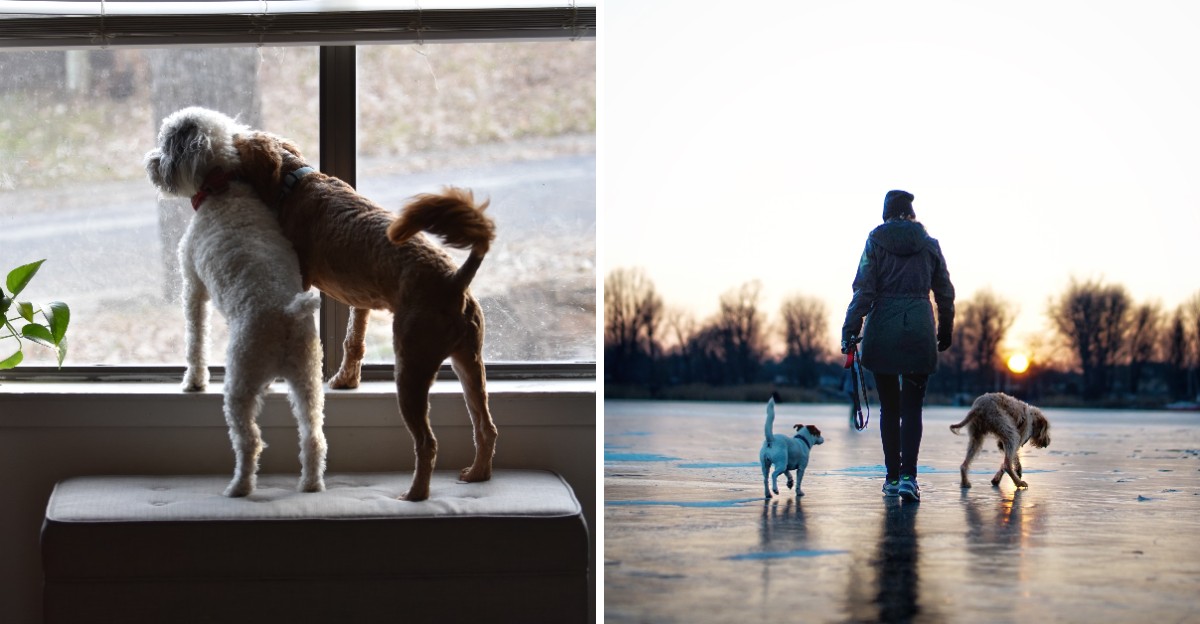
An Atlanta workday can stretch well beyond the hours you spend at your desk. For your dog, that extra travel time can mean a longer wait for walks, company, and bathroom breaks.
Daycare may help, but the right plan depends on your route, schedule, and dog’s comfort. A little planning can make busy Georgia weekdays easier for both of you.
1. Atlanta Traffic Can Make Long Days Harder For Dogs
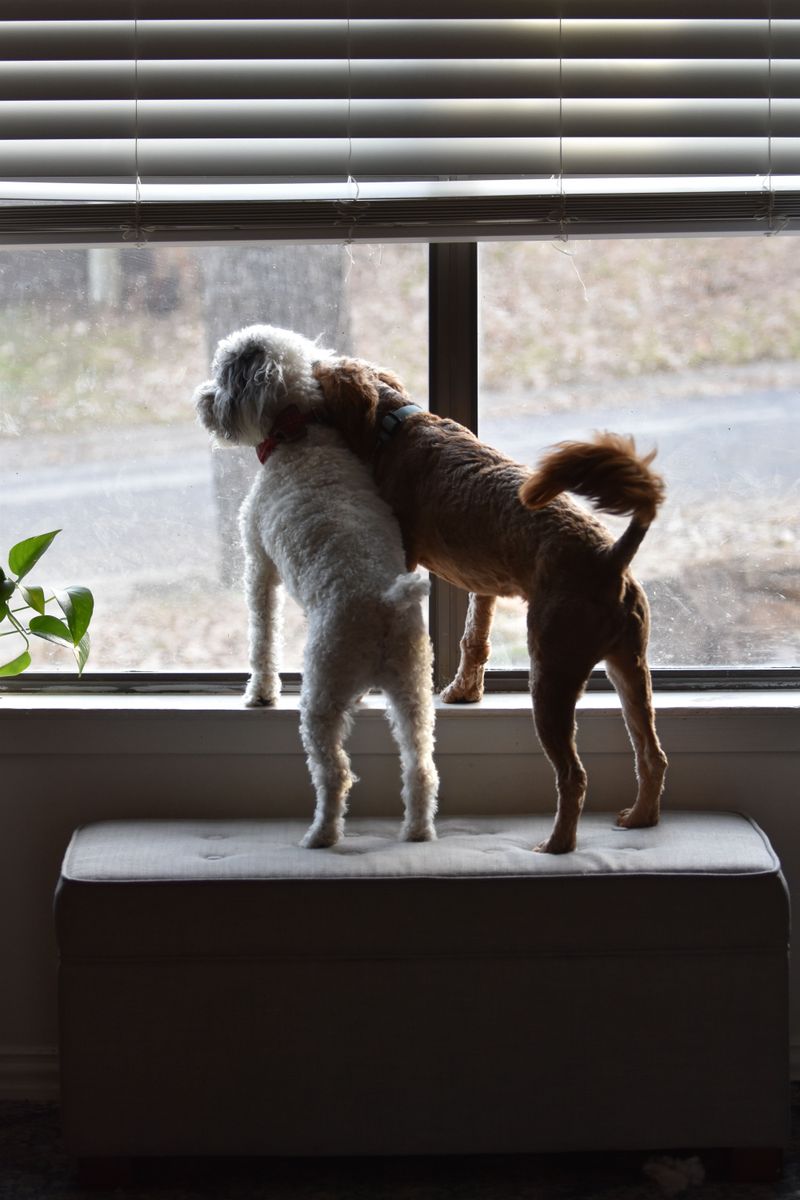
A slow crawl along I-285 can stretch your dog’s day more than expected. Count the entire time away, including errands and parking, when planning care.
Your office hours alone may not show how long your dog waits.
Bathroom needs vary with age, health, and the individual dog. Ask your veterinarian what schedule fits your pet, especially for puppies or older dogs.
Daycare becomes useful when regular traffic leaves too little room for dependable breaks at home.
2. Morning Commutes Can Change The Daycare Routine
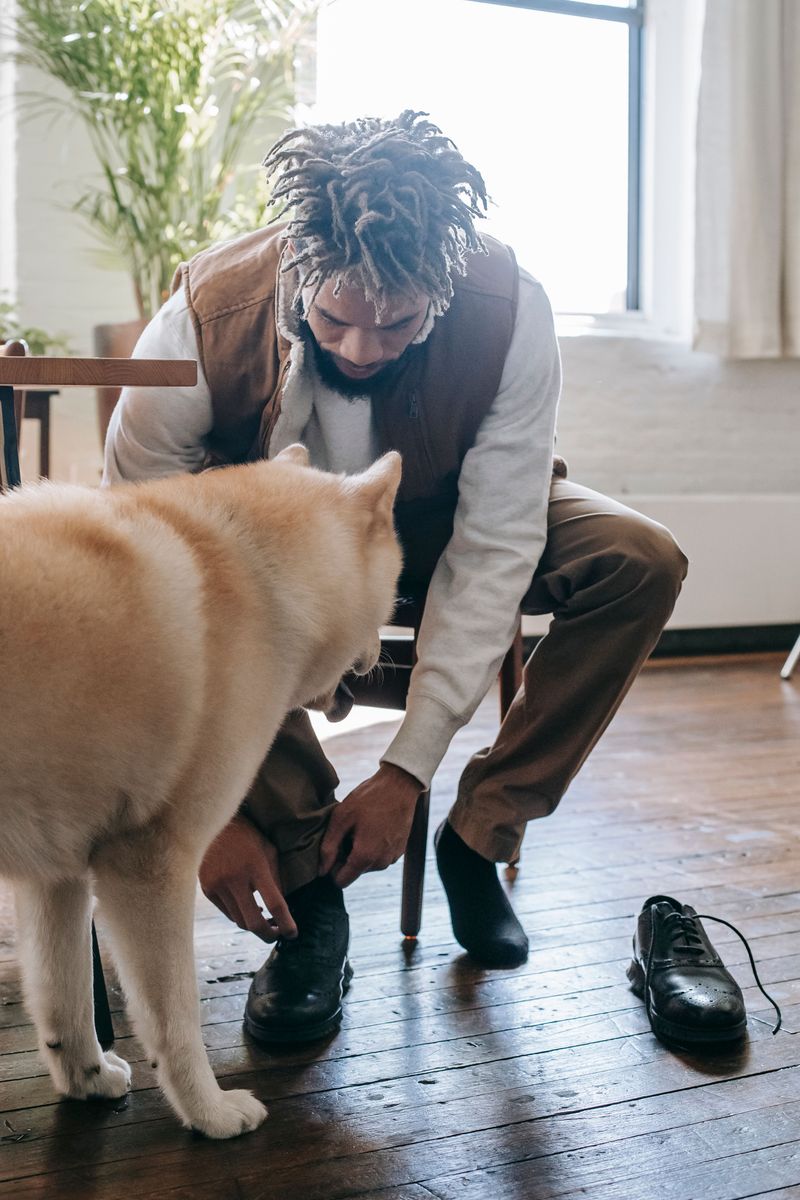
The morning rush feels different when another stop joins your route. Pack food, medications, and any required paperwork the night before your visit.
Leave time for a bathroom break before loading your dog into the car.
Ask whether breakfast should happen at home or during care, following your dog’s usual feeding guidance. Give staff clear written instructions for anything they must provide.
A calm handoff is easier when you are not racing toward your first meeting.
3. Afternoon Traffic Can Delay The Trip Home

A clear morning drive does not promise an easy ride home. Check typical afternoon travel times before choosing a daycare near your workplace.
Include the final stretch from daycare to home in your estimate.
Build a pickup buffer rather than aiming for the last available minute. When delays develop, contact staff while safely parked or through a passenger.
Early notice helps everyone plan, although it does not replace following the facility’s stated closing rules and policies.
4. Work Schedules May Make Midday Care Necessary
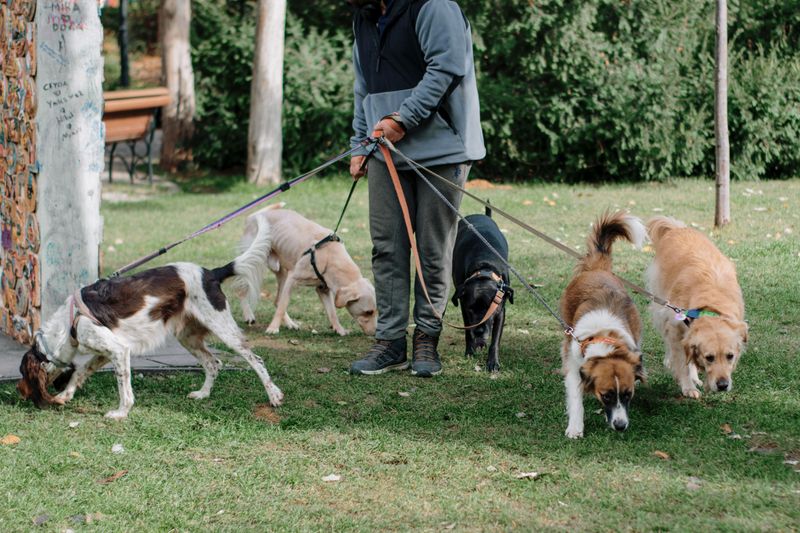
Lunch breaks are not always long enough for a trip home. A meeting, shift change, or distant office can remove that option entirely.
Plan care around your actual availability, not the break you hope to take.
Compare daycare with a dependable dog walker or an individual sitter. The best choice meets your dog’s bathroom, rest, and companionship needs.
For dogs needing medication or special handling, confirm the provider can safely follow your veterinarian’s instructions each day.
5. Daycare Can Help Break Up Long Days Alone
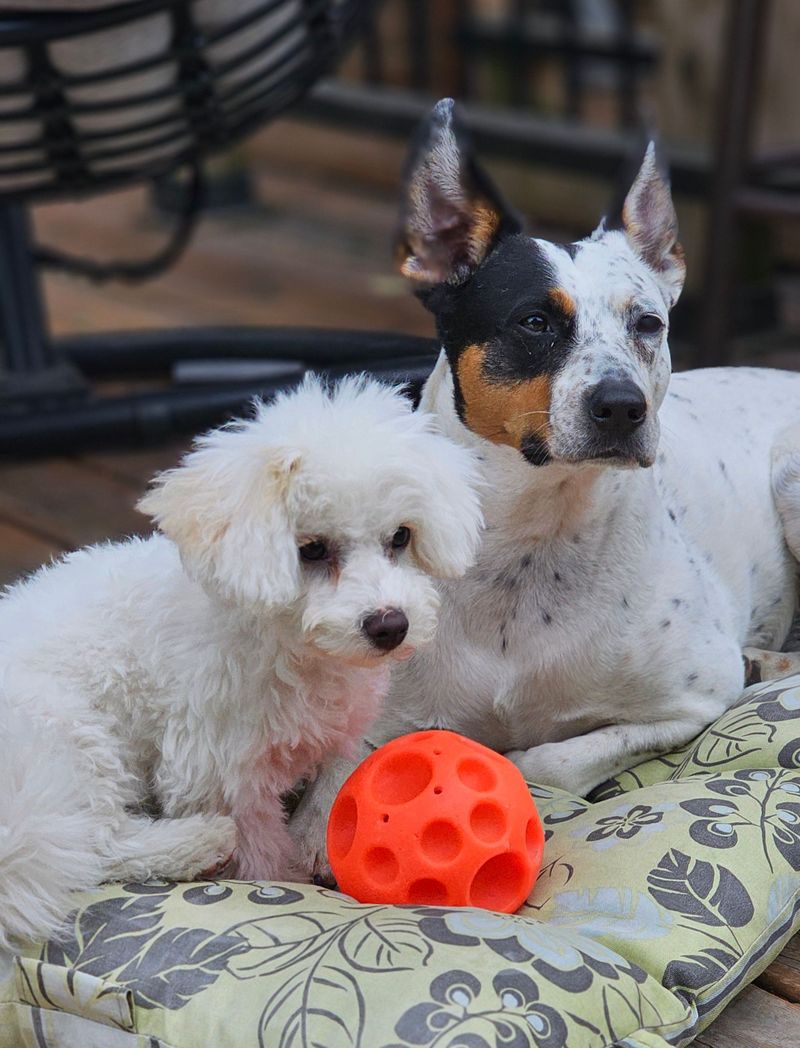
Company and planned activity can give some dogs a welcome change. Good daycare includes rest, supervision, and suitable activities, not constant group play.
Ask how staff balance movement with quiet time throughout the day.
Look for groups matched by behavior and play style, with size considered too. A dog who dislikes crowds may prefer quieter individual care instead.
If your dog struggles when alone, discuss support with your veterinarian rather than expecting daycare to solve everything.
6. Drop-Off Hours Matter For Atlanta Commuters
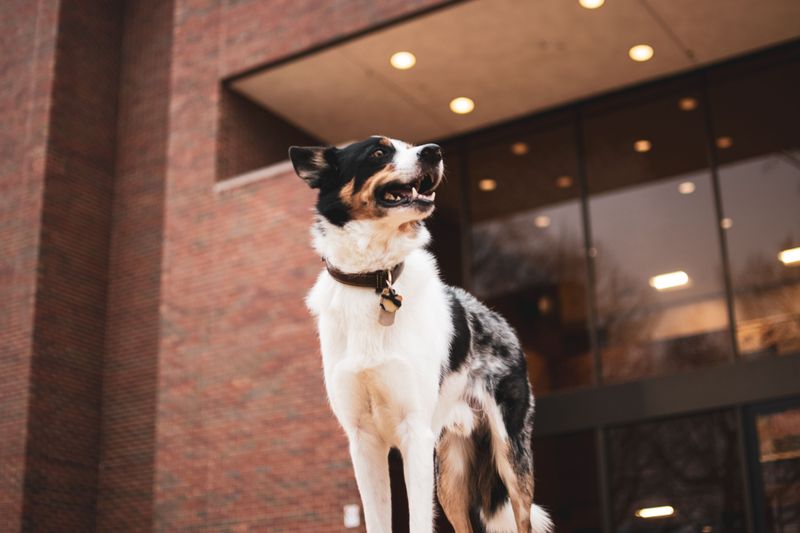
An early shift needs an opening time that truly fits your commute. Confirm when staff accept dogs, not simply when the building opens.
Some facilities use arrival windows to keep groups and handoffs organized.
Ask about weekend schedules, holidays, and any changes during quieter business periods. Check whether advance reservations are required for your preferred arrival time.
Before committing, drive the full route on a normal work morning and allow extra time for the handoff process.
7. Pickup Policies Can Affect The Evening Drive
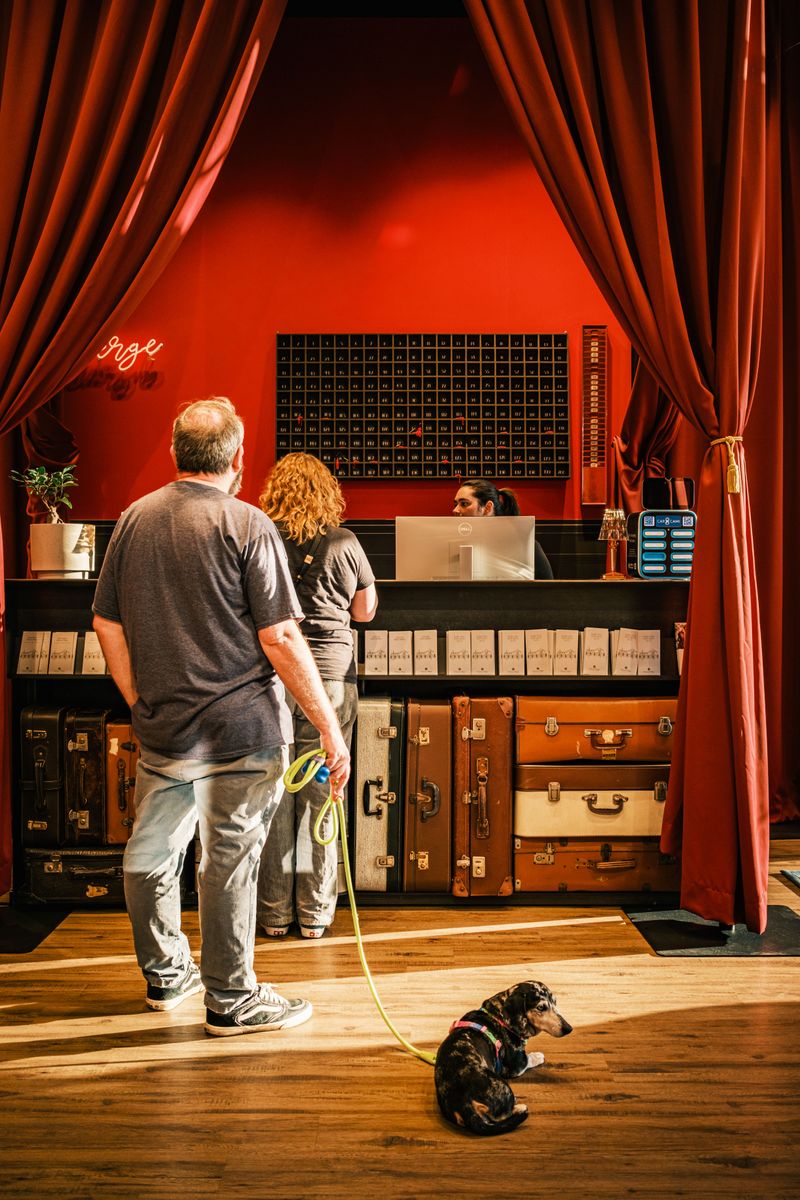
The closing time deserves a place on your calendar beside work meetings. Read the written pickup policy before booking your dog’s first visit.
Ask about late fees, required notice, and what happens after closing.
Facilities differ, so never assume staff can provide unplanned evening care. Find out how to authorize another trusted adult for pickup when needed.
Save the daycare’s phone number somewhere easy to reach, and keep emergency contact details current throughout your dog’s enrollment.
8. Location Matters More Than A Short Map Distance
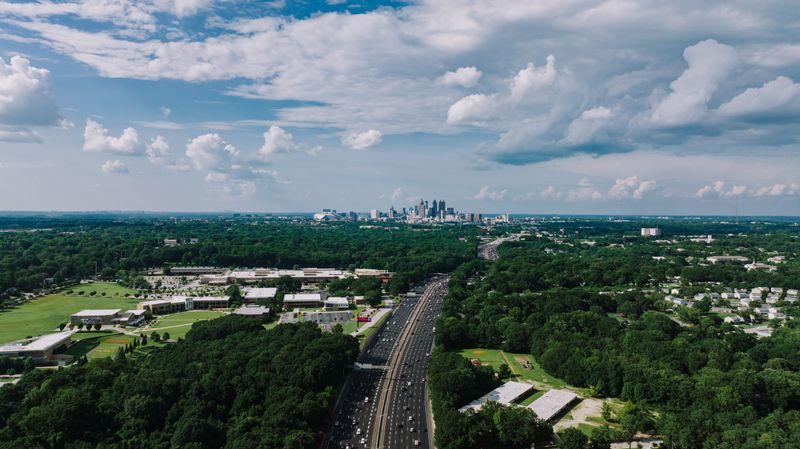
A nearby address can still require a frustrating detour across busy roads. Compare routes during your real travel hours, including turns and highway exits.
A facility along your existing path may work better than one closer geographically.
Consider safe parking and how easily you can enter with your dog. Look at both morning and evening access before choosing a location.
Near-home care may also simplify pickup when you work remotely, change offices, or leave work unexpectedly.
9. A Trial Day Can Reveal How Well The Routine Works
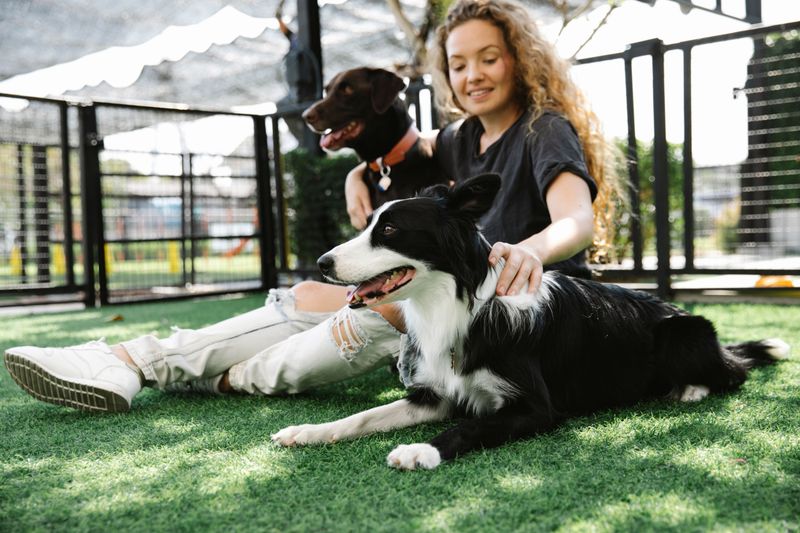
One practice visit can teach you more than a polished facility tour. Schedule it before a demanding workday, when your pickup time is flexible.
Follow the daycare’s assessment process instead of rushing into a full schedule.
Ask staff about your dog’s rest, appetite, comfort, and interactions during the visit. Watch how your dog settles at home afterward, including any unusual changes.
Adjust the visit length or care setting if the experience seems tiring, stressful, or unsuitable.
10. Dogs Still Need A Comfortable Transition
New smells, unfamiliar people, and busy rooms can take some getting used to. Start gradually when possible, using shorter visits recommended by the facility.
Keep departures calm and let staff guide introductions at your dog’s pace.
Confirm vaccination requirements, illness rules, and any parasite prevention expectations before enrollment. Georgia facilities that maintain dogs for boarding, holding, training, or similar purposes for a fee generally fall under the state’s kennel licensing requirements; verify the facility’s status with the Georgia Department of Agriculture.
Licensing alone does not replace checking everyday care.
11. Not Every Dog Needs Full-Day Daycare
More hours of care do not automatically mean a better day. Some dogs enjoy a short visit, while others prefer familiar surroundings.
Puppies, older dogs, and dogs with health concerns may need tailored arrangements.
Consider a midday walk, home visit, or quiet sitter instead of group play. Ask your veterinarian about suitable activity and bathroom schedules for your dog.
Choose care that fits your companion’s needs, even when another owner’s dog loves spending all day elsewhere.
12. Daycare Can Help Owners Handle Unpredictable Workdays

Some jobs turn a normal afternoon into an unexpected late meeting. Regular daycare arrangements can provide breathing room when your schedule shifts.
However, availability depends on reservations, staffing, and the facility’s daily capacity.
Ask how far ahead you must book and whether recurring days are available. Learn the cancellation rules before purchasing a package or setting weekly dates.
Keep another care option ready, because a familiar facility may still be full when you need last-minute help.
13. Weather Can Make Atlanta Commutes Even More Complicated

Heavy rain can slow a route that usually feels straightforward and predictable. Winter ice may also change travel plans across the Atlanta area.
Check forecasts and facility updates before leaving home on uncertain weather days.
Ask how staff handle closures, delayed openings, and dogs already in their care. During hot weather, keep your vehicle comfortably cooled throughout the trip.
Never leave your dog unattended in a parked car while handling errands, paperwork, or a quick office stop.
14. Transportation Time Should Be Part Of The Cost

The daily fee is only one part of your care budget. Add fuel, extra mileage, parking costs, and time spent making the detour.
Compare the total with other options that suit your dog’s needs.
Packages may save money only when you can use the included visits. Check expiration dates, missed-day rules, and charges for services outside basic care.
If transportation is offered, ask about restraints, climate control, supervision, insurance, and the length of your dog’s ride.
15. A Reliable Backup Plan Still Matters
Even a carefully planned week can change when your dog feels unwell. Daycare may require a dog with illness signs to stay home.
Arrange backup help before a closure, car problem, or schedule change happens.
Choose someone your dog knows, and explain feeding, walks, medications, and emergency contacts. Confirm whether the daycare requires written permission for that person to collect your dog.
Keep care instructions updated, and discuss veterinary advice when illness changes which arrangements are appropriate.
16. Daycare Is Not A Replacement For Every Dog’s Home Routine

Your dog still comes home needing familiar comforts and time with you. Keep meals, fresh water, bathroom breaks, and bedtime reasonably steady after daycare.
Offer a quiet place to rest without pressure for more activity.
Match evening walks to your dog’s energy rather than assuming another workout is necessary. Continue simple training and relaxed companionship as part of daily life.
Share changes in appetite, movement, or behavior with staff, and contact your veterinarian when concerns persist.
17. A Consistent Schedule Can Make Weekdays Easier

Predictable care gives busy weekdays a rhythm you and your dog can recognize. Choose regular days when possible, and keep your pickup plan realistic.
Review the arrangement whenever work hours, traffic patterns, or your dog’s needs change.
Notice whether your companion settles comfortably and whether the schedule remains manageable. A useful routine should support both your dog’s well-being and your working life.
Plan the drive, choose suitable care, and leave room for life’s small changes along the way.