10 Alabama Historic Districts Made For A Slow Stroll With Your Dog
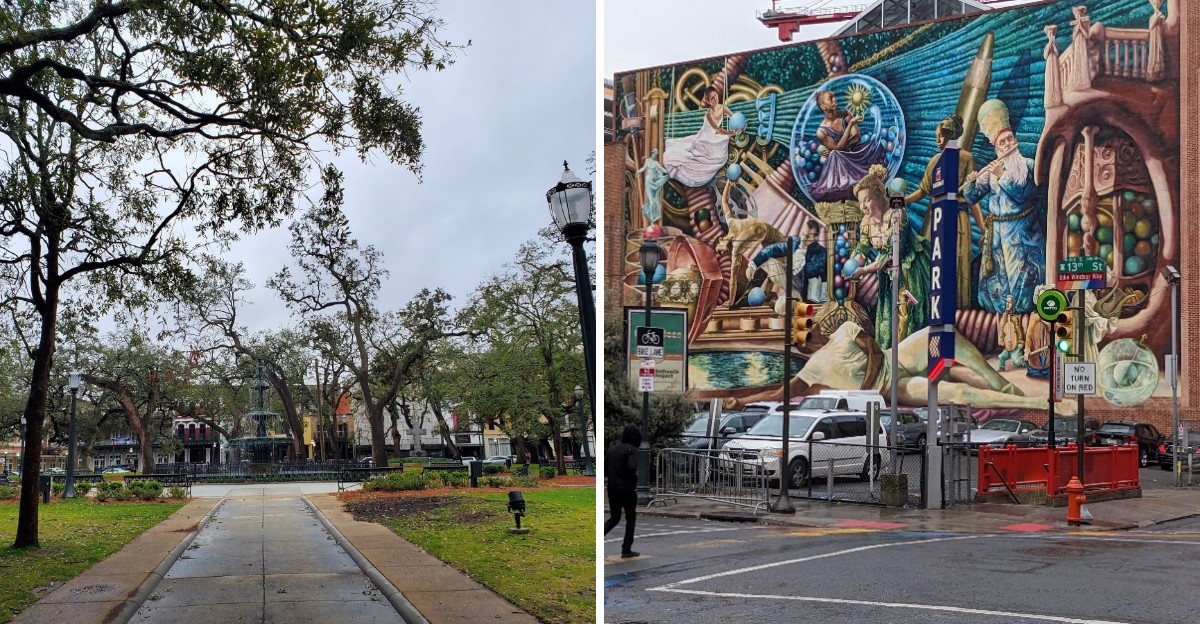
An old porch, a shady sidewalk, and one interesting corner can turn a short walk into a lovely afternoon. Alabama’s historic neighborhoods reward a slower pace, giving you time to notice details while your dog follows the scents.
Plan these walks around public sidewalks, not museum interiors or private gardens, and check current local leash rules before leaving. Bring water and cleanup bags, then let the next block surprise you.
1. Oakleigh Garden: Shade Worth Slowing For
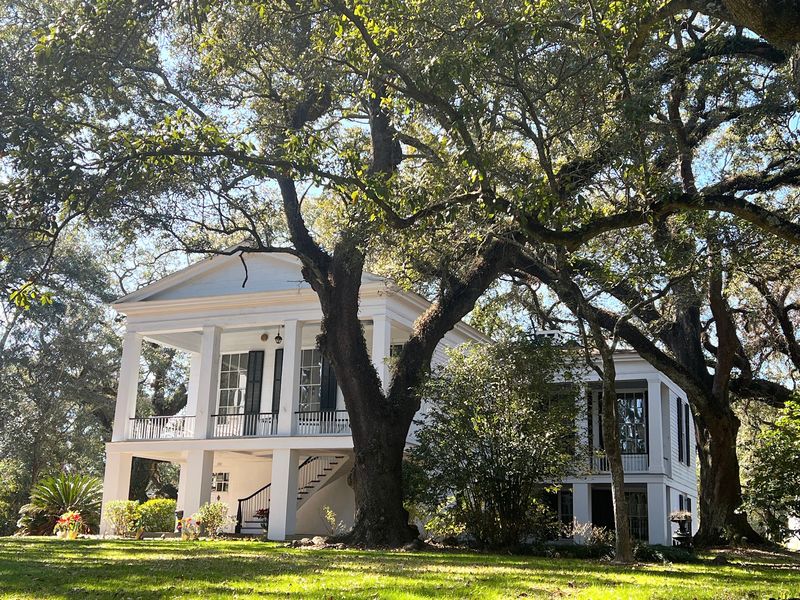
Live oak branches stretch overhead like a leafy welcome sign. Mobile’s Oakleigh Garden Historic District pairs handsome homes with gardens best admired from the sidewalk.
Greek Revival and Victorian details keep even a short loop interesting.
Washington Square sits within the Oakleigh Garden Historic District and offers a nearby green setting for a pause, subject to posted park rules. Keep paws outside flower beds and private yards.
2. De Tonti Square: A Compact Architecture Ramble
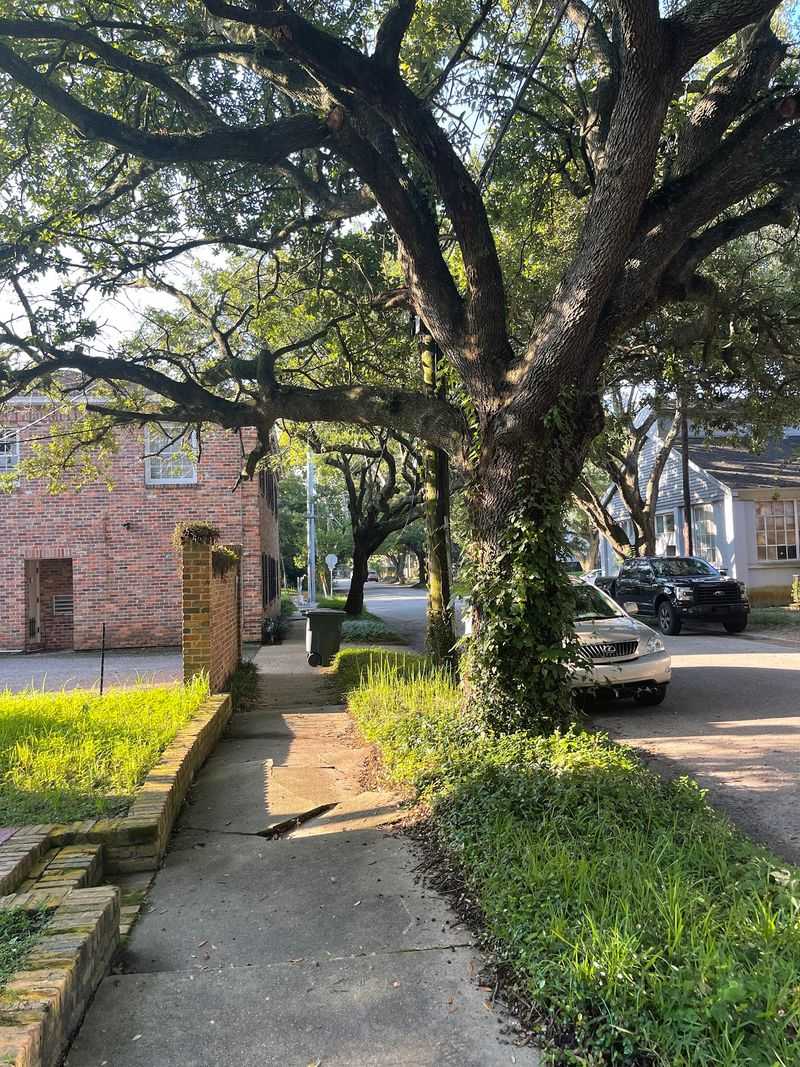
Fancy ironwork can steal the show before you notice the windows. De Tonti Square Historic District sits just north of downtown Mobile.
Its compact blocks feature townhouses and other buildings associated with the city’s nineteenth-century growth.
Look for Federal, Greek Revival, and Italianate touches while staying on public walking routes. The Richards DAR House makes an appealing exterior landmark.
Give residents room at doorways, shorten the leash at crossings, and build your route around your dog’s comfort.
3. Old Dauphin Way: Pick Your Own Little Loop
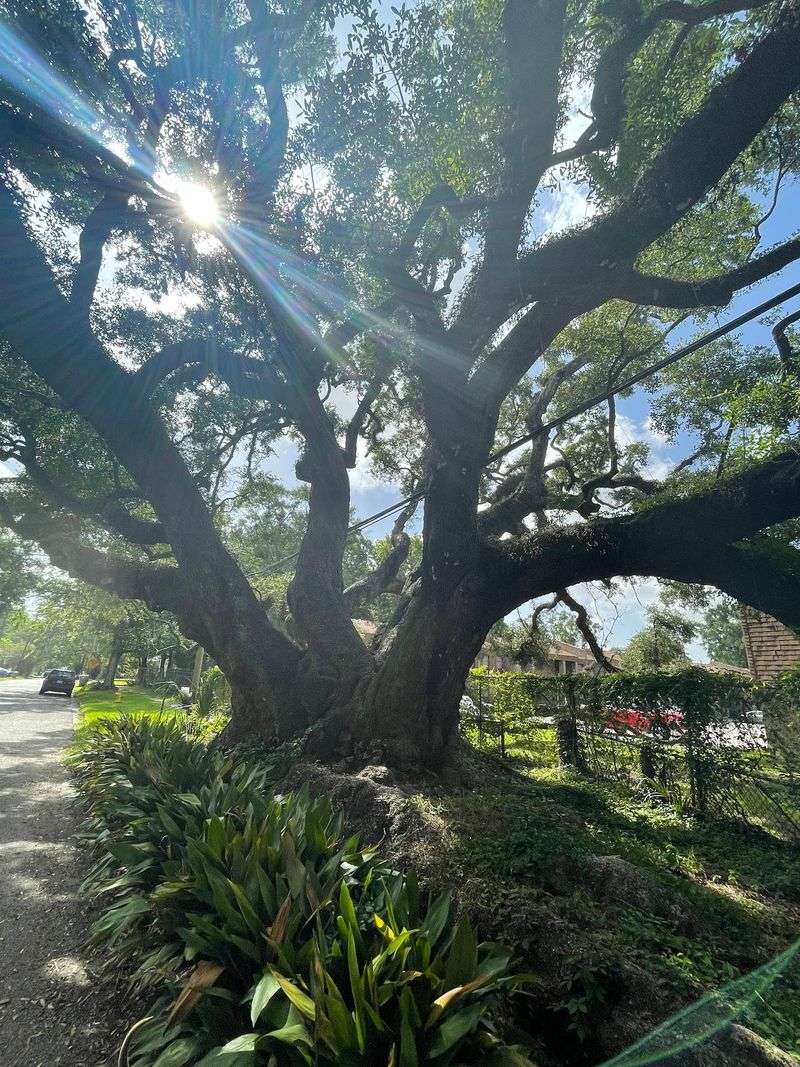
A neighborhood this large deserves several walks, not one rushed march. Old Dauphin Way Historic District spreads across a broad part of Mobile.
Its houses range from elaborate Victorian designs to simpler early twentieth century styles.
Choose a small residential loop rather than trying to cover everything. Quieter side streets may suit dogs who dislike busy traffic.
Check sidewalk conditions as you go, carry enough water, and turn back before the afternoon warmth steals everyone’s spring.
4. Ashland Place: Follow the Neighborhood Curves
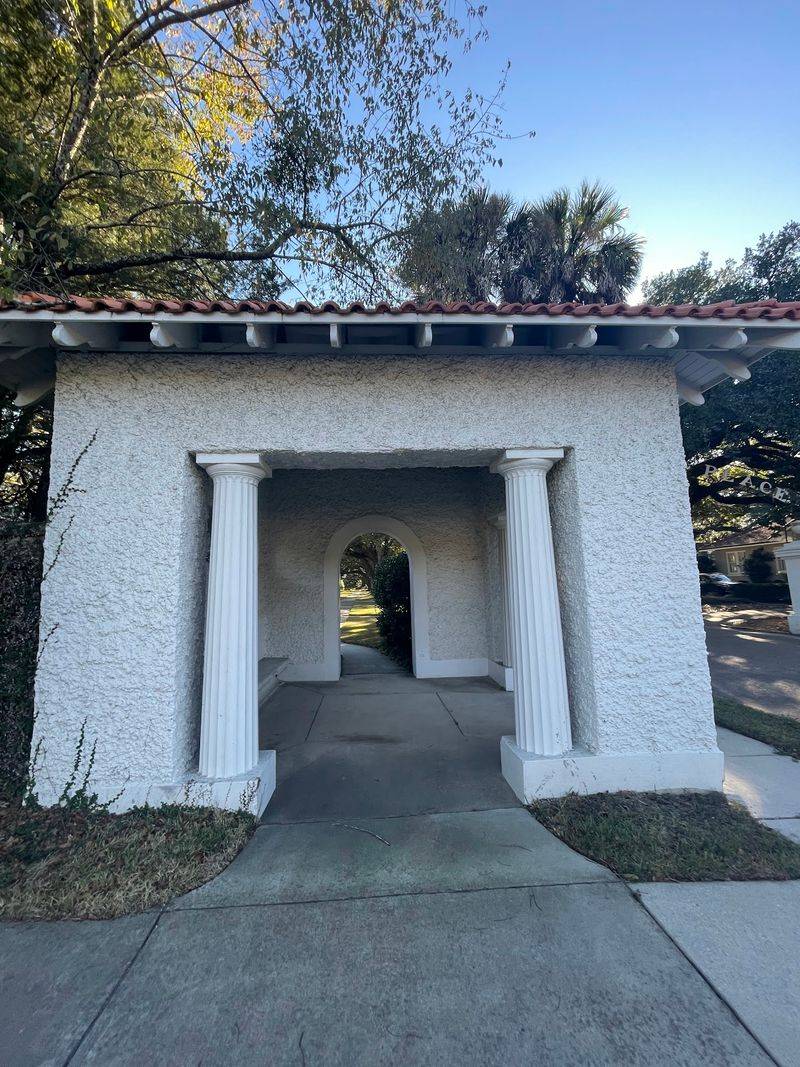
Not every historic walk follows a neat checkerboard of streets. Ashland Place Historic District in Mobile has a distinctive layout shaped by its development as a streetcar suburb.
Large lots and mature trees create a spacious feel.
Admire Craftsman and other period homes without wandering onto lawns or driveways. Plan your return route before setting off, since streets can bend unexpectedly.
Cooler daylight hours make architectural details easier to enjoy while keeping the outing comfortable for paws.
5. Leinkauf: Porch Spotting in Midtown
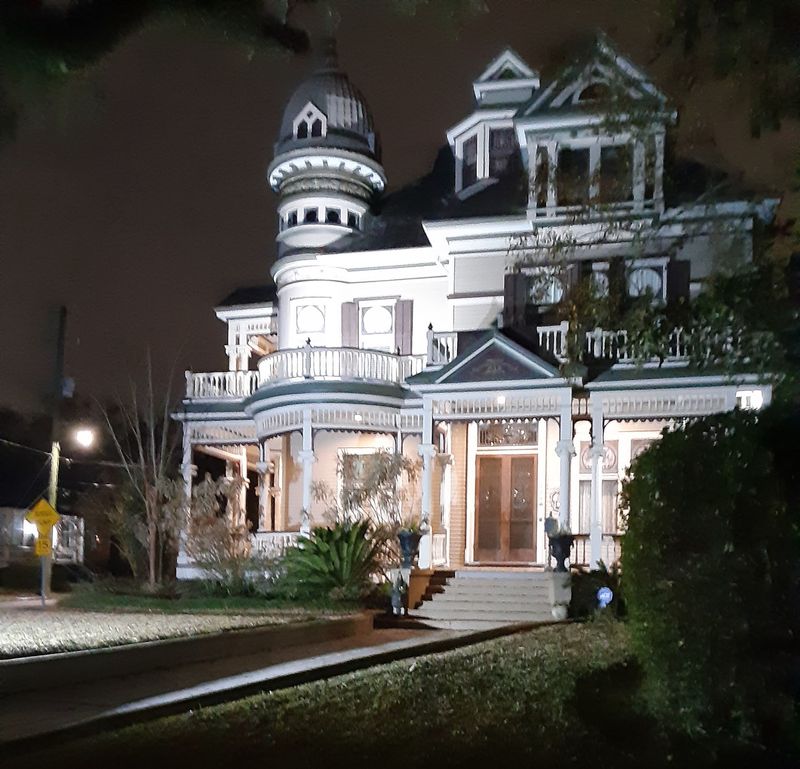
Porches provide the entertainment here, with each block offering another detail to notice. Leinkauf Historic District in midtown Mobile grew alongside the city’s streetcar expansion.
Its mix of older homes gives the neighborhood an easygoing, lived in character.
Stick to public sidewalks and give people working in their gardens plenty of space. Nearby businesses may offer convenient stops, but ask before bringing your dog inside.
A short route leaves extra time for sniffing without tiring either walker.
6. Lower Dauphin Street: Storefronts at Sniffing Speed
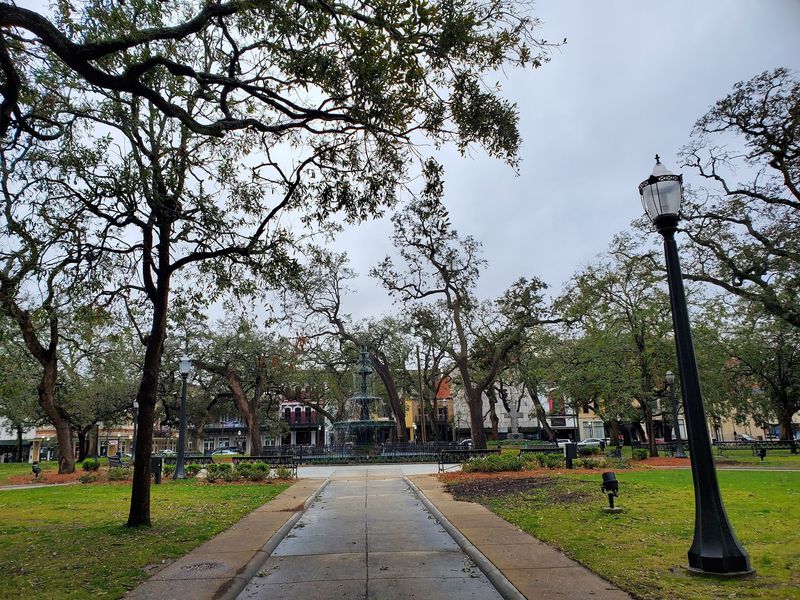
Shop windows bring a different rhythm to this historic outing. Lower Dauphin Street Historic District, often called LoDa, introduces downtown Mobile’s commercial architecture.
Decorative fronts and older masonry reward walkers who look above the ground floor.
Visit early if your dog prefers less sidewalk activity. Keep the leash short near doors, outdoor seating, and busy crossings.
Bienville Square offers nearby greenery, though posted rules still apply. Ask businesses directly about pet access rather than assuming every doorway welcomes dogs.
7. Walnut Street: A Quiet House Watching Walk
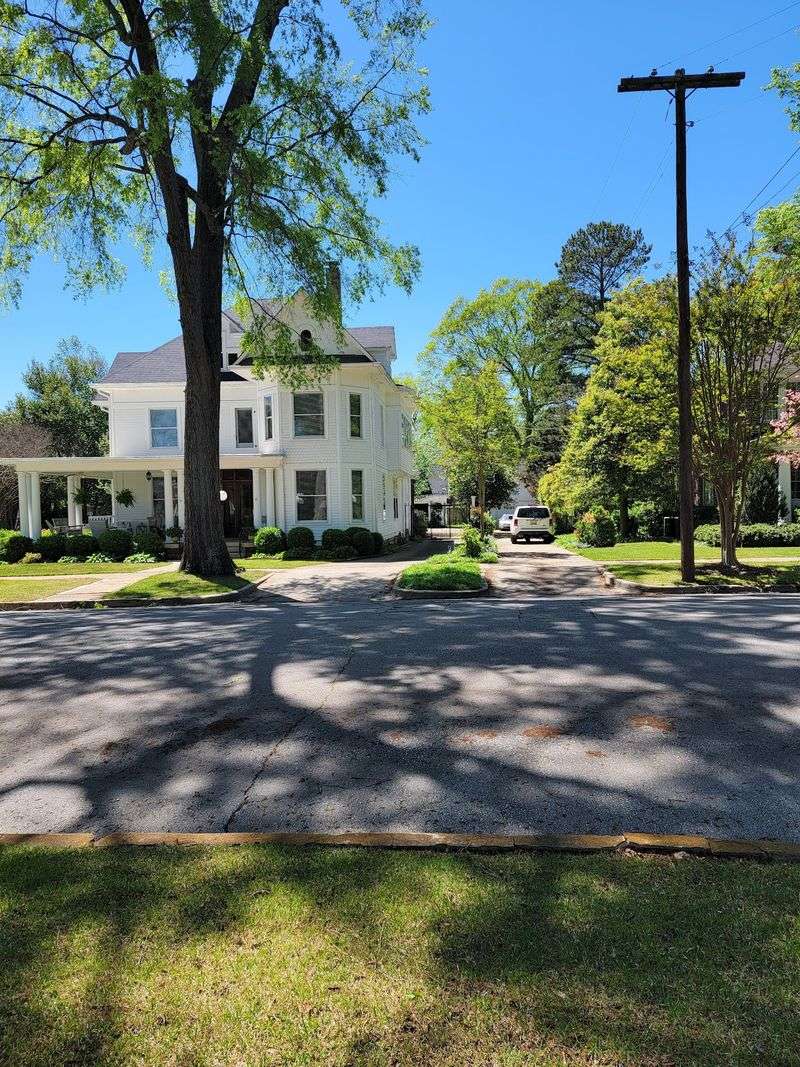
Some streets invite conversation; this one invites a longer look. Walnut Street Historic District in Florence features homes dating largely from the late nineteenth and early twentieth centuries.
Trees and varied house designs make the streetscape especially appealing.
Choose a self-guided sidewalk walk rather than assuming pets can join an organized tour. Pets are not allowed on the Florence historic walking tours.
Respect porch boundaries, pause away from driveway openings, and enjoy gardens without letting curious noses enter them.
8. Wood Avenue: Details Above the Doorstep
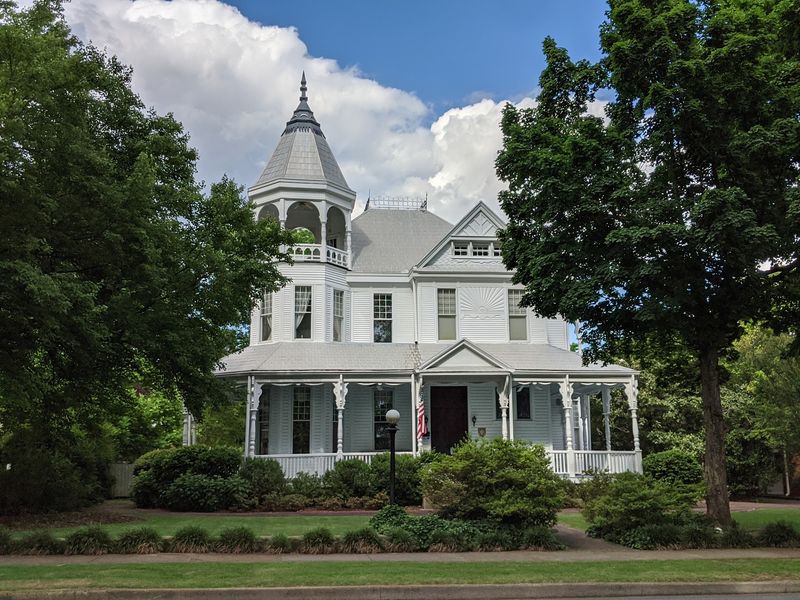
A fancy roofline here, a broad porch there, boredom never gets far. Wood Avenue Historic District in Florence brings together Victorian houses, bungalows, and revival styles.
Mature trees add welcome character along this established residential route.
Start with a manageable stretch instead of promising your dog the entire avenue. Watch street crossings and check pavement temperature wherever shade breaks.
Photograph homes from public space, keep entrances clear, and let architectural details set a pleasantly unhurried walking pace.
9. Locust Street: Craftsman Charm Without the Rush

Bungalow fans might find themselves stopping more often than their dogs. Locust Street Historic District lies northwest of downtown Florence.
Craftsman houses form an important part of its character, alongside larger Victorian homes and buildings from other periods.
Pick a few blocks where sidewalks offer comfortable footing. Avoid stepping into yards for a better photograph, however tempting the porch details become.
Bring cleanup bags and a simple street map, then follow your dog’s energy rather than a strict schedule.
10. Downtown Tuscaloosa: Finish With a Little Perspective
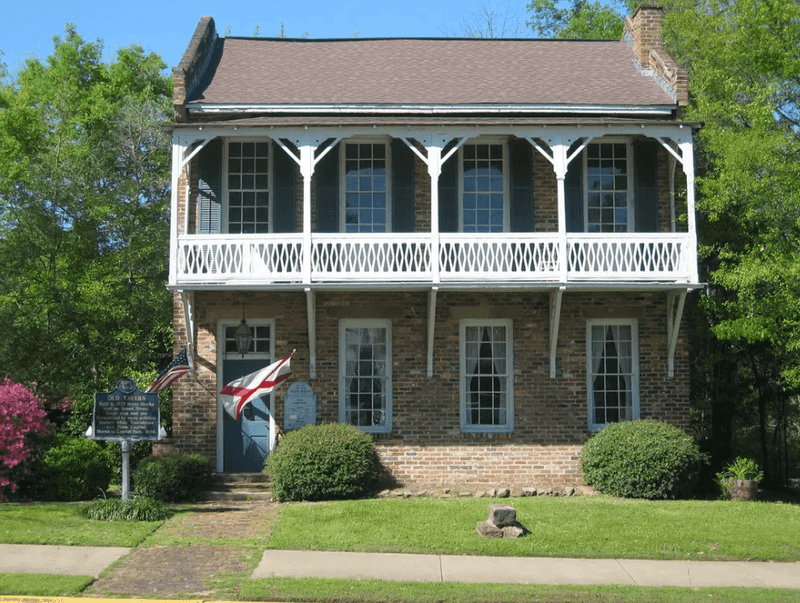
History shares the sidewalk with everyday city life along University Boulevard. Downtown Tuscaloosa offers older buildings and connections to the city’s Civil Rights Trail.
Read outdoor markers where available, keeping your dog beside you.
Plan crossings carefully and check current rules before adding Government Plaza or the Riverwalk to your route. Those nearby destinations are separate stops, not automatic district features.
Keep the outing short when temperatures climb. Grab the leash, choose your block, and slow down.