15 California Dog-Care Backup Plans For Days When Traffic, Power Shutoffs, Or Smoke Disrupt The Routine
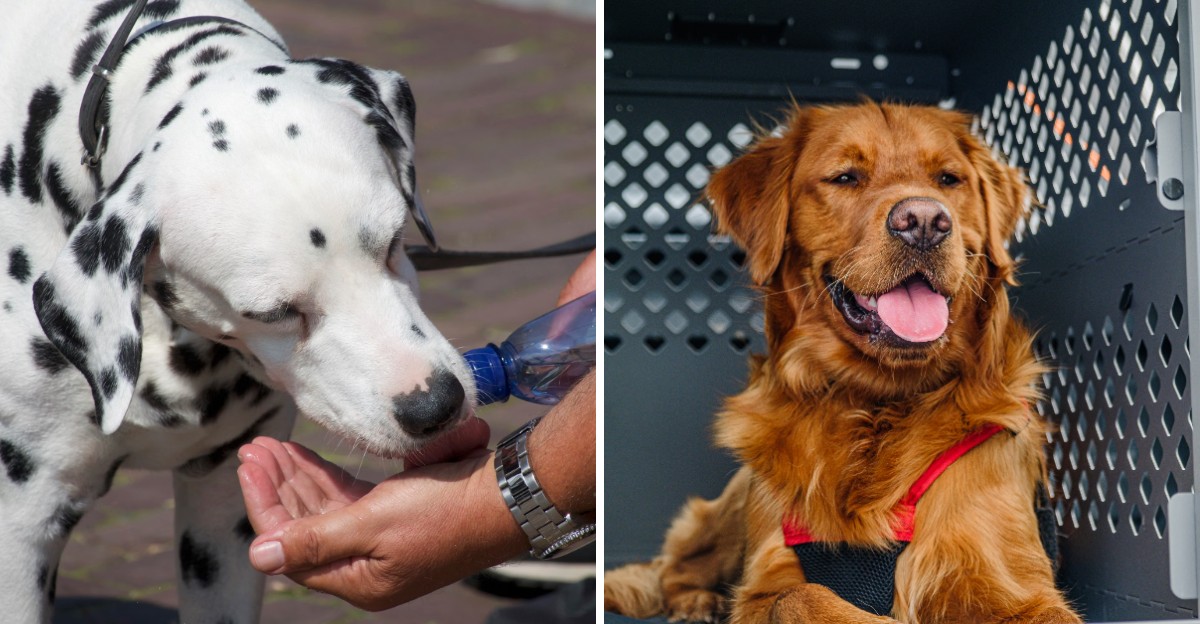
California traffic, power shutoffs, and smoky afternoons can change your dog’s day before you reach the front door. A little planning helps you handle missed walks, delayed meals, and sudden travel without scrambling.
You don’t need fancy gear or a perfect schedule, just reliable people, useful supplies, and a few clear choices. Start with the routines your dog depends on, then build backups that fit your home and neighborhood.
1. Keep A Go-Bag Ready For Sudden Disruptions
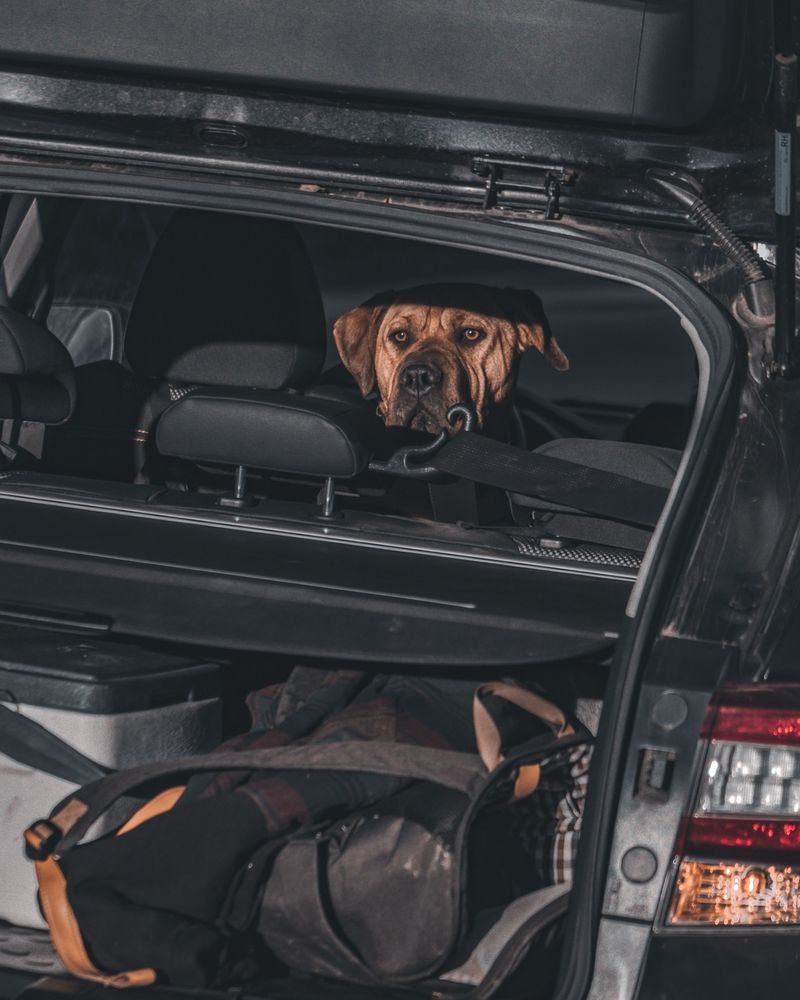
A packed bag turns a rushed departure into a manageable task. Include food, water, bowls, waste bags, a leash, and a familiar blanket.
Add medication instructions and copies of vaccination records in a waterproof pouch.
Choose supplies your dog already uses, rather than unfamiliar treats or equipment. Keep the bag near your exit, away from direct heat and curious paws.
Check expiration dates regularly, and replace anything borrowed during ordinary outings before another disruption catches you.
2. Build A Backup Traffic Route

Your usual freeway exit may not be your best option during a disruption. Save an alternate route before you need it, including roads that allow safe travel.
Check official road closures and current conditions before leaving, especially near wildfire activity.
Avoid treating navigation shortcuts as proof that a road is open or safe. Never enter a closed road to shorten your trip home.
Share your expected arrival with your caregiver once safely parked or before departure.
3. Plan For Longer Commutes Home
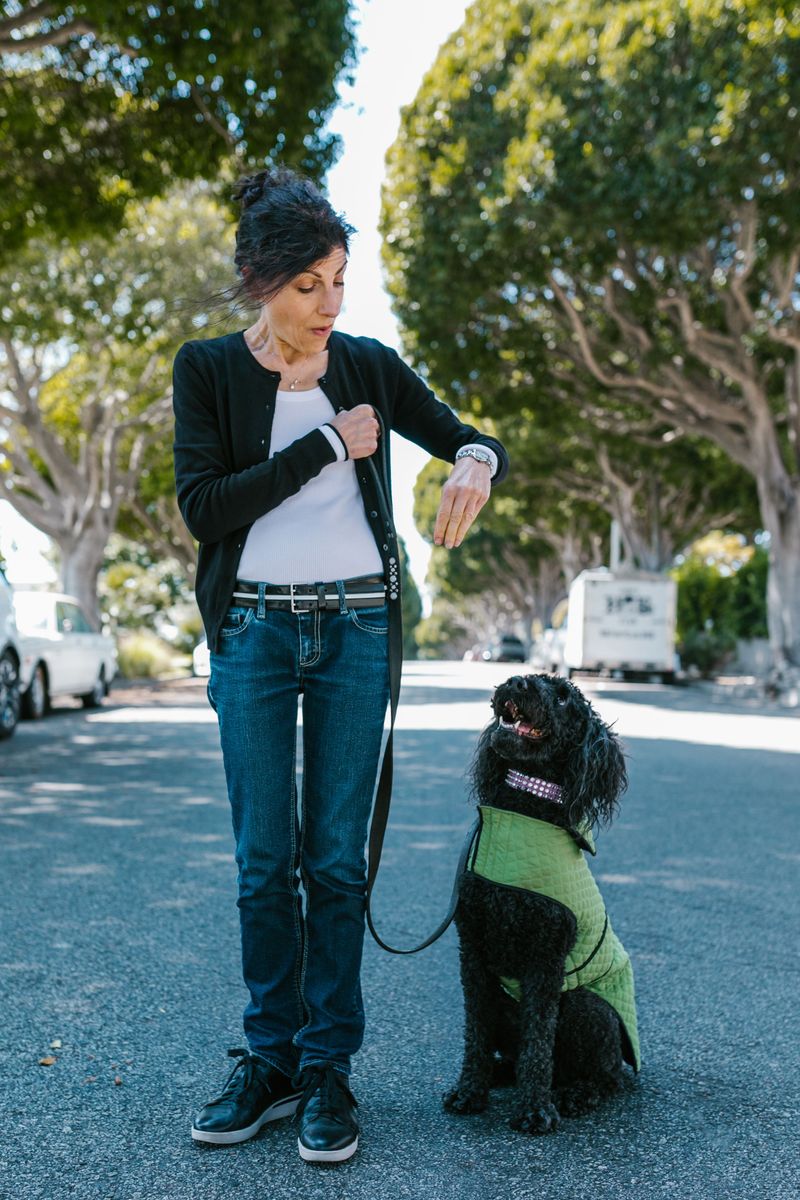
A slow commute becomes easier when someone knows when to step in. Decide how late you can be before your dog needs a visit.
Base that limit on age, health, meal timing, and usual bathroom needs.
Ask your backup person to confirm each visit with a quick message. Leave clear instructions about feeding, walks, and any restrictions your veterinarian recommends.
Avoid relying on extra food or water alone to cover an unexpectedly long absence from home.
4. Have A Trusted Backup Caregiver
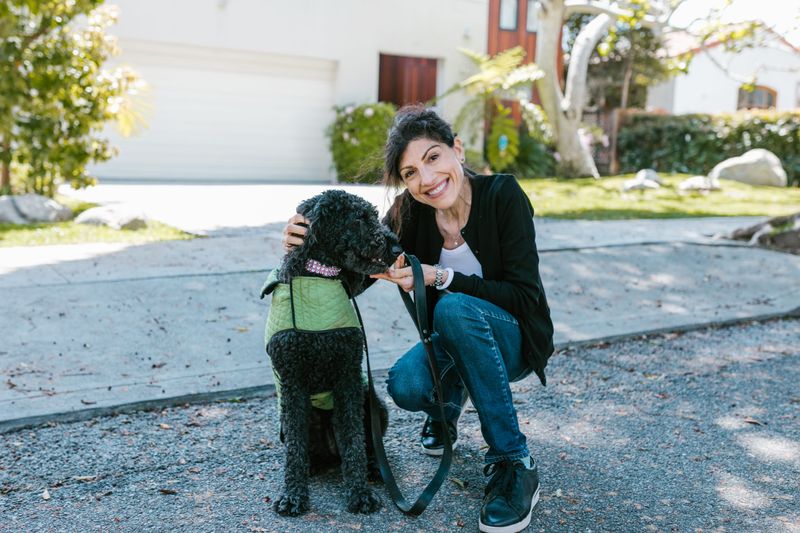
Familiar company can make an unusual afternoon feel more normal for your dog. Choose someone dependable who feels comfortable handling your dog’s size, habits, and needs.
Arrange a practice visit while you are available to answer questions.
Write down meal portions, walking rules, emergency contacts, and signs that require veterinary advice. Discuss payment and availability instead of assuming help will always be free.
Identify another person too, since your first caregiver may face the same disruption.
5. Keep A Spare Key Available
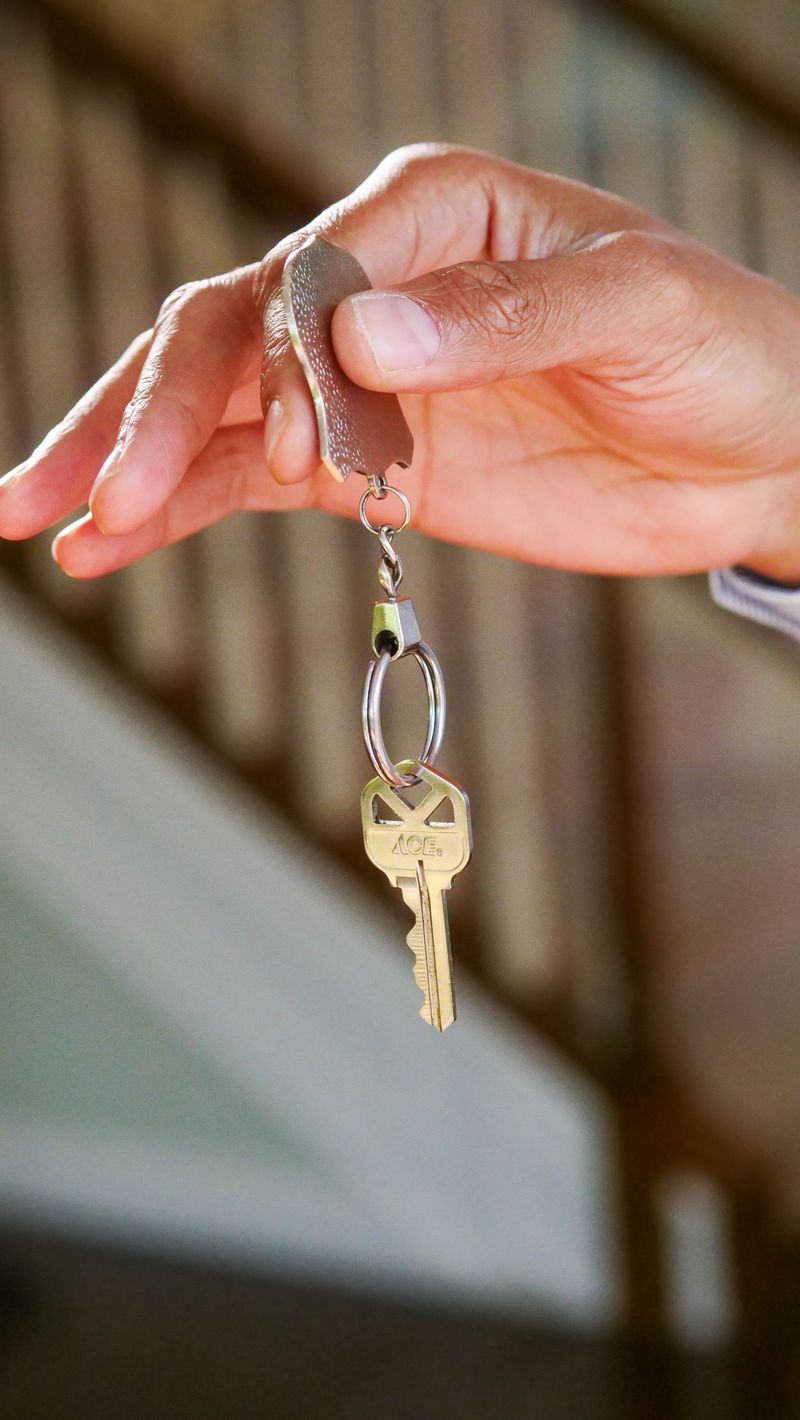
Even the best helper cannot give your dog a break without getting inside. Provide a tested spare key or another reliable entry method to an approved caregiver.
If using a lockbox, place it discreetly and share access details privately.
Check whether smart locks, gates, or garage doors still work during power outages. Keep a physical backup when your entry system depends on electricity or internet service.
Update access permissions whenever caregivers change, and follow any building rules.
6. Prepare For Planned Power Shutoffs
A utility notice gives you time to move from guessing to preparing. Sign up for your electricity provider’s alerts and keep your contact information current.
Public Safety Power Shutoffs can affect lighting, cooling, charging, and some water systems that depend on electricity, such as private wells or electric pumps.
Charge phones and battery packs, and save important numbers on paper. Choose a place you can take your dog if your home becomes unsuitable.
Never run generators indoors or near openings, and follow manufacturer instructions for safe outdoor placement.
7. Know How Your Dog Handles Heat Without Air Conditioning
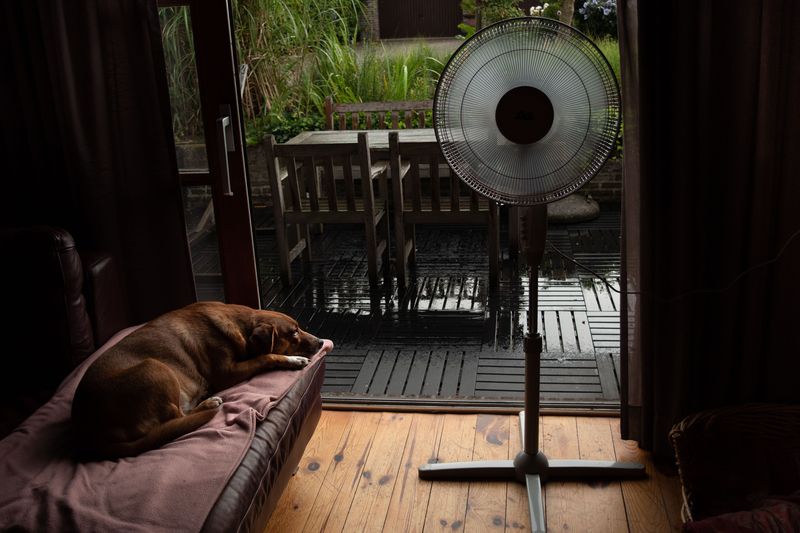
A warm house affects dogs differently, especially those with short noses or existing health conditions. Ask your veterinarian which warning signs and temperature concerns apply to your dog.
Identify a cooler destination before your air conditioning stops working.
Offer water, limit activity, and monitor comfort rather than trusting a fan alone. Heavy panting, weakness, or unusual behavior calls for prompt veterinary guidance.
Never leave your dog in a parked car while searching for somewhere cooler to stay.
8. Store Water For Your Dog
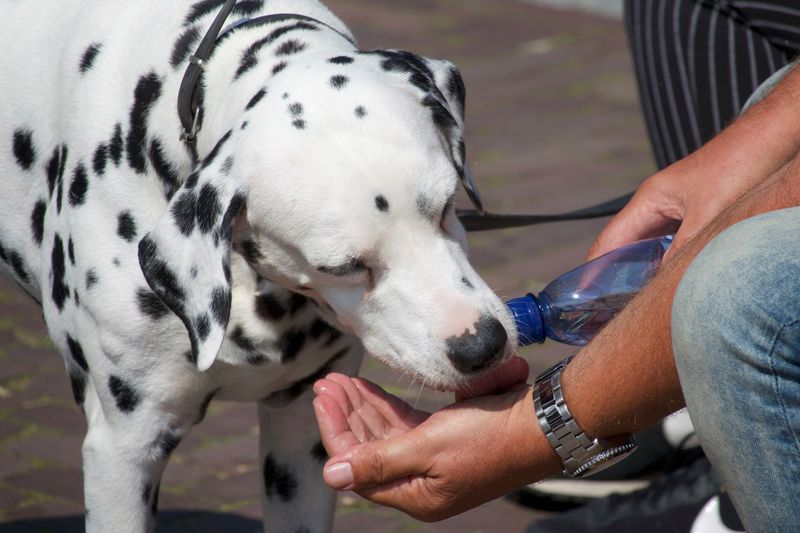
Water belongs in your household backup supplies, not just your dog’s travel bag. Store drinking water in clean, sealed containers away from sunlight and household chemicals.
Estimate your dog’s usual intake, then allow extra for heat, spills, and travel.
Ask your veterinarian about needs related to health conditions or special diets. Refresh supplies according to container guidance, and keep portable bowls handy.
During water advisories, follow local instructions and offer safe drinking water to your dog too.
9. Keep Medications And Records Together

Clear medical information helps another person care for your dog without guesswork. Gather prescription labels, dosing instructions, vaccination records, and your veterinarian’s contact details.
Keep a recent photo and microchip information with those records.
Ask your clinic about refill timing and storage requirements before disruptions occur. Refrigerated medicines need a veterinarian-approved backup plan, not an assumed cooler temperature.
Save digital copies, but keep paper versions available when batteries or internet service fail during an unexpected local outage.
10. Create A Smoke-Day Indoor Routine
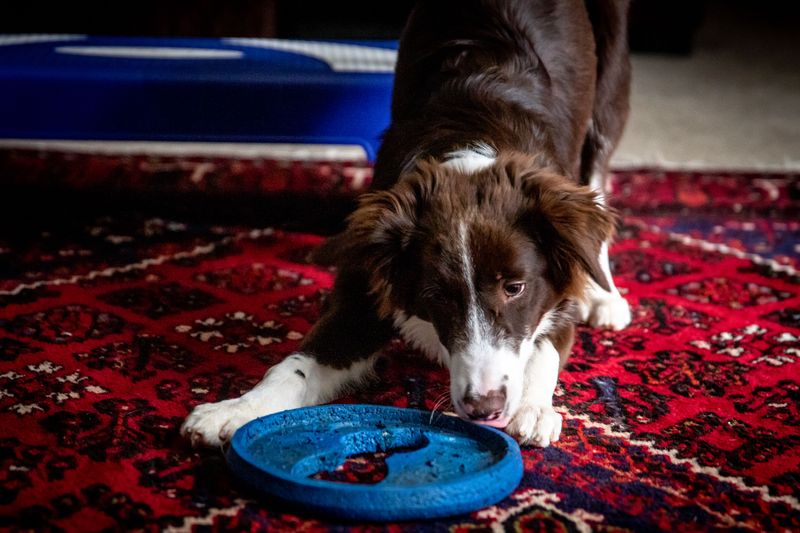
A canceled walk does not have to mean a day without enrichment. Use food puzzles, short training sessions, and sniffing games to replace outdoor activity.
Keep exercise gentle when smoke affects air quality, especially for dogs with breathing concerns.
Hide a few treats around one room or practice familiar cues for small rewards. Count those treats toward your dog’s daily food allowance.
Build rest into the schedule, and keep outdoor bathroom trips brief when conditions are unhealthy.
11. Watch Indoor Air Quality During Smoke Events
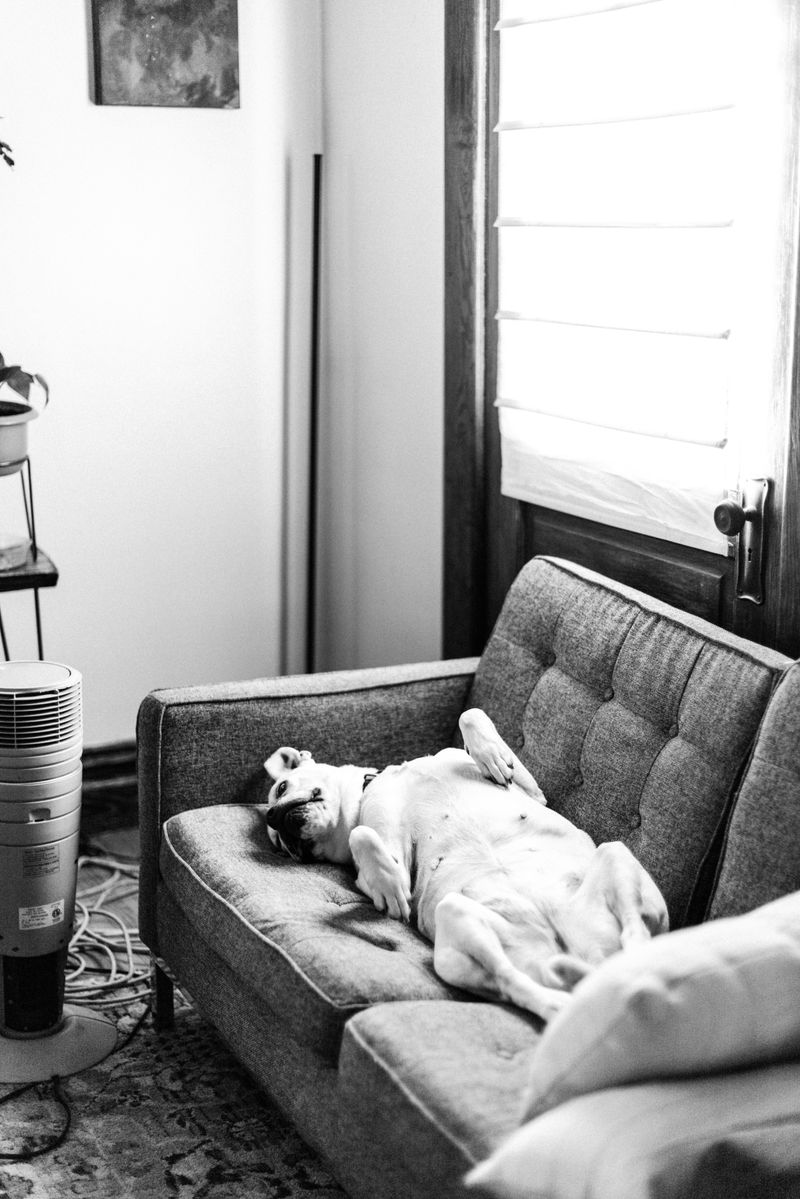
Closed windows can help reduce smoke indoors, but indoor air still needs attention. Check local air reports through AirNow and follow public health guidance for your area.
Use a properly sized HEPA air cleaner if available, avoiding devices that intentionally produce ozone.
Limit indoor smoke and particles from candles, frying, or similar activities. Keep your dog in the cleanest comfortable room, with water and bedding nearby.
Contact your veterinarian about coughing, breathing changes, or unusual tiredness during smoke.
12. Have A Plan For Dogs That Need Frequent Potty Breaks
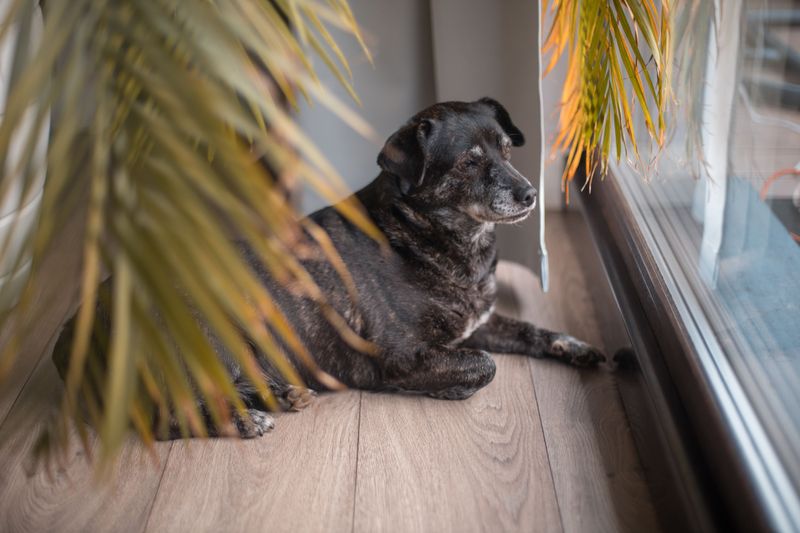
Puppies, senior dogs, and some medical patients cannot comfortably wait through long delays. Arrange visits around your dog’s actual bathroom schedule, rather than a general rule.
Ask your veterinarian if changing needs could signal a health issue.
Introduce an indoor potty option ahead of time if outdoor access may become difficult. Reward successful practice, and keep the area separate from food and bedding.
For outdoor breaks during smoke, use short trips and return indoors promptly without extra exercise.
13. Arrange A Backup Boarding Option
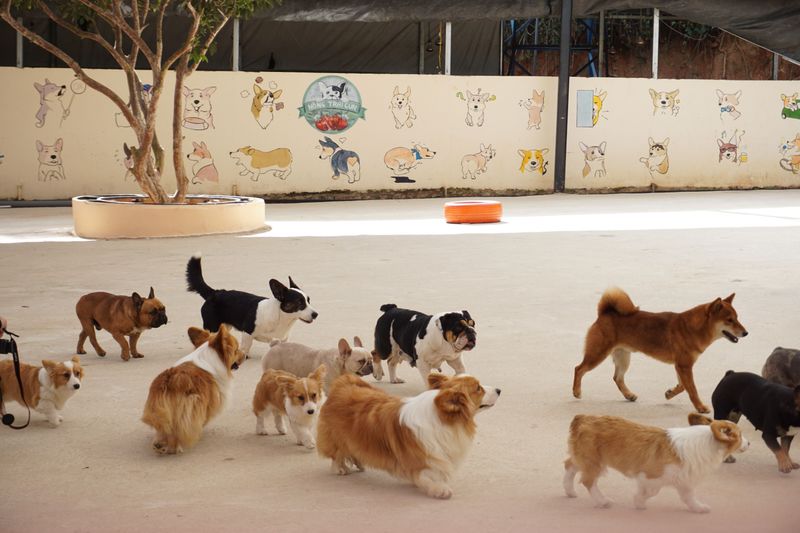
A boarding option is most useful when the paperwork is already finished. Contact facilities outside your immediate area, since nearby businesses may share outages or evacuation orders.
Ask about vaccination requirements, staffing, medication support, and emergency procedures.
Confirm whether they accept arrivals during disruptions and how reservations work. A short trial stay can reveal whether the setting suits your dog.
Keep another option available, because boarding spaces may fill quickly when many households need help at once.
14. Keep Your Dog Comfortable During Evacuations
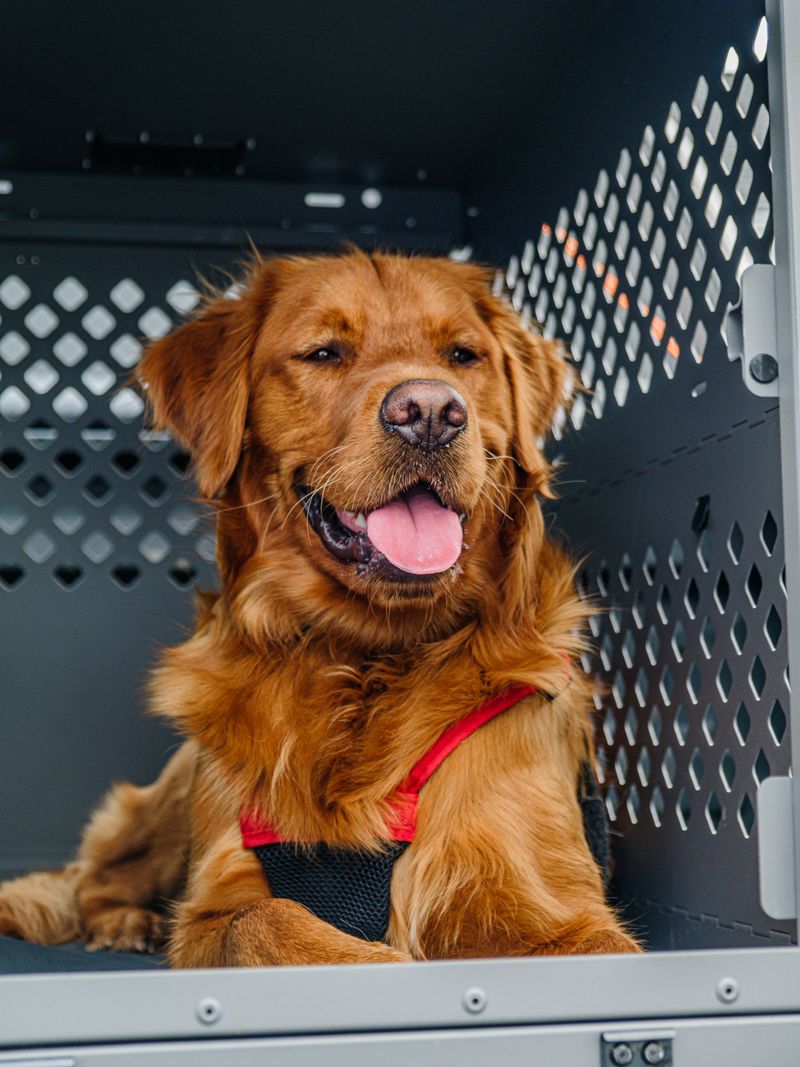
Familiar gear can make an unfamiliar destination easier for your dog to handle. Practice calm crate or harness travel before any evacuation becomes necessary.
Follow local evacuation instructions promptly, and bring your dog with you whenever leaving home.
Pack bedding, identification, food, and medication where you can reach them easily. Confirm pet policies before relying on a hotel or shelter, since arrangements vary.
At your destination, offer a quiet resting spot and maintain familiar routines whenever conditions allow.
15. Update The Plan Before Fire Season
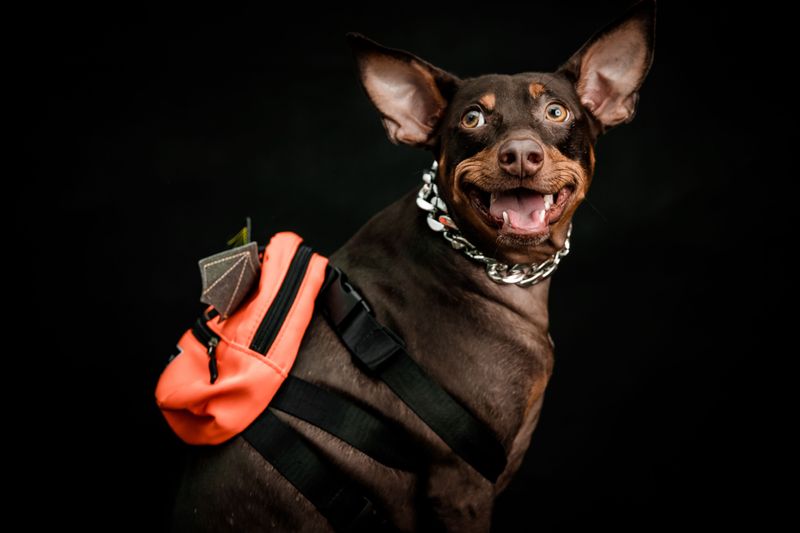
A plan works best when it matches the dog you have today. Review contact numbers, medications, access instructions, and travel supplies before your area’s usual fire season.
California disruptions can happen year-round, so repeat checks after major household changes.
Confirm microchip registration details and readable identification tags, then practice one simple backup scenario with your caregiver. Replace expired supplies and revisit destinations that may have changed policies.
Small checks now make changed plans easier for everyone later on.