15 Georgia Porch Habits That Change Once Muddy Paws And Pollen Enter The House
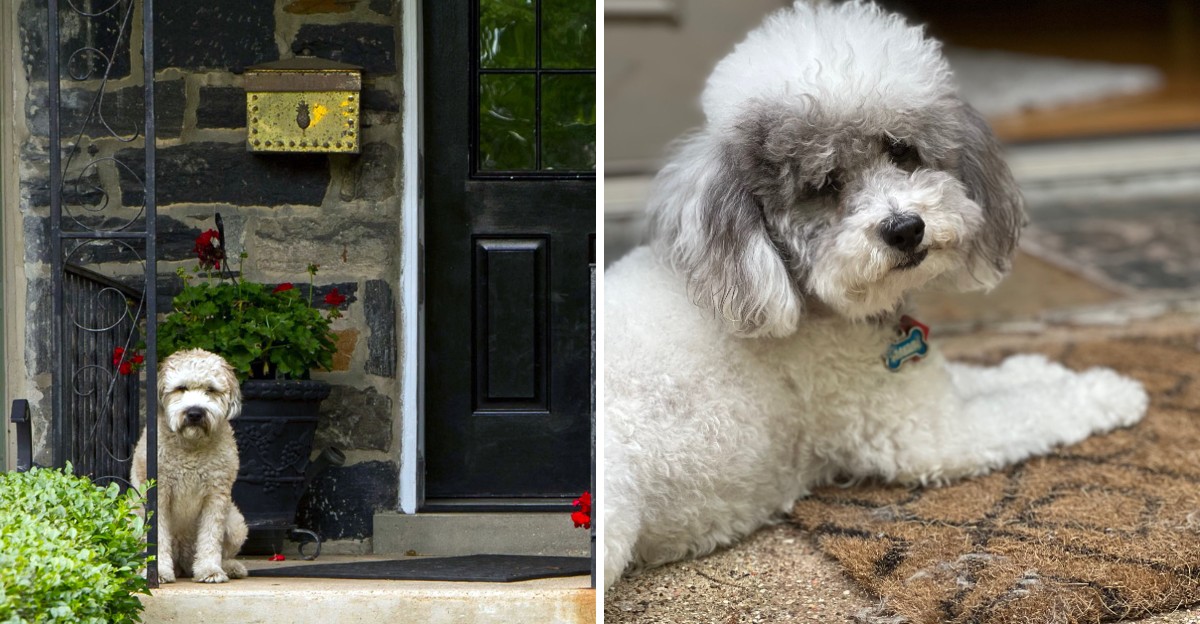
Your Georgia porch can collect red clay, damp paw prints, and yellow pollen before breakfast. When your dog brings that mess indoors, a few small changes can make coming home much easier.
You do not need a fancy setup, just useful supplies and routines your dog can learn. From cleaner water bowls to calmer rainy returns, these porch habits help keep your home comfortable.
1. The Porch Becomes the First Stop for Dirty Paws
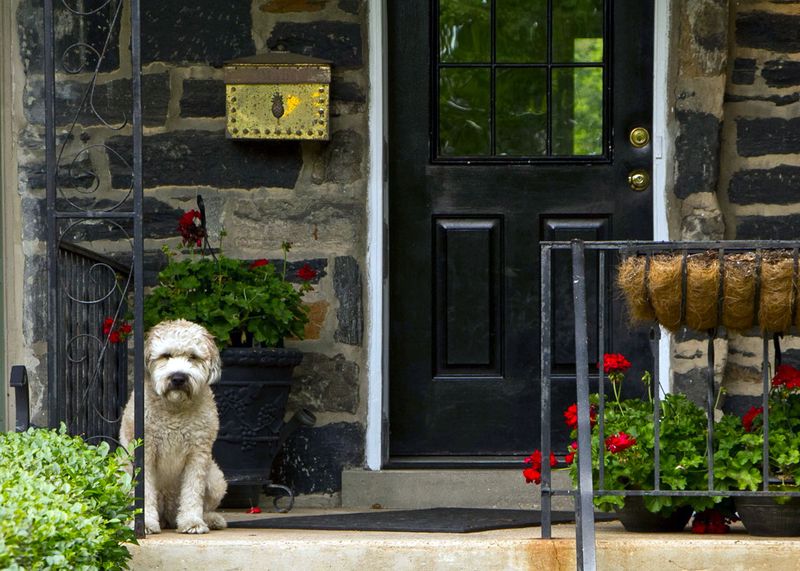
Those first few steps can decide how much yard ends up on your living room floor. Give your dog a clear stopping spot before opening the inside door.
Choose a sheltered corner with secure footing and enough room to turn around comfortably. Keep the path clear of shoes, planters, and loose tools.
Reward a quiet pause with praise or a small treat. With practice, the porch becomes a familiar checkpoint rather than a frustrating delay.
2. A Paw-Wiping Routine Becomes Part of Coming Home
A soft towel by the door saves plenty of chasing after muddy footprints. Let your dog sniff it before gently handling one paw at a time.
Use a damp cloth for ordinary dirt, then dry between the toes without rubbing hard. Avoid household cleaning wipes, which are not intended for paws.
Keep sessions brief and reward cooperation instead of holding your dog down. Stop if handling causes pain, and ask your veterinarian about redness or swelling.
3. Pollen Season Changes How You Welcome Your Dog Inside
Yellow dust on the railing can indicate that pollen has settled on your dog’s coat. Georgia pollen levels vary with weather, location, and the plants releasing it.
Check local pollen reports when planning walks, especially if your dog has known allergies. Wipe paws and the coat with a damp cloth after outings.
Frequent scratching, licking, or irritated skin deserves veterinary advice rather than guesses about seasonal causes. Never give human allergy medicine without your veterinarian’s guidance.
4. Porch Mats Need More Frequent Washing
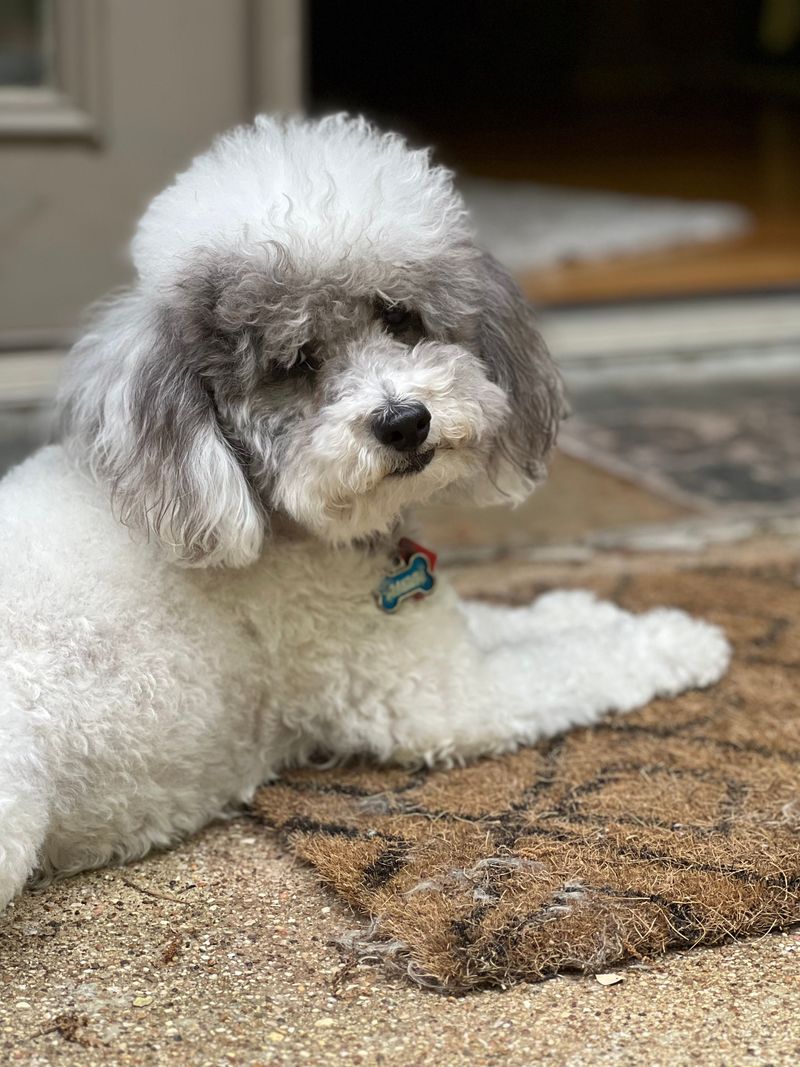
Your trusty welcome mat can become a storage spot for yesterday’s mud and pollen. Shake loose dirt outside, away from doors, windows, and your waiting dog.
Wash mats according to their care labels, and let them dry fully before reuse. A spare mat keeps the doorway covered while the dirty one dries.
Check backing and edges regularly because curled corners can trip people and pets. Replace mats that slide easily or no longer hold together after washing.
5. Outdoor Water Bowls Need Daily Attention
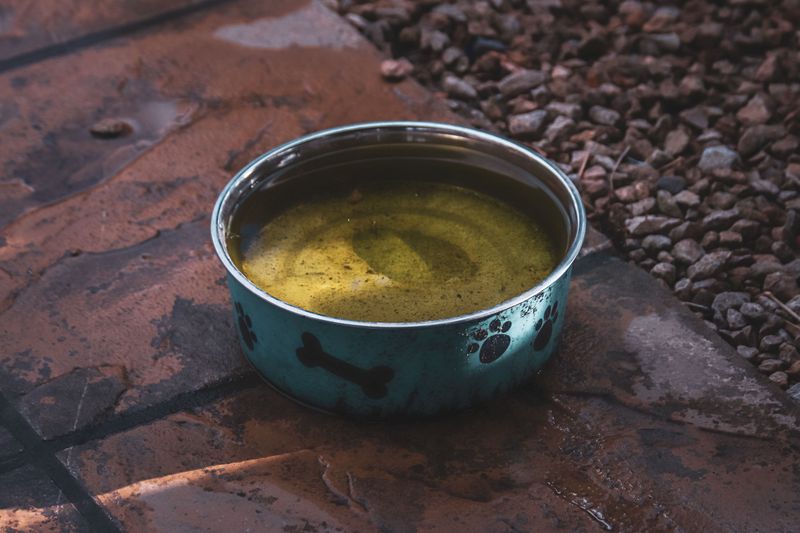
A bowl that looked clean this morning may collect pollen and leaves by lunchtime. Check outdoor water often, particularly during warm Georgia afternoons or heavy pollen days.
Empty the bowl, wash it with dish soap, rinse thoroughly, and refill it with fresh water daily. Clean it sooner whenever debris or a slippery film appears.
Place the bowl in shade where your dog can reach it without crossing hot surfaces. Dump unwanted water where it will not leave a standing puddle.
6. Porch Furniture Needs Covers or Washable Cushions
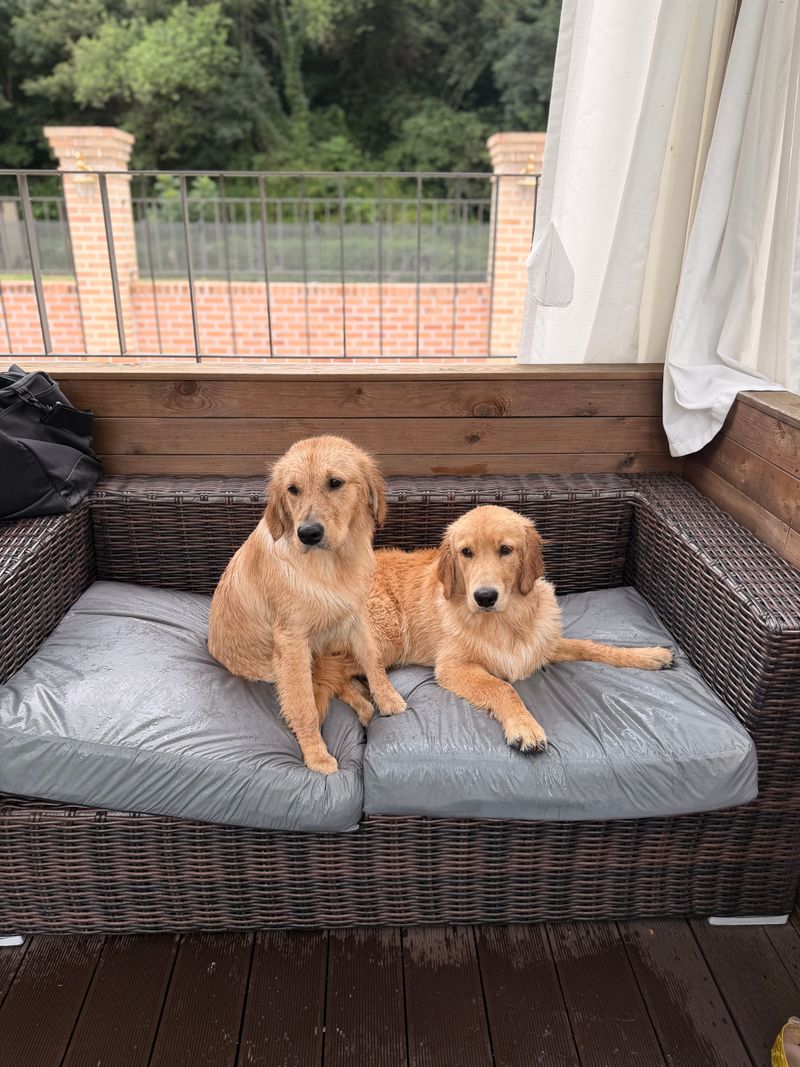
The favorite porch chair often becomes your dog’s favorite lookout, muddy paws included. Washable covers make that shared seat easier to enjoy without constant spot cleaning.
Choose snug covers that do not trail across the floor or invite chewing. Follow fabric care instructions, and test any cleaner on a hidden area first.
Dry cushions completely before returning them to their frames, especially during humid weather. Keep a spare cover ready so cleaning never cancels your afternoon porch break.
7. Wet-Dog Smells Make Ventilation More Important
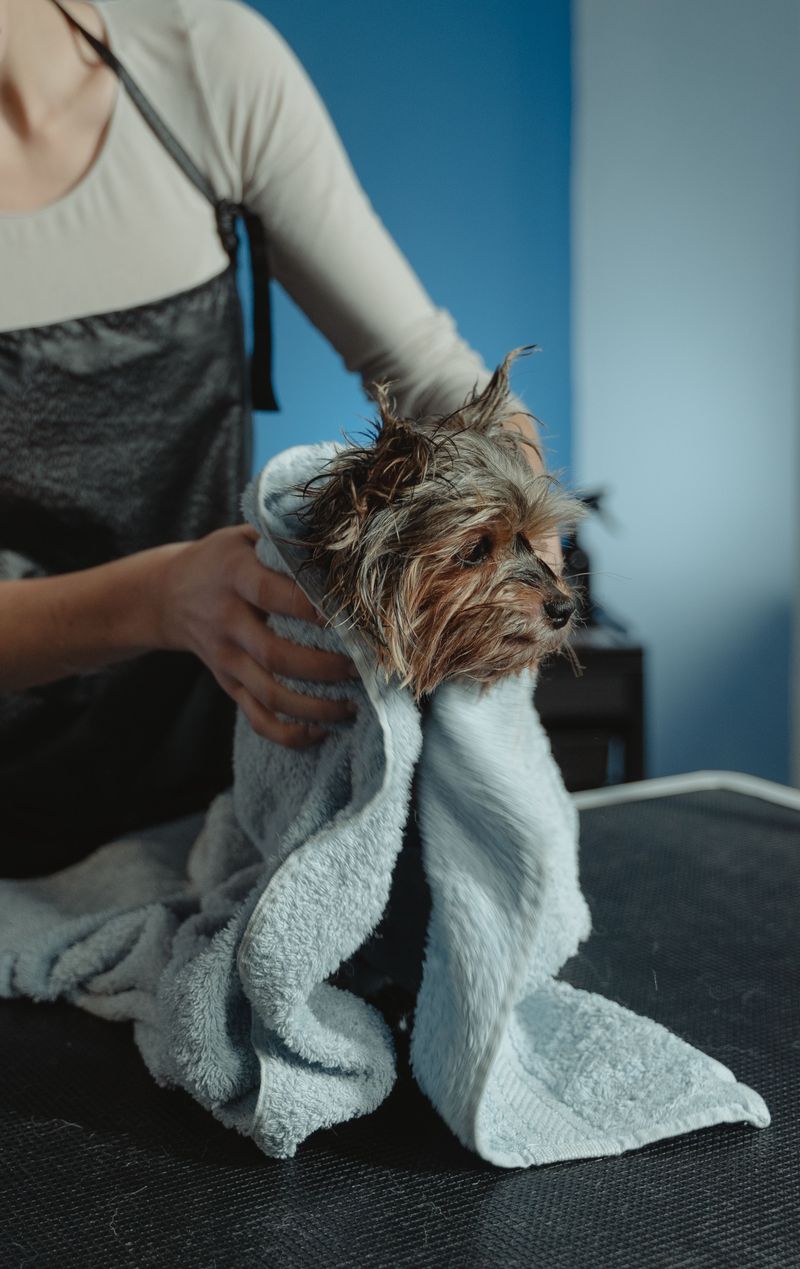
After a rainy walk, damp towels can smell stronger than the dog beside them. Hang used towels where they can dry, then wash them before odors build.
Bring your dog into a comfortable space while you finish drying them, rather than waiting outside. Open screened windows when weather and outdoor pollen levels allow.
Avoid covering odors with strong sprays around your dog or spraying bedding directly. Persistent coat odor, especially with itching, deserves a check with your veterinarian.
8. Grooming Moves Closer to the Door
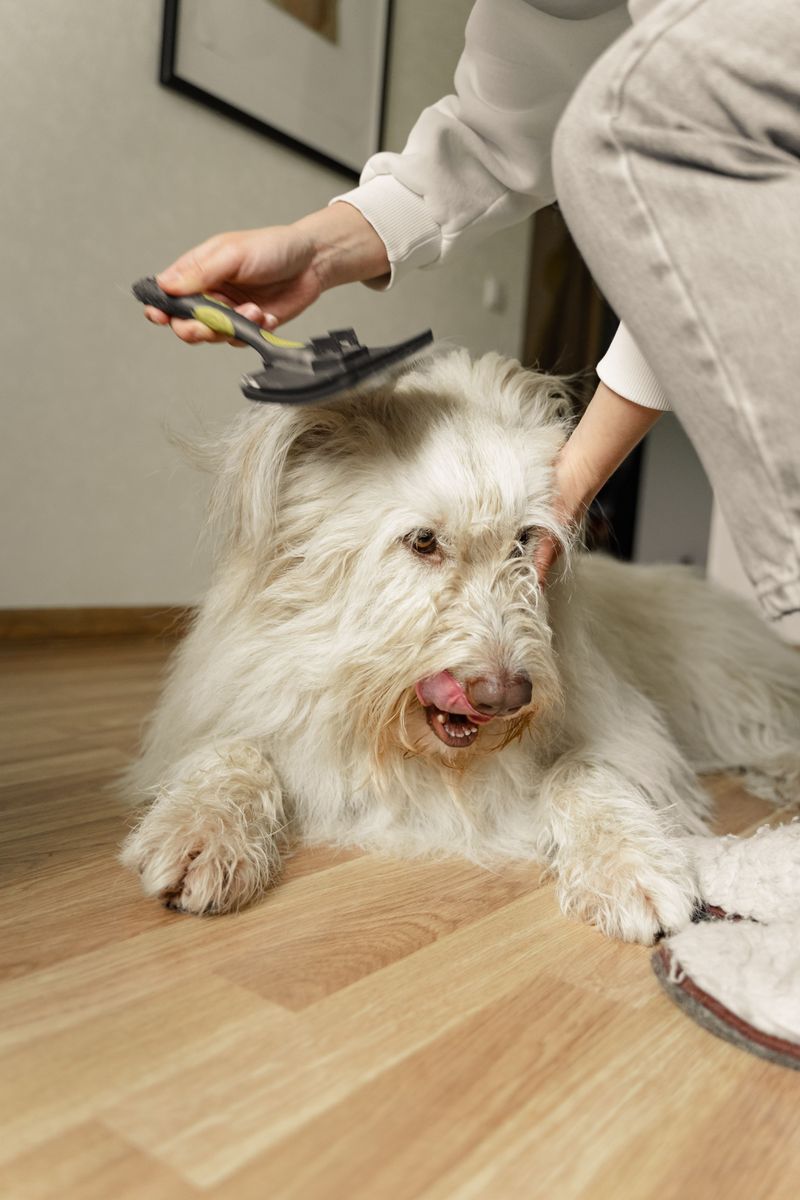
Loose fur and clinging dirt are easier to catch before they reach the sofa. Keep an appropriate brush near your entry, safely beyond your dog’s chewing reach.
Brush gently in a shaded spot, following your dog’s coat type and comfort level. Collect loose hair instead of letting it blow across the porch.
Check for burrs, ticks, and tender spots while you work, without pulling at tangled fur. Ask a groomer or veterinarian for help with mats near skin.
9. Porch Sweeping Becomes a Daily Habit
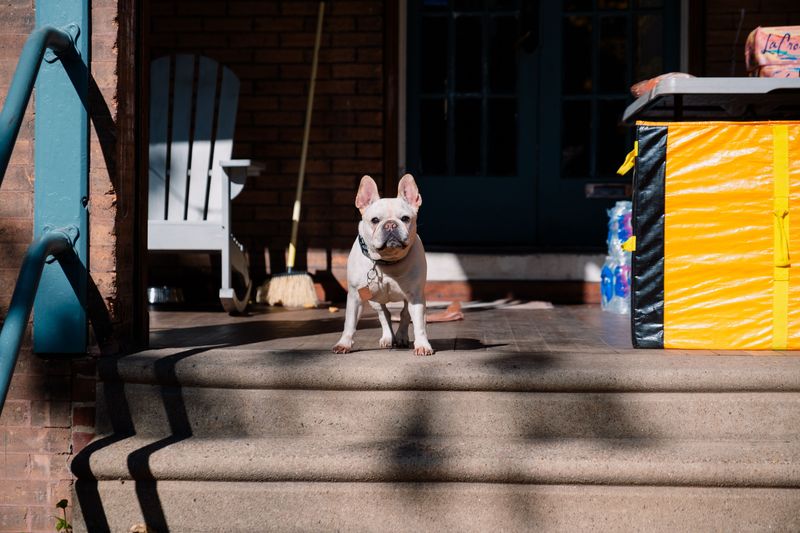
A quick daily sweep keeps yesterday’s yard debris from joining today’s paw prints. Start with leaves and twigs, then gather loose dirt before it spreads indoors.
When pollen coats surfaces, a damp wipe or mop can reduce airborne dust. Avoid blowing debris toward your dog, nearby neighbors, or an open doorway.
Move your pet elsewhere during cleaning, and store tools once the floor is dry. Check corners beneath furniture, where small piles often escape your first pass unnoticed.
10. Georgia’s Red Clay Calls for a Different Cleanup Plan
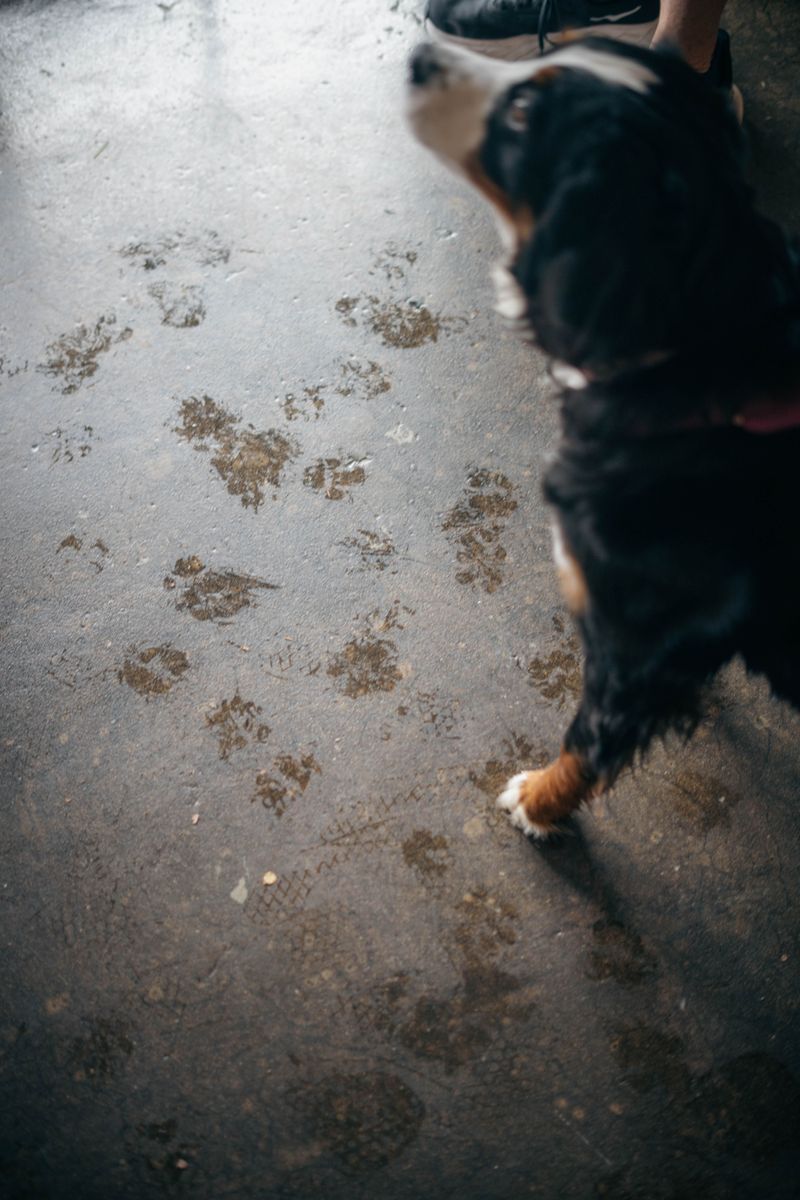
Rusty paw marks can cling stubbornly, especially after a walk through wet Georgia clay. Rinse muddy paws with lukewarm water, then pat them dry with a towel.
For fabrics, let excess mud dry when appropriate, then gently brush or lift away loose clay without grinding it deeper into the material. Follow the care label and test stain treatments somewhere hidden before applying them.
Avoid scrubbing delicate porch finishes with rough brushes or improvised chemical mixtures at home. Address tracked dirt promptly, and keep cleaners away from curious noses.
11. Doorway Storage Keeps Cleanup Supplies Handy
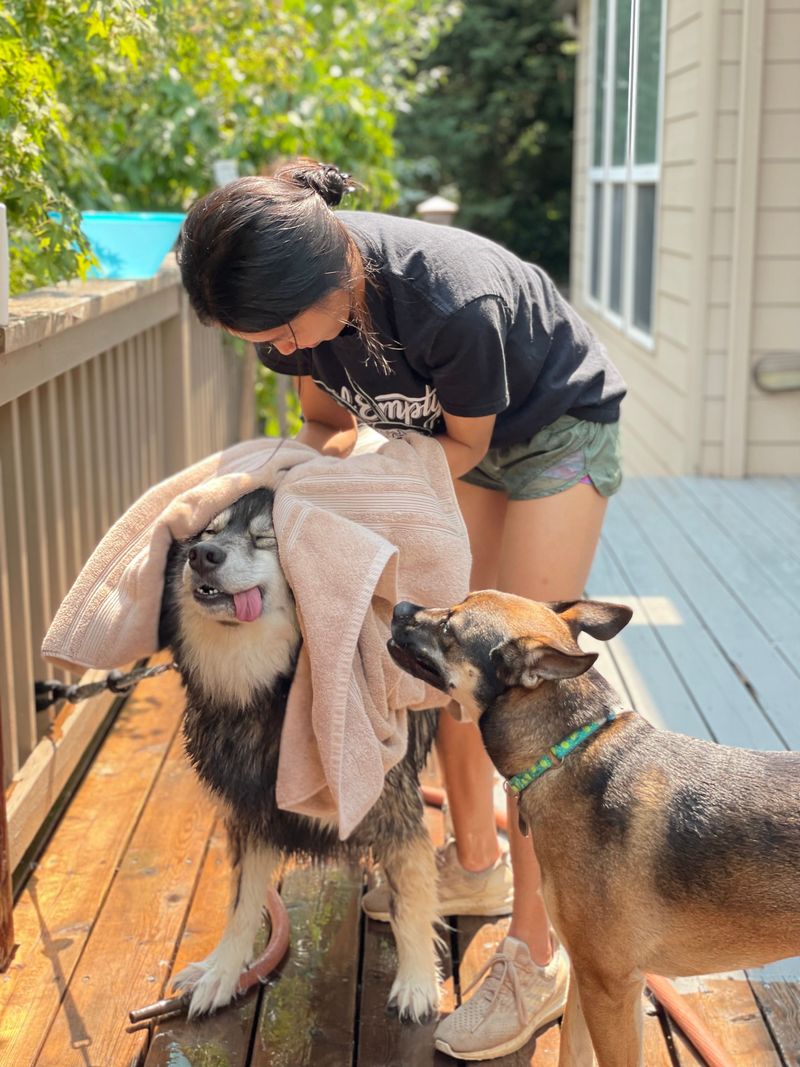
Searching for a towel while your dog shakes off rain rarely ends neatly. A small doorway station lets you handle the mess without leaving your pet waiting.
Stock clean cloths, a dry towel, waste bags, and a leash within easy reach. Store detergents and other cleaning products in a secure cabinet, away from pets.
Separate used towels from fresh ones, and empty the dirty basket before dampness lingers. Restock supplies regularly so your setup stays useful through busy weeks.
12. Screen Doors Help, but They Need Regular Cleaning
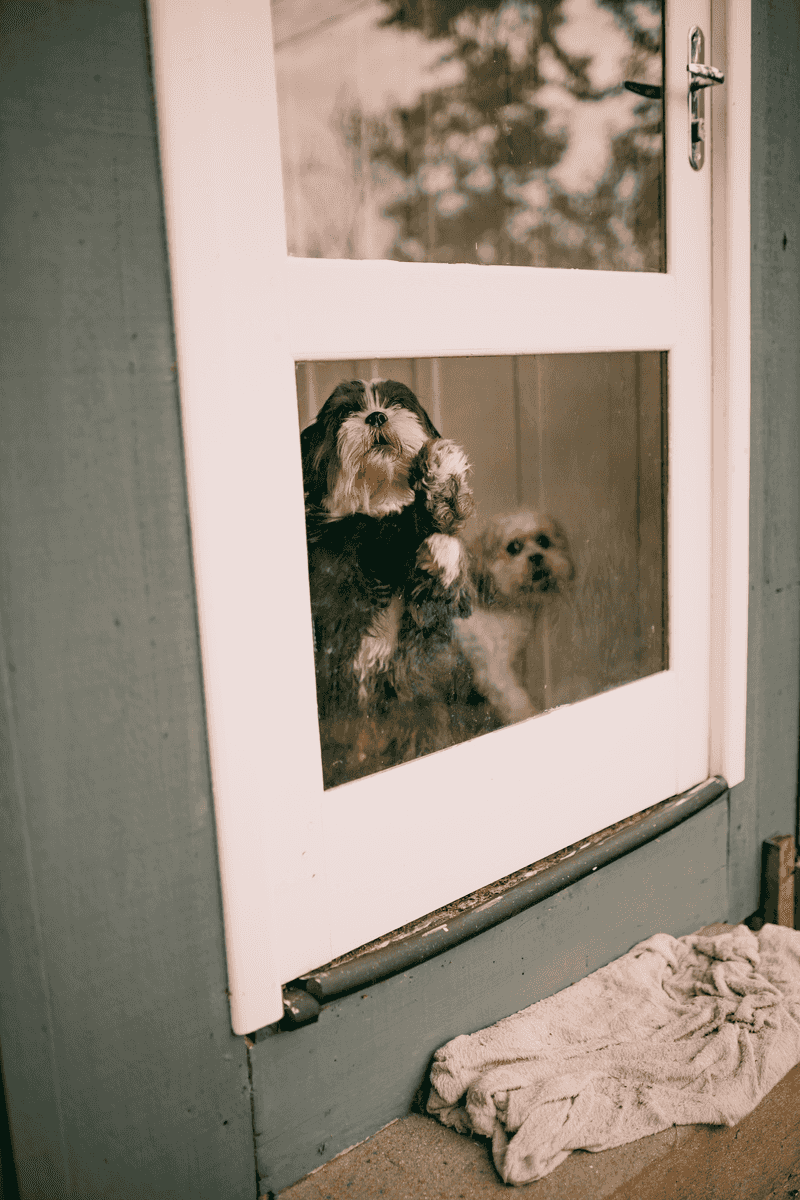
Fine mesh catches more than insects when yellow pollen settles across the porch. Inspect screens for trapped dust, loose edges, and damage near your dog’s usual lookout.
Clean gently using the door manufacturer’s recommended method, protecting mesh from stretching or tearing. Rinse when appropriate, and let the frame dry before closing things tightly.
Check the latch each time your dog approaches, since screens are not reliable pet barriers. Add a suitable secure barrier if your dog pushes against doors.
13. Porch Plants Need a Dog-Safety Check
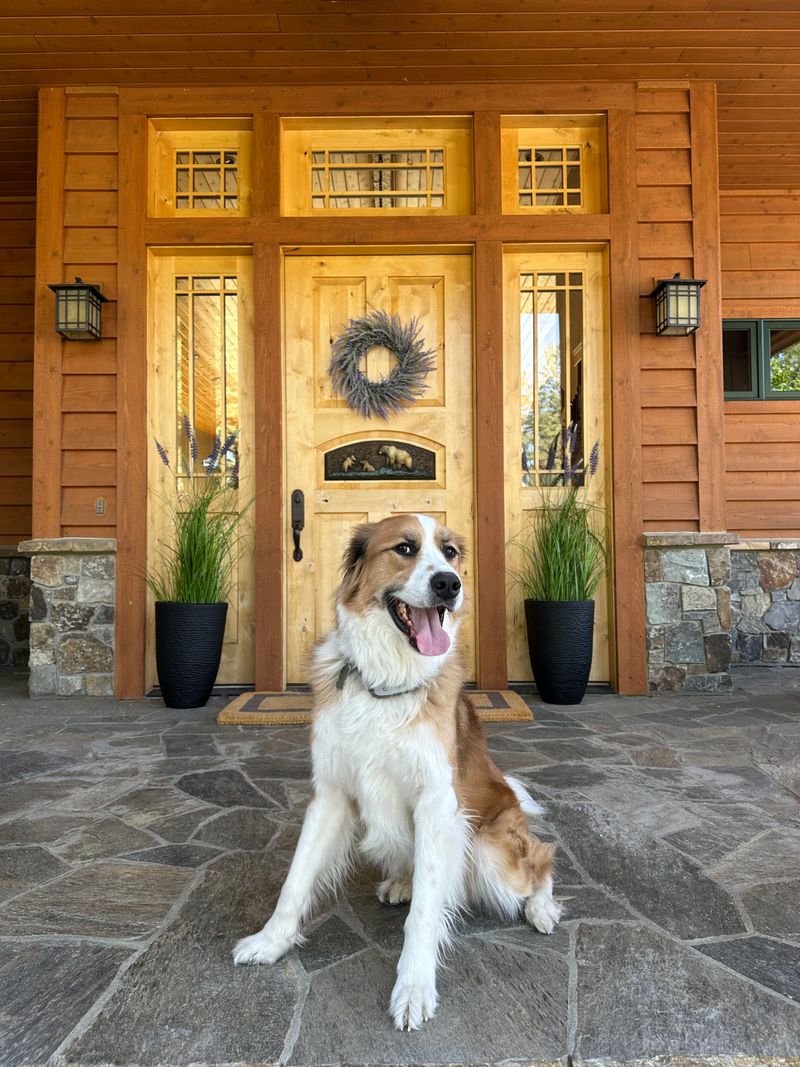
A curious nose may investigate planters while you reach for the paw towel. Identify every porch plant, including hanging baskets and any bulbs stored for later planting.
Check reliable veterinary poison resources before assuming a plant is safe for dogs. Azaleas and sago palms are toxic to dogs and should be kept out of your pet’s reach.
Secure pots, collect fallen plant pieces, and keep fertilizers tucked away in closed storage. Contact your veterinarian promptly if you suspect chewing on an unsafe plant.
14. Rainy-Day Potty Trips Require a Faster Return Routine
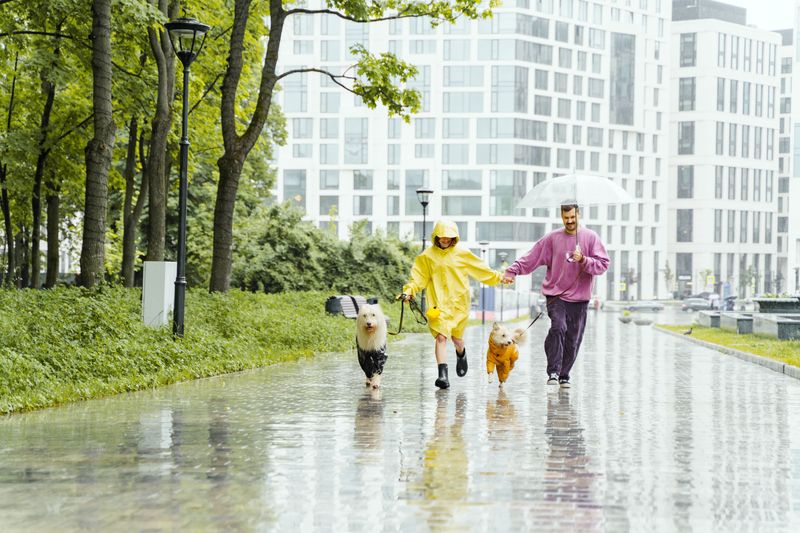
Rain changes the pace, especially when your dog wants back inside right away. Set out a towel before leaving, and choose a familiar route with secure footing.
Use a leash as needed, following local rules and your dog’s usual safety needs. During thunderstorms, avoid lingering outside and return to shelter promptly after necessary breaks.
Dry paws and the belly first, then bring your dog into a comfortable room. Save detailed porch cleanup for later, once everyone is settled safely.
15. The Porch Becomes a Seasonal Cleaning Station
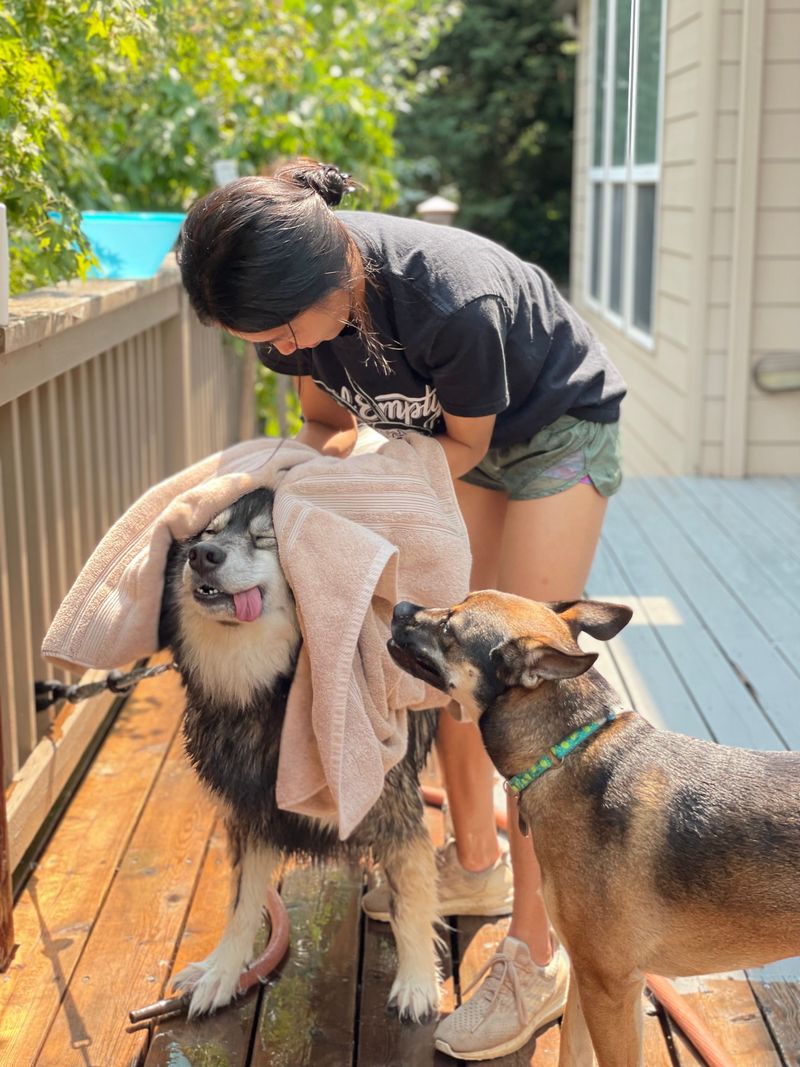
Spring pollen, summer showers, and fallen leaves each ask something different from your doorway. Adjust your supplies as conditions change instead of keeping one setup all year.
Review worn mats, towel supplies, drainage, and shaded resting space at each seasonal change. Keep routines gentle and predictable so your dog knows what happens after coming home.
A tidy porch does not require perfection, just a few habits that fit daily life. Clean paws, fresh water, and calm returns make homecoming easier.