What To Know Before Bringing Your Dog Camping In Colorado’s High Country
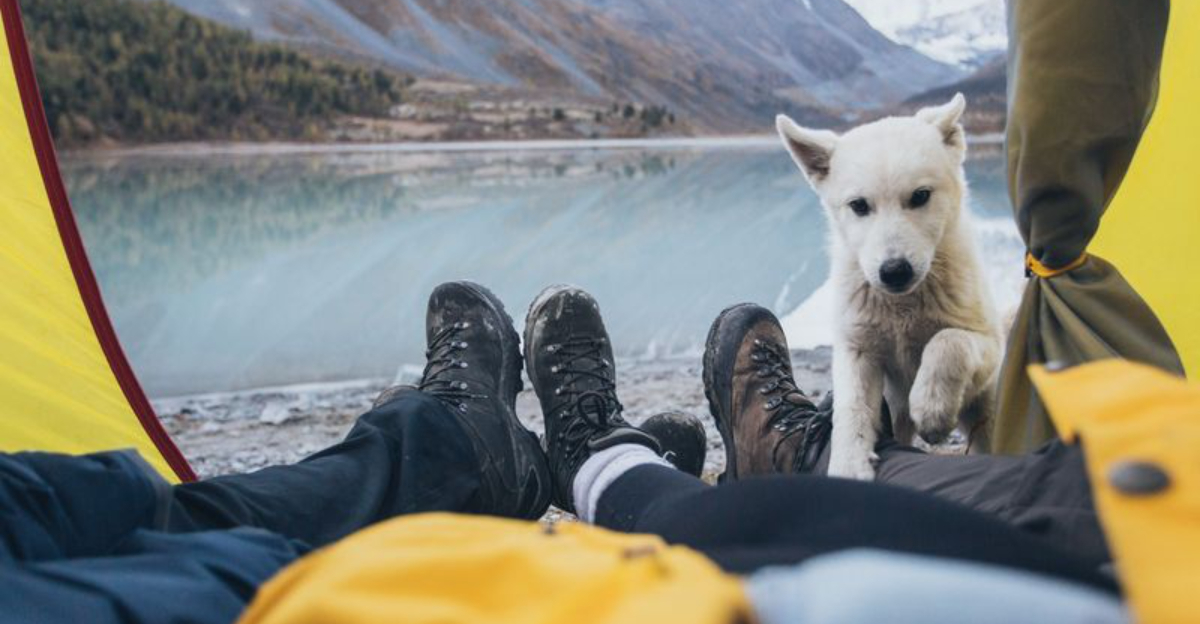
Thin mountain air does strange things to a dog. A pup who trots five miles at home may flop down at 10,000 feet after two.
Colorado’s high country is stunning, but it plays by its own rulebook: moose in the willows, hail in July, and campground signs that change with the season. Getting ready ahead of time turns a stressful weekend into the kind of trip your dog dreams about for months.
Check The Campground’s Dog Rules First
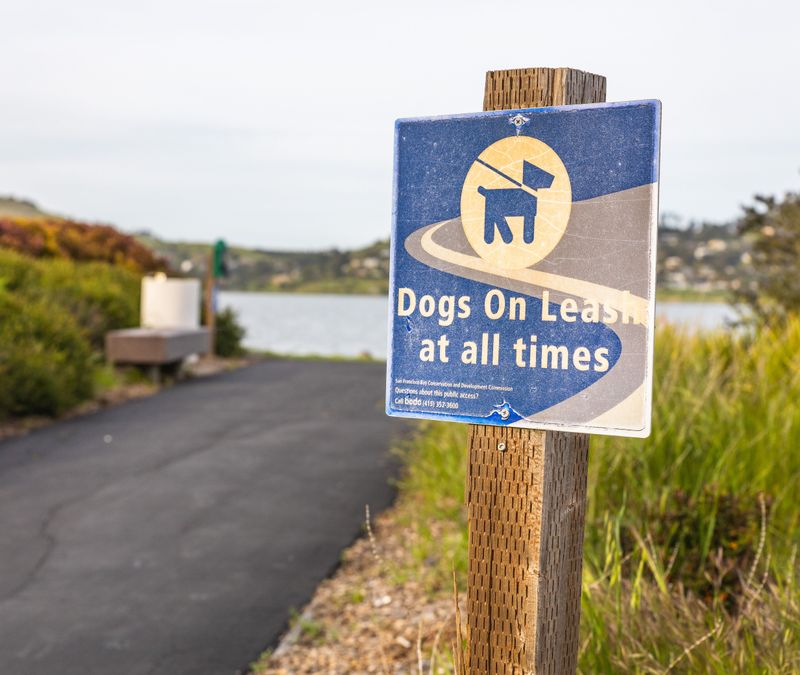
Rules shift from one forest road to the next in Colorado. One campground welcomes leashed dogs everywhere.
The next bans pets from a popular lakeside trail entirely.
Call the ranger district or read the official site page before you pack the car. Seasonal closures, nesting areas, and wilderness boundaries all change access.
Five minutes of homework beats turning around at the gate with a very confused pup in the back seat.
Get Your Dog Used To Camping Before The Trip
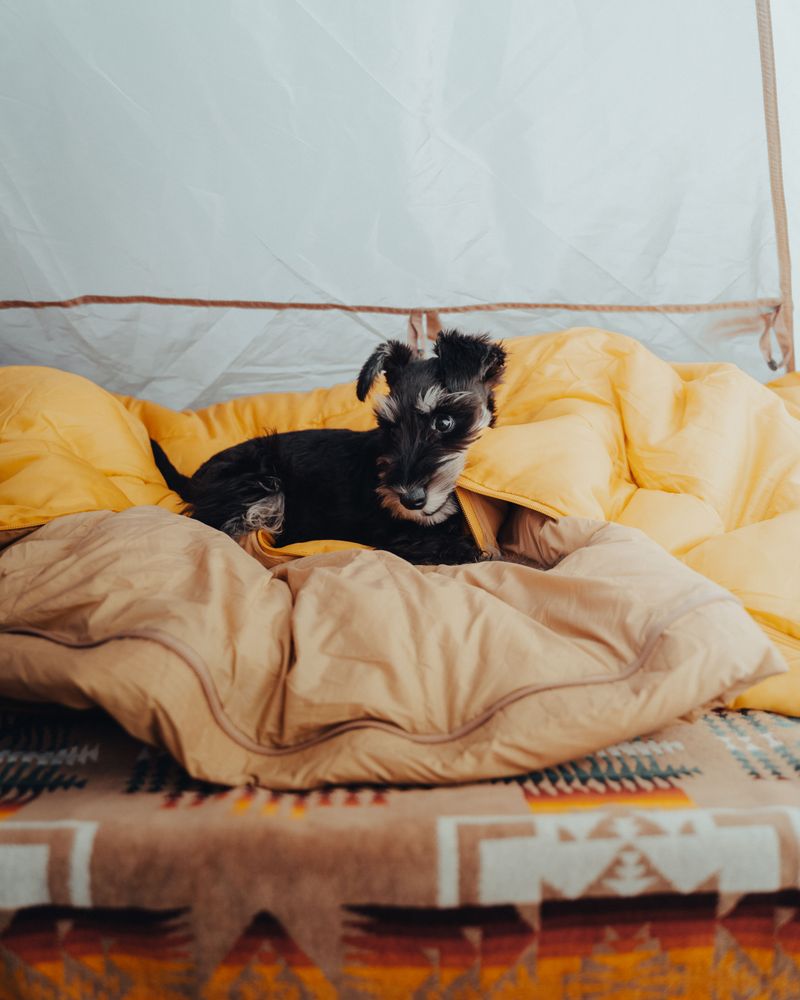
Backyard camping sounds silly until you try it. Pitch the tent, toss in a familiar blanket, and spend one night out there together.
Your dog learns that nylon walls flap, zippers make noise, and none of it means danger. Strange sounds at 11,000 feet feel much bigger.
A practice run also shows you what your dog does at 2 a.m. Better to learn that at home.
Give Your Dog Time To Adjust To The Altitude
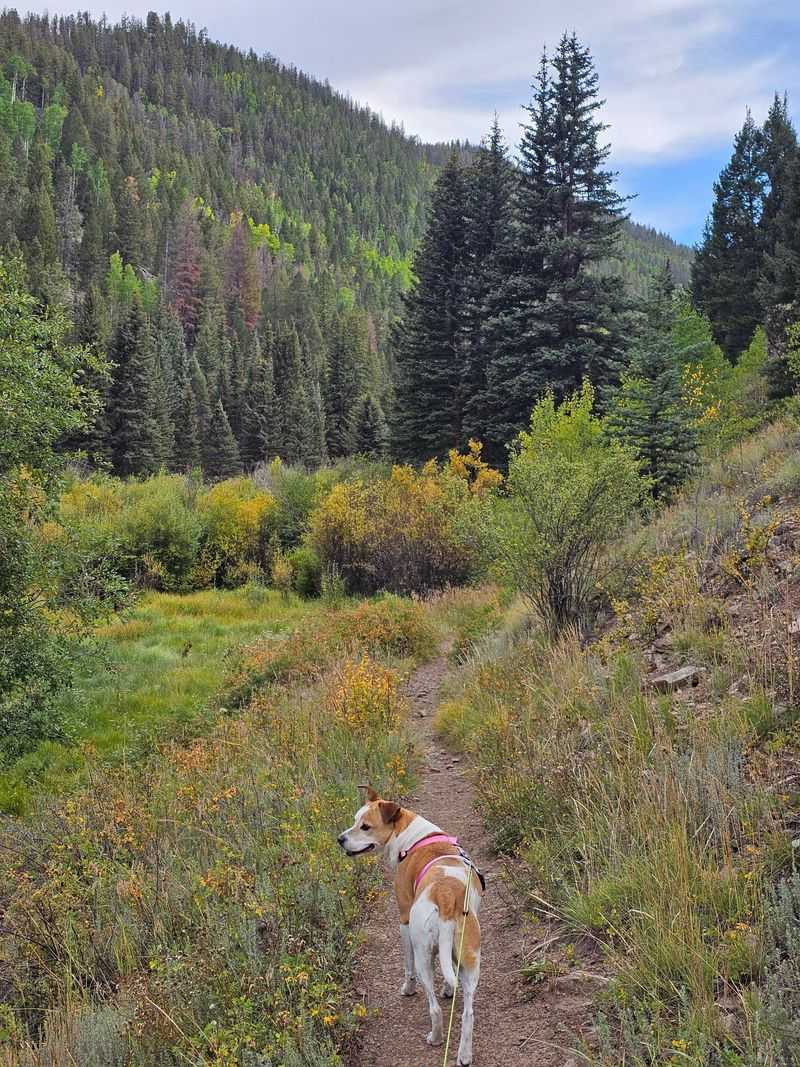
Sea level lungs meet 10,000 feet, and something has to give. Dogs can be affected by high altitude too, especially when they go from a lower elevation to the mountains quickly.
Plan an easy first day with short walks, plenty of rest, and access to water. Keep an eye out for unusual panting, weakness, poor coordination, or other changes in behavior, and stop the activity if your dog seems unwell.
Expect Big Temperature Swings
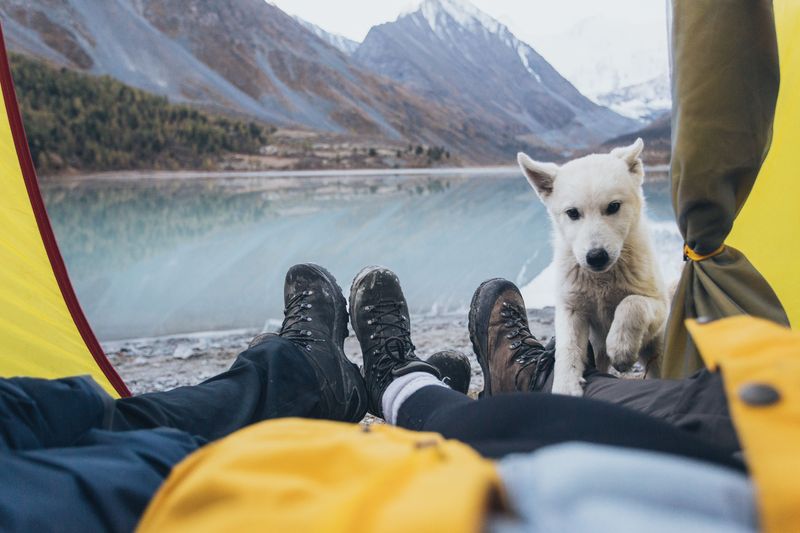
Seventy degrees at lunch. Thirty-four degrees at sunrise.
Welcome to the high country, where the thermometer has mood swings.
Cold ground steals heat faster than cold air does, so give your dog a foam pad or folded blanket to lie on.
A fleece layer helps short-coated breeds enormously. Huskies may laugh at you.
Everyone else will curl up gratefully and thank you with morning zoomies.
Watch The Weather Closely
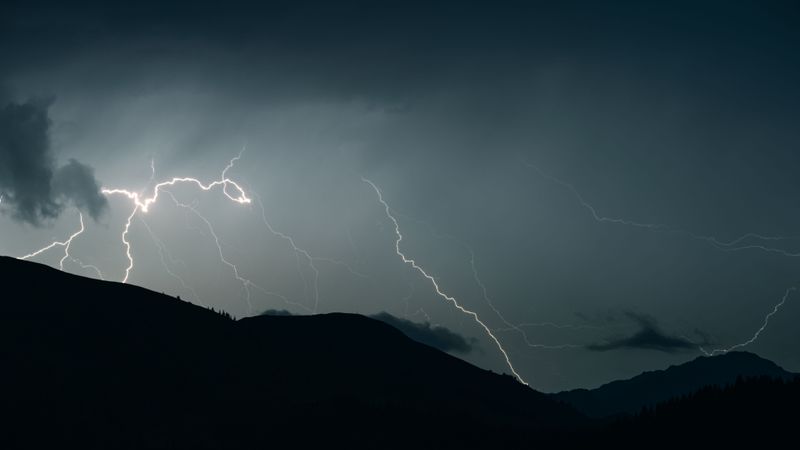
Afternoon thunderstorms are common in Colorado’s mountains during summer, but they do not necessarily occur almost every day at every high-country location. They can also bring lightning, hail, heavy rain, and sudden changes in conditions.
Check the mountain forecast before heading out and plan to avoid exposed ridges and high terrain when storms are expected.
Keep Your Dog Away From Wildlife
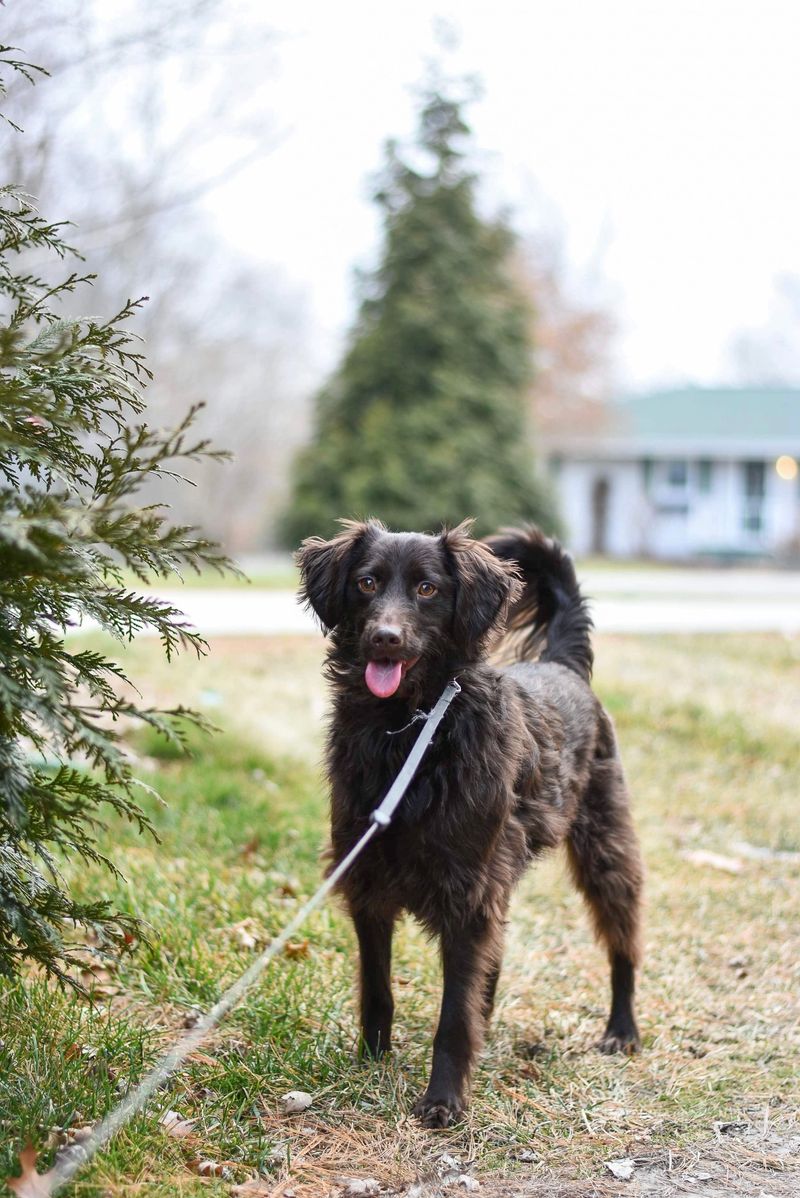
Elk, marmots, deer, and bighorn sheep all call these mountains home. Chasing or approaching wildlife can put both your dog and the animal at risk.
Keep your dog under control and on a short leash when wildlife is nearby, and give animals plenty of space.
Be Extra Careful Around Moose
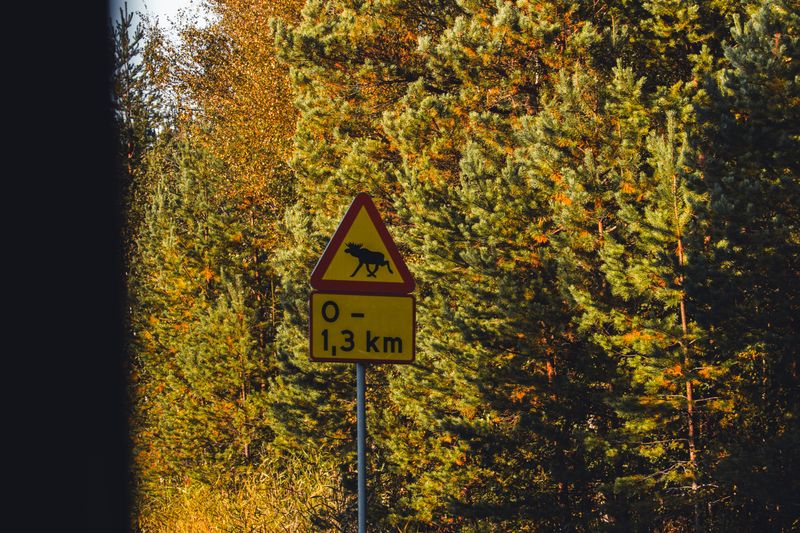
Moose can react strongly to dogs because they may perceive them as predators. Colorado Parks and Wildlife recommends keeping dogs on a leash and under control in the backcountry and giving moose plenty of space.
If you spot one, back away calmly rather than approaching it, especially near water or thick vegetation.
Keep Food And Trash Secure
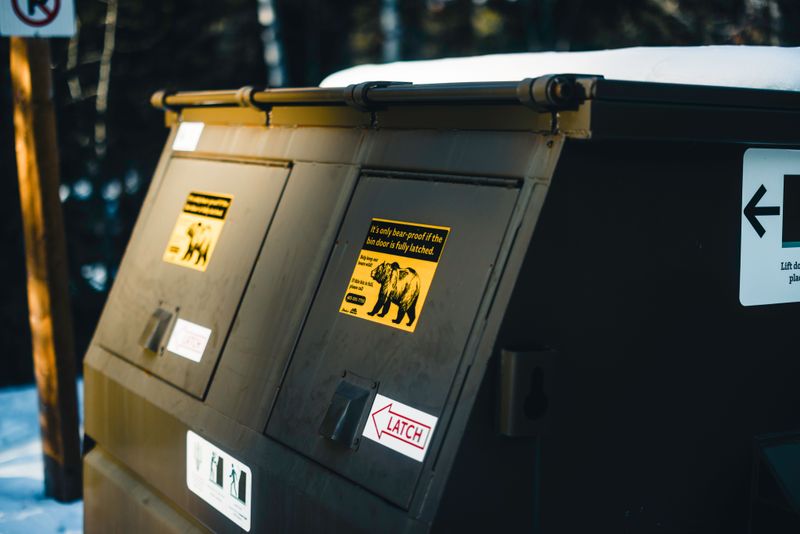
Kibble smells fantastic to a black bear. So does the greasy bag you meant to deal with later.
Many high-country campgrounds provide metal storage lockers, and some require their use outright.
No locker? Everything scented goes in a hard-sided vehicle, including your dog’s food bowl and treats.
Pack out every scrap of trash. A clean site keeps wildlife wild and your camp peaceful.
Bring More Water Than You Expect To Need
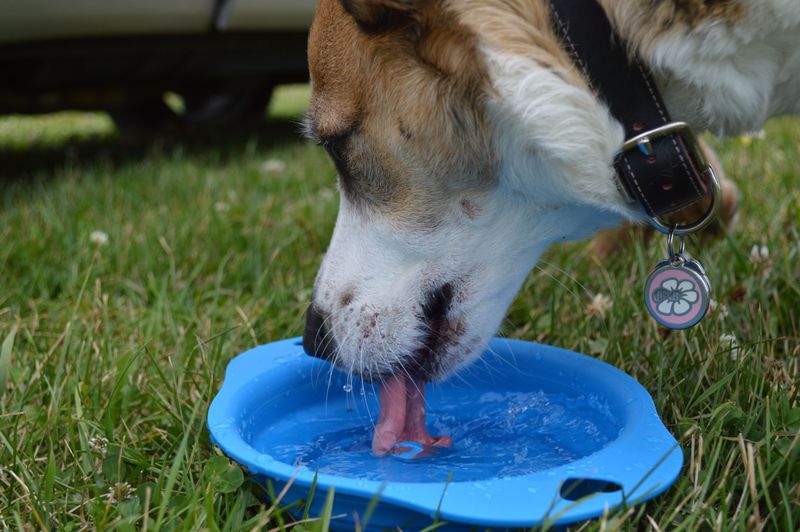
Colorado air is famously dry, and dogs lose moisture with every pant. Thirst sneaks up fast at elevation.
Carry roughly an ounce per pound of dog per day, then add extra for hiking.
Skip the creek sipping when you can. Giardia and algae blooms turn a refreshing gulp into a rough week.
A collapsible bowl weighs almost nothing and gets used constantly.
Pack A Dog-Friendly First-Aid Kit
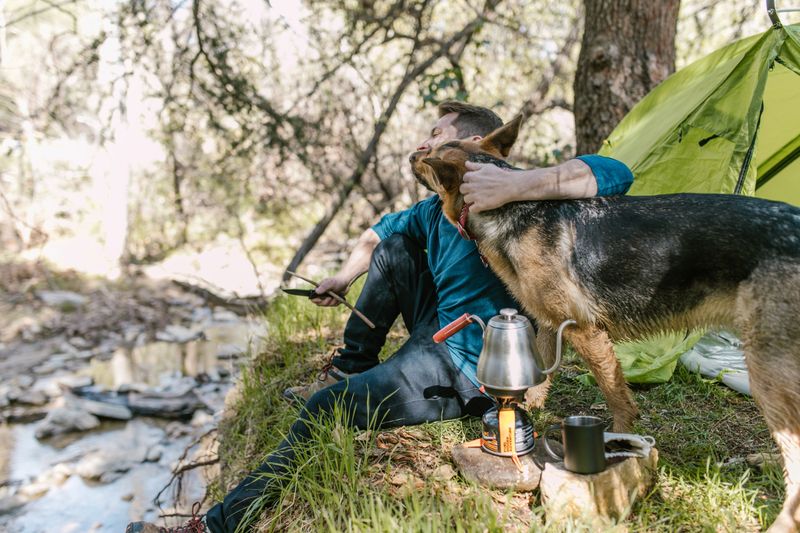
Cactus spines, cut pads, a tick behind the ear: small problems, big impact when you are an hour from the trailhead.
Stock gauze, vet wrap, tweezers, saline rinse, and any medication your dog takes daily.
Tuck in a card with your vet’s number plus the nearest emergency clinic to your camp.
Most trips it stays zipped shut. The one time it does not, you will be grateful.
Protect Your Dog’s Paws
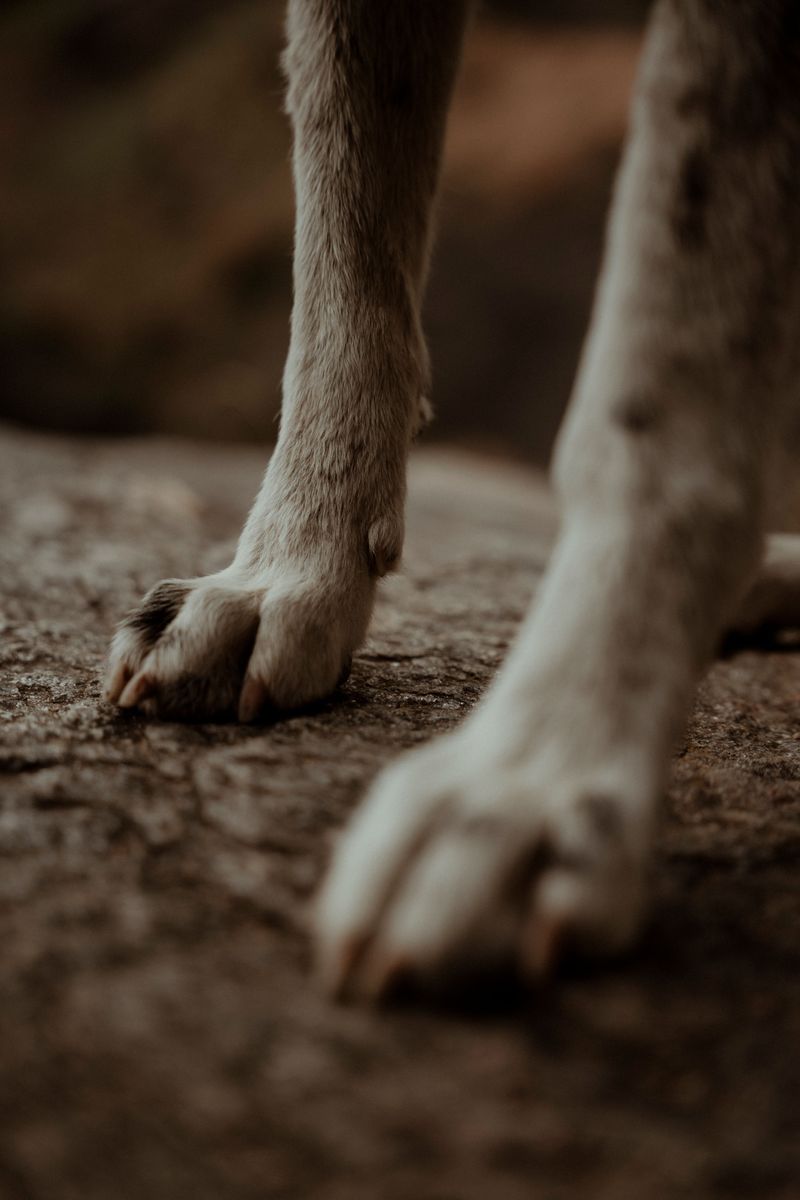
Granite scree acts like sandpaper on soft pads. Add lingering snowfields and sun-baked afternoon rock, and paws take a beating.
Flip each foot over during snack breaks. Look for splits, redness, or grit wedged between the toes.
Booties help, though most dogs need a few living-room sessions before the high-stepping goblin walk fades.
Paw balm works nicely for milder trips and smells pleasantly like beeswax.
Watch For Overexertion
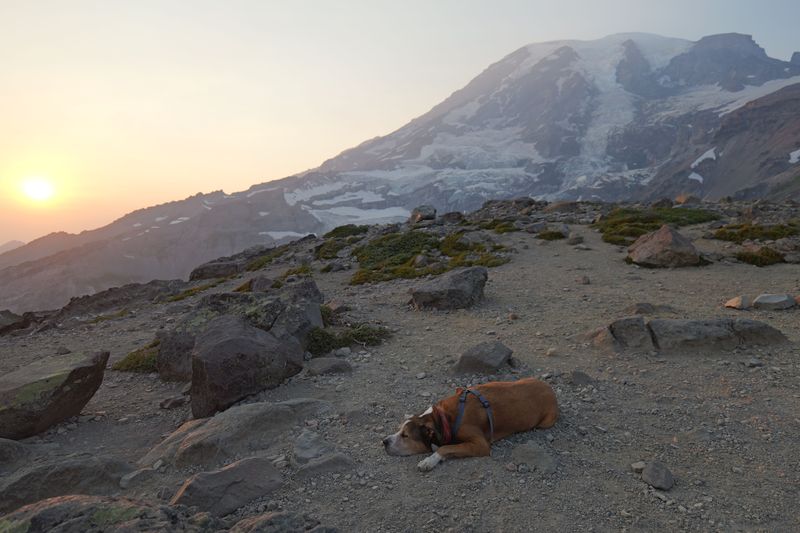
Here is the tricky part: many dogs will run themselves ragged rather than quit. Enthusiasm outpaces judgment.
Schedule breaks every thirty minutes on climbs, whether your dog asks or not.
Slowing down, lagging behind, or lying in the trail means stop now.
Turning back early is not failure. Carrying a sixty-pound dog down a talus field, however, is a memory nobody wants.
Keep Your Dog On A Secure Leash
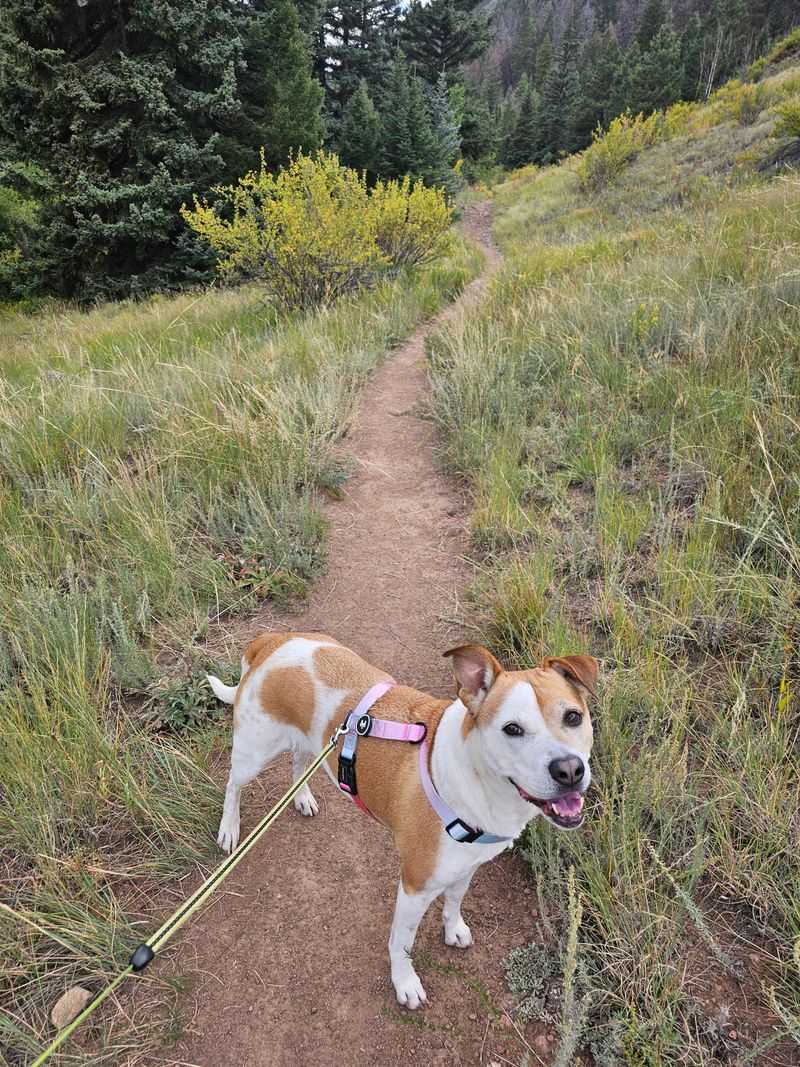
Six feet of nylon solves an impressive number of problems. Colorado Parks and Wildlife recommends a short leash in state parks and anywhere wildlife roams.
Retractable leads give you almost no control when a marmot bolts across the path.
Clip to a harness rather than a collar for better handling on steep ground.
Pack a spare. Leashes vanish into camp chaos with impressive regularity.
Never Leave Your Dog Unattended At Camp
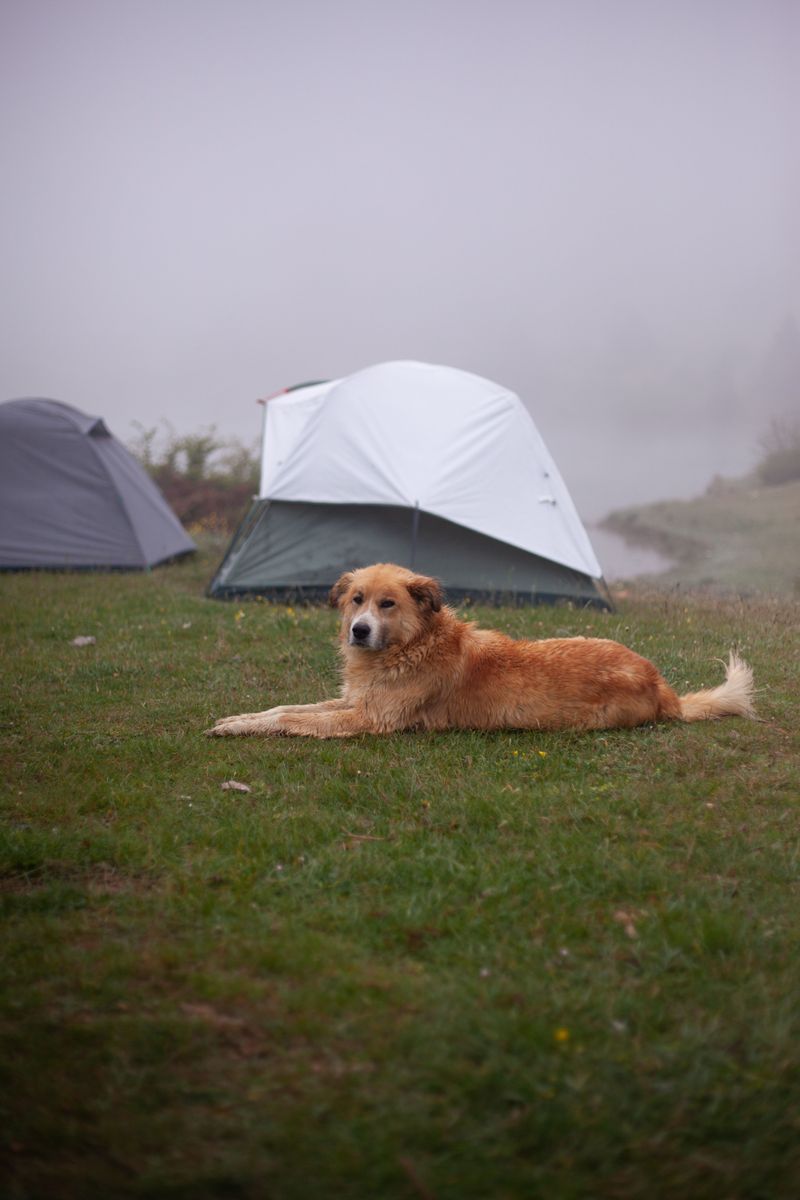
Leaving a dog unattended at a campsite can create problems if weather changes, wildlife approaches, or the dog becomes distressed. Colorado Parks and Wildlife advises against leaving dogs unattended outside, particularly after dark.
Check the rules for your specific campground and plan activities so your dog can stay with you or remain in an appropriate secure arrangement.
Keep Your Dog Close At Dawn And Dusk
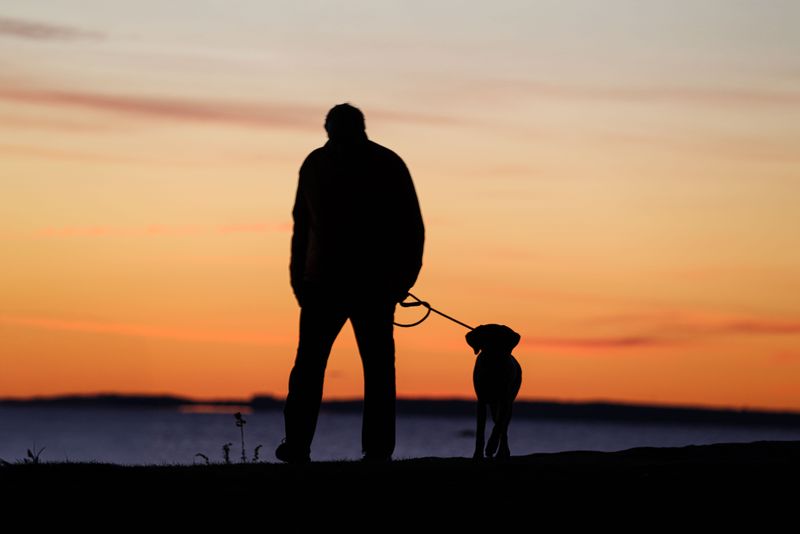
Sunrise and sunset are rush hour for mountain wildlife. Deer move, coyotes hunt, and moose drift toward water.
Those hours also happen to be when dogs feel friskiest after a long nap.
Keep the leash on for morning and evening potty trips, even a few steps from the tent.
Skip the brushy edges and dark timber. Stick to open ground where you can see what is coming.
Prepare For Mud, Water, And Messy Trails
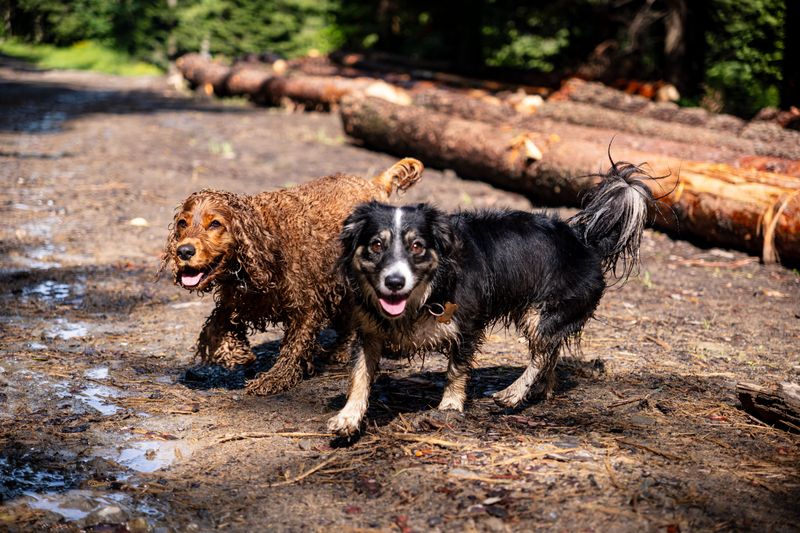
Every dog owns an internal radar for the single muddiest puddle within a mile. Monsoon season keeps that radar busy.
Bring two towels, an old blanket for the tent floor, and a spare leash for when the first one becomes a swamp rope.
A cheap plastic bin near the door catches muddy paws.
Honestly, the grubby photos end up being everyone’s favorites.
Check The Trail Before You Leave
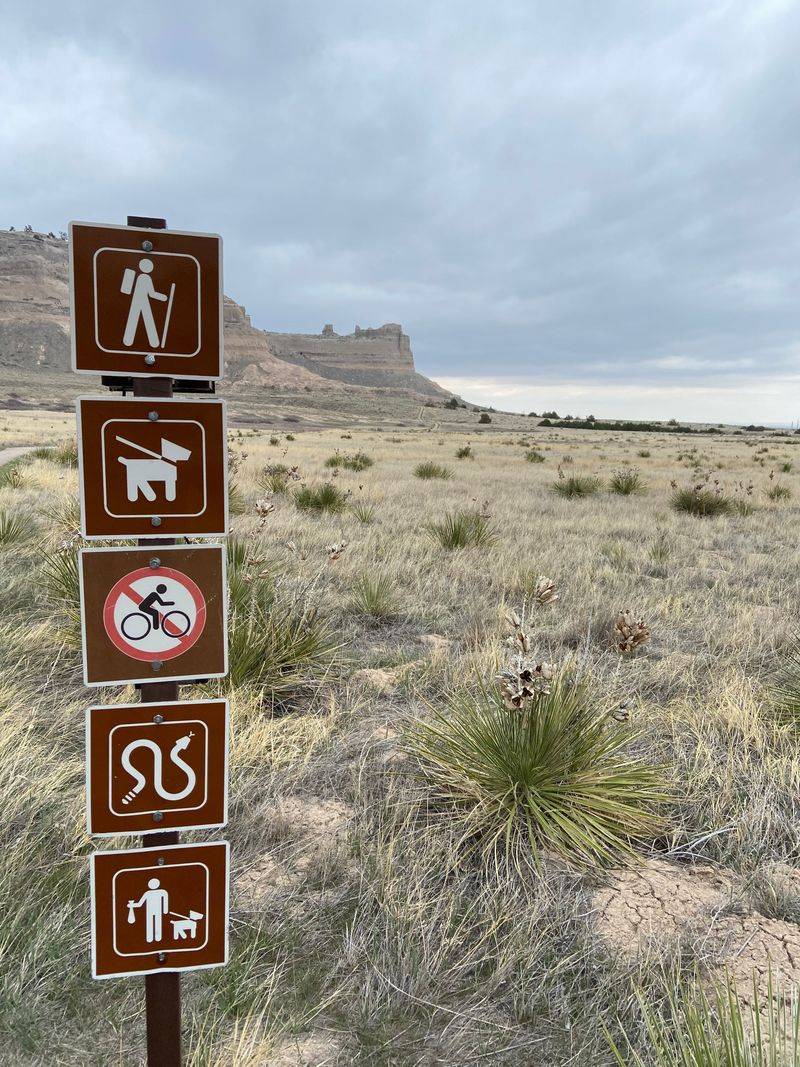
Maps can make steep mountain routes look easier than they are. Check the elevation gain, current trail conditions, weather, and whether dogs are permitted before setting out.
Rocky Mountain National Park, for example, prohibits pets on all trails, tundra, and meadows, although leashed pets are permitted in established campgrounds, picnic areas, parking areas, and along established roads.
Know Where Your Dog Will Sleep
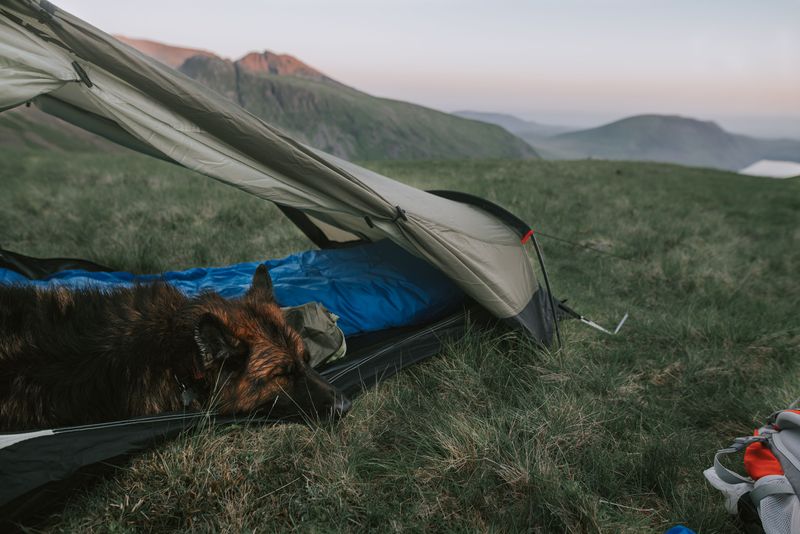
Sort the sleeping arrangement before you are fumbling with headlamps at 9 p.m.
Inside the tent works best for most dogs. Body heat is shared, wandering is impossible, and nobody spends the night worrying.
Bring a pad or bed so cold ground does not sap warmth.
Larger tents earn their weight here. A crowded two-person tent plus a sprawling retriever equals zero sleep.