Backup Power Is A Boarding Question Florida Dog Owners Should Ask Before Drop-Off
Before you pack your dog’s food and favorite blanket, add one more question to your boarding checklist. What happens if the power goes out?
Florida storms can interrupt electricity, and comfortable indoor care depends on more than working lights. A few clear questions about cooling, water, staffing, and backup plans can help you choose confidently without turning drop-off into a worry.
Ask Whether the Facility Has Backup Power
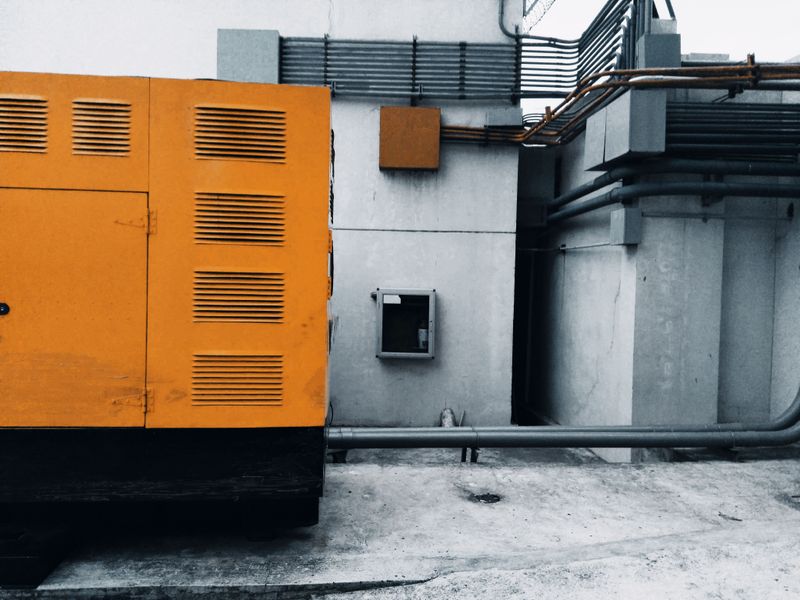
A cheerful lobby tells you little about what happens during an outage. Start by asking whether the boarding facility has a working backup power system.
Request a plain explanation of what equipment provides that power.
A generator, battery system, and portable power station have different limits. Do not assume any option can support the entire building.
Local requirements vary, so confirm applicable rules with animal control or local authorities rather than relying on broad promises.
Find Out Which Areas Receive Backup Power
Power in the front office does not guarantee power beside your dog’s bed. Ask staff to identify every room connected to the backup system.
Include sleeping areas, isolation rooms, and spaces used for older dogs.
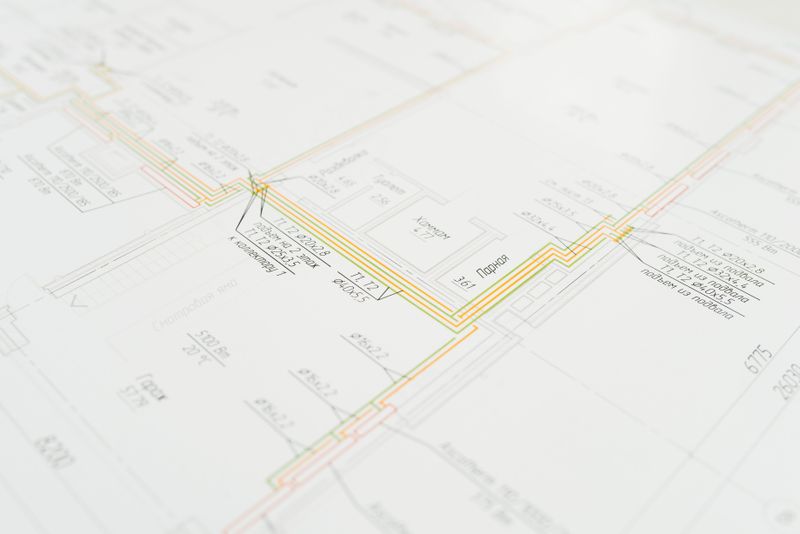
Request details about which outlets and appliances remain available. A simple floor plan can make the answer easier to understand.
If only certain rooms receive electricity, learn how dogs are moved there without crowding or disrupting their normal care routines.
Make Sure Air Conditioning Can Keep Running
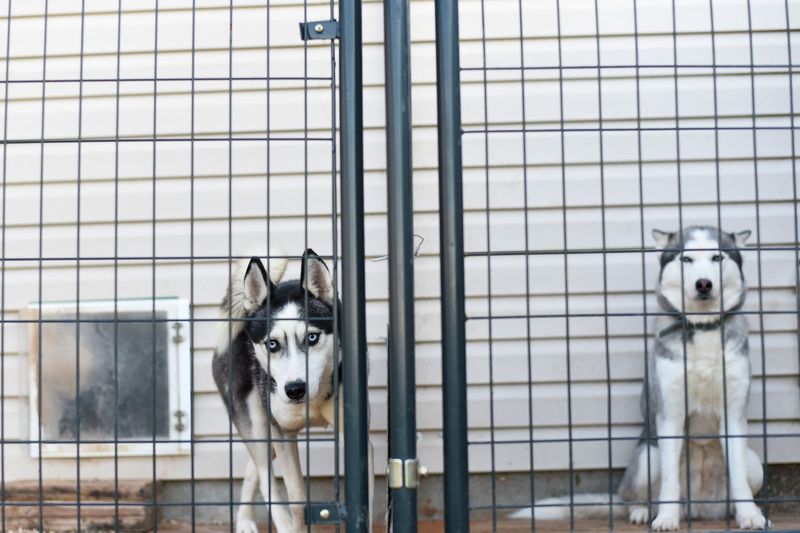
Florida’s heat makes cooling a central part of the conversation. Ask whether backup power can start and run the facility’s air conditioning.
Working fans alone do not prove rooms will stay comfortable.
Cooling equipment may need more electricity when starting than while running. Staff should know whether their system supports that demand.
Discuss your dog’s needs with your veterinarian, especially for flat faced breeds, older dogs, or pets with health conditions that affect heat tolerance.
Ask How Staff Monitor Indoor Temperatures

A wall thermostat shows only part of the picture. Rooms can differ in temperature, especially during an outage or equipment problem.
Find out where staff take readings and how often they check them.
Ask whether they also track humidity and watch dogs for signs of heat stress. Request their action plan when readings rise or a dog seems uncomfortable.
Clear monitoring steps matter more than a vague assurance that someone checks whenever the building feels warm.
Check How Often the Generator Is Tested
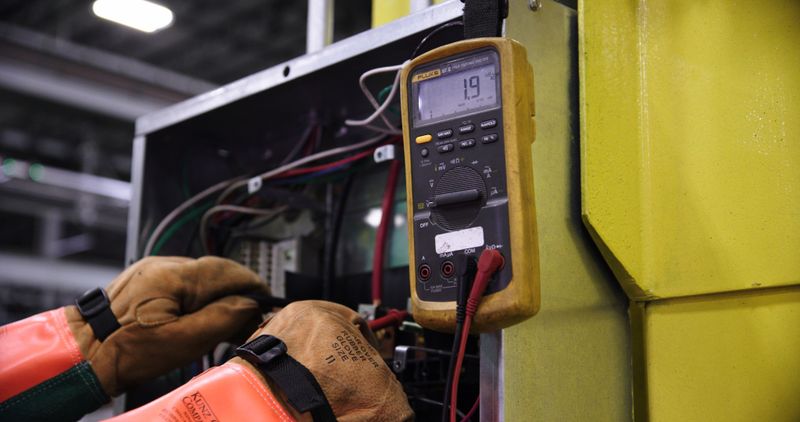
Equipment earns trust through maintenance, not simply by sitting outside. Request the date of the generator’s latest test and professional service.
Ask whether testing follows the manufacturer’s instructions and includes the expected electrical load.
A brief startup does not demonstrate that cooling will work during an extended outage. Staff should explain how problems found during testing are corrected.
You need understandable answers, not technical expertise, to recognize whether the facility treats backup equipment as ongoing responsibility.
Find Out How Long Backup Power Can Last
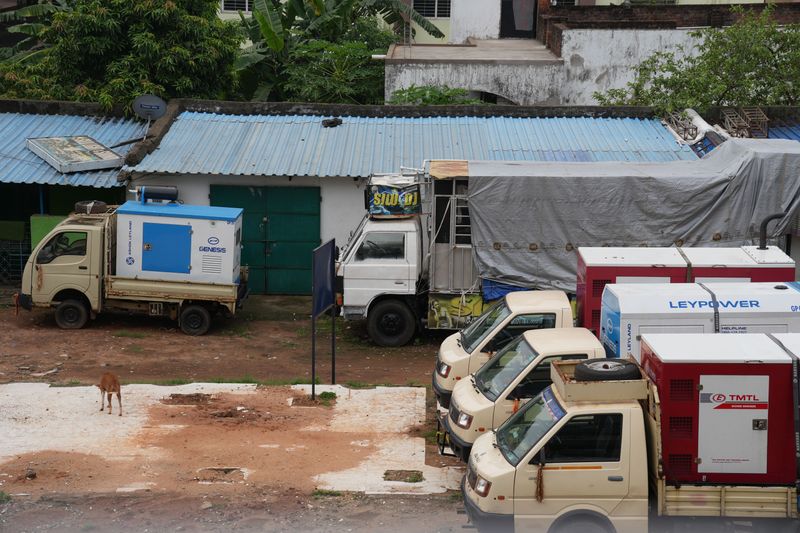
An outage may outlast the fuel already on site. Ask how long the system can run while powering essential equipment.
Estimates should reflect actual demand, including cooling, rather than the generator’s longest possible runtime.
Learn who arranges refueling and what happens when roads or deliveries are disrupted. Battery systems also need a realistic recharge plan.
No facility can promise unlimited power, but a clear timeline helps you understand when relocation or early pickup might become necessary.
Ask Who Starts and Monitors the Generator

Even automatic equipment needs someone responsible for checking it. Identify who confirms that backup power starts and stays available.
Ask whether another trained person can step in when the usual employee is absent.
Portable generators must operate outdoors, away from doors, windows, and vents, following safety guidance and manufacturer instructions. Owners should never need to operate facility equipment themselves.
Look for assigned duties, safe procedures, and a clear way for staff to report faults without delay.
Understand the Plan for Overnight Storms
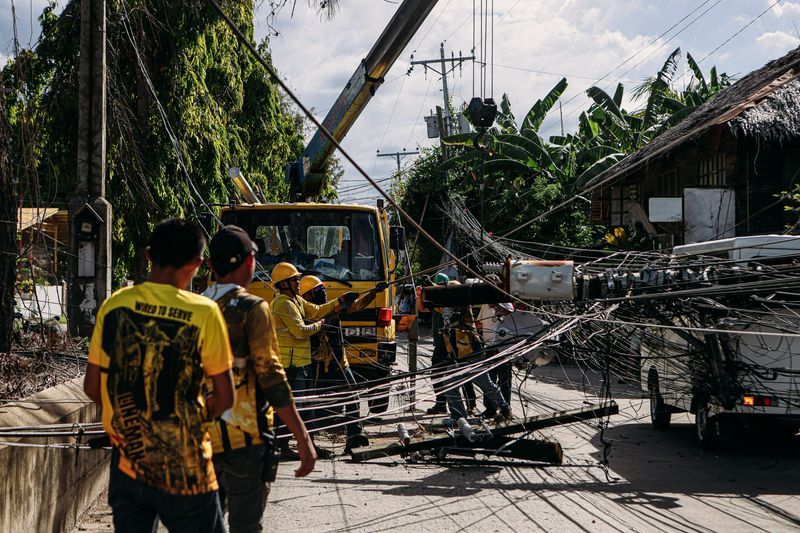
Thunderstorms do not wait for business hours. Find out whether someone stays on site overnight or responds from another location.
Ask how an outage alert reaches that person if internet service stops.
Response time matters when cooling equipment shuts down. Learn who checks dogs, verifies temperatures, and handles alarms until normal staffing resumes.
If overnight supervision is limited, request an honest explanation of the safeguards. Choose arrangements that match your dog’s medical needs and your comfort level.
Check the Facility’s Hurricane Policy

Storm plans can change your travel plans, too. Read the hurricane policy before booking, especially during Florida’s hurricane season.
Ask when the facility stops accepting dogs or requires owners to collect them.
Clarify how evacuation orders affect operations and whether deposits or unused boarding days are refundable. Rules and evacuation zones vary by location.
Follow local emergency officials for current directions. Arrange a nearby authorized pickup person if you might be away when the policy takes effect.
Ask Where Dogs Go if Cooling Fails

A backup generator is useful, but cooling can fail for other reasons. Request the facility’s next step if air conditioning stops working.
Ask whether another cooled space is available and ready for dogs.
That space should offer safe separation, water, supervision, and enough room for the dogs assigned there. If relocation is necessary, learn which destination has agreed to help.
A named option with confirmed capacity is more reassuring than a promise to find somewhere later.
Confirm How Fresh Water Will Be Supplied

Full water bowls deserve their own backup plan. Some buildings rely on electric pumps, including properties with wells.
Ask whether an outage could interrupt the facility’s normal drinking water supply.
Staff should explain how stored water supports dogs, cleaning, and other essential tasks. Supplies need clean storage and regular replacement according to their containers’ guidance.
During a water advisory, the facility should follow local instructions. Ask how bowls are checked and refilled throughout the day and night.
Find Out How Staff Handle Medication and Special Needs
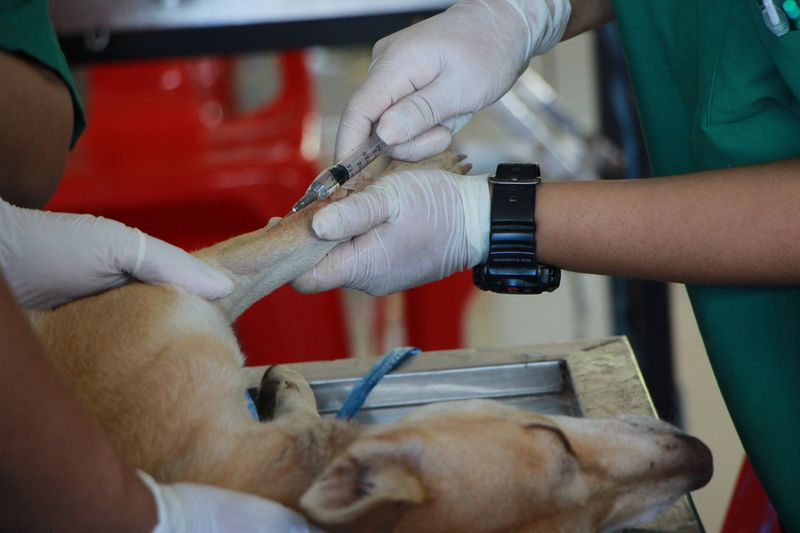
Your dog’s routine may need extra protection during an outage. Share written instructions for medicines, mobility support, feeding, and other special care.
Ask who maintains that routine when staff duties change.
Discuss any refrigerated medicine or powered medical equipment with your veterinarian before boarding. Never assume a facility can meet every medical need.
Confirm staff training, emergency veterinary arrangements, and your consent instructions. Bring clearly labeled supplies and enough extra medication for delays, as your veterinarian recommends.
Ask How Food and Medication Are Protected
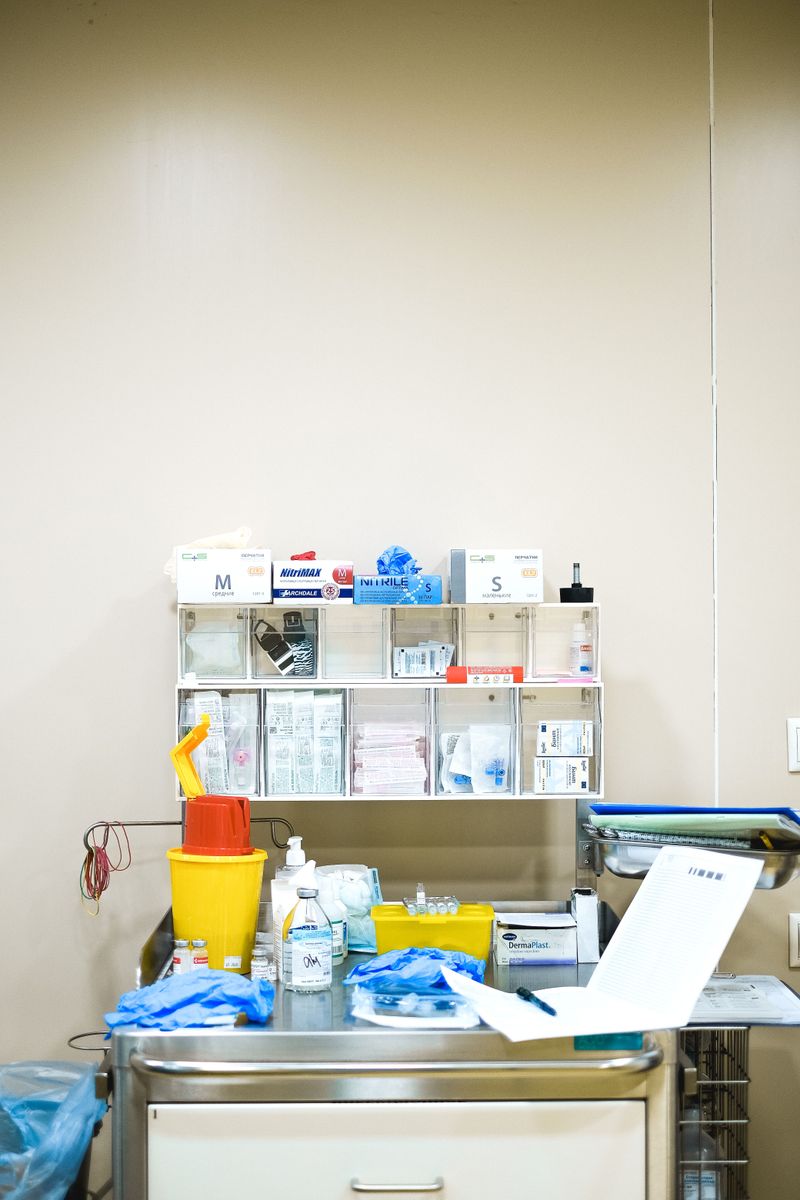
Storage matters just as much as serving meals on time. Find out which refrigerators stay powered and how staff track their temperatures.
Food and medicine should remain protected from moisture, pests, and mixups.
Different medicines have different storage limits, so staff should follow labels and veterinary directions. If refrigeration fails, they should seek product specific advice rather than guess.
Pack food in labeled containers, and explain any special handling before leaving your dog at the boarding facility.
Check the Emergency Contact Procedure

A useful update tells you what happened and what comes next. Ask how the facility contacts owners during outages, evacuations, or changes in care.
Confirm whether messages arrive by phone, text, or email.
Provide a second contact who can make decisions if you are unavailable. Keep that person’s pickup permission on file.
Discuss what happens when cellular service is unreliable. Before traveling, save the facility’s numbers and agree on when you should expect updates about your dog.
Understand the Evacuation and Transportation Plan
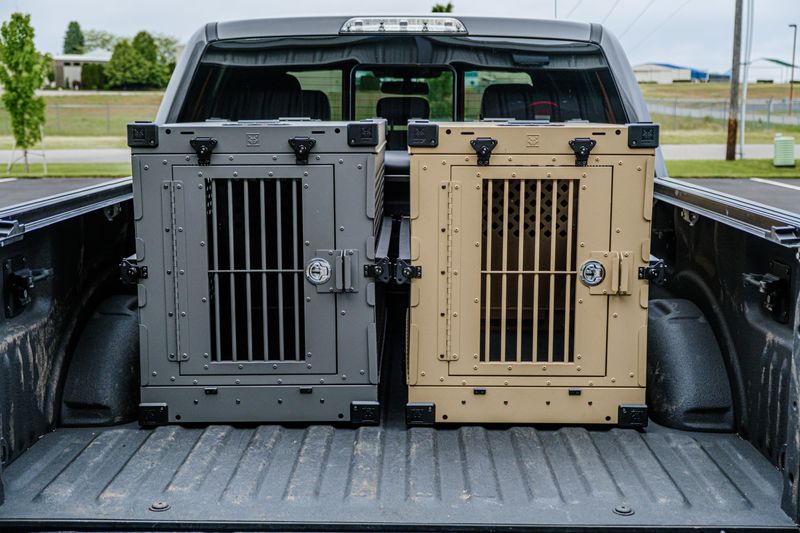
Moving dogs safely takes more than an available vehicle. Request details about drivers, crates, ventilation, and the planned destination.
Ask how staff keep identification and care instructions with each dog.
Transportation should account for dogs that cannot share space or need help getting into vehicles. Learn whether destination arrangements are confirmed and how owners receive location updates.
Public shelters have different pet policies, so availability must be checked. Your authorized pickup person should understand the relocation plan.
Ask How Flooding Could Affect Backup Power
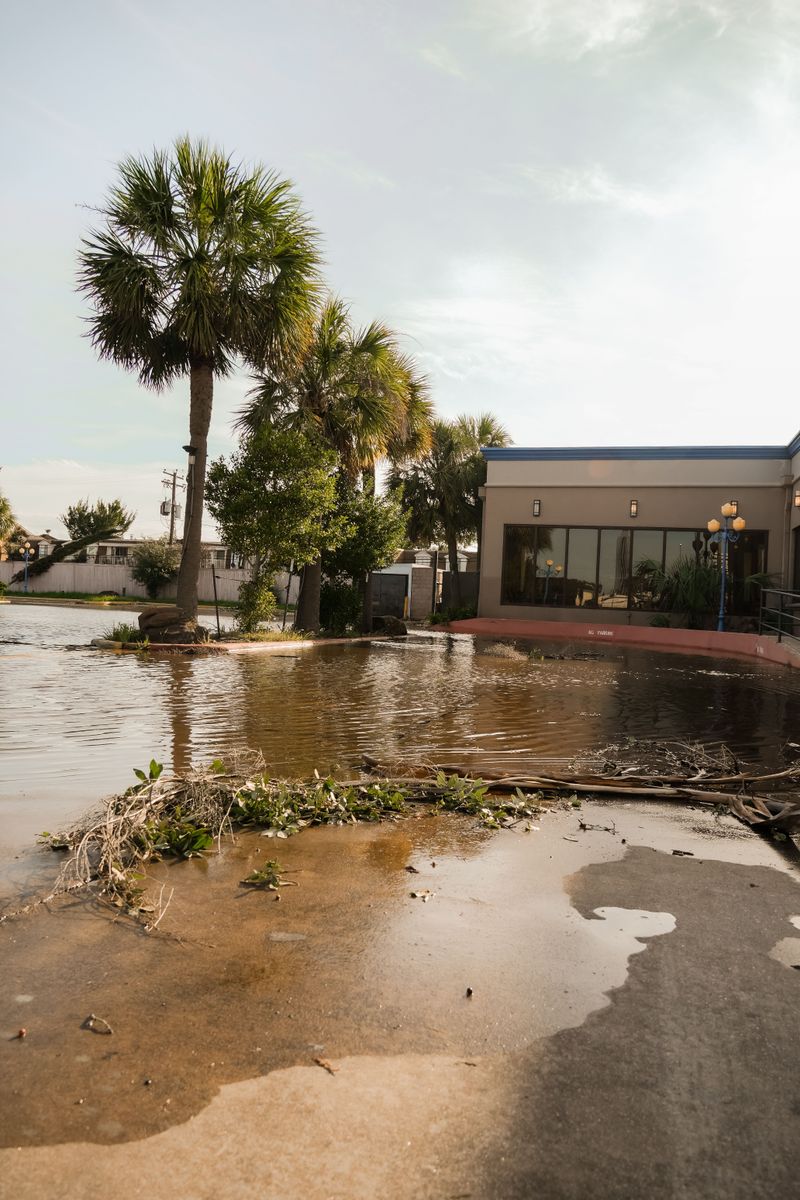
Electricity is only one part of storm readiness. Floodwater can affect generators, electrical equipment, fuel access, and roads around a facility.
Ask whether the property’s emergency plan considers its location and drainage.
Equipment placement should follow applicable codes and professional guidance. Staff should not enter flooded areas to operate electrical systems.
Check local flood and evacuation information rather than judging safety by appearances. Learn when access problems trigger relocation, even if the generator is still working normally.
Review What Happens if the Facility Cannot Provide Safe Care
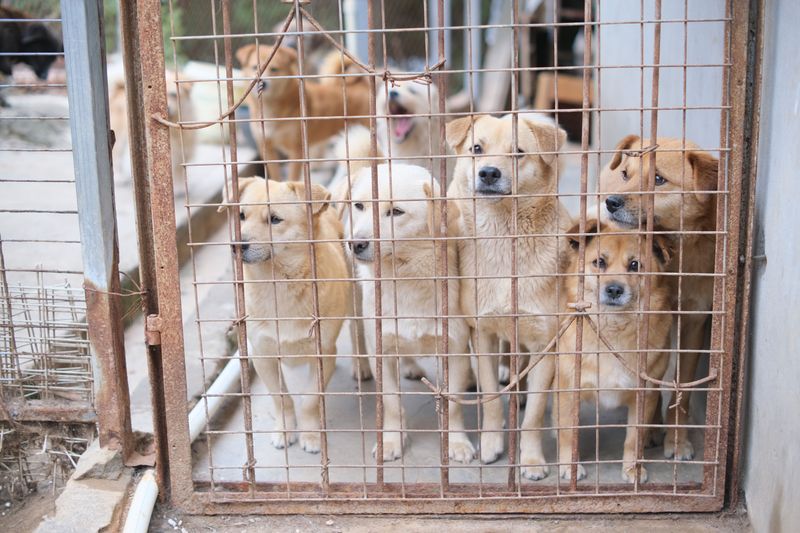
Good planning includes knowing when boarding must stop. Ask what conditions lead to pickup, relocation, or veterinary care.
The answer should cover cooling loss, water problems, staffing gaps, and unsafe building access.
Review who makes decisions and what costs you may be asked to cover. Clarify refunds, transport charges, and emergency treatment permission in writing.
A responsible facility explains its limits openly. That honesty helps you arrange alternatives before a disruption makes choices harder for everyone involved.
Get the Answers Before You Sign the Boarding Agreement

Drop-off feels easier when the important details are already settled. Gather answers before paying a deposit or signing the boarding agreement.
Ask for written policies and keep copies with your dog’s care instructions.
If an answer seems unclear, request a simple explanation or compare another facility. You are choosing a plan, not just a place.
Clear backup arrangements and reliable communication support confident decisions. Pack the favorite blanket, check the emergency contacts, and leave knowing you asked.