15 Pennsylvania Basement And Mudroom Habits To Rethink Once A Dog Comes Home
Bringing a dog home changes how you see the rooms where boots, laundry, and cleaning supplies usually land. Pennsylvania rain, snowy sidewalks, and damp basements give these everyday spaces a few extra challenges.
You can make them safer without a major remodel or an expensive shopping trip. A few thoughtful changes help your dog settle in while keeping your home easier to manage.
1. Rethink Storing Cleaning Products on Low Basement Shelves
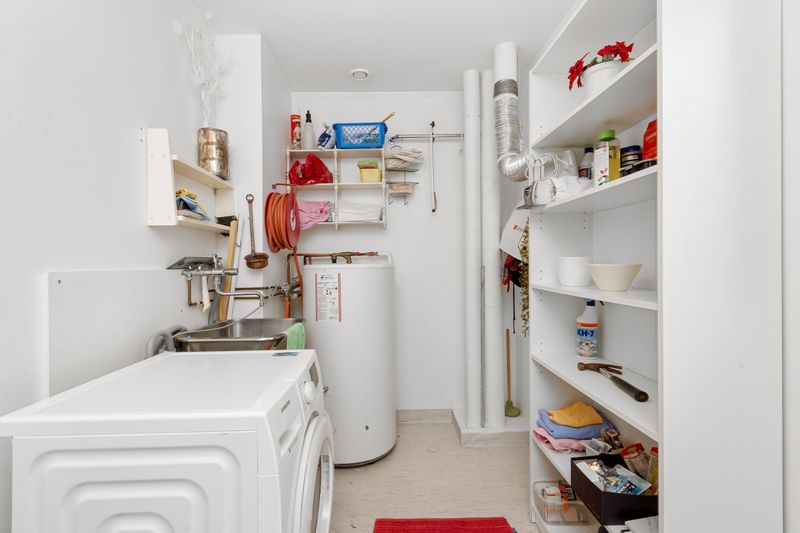
A nose at shelf height can turn ordinary storage into an unexpected tasting opportunity. Keep detergents, bleach, and other cleaners inside a closed, securely latched cabinet.
Original containers preserve directions and ingredient details that a veterinarian may need after accidental exposure. Never transfer cleaners into food jars or drink bottles.
Check basement shelves after shopping, when bags often get left downstairs. If your dog contacts a cleaner, call your veterinarian promptly for advice specific to that product.
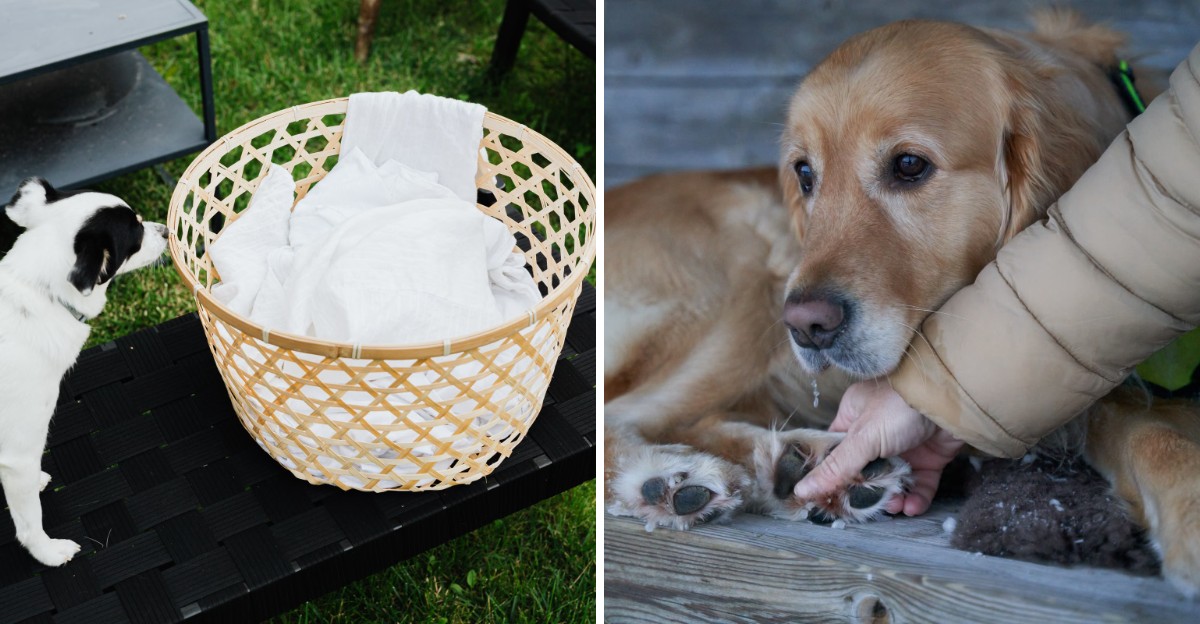
2. Replace Open Laundry Baskets With Covered Hampers
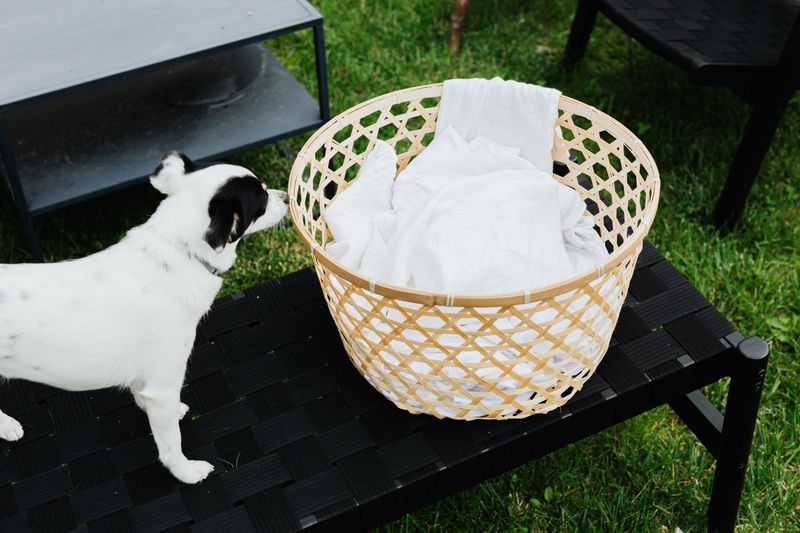
Yesterday’s socks may smell like a favorite person, making laundry surprisingly tempting to a curious dog. Swallowed fabric can cause an intestinal blockage requiring veterinary treatment.
Choose a sturdy hamper with a lid your dog cannot lift. A closed laundry closet works better for determined explorers.
Move loose socks straight into storage instead of dropping them beside the washer. If clothing disappears and swallowing seems possible, contact your veterinarian rather than waiting for symptoms to appear.
3. Keep Muddy Boots Away From Your Dog’s Reach
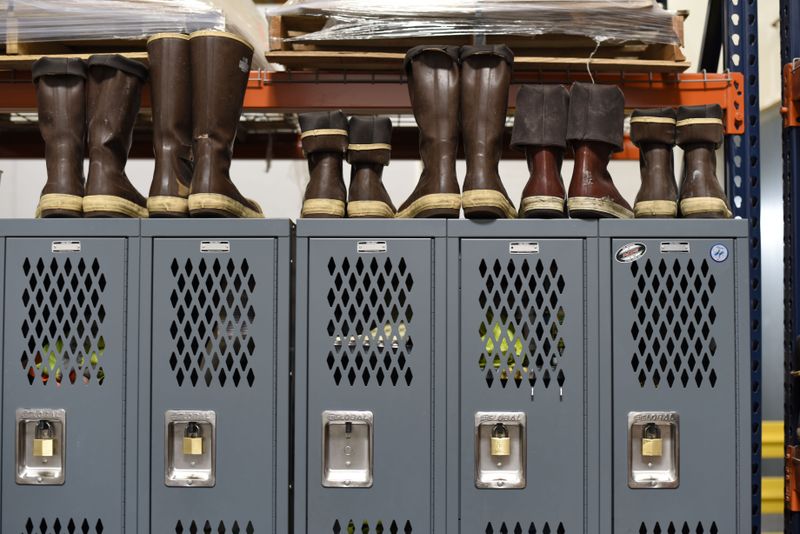
Boots bring home more than mud after a walk through slushy Pennsylvania streets. Salt residue, loose gravel, and dangling laces deserve attention around dogs.
Place footwear in a closed cabinet or behind a barrier while it dries. Use a washable boot tray to catch runoff without creating accessible puddles.
Brush away dried dirt before returning boots to storage. Keep shoes off your dog’s resting mat, and check regularly for loose pieces that could become chewable finds.
4. Make Room for a Proper Paw-Cleaning Station
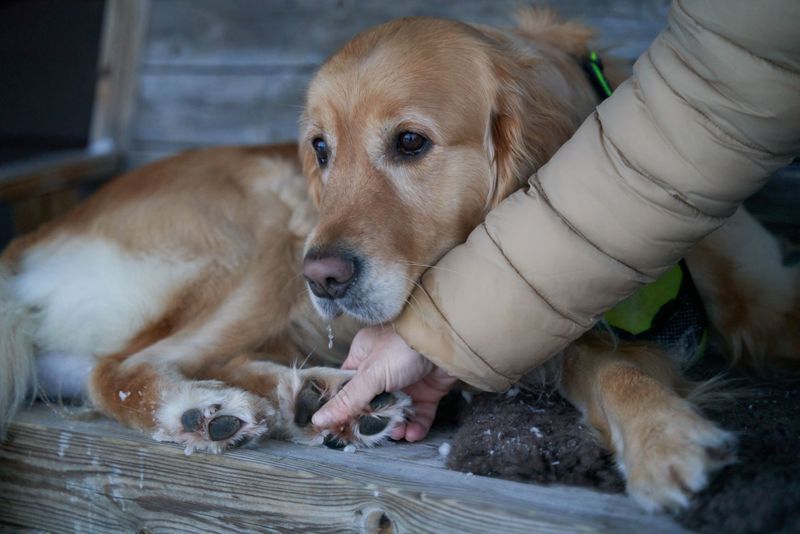
A towel within reach makes rainy arrivals feel less like a household obstacle course. Set up clean cloths, lukewarm water, and a stable standing mat.
Gently rinse away mud and sidewalk salt, then dry between the toes. Skip household disinfectants and ask your veterinarian before using unfamiliar paw products.
Reward calm handling with praise or a small treat. Check for trapped grit, cracked pads, or redness, especially after Pennsylvania winter walks through salted sidewalks and parking lots.
5. Stop Leaving Basement Doors Open Without a Plan
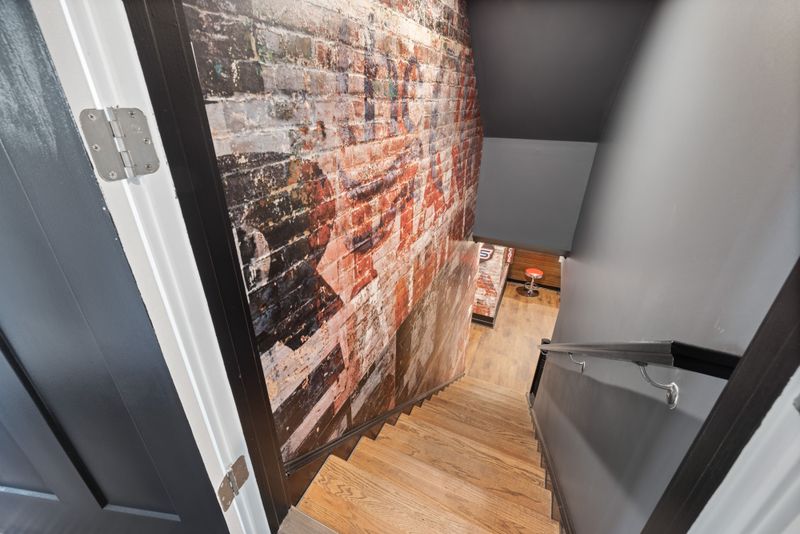
An open doorway can invite a puppy downstairs before anyone notices the little explorer. Decide whether basement access will be supervised, restricted, or gradually introduced.
For stair openings, use a properly installed gate suited to that location. Hardware mounting generally offers better security at the top of stairs.
Improve lighting and keep steps clear of baskets. Older dogs may need a different arrangement, so discuss mobility concerns with your veterinarian before making stairs part of daily routines.
6. Move Rodent Bait and Pest Traps Out of Reach
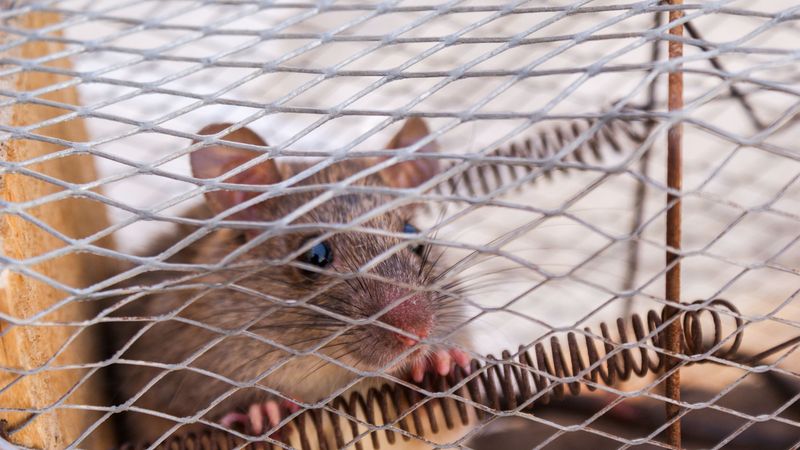
Hidden behind a storage bin does not mean hidden from a determined dog’s nose. Rodent bait and traps need careful placement beyond your pet’s access.
Even enclosed bait stations require appropriate installation and label compliance. Tell pest control professionals that a dog lives in the home.
Seal entry gaps and reduce clutter to discourage rodents without adding accessible hazards. Suspected bait exposure needs prompt veterinary advice, so save packaging and report the product name when calling.
7. Rethink Where You Store Ice Melt and Road Salt
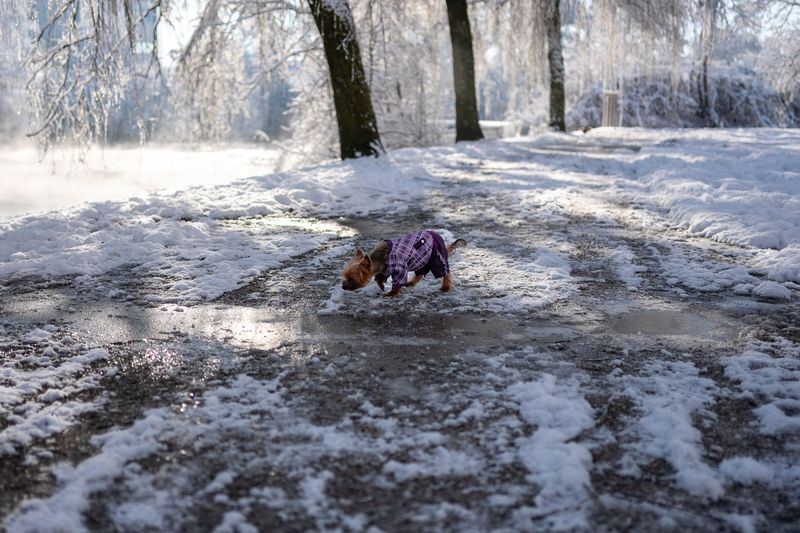
Winter supplies often stay beside the door because another icy morning always seems close. Store ice melt in its original packaging inside a securely closed container.
Keep that container behind a latched door, and sweep up spilled granules immediately. Products marketed as pet friendly still should not be eaten.
Wipe paws after walks and prevent licking until residue is removed. Ask your veterinarian about exposure concerns, especially if your dog chews a bag or drinks salty runoff.
8. Secure Paint Cans, Solvents, and Home Repair Supplies
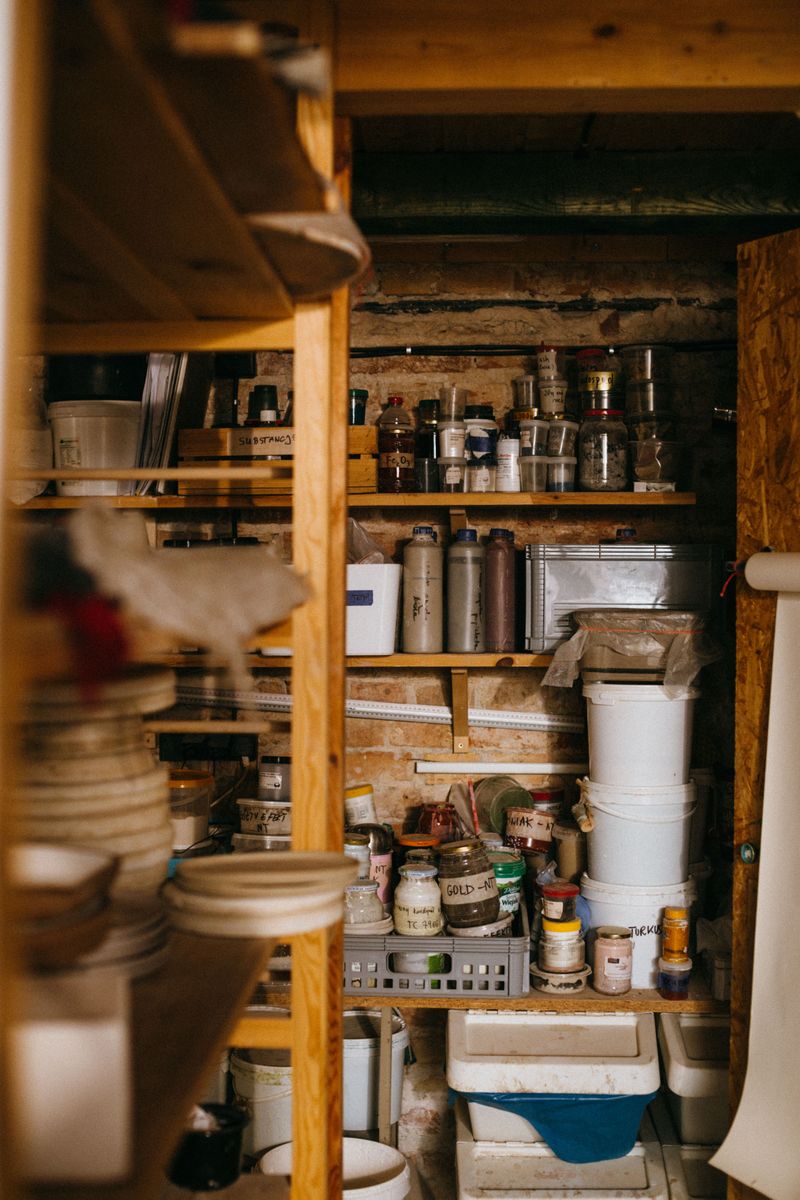
A weekend repair project can leave interesting smells and chewable supplies scattered around the basement. Close containers promptly and follow each product’s storage instructions.
Keep paint, solvents, adhesives, and used rags in secure storage appropriate to their labels. Some materials need special handling because of fumes or fire concerns.
Separate your dog from work areas until cleanup and ventilation are complete. For disposal questions, check your county’s household hazardous waste guidance rather than guessing about local rules.
9. Replace Loose Rugs With Washable, Nonslip Mats
Sliding across tile may look playful, but reliable footing helps dogs move with confidence. Replace curling rugs with flat mats that grip your particular floor.
Choose washable materials and check the backing regularly for wear. Moisture trapped underneath can damage flooring and leave the area unpleasantly damp.
Lift mats to dry after snowy or rainy arrivals. Leave door swings clear, and avoid thick edges that catch paws, especially when older dogs already struggle with balance or stiffness.
10. Keep Electrical Cords Away From Chewing Dogs
Dehumidifiers and basement lamps can leave cords right where a bored puppy wants to investigate. Route cables away from resting areas and protect accessible runs.
Use suitable cord covers without pinching wires or blocking ventilation around equipment. Unplug unused devices and replace damaged cords rather than patching them casually.
Offer safe chew toys, but remember that training does not replace physical barriers. If chewing damages a plugged cord, disconnect power safely and seek veterinary guidance right away.
11. Give Your Dog a Dry, Comfortable Basement Resting Spot
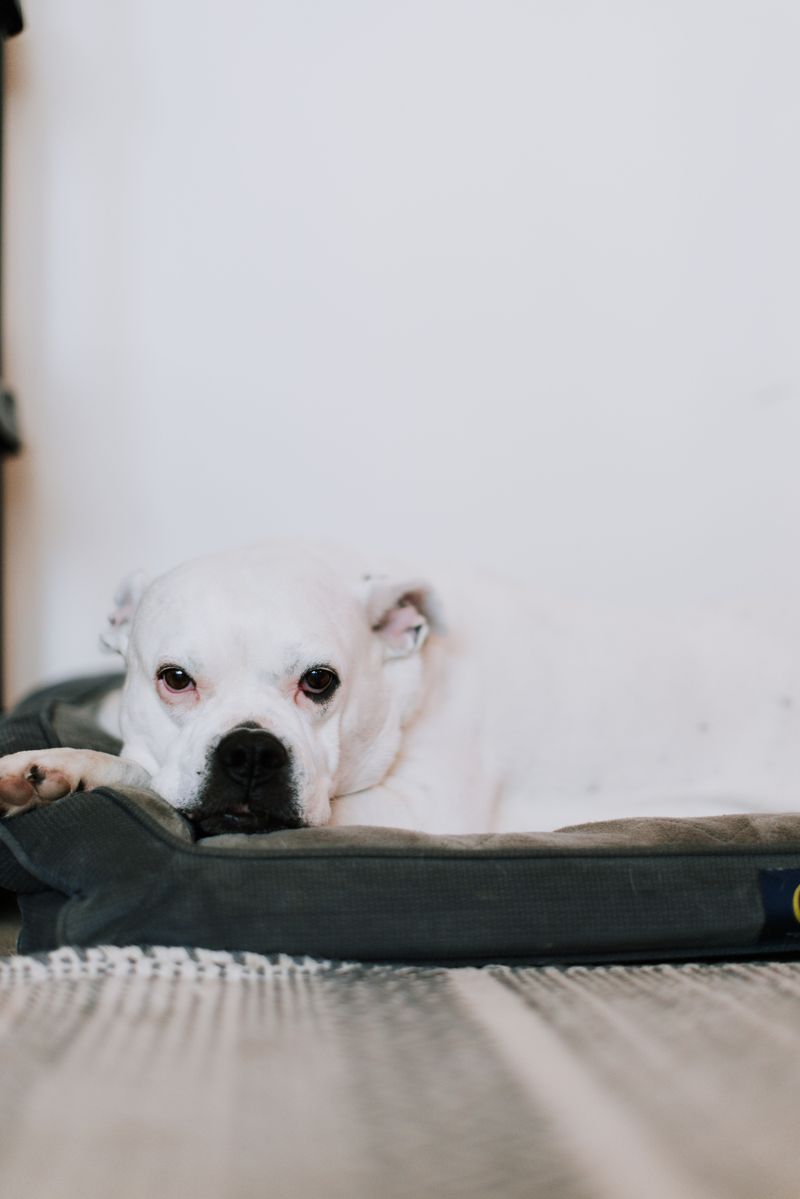
A cool basement corner can feel inviting, provided it stays dry and comfortable. Place bedding away from leaks, drafts, utility equipment, and damp walls.
Check the floor after heavy Pennsylvania rain, especially in older homes. Wash bedding regularly and address moisture problems instead of covering them with extra blankets.
Offer another resting place upstairs so your dog has options. A basement bed should support family life, not replace companionship, outdoor breaks, or regular checks on your dog’s comfort.
12. Stop Leaving Small Tools and Hardware on Workbenches
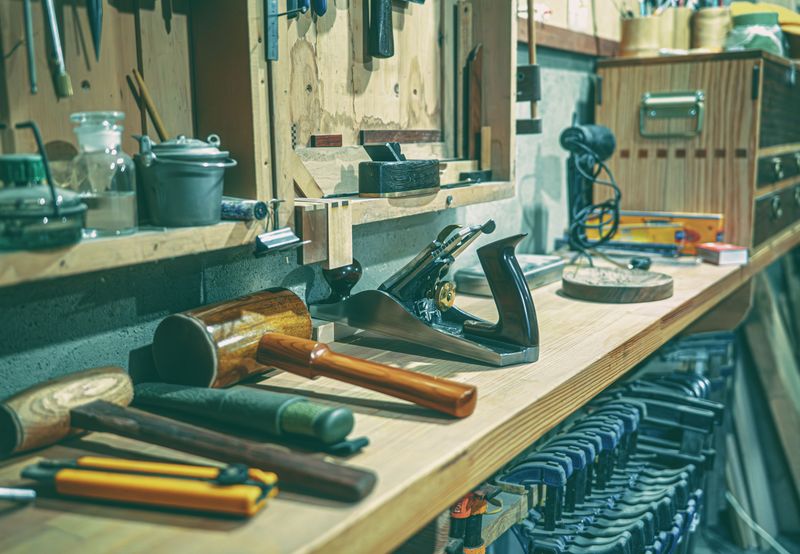
One dropped screw can become much more interesting than the toy beside it. Store nails, screws, blades, and small parts in closed containers after every project.
Do not assume a workbench is beyond reach, especially with chairs nearby. Secure drawers and remove anything that helps your dog climb.
Sweep the floor before reopening the room to pets. If hardware goes missing and swallowing is possible, call your veterinarian with details rather than trying a home remedy.
13. Store Dog Food in Sealed, Pest-Resistant Containers
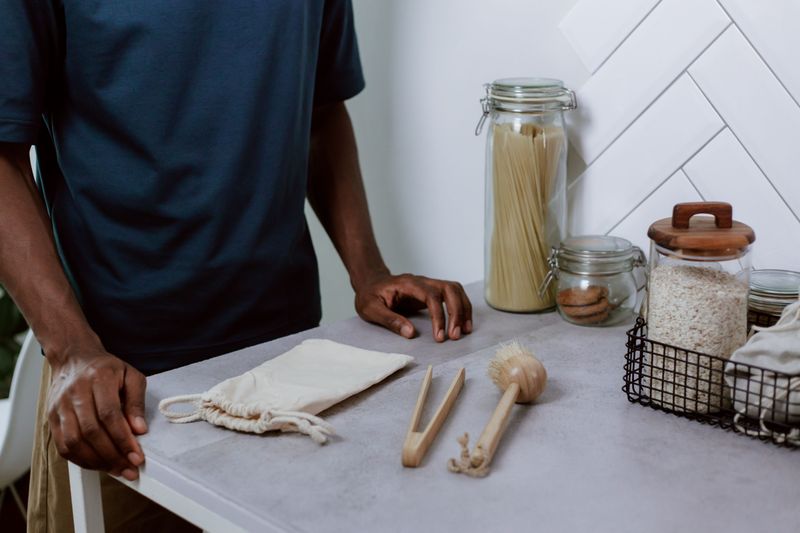
The kibble bag deserves better than a folded top beside a damp basement wall. Keep dry food in its original bag inside a clean, sealed container.
That preserves lot numbers, feeding information, and details useful during a recall. Choose a dry storage area away from cleaners and excessive heat.
Wash and fully dry the container between bags instead of topping off leftovers. Follow package guidance, and inspect regularly for moisture, pests, or changes in the food’s smell.
14. Keep Trash Cans and Compost Scraps Behind Closed Doors
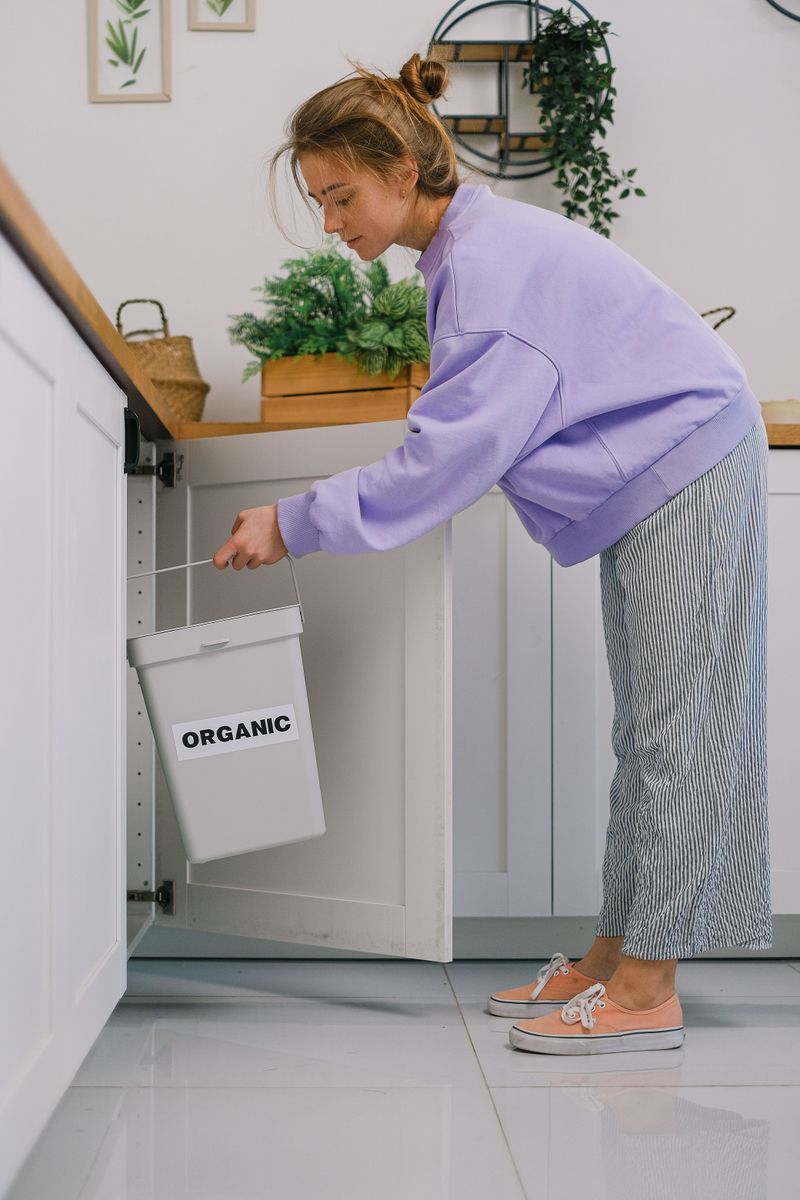
A covered bin may still open easily when a clever dog nudges the lid. Place trash and collected compost scraps behind a securely latched door.
Food waste can include unsafe ingredients, bones, wrappers, or spoiled material. Empty small containers often, and clean spills before their smells attract extra attention.
Check outdoor compost access as well, especially when carrying scraps through the mudroom. Contact your veterinarian if your dog eats questionable waste, and describe what may have been inside.
15. Reconsider Using the Mudroom as a Dog’s Only Exit
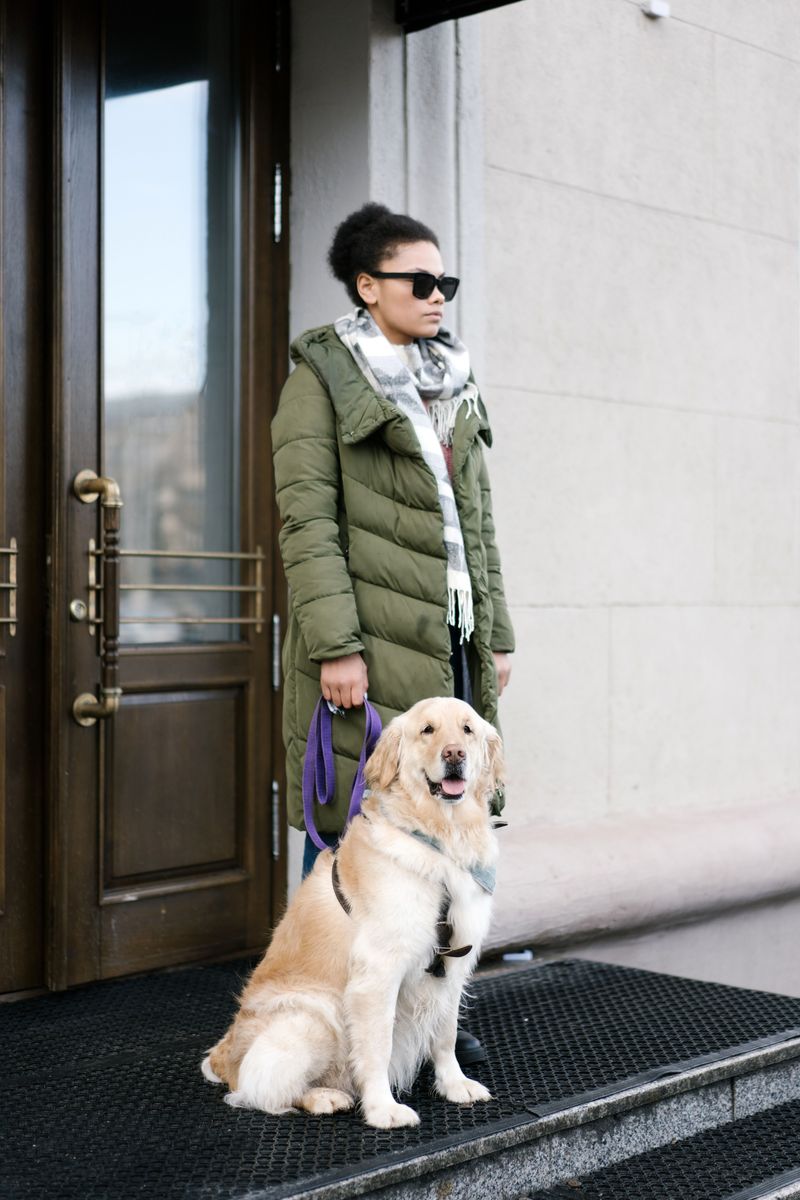
Busy mornings can turn one doorway into a bottleneck of boots, bags, and excited paws. Keep the usual exit clear, but plan another supervised route.
Practice calm departures with a leash attached before opening any outside door. Check steps for ice and confirm that gates close securely.
Let household members know the backup plan for blocked doors or repairs. Clear paths, secure storage, and small daily checks help your Pennsylvania home welcome a dog with greater confidence.