20 North Carolina Apartment Realities To Think Through Before Adopting A Large Dog In Charlotte Or Raleigh

Bringing home a big dog is exciting, and it can work beautifully in an apartment. Still, renting in Charlotte or Raleigh comes with its own set of rules and surprises.
Think of this as a friendly chat with a neighbor who has done it before. A little planning now helps you and your future pup settle in happily for years.
1. Read the Pet Policy Before Anything Else
Every apartment community writes its own pet rules. A complex down the street may follow a totally different playbook than the one you love.
Many places advertise themselves as pet-friendly. Yet the fine print often includes breed limits, weight caps, and several fees.
Ask the leasing office for the written policy before you tour seriously. Read it slowly, and save a copy.
Knowing the rules upfront keeps you from falling for a place that cannot welcome your dog.
2. Breed Lists Can Surprise You
Raleigh has no breed-specific law, so the city itself bans no breeds. Private landlords, however, can still set their own limits.
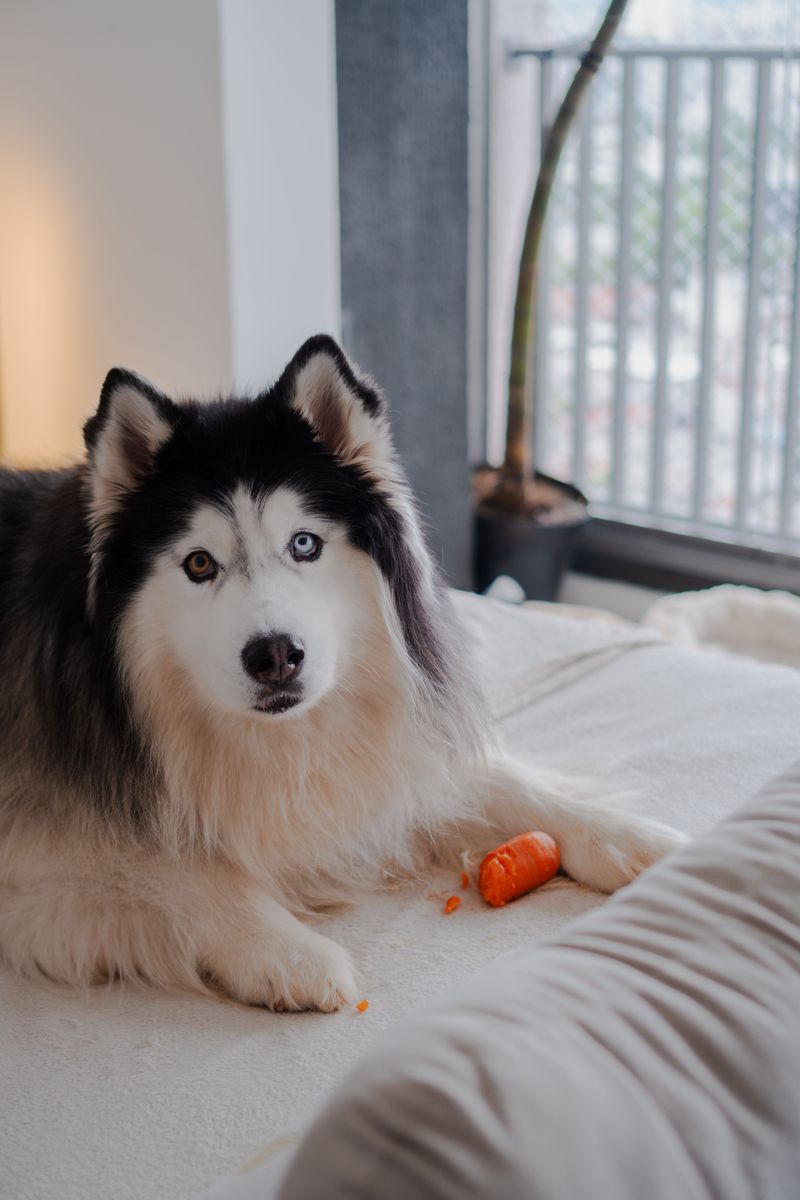
In the Charlotte area, many dog-friendly complexes restrict certain breeds. Common lists include Pit Bulls, Rottweilers, German Shepherds, Huskies, Dobermans, and Mastiffs.
Owners often say their insurance companies require these rules. Some renters with a valid Emotional Support Animal letter may receive an exception.
Always confirm details directly with the property.
3. The Scale Matters More Than You Think
Picture adopting a fluffy 40-pound puppy who grows into an 80-pound adult. That growth can quietly break a lease rule.
Weight limits are set by each property in Charlotte and Raleigh. Some have no cap at all, while others stop at 35 or 75 pounds.
Ask the shelter or your vet about expected adult size. Then match that number to your building’s limit.
Planning for the grown dog saves stressful conversations later.
4. Budget for Fees, Deposits, and Pet Rent

Money comes up fast when leasing with a dog. In Charlotte, non-refundable pet fees often run about $300 to $500.
Monthly pet rent there usually lands between $15 and $35 per pet. A refundable deposit of $200 to $500 may also apply.
Raleigh communities show similar ranges, often around $300 to $400 in fees.
North Carolina caps total security deposits at two months’ rent, with reasonable pet deposits allowed. Ask for every charge in writing.
5. Renters Insurance With Liability Coverage
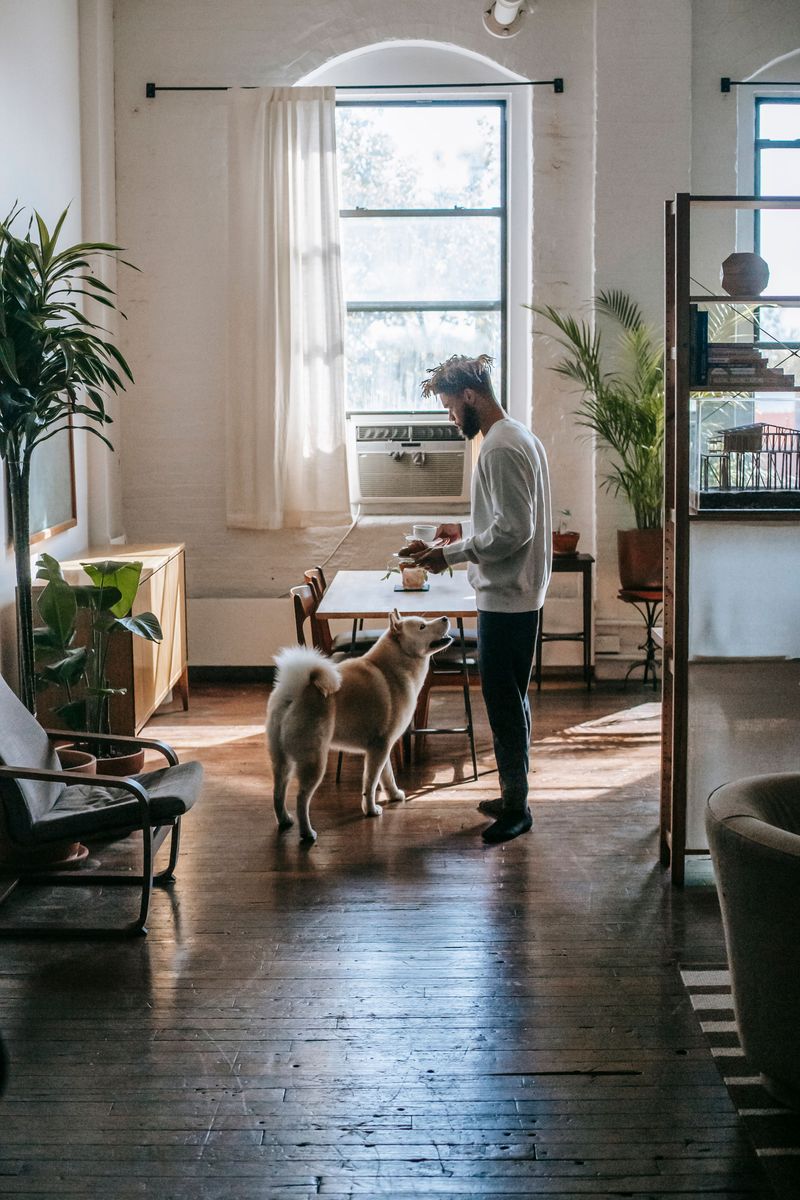
Insurance is the quiet safety net many landlords now require. Policies with pet liability coverage are especially common when breed rules exist.
North Carolina generally follows a one-bite approach to liability. That shifts if animal control labels a dog potentially dangerous.
Mecklenburg County may require owners of dangerous dogs to carry liability insurance.
Call your insurer and ask whether your dog’s breed is covered. Coverage rules vary by company, so get clear answers.
6. Square Footage and Floor Plan
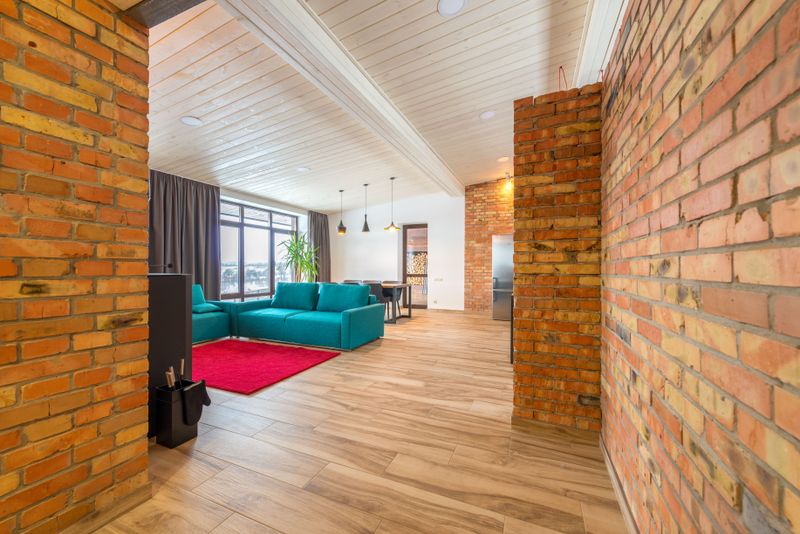
Floor space feels different once a big tail starts swinging. Coffee tables and narrow hallways suddenly become obstacles.
Calm large breeds adapt well when there is room for a bed, supplies, and a little indoor play. An open layout often works better than many small rooms.
During tours, imagine where the crate, water bowl, and food will go. Measure if needed.
A comfortable setup helps your dog relax and keeps your home tidy.
7. Energy Level Beats Size
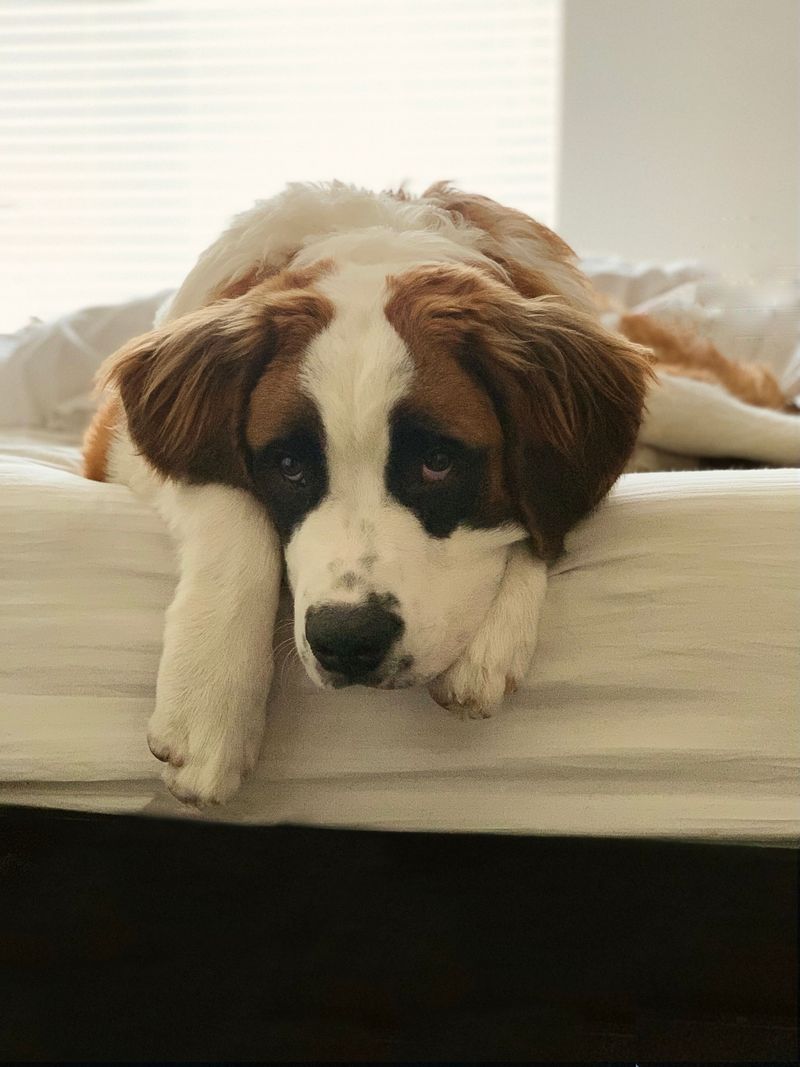
Here is a fun twist: some giant dogs are true couch lovers. Greyhounds, though famous for speed, often nap most of the day.
Great Danes, English Mastiffs, Newfoundlands, and Bernese Mountain Dogs also tend to be calm indoors. Their daily exercise still needs to happen.
Working breeds like Border Collies and Dalmatians usually crave lots of activity. They can feel cramped in small spaces.
Match your energy to theirs for a smoother life.
8. Daily Exercise Is Not Optional
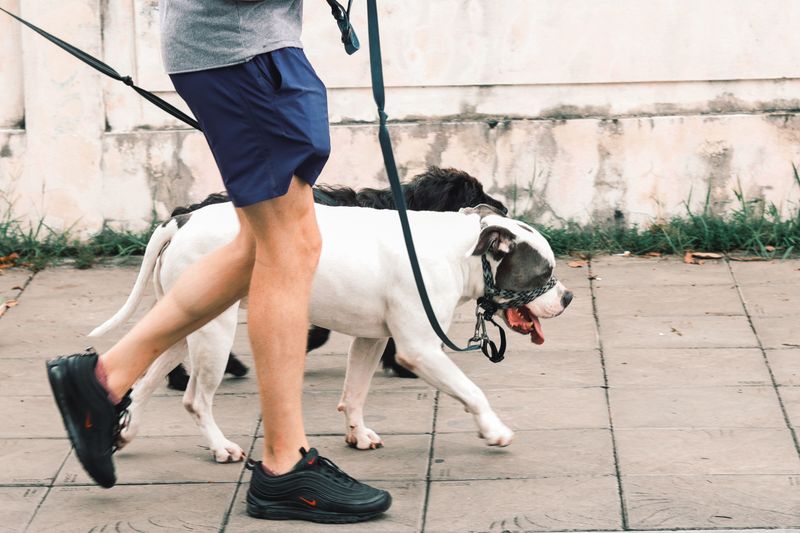
A tired dog is usually a content dog. Without a backyard, every bit of activity depends on you.
Most apartment-friendly large breeds need at least two 30-minute walks each day. Mental games, like puzzle feeders or sniffing walks, help too.
Skipped exercise can lead to boredom and chewed furniture. Build walks into your routine like brushing your teeth.
Rain or shine, your dog will count on it.
9. Scout Local Parks and Greenways
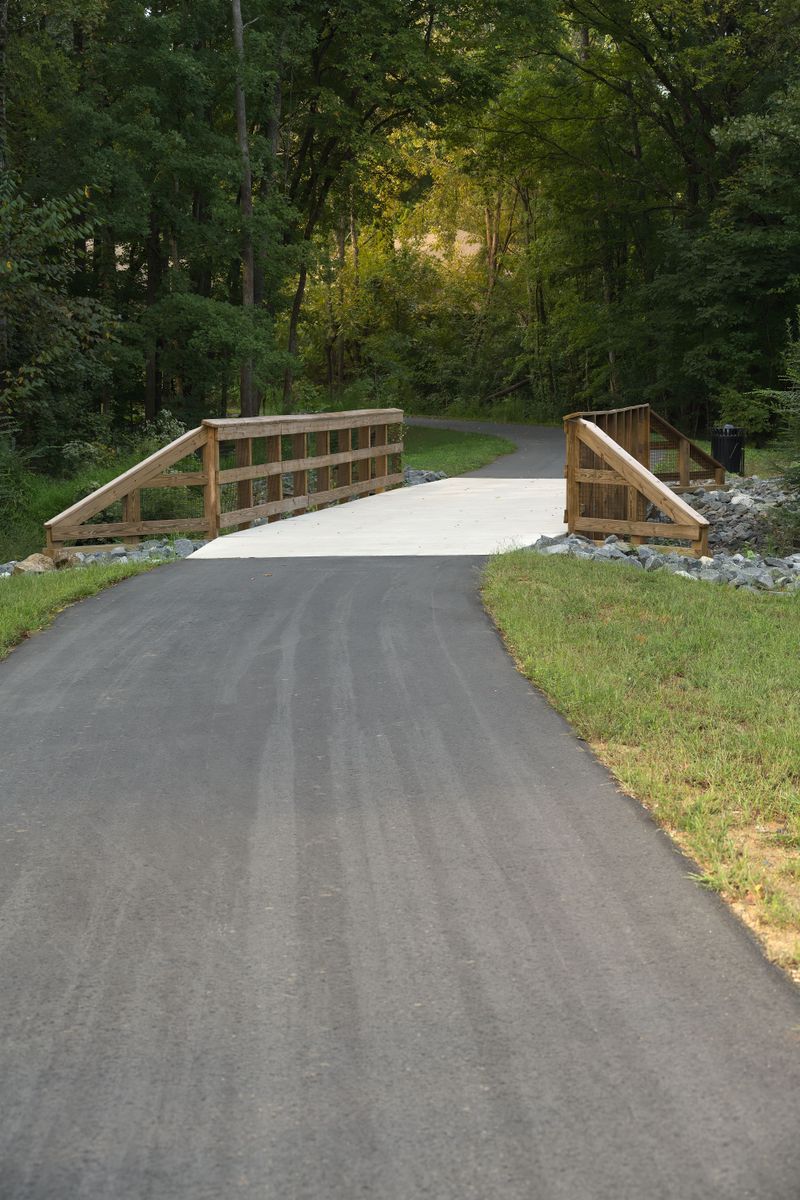
Both cities offer wonderful places to roam. Charlotte has McAlpine Creek, Frazier Park, Davie Dog Park, and Barkingham Park at Reedy Creek.
Raleigh dog owners enjoy Dix Park, Millbrook, Carolina Pines, and Oakwood dog parks. Leashed walks shine on the Neuse River Greenway and around Lake Johnson.
Charlotte’s Little Sugar Creek Greenway is another favorite for leashed strolls. Choosing an apartment near these spots makes daily outings much easier.
10. Know Where Bathroom Breaks Happen
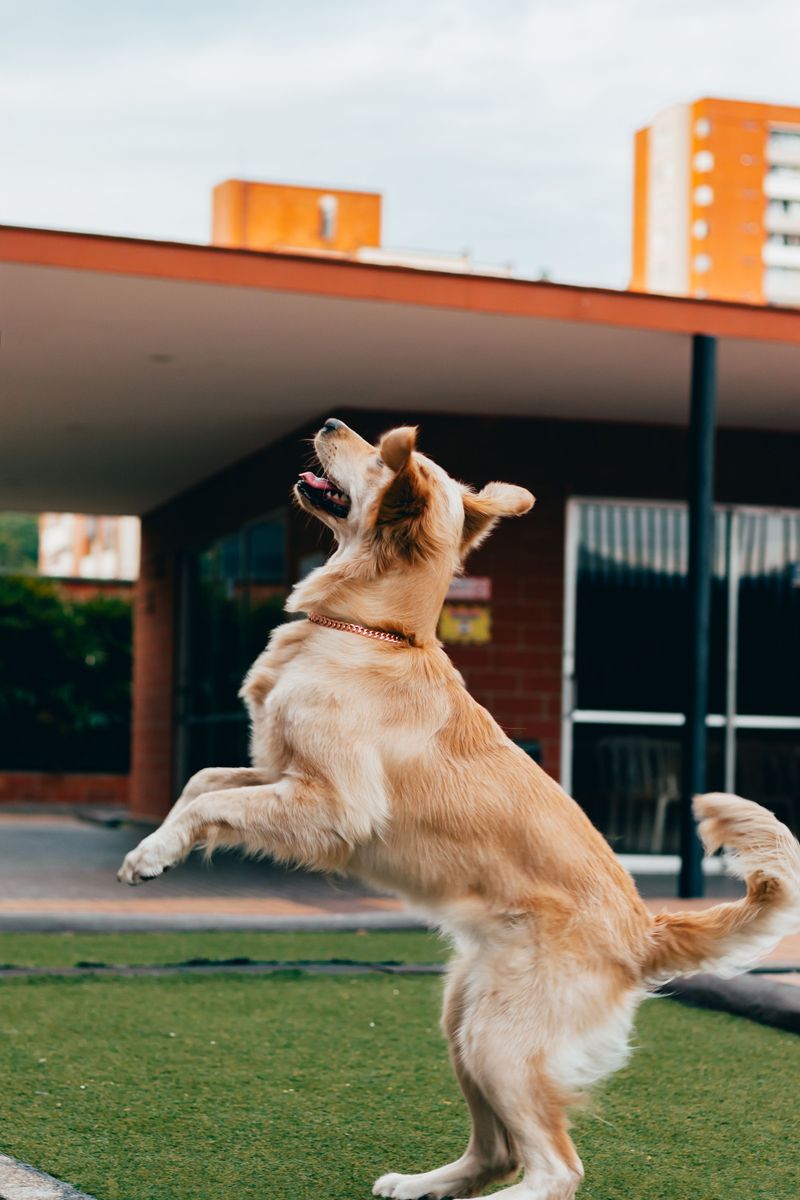
At 6 a.m., in pajamas, the walk to the grass matters a lot. Big dogs need dependable outdoor potty spots.
Look for grassy areas or pet relief stations close to your building. Check how far you would walk from the door.
Also notice lighting for night trips and whether paths stay muddy after storms. A convenient spot makes house training smoother.
It also keeps late-night breaks quick and stress-free.
11. Stairs, Elevators, and Aging Joints
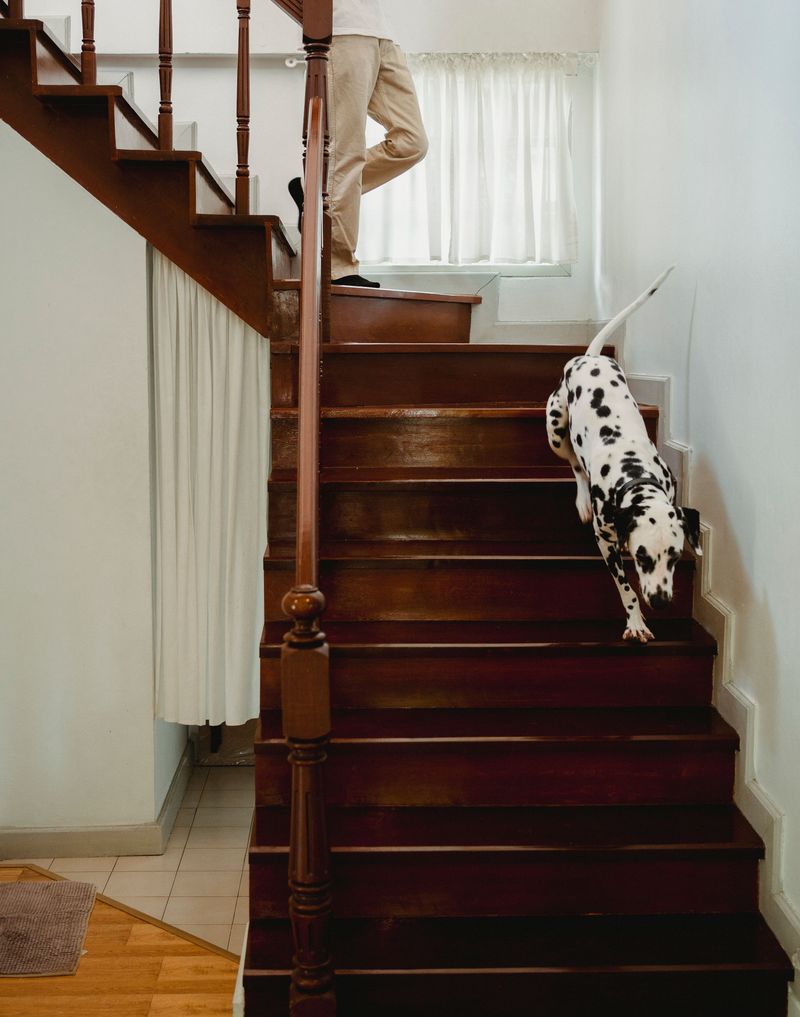
A third-floor walk-up seems fine until your dog gets older. Large and giant breeds can struggle with stairs over time.
Tight elevators can also make big dogs nervous. Some feel unsure stepping into small moving spaces.
If your dog is senior or has joint concerns, a ground-floor unit may help. Otherwise, look for a roomy, well-kept elevator.
Thinking ahead protects their comfort through every life stage.
12. Keep the Volume Neighbor-Friendly
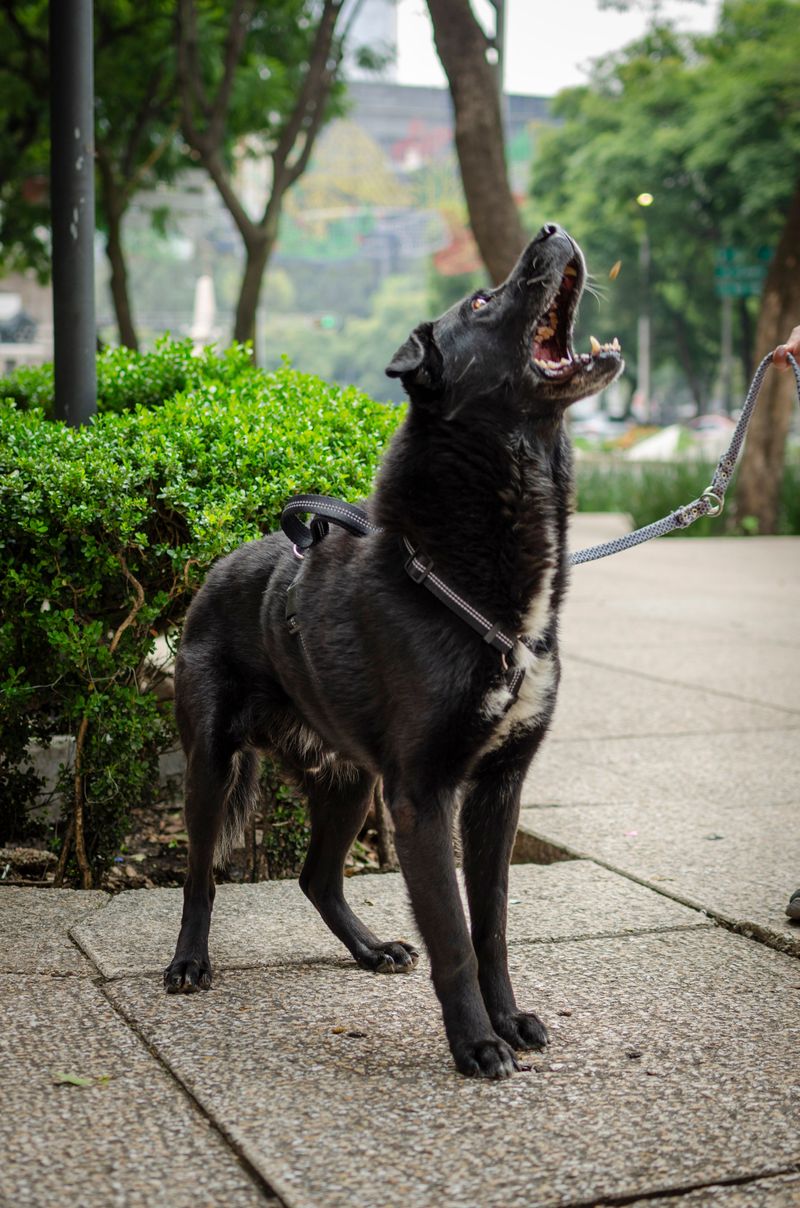
Walls are shared, so barking travels. In Charlotte, excessive barking can count as a public nuisance under city rules.
Some breeds are naturally chatty, like Huskies, Beagles, Boxers, and German Shepherds. Newfoundlands and Bernese Mountain Dogs tend to be quieter.
Training, exercise, and enrichment all help reduce noise. If barking starts, address it early.
Neighbors usually appreciate a quick, friendly heads-up that you are working on it.
13. Manners in Busy Hallways
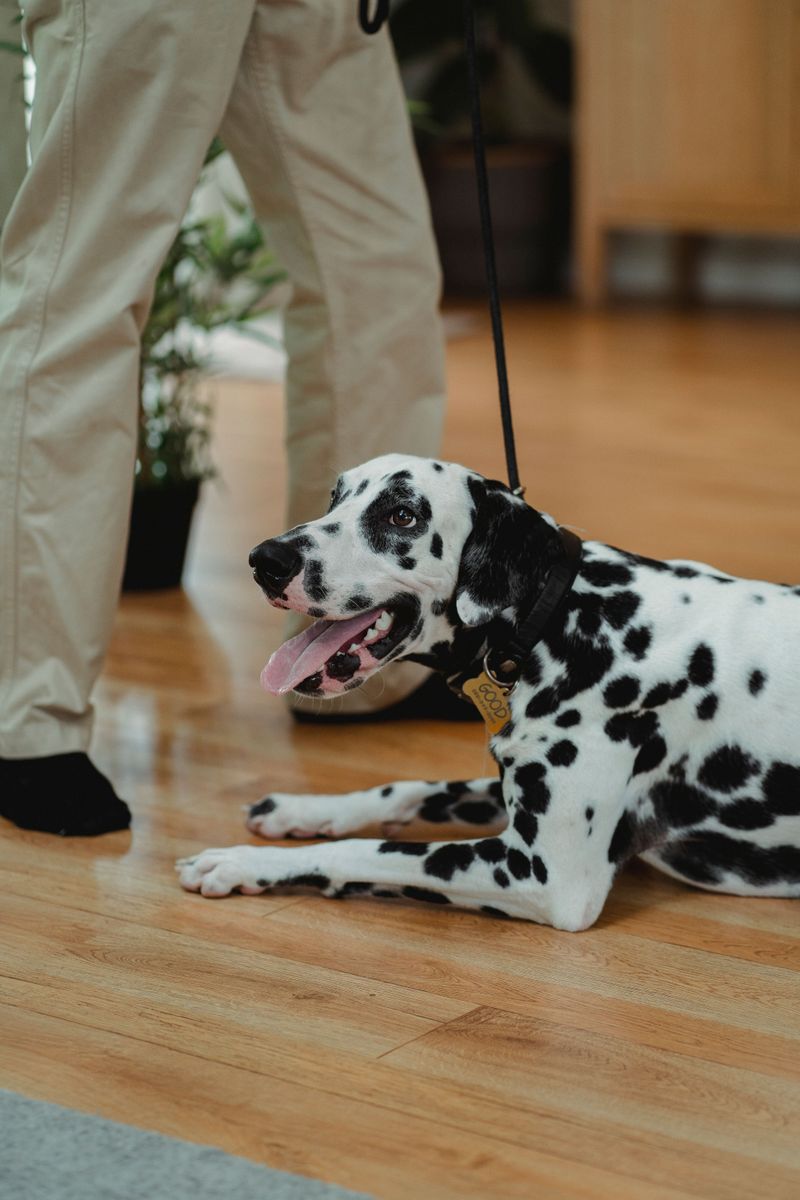
Apartment life means constant meetings. Kids, delivery drivers, and other dogs may appear around every corner.
Ongoing socialization helps large dogs stay calm and confident. Many trainers recommend the Canine Good Citizen program for apartment pups.
Practice sitting politely while people pass. Reward calm behavior near doors and elevators.
A well-mannered big dog quickly earns smiles instead of worried looks from neighbors.
14. Leash Rules Differ by City
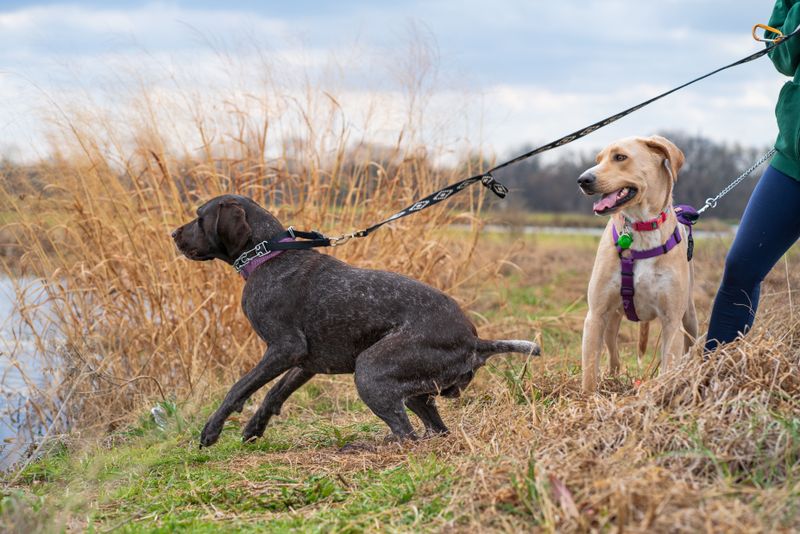
North Carolina has no single statewide leash law. Counties and cities set their own rules.
In Charlotte and Mecklenburg County, dogs off your property must be leashed, fenced, or under approved electronic control. Fines start at $50 and can rise for repeat issues.
Raleigh prohibits dogs roaming loose, and greenway leashes must be six feet or shorter. Designated dog parks are the main off-leash exception.
Check local rules when visiting nearby towns.
15. Scoop, Bag, and Toss

Big dogs leave big messes, and cleanup is required. Charlotte and Mecklenburg County make it unlawful to leave waste on property that is not yours.
That includes sidewalks, common areas, and trails. Fines start at $50 and can increase for repeat issues.
Raleigh has its own pooper scooper rule too.
Dog waste can carry germs and pollute local waterways. Clip a bag holder to your leash so you are always ready.
16. Licenses and Rabies Shots
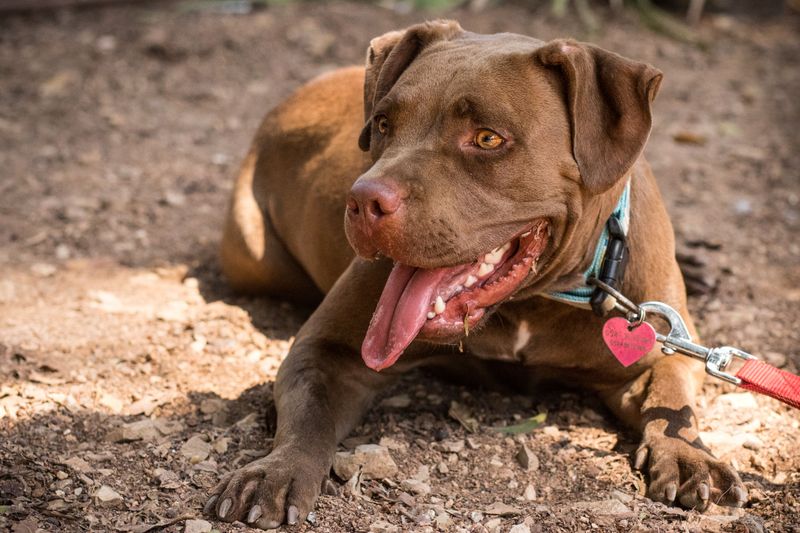
State law requires rabies vaccination for dogs four months and older. Dogs must also wear a current rabies tag.
Charlotte and Mecklenburg County add yearly licensing. Fees are $10 for spayed or neutered pets and $30 for unaltered pets.
New residents have 30 days to register.
Raleigh and Wake County dropped their separate license program in 2012. Rabies vaccination is still mandatory there.
Keep records handy for your leasing office.
17. Summer Heat Needs a Plan

Carolina summers can feel like a warm, wet blanket. Dogs cannot sweat well, so heat affects them quickly.
Watch the heat index, since 85 to 90 degrees and above can be risky. Walk early in the morning or later in the evening.
Test pavement with your hand, and choose grass when possible.
Bring water and take shade breaks. Never leave your dog in a parked car.
Call your vet if heavy panting continues.
18. Bigger Dog, Bigger Bills
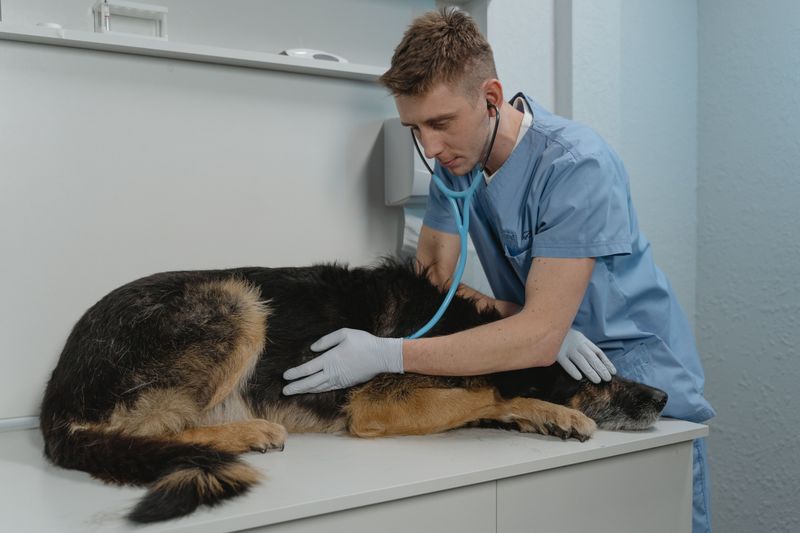
Size shows up on every receipt. Large dogs often cost 30 to 50 percent more than smaller ones.
Food portions, weight-based medicine, and anesthesia all scale up. A routine wellness exam in North Carolina often runs around $115.
Heartworm and flea prevention may cost $200 to $350 yearly.
Unexpected emergency visits can reach several thousand dollars. Consider pet insurance or a dedicated savings fund.
Steady planning brings real peace of mind.
19. Match Care to Your Work Schedule
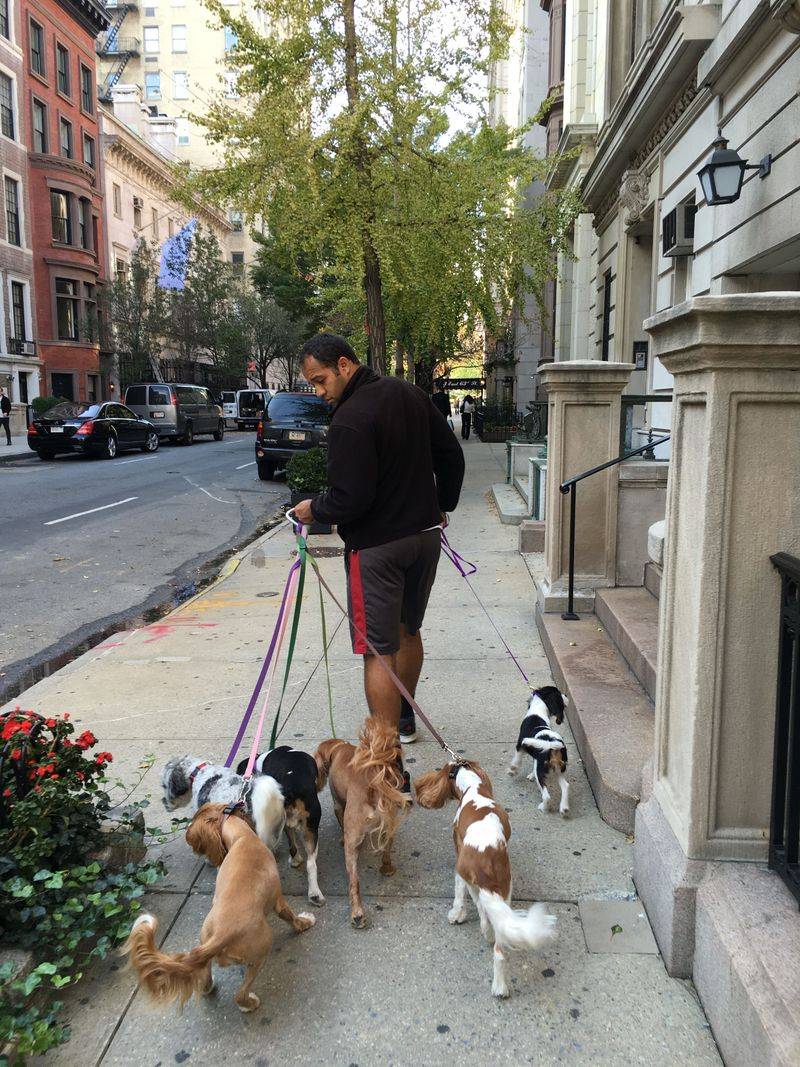
Long workdays shape what kind of dog fits best. If your pup will be alone six or seven hours, a calm adult shelter dog often adjusts well.
Doggy daycare offers play and social time during busy days. Many cost around $40 to $55 per day.
Dog walkers and pet sitters are another helpful option. A midday walk breaks up long hours nicely.
Line up backup care before adoption day arrives.
20. Think Several Moves Ahead

Your current lease may end in a year, but your dog could be with you for ten or more. Future moves deserve some thought now.
Breed, weight, and pet count rules can shrink your housing choices. Finding the next rental may take extra time.
Keep vet records, training certificates, and a pet reference from your landlord. These help future applications go smoothly.
With planning, you and your big buddy can keep thriving together.