18 Puppy House-Training Workarounds Pennsylvania Owners Need When The Yard Is Tiny Or Missing
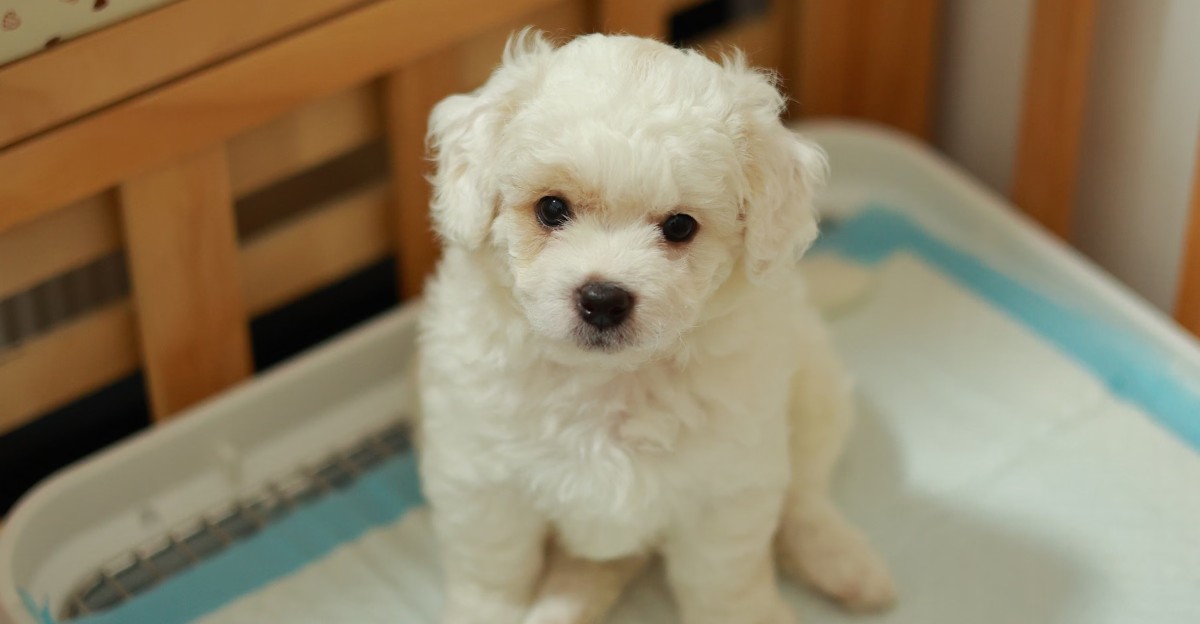
Bringing home a puppy is exciting, but potty training gets tricky without a big backyard. Many Pennsylvania owners live in apartments, row homes, or places with only a tiny patch of grass.
The good news is that small spaces can still raise a well-trained pup. With a steady routine and a few smart workarounds, you can teach good habits and keep your home clean.
1. Pick One Go-To Potty Spot Near Your Building
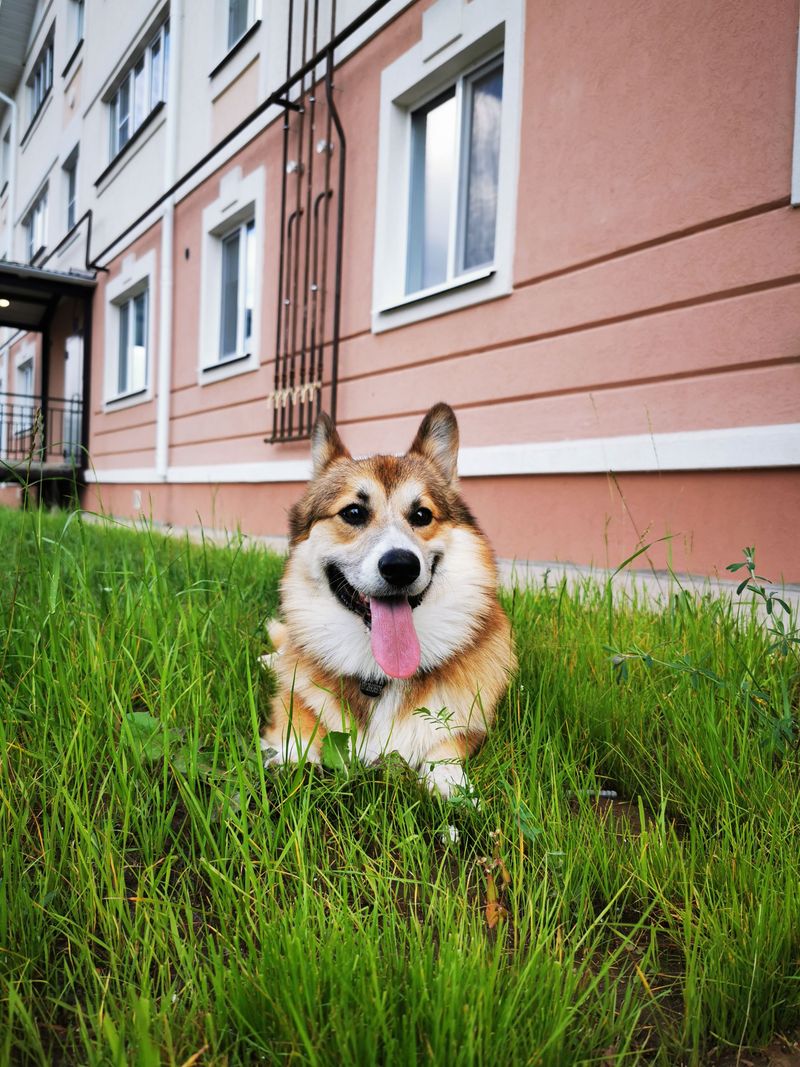
Puppies learn fastest when every trip ends at the same place. Choose a small patch of grass or a tree strip close to your door.
The familiar scent tells your pup exactly why you came outside. Over time, that spot becomes a clear signal to get down to business.
Make sure the area is allowed for dogs. Some landlords and HOAs mark certain zones as off-limits, so check first.
2. Borrow Sidewalks and Approved Grassy Areas
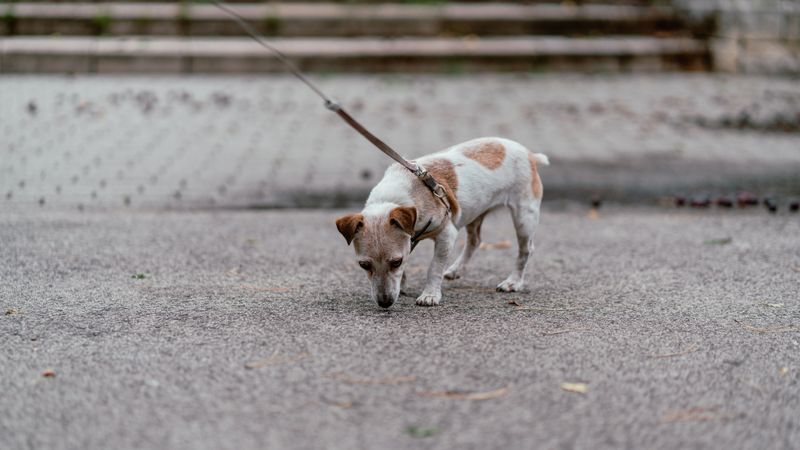
No yard? Plenty of city pups do just fine using sidewalk strips and approved grassy areas.
Cleanup matters, though. Many Pennsylvania towns, including Pittsburgh, have rules requiring owners to remove dog waste right away.
Fines vary by municipality, so check your local code.
Keep bags clipped to the leash so you are never caught empty-handed. A tidy owner also earns friendlier looks from neighbors who share that grass.
3. Build a Schedule Around Meals, Naps, and Play
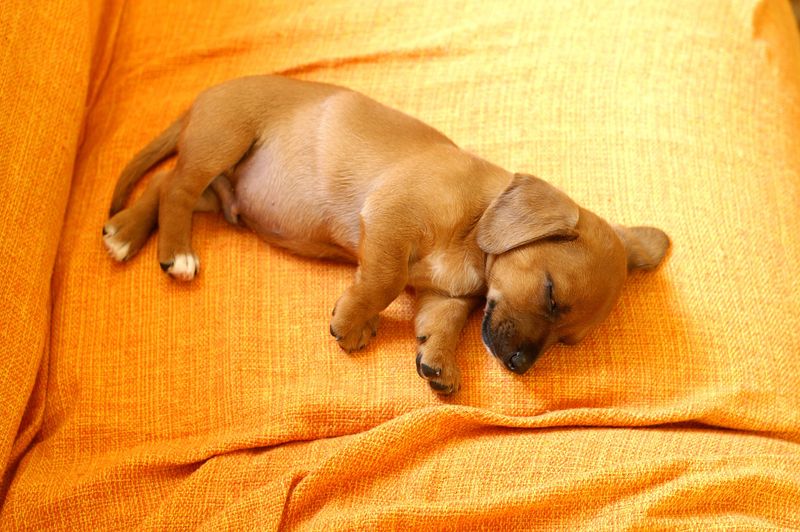
Here is a simple truth about puppies: what goes in comes out, usually soon. Most pups need a break shortly after eating, waking, or playing hard.
Plan trips for first thing in the morning and right before bed too. Those two moments matter a lot.
Once the timing becomes predictable, your puppy starts expecting it. That rhythm makes accidents rarer and training feel much less like guesswork.
4. Go Out Often, Even Before the Signs
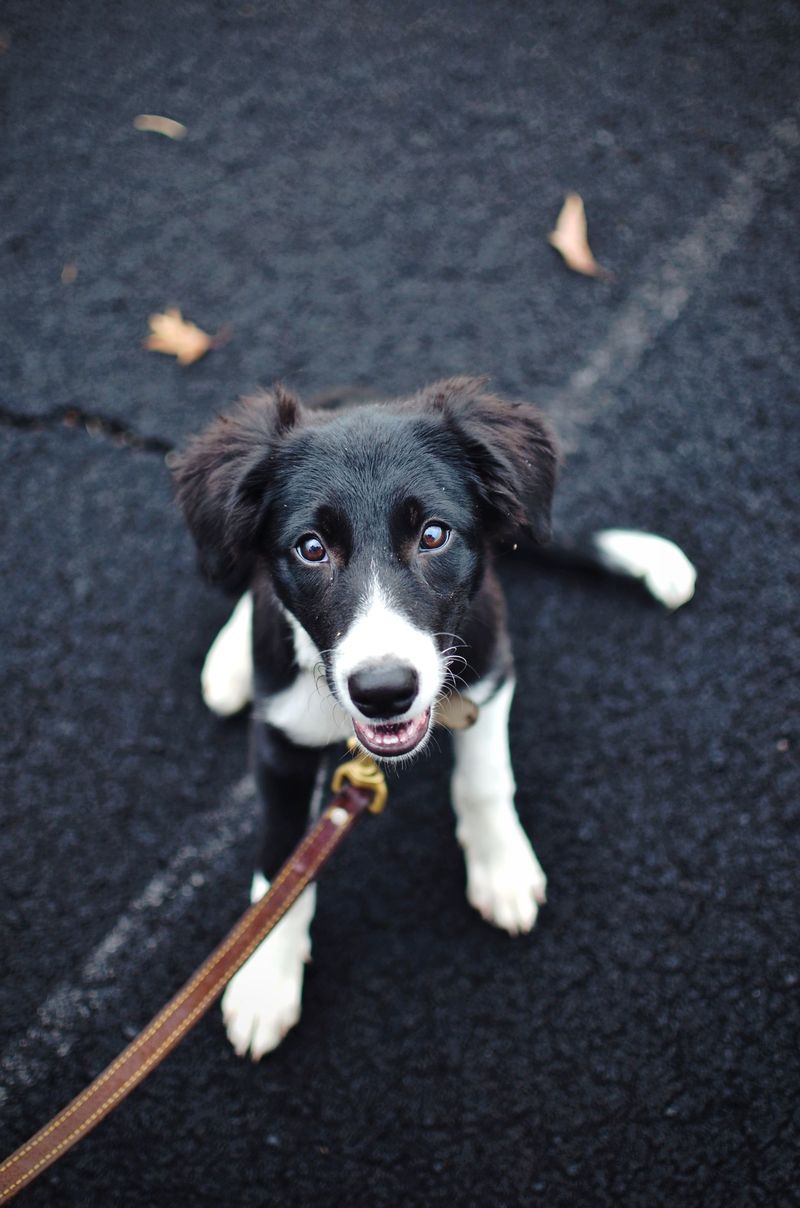
Sniffing and circling often mean you are already a little late. Young bladders are tiny and hold very little.
Many trainers suggest outings every 30 minutes to an hour while a young puppy is awake. Your own pup may need slightly more or less.
Frequent trips feel like a lot at first. Still, they prevent mistakes before they happen, and that builds good habits much faster.
5. Carry Little Ones Through Halls and Elevators
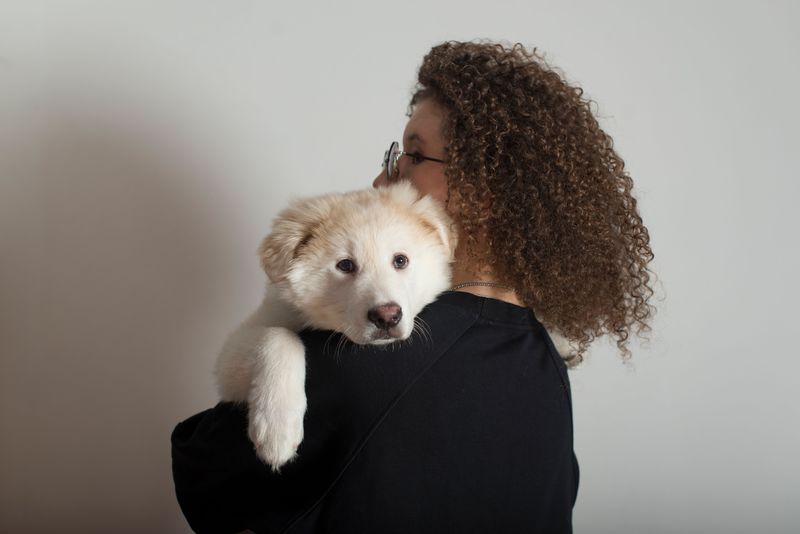
Picture a long hallway, a slow elevator, and a puppy who really needs to go. That combination often ends in a puddle.
Scooping up a young pup solves the problem. Most puppies will not go while being held, so you reach the grass in time.
Your neighbors will appreciate clean common areas. As your puppy grows and gains control, you can let them walk the route.
6. Keep the Leash Short and the Trip Boring
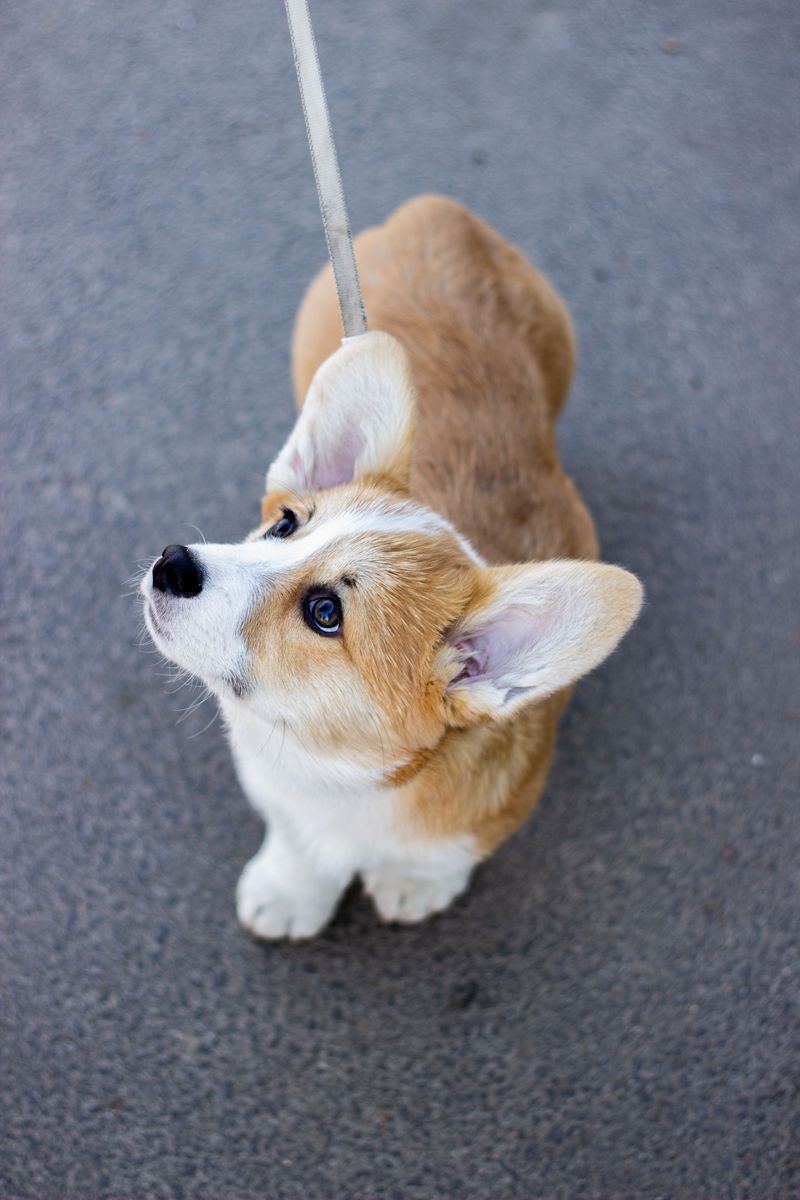
City sidewalks are full of fun distractions. Pigeons, buses, and passing dogs can make a puppy forget why it went outside.
A short leash keeps your pup close to the potty spot. Stand quietly and let them sniff that small area.
Save the playtime for after they finish. Being a little boring now teaches that potty comes first, and fun follows as a bonus.
Many local ordinances also require leashes in public spaces.
7. Teach a Simple Word Like Go Potty
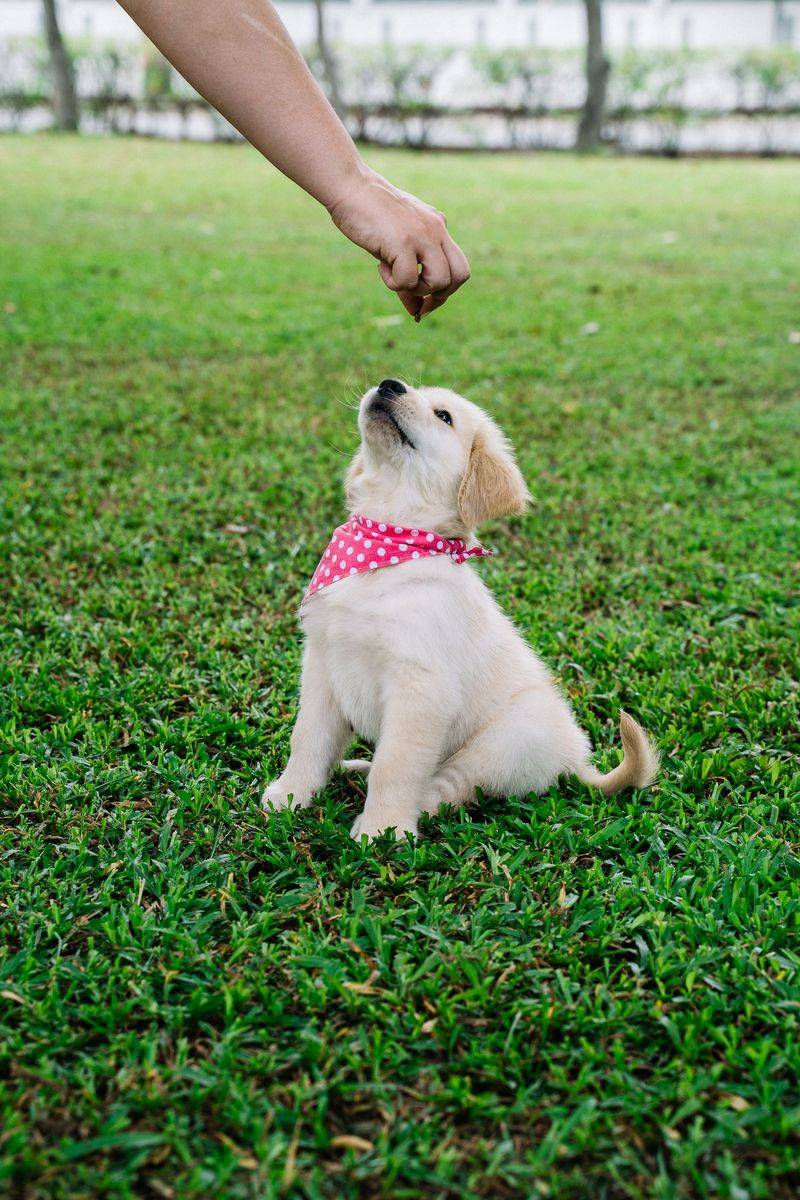
Imagine a freezing January night when you want a quick trip. A trained potty cue makes that possible.
Say a short phrase, like go potty, just as your puppy starts going. Use the same calm words every time.
After many repeats, your pup links the phrase to the action. Eventually the cue can prompt a bathroom break on request, which is handy before car rides.
8. Lean on Puppy Pads, Just for Now
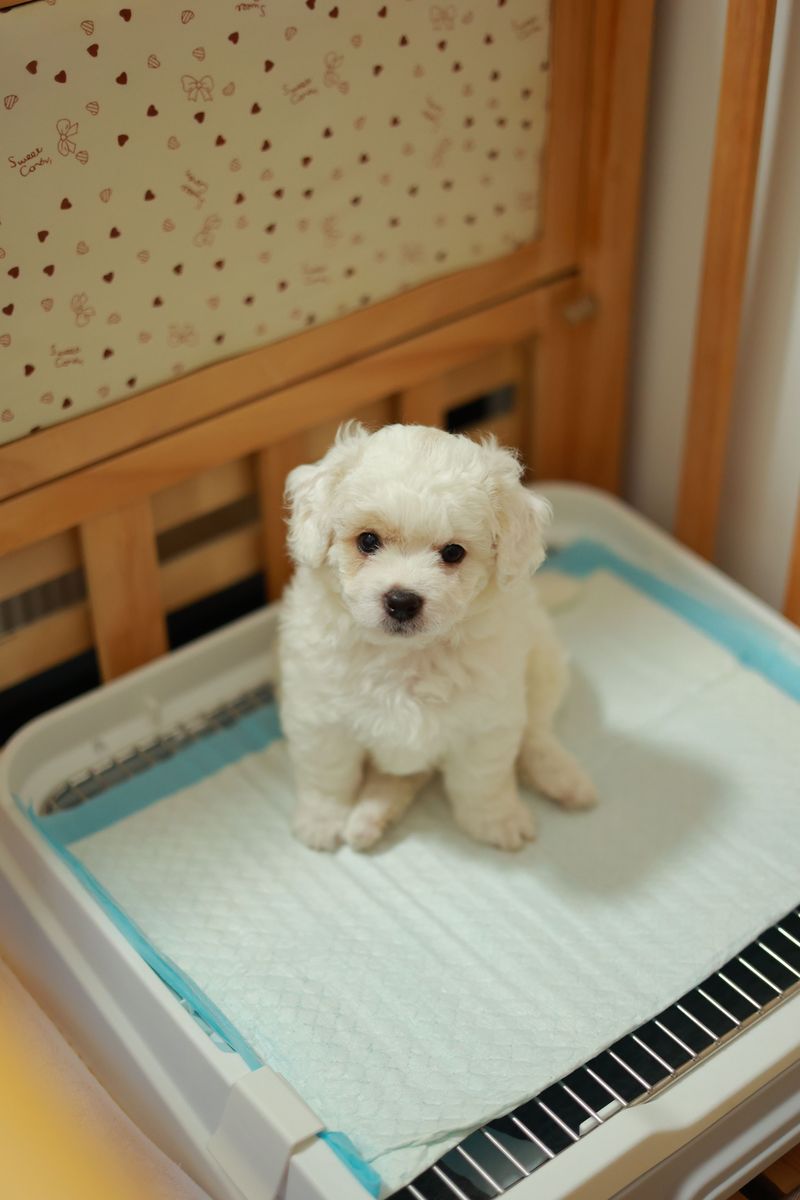
Pads can be a real lifesaver during the early weeks. They give tiny pups a safe indoor place when outdoor trips are not possible.
Think of them as training wheels, not a forever plan. Relying on pads too long can make outdoor training slower.
Keep fresh pads in the same spot each day. Toss used ones promptly so your puppy always finds a clean surface.
9. Inch the Pad Toward the Door
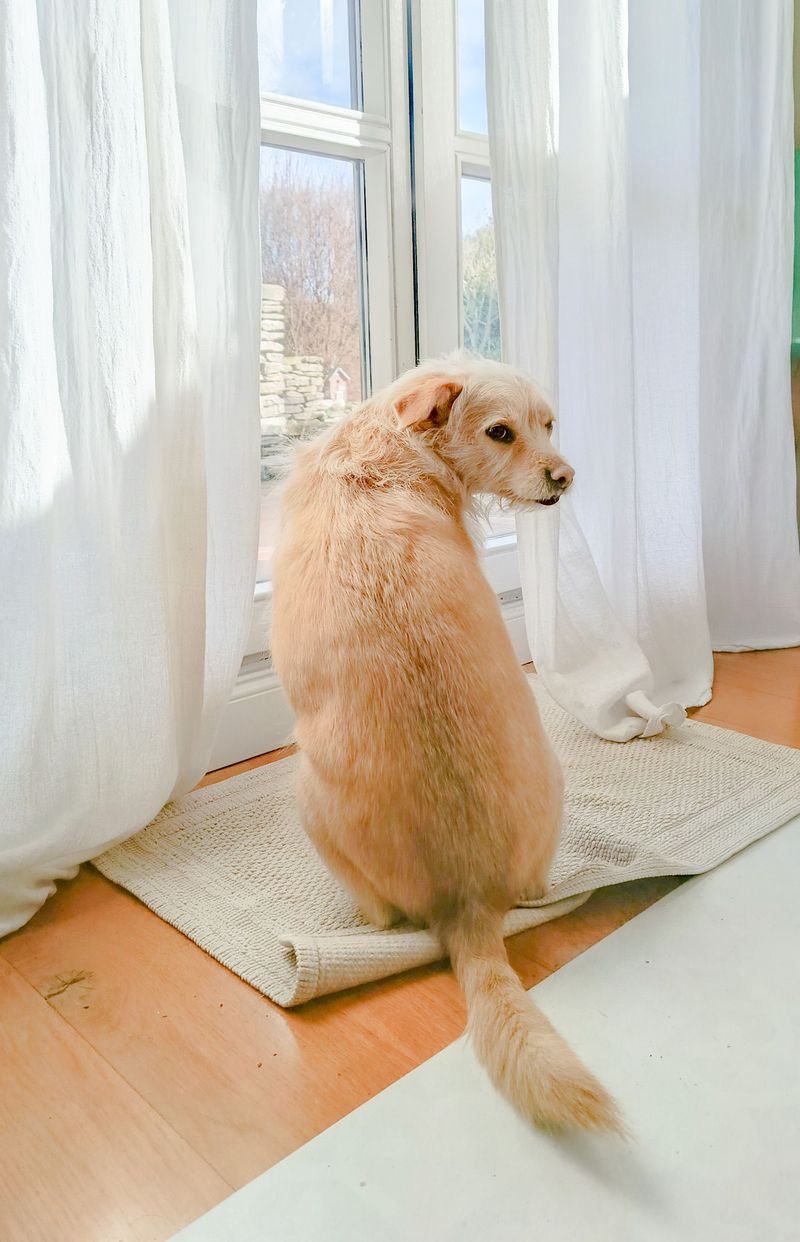
Moving from pads to pavement works best as a slow shuffle. Over several days, nudge the pad closer to your exit.
Once it sits by the door, try placing it just outside. Some owners shrink the pad gradually from there.
Soon your puppy connects potty time with the outdoors. Patience matters here, because rushing the steps can bring back indoor accidents.
10. Set Up a Balcony Station When Allowed
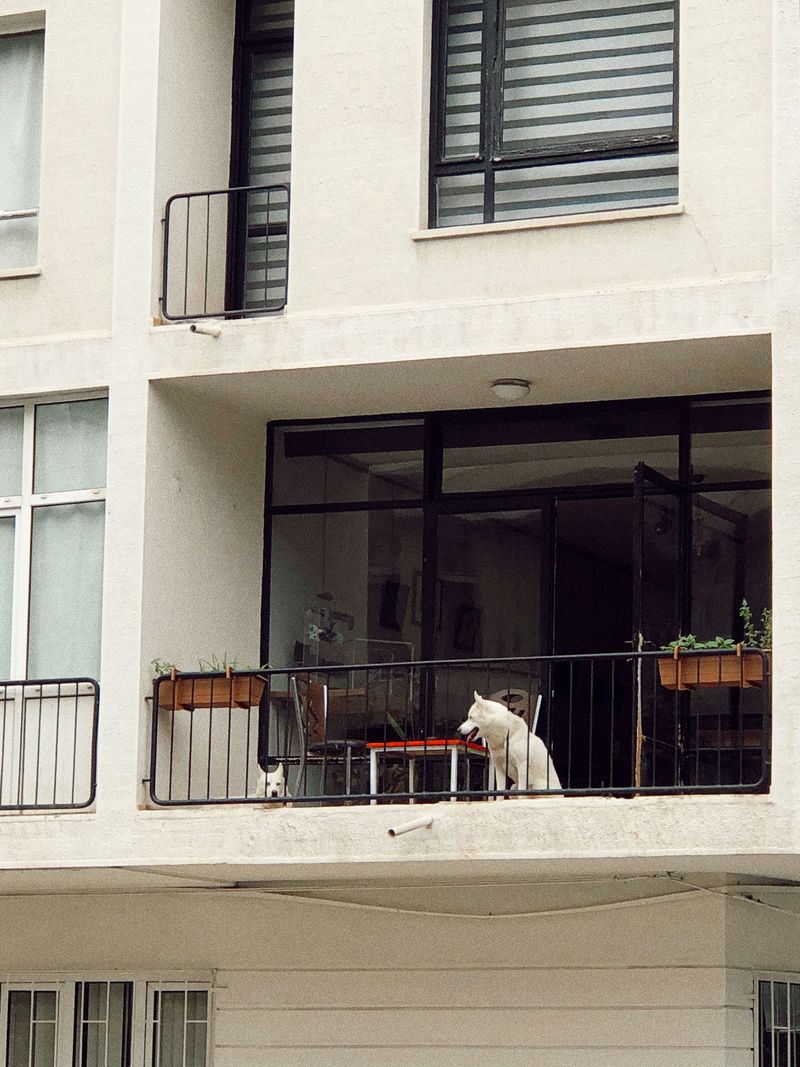
A balcony can work as a private potty area, but only if your lease allows it. Check building rules before setting anything up.
Safety comes first. Railings should be secure, with gaps too narrow for a small puppy to slip through.
Use a grass tray with good drainage and clean it often. Neighbors below will thank you for keeping runoff and smells under control.
11. Turn a Patio or Porch Into a Mini Yard
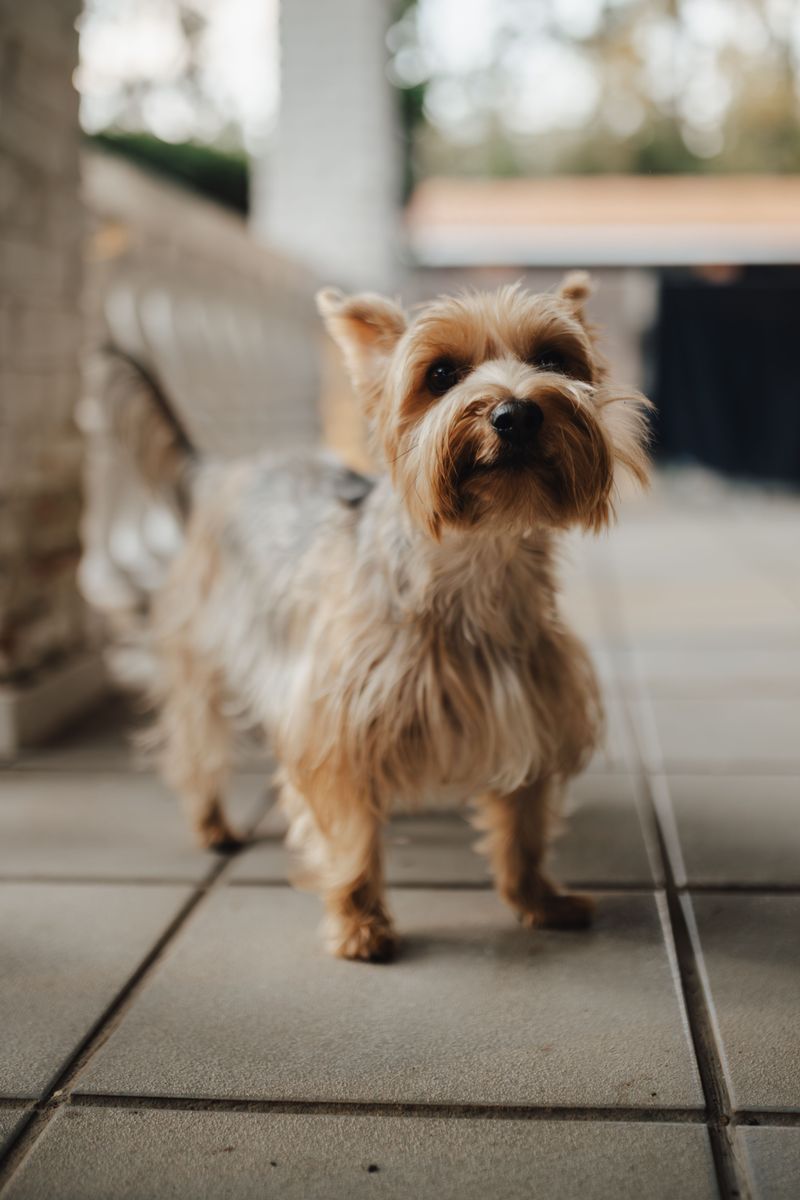
Many Pennsylvania row homes come with a small patio or enclosed porch. That little space can become a handy potty corner.
A washable grass patch gives your pup a natural feel underfoot. Hose it down regularly to keep it fresh.
Fully enclosed spaces also keep curious puppies from wandering. Just watch summer heat and winter chill, since porches can get uncomfortable quickly.
12. Choose a Crate That Fits Just Right
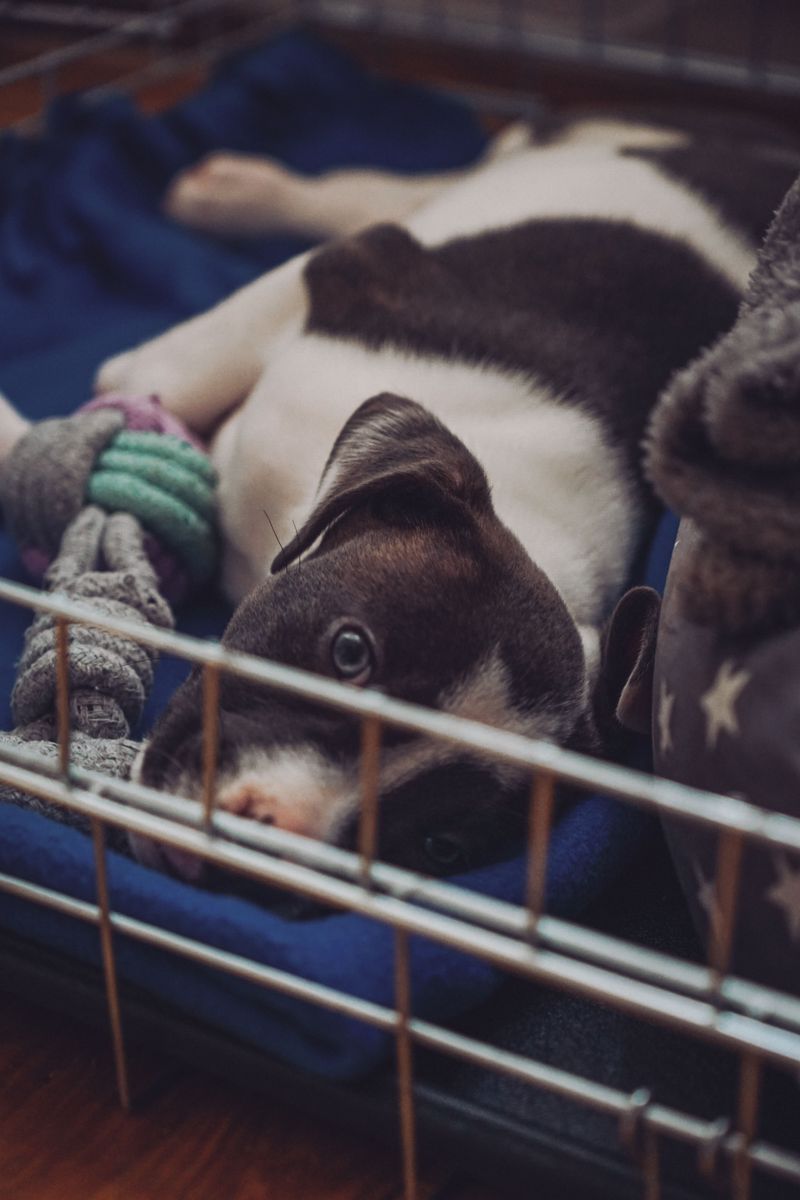
Dogs naturally avoid soiling the place where they sleep. A well-sized crate puts that instinct to work.
Your puppy should be able to stand, turn around, and lie down comfortably. Too much extra room may invite a potty corner.
Many crates include dividers that expand as your pup grows. Keep crate time reasonable and always follow it with a quick trip outside.
13. Fence Off Space With Gates or Playpens
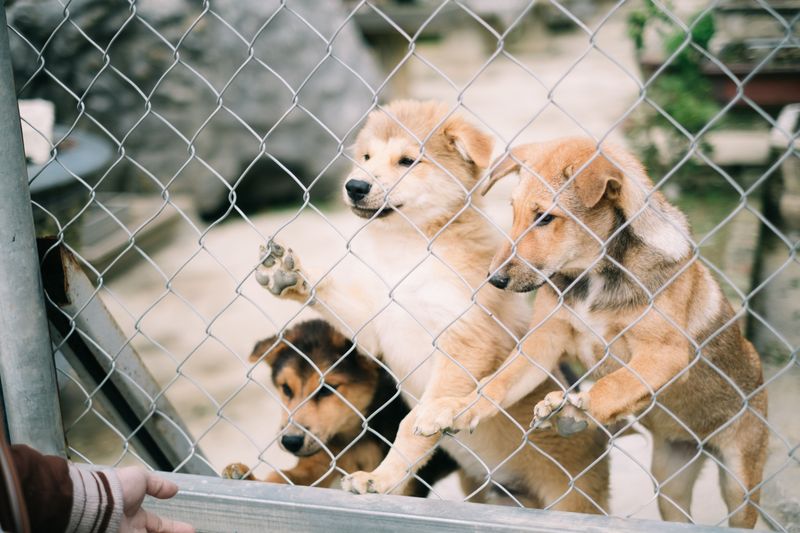
Even devoted owners need to cook, shower, or answer emails. During those moments, a playpen or baby gate keeps things under control.
A smaller zone means fewer hidden spots for sneaky accidents. It also makes cleanup much easier if something happens.
Add a bed, water, and safe chew toys. Your puppy stays comfortable and secure while you handle daily tasks.
14. Erase Accidents With an Enzymatic Cleaner
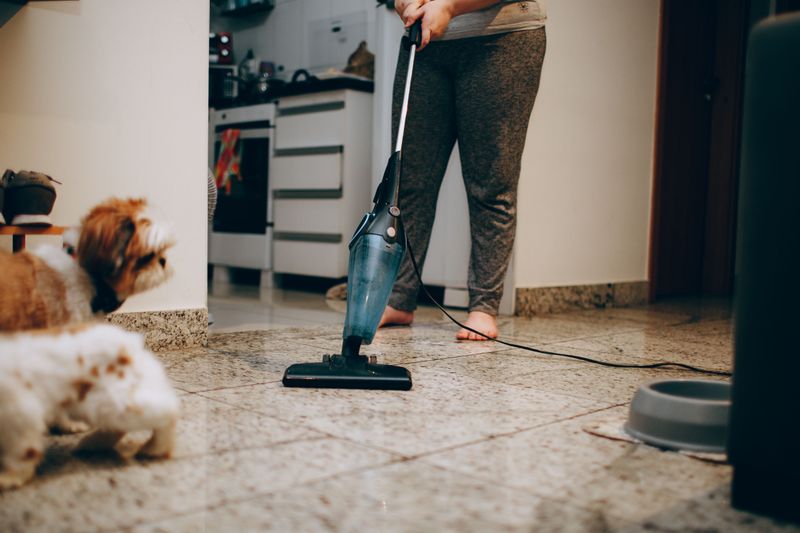
Mistakes will happen, and that is perfectly normal. What matters most is how well you clean them.
Enzymatic cleaners break down the proteins in urine that cause lingering odors. Regular household sprays may hide the smell from you, but not from your puppy.
Leftover scent can draw your pup back to the same spot. Clean quickly, stay calm, and skip any scolding.
15. Keep a Simple Potty Log
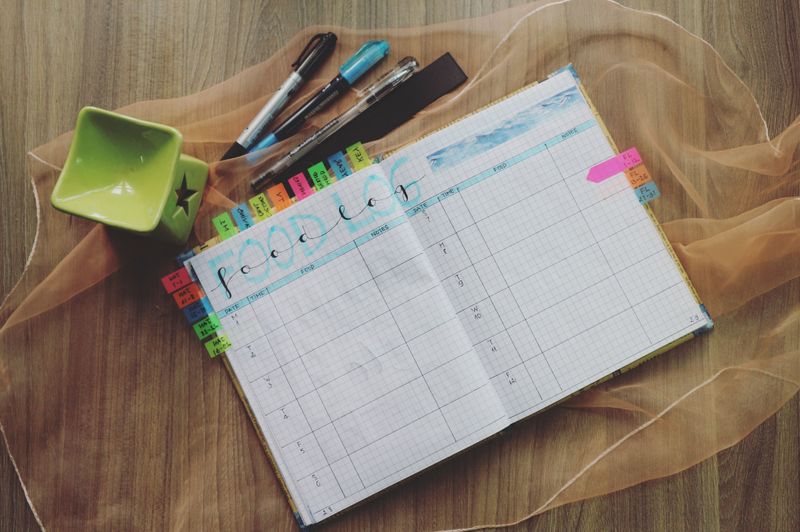
A notebook or phone app can reveal surprising patterns. Jot down meals, outdoor successes, and any accidents.
After a week, you may notice your pup always needs out twenty minutes after breakfast. That insight lets you plan ahead.
Logs also help when talking with your vet. Clear records make it easier to spot whether something seems unusual and worth checking.
16. Line Up a Midday Helper
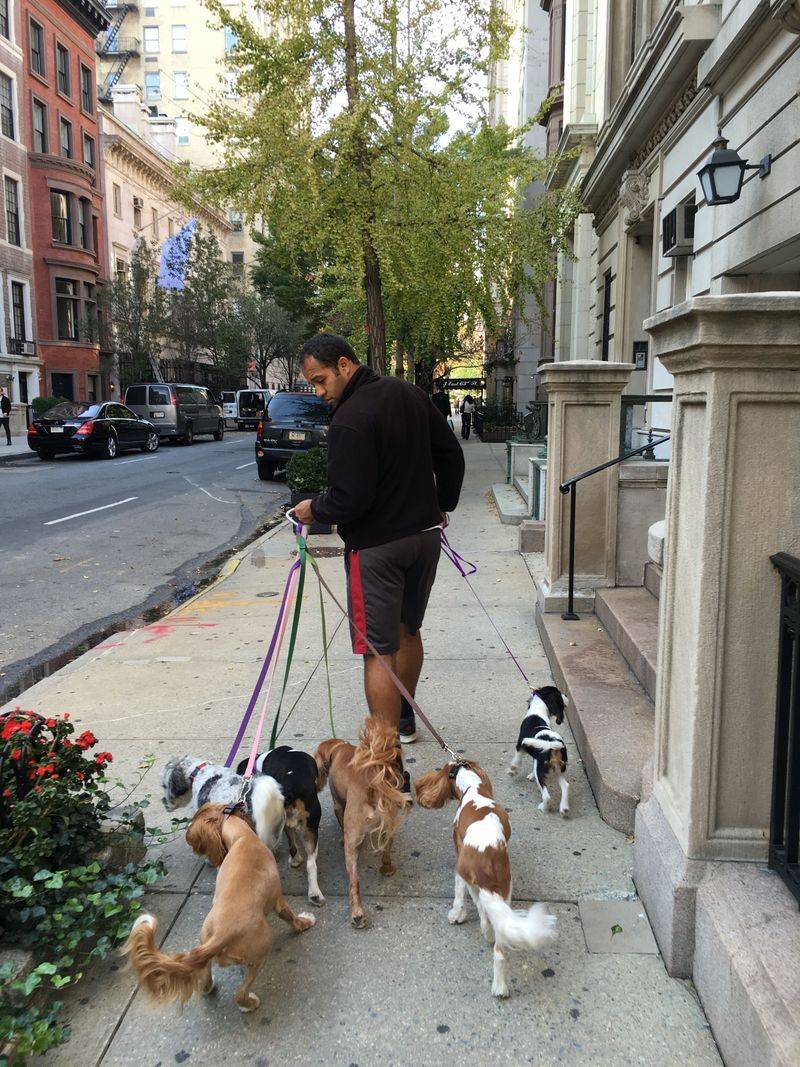
Long workdays are hard on small bladders. Most young puppies simply cannot wait eight or nine hours.
A professional dog walker or a trusted neighbor can step in for a midday break. Share your cue word and schedule so routines stay consistent.
Ask walkers about insurance and references before hiring. Consistent help keeps training on track and gives your pup a welcome stretch.
17. Shovel a Small Patch When Snow Piles Up
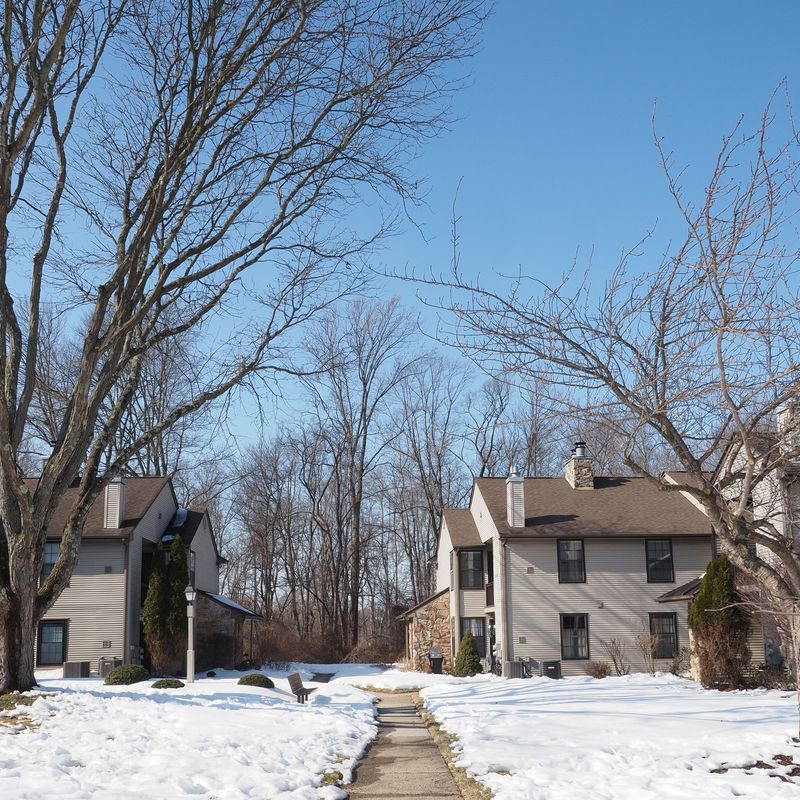
Pennsylvania winters can bury the usual potty spot overnight. Deep snow feels strange and chilly to tiny paws.
Clear a small patch near your door, ideally down to the grass. A familiar surface helps your puppy go quickly.
Wipe paws afterward, since sidewalk de-icers can irritate skin. Pet-safe ice melt is a gentler choice for your own steps and walkway.
18. Check With Your Vet Before Using Shared Spots
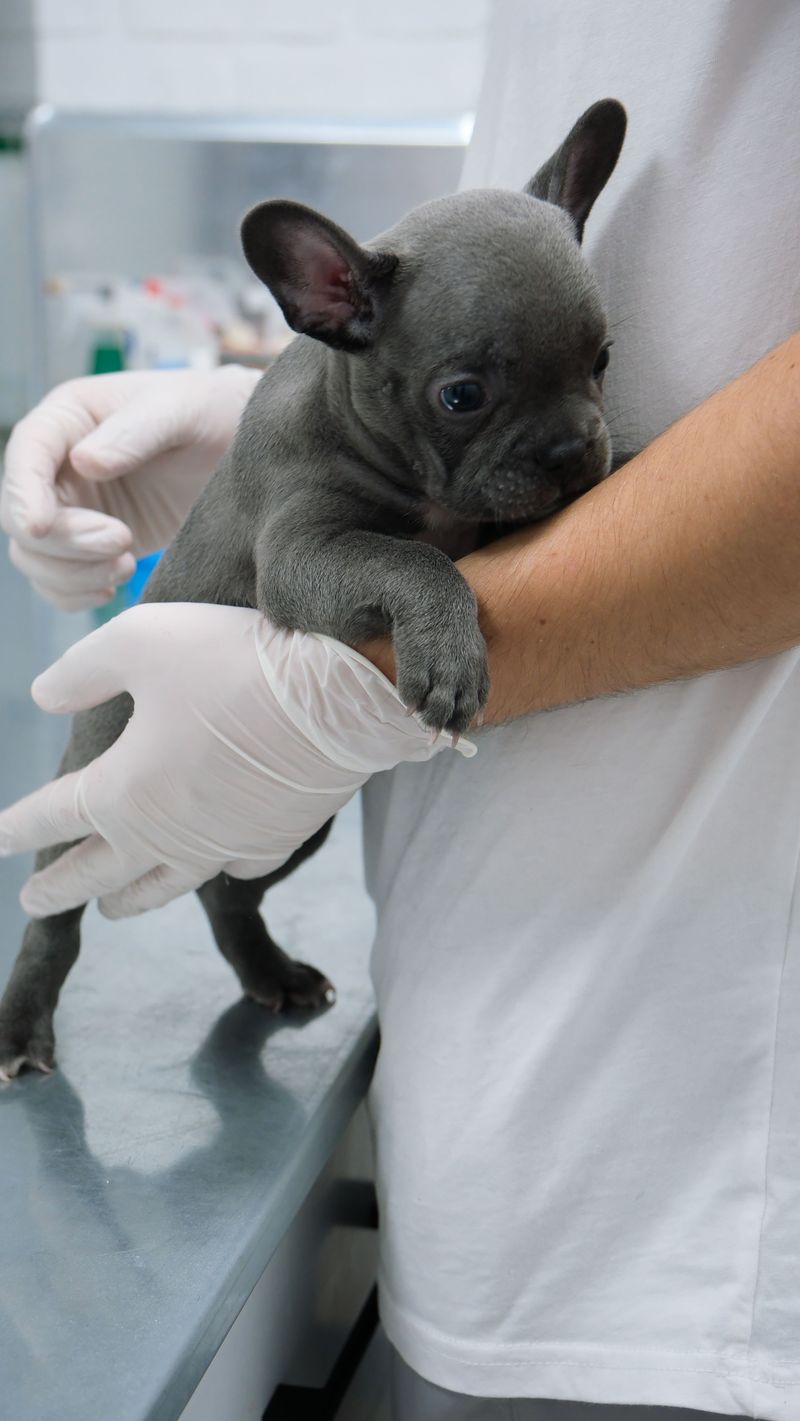
Busy sidewalks see lots of dog traffic. Puppies who have not finished their shots are more vulnerable to illnesses like parvovirus.
Your veterinarian can suggest safer potty areas until vaccines are complete. Pennsylvania also requires rabies vaccination, typically starting around three months old.
Ask about local disease risks and timing. A short conversation now helps your pup stay healthy while training moves forward.