What Georgia Dog Owners Should Ask Their Vet Before Peak Mosquito Season
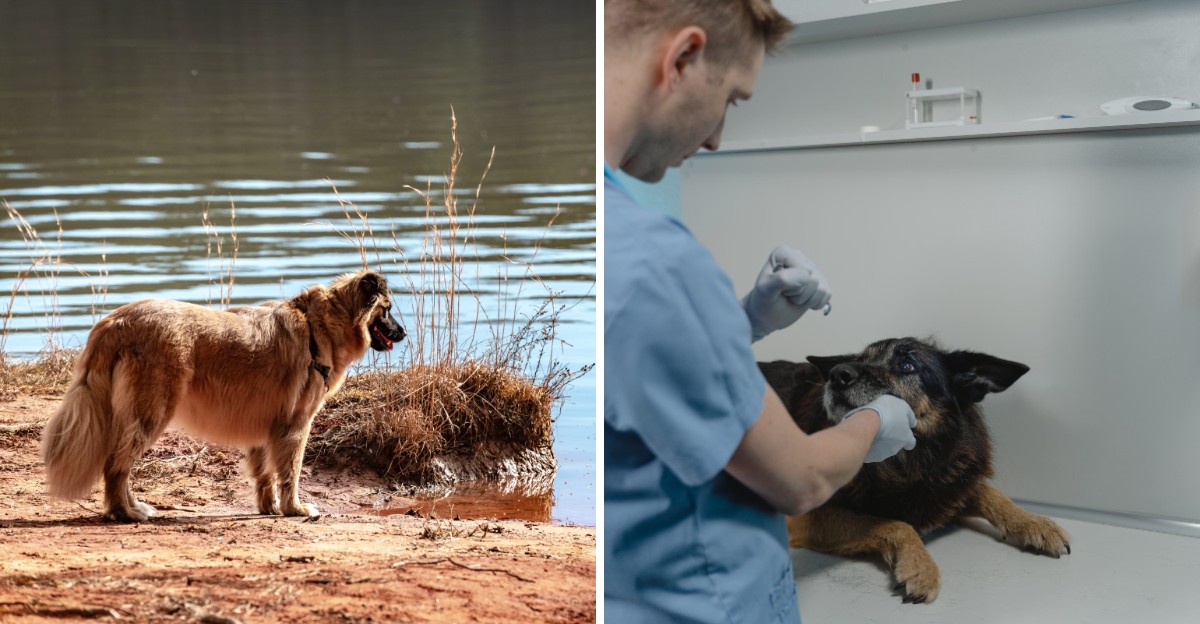
Georgia’s warm weather brings longer walks, backyard games, and plenty of mosquitoes. Before those bugs become regular visitors, a vet visit can help you check your dog’s heartworm protection.
You do not need a complicated plan, just clear answers about medicine, testing, and safer outdoor habits. Bring these questions to your appointment so you can enjoy the season with fewer worries and a routine that fits your dog.
1. When Should My Dog Start Heartworm Prevention in Georgia?
A warm February afternoon can bring mosquitoes out earlier than you expect. Georgia dogs need heartworm prevention throughout the year, not just during summer.
Ask your vet when to begin, especially after adoption or a move.
Do not wait until you notice bites before discussing protection. Your dog’s age, testing history, and previous doses help guide the starting plan.
Leave with a clear start date and reminders for every dose throughout the coming year ahead.
2. Is My Dog’s Current Heartworm Prevention Still Appropriate?
The medicine that suited your dog last year may deserve another look. Weight changes, new health problems, and trouble taking doses can affect your plan.
Bring the package or a clear label photo to your appointment.
Have your vet confirm the correct weight range and explain which parasites it covers. Mention vomiting, refused chews, or skin reactions after previous doses.
Never split, combine, or change products without checking the specific instructions with your veterinary team first.
3. Does My Dog Need a Heartworm Test Before Renewing Medication?
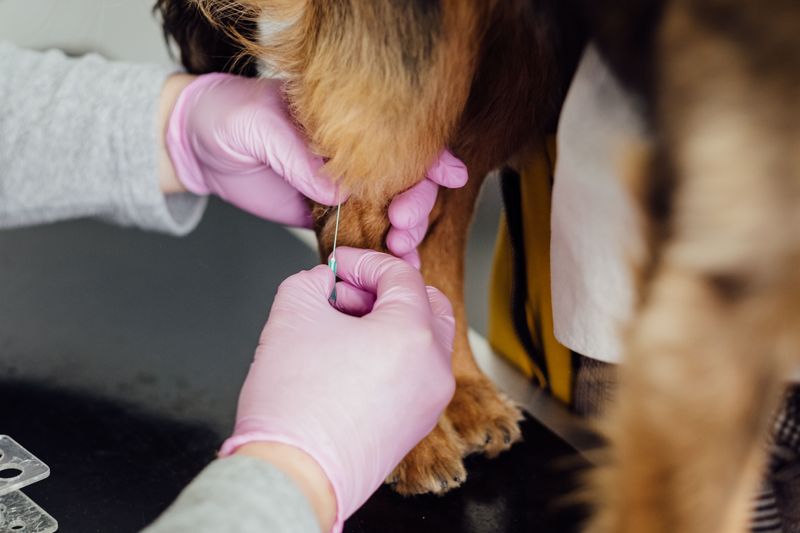
A refill request is a good moment to review your dog’s testing history. Annual heartworm testing is recommended even when prevention stays on schedule.
Your vet may recommend an antigen test and a microfilaria test, which checks for heartworm larvae circulating in the blood.
Recent infections may not show up immediately, so timing matters after missed protection. Explain any gaps honestly, including uncertain dates from adoption records.
Ask whether testing is needed now, later, or both before leaving with your updated prevention plan today.
4. Which Heartworm Prevention Options Fit My Dog Best?
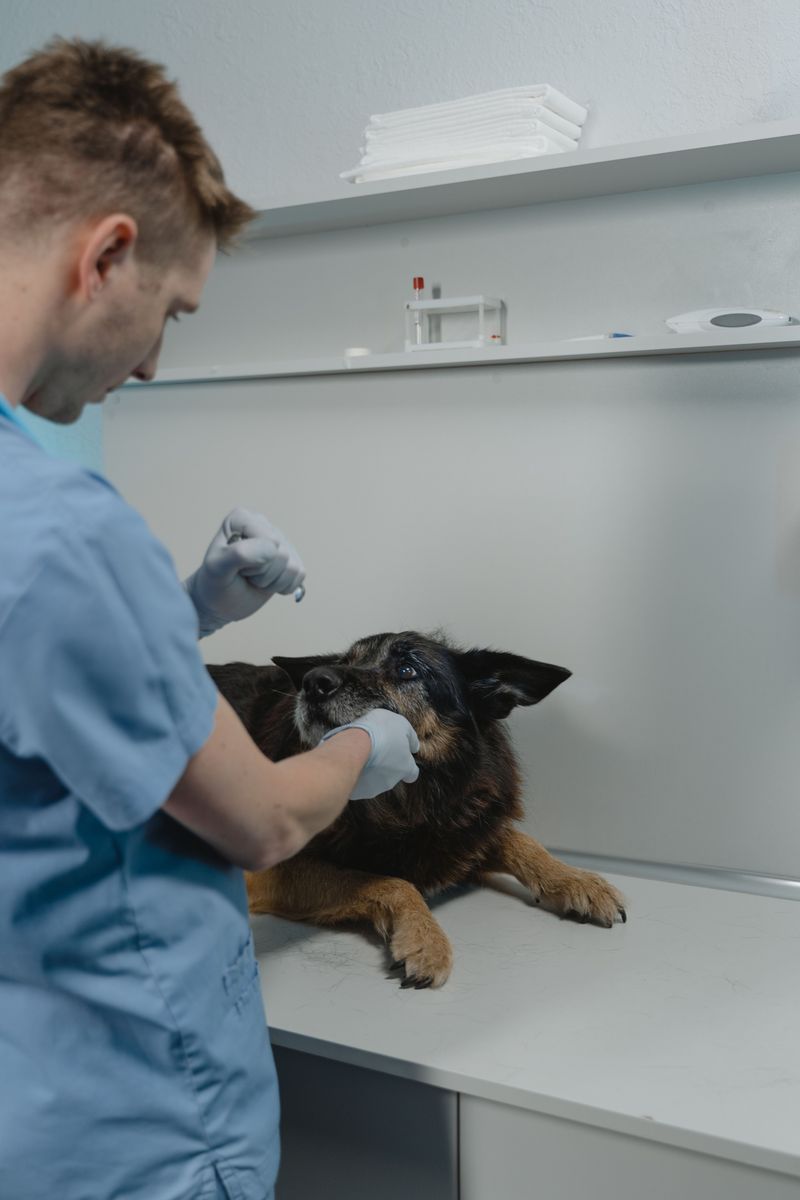
Some dogs happily eat a chew, while others make medicine time a puzzle. Heartworm prevention includes oral, topical, and veterinary injection options.
Availability and suitability depend on your dog’s age, health, and the product label.
Discuss cost, dosing frequency, bathing habits, and how reliably you can give medication. Ask which options also cover other parasites, since coverage differs.
Choose a plan you can maintain comfortably rather than picking a product because another owner prefers that brand.
5. Should My Dog Receive Protection Against Mosquito Bites Too?
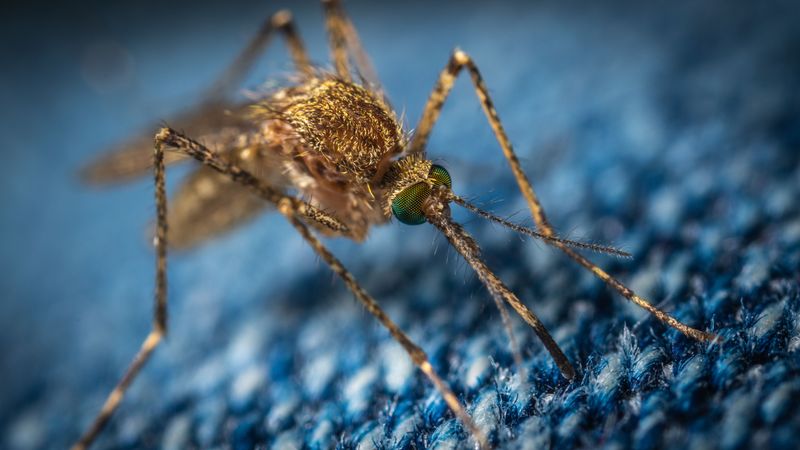
Heartworm medicine and mosquito repellents do different jobs. Most heartworm preventives act against immature worms after infection, rather than keeping mosquitoes away.
Added bite protection may help, but it never replaces prescribed heartworm prevention.
Check whether a dog labeled repellent fits your pet’s needs and household. Some ingredients are unsafe around cats, making product choice especially important.
Discuss safer walking times, window screens, and indoor breaks alongside medication for a practical plan that reduces mosquito exposure outdoors.
6. What Are the Early Signs of Heartworm Disease?
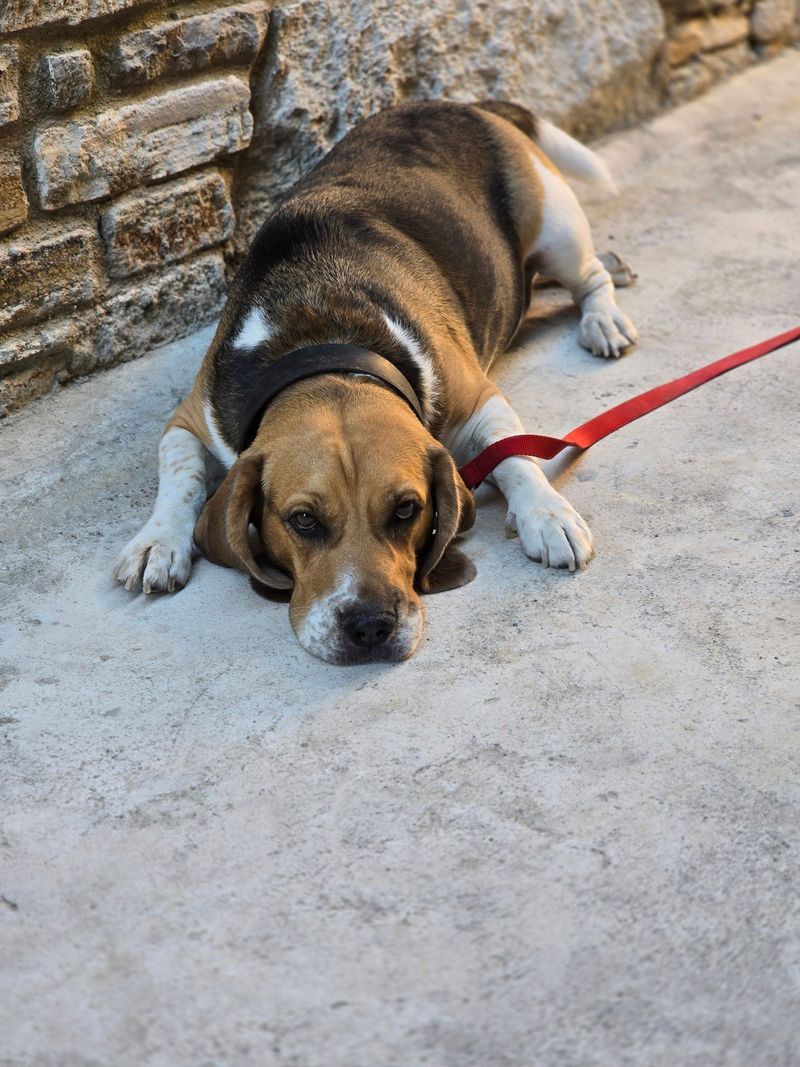
A dog can look healthy during the early stages of heartworm infection. That is why symptoms cannot replace routine testing.
Possible signs include a mild cough, tiring during walks, reduced appetite, or weight loss.
Tell your vet about changes instead of assuming Georgia’s heat explains everything. These signs can also have other causes that need attention.
Trouble breathing or collapse needs urgent veterinary care. Ask which symptoms warrant a call and which require immediate help nearby.
7. Is My Dog at Higher Risk Because We Spend Time Outdoors?
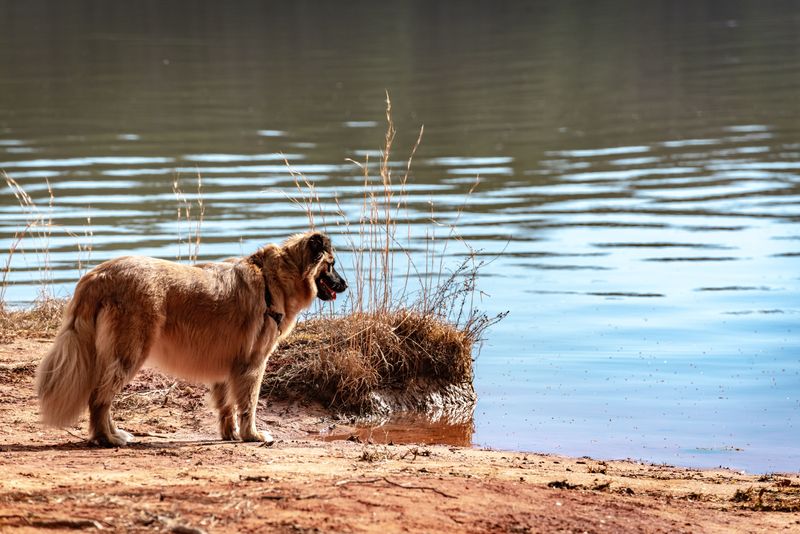
Lake trips and wooded trails can mean more opportunities for mosquito bites. Dogs spending long periods outside may face greater exposure.
However, indoor dogs also need protection because mosquitoes can enter homes and bite during short outings.
Describe your usual walks, camping trips, hunting activities, or outdoor kennel time. Your vet can help tailor bite reduction advice without limiting every adventure.
Keep prevention consistent, and remember that mosquitoes may bite beyond their usual busy periods outdoors.
8. Can Mosquitoes Around My Yard Increase My Dog’s Risk?
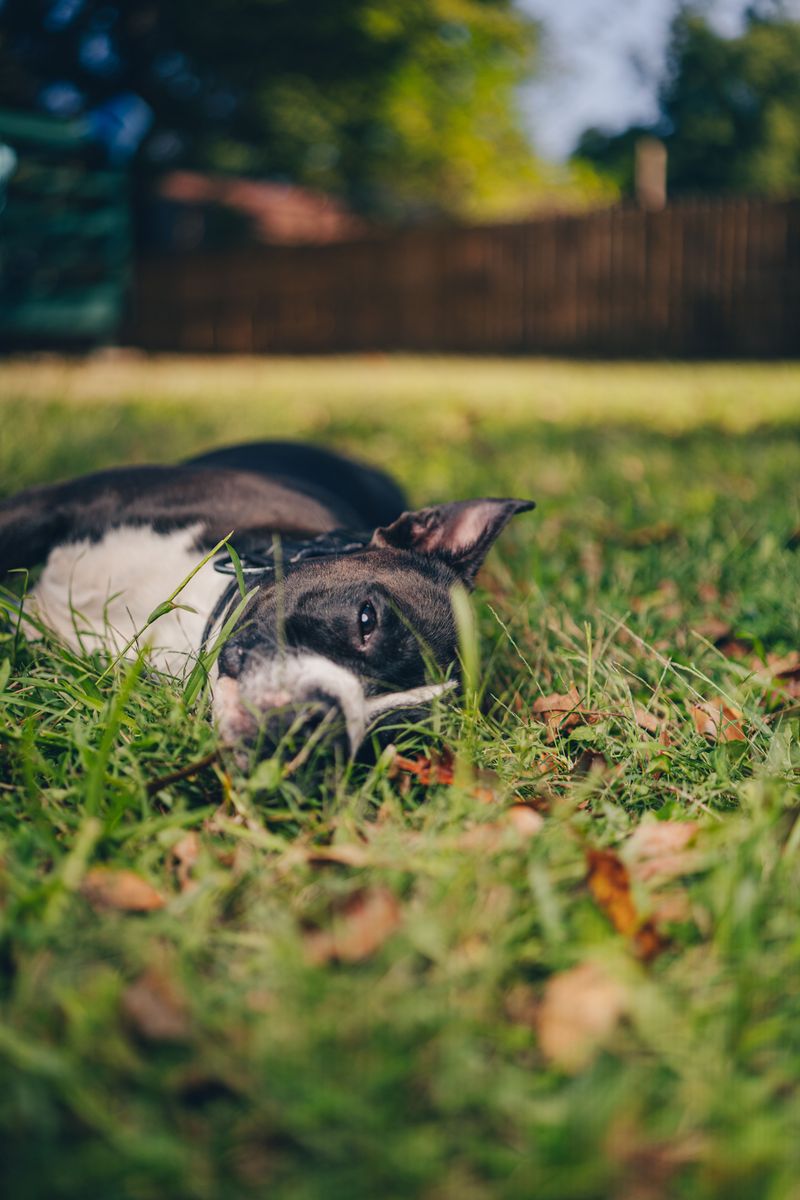
One forgotten bucket can become a mosquito nursery after a Georgia rainstorm. Standing water around your home supports mosquito breeding and can increase exposure.
Walk your yard regularly, checking plant saucers, toys, tarps, gutters, and unused containers.
Empty and scrub water containers weekly where practical, while keeping fresh drinking water available. Ask your vet about safe yard habits and product precautions.
For drainage problems beyond your property, contact local mosquito control or your county health department.
9. Are Mosquito Repellents Safe for Dogs?
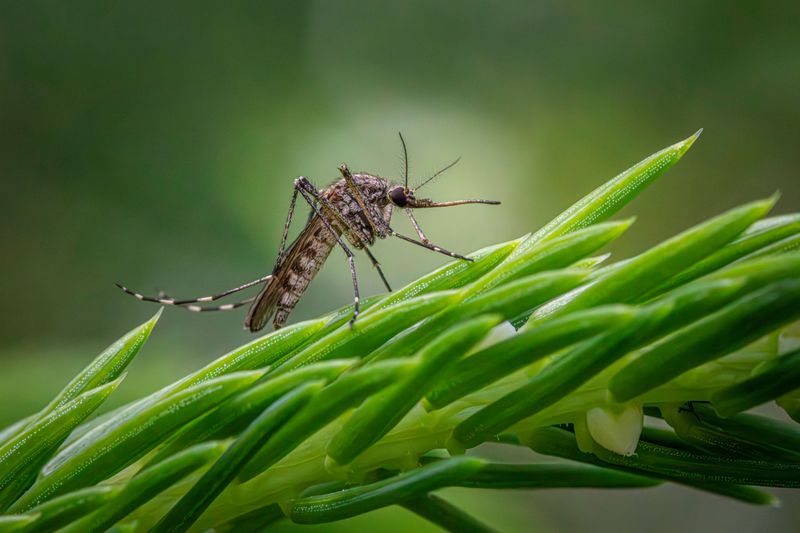
Human bug spray does not belong on your dog unless your veterinarian specifically directs its use. Products containing DEET can harm pets.
Essential oils and homemade mixtures are not automatically safe or effective, either.
Show your vet the exact label before using any repellent, including yard sprays. Follow species, age, application, and drying instructions carefully.
Never use a dog product on a cat. Discuss household cats before choosing products containing permethrin, which is highly toxic to cats.
10. Could My Dog’s Other Medications Affect Heartworm Prevention?
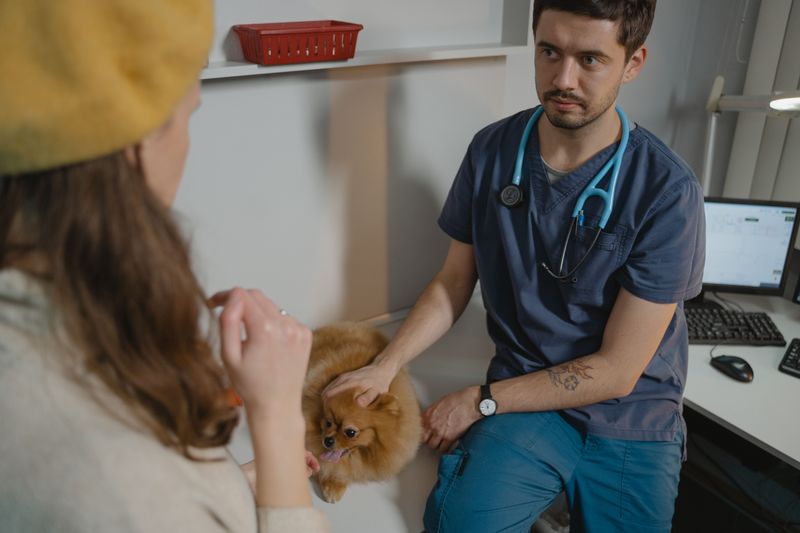
Your dog’s medicine cabinet tells a story your vet needs to hear. Bring a list of prescriptions, supplements, flea products, and occasional treatments.
Include anything purchased online or given by another household member.
Combining parasite products can accidentally duplicate ingredients or create avoidable risks. Your vet should check the whole plan before adding something new.
Mention any known drug sensitivities or previous reactions. Ask whether breed related sensitivities affect product selection, rather than assuming every option is unsuitable.
11. What Side Effects Should I Watch for After Treatment?
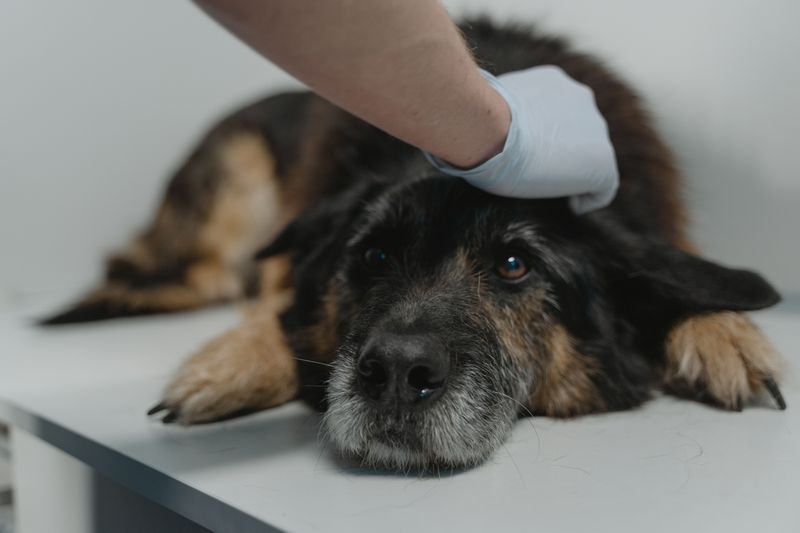
Knowing what to watch for makes medication day feel more manageable. Ask about possible reactions to your dog’s specific preventive or treatment.
Vomiting, diarrhea, reduced appetite, or tiredness may warrant a call, depending on the situation.
Facial swelling, breathing trouble, collapse, or seizures require urgent veterinary attention. Get clear instructions for daytime and overnight help.
If your dog vomits after a dose, call before giving more. Record when medication was given and when any unusual signs began.
12. Does My Puppy Need a Different Prevention Schedule?
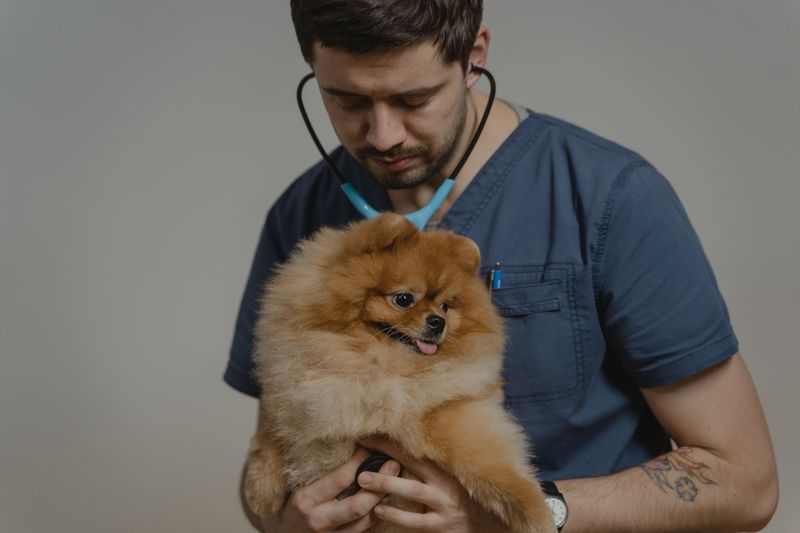
Growing paws come with changing medication needs. Puppies generally should start heartworm prevention by eight weeks, following the chosen product’s age and weight limits.
Your vet can select an appropriate option and track weight changes.
Puppies under seven months can usually begin without an initial heartworm test. Later testing still matters because infections take time to become detectable.
Request a written schedule for doses, weight checks, and testing. Never estimate a puppy’s dose from another dog’s medication.
13. Does My Senior Dog Need Extra Monitoring During Mosquito Season?
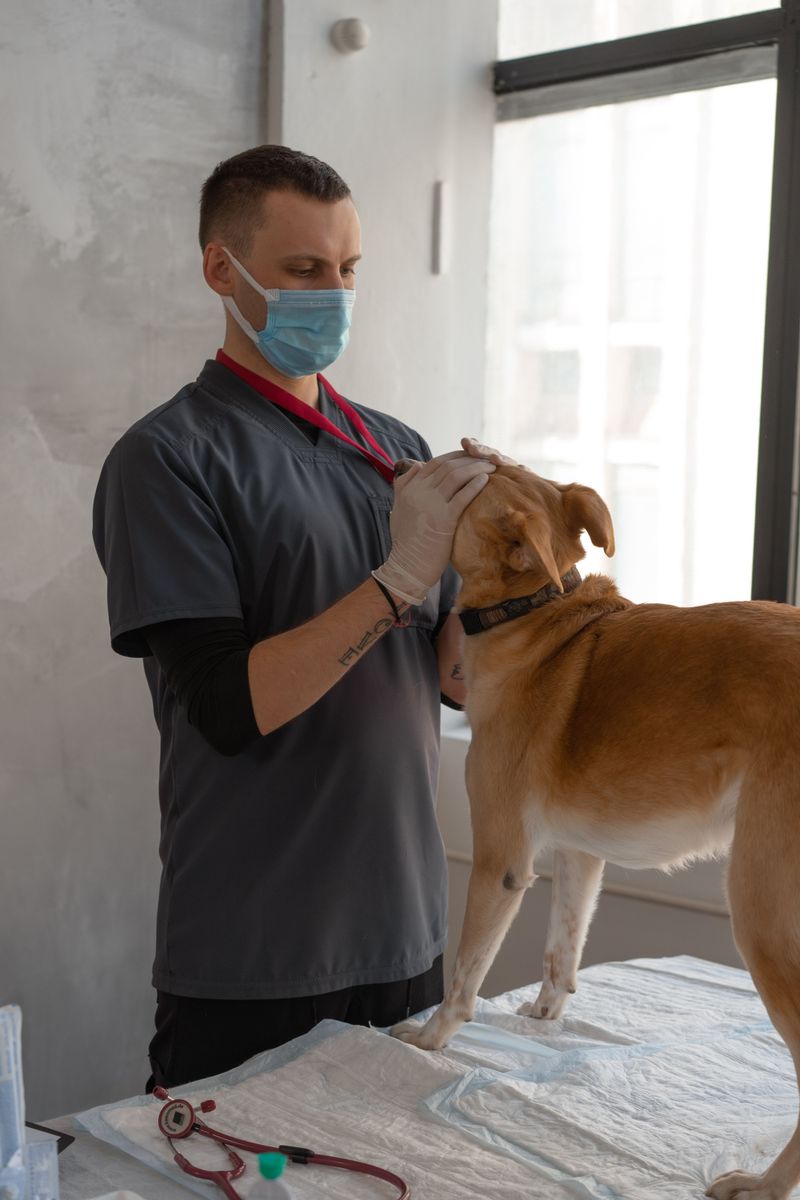
Gray muzzles still need reliable mosquito season planning. Older dogs generally continue heartworm prevention, but existing illnesses may shape product choices.
A slower walk or new cough deserves attention rather than being dismissed as normal aging.
Review heart, lung, kidney, or liver concerns with your vet. Ask whether an examination or bloodwork would help assess overall health and medication needs.
Extra testing depends on the individual dog, not age alone. Keep exercise comfortable during hot Georgia weather.
14. Can My Dog Still Get Heartworm Disease While on Prevention?
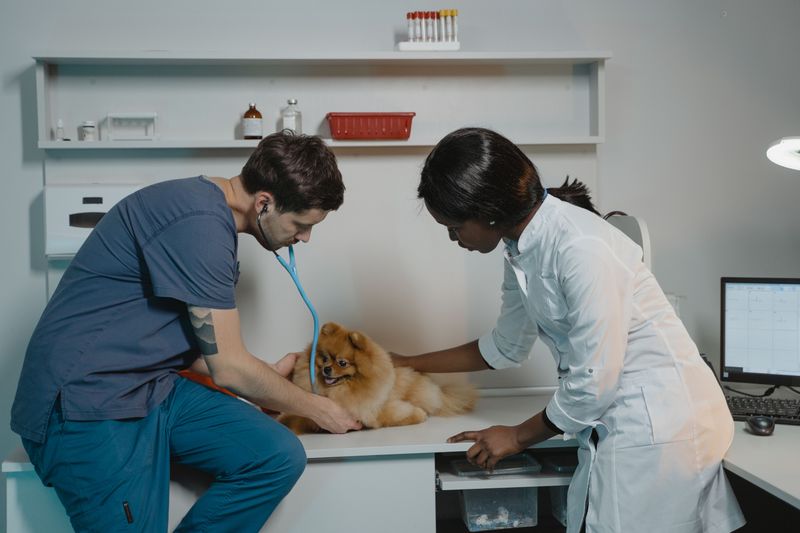
Reliable prevention greatly reduces risk, but no plan offers an absolute guarantee. Missed doses, incorrect application, vomiting, and weight changes can leave gaps.
Resistant heartworms also exist, which supports keeping annual testing in your routine.
If a test is positive, your vet should confirm the result and review the medication history. Bring purchase records and dosing dates when available.
Avoid blaming yourself or switching products alone. A careful review helps your veterinary team choose the next steps.
15. What Should I Know About Heartworm Treatment If My Dog Tests Positive?
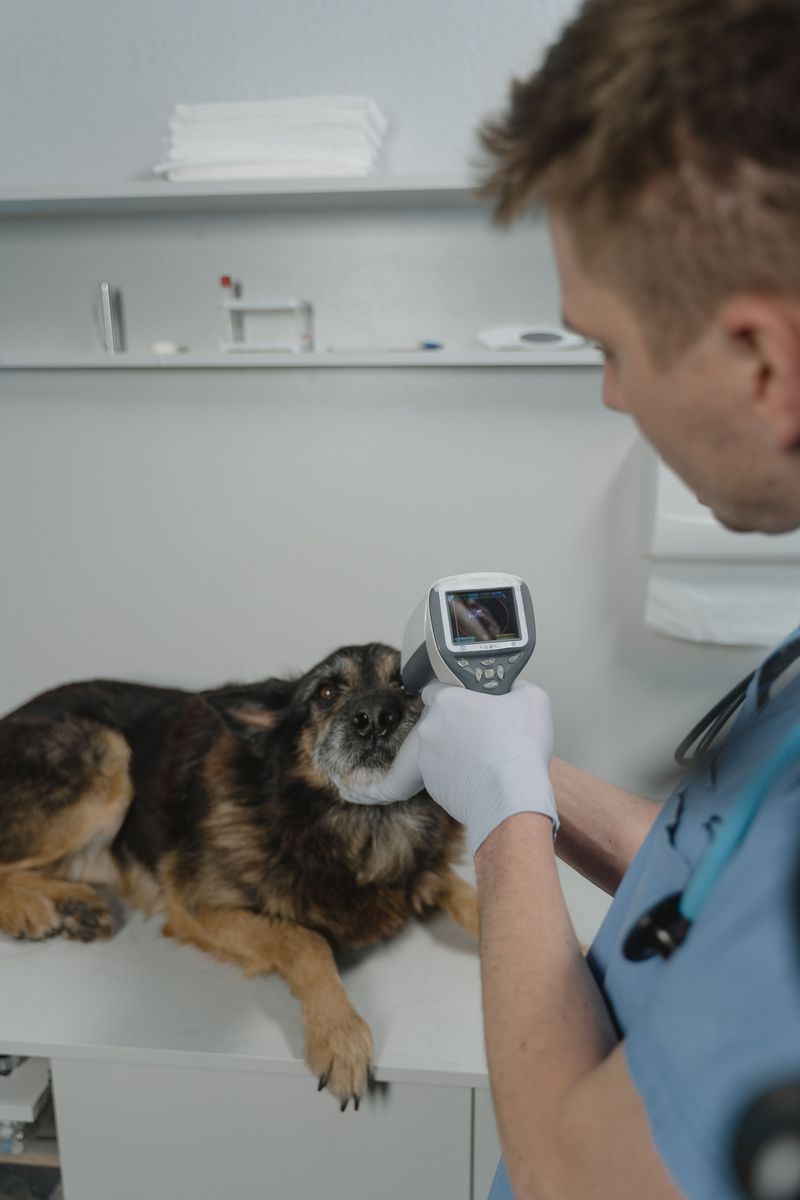
A positive result calls for a clear plan, not a rushed decision. Your vet will confirm infection and assess your dog’s health.
Treatment commonly involves several medicines, scheduled injections, and careful limits on activity.
Exercise restriction is essential because activity can increase complications during treatment. Request written instructions covering leash walks, quiet enrichment, followup tests, and costs.
Prevention alone is not a substitute for recommended treatment. Discuss practical support if keeping your dog calm will be challenging.
16. Are There Other Mosquito-Related Health Concerns in Georgia?

Itchy bites can bother dogs even without a heartworm infection. Some pets develop irritated skin or scratch enough to need veterinary care.
Ask what relief is safe, especially if your dog already has allergies.
Other mosquito spread infections affecting dogs are uncommon, and local concerns can change. Your veterinarian can explain whether current Georgia reports affect your pet’s care.
Do not assume human mosquito warnings apply identically to dogs. Avoid giving human itch medicines without veterinary instructions.
17. When Should I Schedule My Dog’s Next Heartworm Checkup?
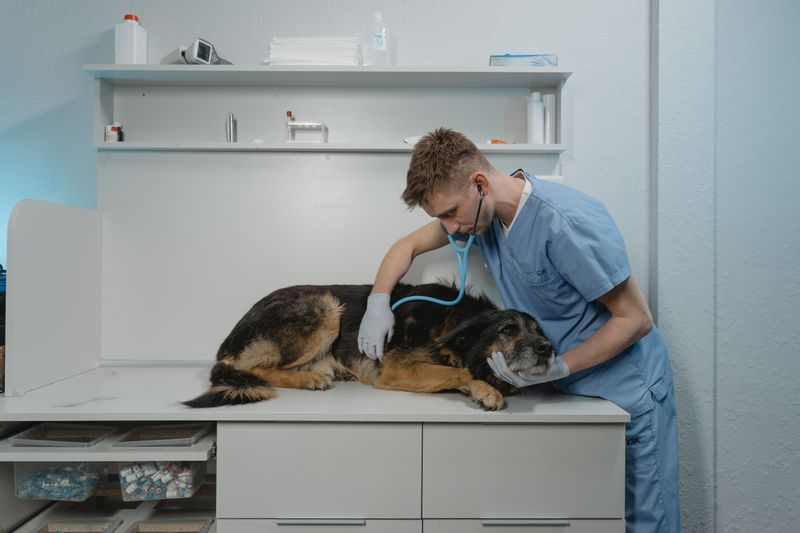
Before heading home, put the next appointment on your calendar. Most dogs need annual heartworm testing, with additional checks after lapses or treatment.
Puppies and dogs starting new plans may need a different testing timeline.
Confirm refill dates, weight checks, and who to call with medication questions. Save your clinic’s number beside your reminders so help stays easy to reach.
Georgia mosquito season feels simpler with steady habits. Keep protection current, ask questions early, and enjoy time together.