20 Skills Every Colorado Trail Dog Should Learn Before Hiking Season
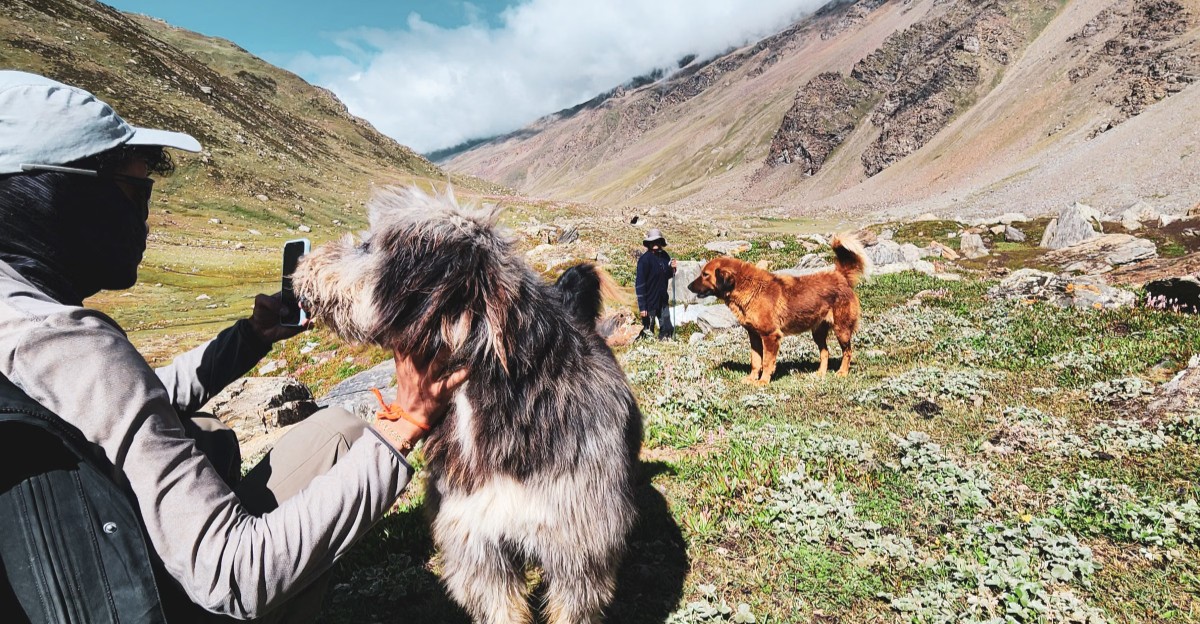
Colorado trails are calling, and your dog probably wants to go as badly as you do. A great hike starts long before you reach the trailhead, though.
The right skills keep your pup safe, protect wildlife, and make every trip more relaxing. Think of this list as friendly advice from a fellow hiker who wants you both to enjoy every mile.
1. Come Back Every Single Time
Picture a deer stepping onto the path ahead. Your dog’s response in that moment matters more than any other skill.
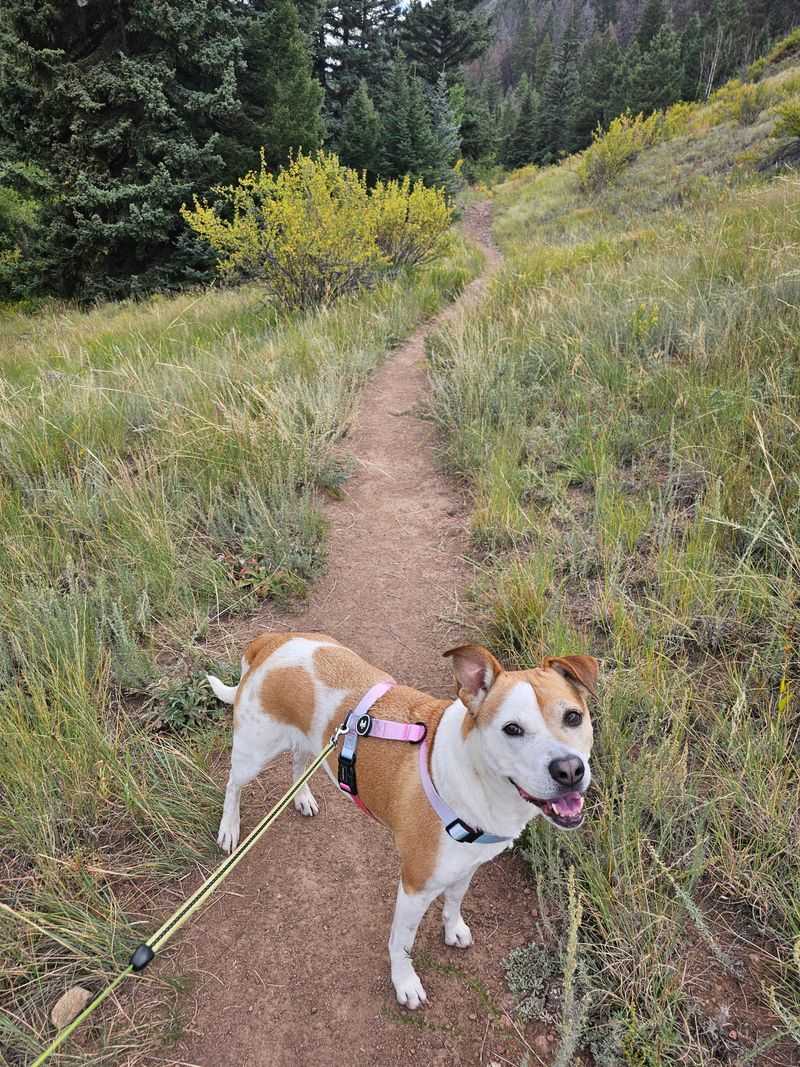
Most Colorado state parks require a leash no longer than six feet, and many local trails do too. Rules vary by park, county, and city, so check before you go.
Even on leash, a strong recall helps if a clip breaks.
Practice at home first. Then add distractions slowly, rewarding every quick return with a favorite treat.
2. Polite Leash Manners on Rugged Ground
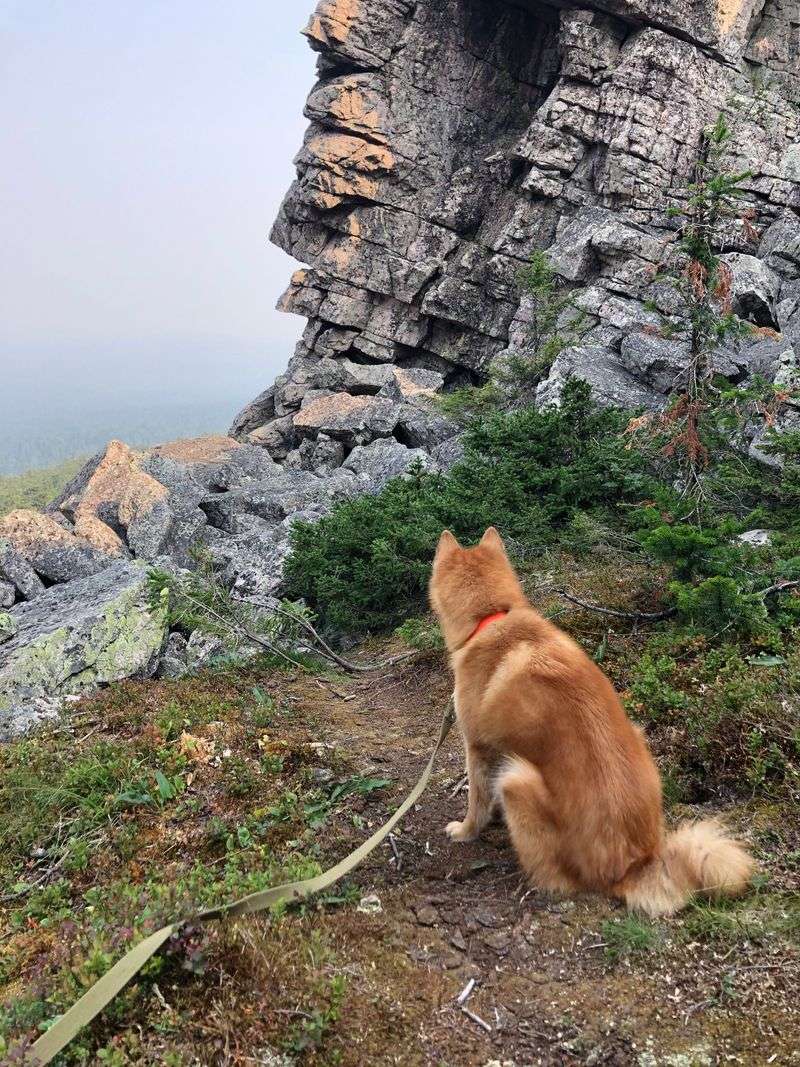
Steep, rocky trails leave little room for a dog who pulls. One strong tug can throw you off balance on loose gravel.
A standard, non-retractable leash of six feet or less gives you better control. It also meets the common leash rule in Colorado state parks.
Reward your dog whenever the leash stays slack. Practice on hills, stairs, and bumpy park paths.
Soon, a relaxed walk will feel natural on any surface.
3. A Tidy Heel for Passing Traffic
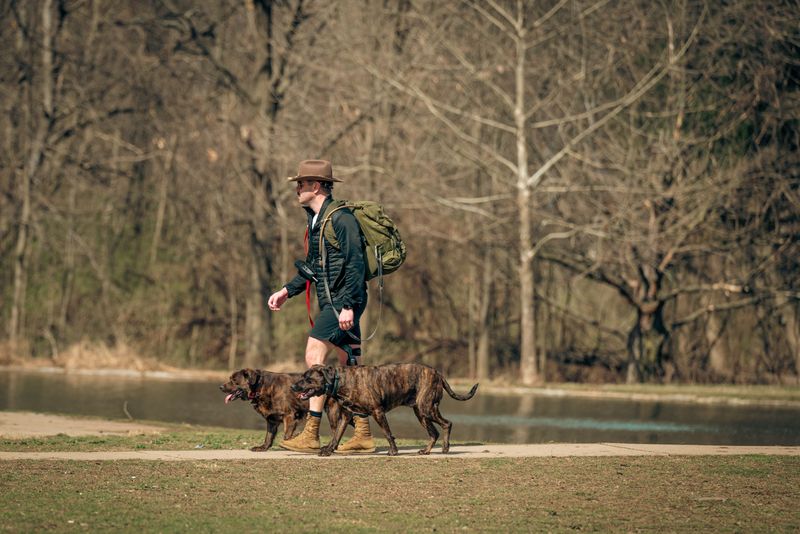
Busy Front Range trails can feel like highways on summer weekends. Hikers, runners, and cyclists all share the same narrow strip of dirt.
A solid heel keeps your dog tucked at your side and out of the way. Step to the edge, ask for the heel, and reward focus while others pass.
Fellow trail users notice good manners. Your calm, close dog helps keep trails welcoming for everyone, including other dog owners.
4. Patient Pauses at Junctions
Trail junctions are where plans get made. You check the map, read signs, and decide which way to go.
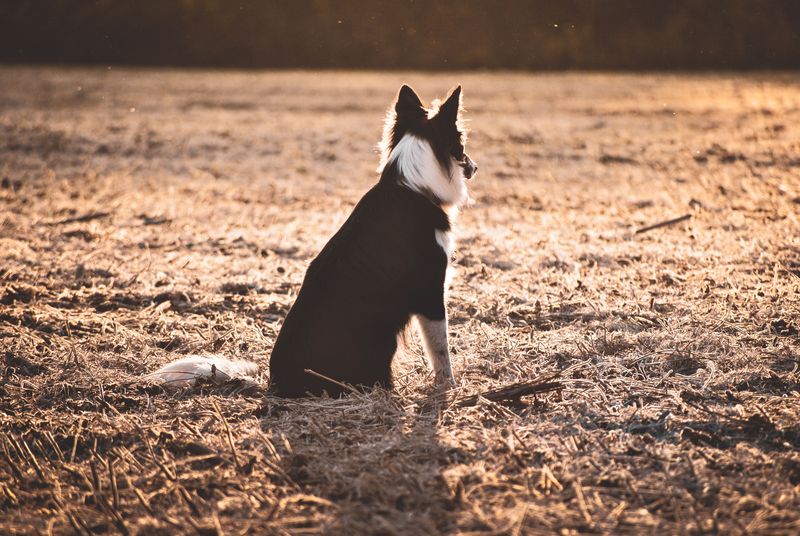
A dog sitting quietly beside you makes those moments easy. Without it, your pup might dart ahead onto the wrong path or a road crossing.
Ask for a sit, then a wait. Start with a few seconds and slowly build up time.
Rest stops become calmer, and you can think clearly.
5. Staying Put Until Released
Ever tried to refill a water bottle while your dog wiggles around? A good stay solves that small chaos.
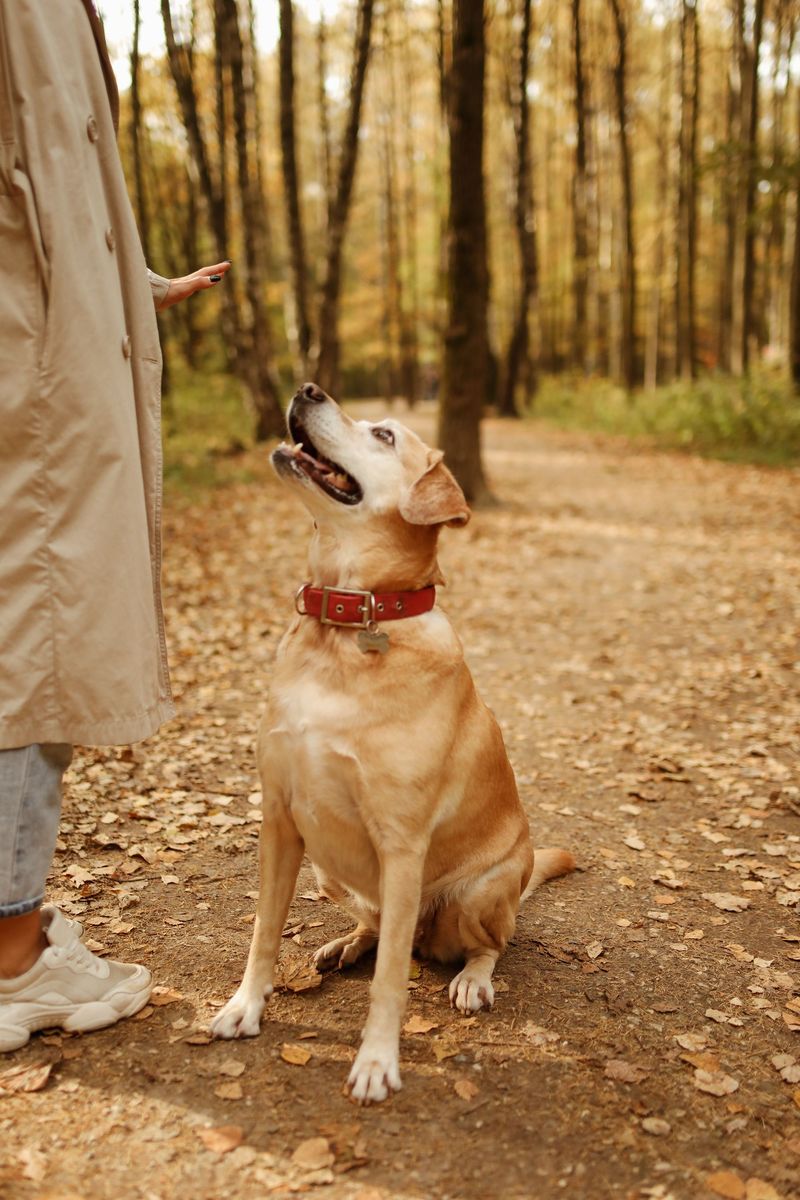
Stay means your dog holds position until you say a release word, like okay or free. It gives you hands-free moments to adjust gear or scan ahead.
Build the three Ds slowly: distance, duration, and distraction. Practice in your yard, then a park, then a quiet trail.
Patience now pays off later.
6. An Instant Emergency Stop
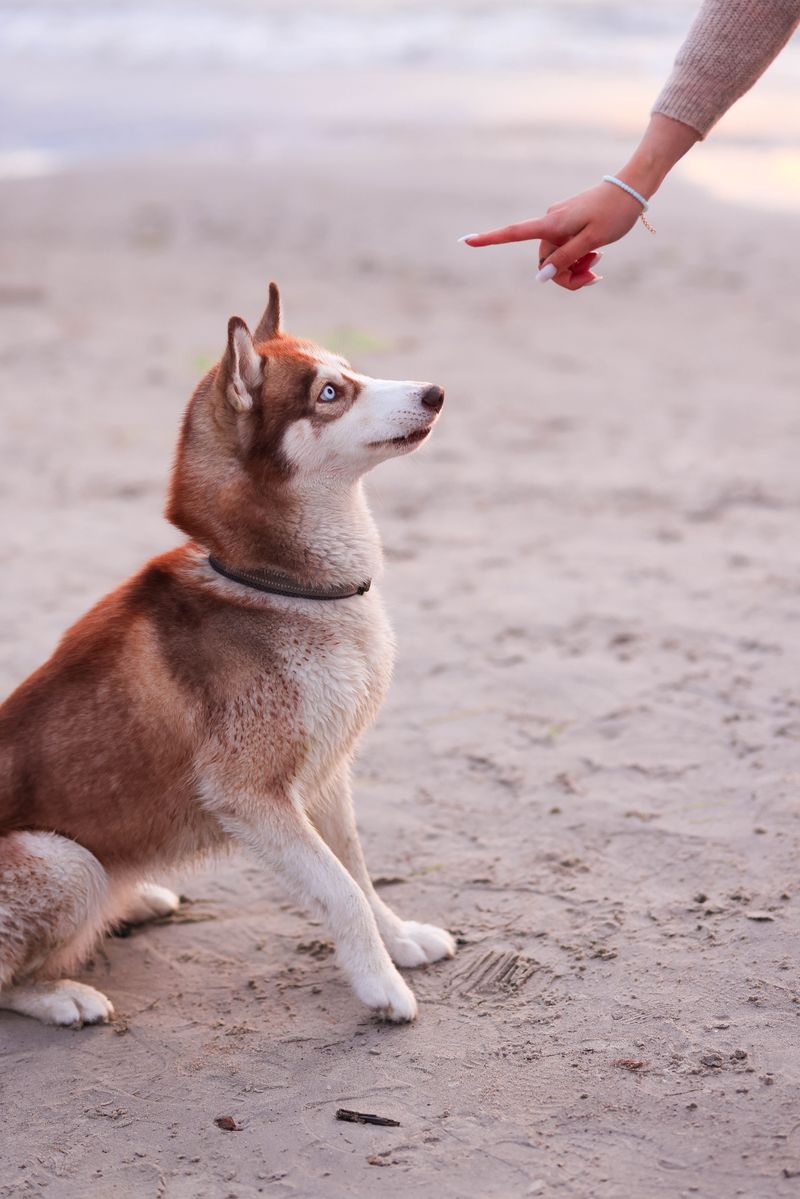
Some trainers call it the emergency down or emergency stop. Whatever the name, it freezes your dog right where they stand.
This cue helps when something unexpected appears ahead, like a bike rounding a corner. Stopping in place can be faster and safer than coming back.
Choose a unique word you never use casually. Pair it with your best rewards, such as cheese or chicken.
Practice briefly and often in calm settings first.
7. Leave It: The Trail Safety Net
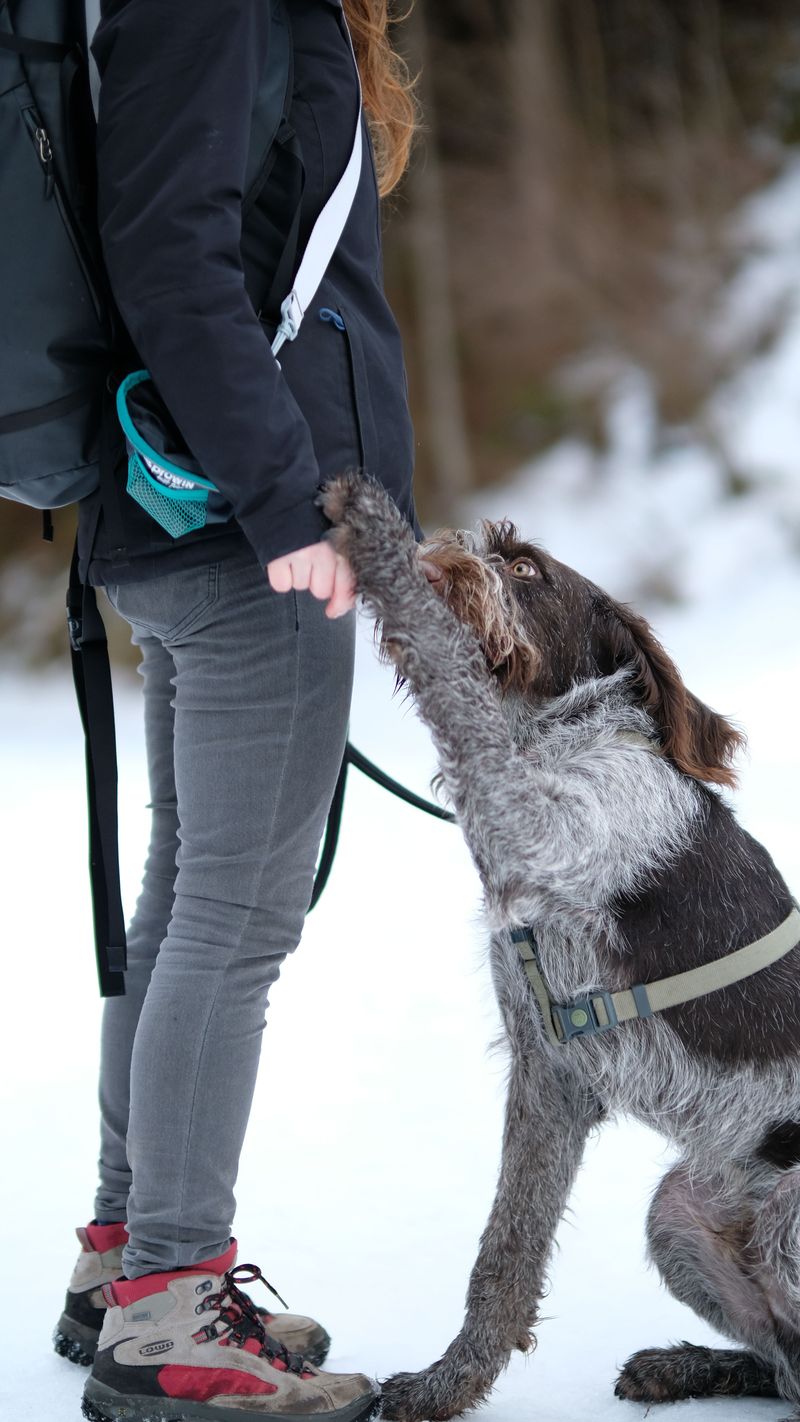
Noses lead dogs everywhere, and not every smell is worth exploring. Colorado trails contain certain toxic plants that dogs should avoid.
Animal droppings can carry parasites. Litter left by others can also cause stomach trouble.
Leave it tells your dog to ignore something and look at you instead. Start with a treat in your closed hand.
Reward eye contact generously. If you suspect your dog ate something harmful, call your vet promptly.
8. Drop It Without a Tug of War
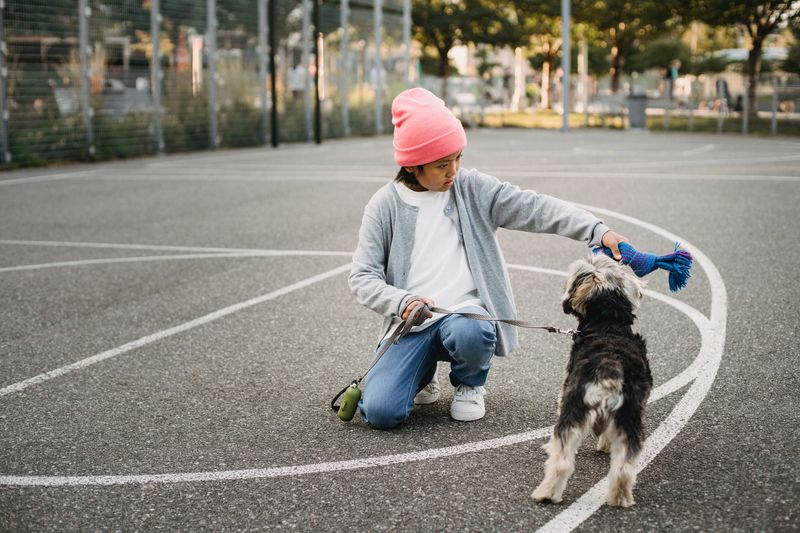
Sometimes your dog grabs something before you can say a word. That sharp bone fragment or mystery wrapper is already in their mouth.
Drop it asks your dog to release the item willingly. Chasing or pulling often turns it into a game, so stay calm.
Practice by trading a toy for a tasty treat. Gradually use items your dog likes more.
A happy trade at home builds a reliable release outdoors.
9. Ignoring the Urge to Chase Wildlife
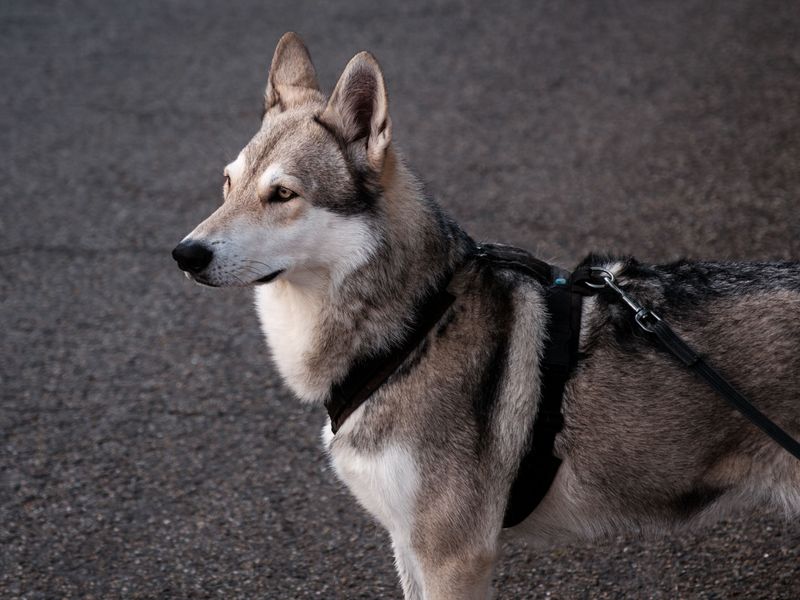
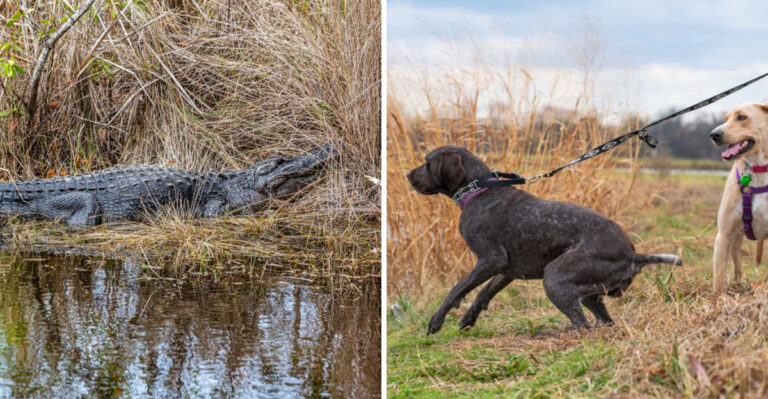
Elk in a meadow are a classic Colorado sight. For many dogs, they also trigger a powerful chase instinct.
Chasing stresses wild animals and can hurt them, especially young or pregnant ones. Moose may also defend themselves and charge dogs.
Colorado law prohibits dogs from harassing wildlife.
Keep your leash on and reward your dog for looking away. Start far from animals.
Over time, calm watching can replace frantic pulling.
10. Steady Around Horses, Bikes, and Crowds
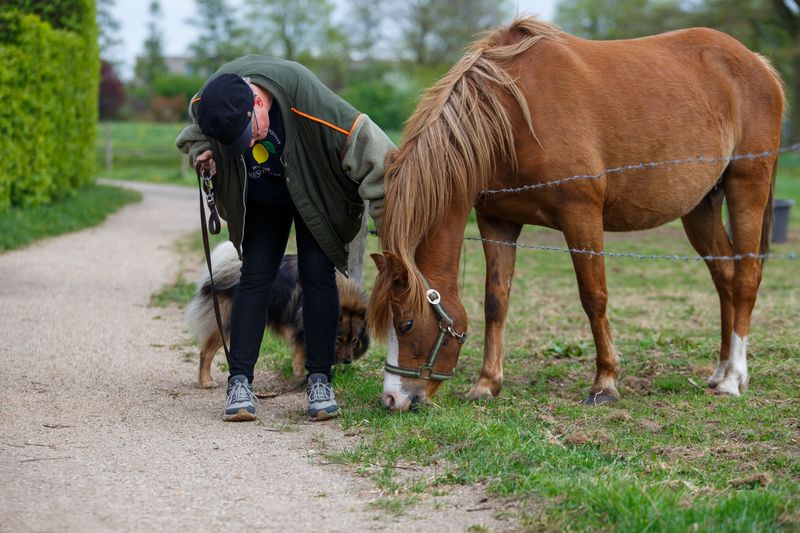
Horses can spook easily, and a barking dog makes things harder for riders. Many trail guidelines ask hikers to yield to horses.
Step off to the downhill side when possible. Keep your dog close and quiet until the horse passes well beyond you.
Bikes and big hiking groups need the same calm approach. Practice near a busy park path first.
Treats help your dog see moving traffic as normal, not exciting.
11. Cool and Collected Dog Encounters
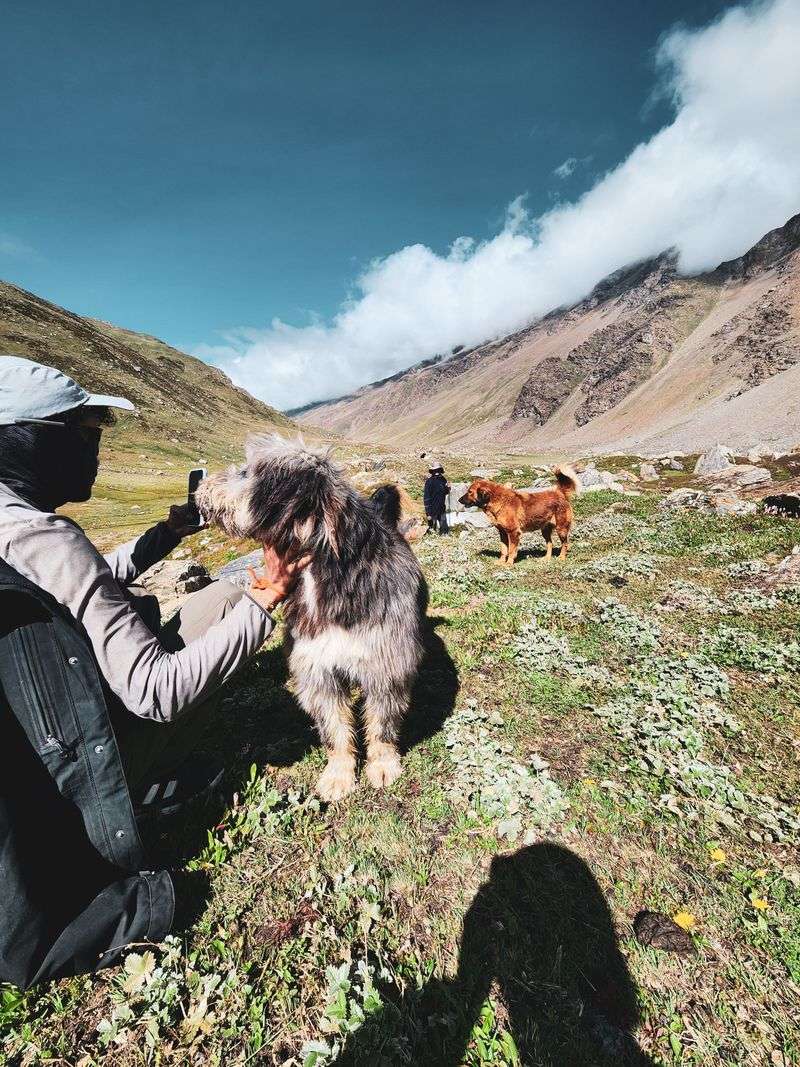
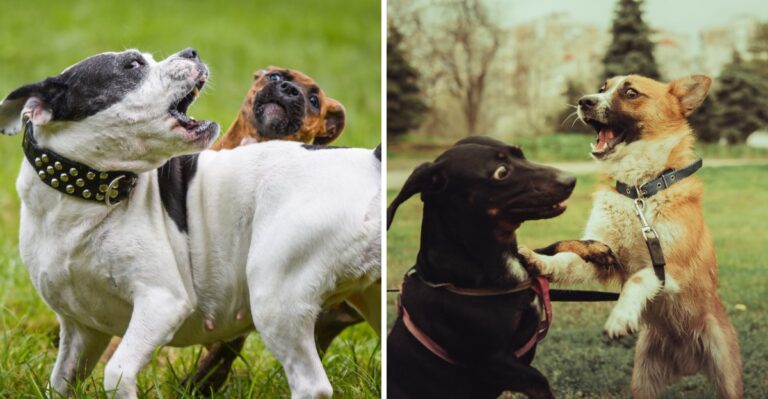
Not every dog on the trail wants a new friend. Some are nervous, recovering, or simply focused on hiking.
Teach your pup to pass other dogs without lunging, jumping, or barking. Ask for attention and reward it as the other dog approaches.
Give extra space when you can. If an off-leash dog runs up, stay calm and keep your own leash short.
Polite passing keeps the mood friendly for all.
12. Sticking to the Marked Path
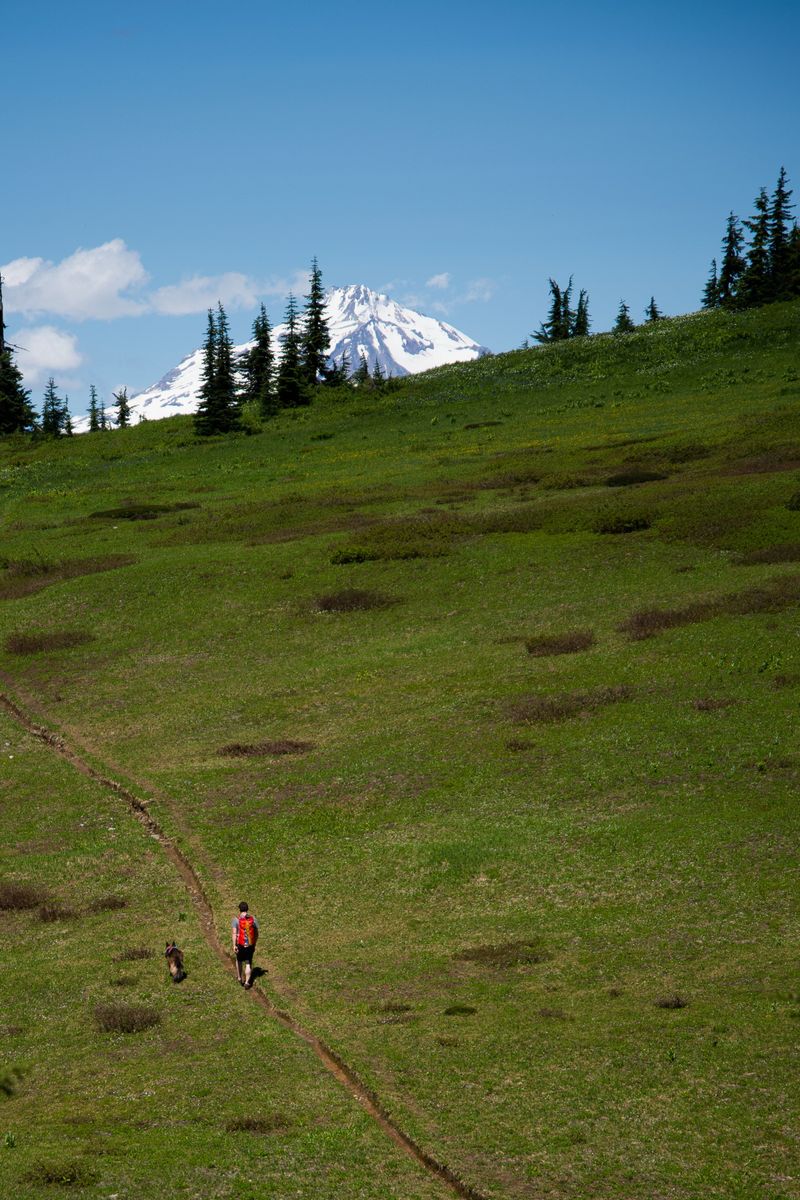
Alpine tundra in Colorado grows very slowly. A few careless steps can harm plants that took years to grow.
Cutting switchbacks also causes erosion and creates messy side paths. Leave No Trace principles ask everyone, dogs included, to stay on established trails.
Keep your dog on the tread with a short leash on tight turns. Reward walking right beside you.
You are helping protect the very views you came to enjoy.
13. Backing Off From Edges
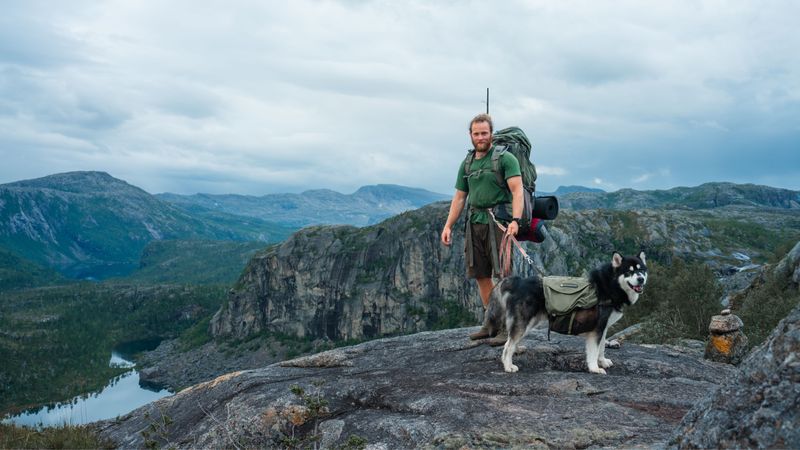
Scenic overlooks are amazing for people. Dogs, though, do not understand how far a drop really goes.
Loose rock and crumbling edges are common on mountain trails. A cue like back or this way can steer your dog toward safer ground.
Teach it on flat ground by stepping backward and rewarding your dog for following. Stay alert near edges, and keep the leash short in tricky spots.
14. Reversing on Tight Trails
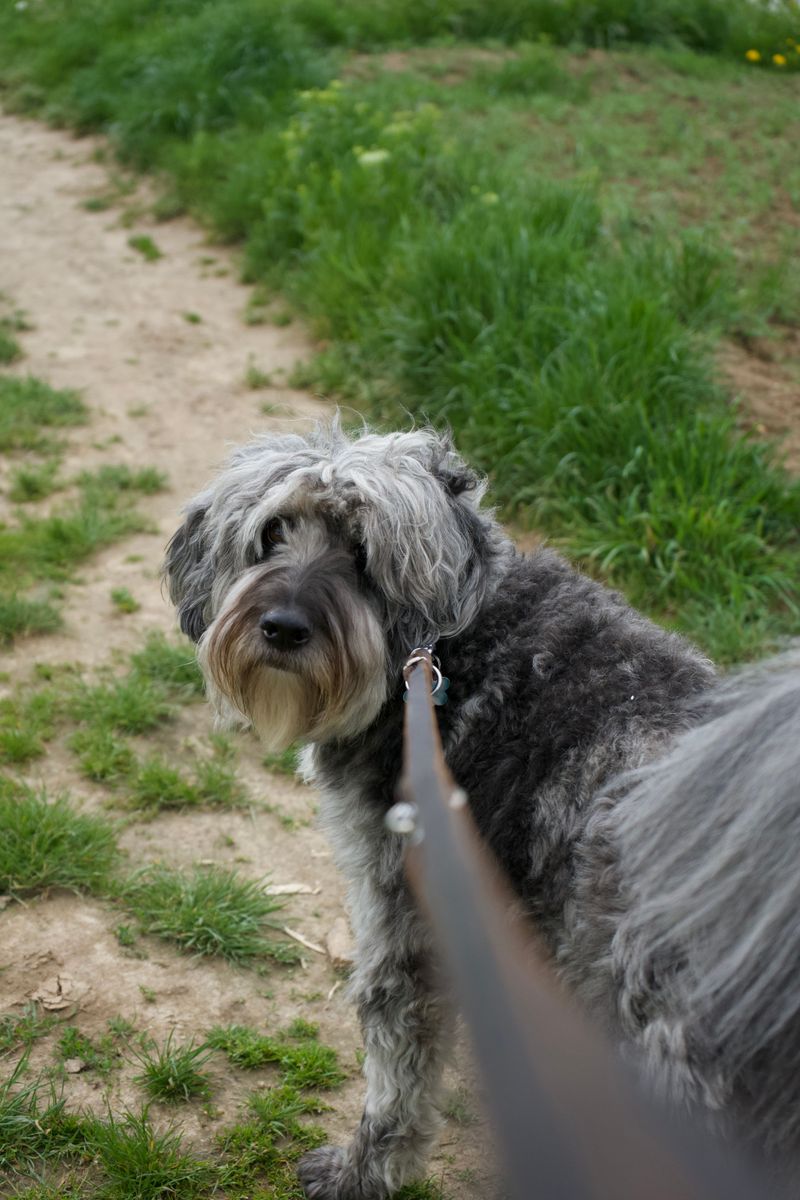
Here is a skill many owners never think about until they need it. Narrow single-track trails sometimes leave no room to pass.
A dog who can back up or turn neatly makes these moments smooth. Teach back using a hallway at home, rewarding each step.
For turning, lure your dog in a small circle with a treat. Add a word like around.
Keep sessions short and upbeat for steady progress.
15. Sure Footing on Rocks and Logs
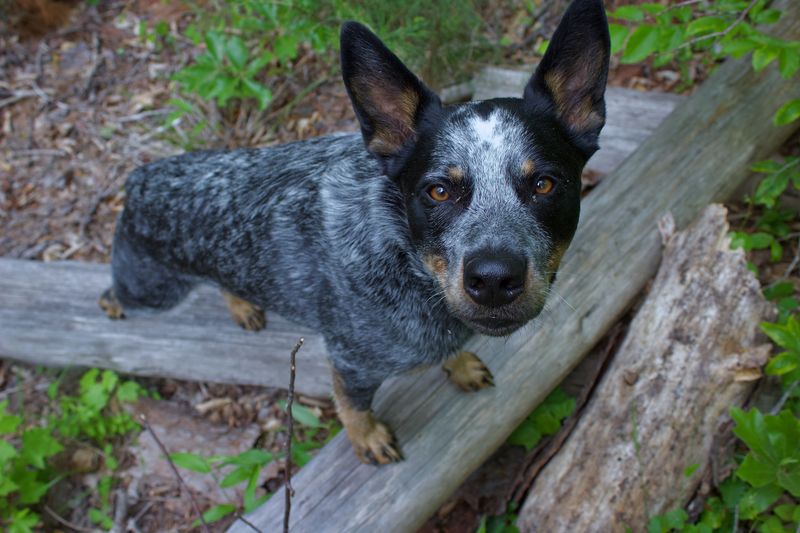
Fun fact: dogs mostly carry weight on their front legs. That makes balance work on uneven ground a real workout.
Colorado trails throw roots, boulders, and fallen logs your way. Confident dogs move carefully instead of rushing or freezing.
Start with small obstacles at a park. Reward calm steps up, over, and down.
Build distance gradually so paws toughen and muscles strengthen before longer outings this season.
16. Waiting Before Water Play
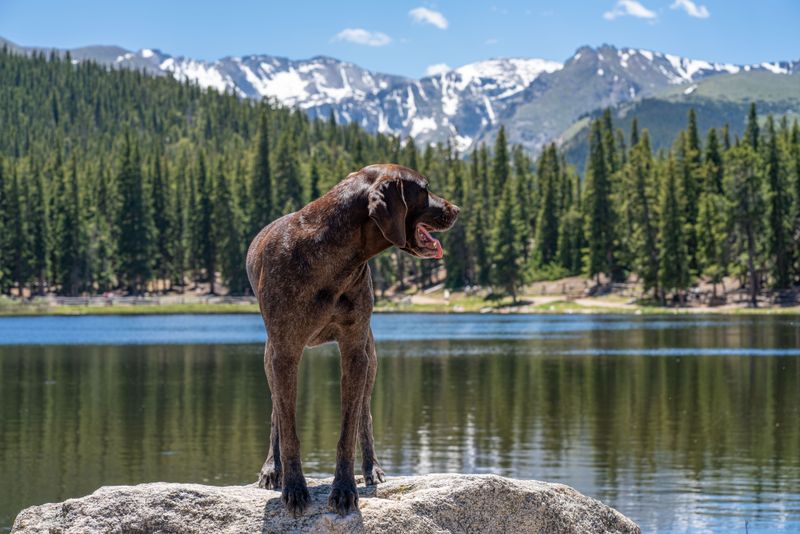
Mountain streams look inviting, but snowmelt can be icy and fast in early summer. Currents are often stronger than they appear.
Teach your dog to wait at the shoreline until released. That pause lets you check depth, speed, and footing first.
Natural water may also carry giardia and other germs. Offering clean water you carry helps reduce that risk.
Ask your vet about other water concerns in your area.
17. Happy Drinking From a Travel Bowl
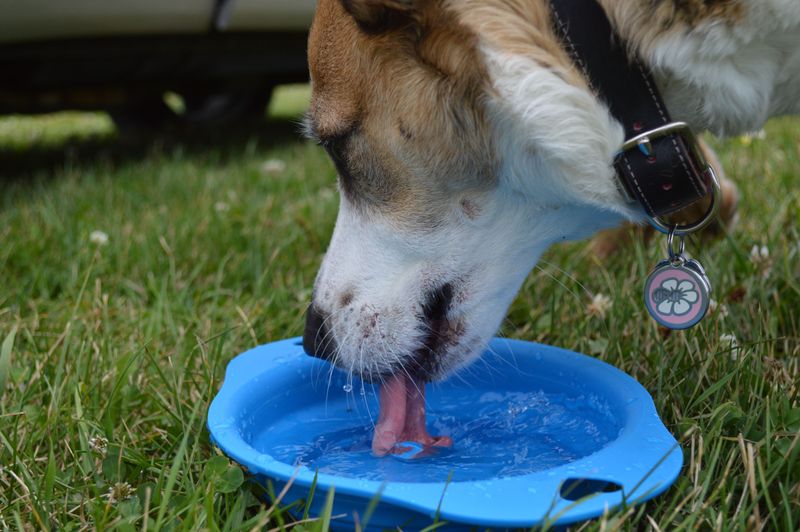
Colorado air is dry, and altitude can make dogs lose water faster. Some pups refuse to drink from strange containers, which complicates things.
Get your dog used to a collapsible bowl at home. Use it during walks so it feels familiar.
Offer small drinks often during the hike instead of one big gulp. Carry plenty of water for both of you.
Shade breaks help on warm afternoons.
18. Settling Down to Recharge
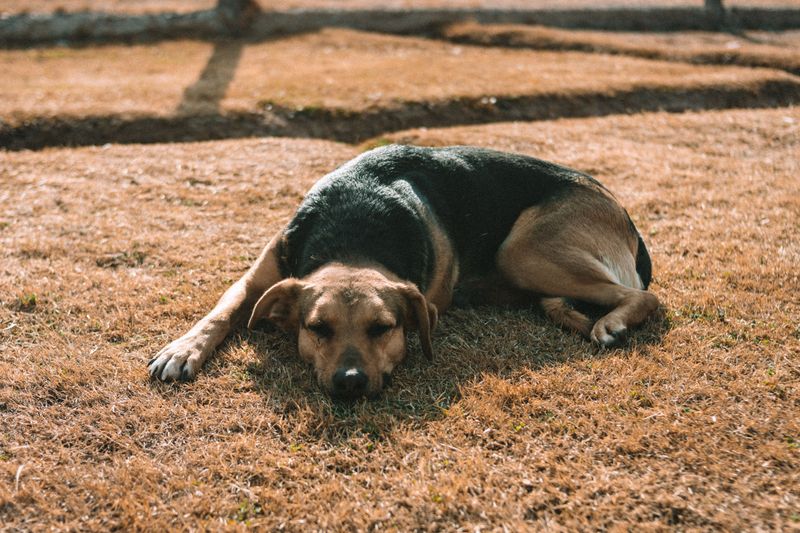
Some dogs never seem to switch off. Yet real rest helps tired muscles recover between climbs.
Practice a settle cue on a small mat at home. Reward calm lying down, then bring the mat on hikes.
Watch for heavy panting, lagging behind, or unusual sluggishness. These can signal overheating or altitude strain.
Rest in shade, offer water, and head down if needed. Contact your vet if symptoms continue.
19. Comfortable With Paw Checks and Booties
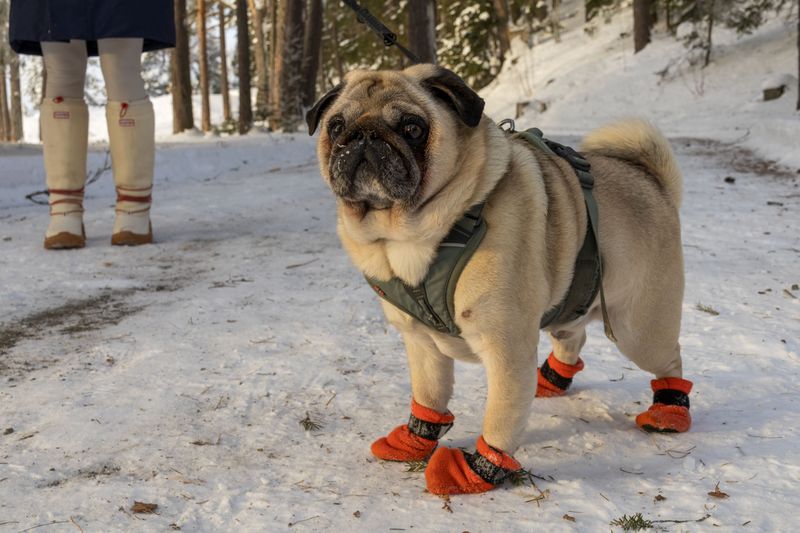
Sharp granite and hot rock can wear down tender pads. Quick paw checks catch cuts, burrs, and cracks early.
Handle your dog’s feet daily with treats so it feels normal. Introduce booties indoors, one paw at a time.
Pack a pet first aid kit with gauze, wrap, and antiseptic wipes. Practice a simple bandage at home while calm.
For anything deeper, your veterinarian is the best resource.
20. Steering Clear of Snakes
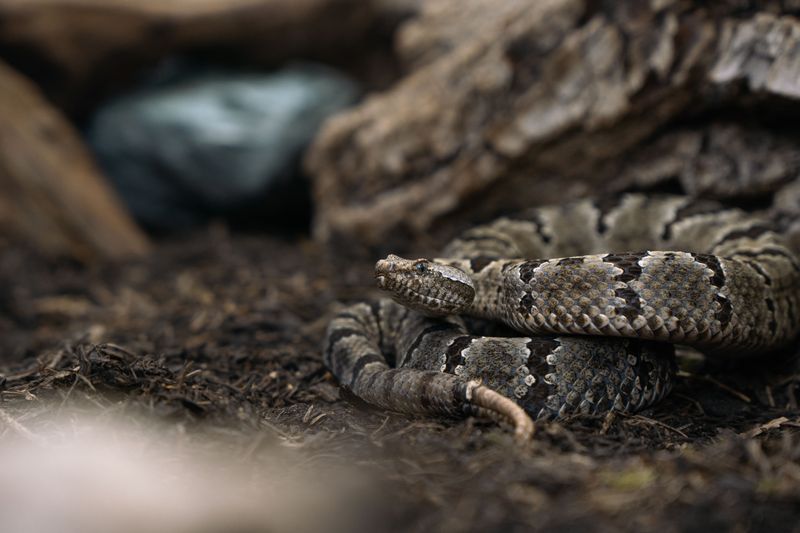
Prairie rattlesnakes live in many foothills and lower elevation areas of Colorado. They usually prefer to avoid people and pets.
Teach a leave it or come away cue you can use the moment you spot one. Keep dogs out of tall grass and rock crevices.
Some owners choose professional avoidance training. Ask your vet about options, including the rattlesnake vaccine.
If a bite happens, keep your dog calm and seek veterinary care right away.