What Wisconsin Law Says When One Dog Injures Another
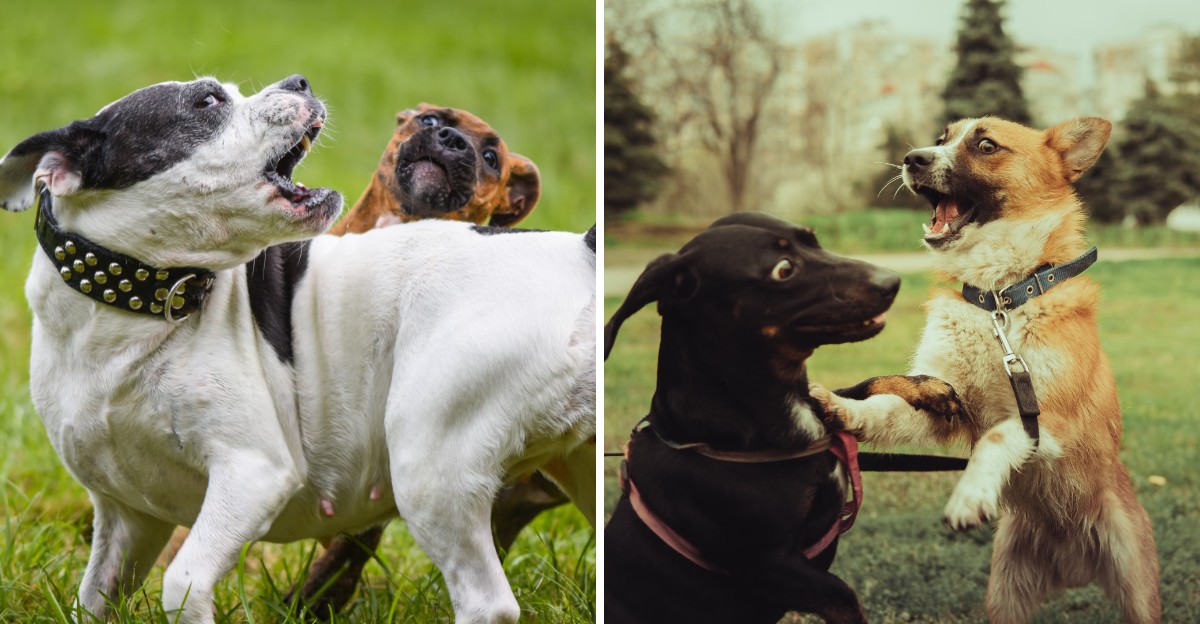
When one dog injures another, both owners may feel worried and unsure about what comes next. Wisconsin law offers rules for responsibility, damages, evidence, and insurance.
Knowing those basics helps you protect your dog and handle discussions calmly. Here is a friendly guide to the legal points and practical steps every Wisconsin dog owner should understand.
1. Wisconsin’s Dog Owner Law Covers Other Dogs
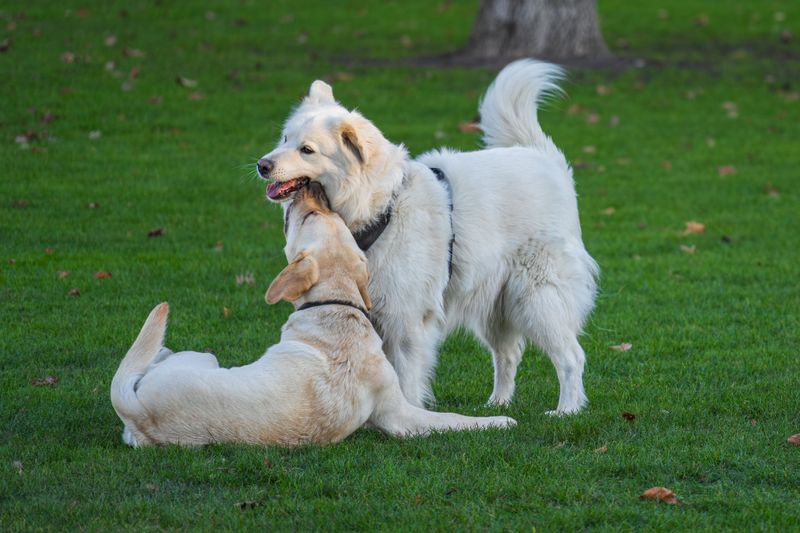
Wisconsin Statute section 174.02 generally makes an owner responsible for damage caused by their dog. Its protection is not limited to injured people.
The law can apply when one dog harms another domestic animal or damages property. Owners should record the event and resulting losses carefully.
Legal responsibility still depends on whether the dog’s actions caused the claimed damage. Local rules may add duties, but they do not replace state law.
2. Carelessness Is Not Always Required
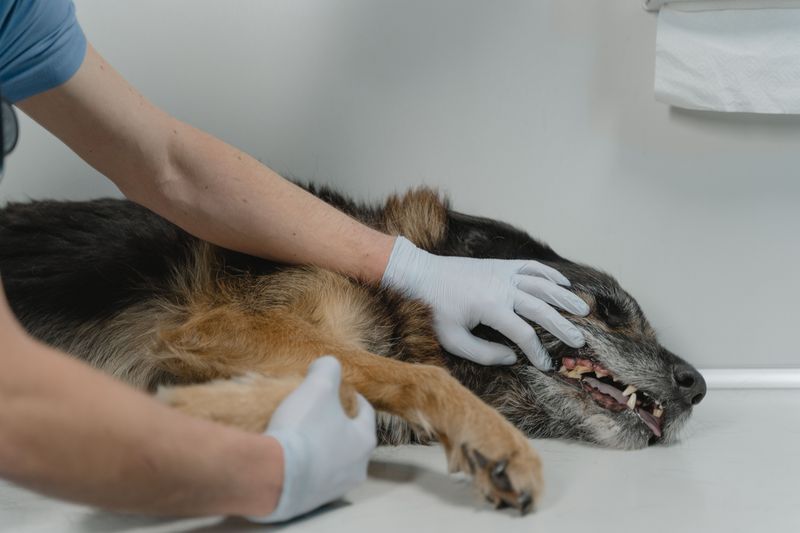
A claim under Wisconsin’s dog owner statute generally uses strict liability. That means proving careless handling is not always necessary.
The injured dog’s owner usually must still connect the other dog’s conduct to the harm. Facts involving provocation, shared fault, or another cause may change recovery.
Strict liability therefore does not guarantee payment for every expense. Gather reliable evidence rather than assuming responsibility will be obvious to everyone later.
3. A Keeper or Harborer May Share Responsibility
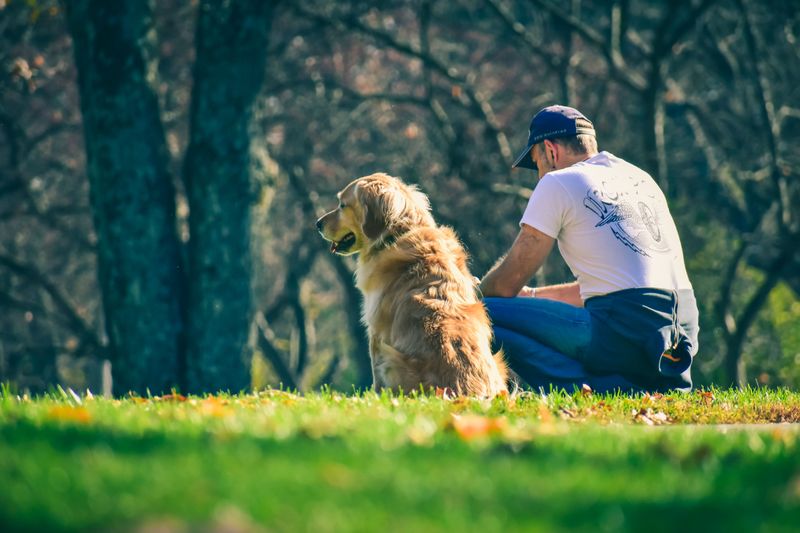
Legal ownership may be only part of the picture. Wisconsin law can treat someone keeping or harboring a dog as an owner.
A regular caretaker may qualify, depending on custody, control, and the living arrangement. Briefly helping with a leash does not automatically create that status.
Courts examine the real relationship rather than relying only on registration papers. Write down who controlled the dog, housed it, and made daily care decisions.
4. Earlier Behavior Can Become Relevant
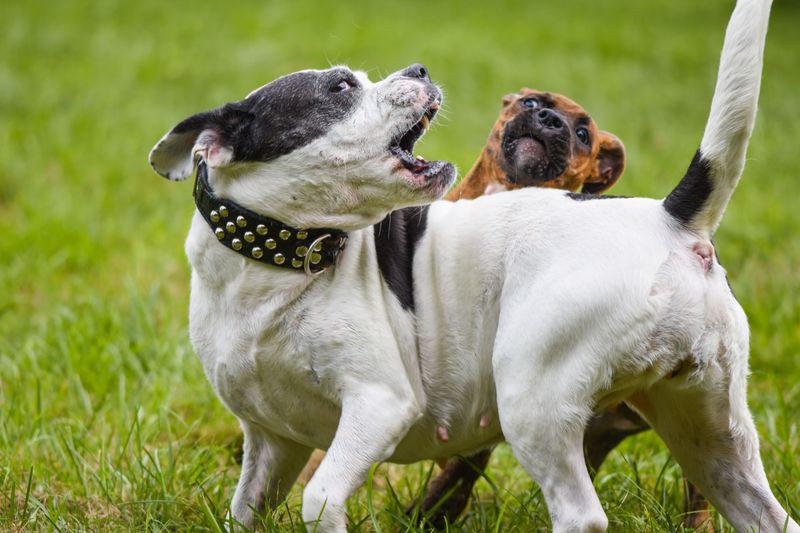
A dog’s history can add important context to a later dispute. Prior injuries, warnings, or dangerous behavior may show what an owner knew.
However, one earlier event does not automatically decide responsibility for a new incident. Wisconsin’s enhanced damages provision has specific requirements involving a prior unprovoked bite to a person that broke the skin and caused permanent scarring or disfigurement.
Other past conduct may still affect evidence, local enforcement, or insurance. Preserve accurate records without exaggerating what occurred.
5. Provocation May Change the Analysis
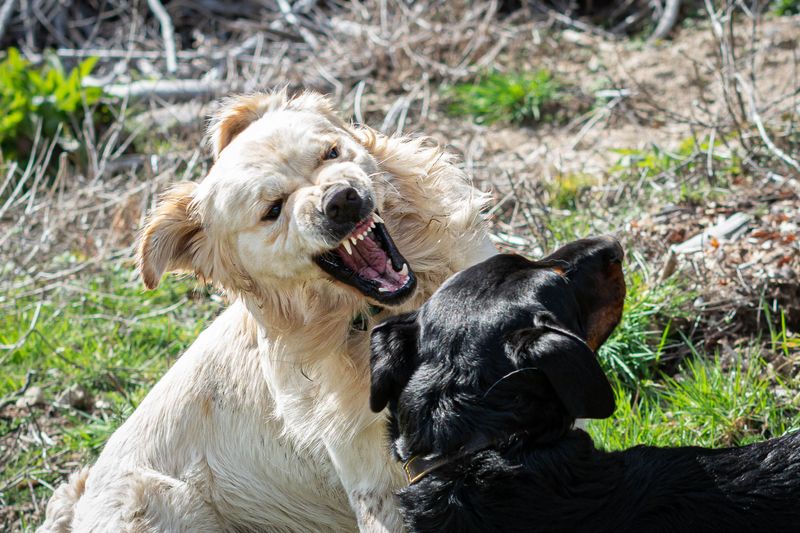
Moments before the incident often matter as much as the incident itself. Evidence of teasing, striking, or threatening conduct may affect fault.
Ordinary dog interaction is not automatically legal provocation. Context matters, including each dog’s movements and the owners’ actions.
Wisconsin’s enhanced damages rule specifically refers to a prior unprovoked bite under limited conditions. Record the full sequence honestly, including facts that may seem unfavorable, and seek legal guidance when responsibility remains disputed.
6. Causation Connects Conduct With Injury
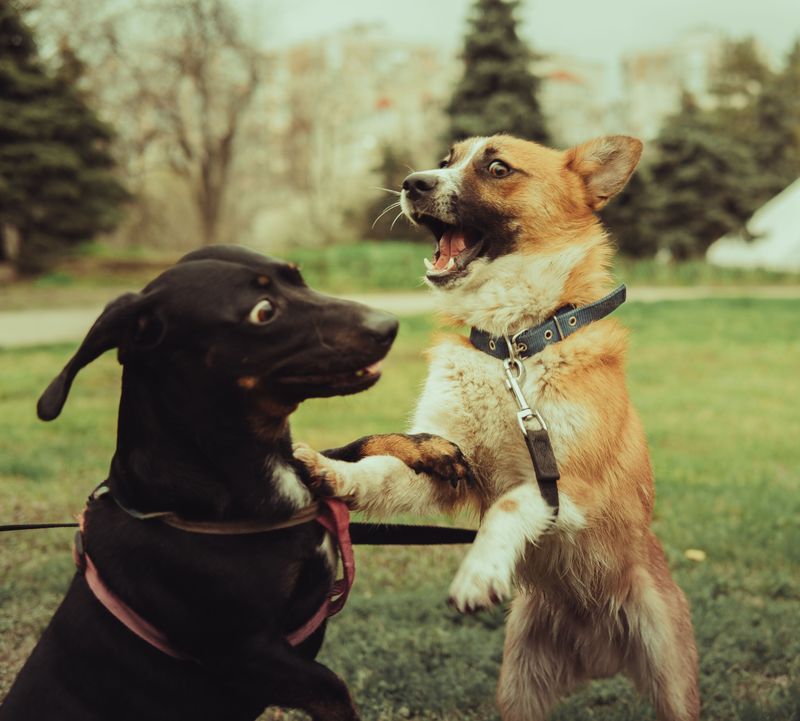
Even broad liability rules require a clear link between conduct and damage. A bite is not the only way causation may appear.
For example, a charging dog might cause another dog to fall while escaping. Medical records and witness statements can connect that movement to the diagnosed injury.
Unrelated health problems may weaken part of a claim. Build a simple timeline showing the dog’s behavior, the immediate symptoms, and the care provided afterward.
7. Veterinary Records Tell the Medical Story
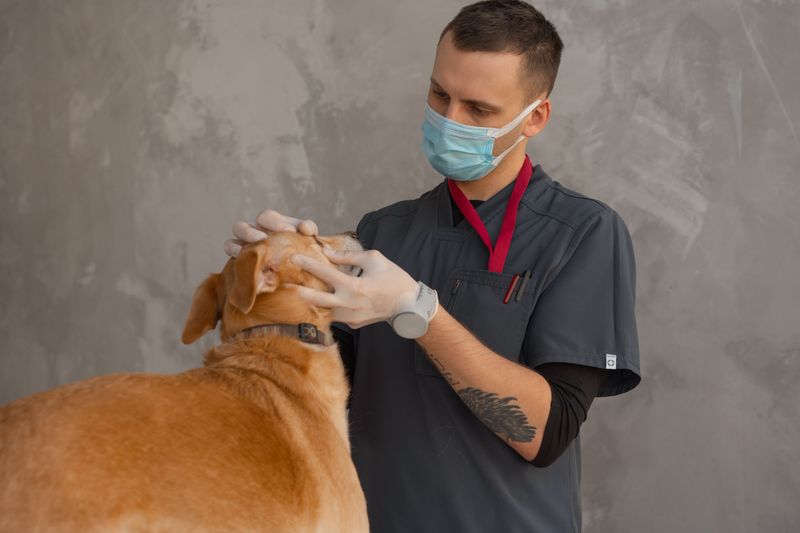
Clear clinic records can turn a confusing event into an understandable timeline. Request examination notes, diagnoses, treatment plans, and itemized invoices.
Save medication instructions, referral papers, and photographs taken during care. Ask the veterinarian to correct factual mistakes through normal clinic procedures.
Never alter a record yourself. Organized documents help explain which conditions followed the incident, what treatment was reasonable, and whether future care may be needed.
8. Veterinary Bills Can Drive the Dispute
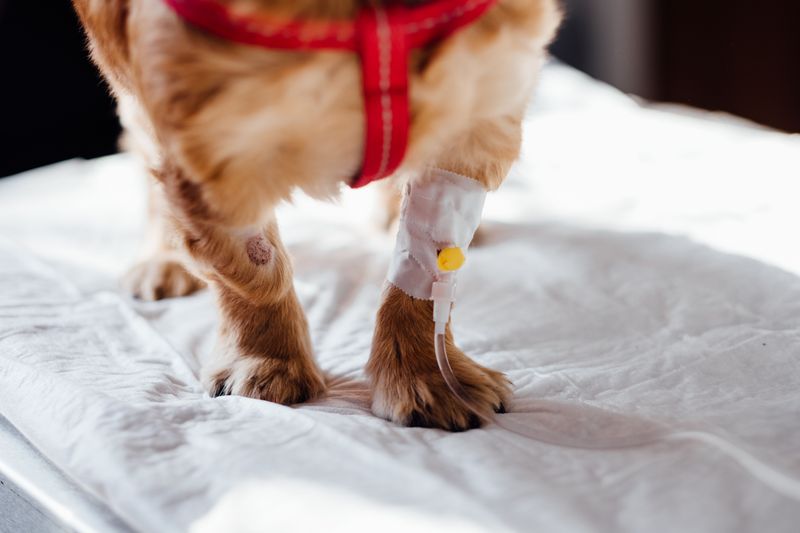
Emergency visits and follow-up care can produce bills quickly. Those expenses often become a central part of discussions between owners.
Keep itemized statements instead of only credit card receipts. Separate incident-related treatment from routine care whenever possible.
Wisconsin property-damage principles may raise questions about reasonableness, necessity, and the dog’s value. Before requesting payment, total paid bills, expected treatment, and related costs.
A lawyer can explain which losses may legally qualify.
9. A Dog’s Legal Value Is Complicated
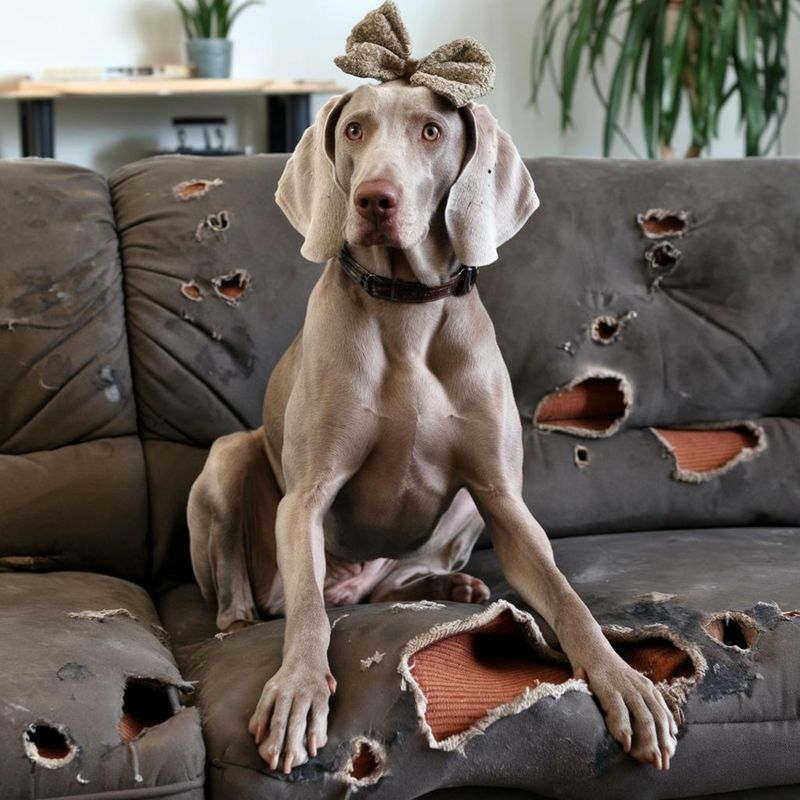
Families value dogs as companions, yet Wisconsin property law generally classifies them as personal property. That rule shapes available financial damages.
Relevant evidence may include purchase or adoption records, age, health, training, and working abilities. Market value can be difficult to estimate for mixed breeds or older pets.
Emotional attachment alone usually does not set property damages. Keep records showing the dog’s condition and practical value before the incident occurred.
10. Treatment Spending Does Not Set Recovery Automatically
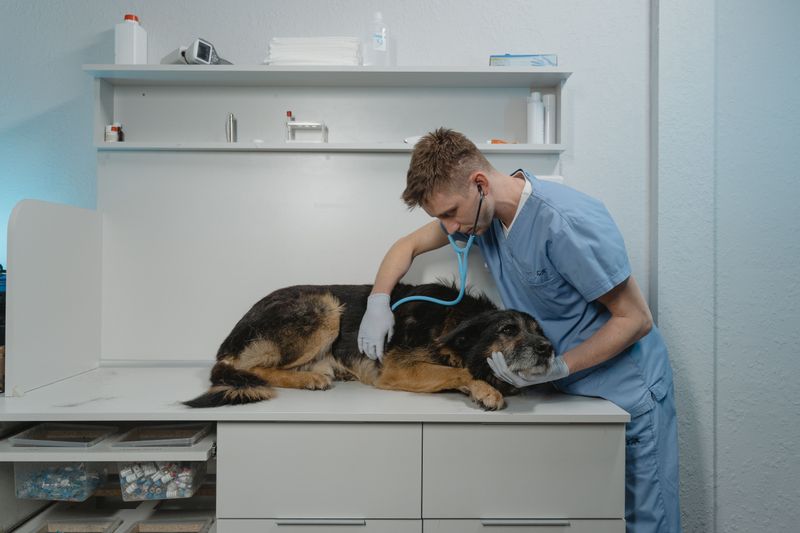
Choosing needed veterinary care is a personal decision made with medical guidance. Legal recovery, however, may not equal every dollar spent.
Courts can examine whether treatment costs were reasonable and how they compare with property value. Wisconsin law on expenses involving injured pets can present difficult, fact-specific questions.
Obtain written estimates and discuss realistic treatment choices with your veterinarian. For large claims, ask a Wisconsin attorney how current law may limit recoverable costs.
11. Scene Evidence Preserves Small Details

A loose gate or broken leash may explain more than memory alone. Once everyone is safe, photograph the location from several angles.
Include fences, warning signs, property damage, weather conditions, and visible injuries. Keep original files because dates and other details may be useful.
Save damaged equipment instead of repairing or discarding it immediately. Write notes promptly, using plain facts rather than guesses about motives.
Small observations can later resolve major disagreements.
12. Neutral Witnesses Can Clarify Events
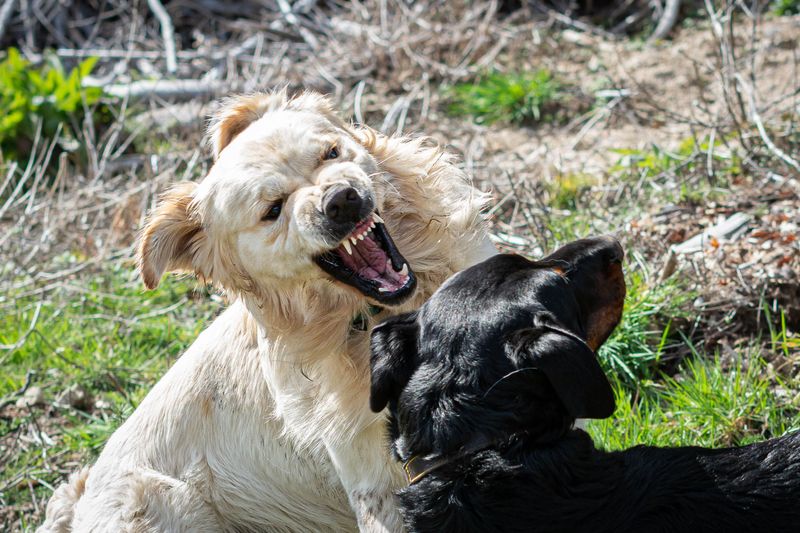
Fast events can leave honest people remembering different details. A nearby walker or neighbor may offer a more neutral account.
Ask witnesses for names, telephone numbers, and email addresses. Invite them to write what they observed while memories remain fresh.
Avoid coaching them or suggesting answers. Useful statements describe each dog’s location, restraints, movements, and behavior before and after contact.
Video from homes or businesses may also support an accurate timeline.
13. Animal Control Reports Create Another Record
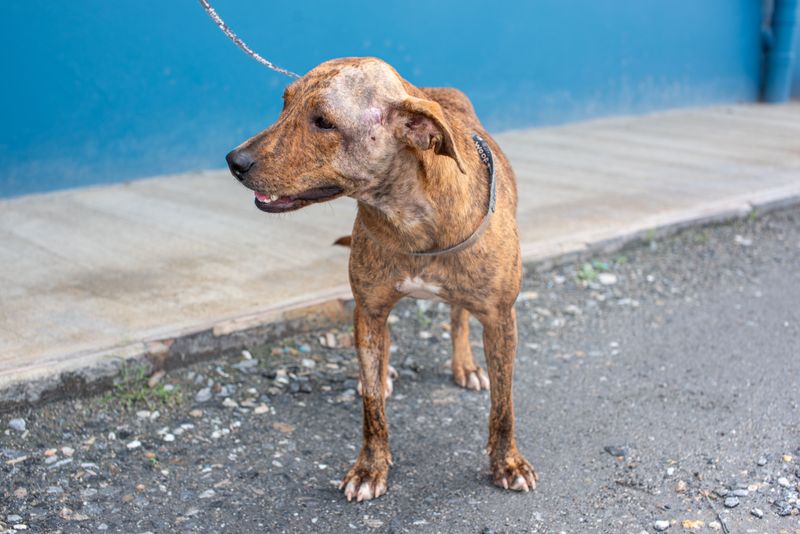
Local animal control may document incidents involving injured animals, loose dogs, or ordinance violations. Reporting procedures differ across Wisconsin communities.
An official report can identify the dogs, owners, witnesses, and statements provided. Officers may also note licensing, restraint conditions, or known history.
A report does not automatically settle civil liability. Request a copy when available and review it for accuracy.
Contact the agency promptly if important information is missing or incorrect.
14. Insurance May Help Handle the Claim

Homeowners or renters insurance may cover certain dog-related liabilities. Coverage depends on the policy language, incident, location, and listed exclusions.
Notify the insurer promptly without promising payment or admitting disputed facts. Provide truthful information and keep copies of every message.
Some policies restrict coverage for particular dogs, histories, households, or business activities. The insurer may investigate and negotiate the claim.
Ask for any coverage decision and its supporting policy terms in writing.
15. Past Incidents Can Affect Coverage

An earlier incident may influence how an insurer views later claims. Companies can consider known history during underwriting or coverage reviews.
Wisconsin cases have addressed policy exclusions involving dogs with previous injury histories. Outcomes depend on the exact wording and established facts.
Never hide a prior event when an application or claim asks about it. Misstatements can create additional coverage problems.
If coverage is denied, request the policy provision and consider obtaining legal advice.
16. Comparative Negligence Can Reduce Recovery

Strict liability does not erase every question about shared responsibility. Wisconsin courts allow comparative negligence principles in dog injury disputes.
Conduct by the injured dog’s owner may reduce recoverable damages when it helped cause the event. Wisconsin generally bars recovery when a claimant’s negligence is greater than the combined negligence of the person or persons against whom recovery is sought.
Applying that rule can become complicated with several responsible parties. Document restraints, warnings, distances, and responses so each person’s conduct can be evaluated fairly.
17. More Than One Claim May Apply
One event can raise several legal theories. A claimant may consider the dog owner statute alongside negligence or other property claims.
Different claims require different proof, defenses, and damage calculations. A leash violation may support the factual story but does not always decide liability.
Contract issues can arise when trainers, boarders, or caretakers are involved. Because legal claims are subject to filing deadlines that can vary by claim, owners should seek advice promptly.
A Wisconsin attorney can identify claims supported by the actual facts.
18. Document Losses Before Discussing Settlement

A quick payment can sound helpful when bills are growing. Still, gather complete information before signing a release or final agreement.
Create one folder for veterinary records, invoices, photographs, witness details, and communications. Track payments already received and treatment still expected.
Read settlement language carefully because releases often end future claims. Do not count on spoken promises outside the document.
For uncertain losses or contested responsibility, consider legal advice before accepting final terms.
19. Local Rules Add Community Requirements
State law is only one layer of the rules. Cities, villages, towns, and counties may regulate leashes and dangerous animals.
Local codes can also address licensing, confinement, reporting, and animal control hearings. Requirements and possible penalties vary by community.
Check the municipality where the incident happened, not only where either owner lives. Animal control or the municipal clerk can explain current procedures.
Following local directions helps preserve records and prevents avoidable misunderstandings.
20. Calm Preparation Makes the Next Steps Clearer
Wisconsin law gives injured dog owners a path for seeking compensation, but facts and documentation remain essential. Every incident deserves careful review.
Start with veterinary care, exchange information, preserve evidence, and follow local reporting rules. Then review insurance and legal options before settling.
Clear records make respectful conversations easier and help professionals evaluate the claim. When questions remain, contact animal control, the insurer, or a Wisconsin attorney.
Steady preparation protects both your rights and your peace of mind.