What Indiana Dog Owners Should Know About Snapping Turtles Near Reservoir Shorelines
A reservoir walk gives your dog plenty to sniff, but turtles sometimes share those same muddy paths and quiet banks. Across Indiana, snapping turtles belong to the local wildlife, and most encounters need only space and a calm response.
Knowing where turtles rest, how to guide your dog away, and when to call for help makes outings easier. A few simple habits can protect your dog while leaving these native neighbors undisturbed.
1. Why Snapping Turtles Appear Near Indiana Reservoirs
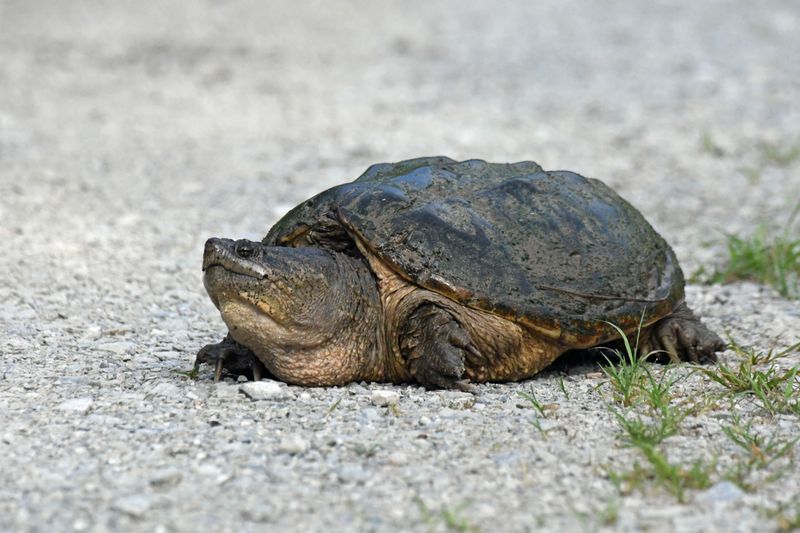
A turtle near your favorite fishing cove is usually right where it belongs. Common snapping turtles live throughout Indiana, including reservoirs, ponds, streams, and wetlands.
They spend much of their time underwater.
Reservoirs provide food, shelter, and places to spend colder months beneath the water. A turtle on land may be traveling between waters or seeking nesting ground.
Keep your dog back rather than assuming the animal needs rescuing or moving to another nearby location.
2. How to Recognize a Snapping Turtle
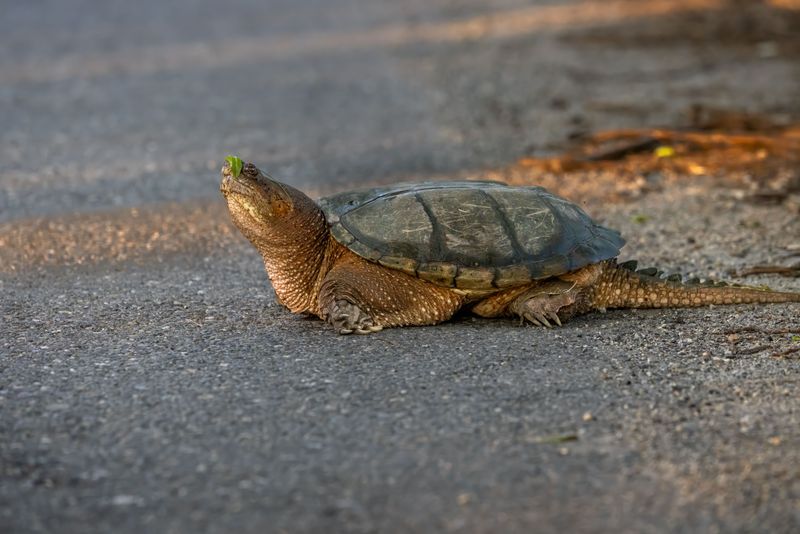
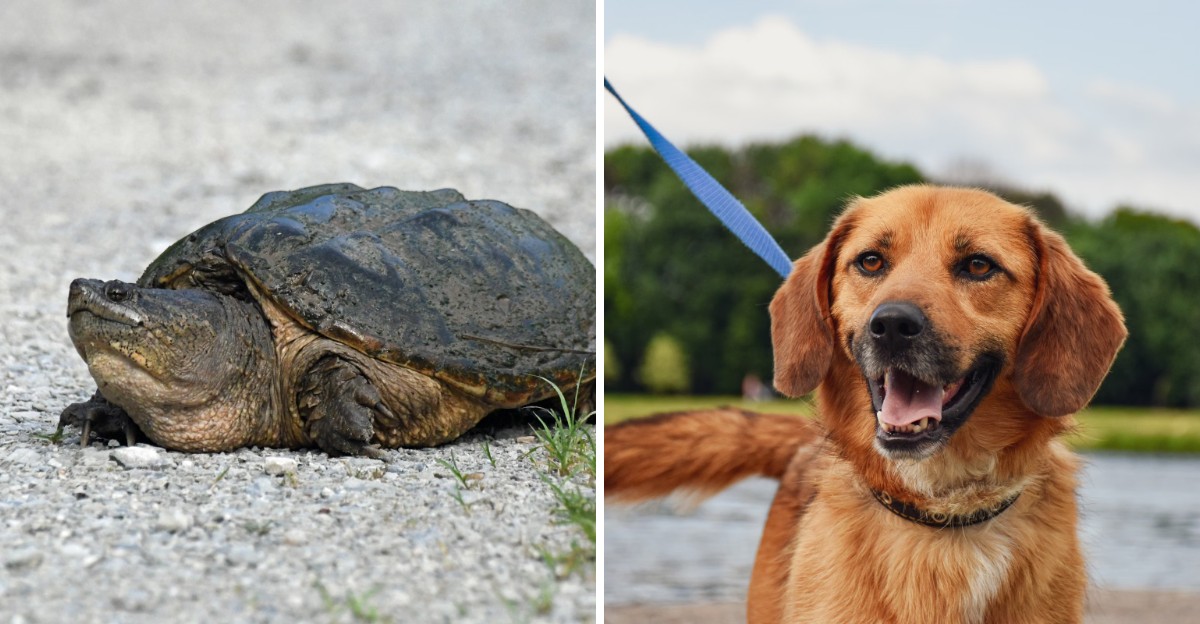
Look for a large head, sturdy legs, and a long tail with raised scales. A common snapping turtle often has a dark, rough shell, sometimes covered with algae.
Its underside offers less coverage than many other turtles.
Young turtles can be small, so size alone is not a reliable clue. Avoid moving closer for a better look.
If identification is uncertain, treat any shoreline turtle respectfully and keep your dog away from its head.
3. Why Reservoir Shorelines Attract Turtles
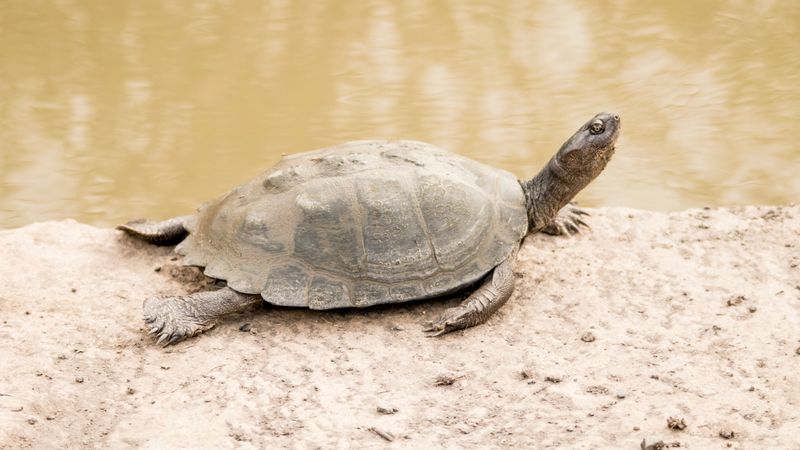
Muddy coves offer more than a quiet view. Shallow water, plants, submerged wood, and soft bottoms create useful turtle habitat.
Fish, aquatic insects, and other food sources can draw snapping turtles toward these areas.
Nearby sunny soil may also provide nesting spots. Water levels can change which banks are exposed and where animals travel.
Scan the ground before approaching the edge, especially where thick plants or driftwood make the shoreline difficult to see clearly ahead.
4. Where Dogs Are Most Likely to Encounter Them
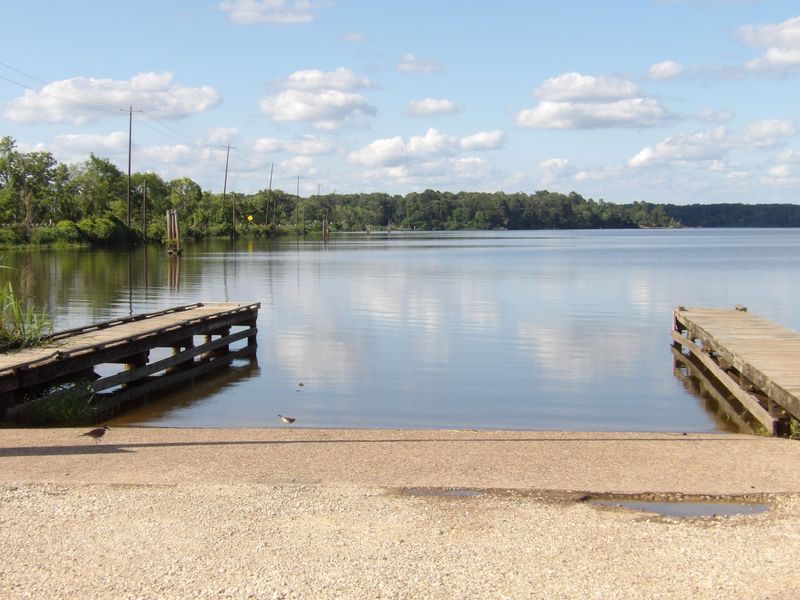
A curious nose often reaches hidden places before an owner notices them. Dogs may encounter turtles at muddy inlets, shallow coves, boat ramps, and paths beside wetlands.
Nesting turtles can also cross trails or parking areas.
Pay extra attention where vegetation blocks your view of the ground. Shorten your walking route if the bank looks crowded or difficult to scan.
An open path gives you more time to notice wildlife and guide your dog away.
5. Why Dogs Should Keep Their Distance
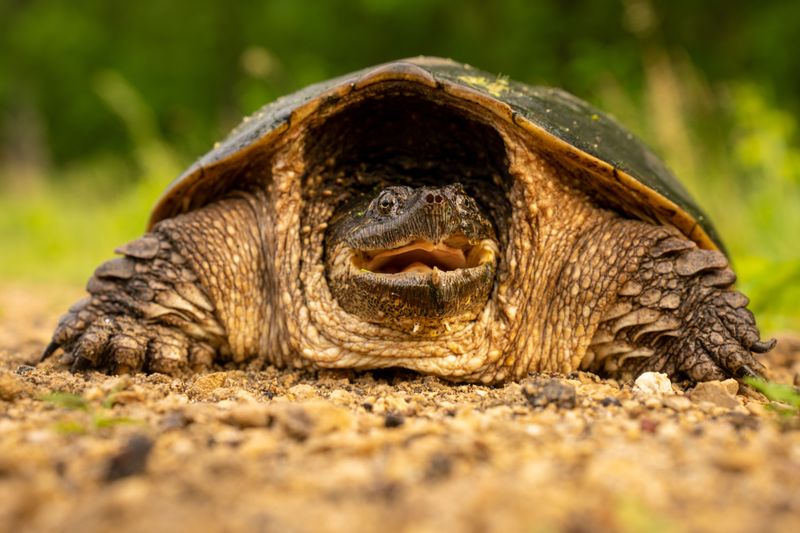
Curiosity can bring a dog’s nose much too close. Snapping turtles may bite when cornered or disturbed, especially on land.
Their necks can reach farther than many people expect.
Dogs can also injure turtles by pawing, grabbing, or turning them over. Give enough room that your dog cannot reach the animal, even with a sudden lunge.
There is no need to test a turtle’s patience. Quietly choosing another route protects both animals during an unexpected encounter.
6. Keep Your Dog on a Leash Near the Water
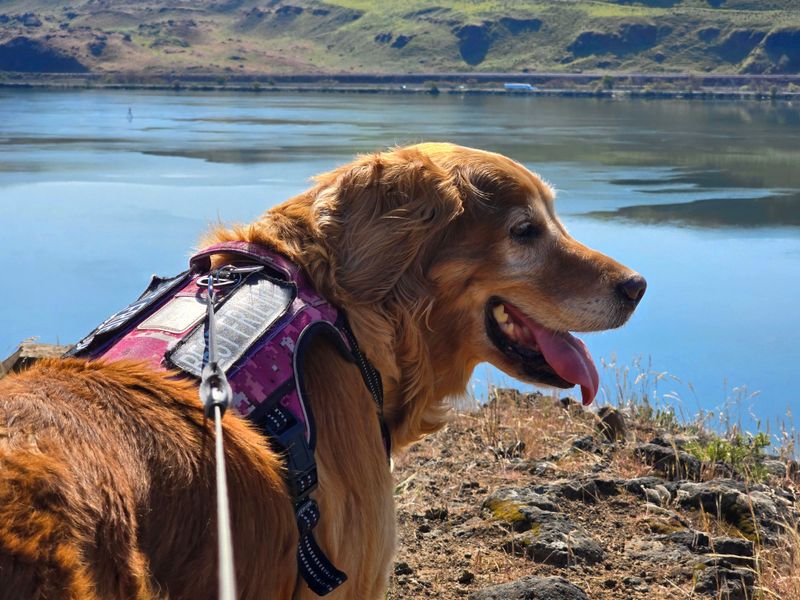
A leash gives you time to turn a surprise into a simple detour. Choose a sturdy leash and secure collar or well-fitted harness.
Keep your dog close enough to prevent contact with shoreline wildlife.
Retractable leashes can allow more distance than you can quickly manage near water. Avoid letting any leash drag through plants or wrap around obstacles.
Practice turning away together on ordinary walks, so that response feels familiar when a turtle appears nearby.
7. Watch for Turtles Basking or Resting Near Banks
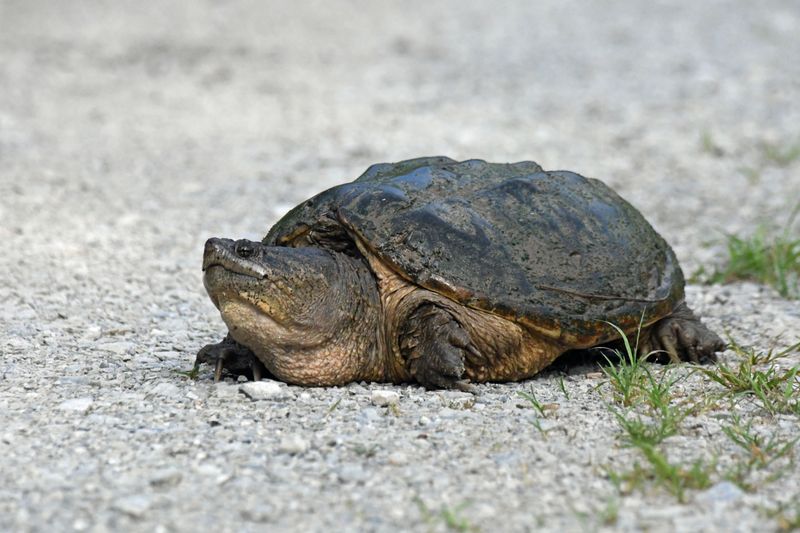
What looks like a muddy rock may deserve another glance. Snapping turtles can rest in shallow water or near banks, although they often remain mostly hidden.
Snapping turtles may occasionally bask where people can see them, but they spend most of their time in the water or hidden beneath the surface.
Pause before allowing your dog to approach logs, reeds, or muddy edges. Watch without poking objects or moving plants to investigate.
A resting turtle does not need encouragement to move. Give it room and continue along a clearer section of the trail.
8. What to Do if Your Dog Spots a Snapping Turtle
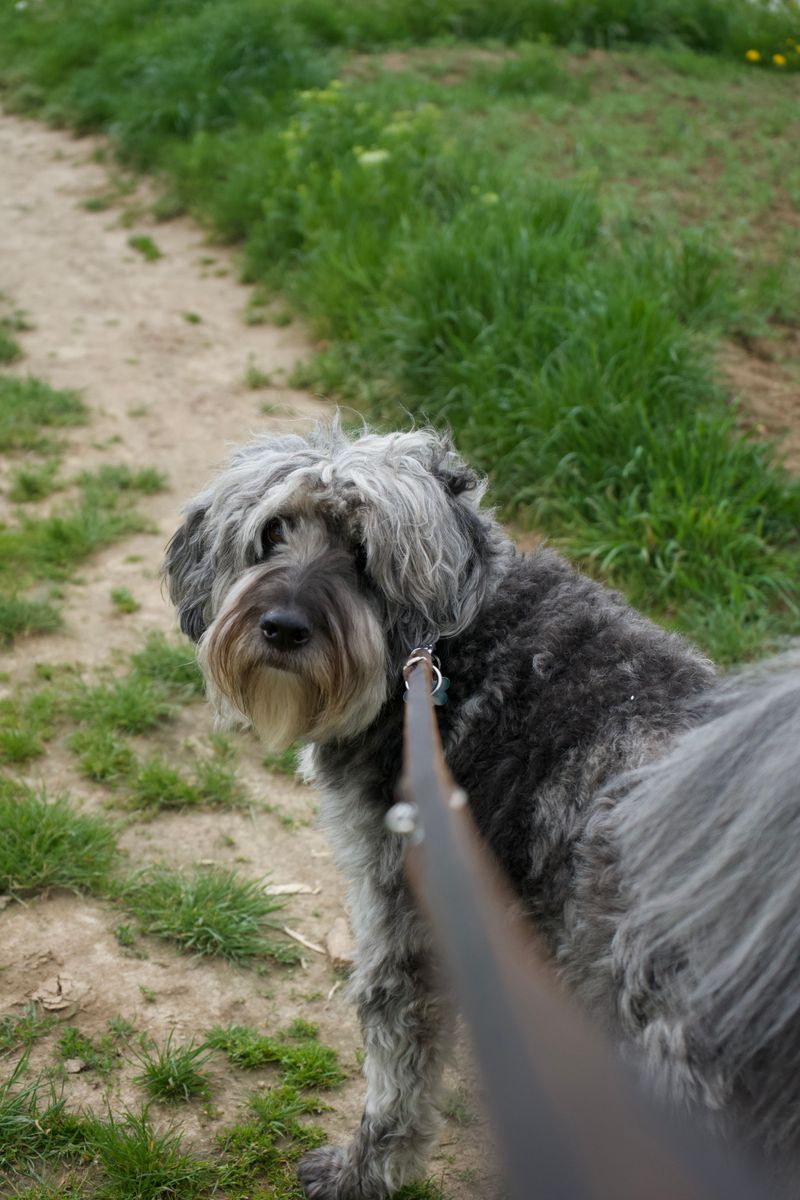
Stay calm when your dog suddenly freezes, stares, or barks at the bank. Stop moving toward the animal.
Hold the leash securely without pulling your dog closer to the turtle.
Use a familiar cue, then guide your dog away in a wide arc. Reward attention once you have created space.
Avoid shouting, crowding the turtle, or stopping nearby for pictures. If your dog remains excited, leave that section rather than trying another close pass immediately.
9. Never Let Your Dog Investigate a Turtle’s Shell
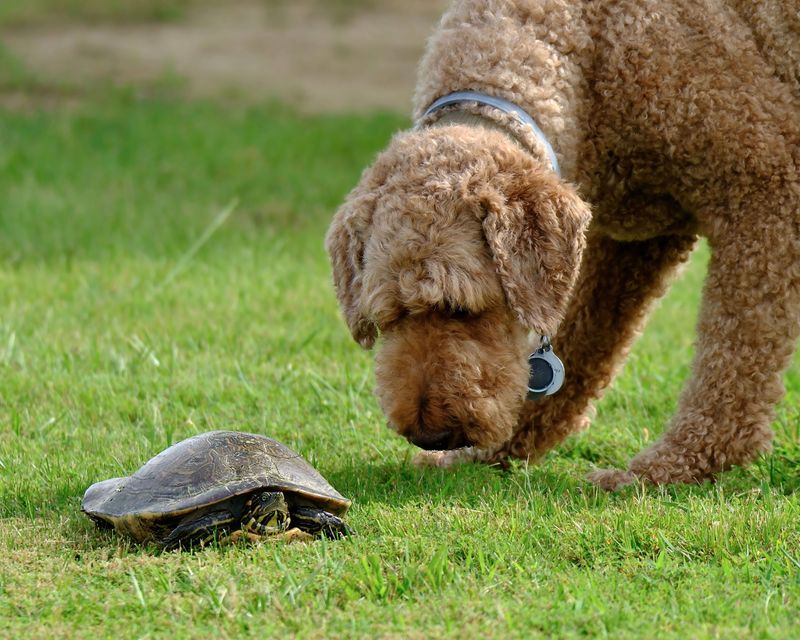
The shell is not a safe sniffing spot. A snapping turtle can turn and extend its neck quickly.
Approaching from behind does not make contact safe for your dog.
Do not allow pawing, licking, barking over the shell, or attempts to carry the turtle. Even playful interest can stress wildlife and lead to injury.
Keep children from encouraging a closer look. Admire the animal from a distance that leaves plenty of room for everyone nearby.
10. Why Picking Up a Snapping Turtle Is Risky
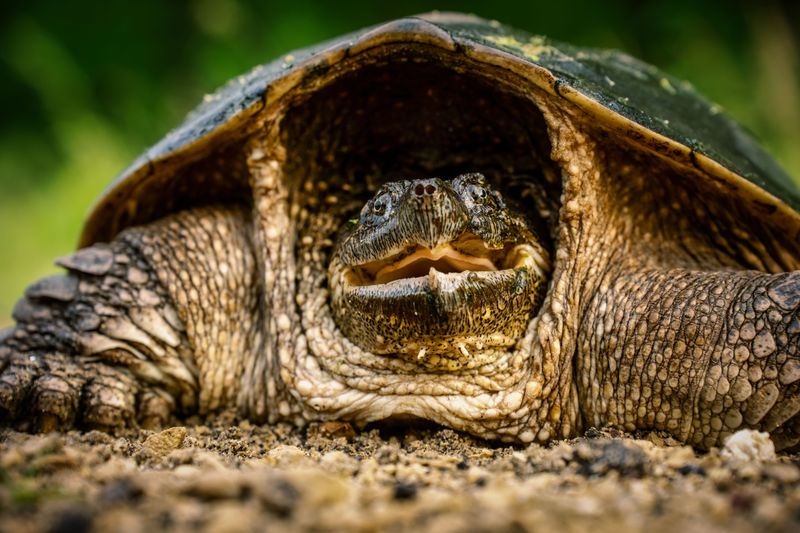
Helping does not always mean using your hands. Snapping turtles are difficult to handle safely, and their reach can surprise people.
Never lift one by its tail, which can injure its spine.
Keep your dog away while you assess the situation from a distance. If a turtle appears injured or trapped, contact reservoir staff or a licensed wildlife rehabilitator.
Follow their directions rather than attempting a rescue. Avoid relocating turtles to unfamiliar waters on your own.
11. Snapping Turtle Nesting Season and Dogs
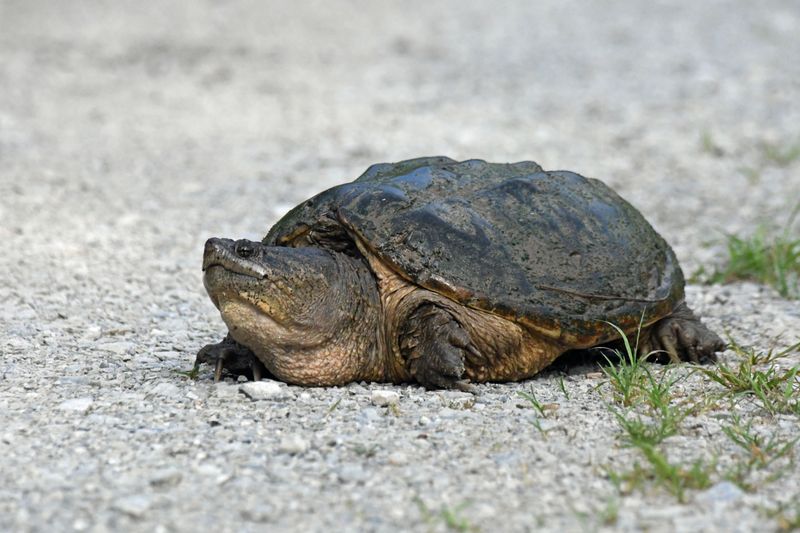
Late spring and early summer can bring more turtles onto land. Female snapping turtles leave the water to find nesting ground, often during May and June in Indiana.
Timing varies with weather.
You might see one crossing gravel, grass, or a path far from the water. Keep your dog from following, blocking, or circling it.
Allow the turtle to continue without interference. A land sighting during nesting season does not automatically mean something is wrong nearby.
12. Protect Turtle Nests Along Reservoir Banks
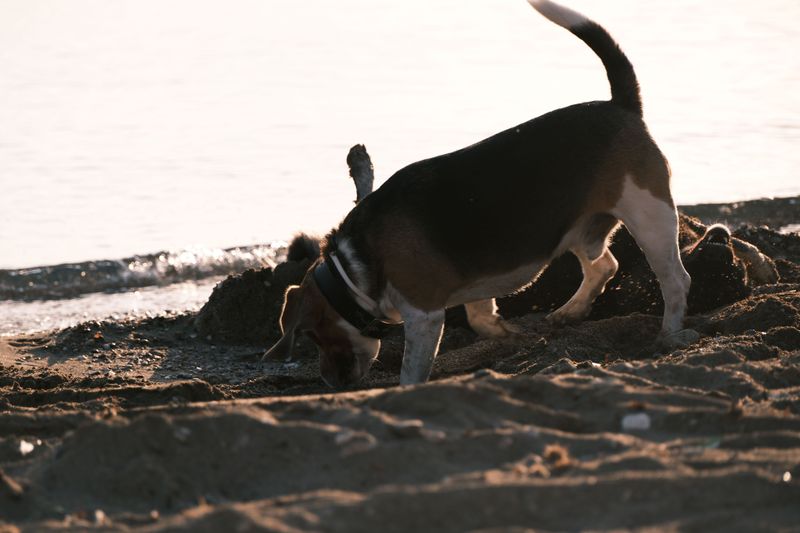
Freshly disturbed soil can tempt a dog that loves digging. Turtle nests may lie in sandy or gravelly ground near reservoir banks, roads, or paths.
They are not always easy to recognize.
Prevent digging in likely nesting areas and leave suspected nests untouched. Do not uncover eggs, move them, or add homemade covers.
Tell reservoir staff if a nest faces disturbance from routine site work. Their guidance can account for wildlife needs and local management practices.
13. What to Do if Your Dog Is Bitten
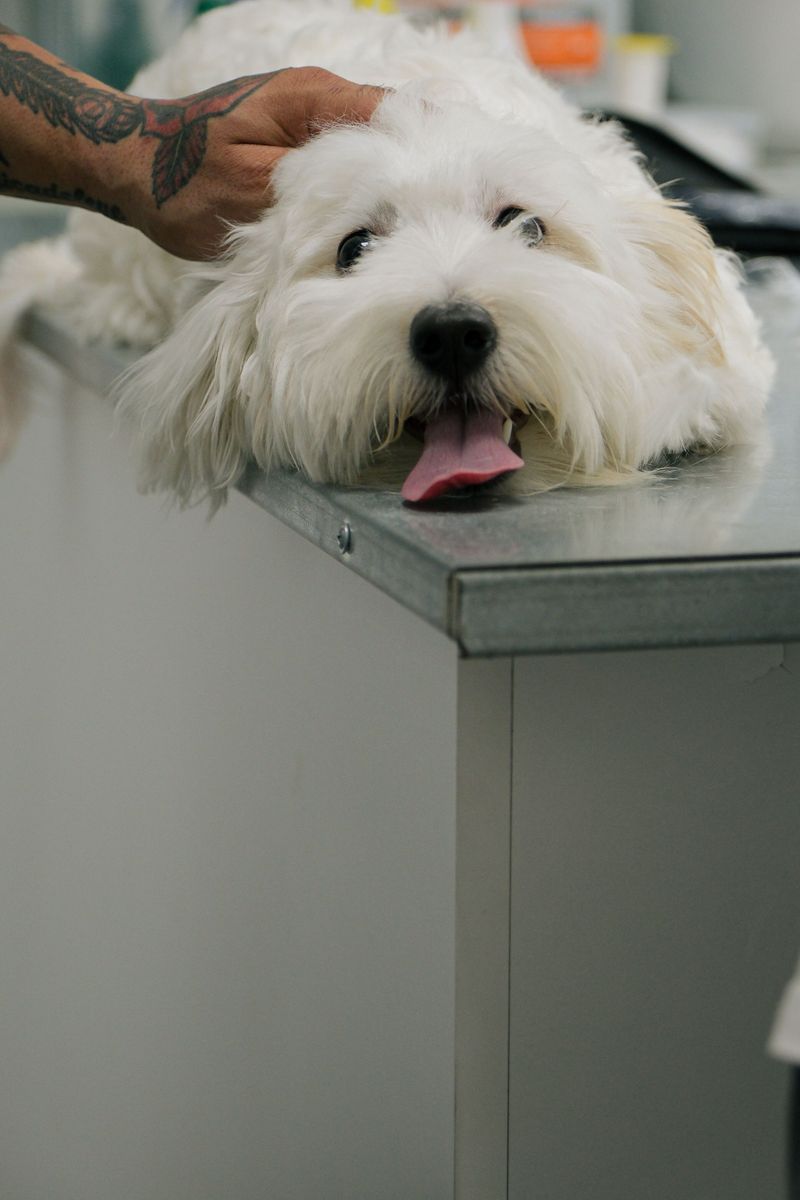
A bite needs prompt veterinary advice, even when the wound looks small. Move away once the turtle releases, and keep your dog calm.
If the turtle remains attached, seek immediate veterinary instructions.
Do not pry its mouth open or pull the animals apart. Avoid home remedies intended to force release.
After separation, apply gentle pressure to bleeding with clean gauze if safe. Contact your veterinarian promptly for assessment, cleaning guidance, pain care, and infection risk evaluation.
14. Check Your Dog After Shoreline Walks
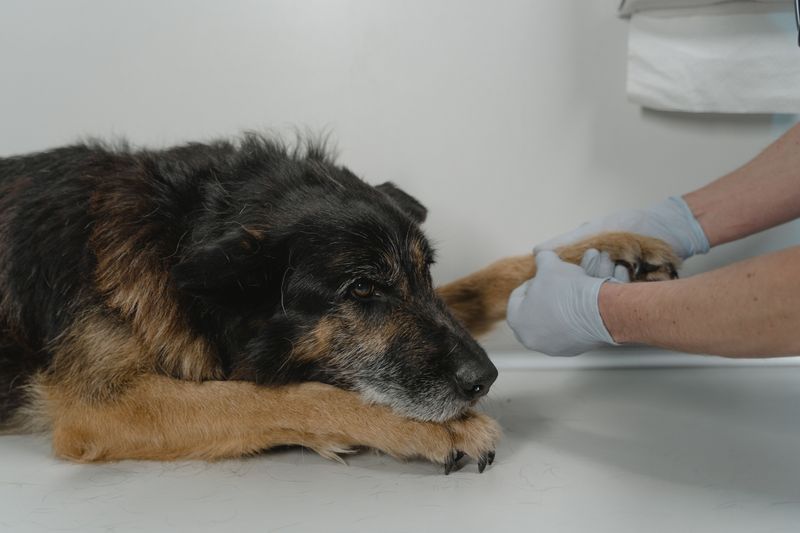
A quick check beside the car can catch problems you missed. Look over your dog’s paws, legs, muzzle, and belly after shoreline walks.
Watch for tenderness, swelling, small wounds, or unusual licking.
Do not force an examination if your dog seems painful or frightened. Call your veterinarian about suspected bites, limping, or changes in behavior.
Also check for ticks and stuck debris. Washing muddy paws helps you see the skin more clearly before heading home together.
15. Give Turtles Space During Warm Weather
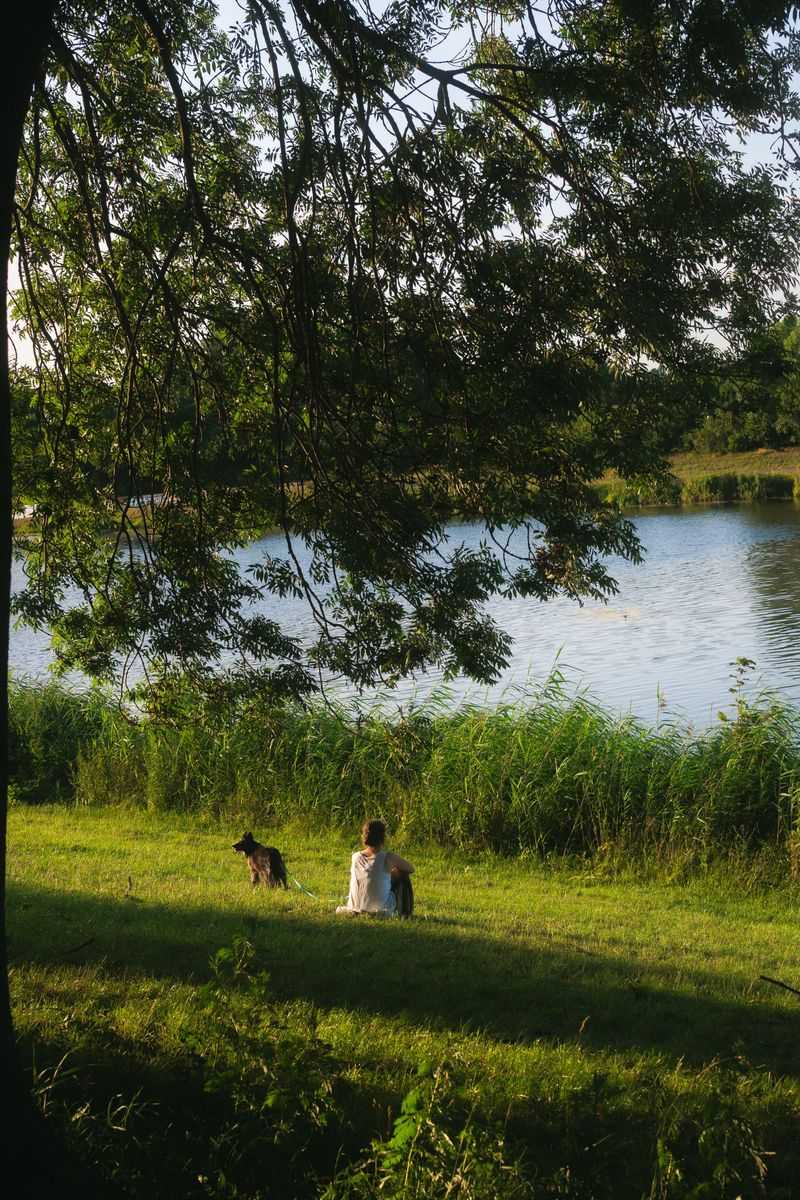
Warm days bring more outdoor activity for dogs and turtles alike. Snapping turtles become more active during warmer parts of the year.
Nesting movements can make them especially noticeable on land.
Do not assume every sunny bank is clear because yesterday’s walk was uneventful. Scan ahead throughout the season, including after rain.
Carry drinking water so your dog does not need shoreline access. Space remains the simplest precaution, whatever the temperature or time of day outside.
16. Choose Shoreline Access Points Carefully
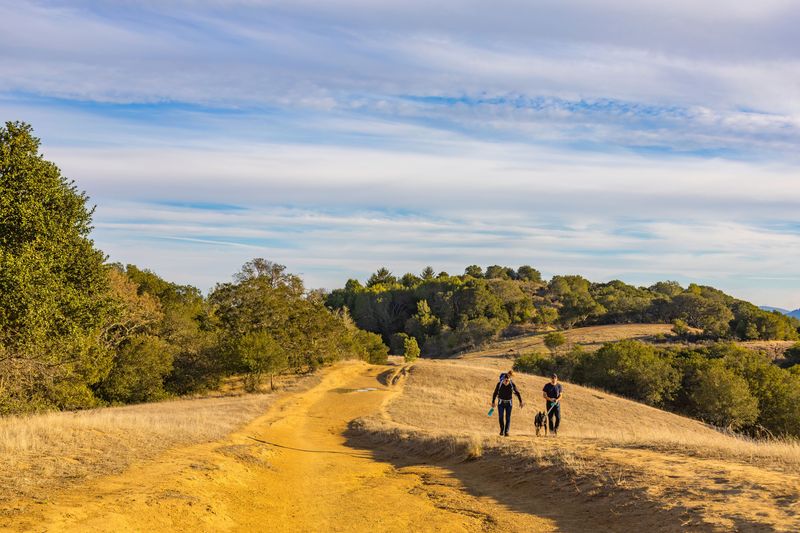
Good visibility makes a shoreline outing easier to manage. Favor maintained paths and firm footing over steep, muddy banks or dense reeds.
Check whether dogs are allowed before entering beaches or designated swimming areas.
A clear access point reduces surprises, but it does not guarantee an absence of turtles. Avoid sending your dog into murky shallows to fetch toys.
If wildlife is present, choose another spot instead of trying to clear the area for your dog.
17. Follow Indiana Reservoir Rules for Dogs
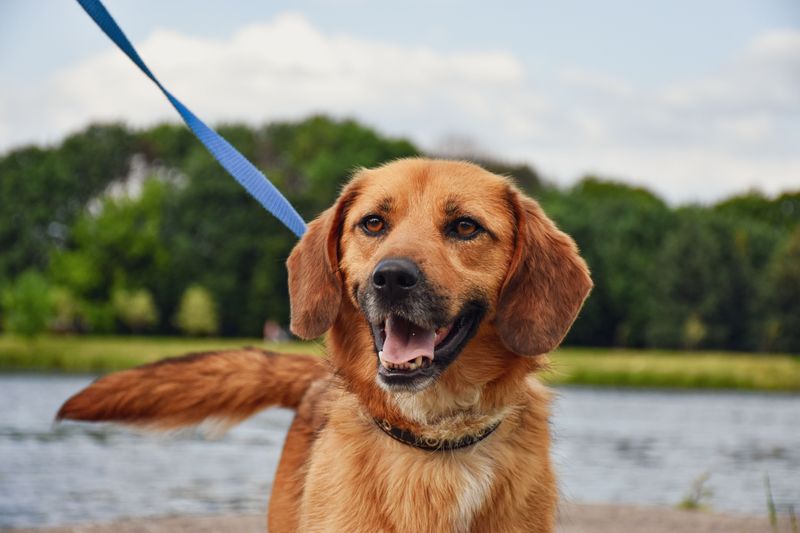
One reservoir’s rules may differ from another’s. Indiana reservoirs can involve state, federal, or local managers, sometimes across different recreation areas.
Check the managing agency’s current rules before bringing your dog.
Indiana state park and reservoir properties generally require pets on leashes no longer than six feet. Posted restrictions may limit access to certain areas, including swimming beaches.
Confirm details with property staff, follow signs, and collect waste. Wildlife protection rules also apply during your visit.
18. Respect Wildlife at Indiana Reservoirs
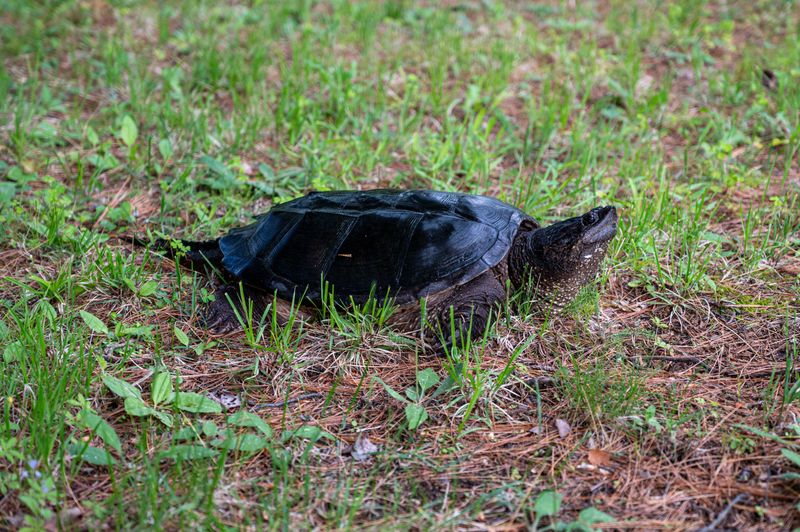
Sharing the shoreline works best when everyone has room. Snapping turtles help reservoir ecosystems by eating varied foods, including animal remains.
They belong here, even when their appearance surprises us.
Never feed, tease, chase, or encourage your dog to approach them. Report injured wildlife to property staff or an appropriate wildlife professional.
Teach walking companions the same calm habits. Keep the leash handy, watch the bank, and give turtles space.
Prepared owners make peaceful shoreline neighbors.