14 Pennsylvania Rowhouse Changes That Make Daily Life Easier For An Aging Dog
Your Pennsylvania rowhouse may hold years of happy routines, but an aging dog can start finding familiar spaces harder. Narrow halls, steep stairs, and slick floors can turn simple trips into extra work.
A few thoughtful changes can help your companion move comfortably while keeping your home practical for everyone. Start with the places your dog uses most, then adjust as their needs change.
1. Replace Slippery Floors and Secure Loose Rugs
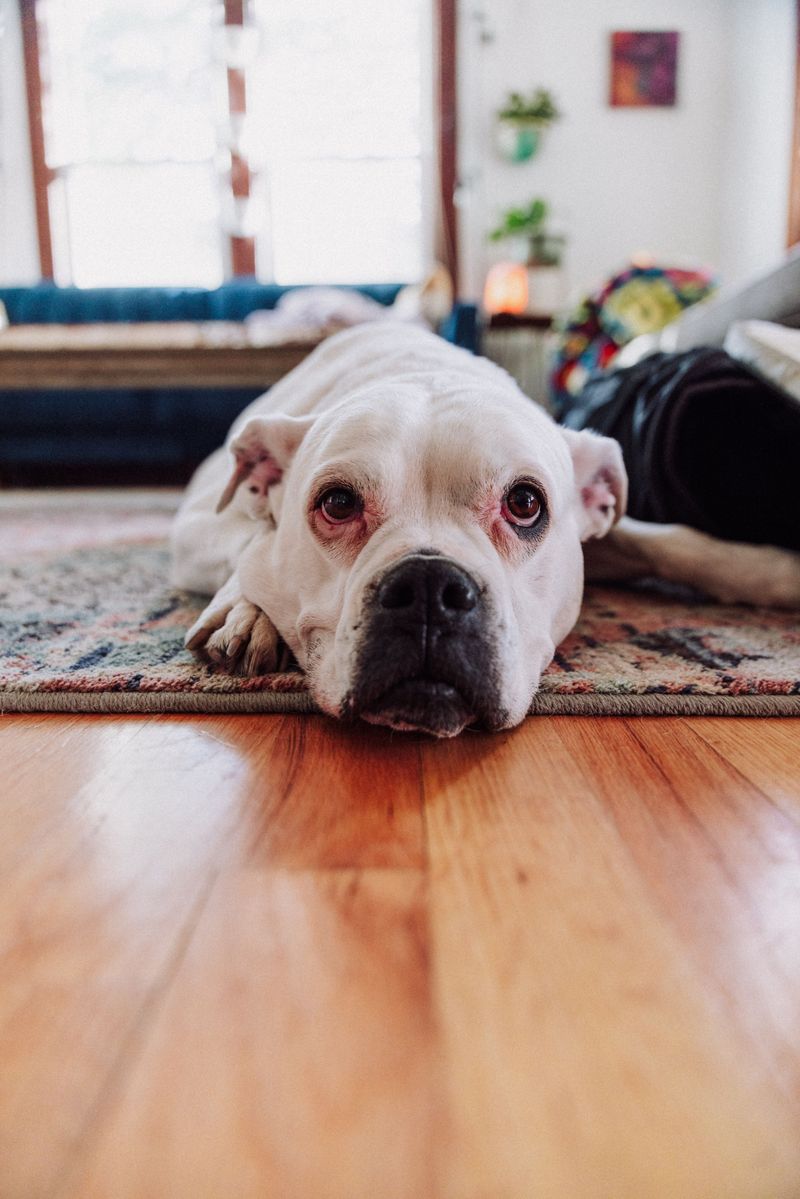
Polished wood can turn a familiar room into uncertain ground for older paws. Cover busy routes with washable runners that have reliable nonslip backing.
Secure every edge so corners cannot curl underfoot.
Check rugs on the actual floor before trusting their grip. Cover awkward flooring transitions with firmly attached, low profile strips.
Avoid stacking mats, which creates new bumps. Keep nails and paw fur maintained with guidance from your veterinarian or groomer for steadier footing indoors.
2. Add Ramps Where Small Steps Become Difficult
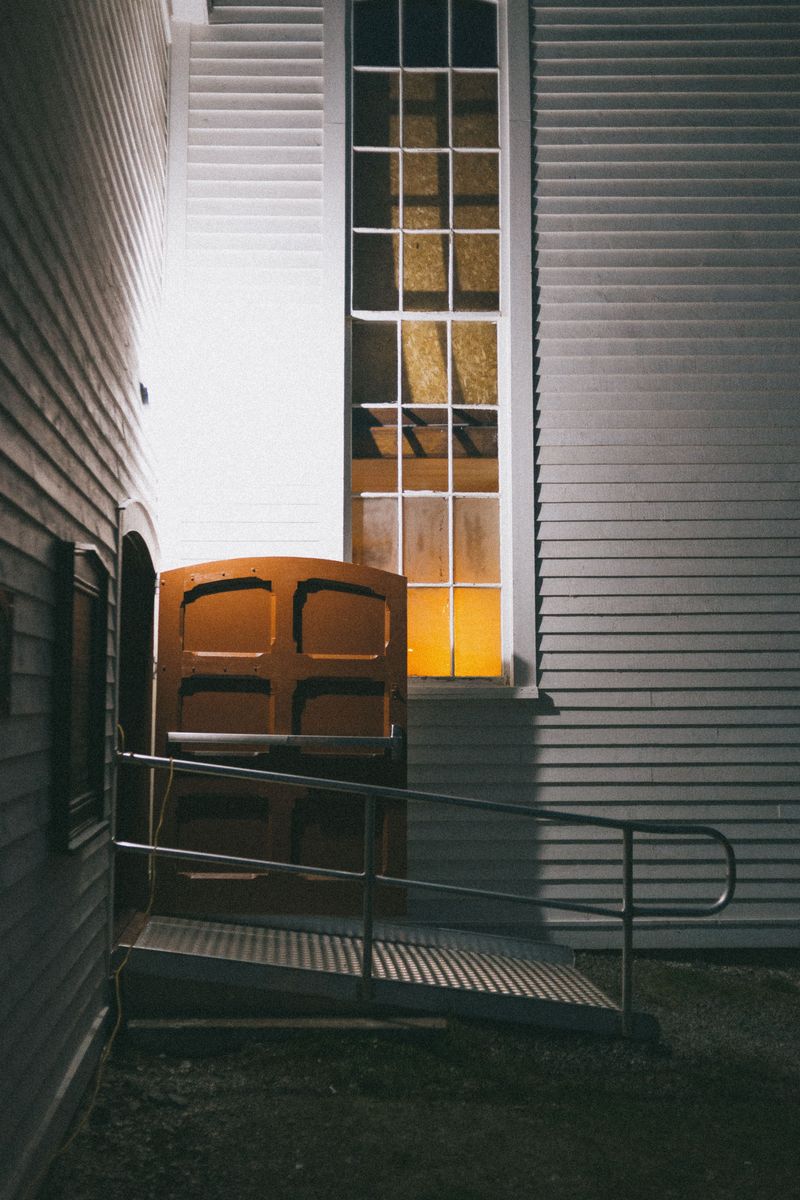
One little step can become a daily hurdle when joints feel stiff. A stable ramp may help at a sunken room or raised rear entrance.
Choose a textured surface and a gentle slope suited to your dog.
Leave enough landing space at both ends for turning comfortably. Introduce the ramp slowly with treats, without pulling your dog forward.
Ask your veterinarian about suitable dimensions, and check local requirements before changing an exterior entrance or shared access.
3. Make Staircases Safer With Secure Traction Strips
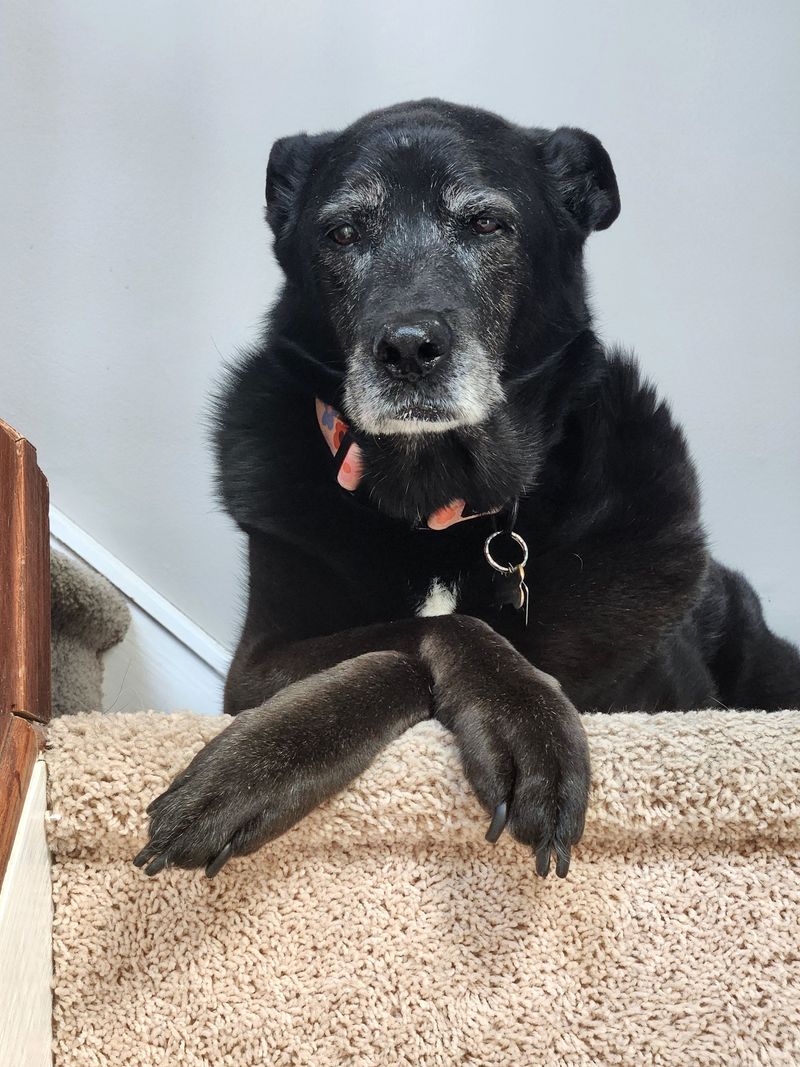
Steep rowhouse stairs deserve a closer look before your dog starts hesitating. Fit secure traction strips or fitted treads across each walking surface.
Check that edges stay flat and do not hide the step boundaries.
Keep stairs dry, clear, and evenly lit throughout the day. A properly fitted support harness may help when your veterinarian recommends assisted stair use.
If climbing becomes uncomfortable, block access with secure gates and move daily activities onto one floor instead.
4. Create a Main-Floor Rest Area With Supplies Nearby
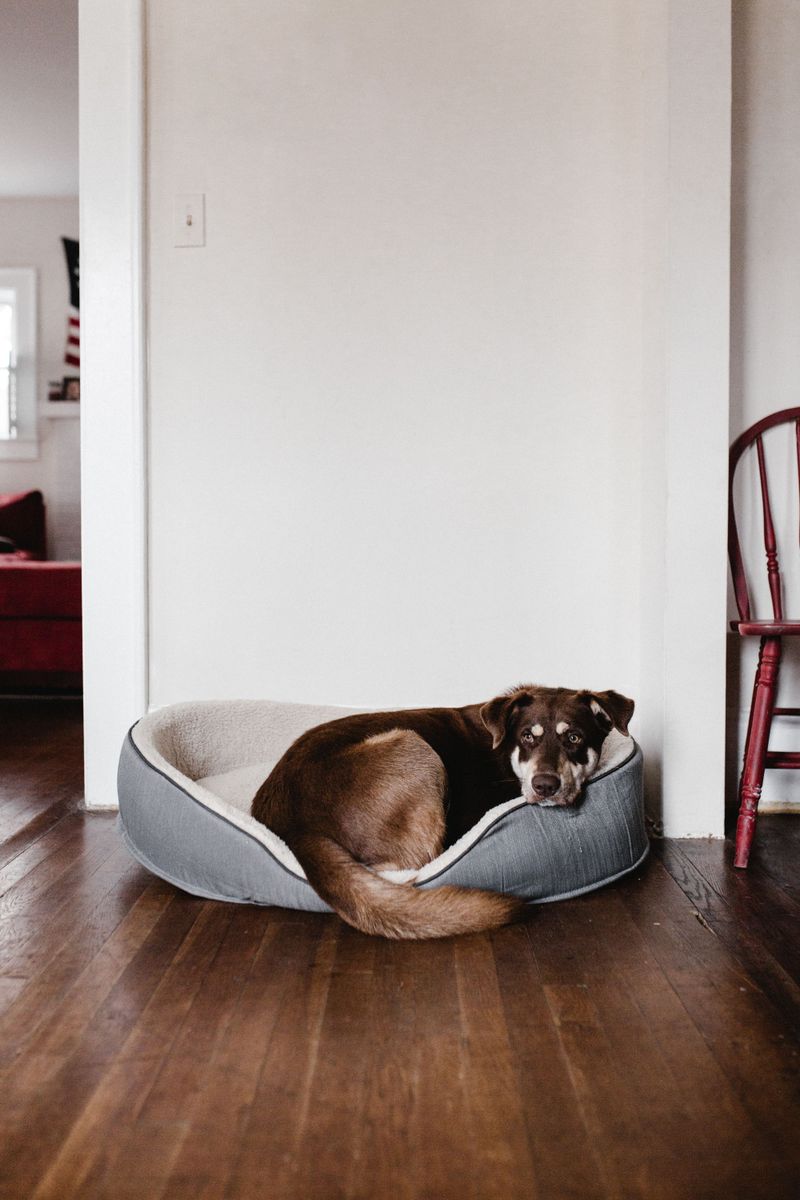
A favorite upstairs spot may no longer suit your dog’s daily routine. Set aside a quiet main floor area near family life, but outside busy walking paths.
Keep water within an easy walk.
Store towels, waste bags, a leash, and grooming tools nearby to reduce unnecessary stair trips. Keep medicines secured beyond pet access.
Watch whether your dog settles comfortably or seems isolated. The best location offers company, calm, and enough room to change positions easily.
5. Move Food and Water Bowls Away From Tight Corners
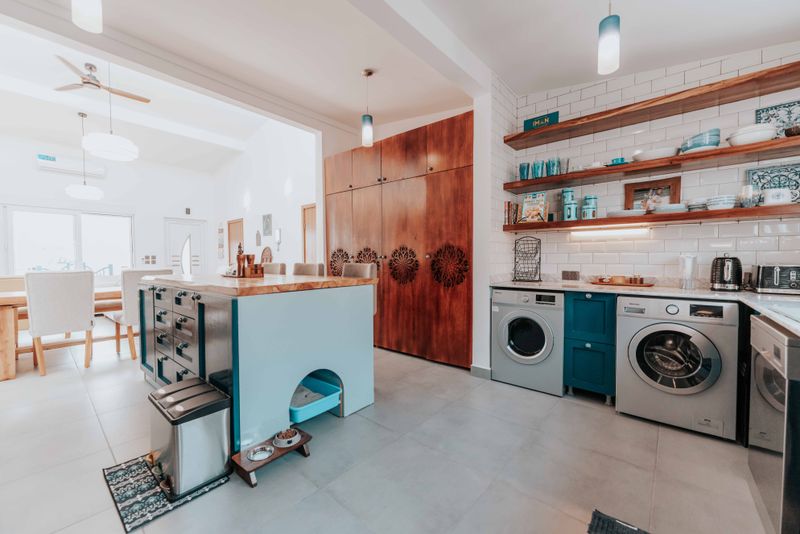
Backing out of a cramped kitchen corner can strain an already awkward turn. Place bowls where your dog can approach straight and leave without squeezing past furniture.
Allow space for a comfortable standing position.
Use a stable mat that catches spills without sliding or bunching. Keep water available rather than limiting drinks to prevent accidents.
In narrow rowhouse kitchens, an open wall often works better than a doorway. Clean spills promptly so nearby flooring stays reliably dry.
6. Raise Bowls Only When Your Dog Benefits
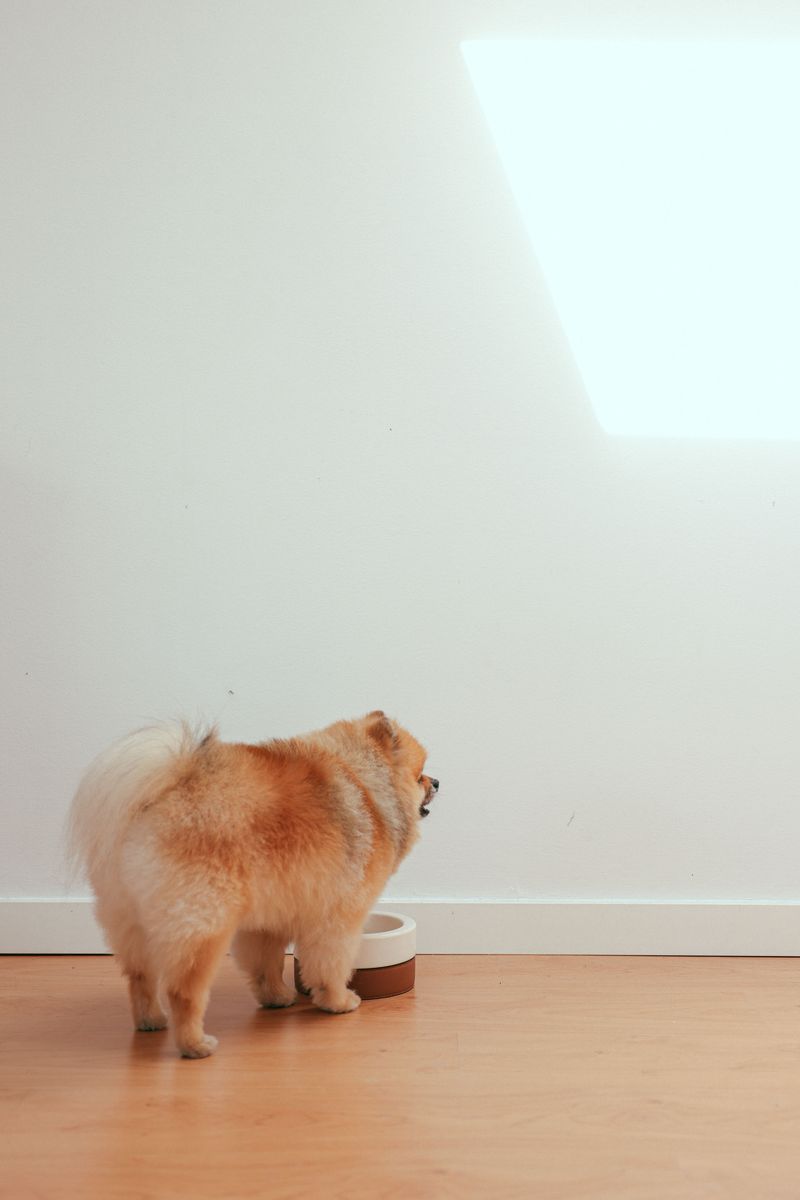
Higher does not automatically mean healthier when choosing a feeding setup. Some dogs with certain mobility problems may benefit from raised bowls.
Others do well eating at floor level.
Ask your veterinarian before changing bowl height, especially if your dog has a history of digestive trouble. Elevated feeding has not been shown to prevent bloat, and raised bowls may increase the risk of gastric dilatation-volvulus in some large, deep-chested dogs.
Choose a steady stand only when advised, and watch for coughing, gulping, or discomfort. Report changes rather than adjusting repeatedly.
7. Improve Lighting Along Hallways and Stairwells
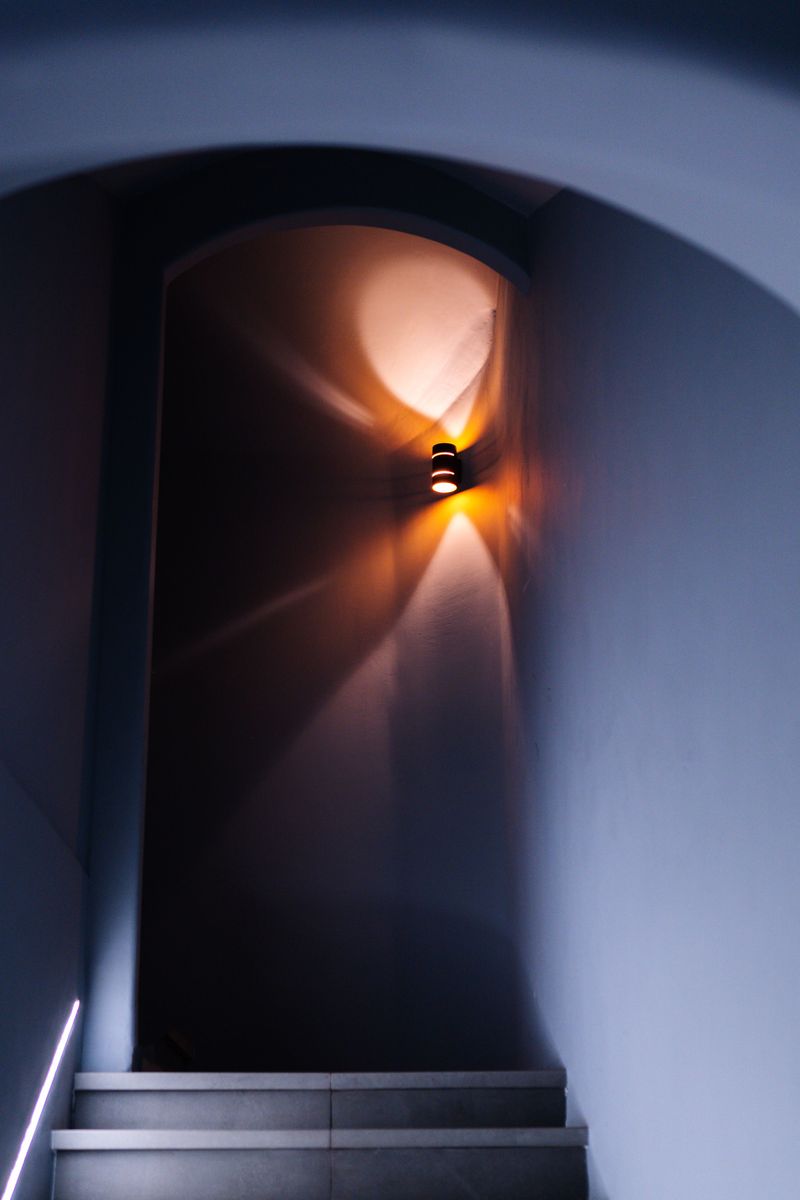
Evening shadows can make familiar hallways harder to read as vision changes. Add steady lighting near stairs, doorways, and the route to water.
Aim for clear visibility without glare shining into your dog’s eyes.
Choose night lights that leave outlets and walking space safely accessible. Motion lights should activate before your dog enters a dark stretch.
Secure cords out of reach. Sudden hesitation or bumping into furniture deserves veterinary attention, not simply another brighter bulb nearby.
8. Clear Narrow Hallways of Everyday Obstacles
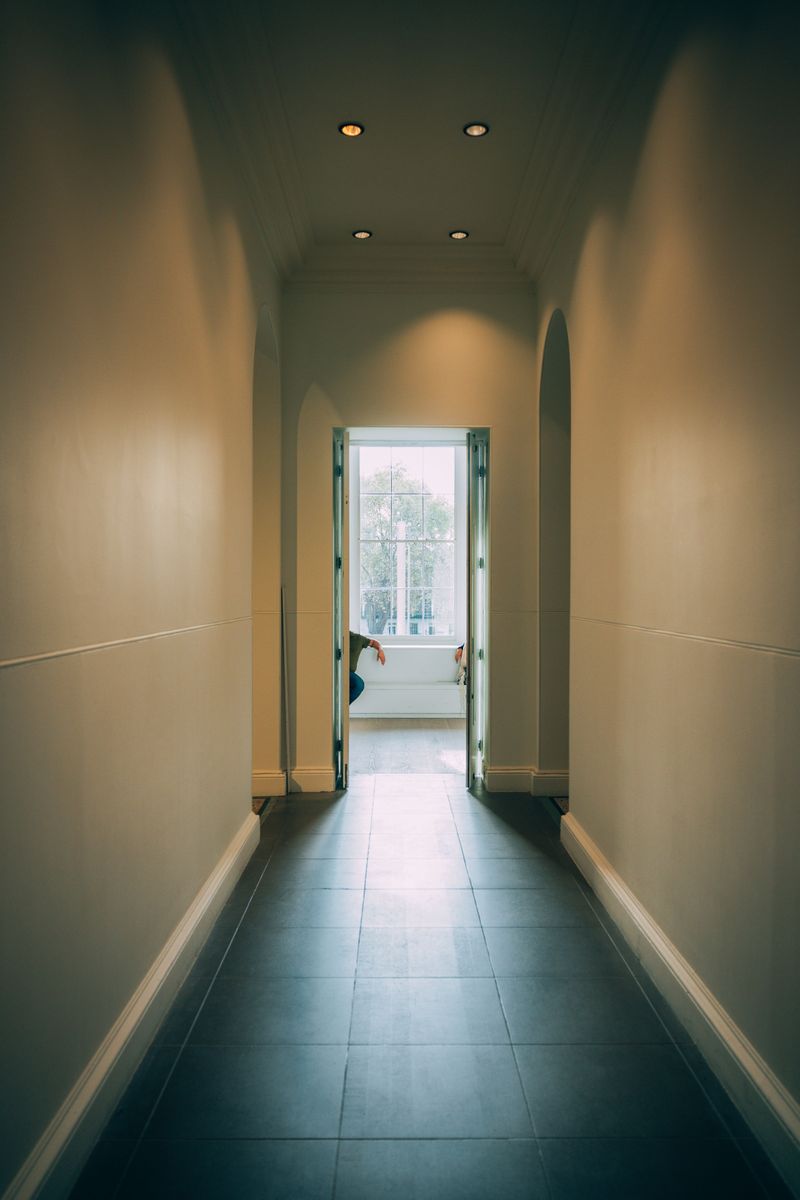
Shoes, delivery boxes, and laundry baskets quickly shrink a rowhouse passage. Give your dog a clear route wide enough for an unhurried turn.
Move storage upward only when shelves and hooks are securely installed.
Keep frequently used paths consistent, especially if your dog’s eyesight is changing. Push chairs back after meals and tuck cords away from paws.
Check routes from your dog’s height each evening. A clear hallway helps people carrying groceries move more safely, too.
9. Choose a Supportive, Low-Entry Bed Away From Drafts
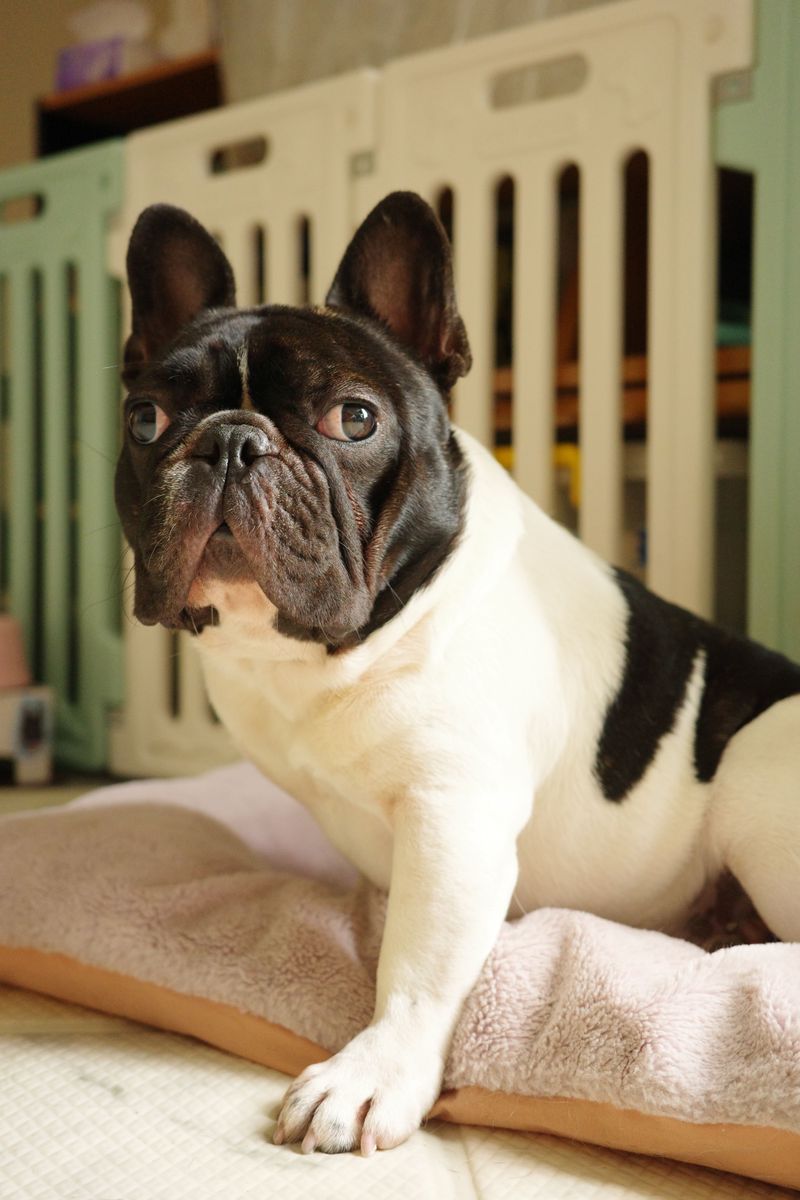
Getting comfortable should not require climbing over a tall cushion wall. Look for supportive bedding with a low entrance and enough room to stretch.
The surface should cushion joints without swallowing your dog’s feet.
Place the bed away from drafty doors, radiators, and busy household routes. Use washable covers and check underneath for slipping.
Let your dog test the bed rather than choosing by thickness alone. Persistent trouble settling can signal discomfort that needs veterinary attention.
10. Make Doorways and Their Hardware Easier to Use
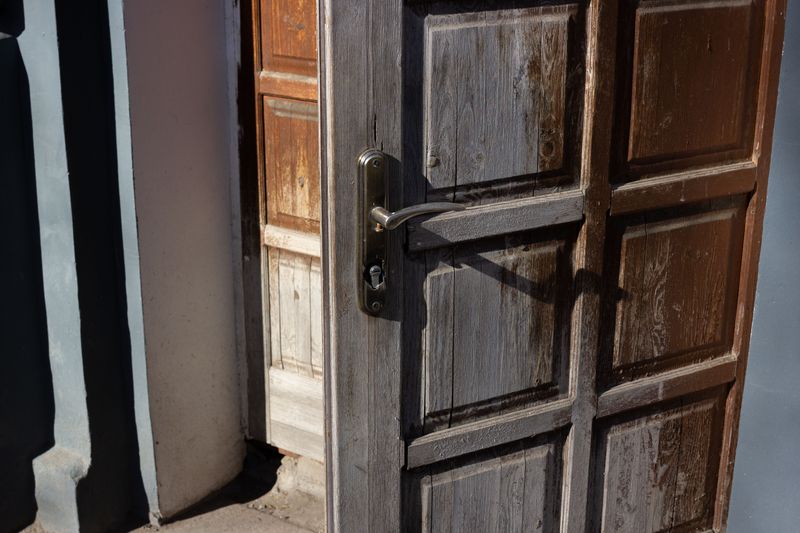
A sticky latch can leave you juggling the door, leash, and support harness. Repair sticking doors and consider easier hardware that still closes securely.
Maintain reliable locks and household escape routes.
Check thresholds for raised edges that catch paws or interrupt steady steps. A firmly fitted transition piece may smooth the crossing without blocking drainage.
Ask your landlord before altering rental fixtures. Changes affecting required exits or exterior structures may need local approval, depending on your municipality.
11. Improve Access to the Backyard or Rear Patio
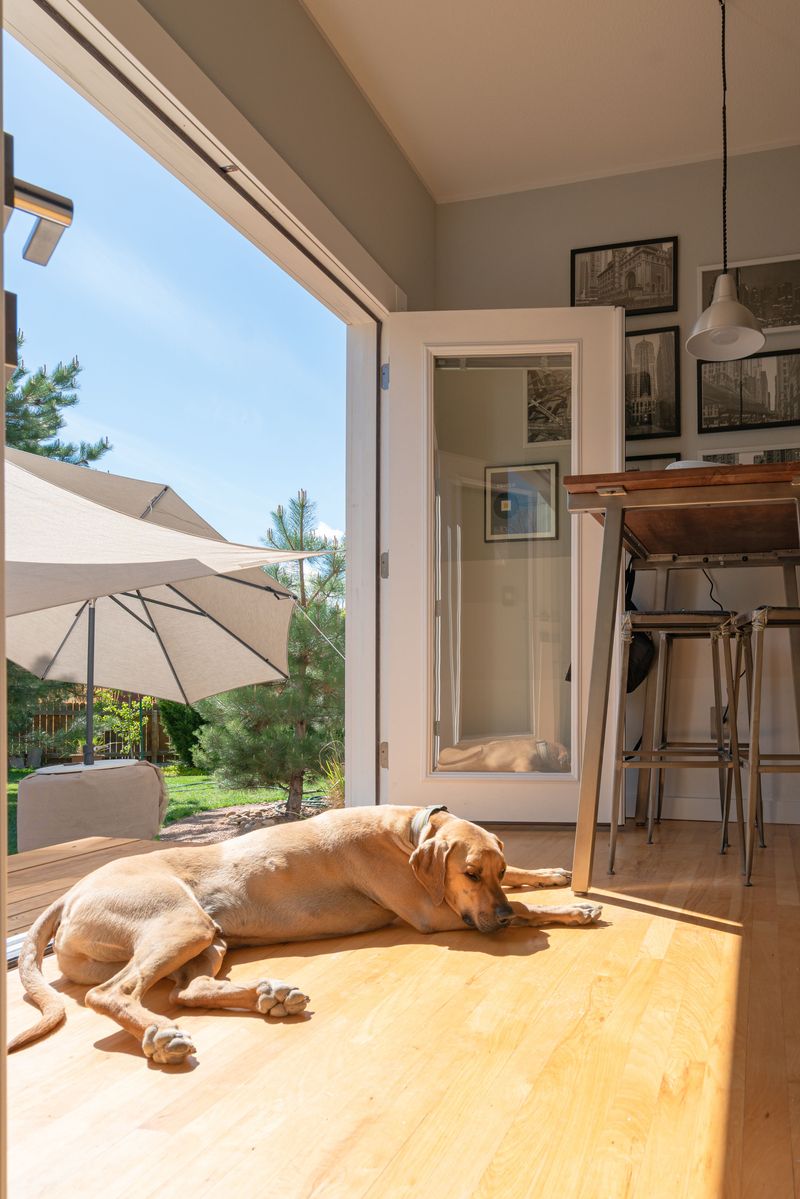
Rear patios often offer the shortest bathroom route in a Pennsylvania rowhouse. Inspect that path for uneven pavers, loose gravel, puddles, and slippery leaves.
Repair unstable surfaces before adding new accessories.
Keep gates secure and provide enough space for a slow turn near the door. During winter, clear snow and ice promptly.
Choose deicers carefully and follow label directions, since products marketed as pet-friendly can still irritate paws or cause problems if ingested. Wipe paws afterward and prevent licking treated ground outdoors.
12. Create a Convenient Indoor Potty Backup
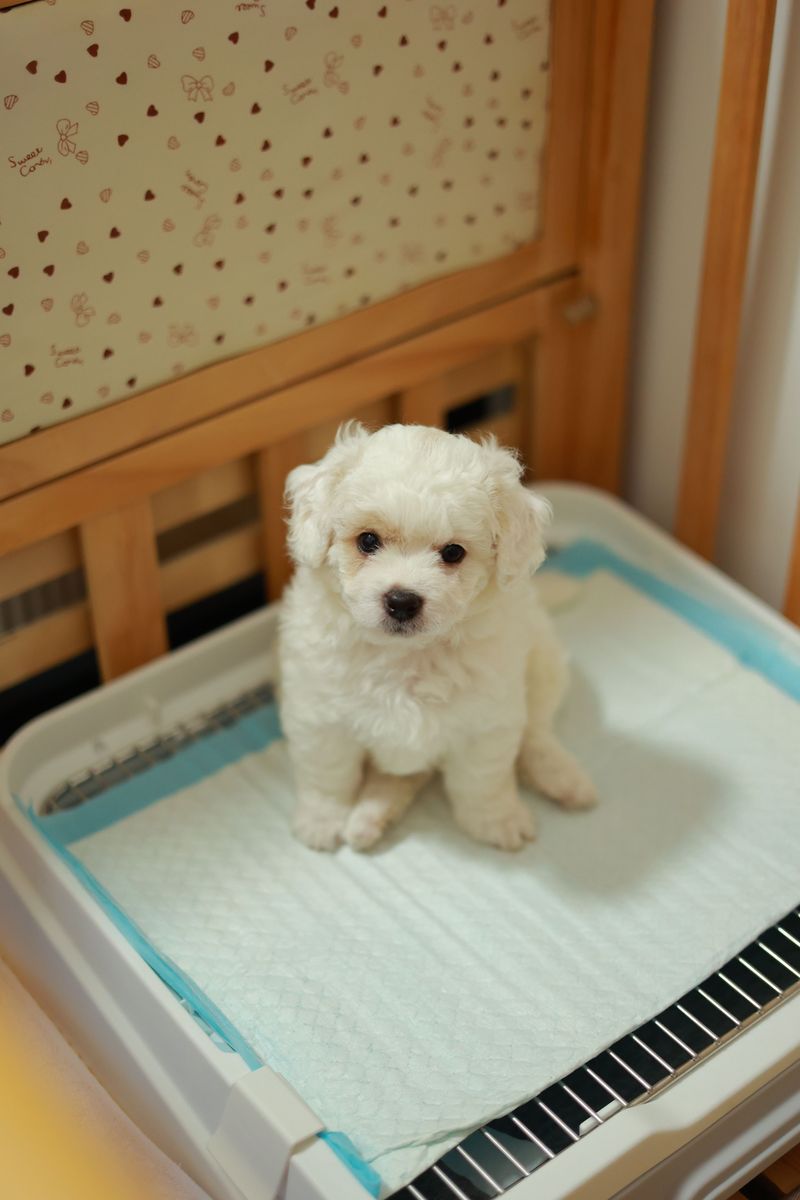
Bad weather and slower walking sometimes make outdoor timing tricky. Set up a low entry potty tray or absorbent pad in an accessible spot.
Keep it separate from bedding and feeding areas.
Introduce the station patiently and reward successful use without scolding accidents. Protect the floor underneath and clean the area regularly.
Continue outdoor breaks when comfortable and practical. New accidents, straining, or increased thirst call for a veterinary visit rather than simply adding more pads.
13. Make the Front Door Safer for Slow Exits
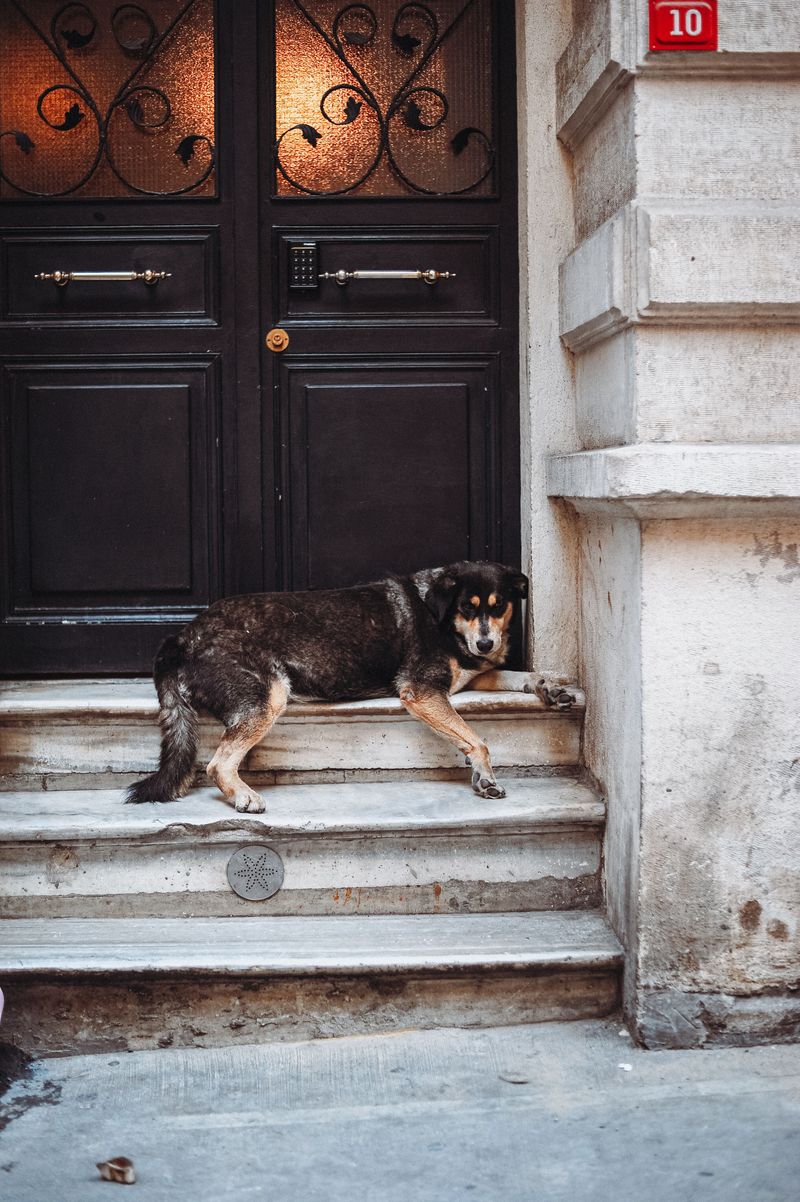
Busy sidewalks can rush a dog who needs extra time at the stoop. Clip the leash on before opening the front door.
Create a small waiting area inside, clear of bags and shoes.
Use a secure interior barrier when helpful, without blocking emergency exits. Check the landing before stepping outside together.
Keep public sidewalks clear of ramps or equipment unless properly authorized. For steep front steps, ask your veterinarian whether another exit offers a better daily route.
14. Keep Comfort Steady With Small Routine Checks
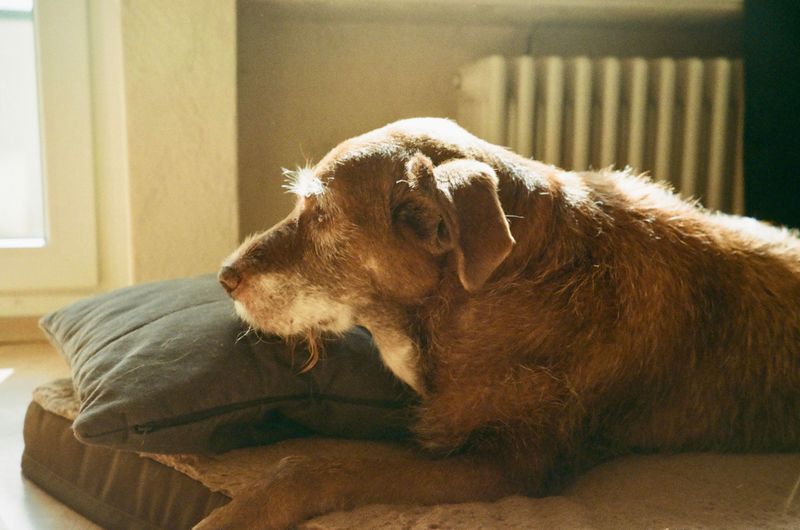
Comfort changes over time, even after a thoughtful home update. Walk your dog’s usual route weekly and check mats, lighting, bedding, and door access.
Notice where pauses or awkward turns appear.
Share new mobility changes with your veterinarian instead of assuming age explains everything. Adjust one feature at a time so your dog can learn comfortably.
Keep the changes that genuinely help. A safer rowhouse grows from small, steady choices that make ordinary days feel easier.