15 Texas Grooming Problems Caused By Dust, Heat, Burrs, And Gulf Coast Humidity
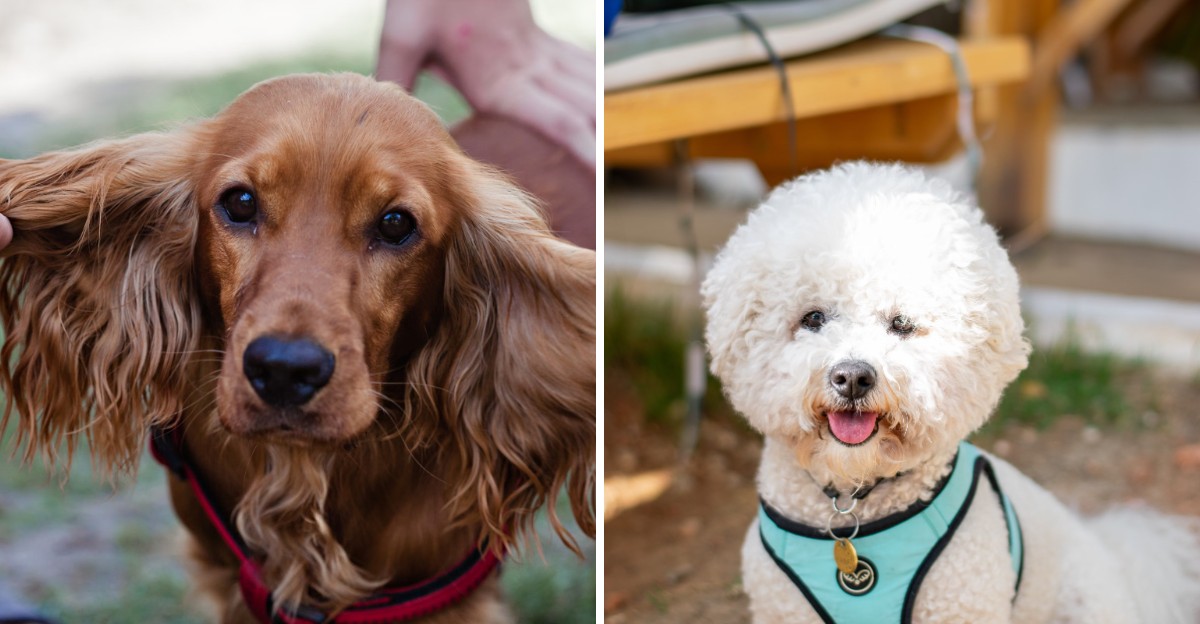
Texas weather can follow your dog right through the front door, tucked into fur, paws, and floppy ears. Dusty trails, sticky burrs, hot sidewalks, and damp coastal air each bring their own grooming challenges.
A few simple checks can help you catch small problems before they become uncomfortable. Whether you live near the Gulf or farther inland, knowing what to watch for makes grooming easier for you both.
1. Dust That Builds Up Along the Coat and Skin
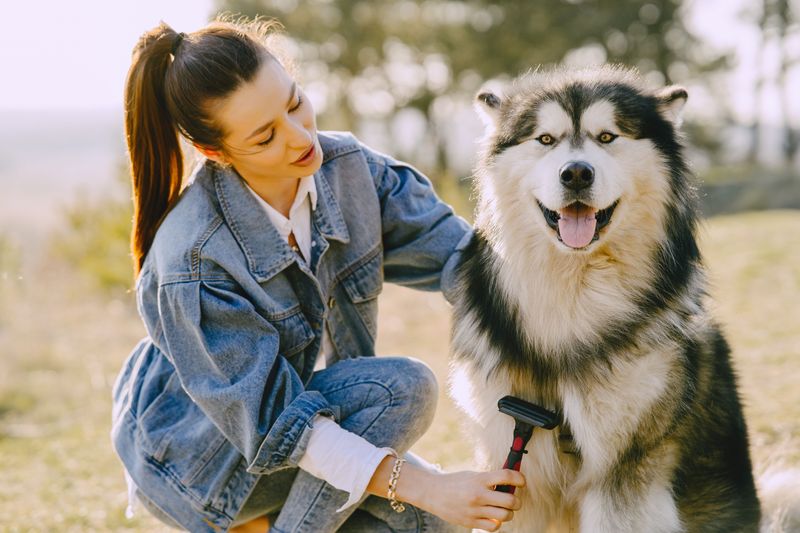
A backyard romp can leave a fine layer of Texas soil hiding beneath your dog’s fur. Dust may make the coat feel gritty and bother sensitive skin.
Brush gently after dusty outings, choosing a tool suited to your dog’s coat. Follow with a damp cloth when needed, rather than adding another full bath.
Check the belly, legs, and chest for redness. Persistent scratching or irritated skin deserves veterinary advice, especially when routine cleaning brings little relief.
2. Matted Fur Around the Collars and Harnesses
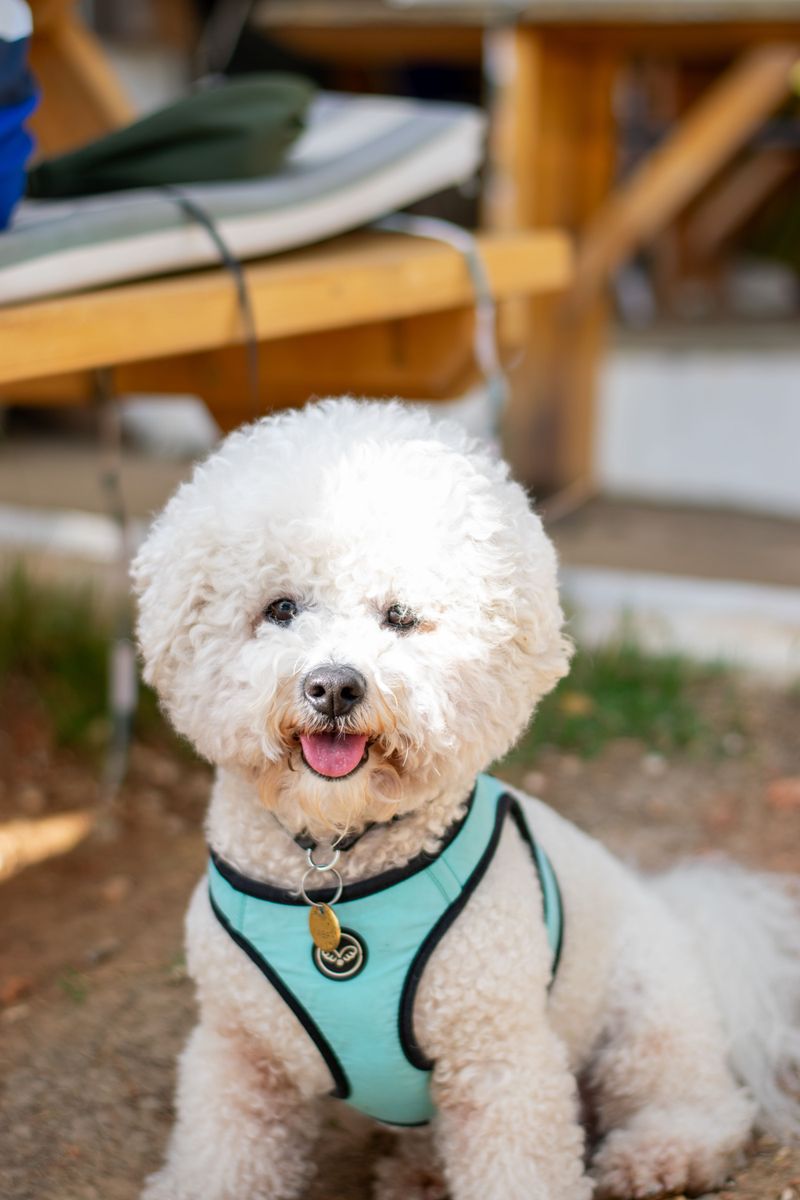
That favorite harness can leave more than a flattened patch after a long walk. Friction helps loose hairs knot together, especially behind the shoulders and around the neck.
Remove gear at home when safe, then check those hidden spots with your fingers. Gently comb small tangles without pulling against the skin.
Leave tight mats to a groomer. Scissors can catch skin concealed inside knots, making home cutting a poor choice for these sensitive, crowded trouble spots.
3. Hot Pavement and Sensitive Paw Pads
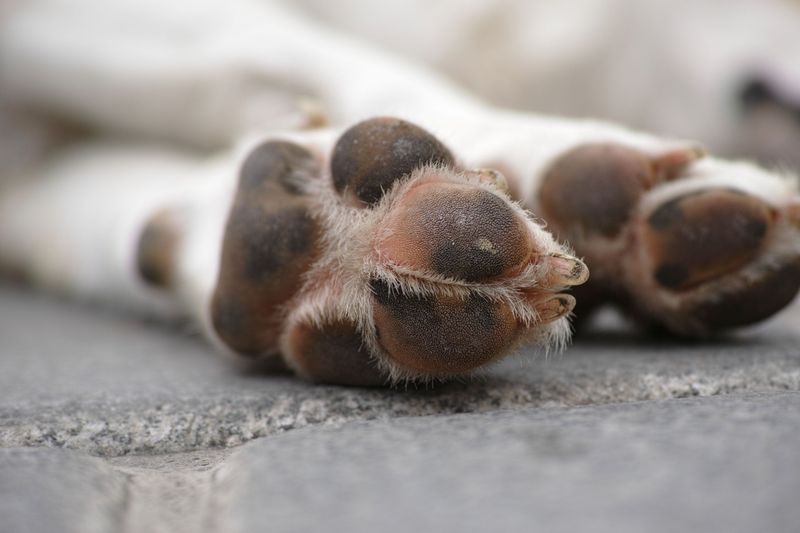
Summer sidewalks can become much hotter than the surrounding air. Paw pads offer protection, but they are not shoes.
Choose cooler walking hours and grassy routes whenever possible. Properly fitted boots may help, provided your dog accepts them and walks comfortably.
After outings, inspect pads for tenderness, blisters, or peeling. Stop walking if your dog limps or keeps lifting its feet.
Seek veterinary advice for suspected burns, and avoid applying human creams without checking their safety.
4. Burrs That Get Trapped Between the Toes
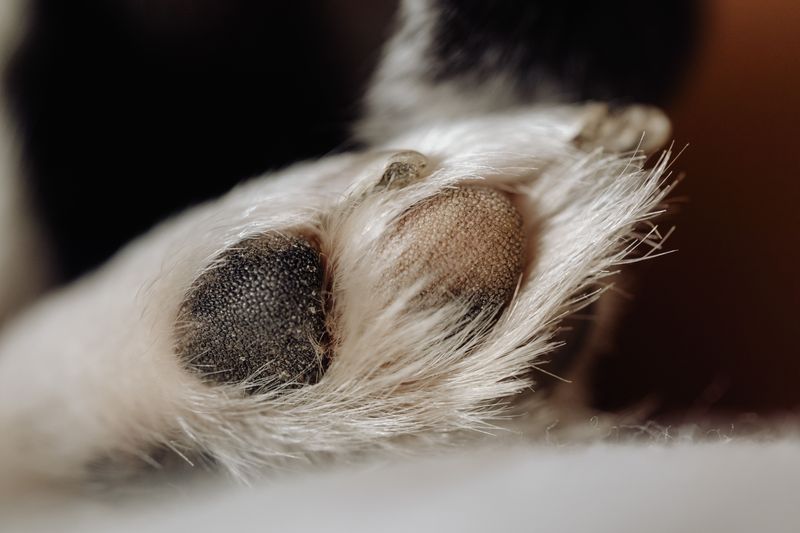
One tiny hitchhiker can turn an easy stroll into repeated paw licking. Burrs caught between toes may tug fur or press against tender skin.
After grassy walks, spread each toe gently and inspect the spaces underneath. Ease loose burrs from the hair without forcing them.
Stop if removal hurts, or the burr seems embedded. A veterinarian should check swelling, bleeding, or continued limping.
Keeping paw fur neatly maintained can make these daily checks simpler for everyone.
5. Sticky Plant Seeds Hidden in Long Ear Fur
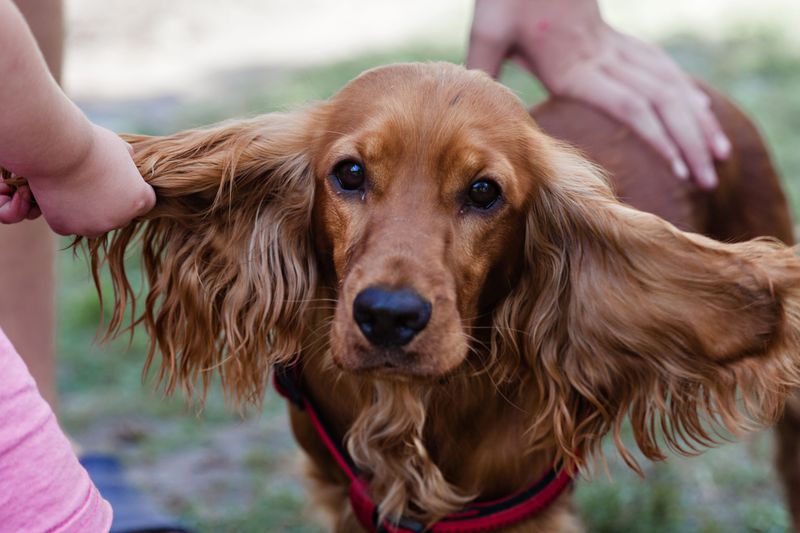
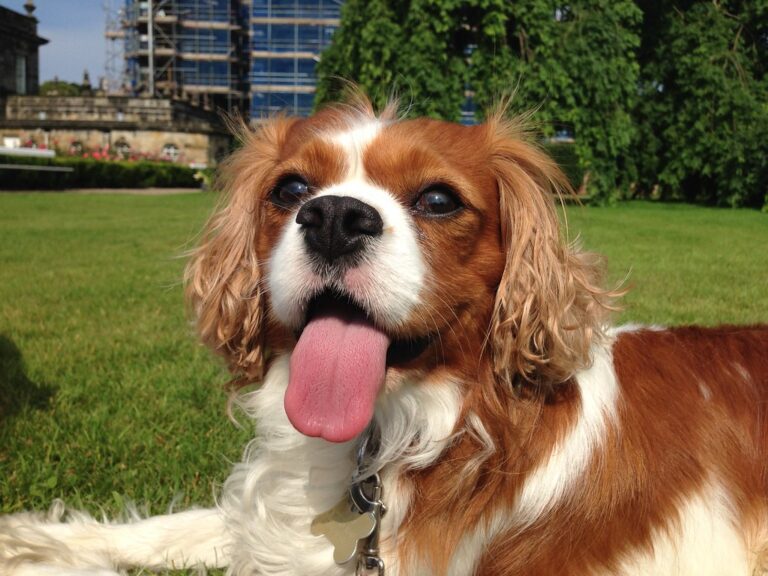
Floppy ears sweep through trails like little feather dusters. Their long fringe can collect sticky seeds before you notice anything unusual.
Check both sides of each ear after walks through brush. Hold the hair near its base while gently loosening surface seeds.
Never push tools into the ear canal. Head shaking, tenderness, or sudden scratching calls for a veterinary check.
Ask your groomer about keeping ear edges manageable without removing more hair than your dog needs.
6. Humidity That Makes Thick Coats Harder to Dry
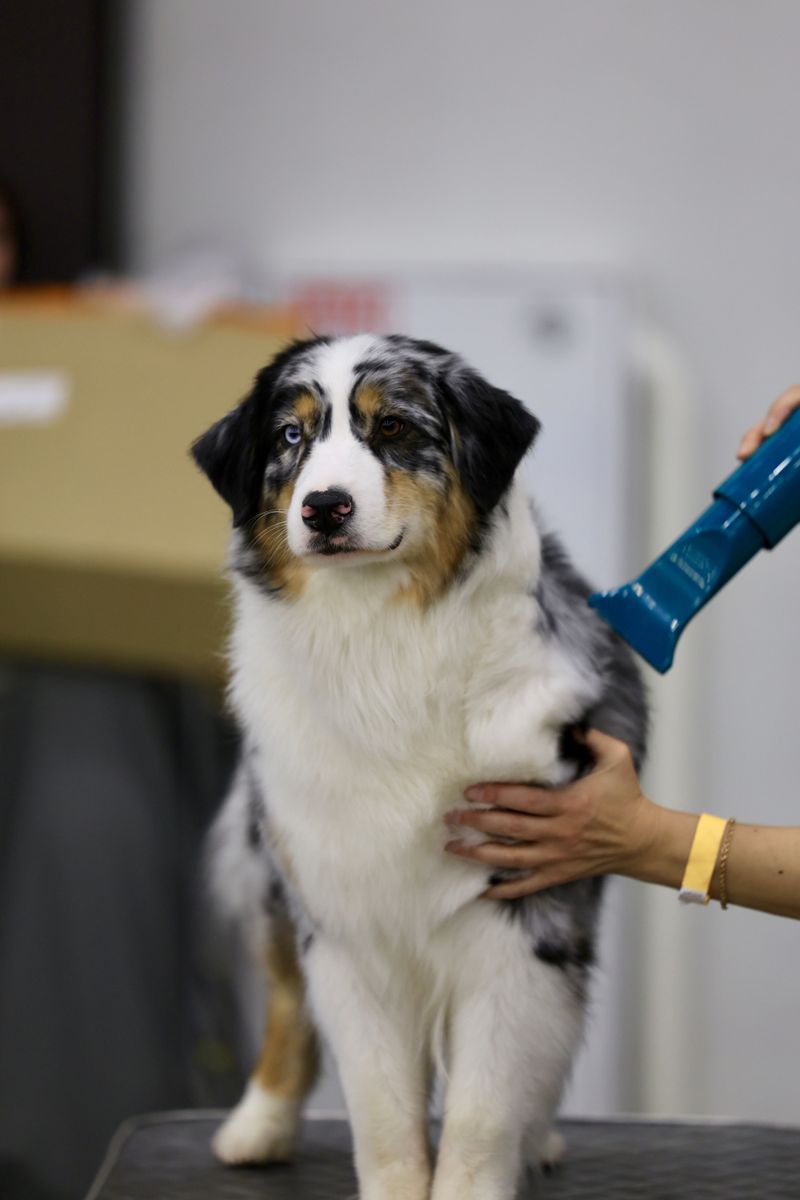
A coat that feels dry on top may still hold moisture near the skin. Gulf Coast humidity slows drying, especially beneath dense fur.
Blot with absorbent towels instead of rubbing vigorously. Then use comfortable airflow in a cool room, checking the undercoat with your fingers.
A pet dryer requires careful handling and temperature control. Never leave your dog unattended during drying.
If thorough drying feels difficult, a professional groomer can help protect both comfort and skin.
7. Skin Irritation Under Damp Collars
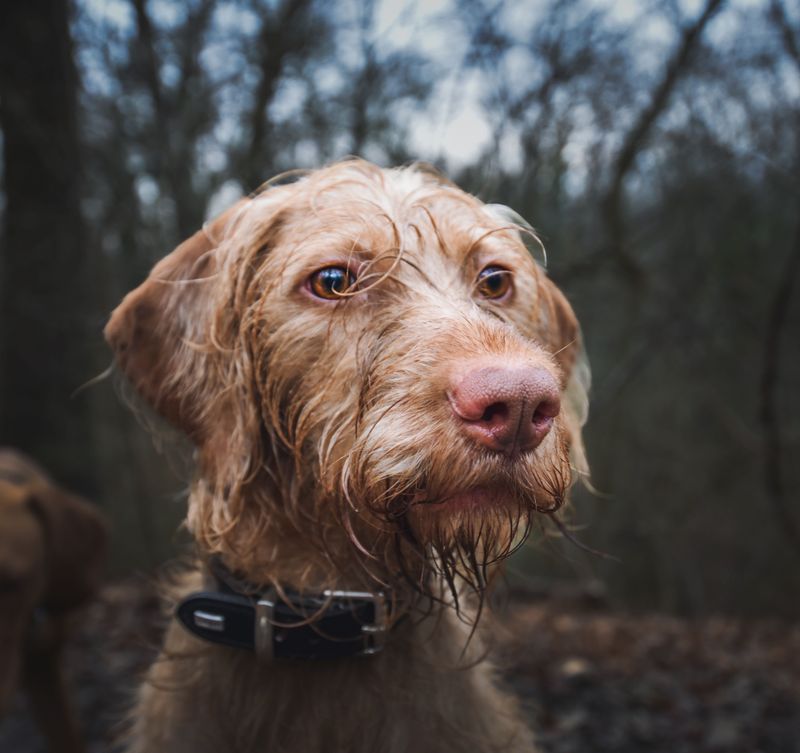
Rain, swimming, and wet grass can leave a collar damp long after an outing ends. Trapped moisture and rubbing may irritate the skin underneath.
Remove the collar in a secure setting and dry both neck and gear thoroughly. Check the fit regularly, following your veterinarian’s or manufacturer’s guidance.
Wash collars as directed, and keep a clean spare available. Redness, odor, or sore patches need attention.
Avoid covering irritated skin with another tight collar while seeking advice.
8. Tangled Fur After Swimming Near the Gulf Coast
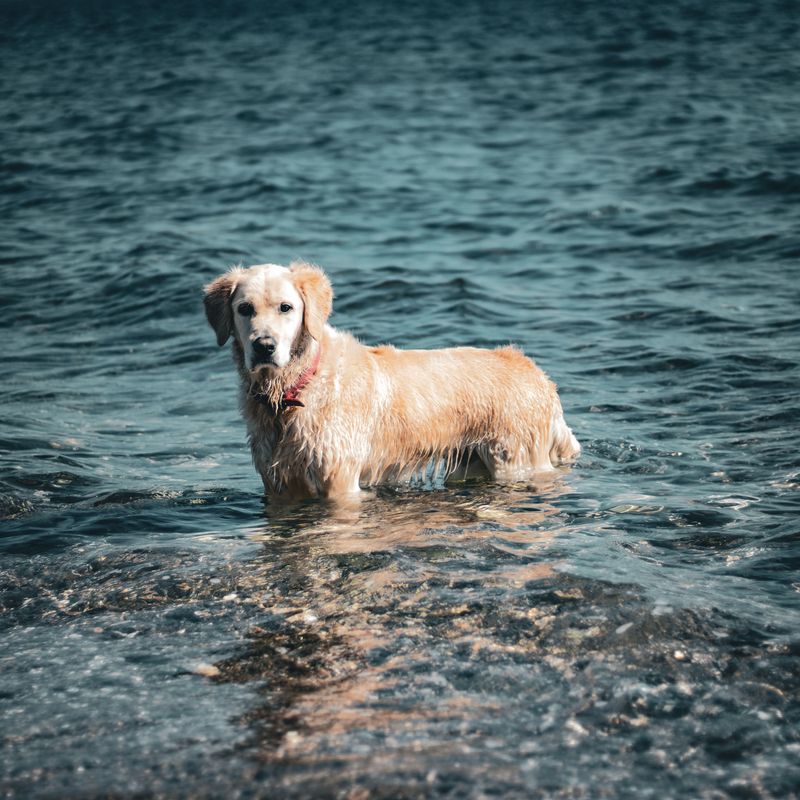
A beach swim can leave curls feeling stiff instead of soft. Salt, sand, and movement help create tangles, particularly around legs and feathered tails.
Rinse with fresh water after swimming, then dry the coat thoroughly. Work through loose knots gently with suitable grooming tools.
Use only dog grooming products appropriate for your pet. Never pull through tight tangles just to finish quickly.
Schedule professional help when mats resist gentle brushing or your dog shows clear discomfort.
9. Sand That Lingers Between the Paw Pads
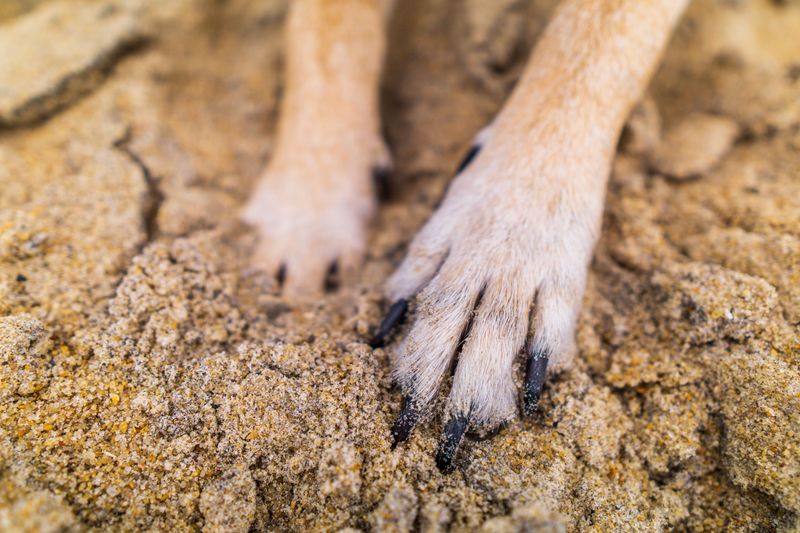
The beach sometimes comes home tucked between four sets of toes. Leftover sand can rub delicate skin, especially when mixed with moisture.
Rinse paws with fresh water and gently separate the toes. Pat dry carefully, including the spaces between pads.
Check again once your dog settles indoors, since grains can hide beneath longer fur. Persistent licking or redness deserves a closer look.
Avoid digging at stubborn material, and ask your veterinarian about anything lodged in skin.
10. Overgrown Fur That Traps Heat and Debris
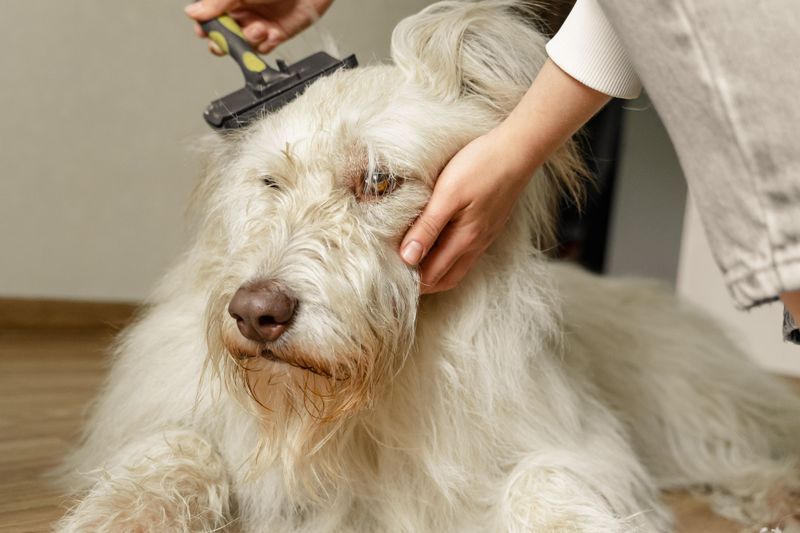
More trimming is not always the answer to a hot Texas afternoon. Coat type matters, and shaving double coats can affect their protective function.
Focus on removing loose undercoat, preventing mats, and keeping problem areas tidy. A groomer can suggest suitable maintenance for your dog’s breed and coat.
Keep paw and sanitary trims conservative and safe. Grooming supports comfort, but it cannot replace shade, water, and cooler surroundings.
Ask your veterinarian before making major coat changes.
11. Grass Seeds That Hide Beneath the Undercoat
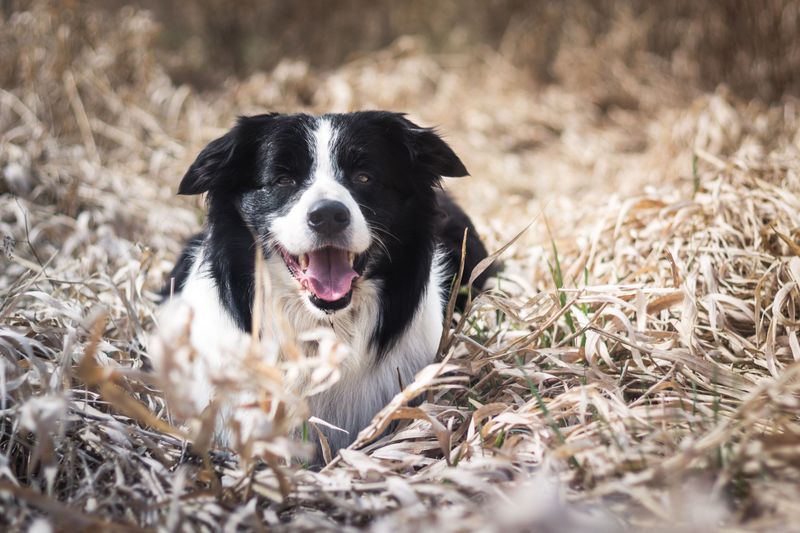
Dry grass can leave more behind than a dusty trail memory. Some pointed seeds work beneath thick fur and may enter skin.
After field walks, part the coat and check armpits, groin, chest, and paws. Remove only loose seeds sitting clearly within the hair.
Do not probe swollen spots or try digging out embedded material. New lumps, drainage, repeated licking, or limping warrant veterinary attention.
Regular brushing helps you spot hitchhikers before they disappear from view.
12. Dry, Flaky Skin After Frequent Baths
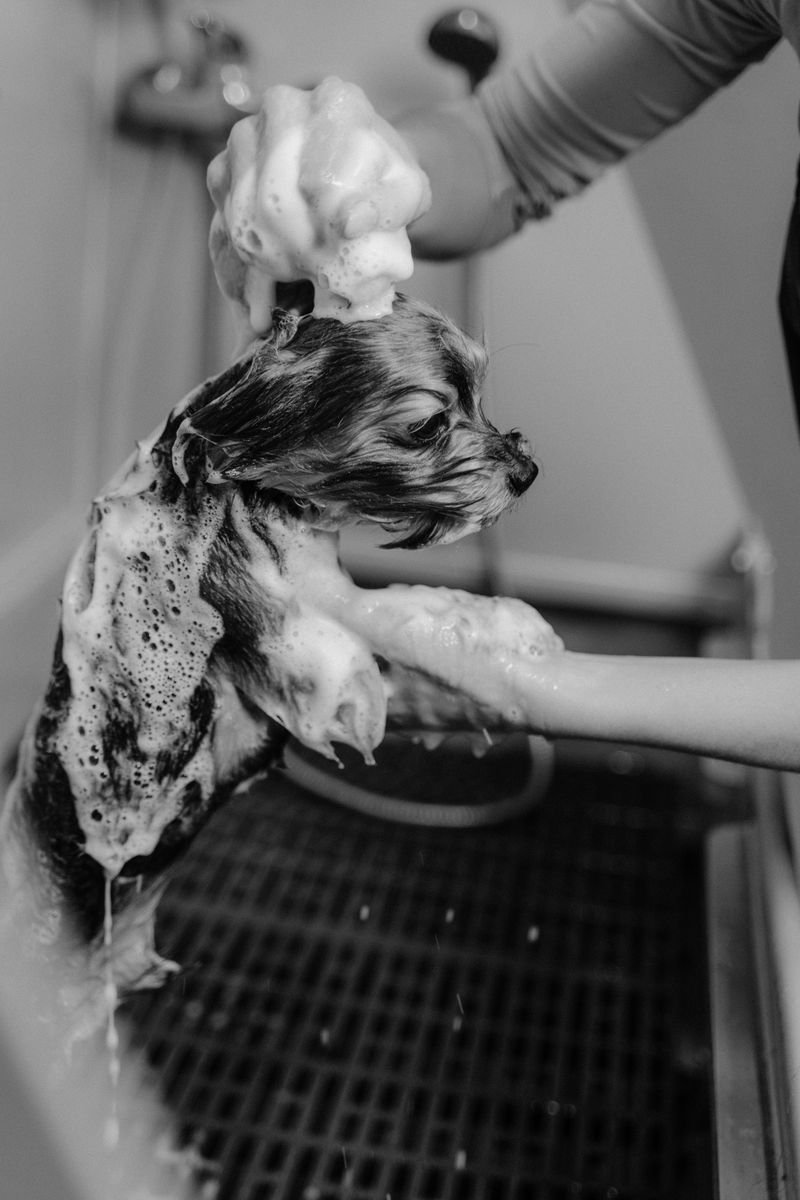
Another dusty day does not always call for another shampoo. Frequent bathing or unsuitable products can leave some dogs with dry, flaky skin.
Use a dog shampoo recommended for your pet, and rinse thoroughly. Between baths, brushing or wiping dirty areas may be enough.
Let your veterinarian guide bathing frequency if allergies or skin conditions are involved. Flakes can have several causes, so persistent itching needs evaluation.
Skip human dandruff products unless your veterinarian specifically recommends them.
13. Sweat-Like Odors in Skin Folds
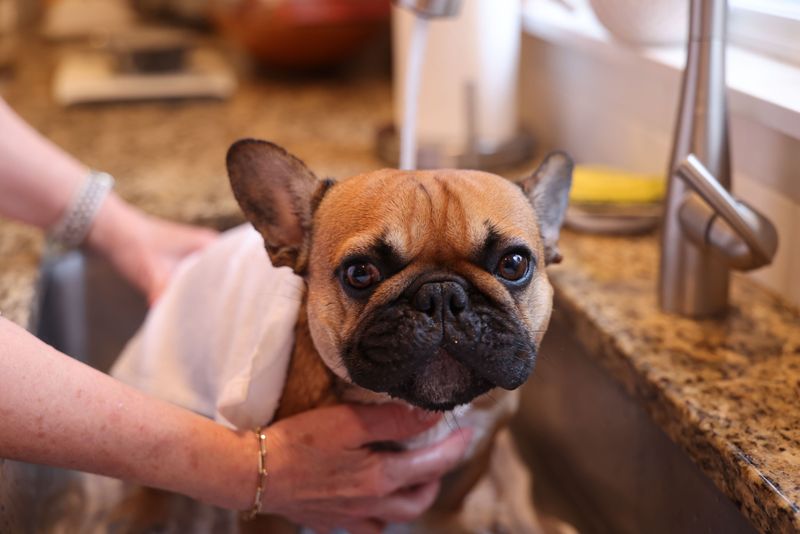
A musty smell around wrinkles is not simply your dog needing perfume. Moisture, skin oils, and microbes can collect inside folds during humid weather.
Dogs do not sweat across their bodies like people do. Clean folds as your veterinarian recommends, then dry them carefully.
Avoid scented sprays and powders unless approved for your pet. Redness, discharge, tenderness, or recurring odor may signal a skin problem.
Veterinary guidance helps address the cause rather than masking the smell.
14. Clipper Irritation After a Summer Haircut
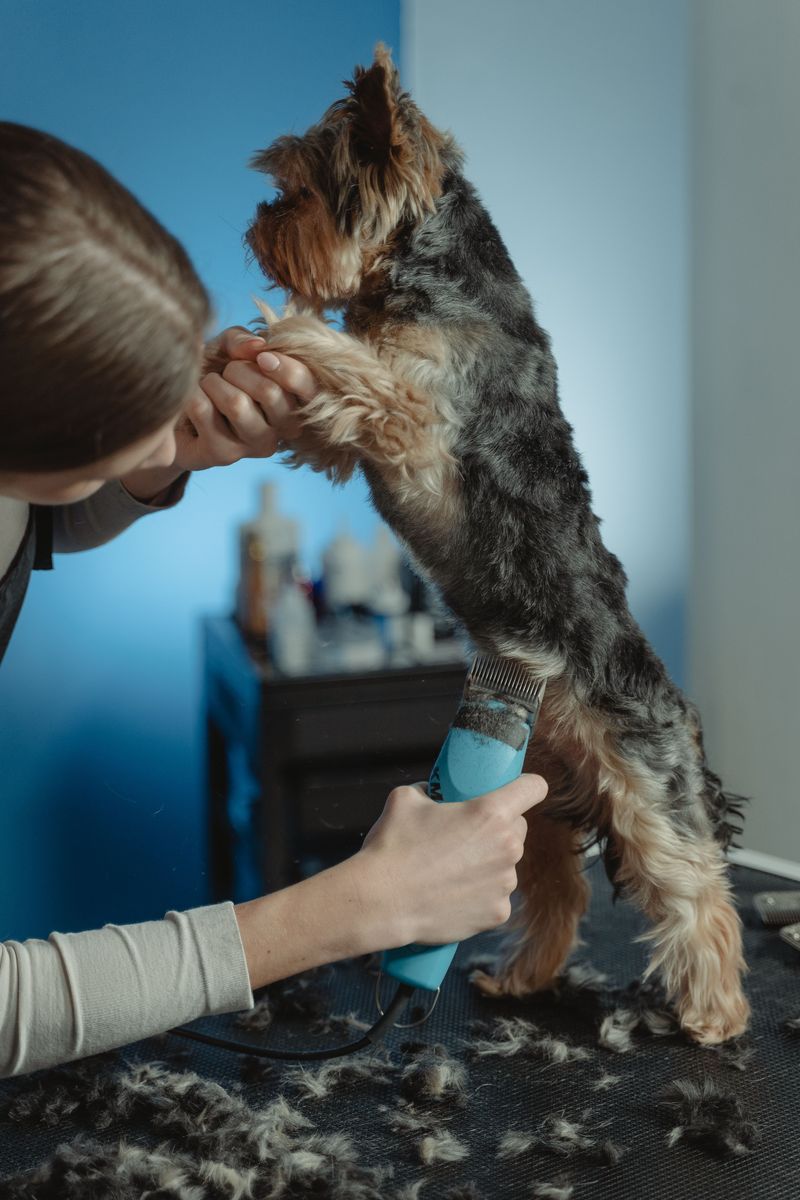
A fresh haircut should leave your dog comfortable, not constantly scratching. Close clipping, friction, or hot blades can irritate skin.
Choose a groomer who maintains equipment and checks blade temperature throughout appointments. Share any history of sensitive skin before grooming begins.
At home, watch recently clipped areas for redness or repeated licking. Avoid adding creams without veterinary guidance.
Contact your groomer about mild concerns, and seek veterinary care for painful, worsening, or persistent patches after the appointment.
15. Grooming Stress During Extreme Texas Heat
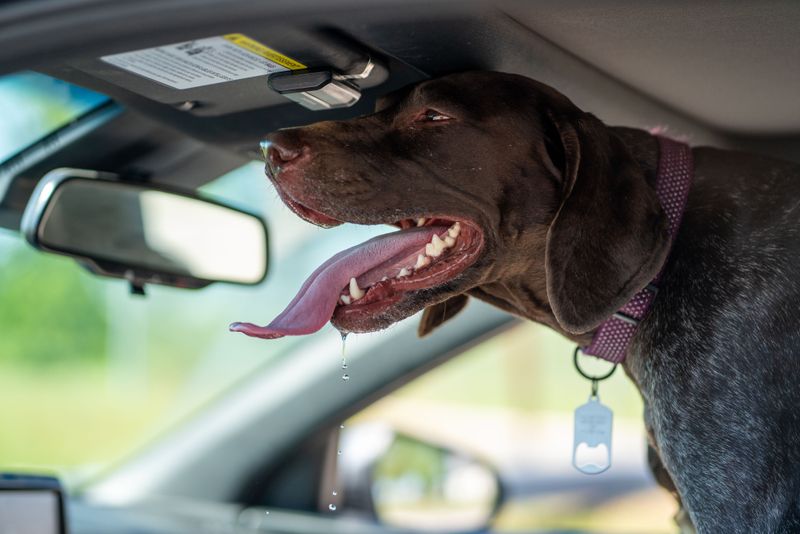
Even patient dogs may struggle when grooming meets sticky summer heat. Plan short sessions indoors with cooling, water, and breaks.
Watch for heavy panting, drooling, weakness, or unusual restlessness. Stop grooming, move somewhere cool, and contact a veterinarian promptly if overheating seems possible.
Never leave your dog waiting in a parked vehicle. Reschedule when conditions make travel or handling uncomfortable.
Across Texas, steady checks and gentle routines make grooming easier. Small habits help keep your dog comfortable.